Rodent Control in Moncks Corner, SC
Roof Rat, Norway Rat & Mouse Control: Exterior Treatment, Exclusion & Free Re-Treatment Guarantee
Moncks Corner homeowners deal with a rodent pressure combination that most SC cities don’t face simultaneously. Roof rats, the arboreal coastal species that travel via tree canopy and fence lines, are present throughout Berkeley County’s wooded residential areas, entering homes from above through gable vents, soffit gaps, and roofline penetrations. Norway rats, the ground-burrowing species associated with agricultural land, migrate into residential properties from the farmland and managed timberland that borders Moncks Corner’s neighborhoods, particularly during fall harvest when field habitat is disrupted. Most pest control addresses one or the other. In Moncks Corner, you may be dealing with both. Vinx exterior rodent treatment is included on every plan.
Get Started in 60 Seconds
Choose what’s easiest for you
Request a Quote
We usually respond in 2 minutes
Call (854) 202-9023
Get a Live Person (no AI agents here!)
Sign Up Online
Get pricing and schedule now





Welcome to Vinx Pest Control
A Company That Actually Backs What It Says
At Vinx, we combine professional-grade treatments with a level of service most pest control companies don’t offer. Local technicians, fast response times, and a guarantee that actually means something.
Get a Free Quote“I’m not passionate about killing bugs. I’m passionate about customer service. At Vinx, you get experts who show up, do the job right, and stand behind every visit. No runaround, no fine print.”
RODENT COVERAGE
Rodent Treatment Is Included on Every Vinx Plan

Quarterly Protection
- 4 visits/year
- Exterior rodent treatment included
- Tamper-resistant bait stations
- Roofline & ground-level inspection
- Exclusion recommendation report
- Free re-treatment if rodents return

Bi-Monthly + Ant & Flea/Tick
- 6 visits/year
- Exterior rodent treatment included
- Ant & flea/tick coverage
- More frequent fall pressure coverage
- Priority re-service scheduling
- Full general pest protection

Monthly + Mosquito Coverage
- 9 visits/year
- Exterior rodent treatment included
- Monthly mosquito service
- Fall migration window covered monthly
- Ant, flea & tick coverage
- Free bed bug treatment after 12 mo
Starting rates for homes up to 3,000 sq ft. All plans: 12-month agreement. Interior rodent treatment available upon request for confirmed interior infestations.
Don’t Wait Until Fall Migration Season: Get Protected Now
Moncks Corner’s fall rodent migration is predictable. The homeowners already on quarterly exterior treatment when it happens are protected. Call (854) 202-9023 or fill out the form below.
Our Approach
How Vinx Eliminates Rodents in Your Moncks Corner Home

Rodent Inspection & Entry Point Identification
Your technician inspects the full structure (attic, crawlspace, basement, garage, and exterior) to locate active rodent runs, droppings, gnaw marks, and nesting sites. Anything larger than a quarter inch, gap, crack or utility penetration, is documented as a potential mouse entry point, while rats need only a half-inch opening.
Exterior Bait Station Placement
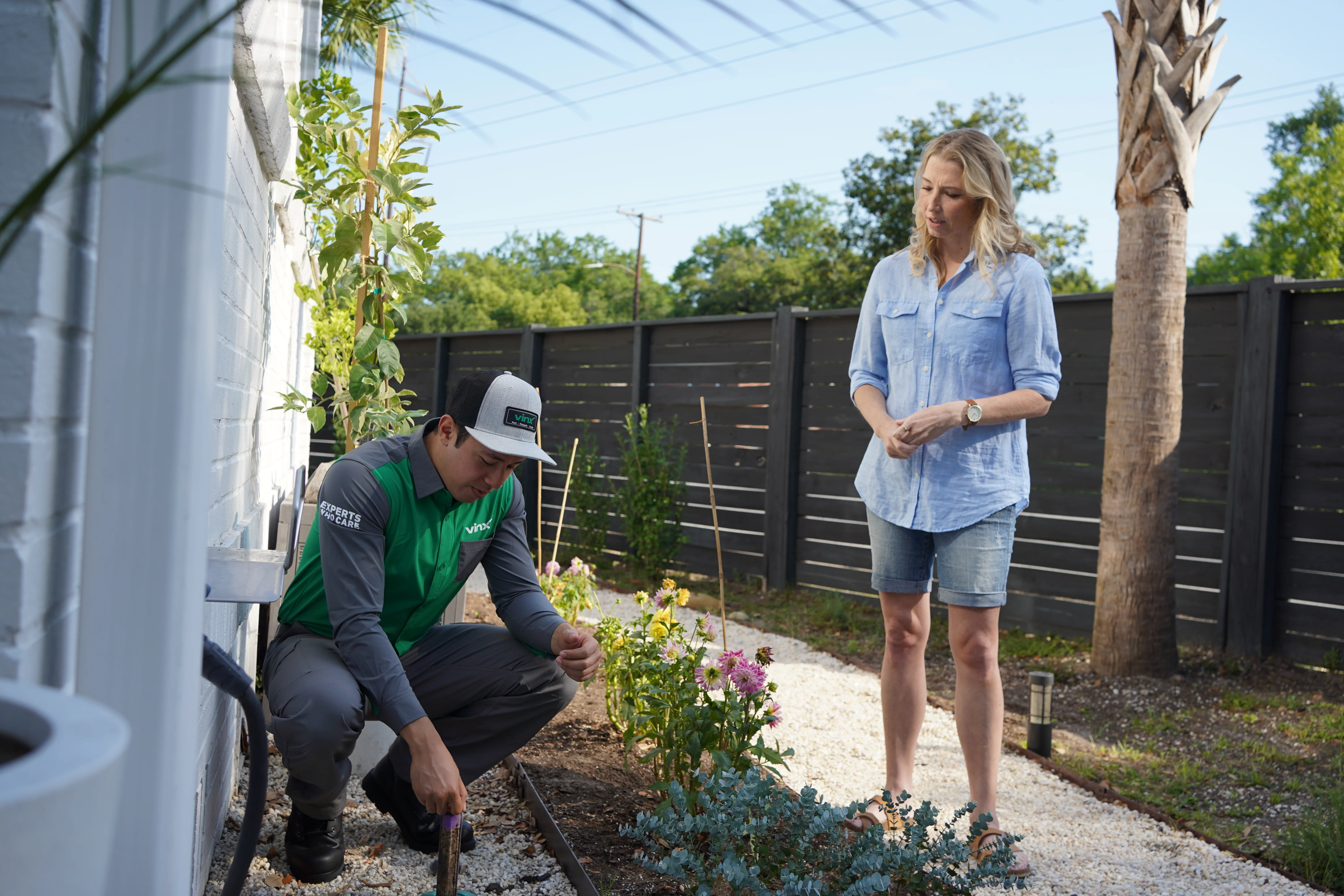
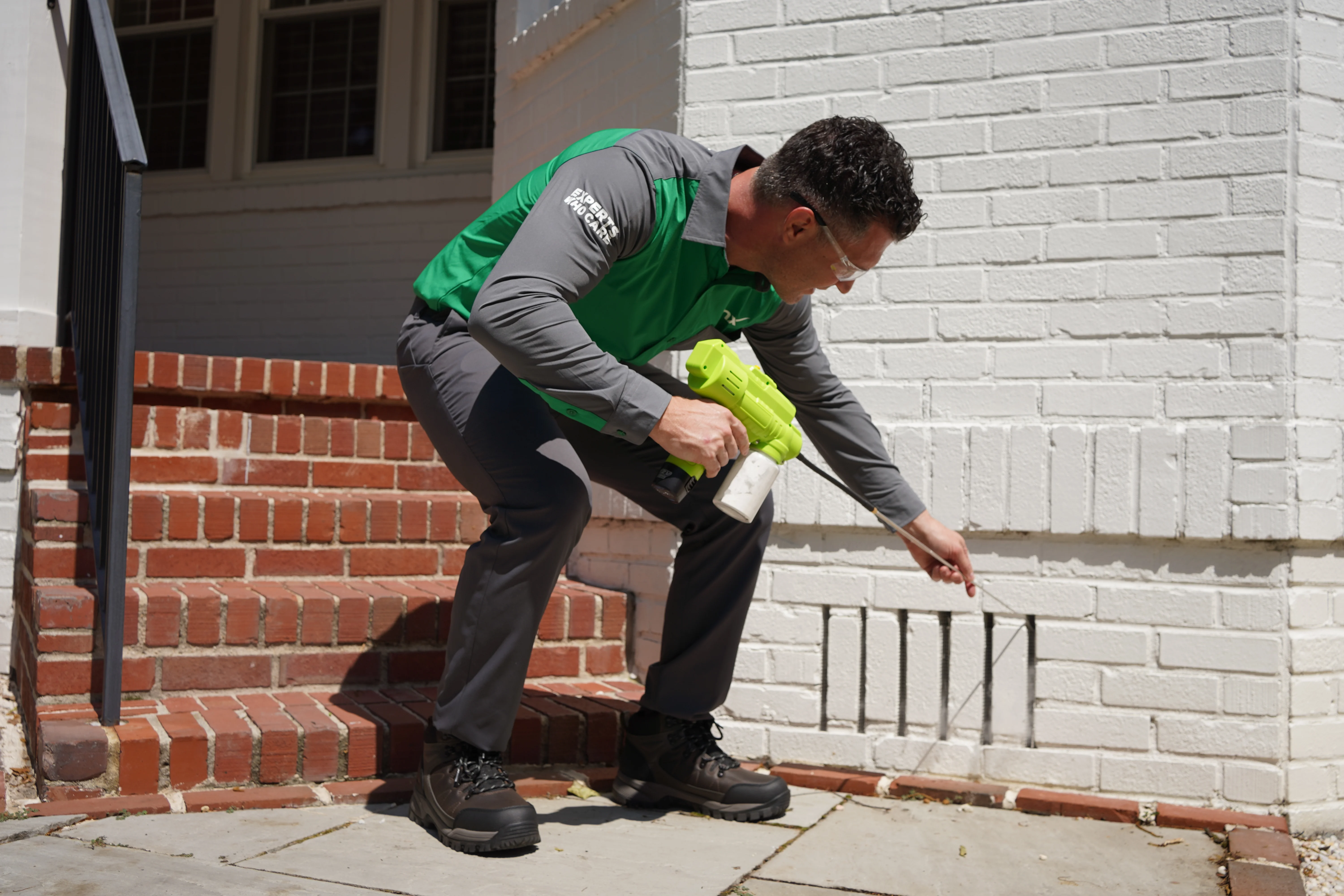
Tamper-resistant bait stations are placed along the foundation perimeter, garage walls, and other exterior runways where rodent activity is highest. Stations come secured and labeled, safe around children and pets provided they are properly deployed. Your technician charts station locations so they can be tracked on follow-up visits.
Interior Trapping
Snap traps and/or glue boards are placed along active interior runways, behind appliances, inside cabinets, along walls in the attic and crawlspace. The evidence found at inspection determines trap placement, not guesswork. Each service visit brings a trap check and reset.
Exclusion & Follow-Up
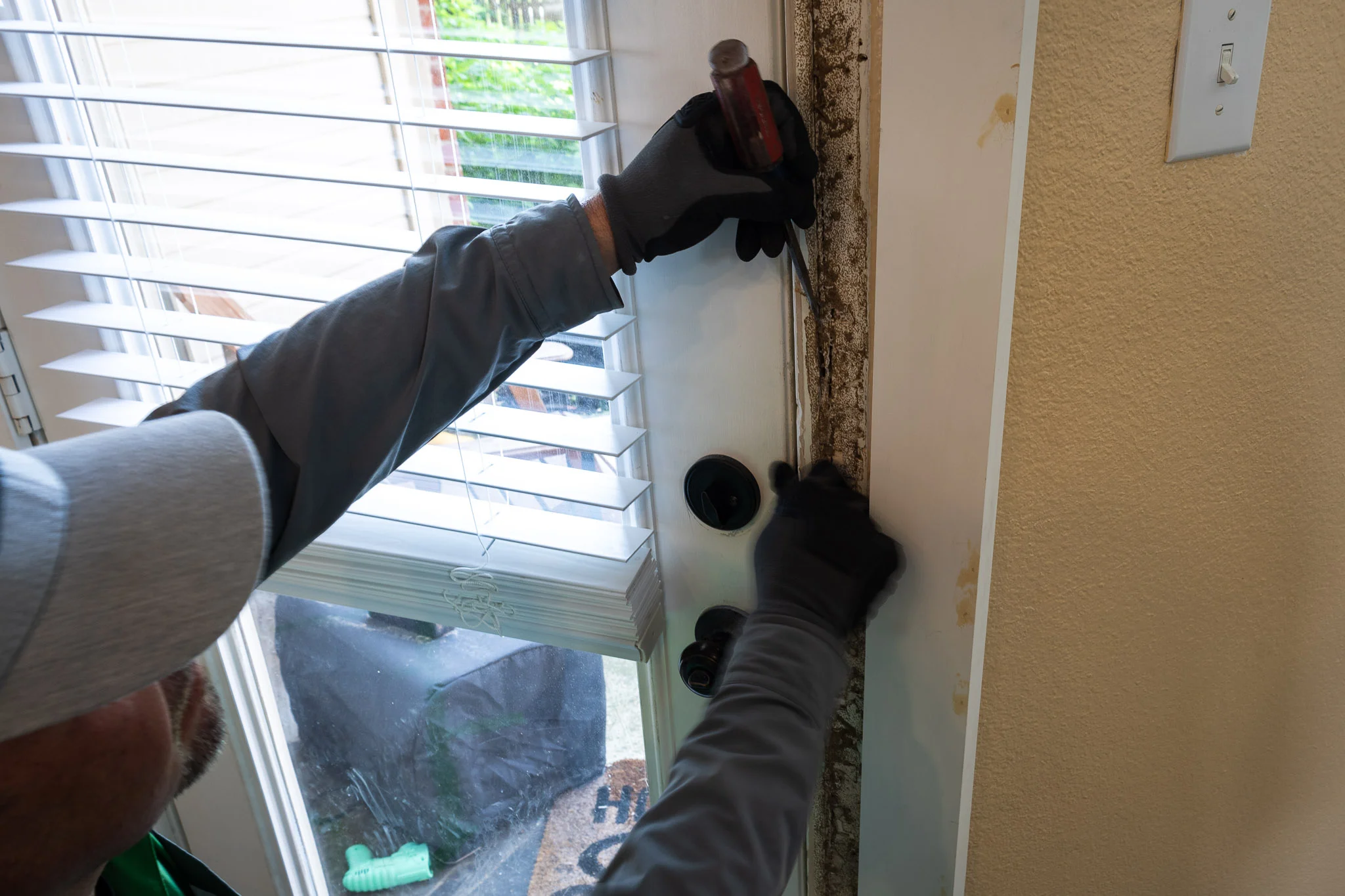
Steel wool, hardware cloth, and sealant are used to close the entry points identified during inspection. Exclusion is what keeps re-infestation away; lacking it, new rodents move in as fast as existing ones are taken out. Follow-up visits are where we confirm the infestation is resolved and the exclusion holding.
Customer Reviews
Real Reviews from Moncks Corner Homeowners
Very professional and paid attention to details.
As always GREAT SERVICE from Adrian at VINX !
Great team to deal with on the booking and in person! Anthony was great to work with!
Vinx technician did an outstanding job today. He was very polite, communicated well about my service and I fell like a valued customer !
Anthony did a good job with our pest control service! He was thorough and even took the extra step of moving our shoes out of the way so they wouldn’t get sprayed. Highly recommend Anthony!
Austin do respectful of our property and us. Very professional
Rodent Pressure in Moncks Corner
Why Moncks Corner Has Both Roof Rat and Norway Rat Pressure
Most South Carolina cities deal primarily with one dominant rodent species in residential areas. Coastal cities like Charleston and Mount Pleasant are roof rat territory. Agricultural and rural counties further inland deal primarily with Norway rats from field habitat. Moncks Corner’s position at the rural-suburban interface of Berkeley County places it in the overlap zone where both species are active simultaneously.
Roof rats are genuinely a Lowcountry species, and Clemson backs that up. Clemson has run integrated pest management training for rodent control on Kiawah Island, where the roof rat is described as the primary rodent pest. Also called the ship rat, it is closely associated with ports and coastal settlement, and Berkeley County sits inside that range. Worth stating plainly, because the answer differs by state: in some markets further north the roof rat has largely been displaced by the Norway rat, but on the South Carolina coast it is the real thing.
Rodent Species in Moncks Corner
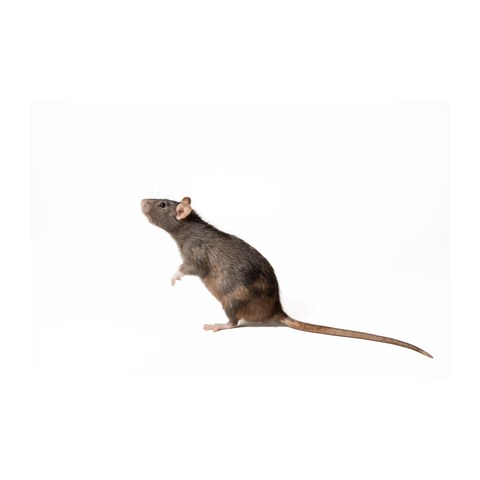
Roof Rats
6–8 inches, slender, dark brown to black with tail longer than body.
Arboreal, travels via tree canopy and fence lines, enters at roofline level through gable vents and soffit gaps.
Most common in properties with mature wooded lot adjacency throughout Moncks Corner and Bonneau.
Enters through gable vents, soffit gaps, ridge cap damage, and utility line penetrations at the roofline.
Included on all Vinx plans.
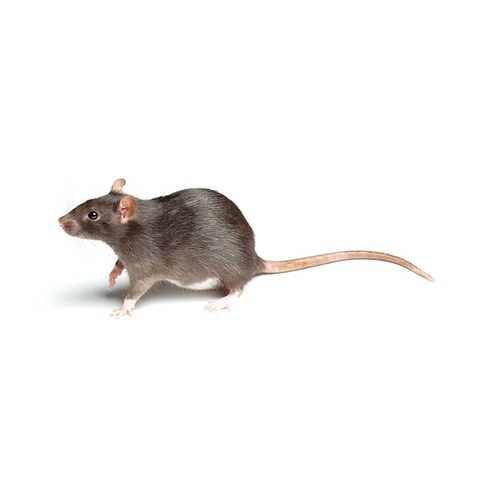
Norway Rats
7–9 inches, heavy-bodied, blunt snout. Ground-level burrower.
Migrates from agricultural and rural land into residential properties, especially during fall harvest when field habitat is disrupted.
Enters through foundation gaps, crawlspace vents, and ground-level utility penetrations.
Most significant on properties adjacent to farmland along Moncks Corner’s rural-suburban border.
Included on all Vinx plans.

House Mice
2–3 inches, slender, dusty brown-gray, can squeeze through a quarter-inch gap.
Highly adaptable indoor species present in all Moncks Corner neighborhoods year-round.
Rapid breeder under favorable conditions with pressure increasing in fall as temperatures drop.
Most commonly detected in kitchens, utility areas, and attic spaces.
Included on all Vinx plans.
Roof rats follow the tree canopy that covers much of Moncks Corner’s residential areas. Berkeley County’s well-wooded character (mature live oaks, loblolly pines, and mixed hardwoods throughout the town’s residential fabric) provides the aerial highway that roof rats use to travel between properties and access structures from above. Branches overhanging rooflines are direct bridges to gable vents, soffit edges, and rooftop penetrations.
Norway rats migrate from agricultural land and managed timberland into residential areas. Berkeley County’s agricultural heritage means that farmland, timber operations, and undeveloped rural land directly border residential neighborhoods throughout the Moncks Corner area. Fall harvest activity, typically September through November, disrupts established field habitat and drives Norway rat populations outward from agricultural land into adjacent residential areas. This fall migration pattern is predictable and repeats every year.
There is no cold snap to reset the population. The nearest station with full NOAA normals, Charleston International, records a median freeze-free stretch of 266 days, roughly eight and three-quarter months, and only about 22 nights a year at or below freezing. Rodents breed year-round in that, so an attic colony established in October is still expanding in February, and the autumn migration this page describes is a redistribution rather than a seasonal die-off.
And this is a fast-building county. Berkeley County grew 15.0% between the 2020 Census and July 2024, and 59.4% of Moncks Corner homes were built in 2000 or later. Clearing and grading destroys established burrow systems in field and woodland, and the displaced population moves to whatever structure is nearest, which is usually the newest one. New construction is not protection here; it is often the trigger.
Large wooded lots provide undisturbed habitat adjacent to structures. Moncks Corner’s larger average lot sizes mean many properties have significant undisturbed vegetation directly adjacent to the structure, creating both Norway rat burrowing habitat and roof rat ground-level staging areas before they ascend to roofline entry points.
Seasonal Activity
Rodent Pressure by Season
Fall (Sep–Nov): PEAK PRESSURE
The highest-risk season. Berkeley County harvest activity disrupts Norway rat field colonies, driving migration toward residential areas. Cooling temperatures simultaneously drive roof rats and house mice toward heated structures. October and November are when most Moncks Corner homeowners first discover an infestation.
Winter (Dec–Feb)
Established interior populations remain active in heated structures. Roof rat colonies in attics breed through winter in Moncks Corner’s mild climate. New introductions from outside decrease but existing populations continue to expand if untreated.
Spring (Mar–May)
Colony expansion, winter-established populations produce offspring. Roof rat juvenile dispersal from established attic colonies is common in April and May. Homeowners who didn’t notice fall introductions first encounter evidence of established winter colonies.
Summer (Jun–Aug)
Moderate pressure with established populations active throughout. Norway rat populations at maximum size following spring reproduction. House mouse indoor encounters decrease somewhat but indoor populations remain active year-round regardless of season.
Warning Signs
Signs of Rodent Activity in Your Moncks Corner Home
Scratching Sounds Overhead
Scratching, scurrying, or rolling sounds in the ceiling or attic after dark, when roof rats are most active. The most common first sign of roof rat activity.
Burrow Entrances Near Foundation
Golf-ball-sized holes near the foundation, under decking, or in dense vegetation adjacent to the structure. Norway rat burrows, most common in fall near agricultural-adjacent properties.
Droppings
Roof rat: spindle-shaped, half inch, pointed ends. Norway rat: larger, blunt-ended, 3/4 inch. Mouse: rice grain size. Location tells you where activity is concentrated.
Gnaw Marks on Wiring
Roof rats gnaw on electrical wiring in attic spaces, a documented fire hazard. Exposed wire insulation in the attic should be treated as urgent. Norway rats gnaw at ground level and in crawlspaces.
Greasy Rub Marks
Brown smear marks along rafters and wall edges in the attic from roof rat travel routes. Ground-level rub marks along baseboards and under cabinets indicate mouse or Norway rat activity.
Runways in Vegetation
Worn paths through ground cover, disturbed mulch, and flat trails through lawn areas adjacent to fences indicate Norway rat or mouse travel routes from habitat to the structure.
Pet Food or Feeder Disturbance
Scattered bird seed with gnaw marks on the feeder, or disturbed outdoor pet food, are strong attractant indicators. Both Norway rats and roof rats are drawn to accessible food sources.
Disturbed Attic Insulation
Tunneling, nesting cavities, and general disturbance of attic insulation, with droppings and nesting material present, indicates established roof rat or mouse attic activity.
Damage & Health Risks
What Rodents Do to Moncks Corner Homes
Electrical Fire Risk
Roof rats gnaw on electrical wiring in attic spaces and wall voids. Exposed wiring is a direct fire hazard, the NFPA estimates rodents are responsible for approximately 20% of undetermined house fires annually. Gnawed wiring found in an attic should be treated as urgent.
Insulation Contamination
Roof rats nest in and tunnel through attic insulation, compressing it, contaminating it with droppings and urine, and reducing R-value. Heavily contaminated insulation may require full replacement, a significant remediation cost.
Disease & Contamination
Norway rats can transmit leptospirosis through urine contaminating water and soil, which matters on Berkeley County properties with standing water or a wet crawlspace. Rodents can also carry Salmonella on their bodies and in droppings. What they do not carry is hantavirus. The US reservoirs for that are the deer mouse, white-footed mouse, cotton rat and rice rat, not the house mouse, Norway rat or roof rat that actually get into houses, and cases are overwhelmingly in western states. We have taken that claim off this page rather than leave a scare standing. The genuine indoor concern is more mundane: droppings and nesting material in an attic can be drawn into the HVAC system and distributed through the house, which is why cleanup matters as much as trapping.
Structural & Plumbing Damage
Norway rats burrow beneath foundations, potentially undermining structural footings. Both species gnaw on PVC plumbing and HVAC ductwork. In Berkeley County’s humid crawlspace environments, any plumbing leak creates rapid secondary moisture damage.
Rodent Risk by Area
Rodent Pressure Across Moncks Corner & Berkeley County
Rural-Adjacent Properties & Agricultural Borders: HIGHEST COMBINED PRESSURE
The highest rodent pressure in the Moncks Corner service area. Properties adjacent to farmland, managed timberland, and undeveloped rural land experience predictable Norway rat migration every fall as harvest disrupts field colonies. The same wooded adjacent land also supports roof rat populations in the canopy. These properties face the dual pressure combination that makes Moncks Corner unique, both species simultaneously, with peak pressure from September through November. Pre-fall exclusion hardening and increased bait station placement before harvest season is strongly recommended.
Bonneau & Wooded Berkeley County Communities: HIGHEST ROOF RAT PRESSURE
Bonneau and other wooded Berkeley County communities with significant mature canopy and larger lot sizes carry some of the highest roof rat pressure in the service area. Large undisturbed wooded lots adjacent to structures, less frequent tree trimming on larger rural properties, and the mature canopy of established communities all create extensive roof rat habitat and travel routes. Properties in these areas with fruit trees, bird feeders, or branches within reach of the roofline are at the highest individual risk.
Moncks Corner Town Center: ELEVATED PRESSURE
Older residential properties in Moncks Corner’s town center carry elevated roof rat pressure from mature canopy and roofline gaps more common in older construction, the same factors that drive roof rat pressure in older neighborhoods of coastal cities. Town center properties also see Norway rat pressure from the drainage infrastructure and older utility systems running beneath established residential blocks. Quarterly exterior treatment plus roofline inspection is the appropriate maintenance level for town center properties.
Huger: ELEVATED PRESSURE
Huger’s deeply rural character (large lots, significant wooded and wetland adjacency, and proximity to the Francis Marion National Forest) creates some of the highest rodent pressure in Berkeley County. Both roof rats and Norway rats are well-established in Huger’s rural landscape. Properties here with outbuildings, wood storage, and undisturbed vegetation along the structure perimeter carry sustained year-round pressure. Quarterly service with aggressive exclusion work is the appropriate approach for Huger properties.
Cross & Jamestown: ELEVATED NORWAY RAT PRESSURE
Both communities sit within Berkeley County’s agricultural landscape, farmland and rural land directly adjacent to residential properties creates the Norway rat migration conditions that peak in fall. Cross’s position near Lake Moultrie also contributes roof rat pressure from lake-edge wooded vegetation. Properties in both communities with agricultural adjacency should treat September through November as their highest-risk period and prioritize exclusion of ground-level entry points before this window.
Established Moncks Corner Residential: MODERATE PRESSURE
Well-established residential neighborhoods in Moncks Corner with maintained landscaping and managed tree canopy experience moderate rodent pressure, primarily house mice year-round and roof rats from any adjacent wooded lots. Norway rat migration pressure is lower in these areas than in agricultural-adjacent locations. Quarterly exterior treatment maintains effective control at this pressure level.
Kid & Pet Safe
Our Treatments Are Safe for Your Whole Family: Including the Furry Members
Every product we use is EPA-registered and applied strictly at labeled rates by licensed South Carolina technicians. We take the guesswork out of safety so you can feel confident letting kids and pets back into treated areas quickly.

EPA-Registered Products Only
All products we apply are EPA-registered and used strictly per label requirements by our licensed technicians on every visit.
Tamper-Resistant Bait Stations
All exterior rodent bait stations are locked tamper-resistant housing, bait inaccessible to children, pets, and non-target wildlife.
Safe Interior Trap Placement
Interior snap traps are placed in inaccessible locations, behind appliances, crawlspace areas, and attic spaces away from family.
Full Placement Disclosure
Your technician advises you of all trap and bait station locations and relevant precautions at every visit.
Have a concern about products used near your pets or children? Call (854) 202-9023 and we’ll walk you through exactly what we use and why it’s safe.
Explore More
More Pest Control Services in Moncks Corner

Pest Control Moncks Corner
Year-round protection plan

Ant Control Moncks Corner
Household ants & others

Mosquito Control Moncks Corner
Monthly barrier treatments

Cockroach Control Moncks Corner
American & German roaches

Spider Control Moncks Corner
All spider species covered

Termite Control Moncks Corner
Bait systems & liquid treatment

Wasp Control Moncks Corner
Nest removal & prevention

Tick & Flea Control Moncks Corner
Yard & pet protection
Exterminator Moncks Corner
Same-day local exterminators

Bed Bug Control Moncks Corner
Heat & liquid treatments
Frequently Asked Questions
Rodent Control in Moncks Corner: Your Questions Answered
Moncks Corner homes encounter two primary rodent species: the house mouse (small, gray, enters through gaps as small as a dime) and the Norway rat (large, burrowing rat that enters through gaps around pipes and foundations). Roof rats are also present in Berkeley County, entering through rooflines and attic vents. Vinx identifies the active species at inspection because treatment placement differs.
Mice can squeeze through a gap the size of a pencil eraser. Rats need about a quarter-sized opening. Common entry points include gaps around utility pipes, damaged foundation vents, deteriorated door sweeps, and gaps where the roofline meets the soffit. Moncks Corner’s wooded neighborhoods and proximity to agricultural land increases rodent pressure compared to more urban areas.
Vinx places tamper-resistant bait stations in locations inaccessible to children and pets, typically inside wall voids, along foundation walls in crawl spaces, and in garages. Interior snap traps are placed in areas not accessible to pets. Your technician reviews every placement with you and advises on any precautions for your specific household.
Where you find the evidence usually tells you. Roof rats are climbers: they nest in attics, soffits and upper wall voids, travel along branches and utility lines, and leave droppings up high. Norway rats are ground dwellers: they burrow along foundations, under decks and in crawlspaces, work drainage lines, and leave larger droppings at ground level. Moncks Corner genuinely gets both, which is less common than you might think. Clemson has run rodent IPM training on Kiawah Island where the roof rat is the primary pest, so it is well established on this coast, while Norway rats push in from surrounding farmland and timberland. Your technician identifies which before deciding where anything goes, because treating the wrong level accomplishes nothing.
No, and we removed that claim from this page rather than leave it standing. Hantavirus reservoirs in the United States are the deer mouse, white-footed mouse, cotton rat and rice rat, and cases are overwhelmingly in western states. The rodents that actually get into Berkeley County houses, the house mouse, Norway rat and roof rat, are not established Sin Nombre reservoirs. The real reasons to deal with an infestation are more ordinary: leptospirosis from Norway rat urine where there is standing water, Salmonella carried on bodies and in droppings, gnawed wiring, and attic droppings being drawn into the HVAC system.
Two things happen at once. Harvest activity on surrounding farmland disrupts Norway rat field colonies and pushes them toward buildings, and cooling nights drive roof rats and house mice toward heated structures. That is why most Moncks Corner homeowners first notice activity in those two months even though the population has been building all year. The practical point is that exclusion work is far cheaper before that window than after: sealing in September is prevention, sealing in December is cleanup.
Over-the-counter rodent poisons placed indiscriminately in accessible locations pose secondary poisoning risk to pets, hawks, and owls that may eat poisoned rodents. They also don’t address how rodents are entering, eliminating one wave without sealing entry points means another wave follows. Vinx uses professional-grade tamper-resistant stations and includes entry-point assessment in every service.
Active infestations are typically controlled within 2–3 visits over 3–4 weeks. Entry-point sealing (exclusion) is the critical step that prevents re-infestation: Vinx recommends exclusion service alongside elimination treatment. Vinx Platinum customers receive ongoing protection with free re-treatments if rodent activity returns between scheduled quarterly visits.
Vinx services all of Moncks Corner and surrounding Berkeley County for rodent control including Bonneau, Jamestown, Cross, and Huger. Call (854) 202-9023 to schedule a free inspection.
Frequently, yes, and it catches people out because they assume a new house is a clean slate. Berkeley County grew 15.0% between 2020 and July 2024 and nearly 60% of Moncks Corner homes were built since 2000, so most of this market sits near ground cleared within living memory. Clearing and grading destroys established burrow systems, and the displaced population moves to the nearest structure, which is usually the newest one. If there is active earthmoving within a few hundred yards of you, expect pressure regardless of how tidy your own property is.
It is a genuine one rather than a sales line. Rodents gnaw continuously because their incisors never stop growing, and electrical cable is a convenient hard surface. Roof rats do this in attics and upper wall voids where you will not see it, and exposed conductor in an attic is a real ignition risk. That is why we treat gnawed wiring as urgent rather than routine, and why an attic inspection is part of the job rather than an upsell.
Yes, and winter is the one season where indoor work matters more than outdoor. With a 266-day freeze-free season and only around 22 freezing nights a year, there is no cold period that knocks populations back. New introductions from outside do slow, but an attic or wall-void colony established in autumn keeps breeding through the winter in a heated structure and disperses in April and May. Homeowners who stop service after the autumn scare are usually the ones who find an established colony the following spring.
Service Coverage
Rodent Control Across Moncks Corner & Berkeley County
Exterior rodent treatment included on all plans from $49/mo across all of Moncks Corner and Berkeley County.