




Getting mice out of an attic is three jobs in order: seal every gap wider than a quarter inch, trap the mice already inside, then remove nests and droppings safely. Skip the sealing and you trap forever. Skip the cleanup and the smell and health risk stay. Soap, mothballs and ultrasonic plug-ins do none of the three.
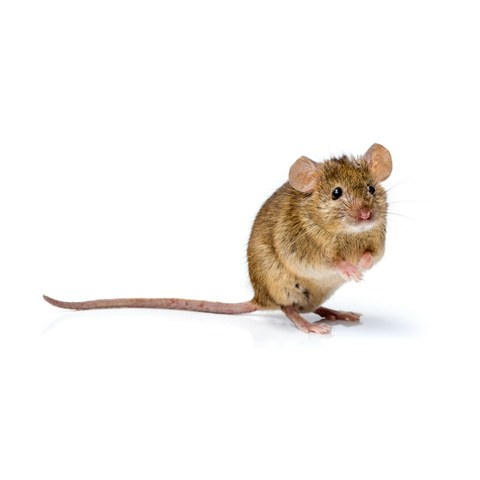
Why Are Mice in the Attic in the First Place?
Attics offer the three things a mouse needs: warmth, quiet, and soft material to nest in. Blown-in insulation is close to ideal nesting stock, and roof lines give easy access along utility lines and soffit gaps.

Scale is the part people underestimate. A female house mouse produces 5 to 10 litters a year at 5 to 6 pups per litter, those pups reach breeding age in 6 to 10 weeks, and gestation is only 18 to 21 days. A pair in March is a population by autumn.
House mouse (Mus musculus) figures from Nebraska Extension.
How Small a Hole Can a Mouse Get Through?
Slightly larger than a quarter of an inch. That is the single most useful number in this article, because it resets what counts as a gap. If you can push a pencil through it, a mouse can use it.
An adult is only 5½ to 7½ inches long including the 3 to 4 inch tail and weighs half an ounce to an ounce. There is very little of it to stop.
| Where to check | What you are looking for | How to close it |
|---|---|---|
| Soffit and fascia joints | Gaps where roof sheathing meets the wall, often hidden behind gutters | Seal with metal flashing or hardware cloth, not foam alone |
| Utility and cable penetrations | Annular gaps around wiring, pipe and AC line sets entering the attic | Stuff with copper mesh, then seal over the top |
| Roof and ridge vents | Torn or missing screening | Replace with ¼-inch or finer galvanized mesh |
| Gable vents | Louvres with no screen behind them | Screen from the inside so the louvre still vents |
| Chimney flashing | Separation between flashing and brick | Seal with mortar or metal; foam alone is chewed through |
How Do You Know How Many Mice Are Up There?
Count droppings, not sightings. A single mouse leaves 50 to 75 pellets a day, each one-eighth to a quarter inch long with pointed ends. It also leaves the nest up to 40 times a day, so activity looks heavier than the population really is.
One more useful constraint: mice seldom travel more than 50 feet from shelter and food. If droppings are concentrated in one corner of the attic, the nest is within about fifty feet of it, which is where traps belong.
What Do Mice in the Attic Sound Like?
Light, fast scratching and scurrying overhead, usually starting shortly after dark and again before dawn. Mice are most active at night, and because a single mouse leaves the nest up to 40 times a night, the noise comes in short bursts rather than continuously.
Scale tells you what you are hearing. Mice sound like quick scratching in one area; rats are heavier and slower, and squirrels are louder still and active in daylight. If the noise is daytime and heavy, read removing squirrels from an attic instead. For the wider signal list, see common signs of a rodent infestation.
Do Irish Spring Soap, Mothballs, or Ultrasonic Repellers Work?
No. None of them close a quarter-inch gap, and none of them remove a nest. That is the short answer, but the reasons are worth reading, because they apply to every remedy sold on the promise that mice hate a particular smell or sound.
Why smell-based repellents fail on mammals
The Internet Center for Wildlife Damage Management, the extension service clearinghouse for this exact question, puts the general answer plainly: repellents rarely work the way we want them to. Their explanation is worth borrowing because it is about animal behavior rather than chemistry.
A mouse in your attic is not choosing between a nice smell and a bad one. It is choosing between somewhere warm, dry and safe that smells unpleasant, and being outside in February. Think of the last strong smell you walked past on the way to something you needed. It did not stop you either. Add habituation, because an animal that smells a threat for days without ever meeting one stops reacting to it, and the odds get worse.
Then there is the reason these remedies keep their reputation. ICWDM calls it mistaken cause: someone scatters mothballs, the animal leaves two days later for reasons of its own, and the mothballs get the credit. Nobody ever writes up the attic where the soap sat untouched all winter.
One more piece of context explains why you will occasionally find a study that seems supportive. Most repellent research is agricultural, where cutting crop damage by 10% across hundreds of acres is a commercial success. In your attic, a 10% reduction in mice is not a result. You want zero, and repellents are not built to deliver that.
Irish Spring soap
This is the most persistent one, and the label explains why it fails. The soap base on an Irish Spring bar is sodium tallowate and/or sodium palmate, rendered animal fat or palm oil turned into soap, so you are leaving a fragrant block of fat where a rodent is looking for food and nesting material. The tip itself traces back to a 1991 study on deer, not mice. We cover where it came from, why mice chew the bars and what to do instead in does Irish Spring soap repel mice?
Mothballs
Two separate problems, and the second one matters more than the pest question.
First, they do not work. The National Pesticide Information Center is direct about it: mothballs are not meant to be used as animal repellents, and "besides, they have little or no effect as repellents."
Second, using them this way is illegal, and it puts the pesticide in your air. A modern mothball is close to 100% active ingredient, either naphthalene or paradichlorobenzene, and it is designed to build up as a gas inside a sealed container where clothes moths die in it. An attic is the opposite of a sealed container. NPIC's line is the one to remember: if you can smell the mothball odor, you are breathing in the pesticide. Documented effects of that exposure run from headaches, nausea and vomiting to eye and nose irritation, with liver and kidney damage on longer exposures. Using any pesticide in a way the label does not describe is a violation of federal law, and mothball labels describe sealed containers, not attics.
An attic also tends to share air with the rest of the house through the air handler and ceiling penetrations, so the people most reliably affected by mothballs in an attic are the ones living underneath it.
Ultrasonic repellers
The physics defeats these before the biology gets a chance. Ultrasound is directional, does not travel around corners, and is absorbed quickly by anything it meets. An attic is joists, ducting, stored boxes and deep insulation, which is close to the worst possible room for it. The sound does not reach the mouse behind the insulation, and a mouse that does hear it habituates, exactly as it does to any repeated noise.
Extension testing reflects that. Devices may push rodents out of the immediate area for a few days, and ICWDM's conclusion is that commercial ultrasonic devices are not recommended as a solution to infestations. The bluntest assessment comes from Howard and Marsh, whose EPA-funded work supported a Federal Trade Commission effort against these products: they reported that a rodent control program ran just as successfully with the units switched off.
In fairness, there is one qualifier. A 2011 researcher found some evidence that ultrasound discouraged mice and bats from an open, bare area such as empty rafters. If your attic is a clear, unfinished space, a device may nudge animals toward somewhere else. It will not clear an insulated attic, and it does nothing about the gap they came in through.
Peppermint oil and other natural oils
Mint oil and balsam fir oil are widely sold for mice, and ICWDM's assessment is the same for both: little information is available on whether they work against mice. What is certain is the practical problem. Essential oils evaporate within days, so a cotton ball in an attic is at full strength for a weekend and inert by the following weekend, while the nest it was supposed to deter is still there.
There is a fair use for peppermint oil. It smells better than mouse urine, so it has a role in making a cleaned space pleasant afterwards. That is an air freshener, not a control method.
The table below is the short version, and the column that matters is the last one.
| Remedy | Why it fails | What to do instead |
|---|---|---|
| Irish Spring soap shavings | A strong scent does not override warmth and shelter; mice nest beside it and sometimes gnaw it | Exclusion with metal mesh |
| Mothballs | The naphthalene dose needed to repel a mammal in a ventilated attic is far beyond what a few mothballs give off, and it is a misuse of the label | Trapping plus sealing |
| Ultrasonic repellers | Mice habituate quickly and sound does not pass through insulation, walls or stored boxes | Snap traps on runways |
| Peppermint oil pads | Evaporates within days and never reaches the nest | Remove nesting material and seal entry |
Where Should You Put Traps in an Attic?
Against walls and along joists, not out in the open. Mice travel edges and rarely cross open floor. Set traps at right angles to the wall with the trigger end nearest it, and place several a few feet apart rather than one in the middle of the space.
If you would rather try it yourself first, getting rid of mice on your own and our 5 DIY tips for a rodent problem cover the basics. Bait matters less than placement. A smear of peanut butter is enough, and an adult eats only one tenth of an ounce a day, so a large bait is wasted. Snap traps beat glue boards in an attic: they are quicker, they are easier to check, and they do not leave a live animal in insulation.
How Do You Clean Up Mouse Droppings Safely?
This is the step most guides skip, and it is the one with a genuine health risk attached. Do not sweep or vacuum dry droppings, urine or nests. the CDC is explicit about this, disturbing dry material dry can put contaminated particles into the air you are breathing in a confined attic.
| Step | Why it matters | Detail |
|---|---|---|
| Ventilate first | Clears airborne particles before you disturb anything | Open the attic and nearby windows and leave the space for at least 30 minutes |
| Wear gloves | Direct contact with urine, droppings and carcasses is the exposure route | Rubber, latex or vinyl gloves; add a mask in a tight space |
| Wet everything down | Stops dry material becoming airborne | Spray with disinfectant or a 1-part-bleach-to-10-parts-water solution until wet |
| Let it soak | Contact time is what actually disinfects | 5 minutes, or whatever the disinfectant label states |
| Wipe up, bag, dispose | Removes the material rather than redistributing it | Paper towels or disposable cloths; bag and seal, then wash hands |
Contaminated insulation is usually a replace job rather than a clean job. Once it is soaked with urine the smell does not come out, and our guide to getting rid of dead rodent smell covers what to do when something has died in a wall or soffit.
What About Mice in a Car, Garage, or Shed?
Same three jobs, different gaps. An idle car is a warm, sheltered box with wiring loom to chew and cabin filters and seat foam to nest in. Cars parked for weeks at a time are the ones that get hit.
Park away from long grass and log piles, take food and rubbish out of the vehicle, run the engine regularly, and open the bonnet if the car is stored long term so the space is neither dark nor still. Check the cabin air filter housing first, it is a common nest site and easy to miss.
How Long Does It Take to Get Rid of Mice?
A small, recent attic population usually comes down within one to two weeks of correct trapping, provided the entry points are already sealed. What extends it is reinfestation, which is a sealing failure rather than a trapping failure.
| Sign | What it means | Next step |
|---|---|---|
| No new droppings for 7–10 days | Feeding activity has stopped | Keep traps set one more week to confirm |
| Traps untouched after several nights | Nothing is traveling that runway | Move traps rather than adding bait |
| Scratching stops overnight | Nest is likely inactive | Inspect for nesting material and remove it |
| New droppings after a quiet spell | A gap was missed or has reopened | Re-inspect the roofline; see rodent proofing your home |
Are Mice in the Attic Dangerous?
They carry real risks, and two are structural rather than medical. Gnawed wiring is a fire hazard, and gnawed pipework causes leaks you find late, rats and mice cause genuinely expensive property damage. On the health side, droppings and urine are the exposure route, which is why the cleanup method above matters more than any spray.

An individual mouse only lives 9 to 12 months, so a long-running problem is not one persistent animal, it is a breeding population, and it will not resolve on its own.
When Should You Call a Professional?
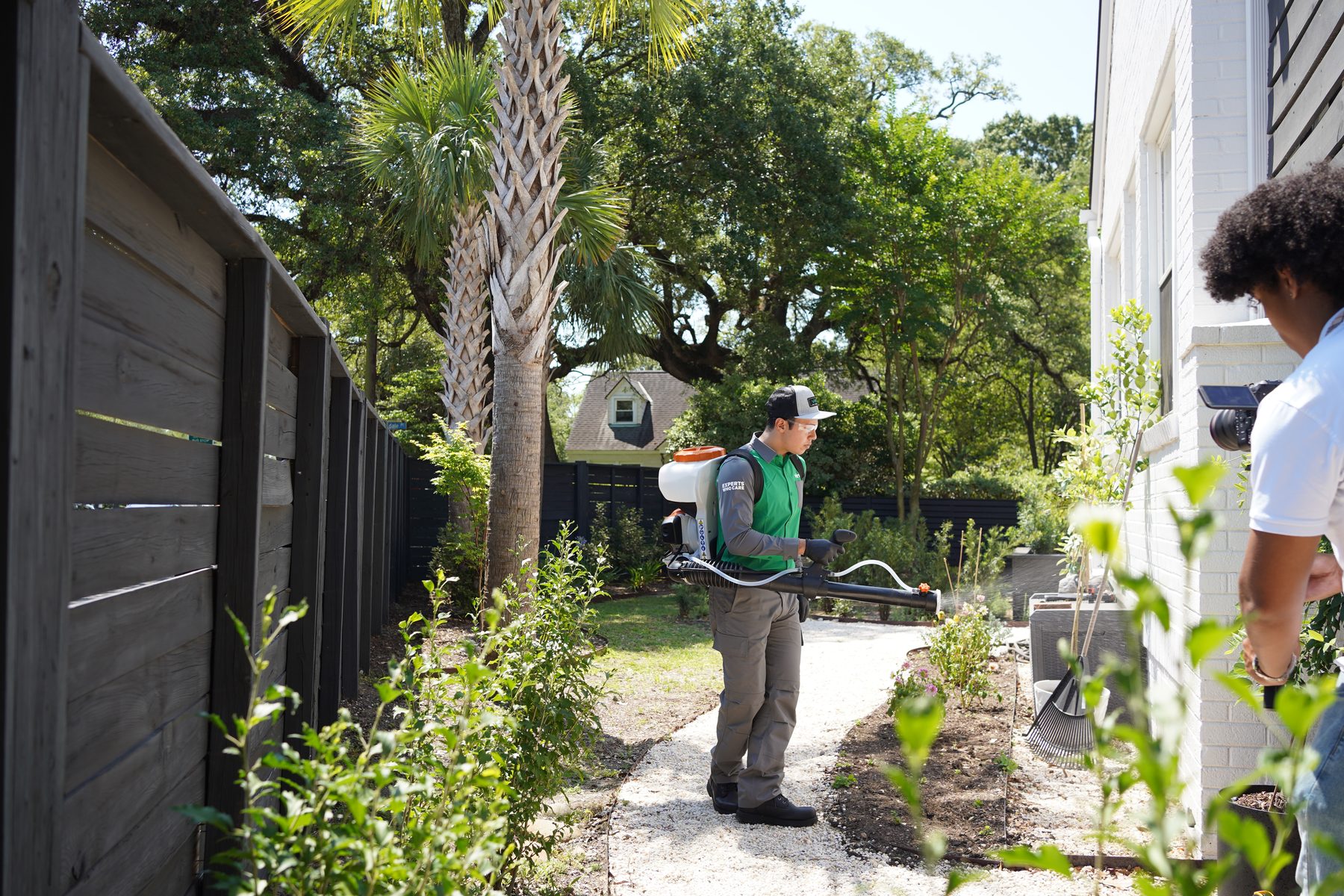
Call when droppings keep appearing after you have sealed and trapped, when the nest is in insulation or a wall void you cannot safely reach, when you can smell something that has died, or when you would rather not do attic cleanup yourself. Vinx inspects the roofline for the gaps that get missed, traps and removes, and seals with materials mice cannot chew, across South Carolina, North Carolina and Virginia. See rodent control, or rodent control in Charleston.
Sources: Internet Center for Wildlife Damage Management, House Mouse Damage Prevention and Control Methods (quarter-inch exclusion, ultrasound limits, chemical and natural-oil repellents, trap placement) and Why Repellents Fail; National Pesticide Information Center, Can I use mothballs to repel insects or animals? (label law, naphthalene exposure, effects); CDC guidance on cleaning up after rodents.
Frequently Asked Questions
No. The soap base is sodium tallowate or sodium palmate, which is rendered animal fat or palm oil turned into soap, plus glycerin, so a bar in the attic is a scented block of fat in a space where a rodent is hunting for food and nesting material. Homeowners typically report gnawed bars and mice nesting nearby rather than mice leaving. It also does nothing about the quarter-inch gap they entered through.
Because it is made of fat. Bar soap is produced by saponifying tallow or palm oil, and the finished bar still contains glycerin, so to a rodent it reads as an edible, gnawable block rather than a threat. Gnaw marks on a bar left out as a repellent are the normal outcome, not an unusual one.
There is no smell reliable enough to clear an attic. Wildlife damage specialists note that chemical repellents are seldom a practical solution for a mouse infestation, and that little evidence exists for the natural oils sold for the purpose, such as mint and balsam fir. A mouse weighing an unpleasant smell against warmth, shelter and food takes the smell, and it stops reacting to it within days.
No, and using them that way is illegal. The National Pesticide Information Center states that mothballs are not meant to be used as animal repellents and have little or no effect as repellents. They are close to 100% naphthalene or paradichlorobenzene, designed to work as a gas inside a sealed container, and using a pesticide in a way its label does not describe breaks federal law. In an open attic the main result is that people in the house breathe the vapor.
They can be. NPIC's guidance is that if you can smell the mothball odor, you are breathing in the pesticide. Reported effects of that exposure include headaches, nausea, vomiting, diarrhea, and eye and nose irritation, with liver and kidney damage on longer exposures. Attics usually share air with the living space through the air handler and ceiling penetrations, so the exposure is not confined to the attic.
Not for an infestation. Ultrasound is directional, will not travel around corners, and is absorbed by insulation, boxes and joists, so it never reaches a mouse behind the insulation. Mice that do hear it habituate within days. Extension guidance is that commercial ultrasonic devices are not recommended as a solution to infestations, and the researchers whose EPA-funded work supported an FTC case reported that a control program did just as well with the units switched off.
There is little evidence it does. Mint oil is widely sold for mice and wildlife damage specialists note that little information is available on its effectiveness against them. The practical problem is that essential oils evaporate within days, so a cotton ball is inert long before the nest is. It is useful for making a cleaned space smell better afterwards, which is a different job.
Three jobs in order. Seal every opening wider than a quarter inch with hardware cloth, metal flashing or copper mesh, since expanding foam alone will not stop a mouse chewing through. Trap the mice already inside with snap traps set against walls where they run. Then remove nests and droppings using the wetting method rather than sweeping or vacuuming. Skip the sealing and you trap forever; skip the cleanup and the smell and the health risk stay.
Photo credits: DiegoDiegoDiego555, CC BY-SA 4.0, via Wikimedia Commons; Seney Natural History Association, CC BY-SA 2.0, via Wikimedia Commons.