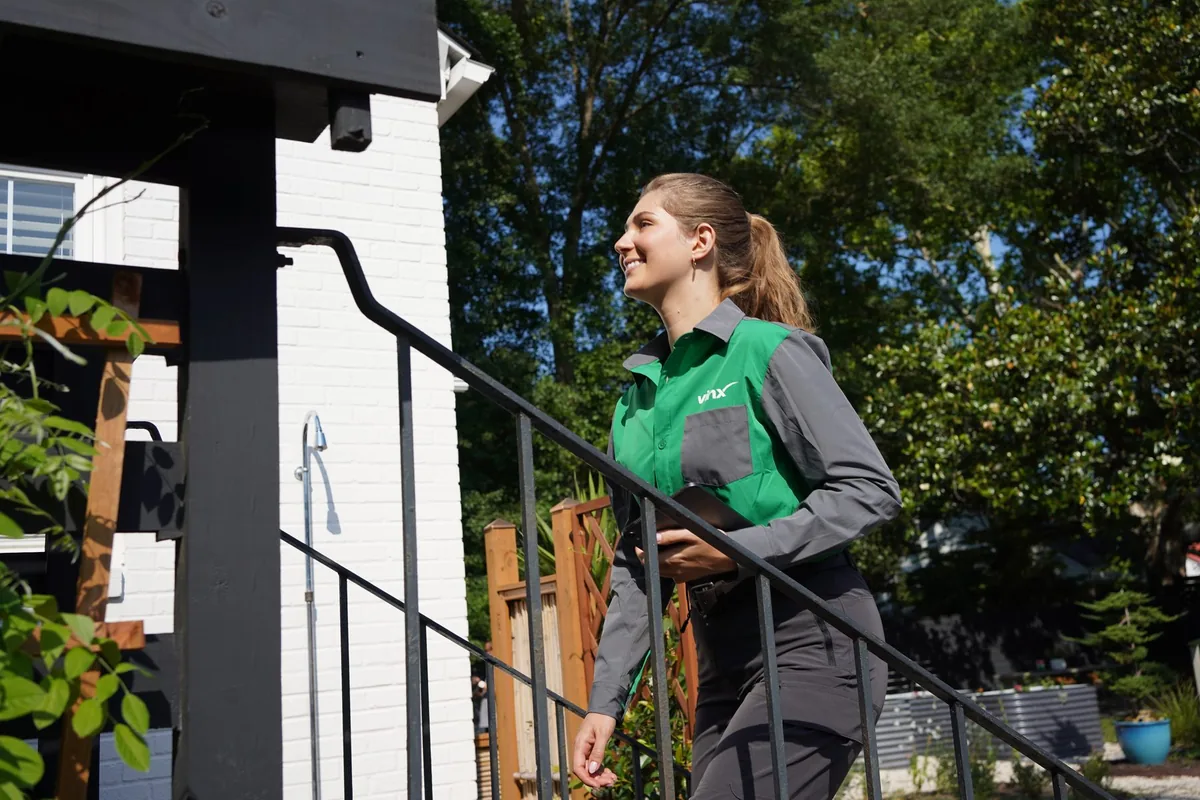
Pest Control in Greenville, SC
Mill-village crawl spaces, new building on the city’s last vacant land, and Piedmont clay that stays damp between rains drive Greenville’s pests.
Get Started in 60 Seconds
Choose what’s easiest for you
Request a Quote
We usually respond in 2 minutes
Call 864-670-8469
Get a live person (no AI agents here!)
Sign Up Online
Get pricing and schedule now





Welcome to Vinx Pest Control
A Company That Actually Backs What It Says
At Vinx, we combine professional-grade treatments with a level of service most pest control companies don't offer. Local technicians, fast response times, and free re-services for covered pests between visits.
Get a Free Quote"I'm not passionate about killing bugs. I'm passionate about customer service. At Vinx, you get experts who show up, do the job right, and stand behind every visit. No runaround."
PROTECTION PLANS
Protection Plans for Greenville Homeowners
Unlimited free re-services on every plan.

Standard Residential Protection
- 4 Seasonal Treatments Per Year
- 40+ Covered Pests
- Interior, Exterior & Yard Treatment
- Unlimited Free Re-Services
- Guaranteed Coverage for Common Household Pests
- Fire Ant Warranty
- Flea & Tick Coverage
- Mosquito Treatments

Upgraded Yard Protection
- 6 Home & Yard Treatments Per Year
- 40+ Covered Pests
- Interior, Exterior & Yard Treatment
- Unlimited Free Re-Services
- Guaranteed Coverage for Common Household Pests
- Fire Ant Warranty
- Exterior Flea & Tick Warranty
- Mosquito Treatments

Most Comprehensive Protection
- 9 Treatments Per Year
- 40+ Covered Pests
- Interior, Exterior & Yard Treatment
- Unlimited Free Re-Services
- Guaranteed Coverage for Common Household Pests
- Fire Ant Warranty
- Interior Flea & Tick Warranty
- 8 Mosquito Treatments (Apr–Nov)
- Free Bed Bug Treatment After 12 Months on Platinum
*Starting rates vary by home size and area. All plans billed monthly.
Request Your Free Pest Control Quote
Fill out the form below and a Vinx team member will reach out within 2 minutes during business hours.
Prefer to talk? Call 864-670-8469 for a live person, no AI agents.
Our Process
How Vinx Treats Your Greenville Home: Step by Step

Inspection & Reporting
Every time we come out, our technicians aren’t just treating, they’re looking. We’re checking for things you’d never notice on a normal day: early signs of termite activity, conditions around the home that could be attracting pests, moisture issues, entry points bugs might be exploiting, wasp nests forming in spots you can’t see from the ground. In Greenville's heavily wooded neighborhoods, we look closely at wood-to-soil contact points and tree lines close to the home, both are prime entry routes for carpenter ants and termites. Having a trained set of eyes on your home every 90 days means you’re not caught off guard. If we see something, we’ll tell you, straight up, no pressure, no scare tactics.
Exterior Foundation Treatment
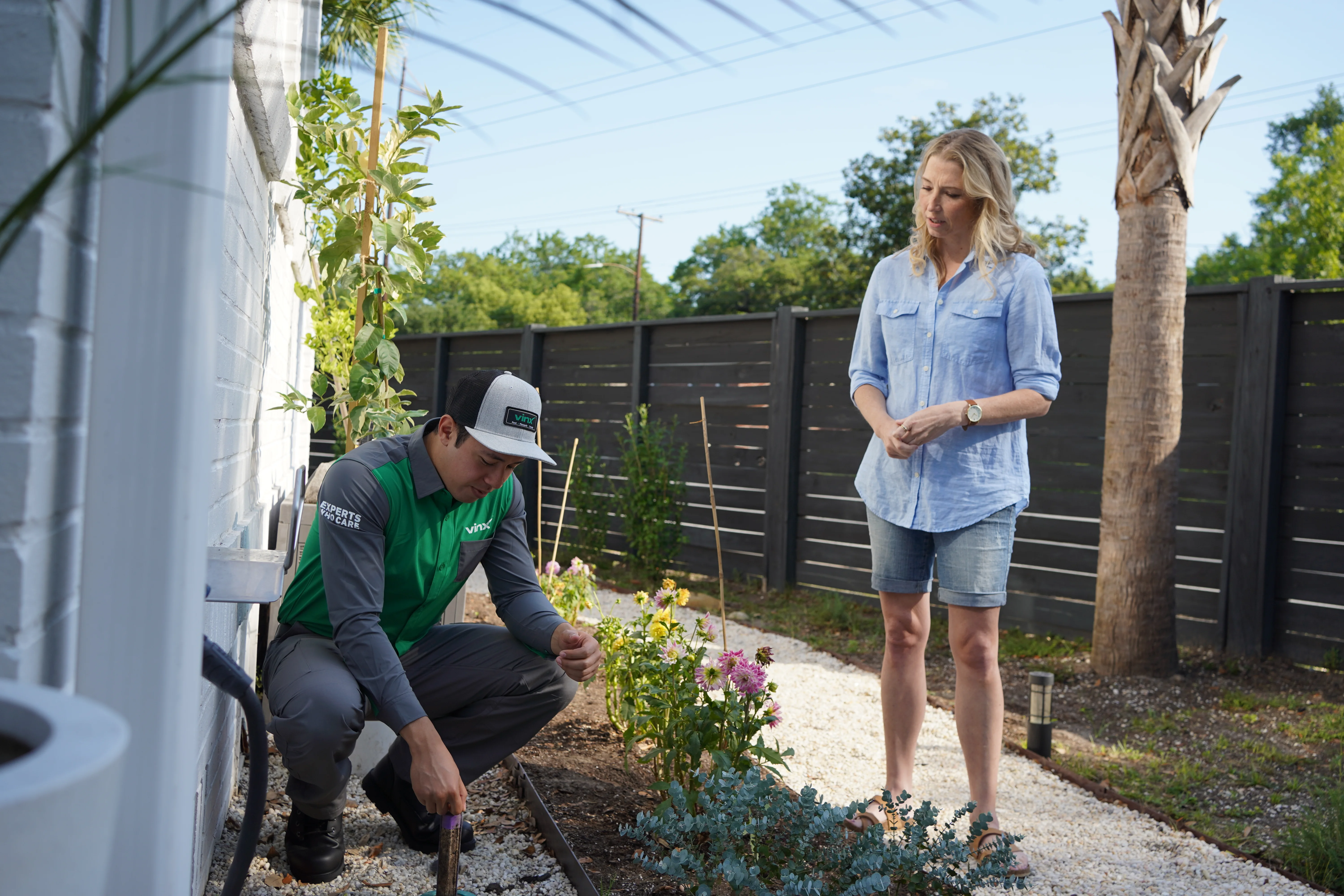
We treat the foundation with a micro-encapsulated product, a time-release barrier that attaches to pests and gets carried back to their nesting site. We go three feet up and three feet out, creating a real buffer zone. Greenville homes near tree lines and wooded lots have significant carpenter ant and termite pressure, our foundation barrier creates the buffer zone needed to keep them from establishing inside. Since we’re focused almost entirely on the outside of your home, your kids and pets can stay inside while we work. EPA-registered products applied at label rates; keep kids and pets off treated areas until they dry, usually 30 to 60 minutes.
Yard Treatment
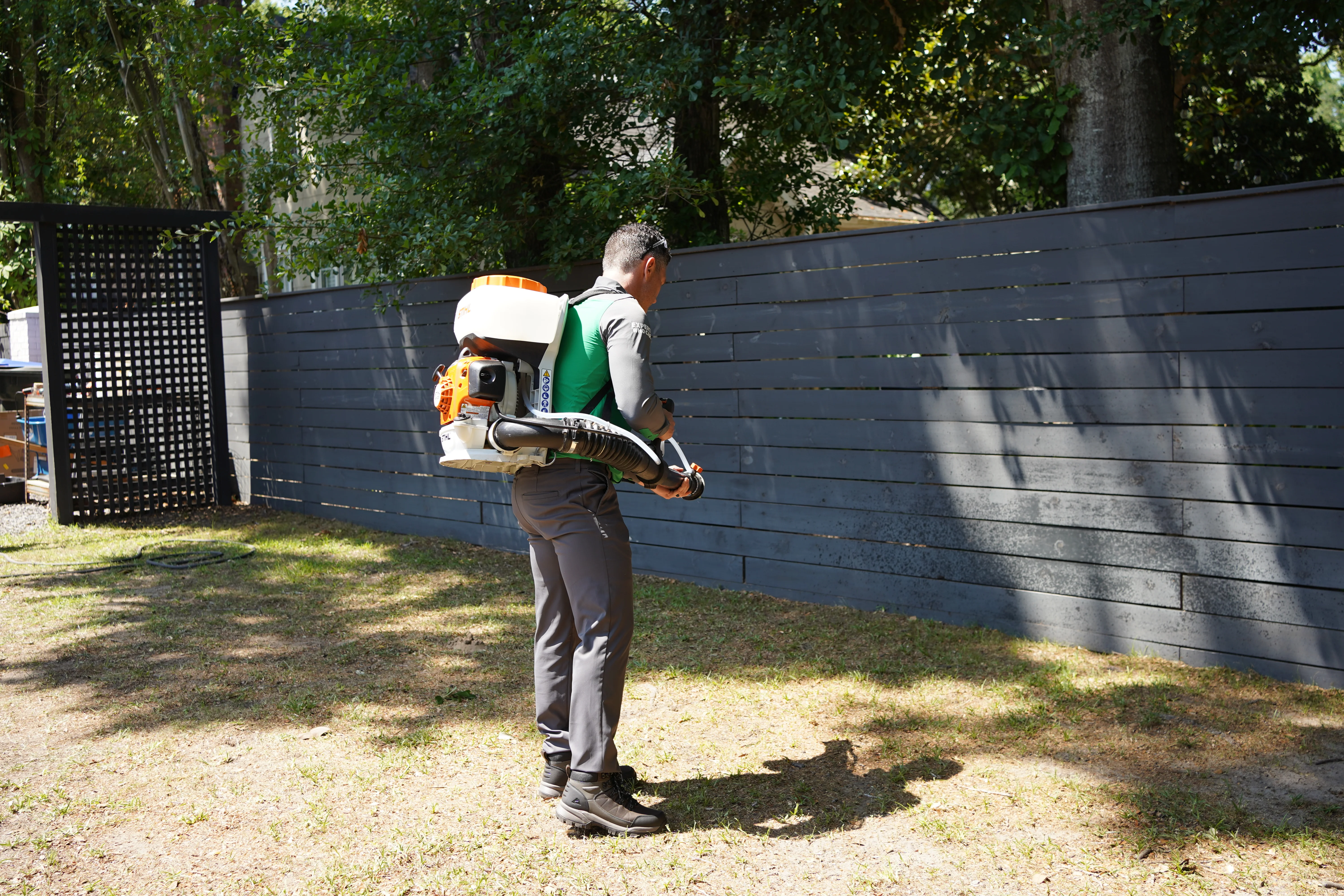
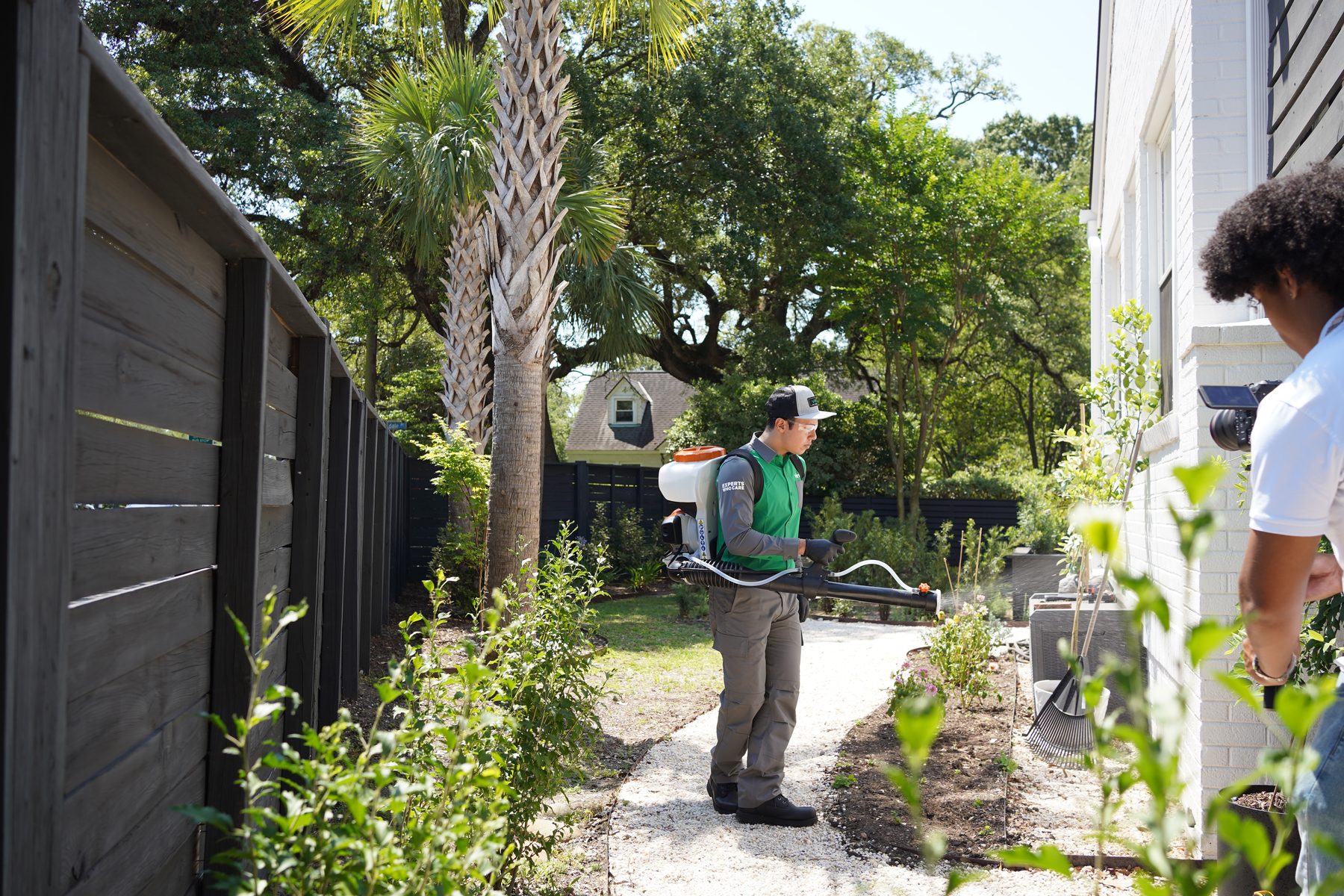
We treat the full yard, up to 30 feet out from the home, to reduce pest pressure before bugs get close to your foundation. Greenville's landscaped yards and mulch beds are common harborage points for spiders and ants, our yard treatment reduces the overall pest load before bugs get close to your foundation. Between the yard treatment and the foundation barrier, we’re building two lines of defense, take care of the bugs on the outside so they’re never a problem on the inside.
Sweep & Treat Eaves
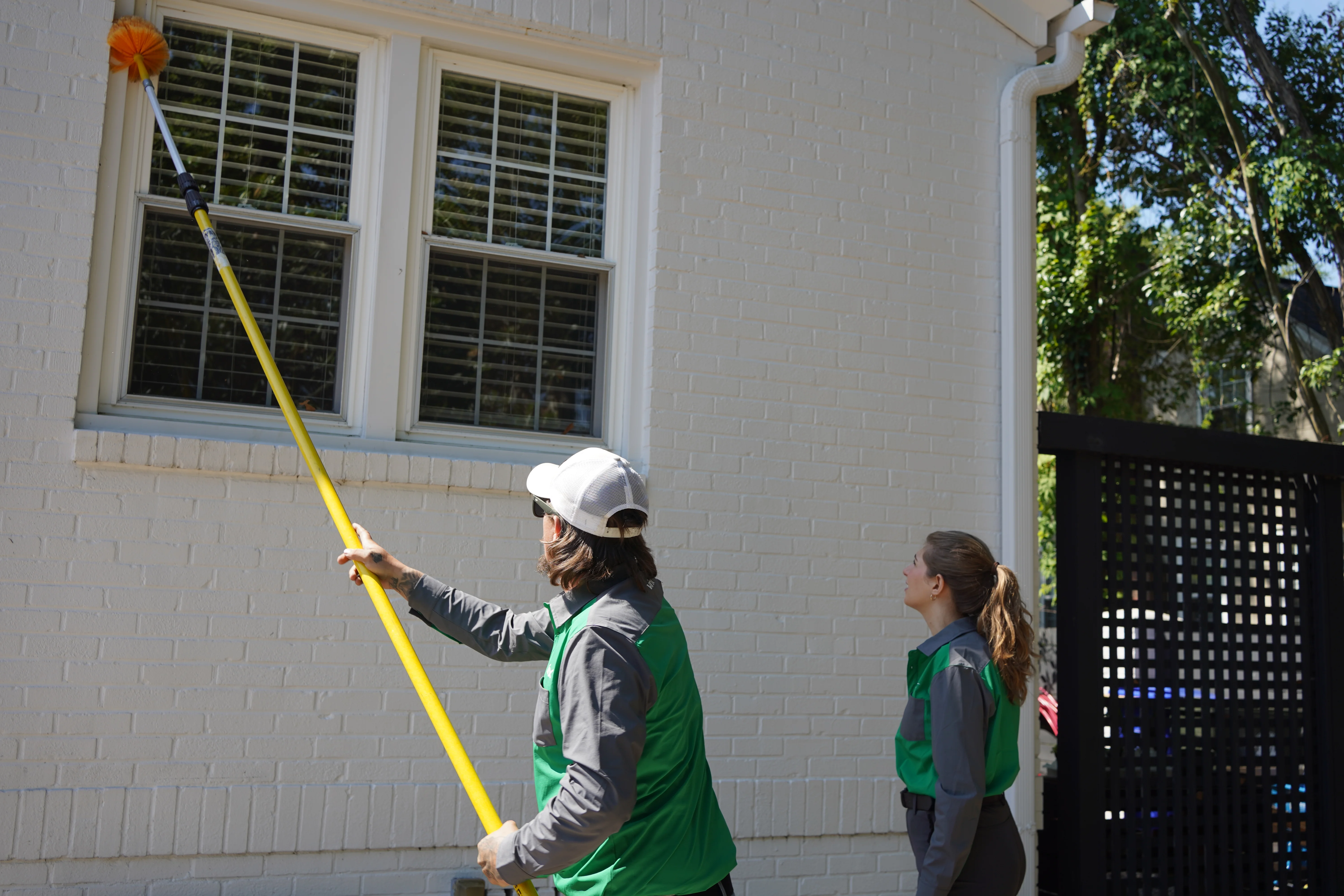
We sweep first and second-story eaves on every visit, cobwebs, wasp nests, spider webs, all of it comes down. Then we spot treat those areas with a residual product. Stink bugs and spiders are drawn to the roofline and eaves in Greenville's suburban neighborhoods, we sweep everything down and treat so they're not staging an entry into your home. Wasps return to spots where they’ve built before because of pheromones, but our product is waiting for them. It keeps pests from using your roofline as a staging ground and makes a visible difference every visit.
Power Dust Injection
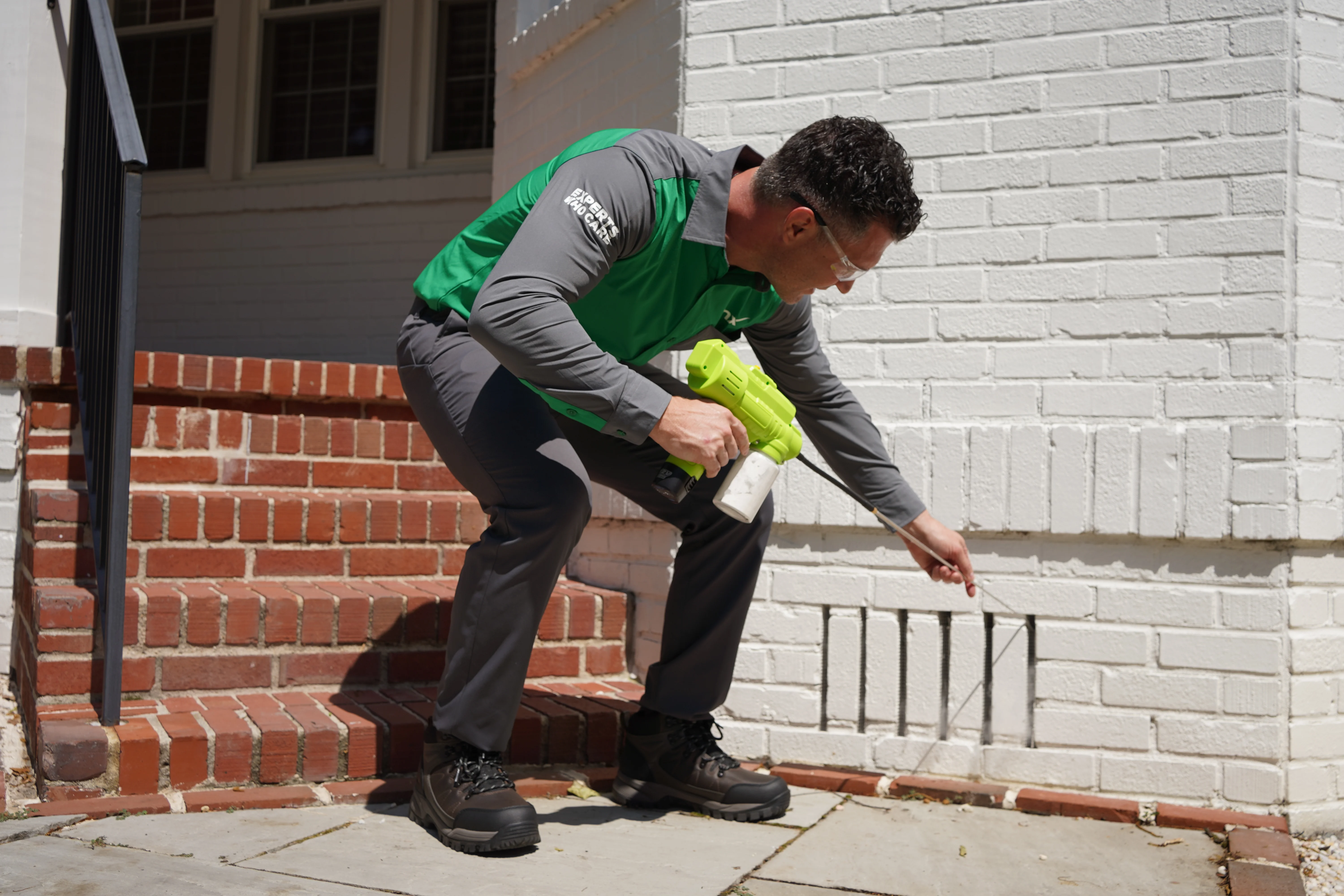
We use a handheld compressor with a specialized tip to inject dust product deep into cracks and crevices on the outside of your home, gaps around pipes, weep holes, expansion joints, anywhere bugs try to squeeze through. Carpenter ants in Greenville often establish in wall voids before homeowners realize there's a problem, our dust injection gets deep into those spaces and takes care of the colony at the source. The dust gets pushed deep into those areas, flushes out anything already there, and because it’s protected from rain and heat, it stays active far longer than a surface spray. Bugs aren’t quietly building up inside your walls.
Interior Treatment (If Needed)
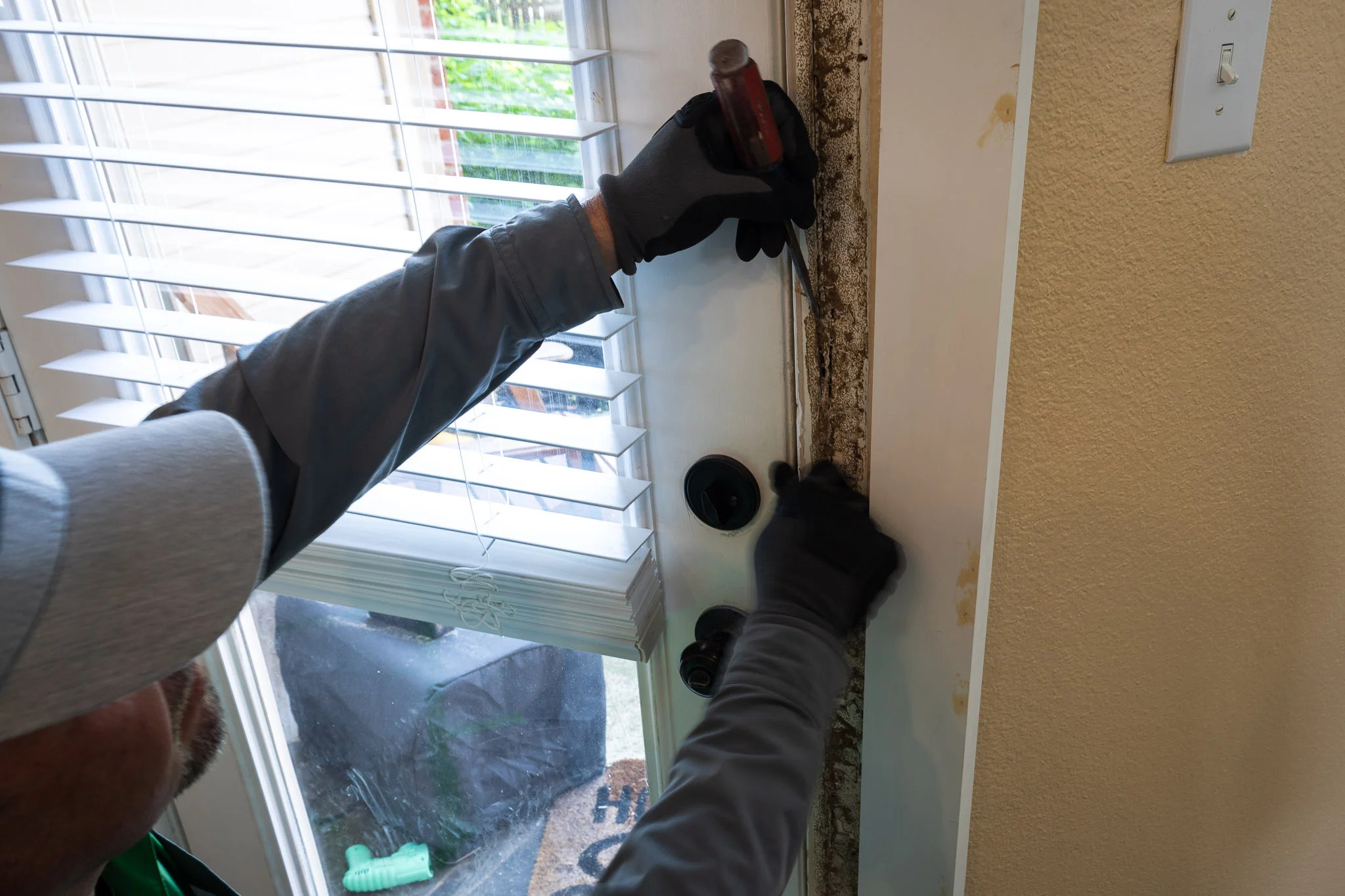
Here’s the honest truth, we rarely need to treat inside your home, and that’s by design. Because we do so much more on the outside than most companies, we stop the problem before it gets in. But the inside is always covered under your service guarantee at no extra charge. If stink bugs, spiders, or any pest gets inside your Greenville home, we'll treat the interior at no extra charge, same EPA-registered products, no mess, no hassle. We treat baseboards, entry points, the garage, a detached shed, whatever you’re dealing with. Same EPA-registered products. Keep kids and pets off treated spots until they dry. No questions, no additional cost, no hassle.
Customer Reviews
What Greenville Customers Say: 4.8 Stars on Google
We signed up for new termite protection services with Vinx. Brandon and his manager were on time, very thorough, and most importantly, took the time to explain everything in detail. We are very pleased with their service!
Very professional. Did a thorough job. A++(
Very thorough, friendly, answers any questions we have. Also very knowledgeable! I appreciate Tyler being so nice and laid back explaining everything. He's great.
Kingstyn was extremely helpful, kind and professional.
Always a person, not a call center talking my calls. Always knows what service I receive and able to reachout at the moment to follow-up on any concerns or need to reschedule appointments. Very friendly, professional, service provided keeps the pest control off my mind where my family and my pets can enjoy the outside!
Kenny was fast, friendly, and knowledgeable. He showed up for our appointment window early and let me know everything he was doing to the home. Great work getting rid of the spider webs and wasp nests, too.
Start Pest-Free Living in Greenville Today
Vinx Pest Control has earned 4.8 stars across 3,600+ Google reviews and a BBB A+ rating by doing one thing well: showing up, doing the job right, and coming back free if anything’s missed. Plans start at $49/mo. No hidden fees.
Year-Round Pest Pressure
Why Pest Control in Greenville Is a Year-Round Commitment
Greenville’s warm Piedmont climate and its growth both work in pests’ favor. The City’s own GVL2040 comprehensive plan notes that since 2000 the county’s population “is now over half a million after growing by nearly 40%,” while the city “has grown by over 25%, reversing declines of the late 20th century.” Unlike colder parts of the country, Greenville rarely gets the hard freezes that naturally reduce pest populations, ants remain viable through most winters, and cockroaches and rodents never stop breeding indoors.
Paris Mountain State Park and the Reedy River greenway create wildlife corridors through the heart of Greenville’s residential neighborhoods. The same plan counts “2,700 acres of vacant land” left in the city, “most of which is zoned for development,” and warns that at the current pace “very little vacant land will be left in 2040.” Grading those last wooded parcels displaces established ant colonies and rodents into the nearest occupied homes. Retention ponds throughout newer subdivisions create permanent mosquito breeding habitat, and Greenville County’s mosquito notice states that it “does not spray privately owned bodies of water,” including “HOA retention areas and ponds.”
Quarterly pest control in Greenville is not a luxury. Clemson notes that a newly mated fire ant queen rears her first workers in about 45 days, so a mound you ignore in April is a working colony by summer. A cockroach finds the gap around your drain line in summer, by fall there are a dozen. Pest pressure compounds fast without a maintained barrier.
6 Pest Pressures in Greenville
Cockroaches
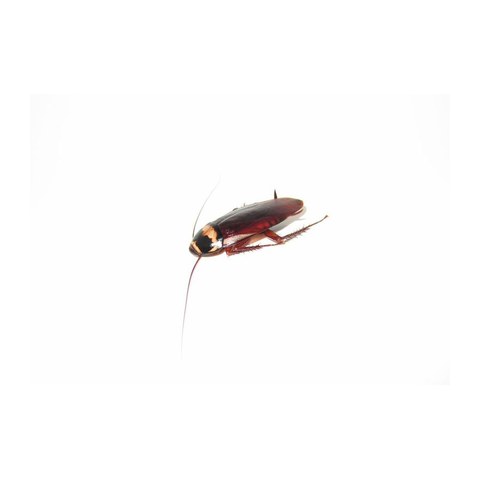
German cockroaches, treated through a paid add-on, infest kitchens and apartments near downtown Greenville. American cockroaches enter from crawl spaces and drain lines. Both species thrive in Greenville’s warm, humid climate. Without gel bait and targeted crack-and-crevice treatment, populations build quickly. The City’s own history records that between 1895 and 1897 “Greenville became a cotton mill town,” and the pier-and-crawl-space mill houses from that era remain persistent pressure sources.
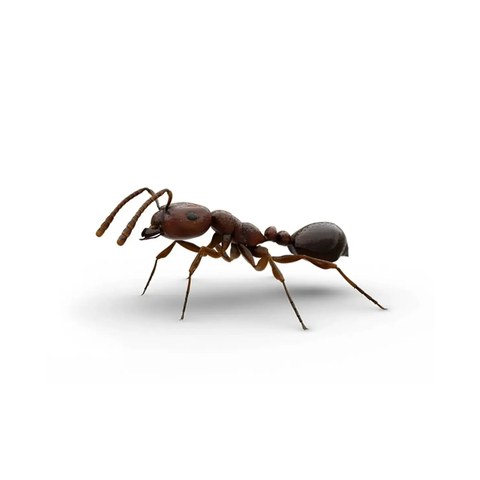
Fire & Argentine Ants
Fire ants establish aggressively in Greenville’s suburban lawns, and Clemson notes a single queen can lay 100,000 to 300,000 eggs a year. Grading on the city’s remaining vacant parcels constantly disturbs established colonies. Argentine ants form multi-queen colony networks that can extend across several adjoining properties. Both require completely different treatment approaches, mound treatment vs. slow-acting bait.
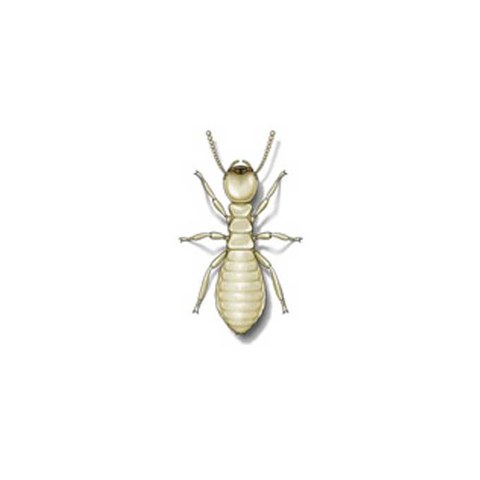
Termites
Eastern subterranean termites are active throughout Greenville County, and they are the species to plan for: Greenville is not among the 16 counties on Clemson’s Formosan termite list. Clemson notes that native termites usually swarm in early spring, often in the afternoon. Termite damage is not covered by standard homeowners insurance in South Carolina. Heavily wooded corridors throughout Greenville provide established termite colonies adjacent to residential structures.
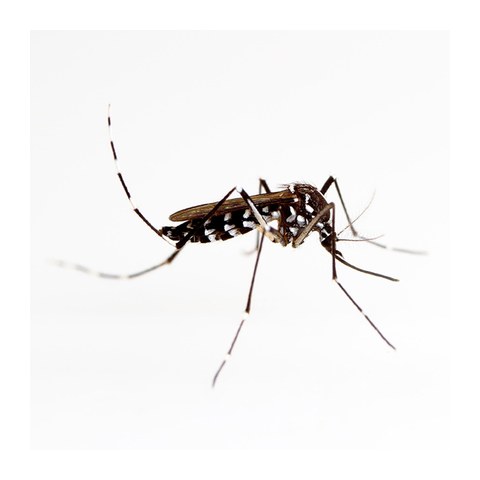
Mosquitoes
Subdivision retention ponds create permanent mosquito breeding habitat, and Greenville County’s spraying notice excludes “private ponds,” so the pond behind your fence is yours to manage. DHEC confirmed West Nile virus in Greenville County mosquito samples and human cases in 2017, and a Greenville County resident died of it in 2018. Asian tiger mosquitoes bite by day, which Clemson says is why night-time fogging often fails to control them. Mosquito season runs April through October, with peak pressure June through August. Monthly barrier spray in Vinx Platinum.
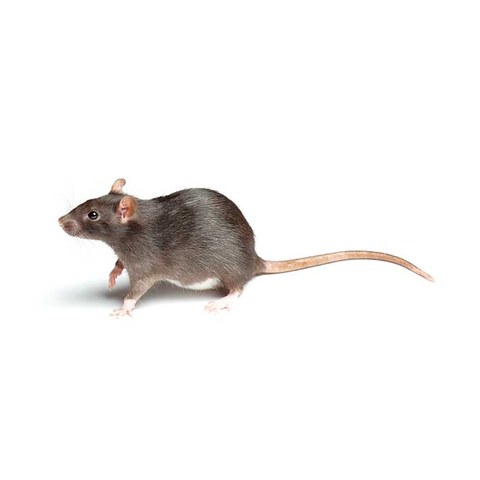
Rodents
Norway rats and roof rats are year-round problems in Greenville. Wooded neighborhoods near Paris Mountain give roof rats unobstructed tree canopy access to rooflines. Norway rat pressure is elevated near commercial corridors. Greenville’s mild winters never deliver the cold snaps that naturally reduce populations, rodent pressure is a 12-month problem.
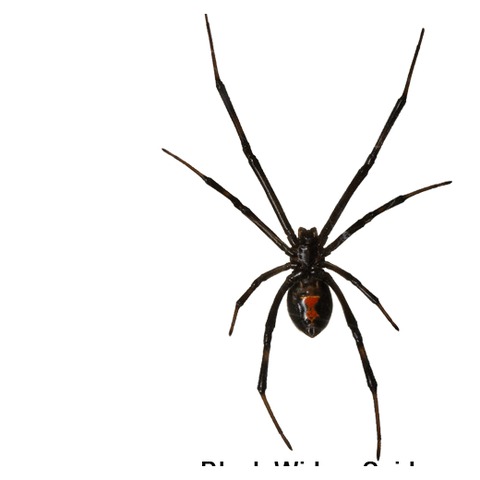
Spiders
Black widows active year-round in garages, crawl spaces, and woodpiles throughout Greenville. Brown recluse is not established in South Carolina, despite how often it gets blamed here. Wolf spiders common in wooded neighborhoods near Taylors and Wade Hampton Boulevard. Exterior perimeter treatment and web removal on every quarterly visit reduces active populations significantly.
Pest Pressure by Neighborhood
Know Your Neighborhood’s Pest Risk
Downtown & North Main: Cockroaches, Ants & Rodents
Greenville’s historic urban core holds some of the oldest housing in the county: the Hampton-Pinckney Historic District, about 70 structures from roughly 1890 to 1930, is described in its National Register listing as one of the city’s oldest existing residential neighborhoods, and the City’s own history dates the first water and sewer pipes to the 1880s. Aging infrastructure, century-old foundation gaps, active restaurant corridors, and high-density housing create overlapping pest activity from cockroaches, rodents, and ants year-round. American cockroaches use municipal sewer connections to access basements, while German cockroaches spread through shared apartment walls. Norway rats are present throughout the downtown utility corridor.
Augusta Road & Sans Souci: Ants, Cockroaches & Spiders
Established homes along Augusta Road and in Sans Souci, where the Census Bureau’s 2020-2024 estimates put the median home at 1967, face a broad pest mix driven by aging crawl spaces, ornamental landscaping, and proximity to commercial dining districts. Ants are prevalent in maintained turf, American cockroaches exploit high-humidity crawl spaces, and wolf spiders are common invaders from dense ground cover and mulch beds against the foundation. Perimeter pest control programs are highly effective in this neighborhood profile.
Simpsonville & Mauldin: Ants, German Cockroaches & Mosquitoes
This is where the newer housing sits. Census ACS 2020–2024 estimates put Simpsonville’s median home at 1999 construction with 29.6% built since 2010, while only 0.4% of Mauldin’s homes predate 1940. Pest pressure is driven by land clearing that displaces ants, German cockroaches in new retail and restaurant developments, and mosquito populations in poorly graded lots with chronic standing water. Mauldin is one of two cities Greenville County’s mosquito notice leaves out, telling residents to contact “their local mosquito control agent.” Newly built homes with unsealed utility penetrations are vulnerable to both cockroach and rodent entry in the first 12–24 months after construction. Quarterly general pest control significantly reduces multi-pest exposure in this zone.
Taylors & Wade Hampton: Carpenter Ants, Spiders & Mosquitoes
Wooded lots throughout Taylors and Wade Hampton bring carpenter ants in direct contact with homes through tree limb proximity, while spider populations in wooded buffers create high resting densities on home exteriors. Taylors is older stock than most of the county, with a 1983 median build year and 44.8% of homes built before 1980 (Census ACS 2020–2024), including the mill village around the Southern Bleachery, which opened in 1924 on land bordering the Enoree River. Southern house mosquitoes are a consistent warm-season problem near the Enoree and seasonal drainage areas. Homes with crawl spaces on these lots face the widest range of crawling pest pressure of any neighborhood in Greenville County.
Greer: Ants, Rodents & Cockroaches
Greer is the newest city in the area, with a 2003 median build year (Census ACS 2020–2024), and it straddles the county line, about 72.5% Greenville County and 27.5% Spartanburg County by 2020 Census population. Greenville County’s mosquito notice names Greer among the cities it sprays, so confirm coverage if your address is on the Spartanburg side. The combination of I-85 commercial development and established residential neighborhoods creates a diverse pest pressure environment. Norway rats and ants concentrate near commercial food-handling operations along the highway corridor and spread into adjacent homes. American cockroaches are present throughout, with the highest activity near restaurant and food distribution facilities. Detached garages and outbuildings in residential Greer are common secondary harborage sites.
Fountain Inn & Piedmont: Ants, Mosquitoes & Occasional Invaders
Both towns sit on county lines. Fountain Inn straddles Greenville and Laurens counties, has 37.4% of its homes built since 2010 (Census ACS 2020–2024), and is the other city Greenville County’s mosquito notice sends to its own local agent. Piedmont, an unincorporated community split between Anderson and Greenville counties on the Saluda River, has the oldest stock in the area, with 11.4% of homes built before 1940, about 3.5 times the county rate. Rural-to-suburban transition zones here carry high ant mound densities from adjacent agricultural land, significant mosquito pressure from undeveloped bottomland, and a wide range of occasional invaders including stink bugs, crickets, and ground beetles that enter homes seasonally. Properties bordering farm fields or woodland edges face the broadest pest variety in Greenville County and benefit most from comprehensive general pest control programs.
Common Greenville Pests
Pests We Treat in Greenville, SC
Greenville’s climate supports a wide range of pest species, our general pest control covers them all
Ants
Ants, carpenter ants, odorous house ants, and pavement ants are all active in Greenville. Each species requires a different treatment approach based on nesting behavior and colony structure.
Cockroaches
German cockroaches in kitchens and bathrooms, American cockroaches in crawl spaces and basements, and smoky brown roaches entering from wooded areas are all common in Greenville County homes.
Spiders
Wolf spiders, orb weavers, cellar spiders and black widows are all present in Greenville. The widow group is the one that matters medically; the rest are harmless and mostly beneficial. Brown recluse, contrary to its reputation, is not established in South Carolina.
Wasps & Hornets
Yellow jackets, paper wasps, and bald-faced hornets build nests under eaves, in shrubs, and in soil throughout the summer. Nest removal and prevention treatments protect outdoor living areas.
Fleas & Ticks
Fleas and ticks are active throughout the Greenville warm season. Flea infestations establish indoors rapidly; ticks in wooded yard edges and wildlife corridors pose year-round health risks.
Bed Bugs
Bed bugs are a growing concern in Greenville’s hotel and multi-family residential sectors. They spread through luggage, used furniture, and shared wall voids and require targeted heat or chemical treatment.
Rodents
Norway rats, roof rats, and house mice are all present in Greenville County. Rodents contaminate food, damage wiring, and carry disease, exclusion combined with baiting is the most effective long-term solution.
Mosquitoes
Asian tiger mosquitoes and southern house mosquitoes are active in Greenville from April through October. Barrier spray and larvicide programs dramatically reduce yard populations for outdoor comfort.
Occasional Invaders
Stink bugs, crickets, silverfish, earwigs, centipedes, and millipedes all invade Greenville homes seasonally. Perimeter pest control prevents these nuisance pests from establishing indoors.
Upstate, Not Coastal
Four Things That Are True in Greenville and Not in Charleston
Most pest control content written for South Carolina is really written for the coast, then applied inland. The Upstate has a different soil, a different rainfall pattern, and at least one significant pest the coast does not talk about. Here is what actually separates Greenville.
The Asian Needle Ant Is an Upstate Problem
Clemson’s own factsheet puts it bluntly: although the Asian needle ant is very common in the upstate of South Carolina, it is rarely identified. Workers are active March into late October and it commonly enters homes, nesting under stones, logs, mulch, railroad ties, ornamental stone and concrete pavers, which is to say ordinary Upstate landscaping. It is not nest-defensive but stings when trapped against skin, two anaphylaxis cases were recorded in South Carolina in 2006, and its stings are routinely misattributed to fire ants.
Kudzu Bugs Pick Light-Colored Houses
An oddly specific and well-documented Upstate behavior: kudzu bugs concentrate on white and light-colored buildings, congregating on window trim, doorframes, gutters and sunlit walls before working into cracks and voids to overwinter. If your house is pale and your neighbor’s is dark, you can end up with a genuinely different problem on the same street. They are a nuisance rather than a danger, but they stain and they smell when crushed.
It Is the Distribution, Not the Total
Greenville is not one of the wettest places in the state, and we are not going to pretend otherwise: the downtown gauge records about 47 inches a year against Charleston’s 52. What is distinctive is how evenly it falls. The airport’s wettest month runs about 4.8 inches and its driest about 3.6, a spread of roughly 1.2 inches, against 2.6 in Columbia and 4.3 in Charleston, with no month below 3.6 and more measurable rain days than either. Persistent moisture rather than a summer spike.
Piedmont Clay Holds What Falls
That even rainfall lands on Piedmont clay, whose subsoil porosity runs around 5% against better than 10% for sandy coastal subsoil. Water moves through it slowly, so crawl spaces and foundation soil stay damp between rain events rather than draining and drying. It is the mechanism behind most of what we find here: cockroach and millipede pressure at the foundation line, wood moisture creeping toward the 20% threshold a CL-100 inspection flags, and spiders following the insects that follow the damp.
Local Ground Truth
Greenville’s Housing, Water and Storms Set the Pest Problem
Pest pressure follows buildings and water, and Greenville has an unusual amount of both to talk about. A century-old textile housing belt sits directly against brand-new slab subdivisions, and a 2024 storm rearranged the tree canopy across the whole county.
Two Housing Eras, One Service Route
The old textile crescent, Woodside and Judson and Brandon and Monaghan and Poe and Dunean and Mills Mill, is small wood-frame company housing built roughly 1895 to 1925, which by construction era means piers and crawl spaces. The Woodside village alone lists 280 contributing buildings and sites in its 1987 National Register nomination. Meanwhile better than a quarter of the city’s housing has gone up since 2010, mostly on slab. Those are two genuinely different pest problems, and a technician who treats them the same way is guessing at one of them.
What Helene Left Behind
Late September 2024 dropped more than 21 inches of rain on Greenville County, took down over 6,600 power lines, and felled trees across the whole metro. Storm-damaged and downed wood is exactly what carpenter ants and subterranean termites colonise, stumps and root plates left in the ground are long-term feeding sites, and displaced rodents look for the nearest dry structure. Two years on, that debris is still part of why we find what we find here.
The Reedy, the Enoree and the Saluda
Greenville County names three rivers plus their tributaries as its flooding sources, and it recognizes riverine, flash, local drainage and dam failure as separate flood types. The county participates in FEMA’s Community Rating System, which earns residents a 15% flood insurance discount. The 1949 Reedy River flood is still the local benchmark: 65 families displaced, 43 bridges and culverts washed out, water five to six feet deep inside houses. Water that pools and sits is the same water that keeps a crawl space damp.
The County Sprays Four Cities, By Request
Worth knowing before you assume you are covered. Greenville County’s own mosquito document says spraying is available in the unincorporated county and the cities of Greenville, Greer, Simpsonville and Travelers Rest, and that spraying on private property is by request only. Mauldin and Fountain Inn are not on that list. Clemson also notes that night-time fogging often fails against Asian tiger mosquitoes, because they bite during daylight. Neither fact means the county program is bad. Both mean it is not a substitute for treating your own property.
What to Expect
Greenville Pest Activity by Season
Most pest companies in Greenville treat when you call. Vinx’s recurring plans keep your home protected through every seasonal shift, before the pressure peaks.
| Season | Active Pests | What to Watch For |
|---|---|---|
| Spring (Mar–May) | Ants, wasps, termite swarmers, spiders | Ant trails along foundations; termite swarmer wings on windowsills |
| Summer (Jun–Aug) | Mosquitoes, ants, cockroaches, stinging insects | Ant mounds after rain; mosquito breeding in standing water |
| Fall (Sep–Nov) | Rodents, spiders, stink bugs, cockroaches | Spiders moving into sheltered indoor corners; mice and rats seeking warmth |
| Winter (Dec–Feb) | Rodents, German cockroaches, overwintering spiders | Rodent droppings in attics; roaches near HVAC and water heaters |
Kids & Pets
Treating Around Your Whole Family: Including the Furry Members
Every product we use is EPA-registered and applied strictly at labeled rates by licensed technicians. Your technician tells you exactly when kids and pets can go back into treated areas.

EPA-Registered Products Only
All products are EPA-registered and applied per strict label requirements by our licensed technicians on every visit.
Re-Entry After Drying
Exterior spray treatments dry in 30–60 minutes. Your technician confirms the all-clear before leaving your property.
Interior Treatment On Request
We treat only what’s needed, where it’s needed. Products placed away from areas pets and children frequent most.
Botanical Options Available
Ask your technician about plant-derived treatment options for households that prefer a more natural approach.
Questions about product safety? Call 864-670-8469 and we’ll walk you through exactly what we use and when treated areas can be used again.
Explore More
More Pest Control Services in Greenville

Ant Control Greenville
Household ants & others

Cockroach Control Greenville
American & German roaches

Mosquito Control Greenville
Monthly barrier treatments

Rodent Control Greenville
Rats, mice & exclusion

Spider Control Greenville
All spider species covered

Wasp Control Greenville
Nest removal & prevention

Tick & Flea Control Greenville
Yard & pet protection
Exterminator Greenville
Same-day local exterminators

Bed Bug Control Greenville
Heat & liquid treatments

Termite Control Greenville
Bait systems & liquid treatment
Frequently Asked Questions
Pest Control Greenville SC: Frequently Asked Questions
The most common pests we treat in Greenville are ants (fire ants, Argentine ants, and the Asian needle ant, which Clemson calls very common in the upstate but rarely identified), cockroaches (American and smokybrown), spiders including the black widow, and wasps. Mosquitoes are heavy from April through October along the Reedy River corridor and around subdivision retention ponds, which Greenville County does not spray.
Pest control in Greenville starts at $49 a month with Vinx HomeGuard: 4 treatments a year covering 40+ common pests, for homes up to 3,000 sq ft ($52 for 3,000 to 4,000 sq ft, $55 for 4,000 to 5,000 sq ft, $59 above 5,000 sq ft). Vinx Plus starts at $75 a month with 6 treatments and adds yard ant treatment plus flea and tick coverage. Vinx Platinum starts at $109 a month with 9 treatments, adding 8 mosquito treatments (April to November) and interior flea and tick coverage. Every plan includes a $329 initial treatment, a 24-month agreement and unlimited free re-services, so HomeGuard comes to $917 in the first year and $588 a year after that. Call 864-670-8469 for a quote on your home.
Vinx offers 24/7 emergency pest service throughout Greenville County. For re-service between scheduled visits, we’re usually back the next day, at no extra charge on all plans.
Yes. Interior treatment is available upon request at any scheduled visit, no extra charge. We treat baseboards, kitchen areas, bathrooms, attic access points, and crawl spaces.
Vinx Plus ($75/mo) adds the Fire Ant Warranty and exterior flea/tick treatment to the base plan. Vinx Platinum ($109/mo) adds mosquito service, interior flea/tick treatment, and free bed bug service after 12 continuous months of Platinum.
No. Ants are not covered under Vinx HomeGuard. Ant control is included in Vinx Plus ($75/mo) and Vinx Platinum ($109/mo).
Yes. Locally owned and operated, named a 2026 Nextdoor Neighborhood Fave and a BestCompany.com Best of the Best 2026 pest control company. Our Upstate office is at 2104 Airport Rd, Greer, SC 29650, ten minutes from downtown Greenville. Not a franchise or national chain. Technicians live and work in the Greenville area. SC PCO License B3623 issued by Clemson University’s Department of Pesticide Regulation.
German cockroach infestations require specialized treatment beyond standard recurring plans. Contact us at 864-670-8469 to discuss targeted German cockroach treatment options.
We come back free, usually the next day. If covered pests return between your scheduled service visits, call us and we’ll re-service your home at no charge. This applies to all Vinx plans.
Yes. Vinx holds South Carolina Pest Control Operator license B3623, issued by Clemson University’s Department of Pesticide Regulation, which licenses every pesticide applicator in the state. All Vinx technicians operating in Greenville and Greenville County work under that license.
A typical exterior service visit takes 20–45 minutes depending on property size. The initial treatment is more comprehensive and generally takes 45–75 minutes.
Not for exterior-only visits. If you’ve requested interior treatment, someone 18 or older should be home. Your technician will notify you when they’re on the way.
We serve all of Greenville County, including Greenville, Simpsonville, Mauldin, Greer, Taylors, Travelers Rest, Fountain Inn, Piedmont, and Conestee, plus Easley in Pickens County and Duncan, Lyman, and Woodruff in Spartanburg County.
Service Coverage
Serving All of Greenville County
Vinx technicians cover every corner of Greenville County, from downtown neighborhoods to surrounding communities throughout the Upstate.