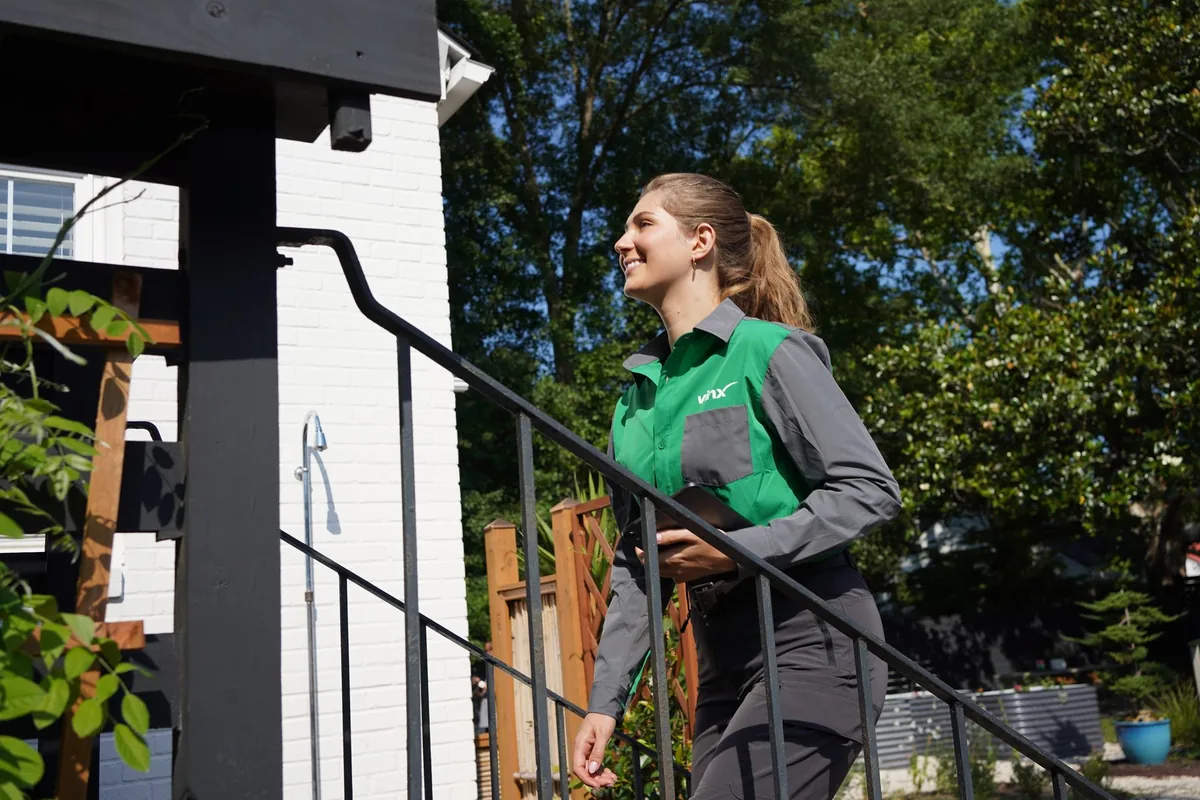
Mosquito Control in Greenville, SC
Barrier Spray + Larvicide: Seasonal & One-Time Treatments Available
Mosquito control in Greenville works best as a two-system approach: barrier spray eliminates resting adults, and larvicide stops larvae before they hatch. Vinx treats the full yard, not just the edges. Free re-treatment guarantee.
Get Started in 60 Seconds
Choose what’s easiest for you
Request a Quote
We usually respond in 2 minutes
Call 864-670-8469
Get a live person (no AI agents here!)
Sign Up Online
Get pricing and schedule now





Welcome to Vinx Pest Control
A Company That Actually Backs What It Says
At Vinx, we combine professional-grade treatments with a level of service most pest control companies don't offer. Local technicians, fast response times, and a guarantee that actually means something.
Get a Free Quote"I'm not passionate about killing bugs. I'm passionate about customer service. At Vinx, you get experts who show up, do the job right, and stand behind every visit. No runaround, no fine print."
WELCOME TO VINX PEST CONTROL
Protection Plans for Greenville Homeowners

Standard Residential Protection
- 4 Seasonal Treatments Per Year
- 50+ Covered Pests
- Interior, Exterior & Yard Treatment
- Unlimited Free Re-Services
- 100% Money-Back Guarantee

Upgraded Yard Protection
- 6 Home & Yard Treatments Per Year
- 50+ Covered Pests
- Yard Ant Elimination Guarantee
- Flea & Tick Elimination Guarantee
- 100% Money-Back Guarantee

Most Comprehensive Protection
- 9 Treatments Per Year
- 50+ Covered Pests
- 8 Mosquito Treatments (Mar–Nov)
- Flea, Tick & Ant Coverage
- Free Bed Bug Treatments if Needed*
*Starting rates vary by home size and area. All plans billed monthly.
Request Your Free Mosquito Control Quote
Fill out the form below and a Vinx team member will reach out within 2 minutes during business hours.
Prefer to talk? Call 864-670-8469 for a live person, no AI agents.
Our Approach
How Vinx Controls Mosquitoes in Your Greenville Yard

Property Inspection & Breeding Site Assessment
Your technician walks the full property to identify mosquito resting areas (dense vegetation, shaded shrubs, wood piles) and standing water breeding sites such as gutters, low spots, ornamental pots, and tarps. A targeted treatment plan is built around what is actually driving mosquito pressure on your property.
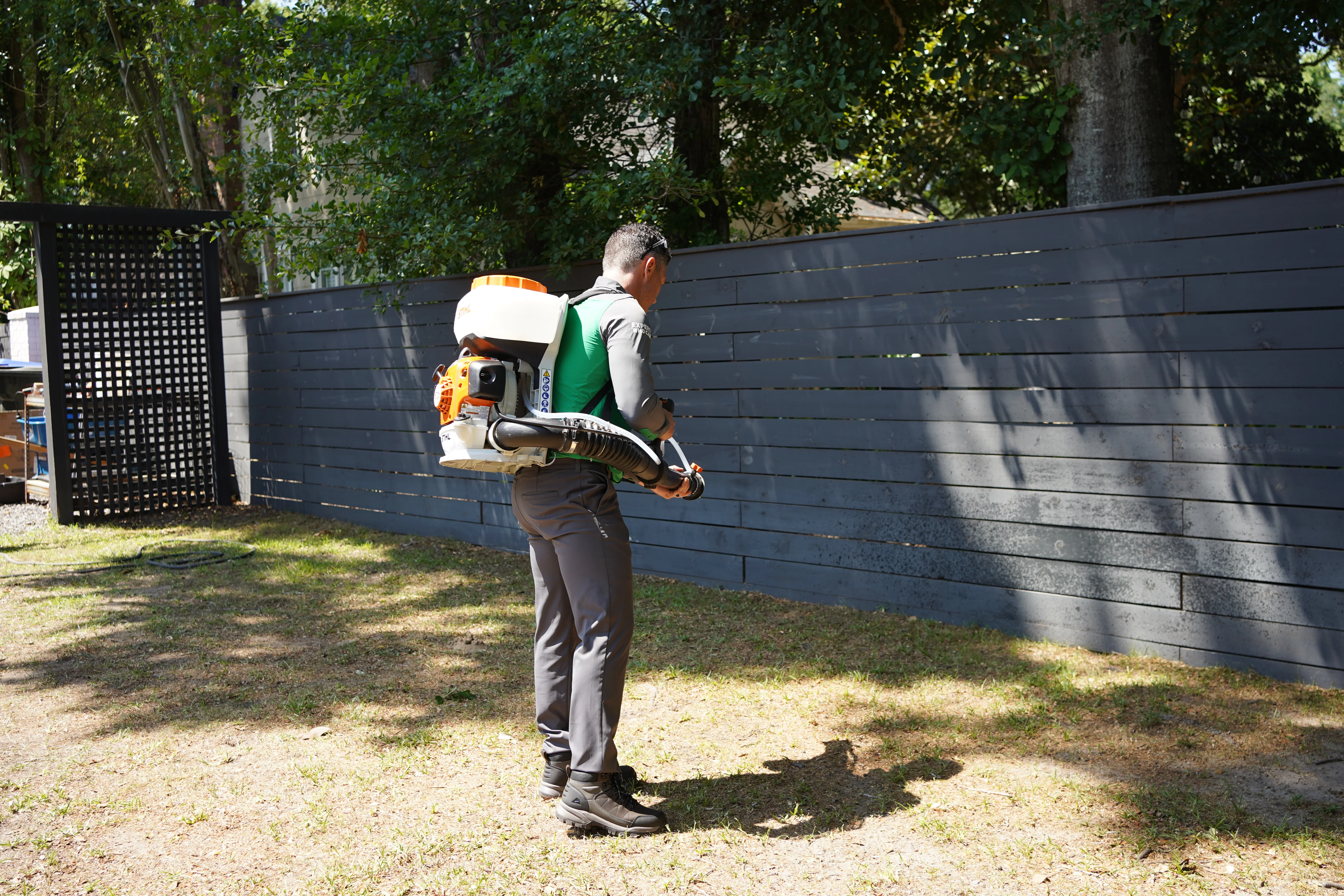
Yard Treatment
A fine-mist application of residual insecticide is applied to the underside of shrubs, lower tree canopies, tall grass, fence lines, and other resting areas. The treatment kills active mosquitoes on contact and provides a residual effect that continues working for 3–4 weeks between monthly service visits.
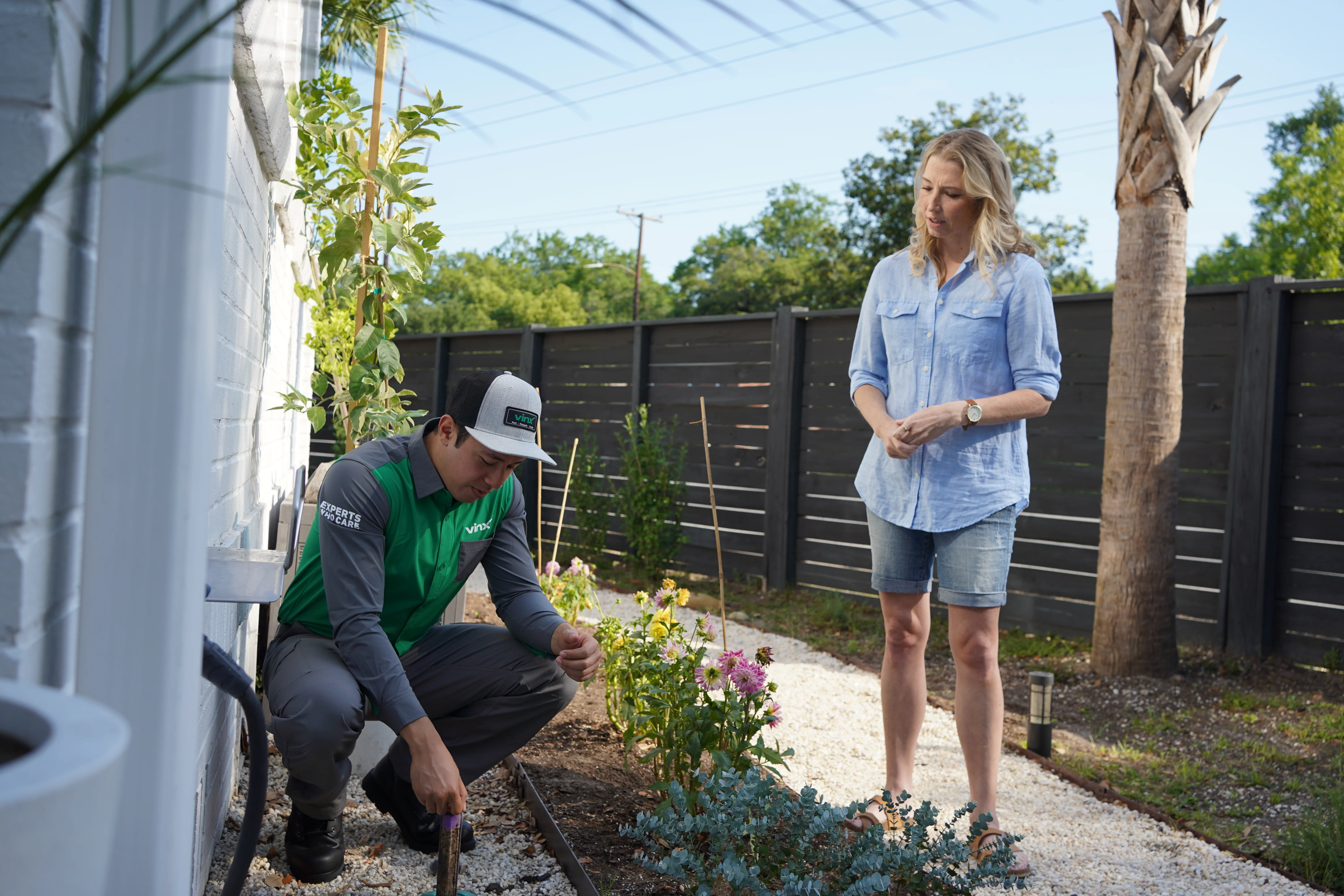
Larvicide Application
Larvicide tablets or liquid is applied to any standing water that cannot be eliminated, retention areas, drainage ditches, decorative ponds. Larvicide prevents mosquito larvae from maturing into biting adults and continues working for 30 days, breaking the breeding cycle between visits.
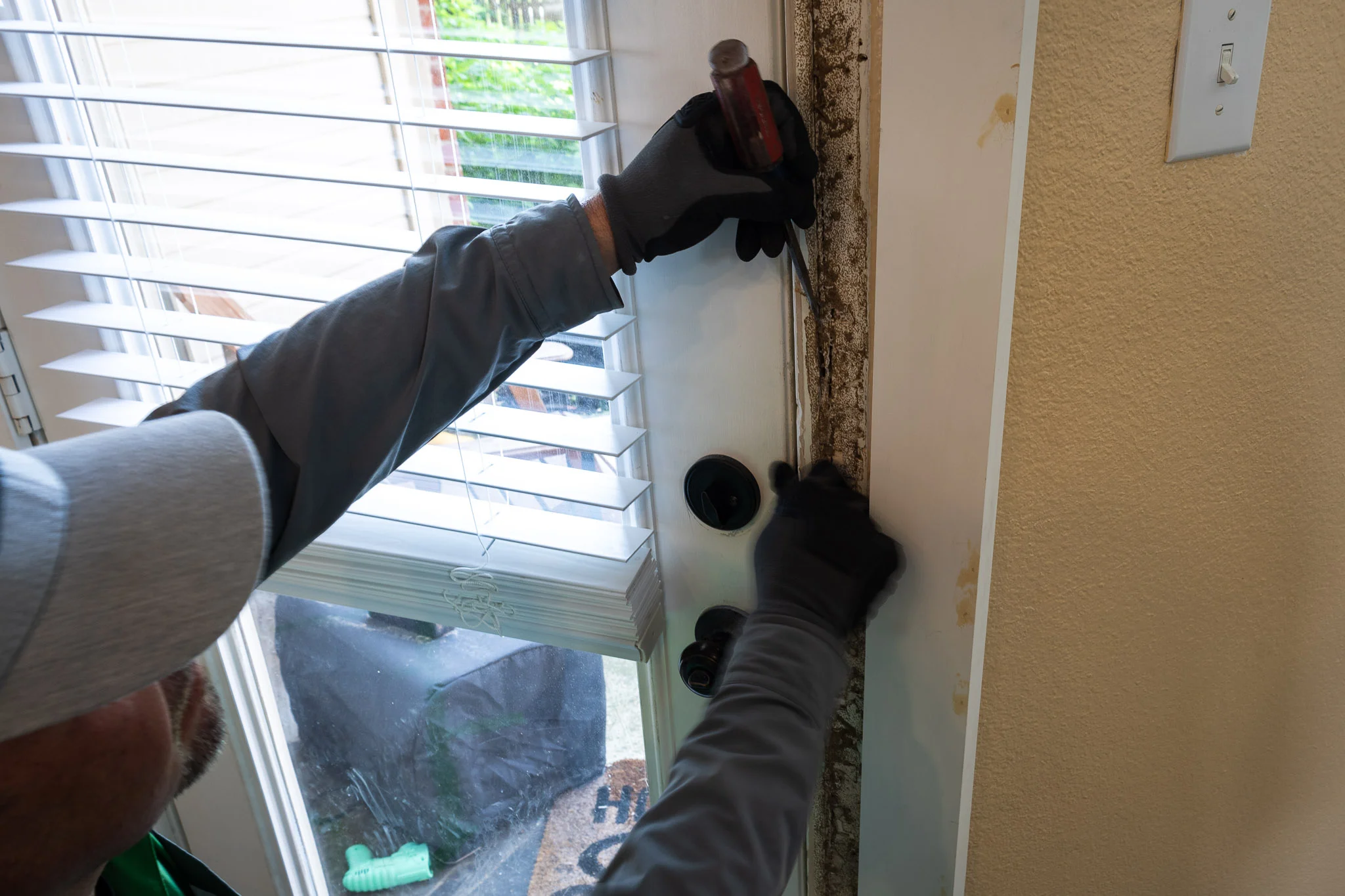
Monthly Service & Free Re-Treatments
Monthly visits maintain continuous pressure on the mosquito population throughout the season. If mosquito activity returns within the service period, we come back and re-treat at no additional charge. Your technician also recommends property modifications (drainage corrections, vegetation management) that reduce long-term mosquito pressure.
What Customers Say
What Greenville Customers Say: 4.8 Stars on Google
Brandon was a great with his communication and address my concerns provided valuable information and informed me of times for the form to dry and be safe for kids and animals. I’m very satisfied with his care and dedication to the job
Vinx mosquito does good work. I'm sitting outside right now and not a single bug bite. Mosquitoes normally just swarm to me. The guys at at Vonx are professional and efficient at their jobs. I recommend their service and they are conscientious of pets.
Great salesman to start our journey and great service with the exterminator that came out to the house. Already seeing dead bug on our porch and fewer ants on the inside.
Vinx is the best and Alfredo is simply fantastic. He always shows up on time with a smile, friendly, professional and goes the extra mile if we need extra attention on a space.
Alfredo is the BEST! Very honest & caring. Vinx should be honored to have an exterminator of his caliber. Thank you, Alfredo!
Mike was courteous and thorough. He took time to listen to my problem areas. He was considerate of the fact that I work from home and had an upcoming meeting. Mike is a good technician.
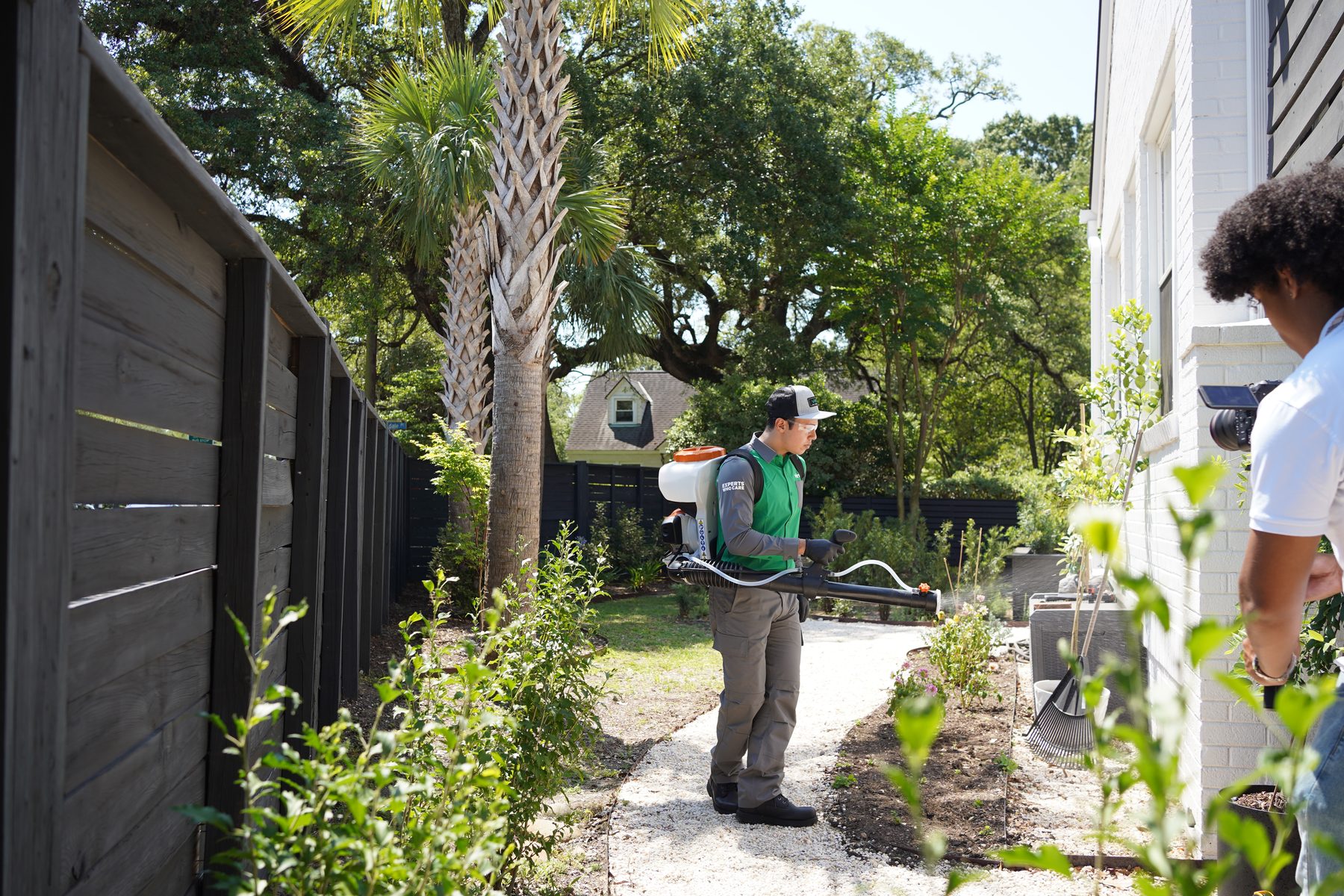
Take Back Your Backyard This Season
Don’t let mosquitoes keep you indoors all summer. Vinx Pest Control has earned 4.8 stars across 3,600+ Google reviews by delivering results, not excuses. Monthly barrier treatments starting in spring keep Greenville properties comfortable all season long. Plans from $109/mo including mosquito service.
Greenville Mosquito Season
Why Greenville’s Mosquito Season Is Getting Worse
Greenville’s Upstate location doesn’t protect it from mosquito pressure. Warm temperatures from April through October, combined with the Reedy River watershed and numerous retention ponds in newer developments, create persistent mosquito breeding habitat throughout the metro.
Simpsonville and Mauldin’s rapid residential growth has added hundreds of retention ponds that serve as permanent mosquito breeding sites. Standing water in clogged gutters, tire swings, flower pot saucers, and bird baths can produce hundreds of mosquitoes per week. Without monthly barrier spray, populations rebound completely between treatments.
Mosquito-borne illness risk is real in Greenville. West Nile virus has been confirmed in Greenville County. The Aedes albopictus (Asian tiger mosquito), an aggressive daytime biter, has expanded its range significantly in Upstate South Carolina over the past decade and is now present throughout the Greenville metro year-round.
2 Primary Mosquito Species
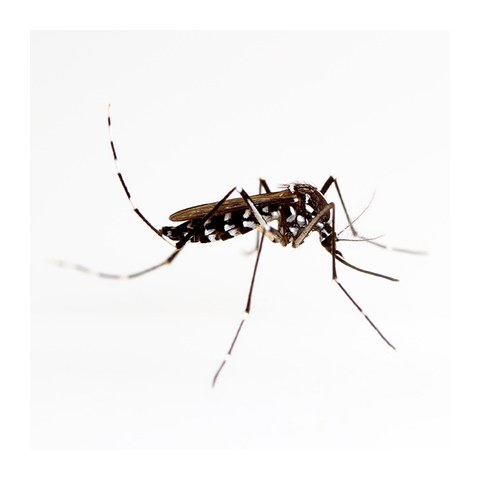
Aedes Mosquitoes
The daytime biter, active from sunrise to sunset. Primary vector for Zika, dengue, and chikungunya. Breed in small containers: flower pots, bird baths, clogged gutters, and tarps. Asian tiger mosquito (Aedes albopictus) has expanded significantly in Greenville County. Highly aggressive biters that seek hosts actively throughout the day.
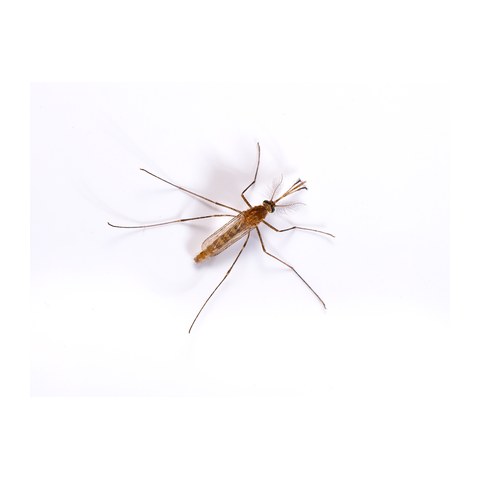
Culex Mosquitoes
The night biter, primary vector for West Nile virus in South Carolina. West Nile virus has been confirmed in Greenville County. Breed in stagnant water in retention ponds, drainage ditches, and catch basins. Active from dusk through dawn. Retention ponds throughout Simpsonville, Mauldin, and Five Forks are the primary Culex breeding sites in the metro.
Pest Pressure by Neighborhood
Know Your Neighborhood’s Mosquito Risk
Downtown & North Main: Asian Tiger Mosquitoes
Urban density concentrates the standing-water sources that Asian tiger mosquitoes require for breeding. Street-level planters, clogged gutters, and decorative fountains along North Main Street create micro-breeding sites throughout the warm season. Shaded alleyways and mature street trees hold daytime resting populations at higher densities than outlying neighborhoods, making outdoor dining and patio use uncomfortable without professional barrier treatment.
Augusta Road & Sans Souci: Asian Tiger & Southern House Mosquitoes
Mature residential landscaping with deep shade canopy, ornamental ponds, and dense ground cover supports some of the highest mosquito resting densities in Greenville. Established storm drainage easements along the Sans Souci corridor collect seasonal standing water that sustains southern house mosquito breeding from May through October. Properties with water features or natural low spots in the yard require targeted larvicide applications in addition to barrier spray.
Simpsonville & Mauldin: Asian Tiger Mosquitoes
Rapid residential development leaves poorly graded lots with chronic drainage issues that accumulate standing water after every rain event. New construction also tends to have minimal mature tree coverage initially, but as landscape plantings mature the resting habitat expands. The Simpsonville area sees mosquito pressure that builds significantly from June through September, with the highest bite activity occurring in the hours around dusk in densely planted backyards.
Taylors & Wade Hampton: Southern House Mosquitoes
Wooded lots with seasonal creek drainage and natural low-lying areas throughout Taylors and Wade Hampton create consistent standing water sources that support large southern house mosquito populations from May through September. Homes backing up to wooded buffers or drainage easements see the heaviest bite pressure. Professional barrier spray programs covering both lawn and tree-line vegetation significantly reduce landing rates in these high-pressure zones.
Greer: Asian Tiger Mosquitoes
Suburban Greer has a mix of newer developments and established residential streets with mature ornamental landscaping that provides excellent daytime resting habitat for Asian tiger mosquitoes. Properties near Gilder Creek and its tributaries experience additional pressure from natural standing water sources. The mosquito season in Greer typically runs May through October with peak bite activity in July and August during warm humid stretches.
Fountain Inn & Piedmont: Southern House & Floodwater Mosquitoes
Rural and semi-rural properties in Fountain Inn and Piedmont face the highest total mosquito pressure in Greenville County. Undeveloped land, agricultural ponds, slow-moving tributaries, and flood-prone bottomland sustain both southern house mosquitoes and floodwater mosquito species that emerge in large numbers after heavy rain. Properties adjacent to woods, pasture, or creek corridors benefit most from combined barrier spray and standing-water elimination programs.
Early Warning Signs
Signs You Have a Mosquito Problem at Your Greenville Property
Know what to look for before mosquito season peaks
Standing Water
Any water that sits for 7 or more days becomes a breeding site. Common sources include clogged gutters, saucers under potted plants, bird baths, tarps, and low spots in the yard after rain.
High Bite Activity
Getting bitten immediately upon going outside, especially in the morning and evening hours, indicates a large resting population in nearby vegetation. Asian tiger mosquitoes bite aggressively during daylight hours.
Dense Vegetation
Tall grass, overgrown shrubs, and thick ground cover near the home provide daytime resting habitat that sustains large mosquito populations between feeding cycles. Reducing vegetation reduces resting sites significantly.
Buzzing Sounds
Persistent buzzing near the ears, especially at dusk or indoors near windows and doors, indicates active mosquito presence. Window screen gaps allow resting mosquitoes to enter living areas.
Larvae in Standing Water
Visible wriggling larvae (wigglers) in standing water containers are a clear indicator of active breeding. Larvae hang at the surface and scatter when disturbed. Even a bottle cap of water is enough.
Inability to Use Outdoor Spaces
If your patio, deck, or yard has become unusable in the early morning or evening due to mosquito pressure, the population around your property has exceeded a threshold that requires professional intervention.
Itchy Welts After Being Outside
Multiple bite welts appearing after brief outdoor exposure indicate high mosquito density. Asian tiger mosquito bites often produce larger, more reactive welts than those from other species due to different saliva proteins.
Nearby Stagnant Water Sources
Proximity to ponds, detention basins, slow-moving creek sections, or marshy areas within a few hundred feet of your property significantly increases ambient mosquito pressure throughout the season.
Seasonal Activity
Greenville Mosquito Activity by Season
Mosquito season in Greenville runs longer than most homeowners expect, often from late March through early November. Vinx monthly treatments keep protection consistent through every peak period.
| Season | Activity Level | What’s Happening | Vinx Response |
|---|---|---|---|
| Spring (Mar–May) | Building | Overwintered eggs hatch as temperatures reach 50°F. Populations build rapidly with spring rains filling breeding sites. | First treatment of the season; source reduction inspection; larvicide in standing water |
| Summer (Jun–Aug) | Peak | Highest population pressure. Asian tiger mosquitoes active day and night. Culex mosquitoes surge near retention ponds and drainage channels. | Monthly barrier spray focusing on vegetation and resting sites; repeat larvicide treatment |
| Fall (Sep–Oct) | High | Populations remain high through October. Cooler nights shift activity to daytime hours. | Continued monthly treatment; focus on late-season breeding sites before first frost |
| Winter (Nov–Feb) | Low | Adult activity stops below 50°F but eggs overwinter in soil near water. Mild Greenville winters allow earlier spring emergence. | Treatment paused; spring service scheduled to begin before first warm spell |
Upstate, Not Coastal
What Actually Drives Mosquito Pressure in Greenville
Most South Carolina mosquito advice is written for the coast, where salt marsh species fly in from thousands of acres of tidal habitat. That is not the Upstate problem. Here it is containers, ditches and a rainfall pattern with no dry spell to interrupt it.
The County Sprays Four Cities, By Request
Worth checking before you assume you are covered. Greenville County’s own mosquito document says spraying is available in the unincorporated county and the cities of Greenville, Greer, Simpsonville and Travelers Rest, and that spraying on private property is by request only. Mauldin and Fountain Inn are not on that list, and Easley sits in Pickens County outside the program entirely. If you are in one of those, nobody is coming unless you arrange it.
Night Fogging Misses the Day Biter
Clemson says this plainly, and it is not a criticism of anyone’s program: night-time insecticide fogs by mosquito control agencies often do not effectively control Asian tiger mosquitoes, because those are active mainly during daylight hours. The tiger mosquito is the one biting you in the garden at two in the afternoon, and it breeds in containers on your own property rather than in a public ditch. That combination is why area-wide spraying and property-level work solve different halves of the problem.
No Dry Season to Break the Cycle
Greenville is not the wettest place in South Carolina, and the total is not the point. What matters is that no month at the airport averages below about 3.6 inches, against a spread more than three times wider on the coast. A container that dries out between storms stops producing mosquitoes; here it rarely gets the chance. Larvae can reach biting adults in about a week in summer heat, so the interval between treatments matters more than the strength of any one of them.
What Barrier Treatment Honestly Does
University field studies of barrier treatments on resting vegetation document roughly 60 to 85% reduction in yard-level Aedes activity, holding about three to six weeks for the longer-residual products. Two honest caveats. Rainfall is the biggest limiter, because it strips residue from leaf surfaces. And Culex species are consistently controlled less well, which matters because Culex is the West Nile vector. We will claim fewer bites and a usable yard. We will not claim it lowers your disease risk, because the research does not show that.
Kid & Pet Safe
Our Treatments Are Safe for Your Whole Family: Including the Furry Members
Every product we use is EPA-registered and applied strictly at labeled rates by licensed technicians. We take the guesswork out of safety so you can feel confident letting kids and pets back into treated areas quickly.
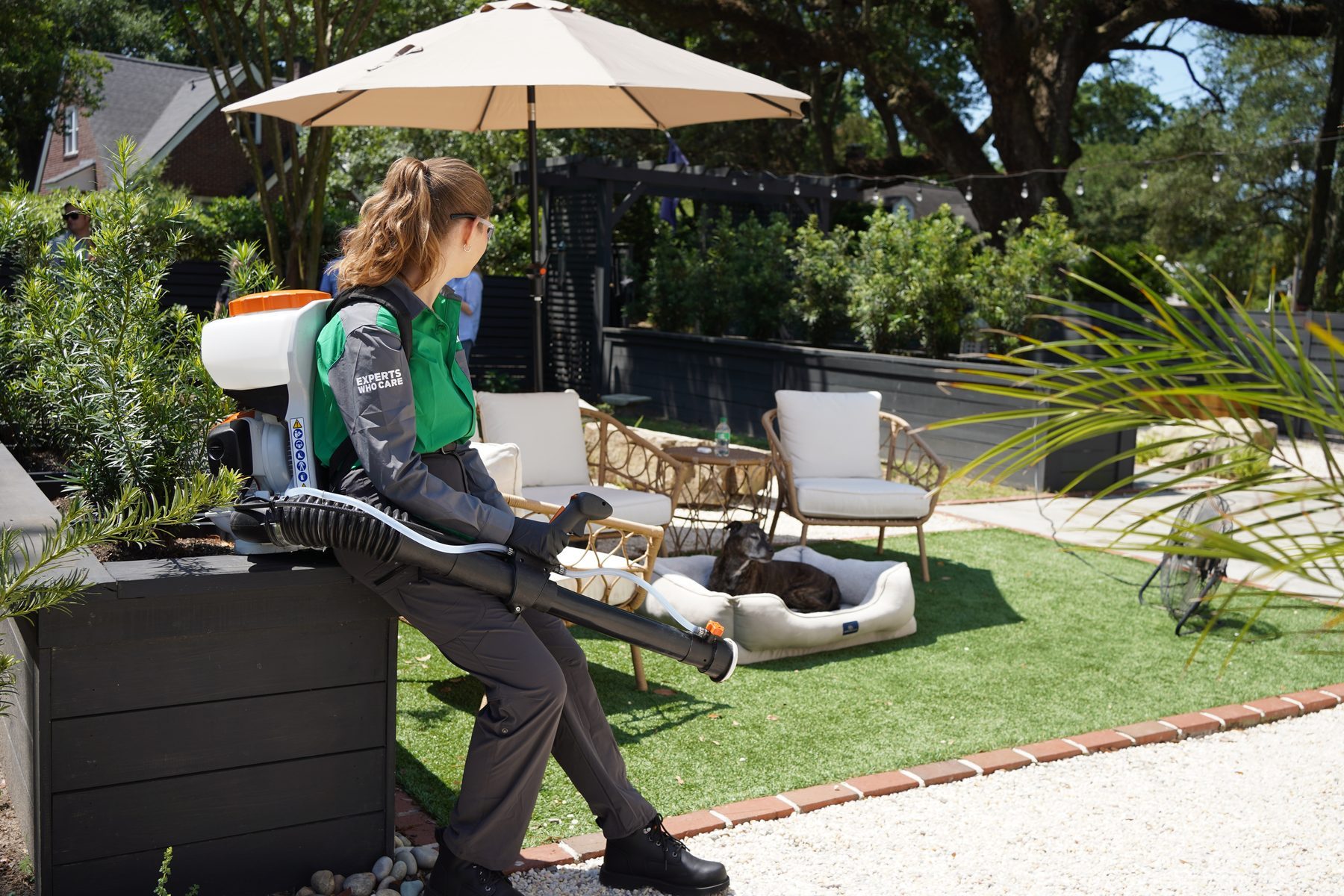
EPA-Registered Products Only
All products are EPA-registered and applied per strict label requirements by our licensed technicians on every visit.
Safe Re-Entry After Drying
Exterior spray treatments dry in 30–60 minutes. Your technician confirms the all-clear before leaving your property.
Interior Treatment On Request
We treat only what’s needed, where it’s needed. Products placed away from areas pets and children frequent most.
Botanical Options Available
Ask your technician about plant-derived treatment options for households that prefer a more natural approach.
Questions about product safety? Call 864-670-8469 and we’ll walk you through exactly what we use and why it’s safe.
Explore More
More Pest Control Services in Greenville

Pest Control Greenville
Year-round protection plan
Ant Control Greenville
Household ants & others

Rodent Control Greenville
All rodents covered

Spider Control Greenville
All spider species covered
Cockroach Control Greenville
American & German roaches

Tick & Flea Control Greenville
Yard & pet protection
Exterminator Greenville
Same-day local exterminators

Bed Bug Control Greenville
Heat & liquid treatments
Termite Control Greenville
Bait systems & liquid treatment
Wasp Control Greenville
Nest removal & prevention
Frequently Asked Questions
Mosquito Control Greenville SC: FAQs
Mosquito activity in Greenville typically begins in late March or early April when temperatures consistently reach 50°F. The season peaks from June through August and remains significant through October. Vinx recommends starting treatment in March or April to prevent populations from building.
The two primary species in Greenville are the Asian tiger mosquito (Aedes albopictus), which bites aggressively during the day, and the Southern house mosquito (Culex quinquefasciatus), which is most active at dusk and dawn. Tiger mosquitoes are particularly common in residential areas with dense landscaping.
Our technicians apply a residual insecticide spray to vegetation, shrubs, and other shaded areas where adult mosquitoes rest during the day. The treatment kills mosquitoes on contact and provides residual protection for 21–30 days. We also treat standing water sources with larvicide to prevent new mosquitoes from developing.
Yes, when applied at labeled rates. We ask that children and pets remain off treated areas for 30–60 minutes while the product dries. Once dry, treated surfaces are safe. We also offer botanical treatment options for families with specific sensitivities. Ask your technician about these options.
Most Greenville homeowners benefit from monthly treatments from April through October, approximately 7 visits per season. Vinx Platinum includes mosquito service as part of the full plan. Individual monthly treatments can also be added to any existing plan.
Not necessarily. Mosquito barrier spray focuses on exterior vegetation and outdoor areas. Your technician can complete the treatment without access to the interior. We’ll notify you when we’re on the way and leave a service report noting what was treated.
If heavy rain occurs within 1–2 hours of treatment, it can wash away the residual spray before it dries. Call us and we’ll reschedule a free re-service. Our re-service guarantee covers rain events that reduce treatment effectiveness before the product has a chance to cure.
Most residual mosquito treatments are applied to shaded vegetation, not flowering plants. We avoid treating blooming flowers directly. Treatments are applied in the early morning or evening when pollinators are least active. Botanical options are available for properties with significant pollinator habitat.
Mosquito control significantly reduces the population on your property but cannot eliminate every mosquito, as new ones will migrate from neighboring areas. Most customers report a 70–90% reduction in mosquito activity after the first few treatments, making outdoor spaces comfortable for the season.
We serve all of Greenville County including Greenville, Simpsonville, Mauldin, Greer, Taylors, Travelers Rest, Fountain Inn, Piedmont, Easley, Duncan, Conestee, Lyman, and Woodruff.
Service Coverage
Mosquito Control Throughout Greenville County
Vinx technicians serve every corner of Greenville County with monthly mosquito treatments, from downtown Greenville to Simpsonville, Mauldin, Greer, and surrounding communities.
Serving the Greater Greenville Area