
Cockroach Control in Greenville, SC
German & American Cockroach Experts: Gel Bait + IGR + Barrier Spray
Cockroach control in Greenville targets the species most common here: German cockroaches, American cockroaches, and Oriental cockroaches. Vinx uses gel bait, IGR, and exterior barrier spray. Free re-treatment guarantee.
Get Started in 60 Seconds
Choose what’s easiest for you
Request a Quote
We usually respond in 2 minutes
Call 864-670-8469
Get a live person (no AI agents here!)
Sign Up Online
Get pricing and schedule now





Welcome to Vinx Pest Control
A Company That Actually Backs What It Says
At Vinx, we combine professional-grade treatments with a level of service most pest control companies don't offer. Local technicians, fast response times, and a guarantee that actually means something.
Get a Free Quote"I'm not passionate about killing bugs. I'm passionate about customer service. At Vinx, you get experts who show up, do the job right, and stand behind every visit. No runaround, no fine print."
WELCOME TO VINX PEST CONTROL
Protection Plans for Greenville Homeowners

Standard Residential Protection
- 4 Seasonal Treatments Per Year
- 50+ Covered Pests
- Interior, Exterior & Yard Treatment
- Unlimited Free Re-Services
- 100% Money-Back Guarantee

Upgraded Yard Protection
- 6 Home & Yard Treatments Per Year
- 50+ Covered Pests
- Yard Ant Elimination Guarantee
- Flea & Tick Elimination Guarantee
- 100% Money-Back Guarantee

Most Comprehensive Protection
- 9 Treatments Per Year
- 50+ Covered Pests
- 8 Mosquito Treatments (Mar–Nov)
- Flea, Tick & Ant Coverage
- Free Bed Bug Treatments if Needed*
*Starting rates vary by home size and area. All plans billed monthly.
Request Your Free Cockroach Control Quote
Fill out the form below and a Vinx team member will reach out within 2 minutes during business hours.
Prefer to talk? Call 864-670-8469 for a live person, no AI agents.
Our Approach
How Vinx Eliminates Cockroaches in Greenville
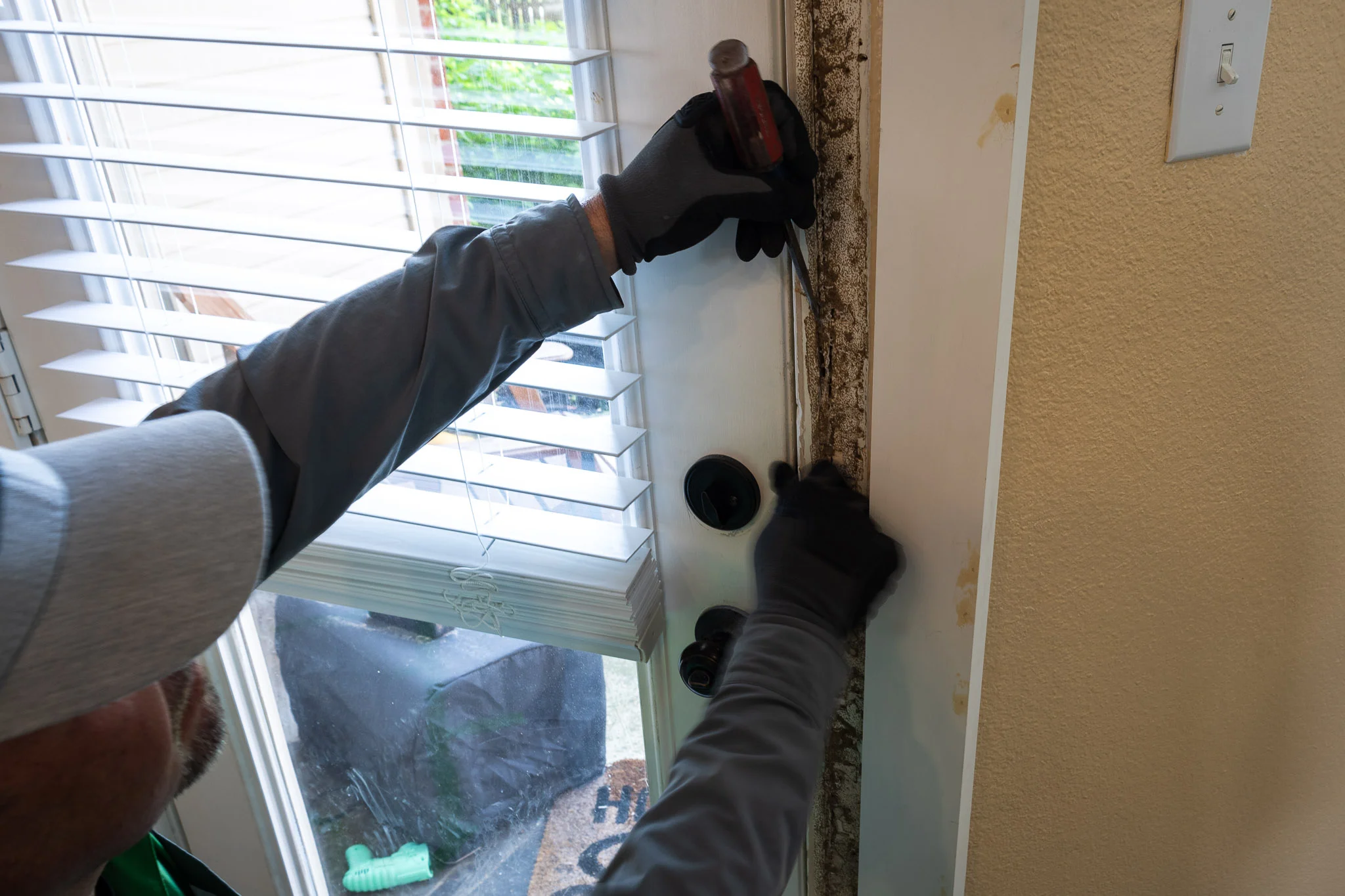
Gel Bait Treatment
Slow-acting gel bait is placed in cracks, crevices, and harborage sites, behind appliances, inside cabinet hinges, under sinks, and along known cockroach travel routes. Cockroaches feed on the bait and carry it back to the colony, collapsing it from within over several days. This is the most effective method for German cockroaches because it reaches the population you can't see and doesn't scatter roaches the way aerosol sprays do. No broadcast spray indoors, only targeted placement in protected locations away from food prep areas and out of reach of children and pets.
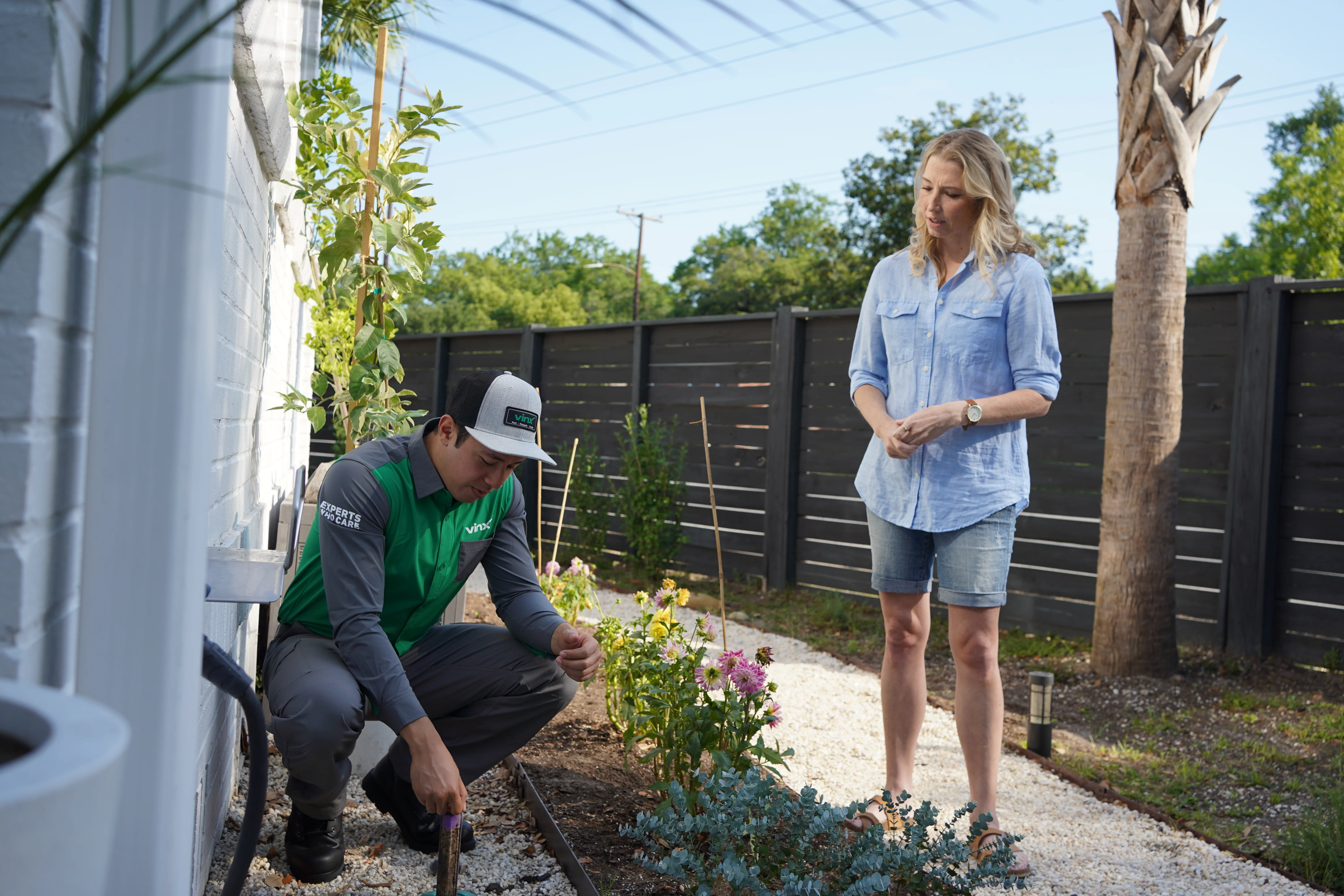
Residual Spray Treatment
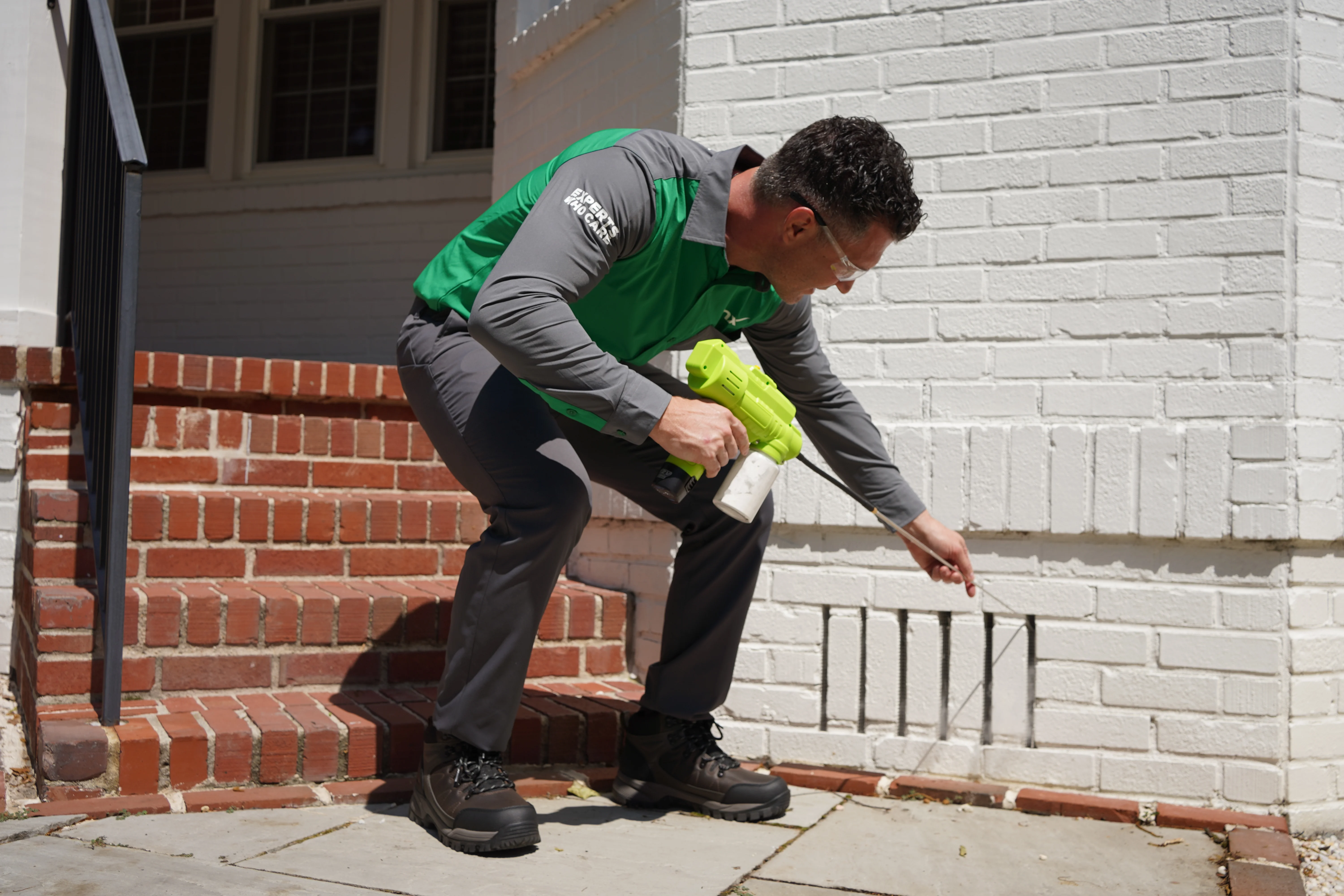
Micro-encapsulated residual insecticide is applied to surfaces along cockroach travel routes, behind appliances, under sinks, along baseboards, and in utility areas. The time-release formulation attaches to cockroaches that cross treated surfaces, killing them and continuing to work between service visits. The exterior foundation perimeter is treated on every visit, blocking palmetto bugs and American cockroaches from entering through foundation gaps and crawlspace vents before they reach the living areas of your home.
IGR Application
Insect growth regulators (IGR) disrupt cockroach reproduction by preventing nymphs from maturing into breeding adults. Used alongside gel bait and residual spray, IGR breaks the breeding cycle for complete colony control, particularly effective for severe German cockroach infestations where a large nymph population would otherwise continue to replenish the adult population being killed by the bait and spray. IGR is applied to harborage sites and void spaces as part of the treatment protocol.

American Cockroach Exclusion
For Palmetto bug and American cockroach pressure, your technician inspects and identifies sewer entry points, floor drain gaps, crawlspace vents, and utility penetrations through the foundation that cockroaches are using to access the living space. Treatment includes targeted perimeter residual at all identified entry points plus a written exclusion report documenting gaps that need to be sealed. Addressing the entry points, not just treating the cockroaches already inside, is what prevents the infestation from re-establishing between service visits.
What Customers Say
What Greenville Customers Say: 4.8 Stars on Google
Alfredo once again came back out for my 2 week follow up. Again very knowledgeable and took the time to explain future treatment to hell eliminate the problem in my home. Will recommend him and Vinx to anyone I know. Thank you
Mike has completed a few services for us now and has been nothing but great. He is very detailed and makes sure nothing is missed. I would highly recommend.
Technician, Brandon, was awesome. I hope he services my house for each visit.
Everyone I have met so far at Vinx has been super kind and friendly and also very informative. The servicing was quick and Chris even added in flea and tick spray to the outdoor portion (as we have pets) without having to say anything. I look forward to future servicing from Vinx Pest Control. Highly recommend them.
Great service - Kyle introduced us to Vinx' services and Brandon was at our house a few hours later (on time) to perform the initial service. He did a great job, efficient and friendly.
The young man that came out was very personable and thorough with the cleaning and spraying. My first spraying was two days ago so let’s see how it goes.
Pest Pressure by Neighborhood
Know Your Neighborhood’s Cockroach Risk
Downtown & North Main: German Roaches & American Roaches
Urban density, older plumbing infrastructure, and shared walls make Downtown Greenville and the North Main corridor a persistent hotspot for German cockroach infestations. German roaches thrive in the warm, humid kitchen and bathroom environments common in older single-family homes and multi-unit buildings in this area. American cockroaches enter through aging sewer lines and floor drains in basements and crawl spaces. Infestations spread rapidly between adjacent units in older construction where wall voids are interconnected.
Augusta Road & Sans Souci: German Roaches & Smokybrown Roaches
Mature residential properties along Augusta Road and Sans Souci see consistent cockroach pressure from two directions: German roaches establishing in kitchens and bathrooms, and smokybrown cockroaches entering from heavily landscaped yards and wooded borders. Smokybrown roaches are strong fliers and are attracted to light, making them frequent invaders in homes with older exterior lighting or gaps around doors and windows. Properties with dense plantings against the foundation provide ideal harborage conditions for both species.
Simpsonville & Mauldin: American Roaches & German Roaches
Rapid residential development in Simpsonville and Mauldin brings cockroach pressure from two fronts. American cockroaches establish in the crawl spaces and utility areas of newer construction where grading creates moisture accumulation. German roaches spread quickly in these dense suburban neighborhoods, often arriving via grocery bags, appliances, or deliveries. New construction with unfinished plumbing penetrations and gaps around fixtures creates ideal cockroach entry points that require sealing during the initial treatment visit.
Taylors & Wade Hampton: Smokybrown & American Roaches
Wooded lots with seasonal drainage and mature hardwood trees throughout Taylors and Wade Hampton create consistent moisture conditions that attract smokybrown and American cockroaches. Properties backing up to wooded buffers or drainage easements see elevated cockroach pressure at ground level and in crawl spaces. Both species use wood debris, leaf litter, and mulch beds as staging areas before entering homes through gaps around utility penetrations, doors, and foundation cracks.
Greer: German Roaches & Oriental Roaches
Suburban Greer’s mix of newer developments and established residential streets sees German cockroach pressure in kitchens and bathrooms, particularly in homes where previous infestations were treated with over-the-counter products that selected for pesticide-resistant populations. Oriental cockroaches, often called “water bugs”, are reported in basements and utility rooms near floor drains throughout older Greer neighborhoods. Properties near Gilder Creek experience elevated cockroach activity during heavy rain events as insects seek higher ground.
Fountain Inn & Piedmont: American Roaches & Smokybrown Roaches
Rural and semi-rural properties in Fountain Inn and Piedmont face consistent pressure from American cockroaches and smokybrown roaches, which thrive in the larger lots, outbuildings, and agricultural surroundings of these communities. American roaches establish in crawl spaces and sewer connections at elevated rates on larger properties with septic systems. Smokybrown cockroaches are particularly prevalent near wooded edges and are most active during warm evenings from April through October. Perimeter treatments require additional coverage on larger lots, a technician assessment at inspection establishes the right scope.
4 Species. One City.
Why Cockroach Control in Greenville Is More Complicated Than Most Cities
Greenville is not the Lowcountry, and the roach argument here is different. The nearest station with full NOAA normals, Greenville-Spartanburg International, records 49.67 inches of rain a year spread remarkably evenly: every month falls between 3.59 and 4.82 inches, and only about 27% of the year’s rain arrives June through August. Charleston, by contrast, takes nearly half its rainfall in four summer months. So the Upstate driver is not a summer deluge, it is steady year-round moisture in crawl spaces, basements and wall voids that never gets a genuinely dry spell to reset.
But the Upstate does get a real winter, and that changes what survives where. Greenville averages 47.6 days a year at or above 90°F alongside 54 nights at or below freezing, with a median freeze-free season of 224 days from 28 March to 7 November. Compare that with roughly 22 freezing nights and a 266-day season on the coast. The practical consequence: outdoor species like American, smokybrown and Oriental roaches genuinely slow down here in winter, while the German cockroach, which lives entirely indoors on your heating, does not care at all. That is why a Greenville roach problem that persists through January is almost always German, and why identification changes the whole treatment plan.
Greenville Cockroach Species
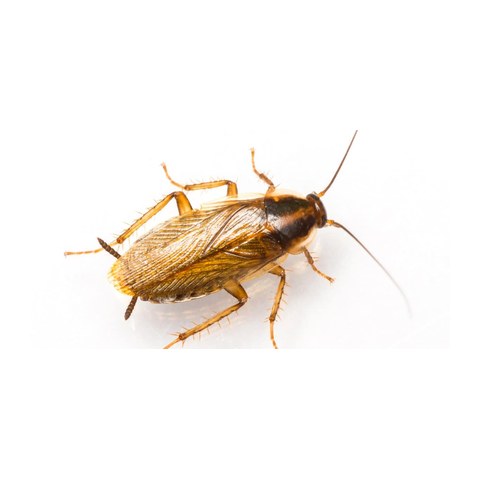
German Cockroach
The German cockroach is the most common and most difficult cockroach to eliminate in Greenville homes. A single female produces up to 400 offspring in her lifetime, and a full infestation can develop from a handful of individuals within weeks. German roaches live exclusively indoors, in kitchen cabinets, behind appliances, inside wall voids near heat sources, and under sinks. They are nocturnal; seeing roaches during the day indicates a large, established population.
German roaches develop resistance to insecticides faster than any other common pest. Populations in homes repeatedly treated with store-bought sprays often require professional gel bait rotation to break the resistance cycle. Insect growth regulators applied alongside bait disrupt the reproductive cycle and prevent egg cases from hatching.
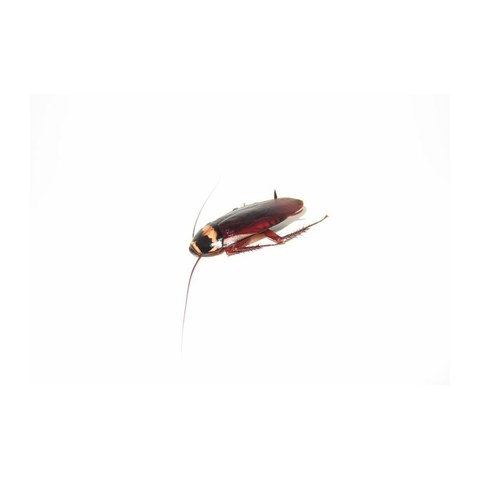
American Cockroach
The American cockroach, also called a “palmetto bug” in the South, is the largest common cockroach in Greenville at up to 1.5 inches long. American roaches are primarily outdoor insects that enter homes through sewer connections, floor drains, gaps around pipes, and unsealed crawl space vents. They establish in dark, humid environments: basements, crawl spaces, boiler rooms, and utility areas.
American cockroach populations are often larger than homeowners realize because they spend most of their time in areas that are rarely inspected. A professional inspection includes crawl space and drain assessments that locate harborage areas before treatment begins.
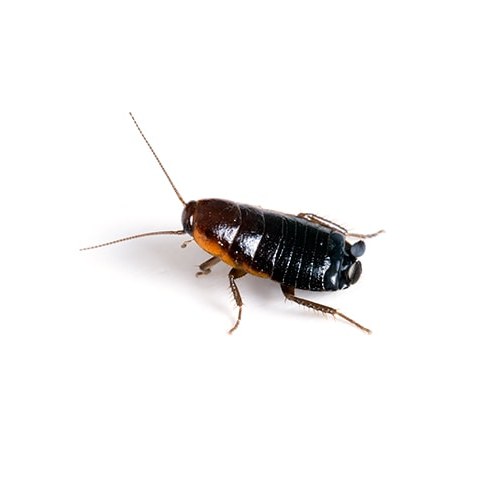
Oriental Cockroach
The oriental cockroach, often called a “water bug”, prefers cooler, damper environments than other species and is most commonly found near floor drains, sump pumps, laundry areas, and crawl spaces in Greenville homes. Oriental roaches cannot climb smooth vertical surfaces and are rarely found above ground level. They emit a stronger musty odor than other species and are a reliable indicator of moisture problems in the structure.
Oriental roaches enter homes through floor drains and gaps in foundation walls and are most active in spring and fall when temperatures moderate. Treating the entry points is as important as eliminating the existing population, without exclusion, re-infestation from sewer connections continues.
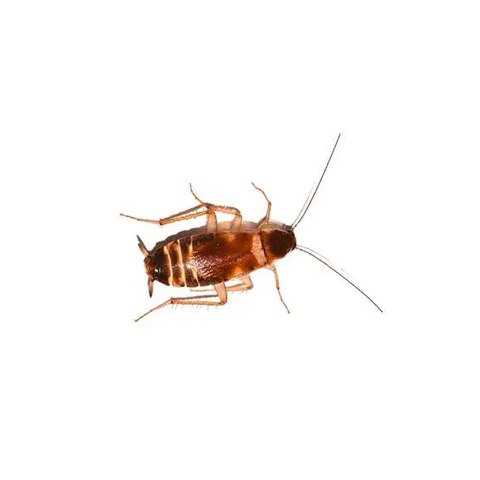
Smokybrown Cockroach
The smokybrown cockroach is the most common outdoor cockroach in Greenville and the surrounding Upstate region. A strong flier, it is attracted to light and enters homes through gaps around doors, windows, and roof vents, particularly during warm evenings from April through October. Smokybrown roaches establish harborage in tree holes, mulch beds, wood piles, and roof areas before entering structures.
In wooded neighborhoods like Taylors, Wade Hampton, and Augusta Road, smokybrown cockroach pressure is highest from late spring through early fall. Perimeter treatments that target harborage areas outside the structure are the most effective control strategy for this species.
Greenville homeowners deal with four cockroach species, and each one requires a different treatment strategy. German roaches live exclusively indoors and breed at an astonishing rate. American and smokybrown roaches enter from outside and establish in crawl spaces. Oriental roaches favor cool, damp environments near drains. Treating all cockroaches the same way is the single most common reason DIY roach control fails.
Where the outdoor species come from here. Greenville’s residential fabric is threaded with water and woodland: the Reedy River and its greenway through Falls Park, the Swamp Rabbit Trail corridor running north toward Travelers Rest, and the wooded slopes below Paris Mountain. American and smokybrown roaches live in that landscape rather than in your kitchen, in leaf litter, mulch, tree holes and storm drainage, and they come indoors through crawl space vents, weep holes and gaps around plumbing when conditions push them. Properties backing onto the greenway, a creek margin or a wooded lot get a steady supply that a mid-block house does not, which is why the perimeter and the crawl space matter more than anything applied inside.
Most over-the-counter cockroach sprays are repellents. Spraying a repellent in a German roach harborage triggers the colony to scatter, spreading the infestation to areas of the home that were previously unaffected. German roaches also develop resistance to common insecticides faster than almost any other pest species. Populations exposed to pyrethroids repeatedly can become effectively immune within a few generations.
Professional cockroach control uses slow-acting gel baits and non-repellent insect growth regulators that roaches consume and carry back to harborage areas. The active ingredients reach the entire population, including egg cases that would survive a spray treatment. This is why professional treatment resolves infestations that months of DIY spraying could not.
What to Look For
Signs of a Cockroach Infestation in Your Greenville Home
Daytime Sightings
Cockroaches are nocturnal, seeing one during the day almost always means the population is large and harborage areas are overcrowded
Musty Odor
Large cockroach infestations produce a distinctive musty, oily smell from their pheromone trails and waste, noticeable in cabinets and under appliances
Droppings
Small black or dark brown droppings resembling coffee grounds or pepper near food preparation areas, cabinets, and behind appliances
Egg Cases (Oothecae)
Dark brown capsule-shaped egg cases found behind appliances, in cabinets, or along baseboards, each contains up to 40 roach eggs
Shed Skins
Translucent cockroach skins (exuviae) found in harborage areas as roaches molt through their life cycle, indicates an established population
Grease Smears
Dark smear marks along walls and baseboards from roach body oils accumulate along frequently traveled routes near harborage areas
How Vinx Treats Cockroaches
What Happens at Every Visit
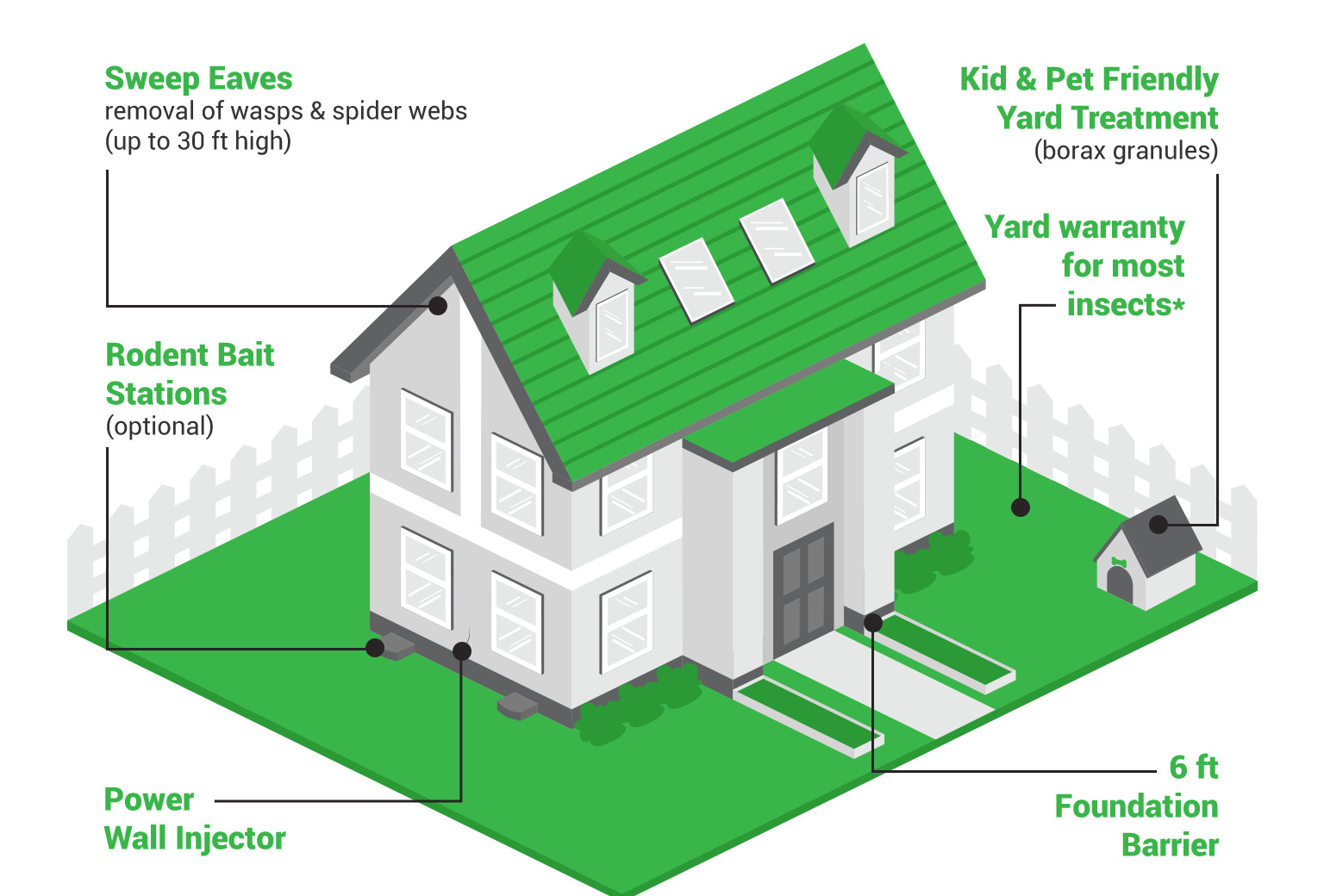
Cockroach control requires more than a spray and pray. Vinx uses a multi-step approach combining gel bait, insect growth regulators, and perimeter barrier treatments to eliminate the full population, including egg cases.
- Gel Bait Placement: Slow-acting bait placed in harborage areas reaches the full population including egg cases
- Insect Growth Regulator: Disrupts the cockroach reproductive cycle and prevents egg cases from hatching
- 6 ft Foundation Barrier: Non-repellent perimeter treatment stops outdoor species from entering
- Drain & Entry Point Treatment: American and oriental roach entry routes addressed directly
- Free Re-Treatment Guarantee: If roaches return between visits, we come back at no charge
Homeowner Tips
6 Ways to Reduce Cockroach Pressure Right Now
The Evidence
Why Store-Bought Treatments Lose to German Cockroaches
Smokybrown roaches come in from outside and can be handled at the perimeter. German cockroaches are a different problem, and the research on why is unusually clear-cut.
Resistance Is the Default Now, Not the Exception
Field populations of German cockroach have been documented at up to 202-fold resistance to pyrethroids, with the knockdown-resistance mutation present in about 96% of individuals tested. That is the active ingredient in most of what sits on a hardware store shelf. Spraying it does not just fail, it selects for the survivors and hands you a harder population than the one you started with.
Foggers Do Essentially Nothing
A 2019 study in BMC Public Health tested four commercially available total-release foggers against real infestations in occupied homes. Roach numbers were statistically unchanged after treatment, allergen levels did not drop, and the insecticide residue landed on surfaces where people prepare food rather than in the harborages where the roaches actually live. Bait applied by comparison drove populations down.
The Asthma Link Is Well Documented
Cockroach allergen is detectable in roughly 63% of US homes, and in about 84% of high-rise apartments, which is the figure that matters if you are in a multi-unit building rather than a house. In the New England Journal of Medicine study of inner-city children, those both allergic to cockroach and living with high allergen levels averaged 0.37 hospitalizations for asthma per year against 0.11 among the other groups, plus more unscheduled medical visits and more lost sleep. For a household with an asthmatic child this stops being a nuisance question.
Killing Roaches Removes the Allergen
This is the part worth knowing before you decide to live with it. In Arbes et al., published in the Journal of Allergy and Clinical Immunology, a bait-based treatment program cut kitchen cockroach allergen by about 96%. The allergen does not linger indefinitely once the source is gone, so control of the infestation is itself the remediation.
Kid & Pet Safe
Our Treatments Are Safe for Your Whole Family: Including the Furry Members
Every product we use is EPA-registered and applied strictly at labeled rates by licensed technicians. We take the guesswork out of safety so you can feel confident letting kids and pets back into treated areas quickly.

EPA-Registered Products Only
All products we apply are EPA-registered and used strictly per label requirements. Our licensed technicians are trained to apply the right product in the right place at the right rate, every time.
Dry Time Before Re-Entry
Exterior spray treatments dry in 30–60 minutes. Once dry, treated surfaces are safe for children and pets to contact. Your technician will confirm the all-clear before leaving your property.
Gel Bait Applied Safely Indoors
Cockroach gel bait is applied in hidden harborage areas (inside cabinet hinges, behind appliances, in wall voids) completely out of reach of pets and children. No sprays broadcast in living areas.
Botanical Options Available
Have specific sensitivities? Ask your technician about our plant-derived treatment options. We offer botanical alternatives for households that prefer a more natural approach to pest control.
Have a concern about products used near your pets or children? Call 855-800-8469 and we’ll walk you through exactly what we use and why it’s safe.
Explore More
More Pest Control Services in Greenville

Pest Control Greenville
Year-round protection plan

Mosquito Control Greenville
Monthly barrier treatments

Termite Control Greenville
Bait systems & liquid treatment

Rodent Control Greenville
All rodents covered

Ant Control Greenville
Household ants & others

Bed Bug Control Greenville
Heat & liquid treatments

Spider Control Greenville
All spider species covered

Tick & Flea Control Greenville
Yard & pet protection
Exterminator Greenville
Same-day local exterminators

Wasp Control Greenville
Nest removal & prevention
Frequently Asked Questions
Cockroach Control FAQ for Greenville Homeowners
Quarterly cockroach control for most species is included in the Vinx HomeGuard plan at $49 per month. German cockroach infestations requiring targeted gel bait and insect growth regulator treatment are quoted separately after a free inspection. Call 855-800-8469 for a same-day inspection and quote.
Over-the-counter sprays are repellents that scatter cockroach populations rather than eliminating them. German roaches also develop resistance to pyrethroid sprays rapidly. Professional gel bait treatment works differently, roaches consume it and carry it back to harborage areas, reaching the entire population including egg cases. Call 855-800-8469 for a same-day cockroach inspection.
German cockroaches are small (about half an inch), light brown with two dark stripes behind the head, and live exclusively indoors near heat and moisture. American cockroaches are much larger (over an inch), reddish-brown, and enter from outside through drains and foundation gaps. Oriental roaches are dark brown to black and prefer cool, damp areas near floor drains. A free Vinx inspection identifies the species and the correct treatment approach. Call 855-800-8469.
Yes. Cockroaches carry and spread bacteria including Salmonella and E. coli on food contact surfaces. Cockroach allergens from shed skins and droppings are a significant asthma trigger, particularly for children. Studies show cockroach allergen exposure in early childhood increases asthma risk. A large infestation should be addressed as a health issue, not just a nuisance.
Because you almost certainly have German cockroaches rather than an outdoor species. Greenville gets a genuine winter, about 54 nights a year at or below freezing and a 224-day freeze-free season, so American, smokybrown and Oriental roaches really do slow down once it turns cold. The German cockroach does not, because it lives entirely indoors on your heating and never experiences winter at all. A roach problem that carries on through January is the strongest single indicator that you are dealing with the species that breeds inside, and that changes the treatment completely: gel bait and growth regulator rather than a perimeter barrier.
Different rather than worse, and the reason is interesting. Greenville takes 49.67 inches of rain a year but spreads it almost evenly, every month between 3.59 and 4.82 inches, with only about 27% arriving June through August. Charleston takes nearly half its rain in four summer months. So the coast gets intense seasonal pressure while the Upstate gets steady year-round moisture that never quite dries out. For roaches that means the Lowcountry sees bigger summer surges of outdoor species, and Greenville sees more persistent crawl space and wall void conditions across the whole year.
They are worth taking seriously if someone in the household is sensitized, and much less so if nobody is. Cockroach allergen is detectable in roughly 63% of US homes and about 84% of high-rise apartments, so presence alone is common and not in itself alarming. What matters is the combination: in the New England Journal of Medicine inner-city study, children who were both allergic to cockroach allergen and living with high levels averaged 0.37 asthma hospitalizations a year against 0.11 for the other groups. Allergy alone or exposure alone did not produce that. One practical point: allergen persists in dust after the roaches are gone, so cleaning is part of the job.
Gel bait treatments begin working within 24–72 hours as roaches consume and share the bait. A significant reduction in activity is typically visible within one to two weeks. Complete elimination of a large German roach infestation may require a follow-up visit two to four weeks after the initial treatment. Vinx includes free re-service if cockroach activity continues between scheduled visits.
Yes. Gel bait is placed in concealed harborage areas completely inaccessible to pets and children. Exterior perimeter spray is safe for pets and children once dry, typically within one to two hours. All Vinx products are EPA-registered and applied strictly per label by licensed technicians.
Yes. Most Greenville cockroach control appointments are available same-day or next-day. Call 855-800-8469. If we cannot service your home the next business day, your initial service is free.
“Palmetto bug” is a regional nickname for the American cockroach, the large, reddish-brown roach commonly seen in the South. They are the same insect. American cockroaches enter homes from outside through drains, sewer connections, and foundation gaps. They require a different treatment approach than German roaches, which live and breed exclusively indoors. Call 855-800-8469 for a free species identification and treatment quote.
It changes which species you get and where we treat. The greenway, the Reedy River corridor and the wooded slopes below Paris Mountain support American and smokybrown roaches in leaf litter, mulch, tree holes and storm drainage. Those are outdoor animals that come in through crawl space vents, weep holes and gaps around plumbing rather than breeding in your kitchen. On a property like that the work is the perimeter, the crawl space and the entry points, and an interior spray achieves very little. A mid-block house with a German cockroach problem is the opposite case entirely.
Size and behavior get you most of the way. German cockroaches are small, around half an inch, light brown with two dark stripes behind the head, and you see them in kitchens and bathrooms, often in daylight if the population is large. American cockroaches, the ones people here call palmetto bugs, are big, reddish-brown and usually turn up one or two at a time near drains or crawl space access. Oriental roaches are dark, almost black, and favor cool damp spots near drains. Smokybrowns are uniform dark brown and associated with trees and gutters. If you are seeing numbers in a kitchen it is German until proven otherwise, and that is the one worth acting on quickly.
No, and there is direct evidence rather than just industry opinion. A 2019 BMC Public Health study tested four commercially available total-release foggers against real infestations in occupied homes: roach numbers were statistically unchanged afterwards, allergen levels did not drop, and the insecticide residue ended up on food preparation surfaces rather than in the harborages where the roaches actually live. With German cockroaches a fogger is worse than useless, because the repellent effect scatters the colony into wall voids and adjacent rooms, turning one room's problem into several.
Service Coverage
Cockroach Control Across Greenville & the Upstate
Serving every neighborhood in the Greenville metro area
Serving the Greater Greenville Area