Spider Control in Greenville, SC
Black Widow & Widow Spider Specialists: Web Removal + Barrier Spray
Spider control in Greenville centers on the black widow — the one genuinely dangerous spider commonly encountered here — plus the common house spiders most homeowners want gone. The brown recluse is far rarer than its reputation suggests, and most reported sightings turn out to be harmless look-alikes, so accurate identification matters more than blanket treatment. Vinx removes webs, applies residual barrier spray, and treats entry points. Free re-treatment guarantee.
Get Started in 60 Seconds
Choose what’s easiest for you
Request a Quote
We usually respond in 2 minutes
Call 864-670-8469
Get a live person (no AI agents here!)
Sign Up Online
Get pricing and schedule now





Welcome to Vinx Pest Control
A Company That Actually Backs What It Says
At Vinx, we combine professional-grade treatments with a level of service most pest control companies don't offer. Local technicians, fast response times, and a guarantee that actually means something.
Get a Free Quote"I'm not passionate about killing bugs. I'm passionate about customer service. At Vinx, you get experts who show up, do the job right, and stand behind every visit. No runaround, no fine print."
WELCOME TO VINX PEST CONTROL
Protection Plans for Greenville Homeowners
Standard Residential Protection
- 4 Seasonal Treatments Per Year
- 50+ Covered Pests
- Interior, Exterior & Yard Treatment
- Unlimited Free Re-Services
- 100% Money-Back Guarantee

Upgraded Yard Protection
- 6 Home & Yard Treatments Per Year
- 50+ Covered Pests
- Yard Ant Elimination Guarantee
- Flea & Tick Elimination Guarantee
- 100% Money-Back Guarantee

Most Comprehensive Protection
- 9 Treatments Per Year
- 50+ Covered Pests
- 8 Mosquito Treatments (Mar–Nov)
- Flea, Tick & Ant Coverage
- Free Bed Bug Treatments if Needed*
*Starting rates vary by home size and area. All plans billed monthly.
Request Your Free Spider Control Quote
Fill out the form below and a Vinx team member will reach out within 2 minutes during business hours.
Prefer to talk? Call 864-670-8469 for a live person, no AI agents.
Our Approach
How Vinx Eliminates Spiders in Greenville
De-Webbing
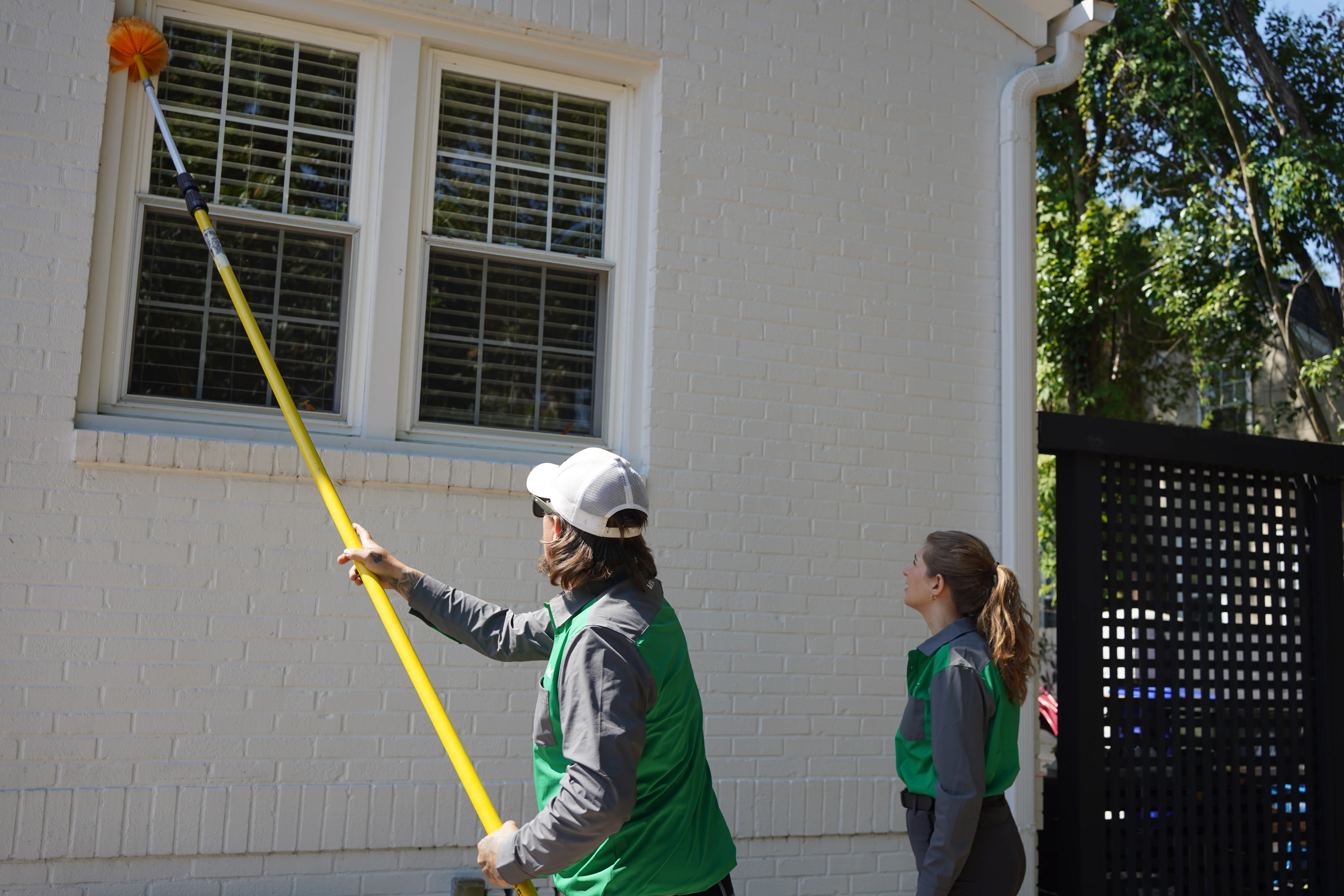
Complete exterior de-webbing of eaves, window frames, corners, light fixtures, and foundation areas on every service visit. Removing active webs and egg sacs eliminates harborage sites and takes out the next generation before it hatches, a single egg sac can contain hundreds of spiderlings. In Greenville's wooded neighborhoods, eave spider populations rebuild quickly; consistent quarterly de-webbing is what prevents the buildup between visits.
Residual Perimeter Spray
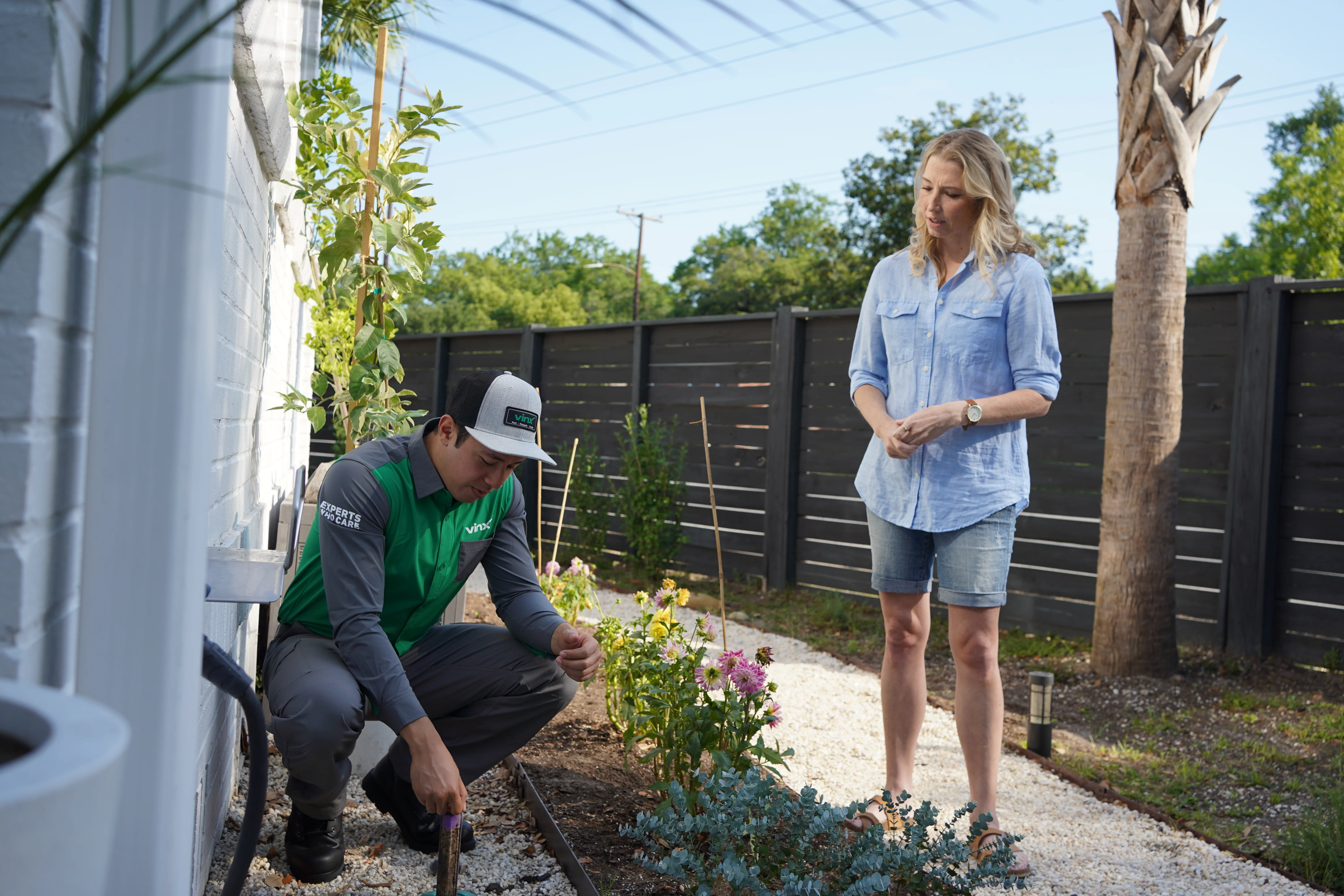
Micro-encapsulated residual insecticide is applied around the full foundation band, window and door frames, garage perimeter, and crawlspace openings. Spiders crossing the treated zone are eliminated on contact. The time-release formulation continues working between quarterly visits, maintaining a barrier against the spider populations moving in from Greenville's wooded lot edges and undisturbed vegetation. Re-applied every visit so the barrier never lapses.
Interior Treatment
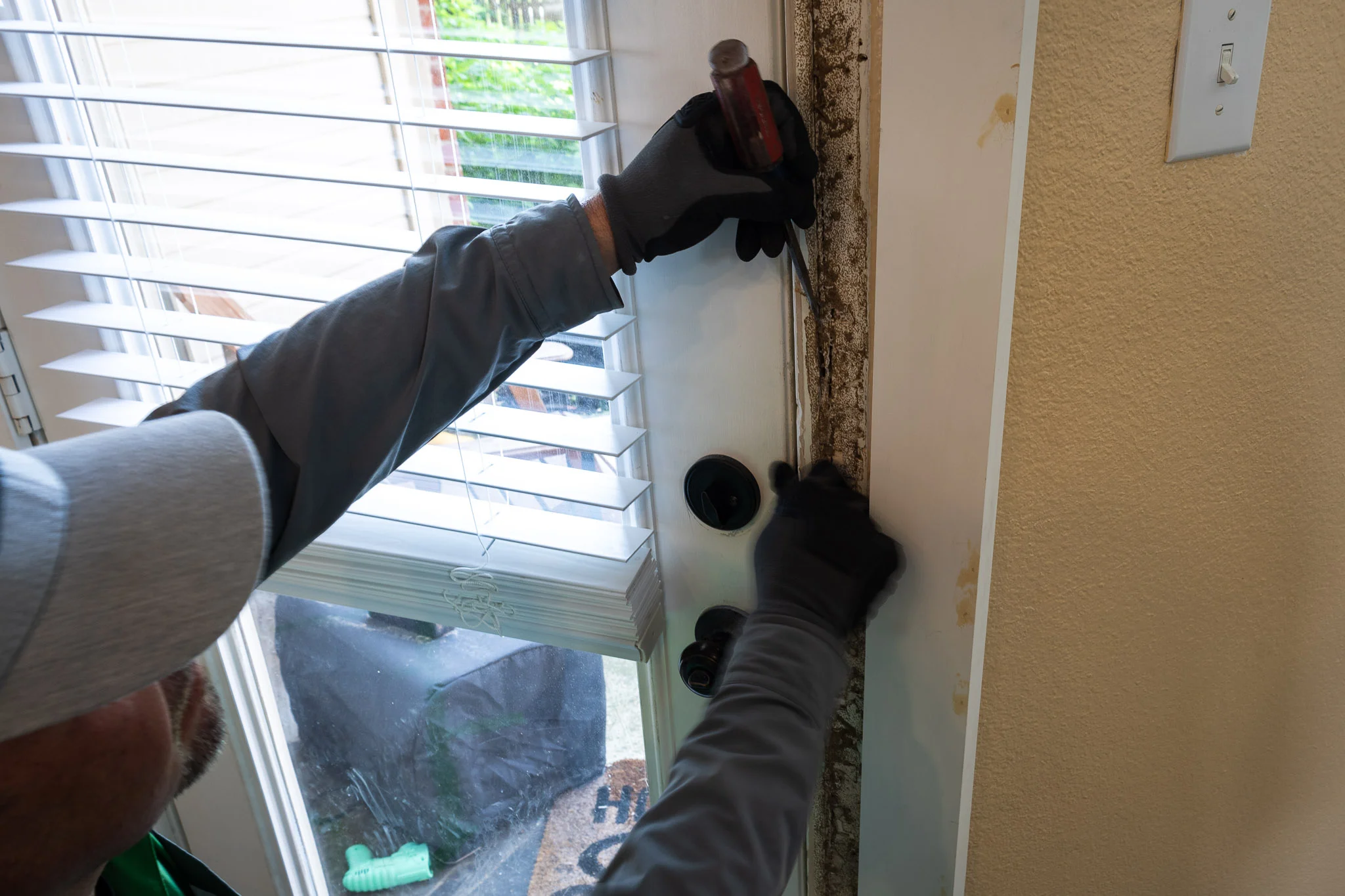
For confirmed interior infestations (black widows in the garage, or established house and cellar spider populations in basements and crawlspaces) targeted residual dust or liquid is applied to void spaces, wall junctions, and harborage areas. Interior treatment is available on every service visit at no additional charge. Your technician advises on specific precautions based on the products applied and the treatment areas.

Harborage Reduction Assessment
At the end of every visit your technician identifies and documents conditions increasing spider pressure, woodpile locations near the structure, excessive mulch depth against the foundation, debris piles, dense ground cover adjacent to entry points, and exterior lighting placement attracting the flying insects spiders feed on. Harborage reduction recommendations are provided in writing after every inspection so you can address the conditions sustaining spider populations between visits.
What Customers Say
What Greenville Customers Say: 4.8 Stars on Google
Thank you, Alfredo for coming out promptly to treat my property. I especially appreciate the advice for septic tank treatments for flies. My experience with Vinx techs has always been great!
Such a wonderful experience with Mike today. So friendly, knowledgeable, helpful and thoughtful about our needs.
Mike was courteous and thorough. He took time to listen to my problem areas. He was considerate of the fact that I work from home and had an upcoming meeting. Mike is a good technician.
Never have a problem with Vinx. Every rep that comes out does a great job of treating the property and communicating with us before and after the visit. I wouldn't have another company protecting our property. Thank you Brandon for the great job you did today, and doing exactly what we needed this time around.
Great customer service our tech Shavon was very through and did great job we going to be rid of fire ants yeah and we have a pit bull he was very good with her.. Mike came today our second visit very through love this company im allergic to wasps he got them all gone great.
Spider Pressure by Neighborhood
Know Your Neighborhood’s Spider Risk
Downtown & North Main: Common House Spiders & Yellow Sac Spiders
Older construction throughout Downtown Greenville and the North Main corridor creates abundant harborage for common house spiders and yellow sac spiders. Gaps around aging window frames, basement wall cracks, and cluttered storage areas in older homes and mixed-use buildings provide exactly the dark, undisturbed spaces these species prefer. Yellow sac spiders are among the more frequently encountered biting spiders here, and their reputation for causing necrosis does not hold up: a review of verified bites found essentially none produced tissue death. Expect a painful welt, not a wound. Web concentrations in upper wall corners and behind stored items are the most common complaints from residents here.
Augusta Road & Sans Souci: Black Widows & House Spiders
Mature residential landscaping, dense mulch beds and established ornamental plantings along Augusta Road and Sans Souci support a lot of insect life, and spiders follow their prey. Black widows are the species worth attention here, and they favor exterior structures, wood piles, meter boxes and the undersides of outdoor furniture. Common house spiders and cellar spiders take the garage corners and crawl spaces. The older streetcar-era housing in this part of town tends to have more gaps at thresholds and crawl space vents than newer construction. Both species are venomous and require professional treatment.
Simpsonville & Mauldin: Orb Weavers & Wolf Spiders
Rapid residential development throughout Simpsonville and Mauldin has created large areas of disturbed soil and expanding vegetation that wolf spiders colonize aggressively. Wolf spiders are large, fast-moving, and alarming to encounter indoors, they do not build webs but hunt actively along floors and walls. Orb weavers construct large decorative webs across doorways, eaves, and shrubs throughout the growing season. While orb weavers are not medically significant, their presence often indicates high insect prey populations that attract more dangerous species over time.
Taylors & Wade Hampton: Wolf Spiders & Cellar Spiders
Wooded lots with seasonal creek drainage and mature hardwoods throughout Taylors and Wade Hampton hold the moisture and leaf litter that ground-hunting spiders use. Wolf spiders dominate here: they hunt on the ground rather than building webs, so they come in under door sweeps and through garage gaps rather than appearing in a corner. They are also the spider most often submitted to Clemson as a suspected brown recluse. Homes backing onto wooded buffers or drainage easements see the most of them. Cellar spiders (often called daddy longlegs) thrive in basements and crawl spaces in these older homes, their webs trap other spiders but their own presence signals conducive moisture conditions.
Greer: Black Widow & Wolf Spiders
Suburban Greer’s mix of newer developments and established residential streets sees consistent black widow pressure around exterior structures, utility boxes, and landscaping. Black widows prefer protected, dark harborage near ground level, garage door tracks, wood piles, and the undersides of deck boards are typical nesting sites in Greer properties. Properties near Gilder Creek and its tributaries experience elevated wolf spider activity, particularly after rain events flood ground-level harborage and push spiders toward structures.
Fountain Inn & Piedmont: Outbuildings & Orb Weavers
Rural and semi-rural properties in Fountain Inn and Piedmont carry the widest species mix in the county, because field and wood edges supply far more prey than a suburban lawn. Barns, equipment sheds and stored materials are prime widow habitat, and reaching blind into them is how most bites actually happen. Orb weavers build their large conspicuous webs across bigger lots from late summer into autumn, and they are harmless. Larger properties simply have more linear perimeter to treat. Perimeter treatments on larger properties require extended linear coverage, a technician assessment at inspection establishes the right treatment scope.
Venomous Species. Real Danger.
Why Spider Control in Greenville Is More Than a DIY Job
Most spiders in Greenville are harmless. One is not: the black widow. It is present throughout Greenville County and is genuinely capable of a medically significant bite that can cause serious injury, particularly to children, elderly adults, and immunocompromised individuals.
The problem with DIY spider control is that it targets visible spiders while leaving the harborage conditions and web structures that attract new spiders untouched. A store-bought spray kills the spider you can see but does nothing to address the dark, cluttered, undisturbed undisturbed spaces where indoor spider populations build, or the exterior structures where black widows establish. Professional treatment addresses both.
Vinx technicians don’t just apply perimeter spray. They sweep webs from eaves and exterior structures, treat cracks and harborage points directly, and identify the conducive conditions (clutter, moisture, exterior lighting) that are driving spider pressure at your specific property.
Greenville Spider Species
Black Widow
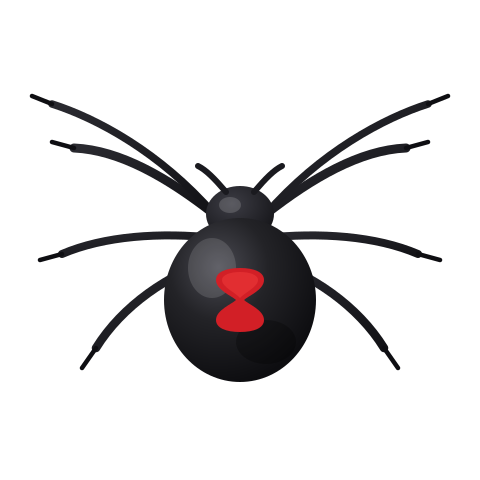
The southern black widow (Latrodectus mactans) is the most medically dangerous spider in South Carolina. Identifiable by the red hourglass marking on its abdomen, the black widow injects a neurotoxic venom that can cause severe muscle cramping, nausea, and respiratory distress. Bites require immediate medical attention. Female black widows are far more dangerous than males, they are the ones that bite defensively.
In Greenville, black widows establish in protected exterior harborage, garage door tracks, wood piles, utility boxes, deck undersides, and outdoor furniture. They build irregular, low-tension webs close to ground level. Greer and Augusta Road neighborhoods see consistent black widow pressure around established landscaping and exterior structures.
Brown Recluse
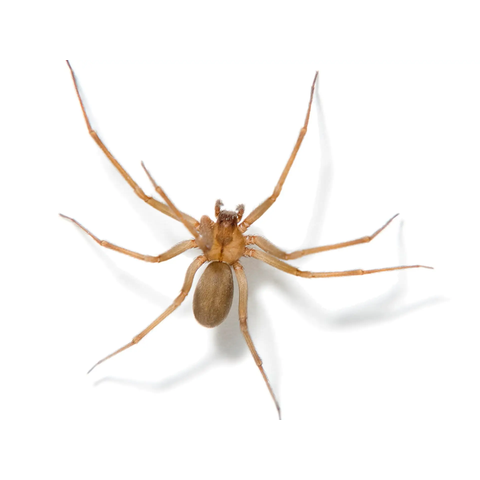
Here is the part most pest control pages will not tell you: the brown recluse is not established in South Carolina. A peer-reviewed study of the state's records found only 44 verified specimens since 1953, from 6 of 46 counties, every one collected inside a building rather than from a wild population, against 738 recluse bites diagnosed by SC physicians in 2004 alone. Vetter's revised range map for the species excludes South Carolina entirely, and Clemson does not publish a brown recluse factsheet for this state. Where the species genuinely is established its bite can cause a slow-healing wound. That is not the Greenville situation, and a spreading sore here is far more likely a bacterial skin infection than a spider bite.
Established populations are rare this far east. The species' natural range is the Midwest and south-central states, and verified specimens here are heavily outnumbered by suspected bites — most turn out to be another brown spider, or a wound with a different cause entirely. They are most commonly found in storage boxes, closets, basements, crawl spaces, and seldom-used clothing. Fountain Inn and If you find a brown spider with a violin-shaped marking, have it identified rather than assumed. Wolf spiders are the species most often submitted as a suspected recluse.
Wolf Spider
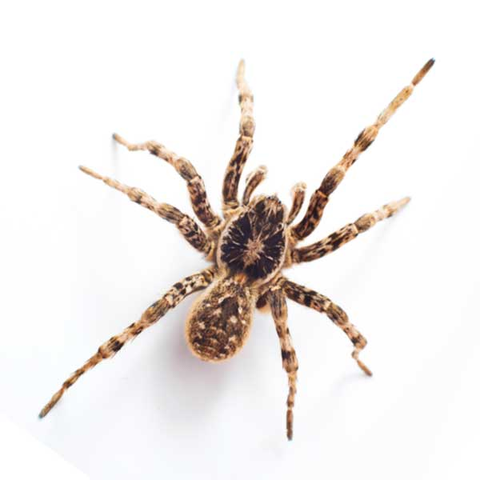
Wolf spiders are large, hairy, and fast, the combination most alarming to homeowners who encounter them. Unlike web-building spiders, wolf spiders hunt actively along floors, walls, and exterior foundations. They do not build webs and can move very quickly when disturbed. While not medically dangerous, their size, up to 1.5 inches, makes them among the most startling spiders Greenville residents find indoors.
Wolf spiders enter structures through foundation gaps and ground-level entry points, particularly in Simpsonville, Mauldin, and Greer where development has displaced populations from natural habitat. Perimeter treatment and entry point sealing significantly reduces wolf spider presence indoors.
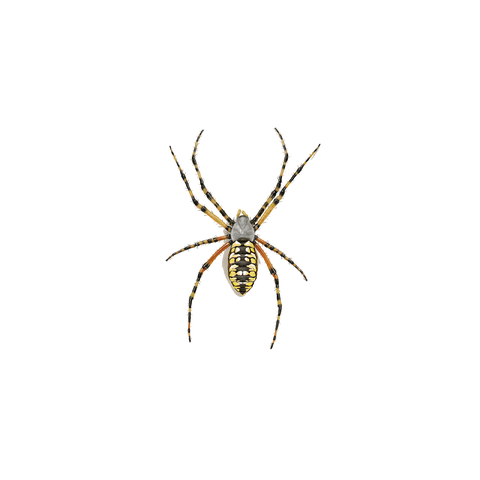
Orb Weaver
Orb weavers build the large, circular, spiraling webs that most people picture when they think of a spider web. In Greenville, orb weaver populations peak from late summer through fall as adults reach full size. They build webs across doorways, between shrubs, along eaves, and spanning fence lines, often at face height, to the dismay of homeowners.
Orb weavers are not medically dangerous, but their webs across entry points can be a nuisance and their large size makes them alarming. Their presence indicates high flying insect populations nearby, which can attract more dangerous species over time. Vinx web sweeping removes their webs at every quarterly visit.
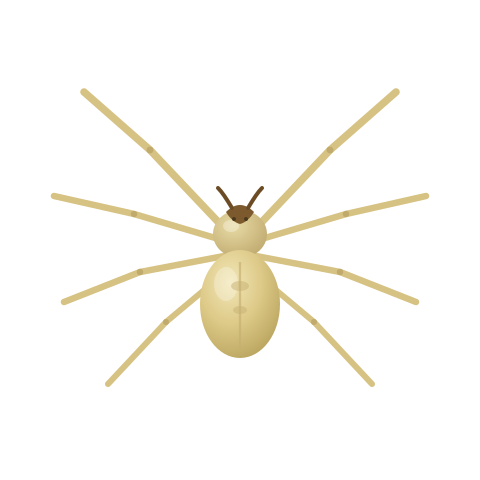
Yellow Sac Spider
Yellow sac spiders are responsible for a significant portion of reported spider bites in Greenville, they are active hunters that frequently enter living spaces and bite defensively when accidentally contacted. Their bite produces a painful local welt. The long-standing claim that yellow sac bites cause tissue necrosis was tested against verified bites and did not hold up. They build small, irregular silk retreats in upper wall corners and behind wall hangings.
Yellow sac spiders are most active in fall as temperatures drop and they move indoors seeking warmth. Downtown Greenville and North Main homes see elevated yellow sac spider pressure due to the density of older construction providing access points.
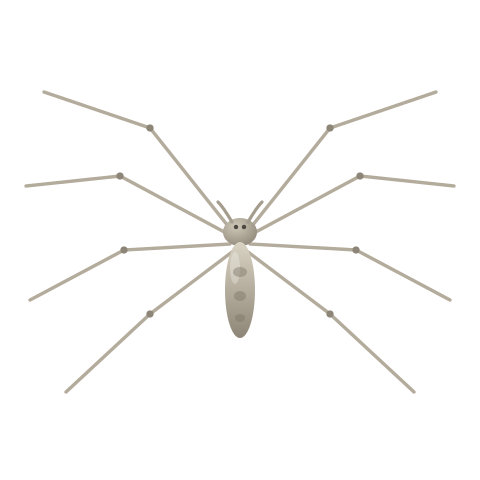
Cellar Spider
Cellar spiders, often called daddy longlegs, are long-legged, small-bodied spiders that build loose, irregular webs in basements, crawl spaces, and corners of garages. They are not medically dangerous and actually prey on other spiders. However, their abundant web production in crawl spaces and basements can indicate moisture problems and serves as harborage for more dangerous species.
Cellar spider populations in Taylors and Wade Hampton homes with crawl spaces are consistently among the densest found by Vinx technicians during initial inspections in Greenville County.
What to Look For
Signs of a Spider Infestation in Your Greenville Home
Webs in Corners & Eaves
Dense web accumulation in upper corners, eaves, and exterior structures, especially dark, undisturbed areas
Egg Sacs
Round papery sacs attached to webs or in hidden corners, each can contain hundreds of spiderlings
Sightings of Venomous Species
A black widow spotted, with its distinctive red hourglass, warrants prompt professional response
Spiders in Storage Areas
Spiders found in boxes, closets or seldom-used spaces, which is where house and wolf spiders shelter
Unexplained Bite Marks
A painful skin lesion with no known cause is worth a doctor rather than an exterminator, because most turn out to be infections
High Insect Activity
Large numbers of flying insects near exterior lighting attract spiders as a food source, more prey means more spiders
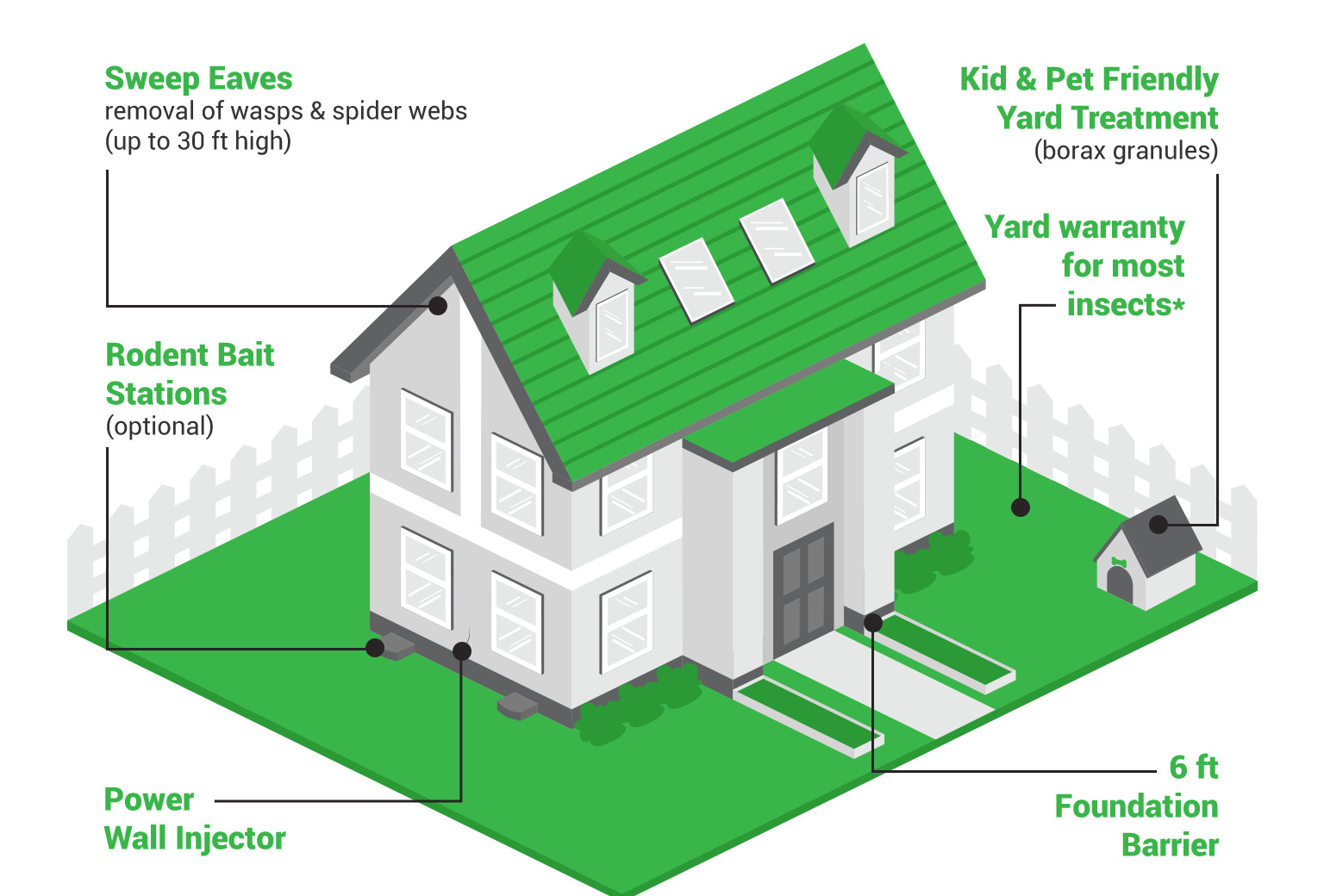
Vinx Spider Treatment
How We Eliminate Spiders at Every Visit
Spider control isn’t just perimeter spray. Vinx technicians sweep webs, treat harborage directly, and seal the entry points that let spiders in, all backed by a free re-service guarantee.
- Web Removal: Eaves, soffits & exterior structures swept up to 30 ft every visit
- Perimeter Treatment: Residual product applied to full foundation, creating a long-lasting barrier
- Entry Point Sealing: Cracks, gaps, and utility penetrations identified and treated directly
- Harborage Elimination: Crack-and-crevice treatment targets the dark hiding spots spiders prefer
- Yard Warranty: Free retreatment between regular visits if spiders return
Homeowner Tips
6 Ways to Reduce Spider Pressure Right Now
Kid & Pet Safe
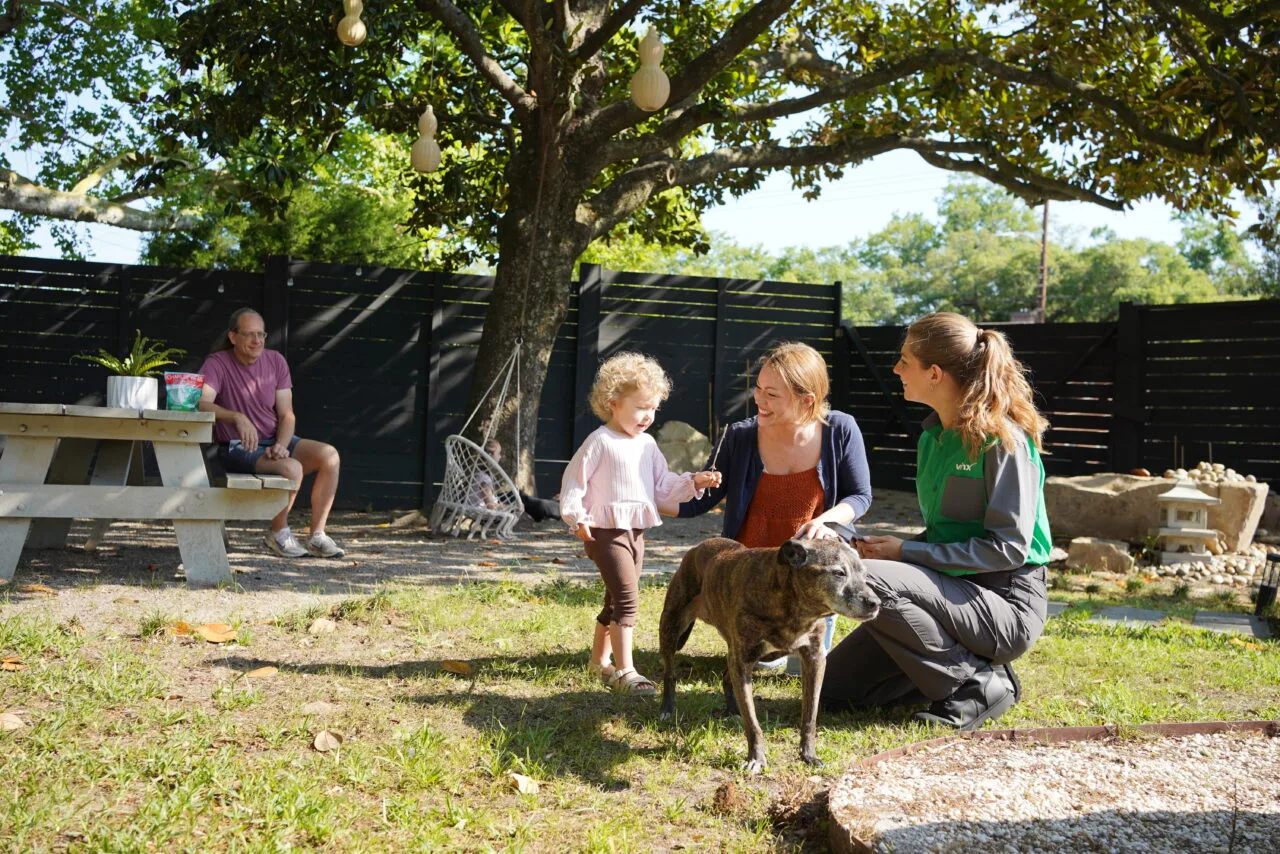
Our Treatments Are Safe for Your Whole Family: Including the Furry Members
Every product we use is EPA-registered and applied strictly at labeled rates by licensed technicians. We take the guesswork out of safety so you can feel confident letting kids and pets back into treated areas quickly.
EPA-Registered Products Only
All products we apply are EPA-registered and used strictly per label requirements. Our licensed technicians are trained to apply the right product in the right place at the right rate, every time.
Dry Time Before Re-Entry
Exterior spray treatments dry in 30–60 minutes. Once dry, treated surfaces are safe for children and pets to contact. Your technician will confirm the all-clear before leaving your property.
Interior Treatment On Request
We treat only what’s needed, where it’s needed. Crack-and-crevice applications and targeted harborage treatments keep products away from areas pets and children frequent most.
Botanical Options Available
Have specific sensitivities? Ask your technician about our plant-derived treatment options. We offer botanical alternatives for households that prefer a more natural approach.
Have a concern about products used near your pets or children? Call 855-800-8469 and we’ll walk you through exactly what we use and why it’s safe.
Explore More
More Pest Control Services in Greenville

Pest Control Greenville
Year-round protection plan

Mosquito Control Greenville
Monthly barrier treatments
Termite Control Greenville
Bait systems & liquid treatment

Rodent Control Greenville
All rodents covered
Cockroach Control Greenville
American & German roaches

Bed Bug Control Greenville
Heat & liquid treatments

Ant Control Greenville
Household ants & others

Tick & Flea Control Greenville
Yard & pet protection
Exterminator Greenville
Same-day local exterminators

Wasp Control Greenville
Nest removal & prevention
Frequently Asked Questions
Spider Control FAQ for Greenville Homeowners
Yes. Southern black widows are present throughout Greenville County and are found regularly in garage door tracks, wood piles, utility boxes, and exterior structures across all neighborhoods. Greer and Augusta Road areas see consistent black widow pressure. If you find a black widow on your property, do not handle it, call 855-800-8469 for a professional inspection.
Almost certainly you do not, and that is the more useful answer. The brown recluse is not established in South Carolina: only 44 specimens have ever been verified statewide since 1953, all from inside buildings, while SC physicians diagnosed 738 recluse bites in 2004 alone. In a coastal SC study, 118 spiders submitted by the public as suspected recluses included not one actual recluse, and most were wolf spiders. The real field marks are a violin shape on the cephalothorax and six eyes in three pairs rather than the usual eight, but given the odds, get it identified rather than assumed. Call 855-800-8469 for a free inspection.
If you suspect a black widow bite, seek medical attention promptly. Note the time of the bite, do not apply ice directly to the wound, and try to capture or photograph the spider if it can be done safely. Black widow bites cause immediate pain that can be followed by muscle cramping, sweating and nausea, and warrant prompt medical evaluation. Note that no spider established in South Carolina causes the flesh-destroying wound people associate with the brown recluse. If a sore darkens or spreads over several days, see a doctor: an emergency-department study found about 86% of presumed spider bites were bacterial skin infections rather than bites.
Quarterly spider control is included in the Vinx HomeGuard plan at $49 per month. This includes perimeter treatment, web sweeping at every visit, and a free re-service guarantee. Interior harborage assessment and treatment, where an established indoor population needs it, may be quoted separately after the free inspection. Call 855-800-8469 for same-day pricing.
The honest answer is that you almost certainly do not have a brown recluse population to get rid of, because the species is not established in South Carolina. If you have brown spiders in undisturbed storage, they are far more likely wolf spiders or house spiders, both harmless. What genuinely works for any of them is the same and does not depend on the species: remove webs and egg sacs, de-clutter closets and crawl spaces, seal gaps larger than a quarter of an inch, and cut off the insect prey they are feeding on.
Yes. Web sweeping from eaves, soffits, and exterior structures up to 30 feet is included at every quarterly Vinx visit. Removing webs disrupts harborage and prevents egg sac establishment. This is one of the most effective spider prevention steps and is performed as a standard part of every service, not an add-on.
Spider pressure peaks in late summer and fall as populations mature and males actively search for mates, this is when indoor sightings increase most significantly. House and cellar spiders are indoors year-round regardless of season. Orb weaver webs are most visible August through October. Yellow sac spiders move indoors in fall as temperatures drop. Year-round quarterly treatment maintains perimeter protection across all seasons.
Yes. All products Vinx uses are EPA-registered. Exterior perimeter spray is safe for pets and children once dry, typically within 30 to 60 minutes. Interior crack-and-crevice treatments are applied in areas inaccessible to pets and children. Your technician will confirm the all-clear before leaving and answer any product questions you have.
Service Coverage
Spider Control Across Greenville & the Upstate
Serving every neighborhood in the Greenville metro area
Serving the Greater Greenville Area