




Crane flies, often called mosquito hawks or daddy longlegs, are harmless insects often spotted in and around homes during certain periods of the year. They pose no immediate threat to humans, yet their presence is nonetheless irritating. Don’t panic if crane flies have invaded your house too often. In addition to the strategies and natural solutions we’ll discuss in this post, you can also check our blog about how to get rid of crane flies in 5 steps. Using these techniques, you may regain your home and live in comfort, free from pests. Additionally, we will explore what are home remedies for crane flies, offering you natural solutions to keep these delicate insects at bay.
Understanding Crane Flies
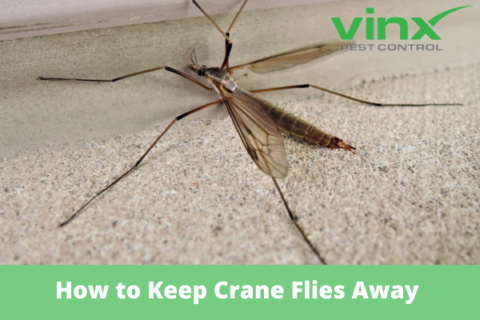
The habits of crane flies must be comprehended before any attempts at prevention can be made. Crane flies have large legs and wings. Although they resemble huge mosquitoes, these creatures neither bite nor consume blood. Crane flies are short-lived insects whose main focus is on having offspring. Crane flies are drawn to light and are frequently found around windows or light fixtures. Leatherjacket larvae grow in damp soil and feed on decomposing organic waste.
Reduce Attractants
To keep crane flies away from your home, reduce the elements that attract them in the first place. Here are some actionable things you can take:
Exterior Lighting
Install motion sensor lights or yellow bug lights, which are less appealing to insects than white lights.
Moisture Control
Remove any sources of standing water, such as leaky faucets, blocked gutters, or birdbaths. Crane flies prefer moist settings for breeding.
Lawn Maintenance
Mow your grass regularly and trim unwanted vegetation. Crane flies love moist, undisturbed environments, so maintaining your yard in good condition limits their possible breeding grounds.
Seal Entry Points
Keeping crane flies out of your home is critical for maintaining a pest-free environment. To seal entrance points, take the following steps:
Window And Door Screens
Ensure all windows and doors have intact screens with no holes or tears that crane flies can exploit.
Weatherstripping
Wrap weatherstripping around windows and doors to cover any gaps or cracks that could allow insects in.
Sealing Cracks
Inspect your home’s exterior for cracks or gaps and fill them with caulk or weather-resistant sealants.
What Are Home Remedies For Crane Flies?
While chemical insecticides are available, natural and eco-friendly deterrents are always preferable to keep crane flies away. Consider the following alternatives:
Essential Oils
Use lavender, eucalyptus, or citronella essential oils. To build a natural barrier, combine a few drops with water and spray around windows, doors, and potential entrance points.
Vinegar Solution
Spray equal parts vinegar and water in areas where crane flies swarm. The powerful odor will keep them away from your home places.
Fly Traps
Sticky fly traps or hanging flypaper should be placed near windows and light sources. Crane flies will be attracted to and captured by these traps, limiting their population within your home.
What’s Next?
Consider working with Vinx Pest Control if you require professional assistance. Our knowledgeable staff can provide customized solutions to eliminate crane flies and keep your property pest-free. You may say goodbye to crane flies and enjoy a tranquil living environment when you work with us. Contact us right away to regain control of your space.
Further reading: see the guidance from Clemson Cooperative Extension.
Frequently Asked Questions
No. Crane flies look like oversized mosquitoes, but they do not bite and they do not feed on blood. Adults are short-lived and focused on reproducing. The only real problem is nuisance numbers around windows and lights.
Light and moisture. Adults are drawn to windows and light fixtures, and their leatherjacket larvae develop in damp soil feeding on decomposing organic matter. Standing water from leaky faucets, blocked gutters, and birdbaths keeps them breeding right next to the house.
Repair or replace any window and door screens with holes or tears, add weatherstripping around frames, and caulk cracks and gaps in the exterior. Swap bright white exterior bulbs for yellow bug lights or motion-sensor fixtures. Those changes remove most of the invitation.
Lavender, eucalyptus, or citronella oil diluted in water and sprayed around windows, doors, and entry points creates a simple barrier. An equal-parts vinegar and water spray helps in spots where they swarm. Sticky fly traps or flypaper near windows and light sources catch the ones already inside.
Leatherjacket larvae live in moist, undisturbed soil, so a damp, neglected yard keeps the cycle going. Mow regularly, trim back unwanted vegetation, and avoid overwatering. If crane flies keep returning every season, have the lawn and perimeter treated instead of repeating the same DIY steps.