Ant Control in Simpsonville, SC
Fire Ants, Argentine Ants, Carpenter Ants & More: Species-Specific Treatment
Not all ants are the same, and treating them all the same way is exactly why most DIY ant control in Simpsonville fails. Spraying a trail of Argentine ants doesn’t eliminate the colony. It splits it. The approach that works is species-specific: identify what you’re dealing with, apply the correct treatment protocol, and address the outdoor colony source. Vinx identifies the species first, every time.
Get Started in 60 Seconds
Choose what’s easiest for you
Request a Quote
We usually respond in 2 minutes
Call (855) 800-8469
Get a Live Person (no AI agents here!)
Sign Up Online
Get pricing and schedule now





Welcome to Vinx Pest Control
A Company That Actually Backs What It Says
At Vinx, we combine professional-grade treatments with a level of service most pest control companies don’t offer. Local technicians, fast response times, and free re-services for covered pests between visits.
“I’m not passionate about killing bugs. I’m passionate about customer service. At Vinx, you get experts who show up, do the job right, and stand behind every visit. No runaround.”

Founder & Owner, Vinx Pest Control
PROTECTION PLANS
Protection Plans for Simpsonville Homeowners
Standard Residential Protection
- 4 Seasonal Treatments Per Year
- All household ant species covered
- Interior bait + exterior perimeter barrier
- Species identification every visit
- Unlimited Free Re-Services
- Fire ant mound treatment not included

Fire Ant Treatment Included
- 6 Home & Yard Treatments Per Year
- All household ant species covered
- Fire ant mound direct treatment
- Full-lawn broadcast granular
- Exterior Flea & Tick Warranty
- Guaranteed Coverage for Common Household Pests

Most Comprehensive Protection
- 9 Treatments Per Year
- All ant species + fire ant treatment
- Monthly Mosquito (Apr–Nov)
- Flea, Tick & Fire Ant Coverage
- Free Bed Bug Treatment After 12 Months on Platinum
*All household ant species on all plans. Fire ant mound treatment in Plus & Platinum. Starting rates vary by home size.
Free Quote
Stop Guessing: Get the Right Ant Treatment
The wrong treatment doesn’t just fail, for several common ant species in Simpsonville, it makes the problem worse. Call (855) 800-8469 or fill out the form below.
Our Approach
How Vinx Treats Ants in Your Simpsonville Home

Ant Inspection & Colony Identification
Your technician inspects the full property (foundation, entry points, kitchen, bathrooms, and yard) to identify the ant species and locate colonies, trails, and nesting sites. Different species require different treatments; correct identification is the first step to lasting control.
Exterior Perimeter Treatment
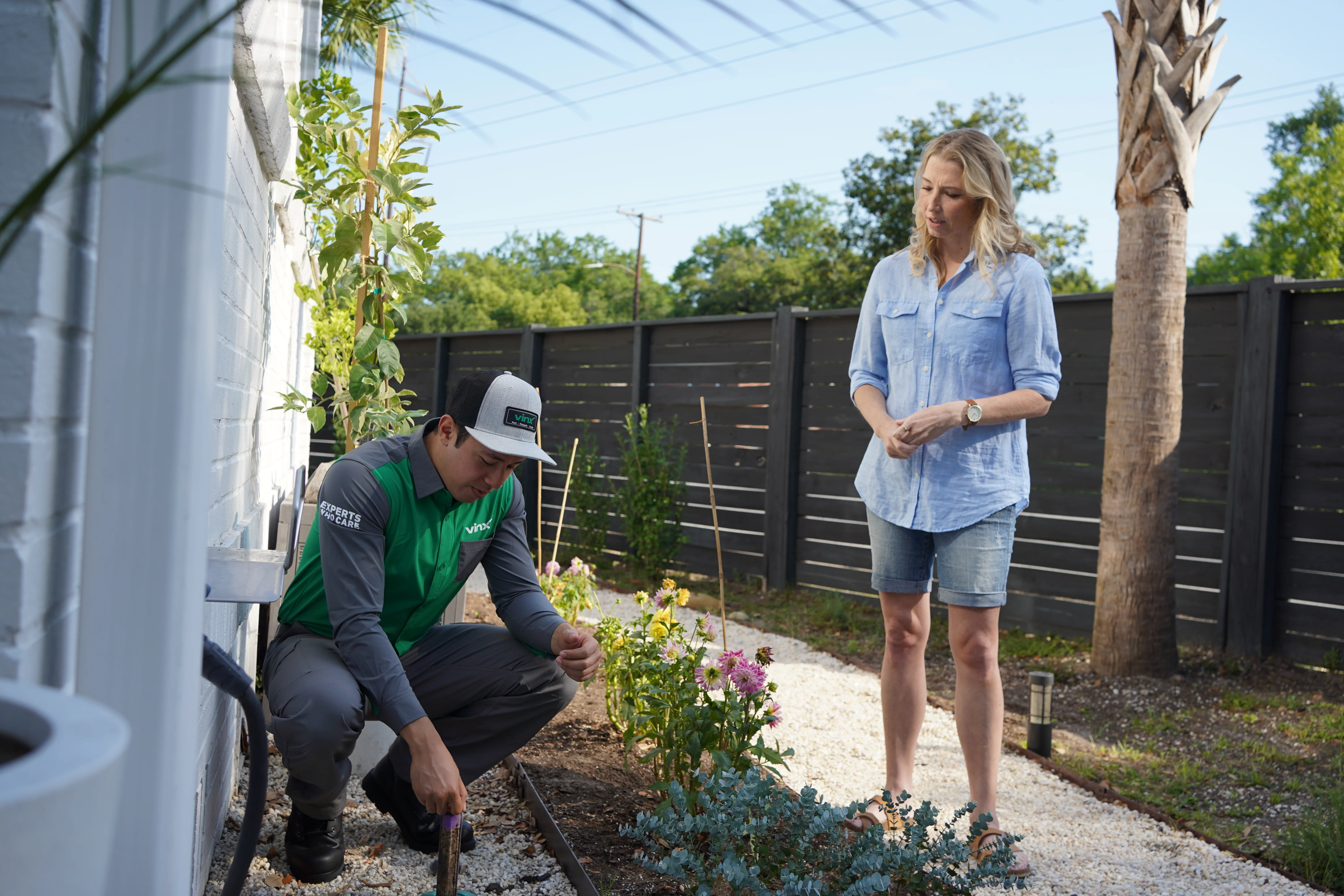
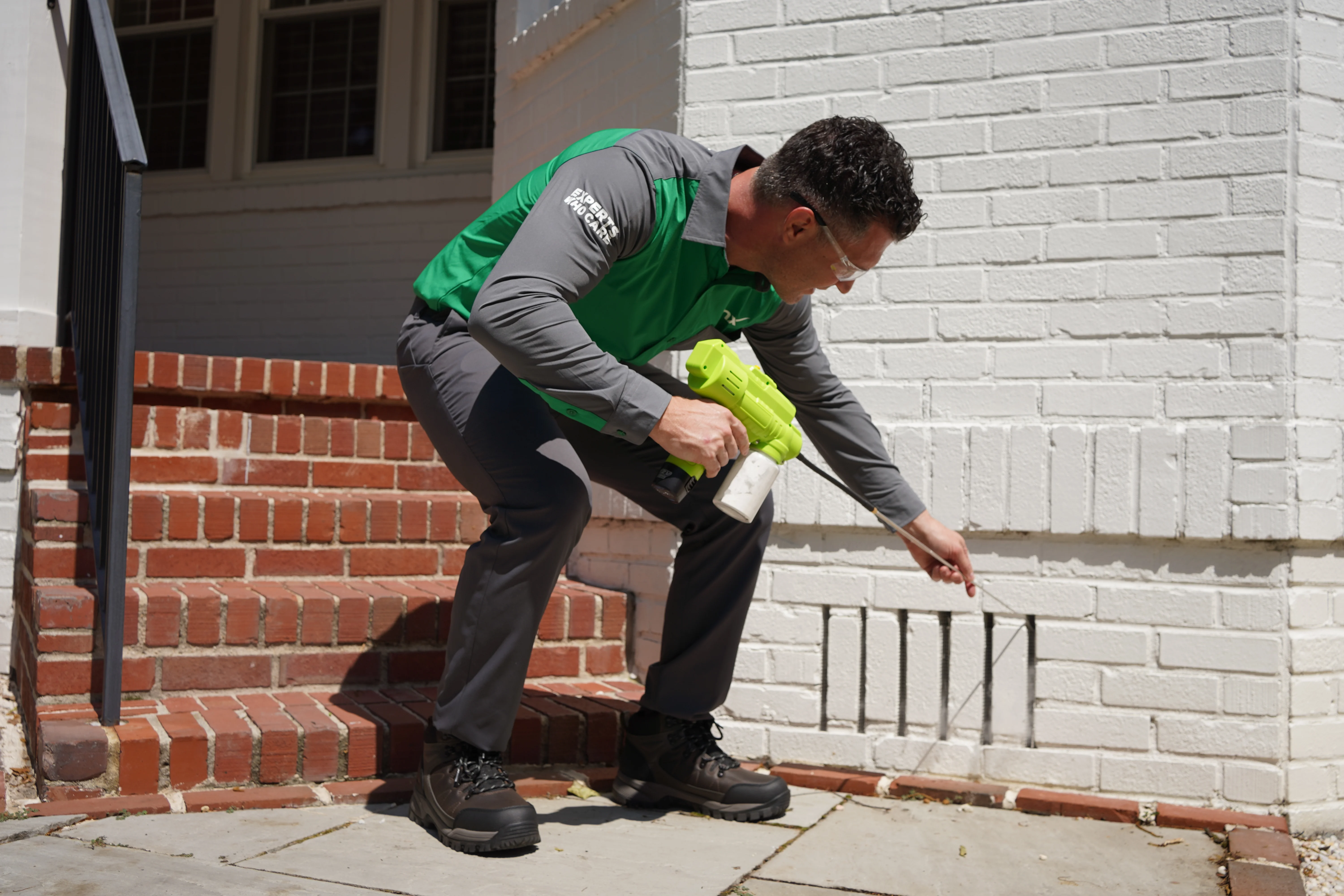
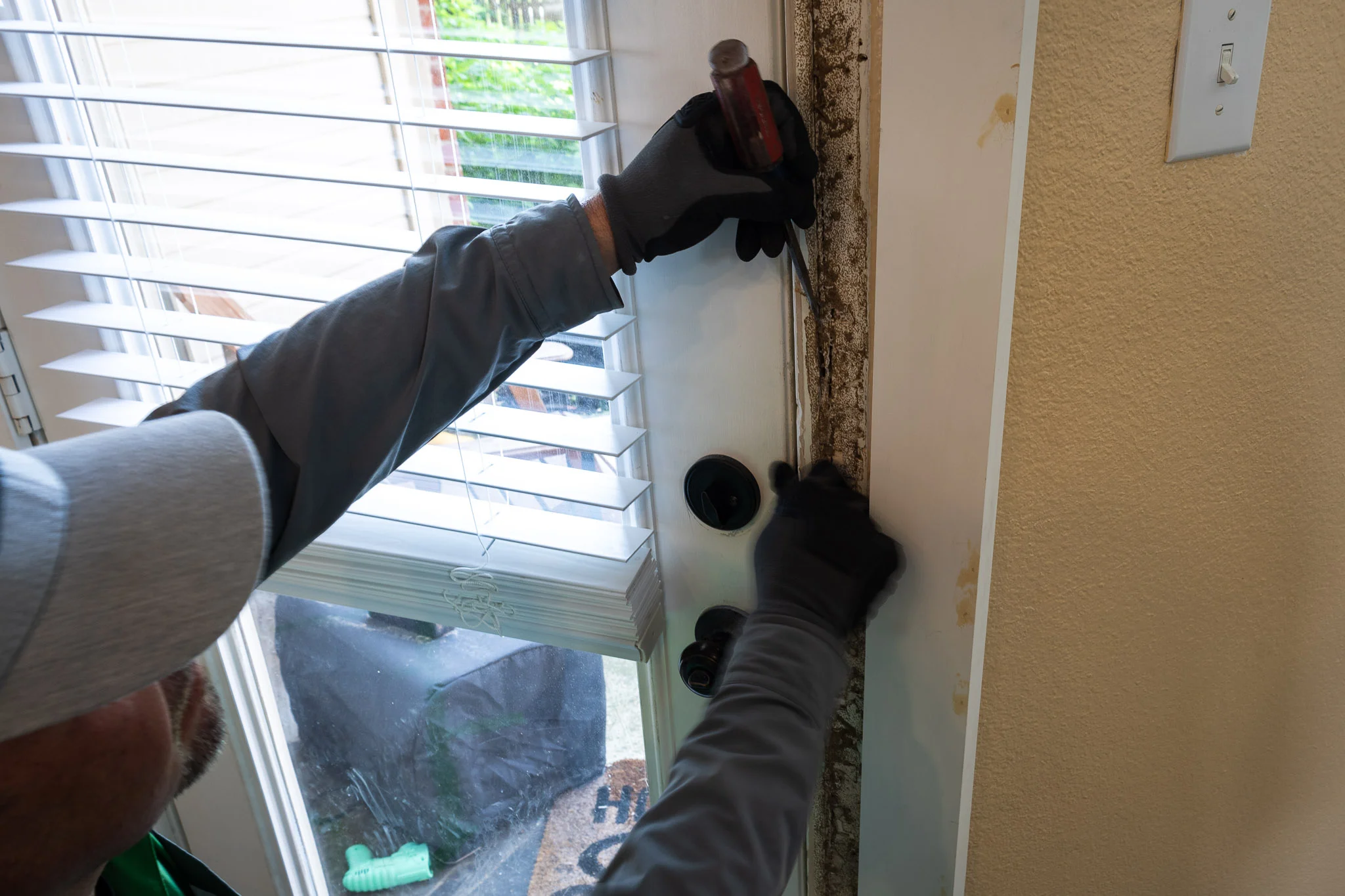
A residual insecticide barrier is applied around the full foundation, entry points, window and door frames, and utility penetrations. Ants crossing the treated zone are eliminated and carry product back to the colony. The time-release formula maintains the barrier between quarterly visits.
Bait & Interior Treatment
Slow-acting bait is placed along active trails and near nest sites so foragers carry it back and eliminate the colony from the inside out. Interior cracks, wall voids, and problem areas receive targeted treatment where ants are actively entering or nesting inside the structure.
Quarterly Maintenance & Free Re-Treatments
Quarterly visits keep the perimeter barrier fresh and catch any new colonies before they establish indoors. If ants return between scheduled services, we come back at no charge. Your technician also advises on conducive conditions (moisture, food storage, and landscaping) that attract ants to your property.
Customer Reviews
Real Reviews from Simpsonville Homeowners
Have had Vinx for several years and they've been great. I love that they will come back out for a free retreatment if we see any issues.
Kyngstyn was very professional and accommodating. He had finished up and was preparing to leave when I came home and asked for further assistance. He came in, took care of my issue and my anxiety of having someone come inside. Couldn’t have been a better experience.
Zachari did a great job. He listens, he's knowledgeable about his job and the surrounding area and the bugs around, Like the many writing spiders we have. He stayed away to keep them safe and their webs intact and he's very customer service oriented. Thank you so much.
Ant Pressure in Simpsonville
Why Simpsonville Homeowners Deal With Ants Year-Round
Greenville County's clay-heavy soil creates ideal conditions for multiple ant species. Unlike coastal SC, Simpsonville experiences colder winters, but the region's clay-rich substrate retains warmth and moisture long after temperatures drop, allowing odorous house ants and Argentine ants to remain active well into fall and resurge earlier in spring than homeowners expect.
Five Forks and new development corridors face aggressive fire ant pressure. Active residential construction along Fairview Road, Batesville Road, and the Five Forks Simpsonville Road corridor continuously displaces established fire ant colonies into adjacent subdivisions. Fire ant mounds can appear in a newly landscaped yard within days of neighboring land disturbance.
6 Ant Species in Simpsonville
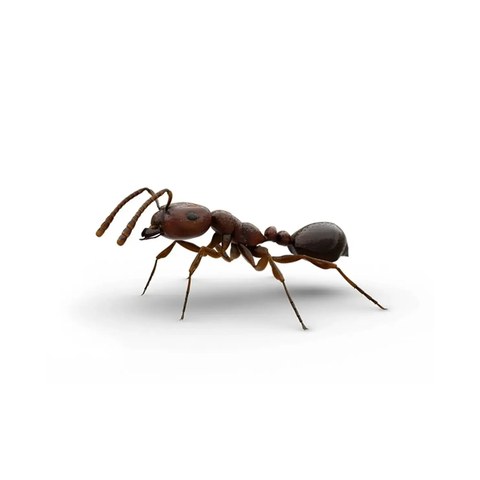
Fire Ant (Solenopsis invicta)
Open lawn areas, disturbed soil near construction. Highest mound density along active development corridors in Five Forks and Simpsonville. Aggressive stinging, multiple stings in seconds. Roughly 0.5% to 2% of people who are stung develop a systemic allergic reaction. Children and pets at highest risk. Direct mound treatment plus full-lawn broadcast granular. Plus and Platinum only.
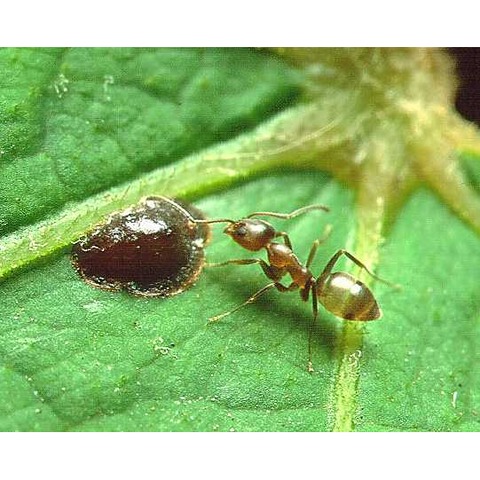
Argentine Ant (Linepithema humile)
Long trailing lines across kitchen counters and baseboards. Common throughout Simpsonville and Five Forks neighborhoods. Multi-queen colony networks that can extend across several adjoining properties. Research on this species in the Carolinas and Georgia found colonies under about 0.6 acre with strong aggression between separate colonies, so this is a neighbor-to-neighbor problem rather than a city-wide one. CRITICAL: Do not spray, budding will worsen the infestation. Slow-acting bait only. All plans.
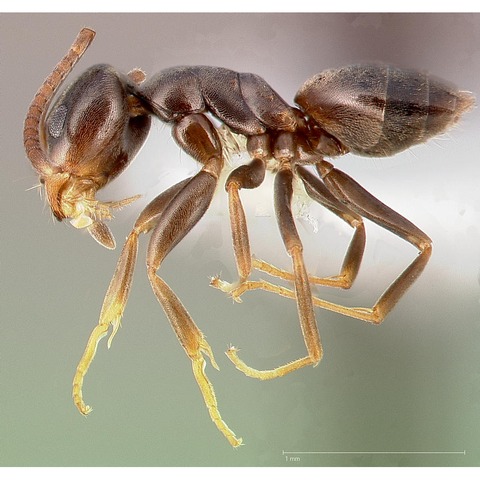
Odorous House Ant (Tapinoma sessile)
Indoors after heavy rain events, flooding into kitchens and bathrooms when storms saturate the soil. Named for the rotten coconut smell when crushed. Colonies of up to 100,000 workers. CRITICAL: Do not spray, budding. Bait treatment only.
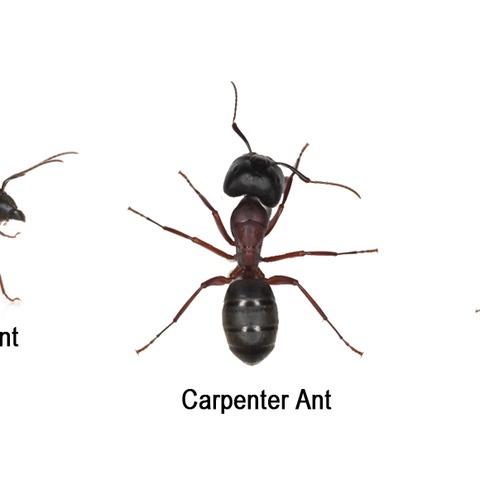
Carpenter Ant (Camponotus spp.)
Moisture-damaged wood, crawlspace framing, subfloor joists, window frames with water intrusion. Older Simpsonville homes at highest risk. Structural damage, excavate wood to create nesting galleries. Large black ants (0.5–1 inch) seen indoors in spring are often carpenter ants. Interior targeted treatment to wall voids plus exterior perimeter.
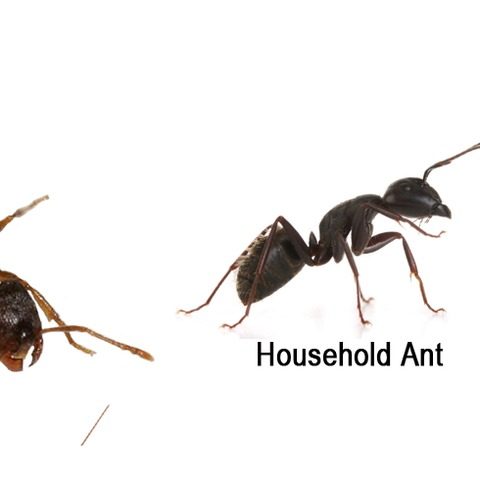
Ghost Ant (Tapinoma melanocephalum)
Kitchen surfaces, bathrooms, around plumbing. Nearly transparent body with a dark head, very difficult to see. Worth setting expectations honestly: this is a tropical species, and in cooler states infestations are confined to heated buildings and greenhouses rather than the yard. So in the Upstate a ghost ant sighting points to a population already established indoors, not something wandering in from outside, which changes where we treat. CRITICAL: ghost ants bud aggressively when sprayed. Bait only.
Asian Needle Ant (Brachyponera chinensis)
The one most Upstate homeowners have never heard of. Clemson puts it bluntly: “Although it is very common in the upstate of South Carolina, it is rarely identified.” Dark brown to black, slow-moving, and it nests in exactly what Upstate landscaping is made of, under stones, logs, mulch, railroad ties, ornamental stone, statuary and concrete pavers, and it commonly enters homes. Workers are active March into late October, with swarmers from late May through September peaking in July and August. It is not nest-defensive like a fire ant; it stings when trapped against skin or stepped on barefoot. Two anaphylaxis cases were recorded in South Carolina in 2006, and stings here are routinely blamed on fire ants instead. If you were stung with no mound anywhere in sight, this is the likely culprit.
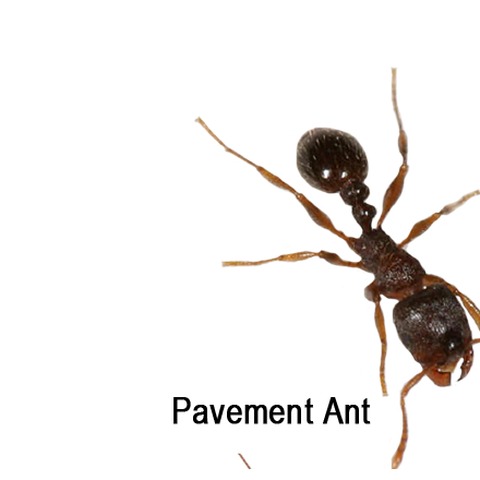
Pavement Ant (Tetramorium caespitum)
Cracks in driveways, sidewalks, garage slabs, and patio pavers. Nests under slabs. Trailing into kitchens and garage areas from floor-level entry points. Crack and crevice treatment around slab edges plus perimeter barrier. All plans.
Warm summers and heavy rain events drive indoor invasions. When summer storms saturate soil around a foundation, established outdoor ant colonies, particularly odorous house ants, flood indoors through gaps at the foundation, utility penetrations, and door frames. A perimeter barrier treatment stops this pattern before it starts.
Ant Activity by Season
Spring (Mar–May)
Fire ant mound emergence peaks across Simpsonville lawns. Carpenter ants emerge from wall voids. Argentine ant foraging increases rapidly.
Summer (Jun–Aug)
Peak foraging for Argentine and odorous house ants. Thunderstorms trigger foundation flooding events across Five Forks and Mauldin.
Fall (Sep–Nov)
Second fire ant peak in Sep–Oct. Carpenter ants seek overwinter sites in wall voids. Odorous house ants continue indoor activity.
Winter (Dec–Feb)
Activity slows but does not stop. Odorous house ants and Argentine ants remain active in heated structures throughout Greenville County.
Ant Risk by Neighborhood
Ant Risk Across Simpsonville Neighborhoods
Five Forks: HIGHEST FIRE ANT PRESSURE
Five Forks is one of the most actively developed corridors in Greenville County, and active construction continuously displaces established fire ant colonies into adjacent residential yards. Fire ant mounds can appear within days on any lot adjacent to cleared land. Sandy fill soil brought in for grading is ideal fire ant establishment substrate. Plus or Platinum with fire ant broadcast treatment is strongly recommended for any Five Forks home, particularly those near ongoing development.
Rocky Creek, West of the Tracks: ELEVATED CARPENTER & ODOROUS HOUSE ANT PRESSURE
Rocky Creek collects water from most of Simpsonville, and every lot that backs onto it or one of its feeder branches ends at a riparian buffer where the City requires all trees, shrubs and ground cover to be retained. Carpenter ants nest in the dead and storm-damaged wood inside those mature hardwoods and trail in along limbs touching the roof to a satellite nest in a wall void, while odorous house ants push indoors after heavy rain. The buffer stays, so treatment works the lawn edge, the foundation and the wall voids instead.
Durbin & Horsepen Creeks, East of the Tracks: ELEVATED FIRE ANT & ASIAN NEEDLE ANT PRESSURE
East of the railroad, Simpsonville drains to the Enoree through Durbin and Horsepen Creeks, which the City’s comprehensive plan calls less impacted than Rocky Creek, so more woodland still stands along their banks. Subdivisions built against it leave a graded, sunny lawn beside a shaded edge: fire ant queens select the freshly disturbed open ground, and Asian needle ants nest under the stones, pavers and mulch where lawn meets woods. A Plus plan with fire ant broadcast treatment plus attention to that shaded edge covers both.
Woodruff Road Corridor: ELEVATED MULTI-SPECIES PRESSURE
The rapid development along Woodruff Road and surrounding neighborhoods creates constant fire ant displacement into established yards. Argentine and odorous house ants are also commonly reported from this corridor. A comprehensive approach covering interior bait, exterior barrier, and fire ant broadcast (Plus or Platinum) delivers the most consistent control in this high-pressure zone.
Heritage Park & Fairview Road: HIGH FIRE ANT PRESSURE
Active residential construction along Fairview Road keeps disturbing established fire ant colonies, and clearing a field relocates them rather than killing them; the nearest occupied street is where they land. Fire ant queens actively choose newly disturbed, open, sunny ground, which is exactly what a new lot or a regraded yard near Heritage Park offers. Direct mound treatment paired with a yard-wide broadcast bait (Plus or Platinum) is what holds on this side of town while the building continues.
Downtown & Main Street: ELEVATED ARGENTINE & ODOROUS HOUSE ANT PRESSURE
The older streets around the Clock Tower and Main Street carry Simpsonville’s oldest housing, and the City’s plan warns that its “thin, stony clay soils” and poorly compacted fill leave foundations shifting and settling, which opens the hairline gaps ant trails follow indoors. Argentine ants build multi-queen colony networks in irrigated beds against those foundations (research on this species puts the increase from three months of dry-season irrigation at 54% more nests), and odorous house ants flood kitchens after storms. Interior bait plus an exterior barrier is the right approach; spraying the trail makes it worse.
Kids & Pets
Treating Around Your Whole Family: Including the Furry Members
Every product we use is EPA-registered and applied strictly at labeled rates by licensed technicians. Your technician tells you exactly when kids and pets can go back into treated areas.
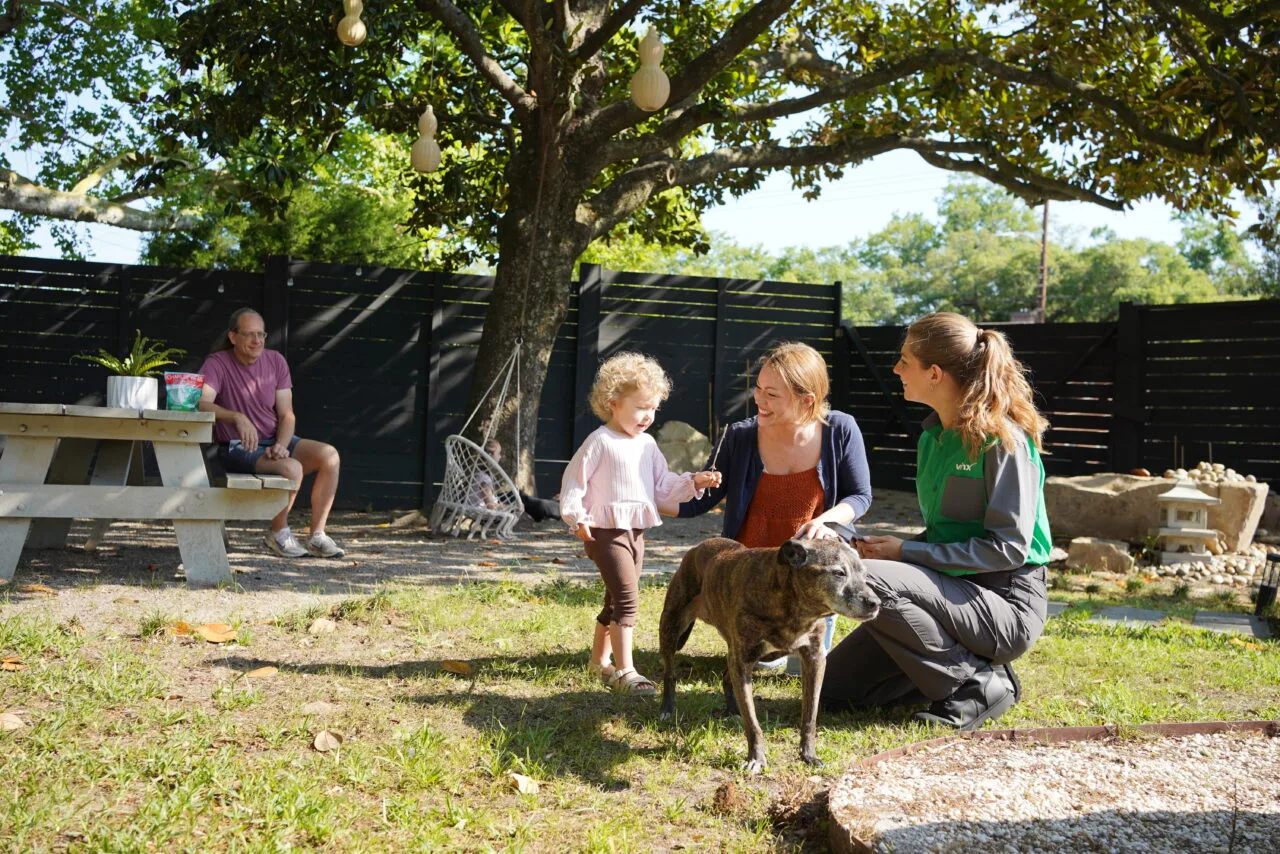
EPA-Registered Products Only
All products we apply are EPA-registered and used strictly per label requirements. Our licensed technicians are trained to apply the right product in the right place at the right rate, every time.
Dry Time Before Re-Entry
Exterior spray treatments dry in 30–60 minutes. Keep children and pets off treated surfaces until they are dry. Your technician will confirm the all-clear before leaving your property.
Interior Treatment On Request
We treat only what’s needed, where it’s needed. Gel baits in cabinets and crack-and-crevice applications keep products away from areas pets and children frequent most.
Botanical Options Available
Have specific sensitivities? Ask your technician about our plant-derived treatment options. We offer botanical alternatives for households that prefer a more natural approach.
Have a concern about products used near your pets or children? Call (855) 800-8469 and we’ll walk you through exactly what we use and when treated areas can be used again.
Explore More
More Pest Control Services in Simpsonville

Pest Control Simpsonville
Year-round protection plan

Mosquito Control Simpsonville
Monthly barrier treatments

Rodent Control Simpsonville
Rats, mice & exclusion

Termite Control Simpsonville
Bait systems & liquid treatment

Spider Control Simpsonville
All spider species covered

Bed Bug Treatment Simpsonville
Heat & liquid treatments

Cockroach Control Simpsonville
American & German roaches

Wasp Control Simpsonville
Nest removal & prevention

Tick & Flea Control Simpsonville
Yard & pet protection

Exterminator Simpsonville
Same-day local exterminators
Frequently Asked Questions
Ant Control in Simpsonville: Your Questions Answered
Very likely an Asian needle ant, which is the most under-recognized stinging ant in the Upstate. Clemson says it plainly: “Although it is very common in the upstate of South Carolina, it is rarely identified.” It does not build a visible mound. It nests under stones, logs, mulch, railroad ties, ornamental stone and concrete pavers, which is to say ordinary Upstate landscaping, and it commonly enters homes. It is not aggressive the way a fire ant is; it stings when it gets trapped against skin or trodden on barefoot. Two anaphylaxis cases were recorded in South Carolina in 2006, and stings from it are routinely blamed on fire ants. Workers are out March into late October. If you are getting stung with no mound in sight, tell your technician, because the treatment is different.
Not in Simpsonville, or at least not in the buffer. The City’s zoning ordinance requires riparian buffers along waterways and states that “all vegetation, ground cover, trees and shrubs shall be retained throughout the entire buffer” and that “no development or soil disturbance is permitted within the buffer.” The width runs from 15 feet along a normally dry waterway or a small stream up to 50 feet along a perennial water body, with 25 feet around a regulated wetland. Since much of the city drains to Rocky Creek on the Reedy side or to Durbin and Horsepen Creeks on the Enoree side, a lot of Simpsonville back yards end at a buffer. The workable answer is a treated band close to the structure plus removal of the harborage you can move: firewood, stored pavers, ornamental stone and bagged mulch stacked against the foundation, which is also exactly where Asian needle ants nest.
Ant control for all household species is included on every Vinx plan starting at $49/month for the HomeGuard quarterly plan. Fire ant mound treatment and full-lawn broadcast granular are included in Plus ($75/mo) and Platinum ($109/mo). We publish all pricing online.
If you’re dealing with Argentine ants, odorous house ants, or ghost ants, the most common indoor ant species in Simpsonville, spraying with a contact insecticide triggers budding. The queen detects the chemical threat and relocates with a portion of the colony to a new area. One colony becomes multiple satellite colonies. The fix is slow-acting bait, not spray. Call Vinx at (855) 800-8469 before spraying again.
Active construction along the Five Forks corridor continuously displaces established fire ant colonies, which re-establish in the nearest available open lawn, often yours. Fire ants thrive in disturbed, sandy fill soil, which is common throughout new development zones. Direct mound treatment alone is not enough; full-lawn broadcast granular application is needed to address the full colony population, including unseen satellite mounds.
Yes, fire ant treatment is included in the Plus plan ($75/month) and Platinum plan ($109/month). Treatment includes direct mound treatment for visible mounds plus full-lawn broadcast granular application to address unseen satellite mounds throughout the lawn.
This is the odorous house ant flooding pattern. When heavy rain saturates the soil around your foundation, established odorous house ant colonies flood indoors through gaps in the foundation and utility penetrations. They’re escaping flooded ground nests. A perimeter barrier treatment applied to the foundation stops this flooding pattern. All Vinx plans include exterior perimeter barrier treatment.
Large (half-inch to inch) black ants seen indoors in spring are most likely carpenter ants emerging from established colonies in wall voids or moisture-damaged structural wood. Carpenter ants don’t eat wood, they excavate it to build nesting galleries, causing structural damage over time. Older Simpsonville homes with crawlspaces are at the highest risk.
The most effective approach combines direct mound treatment with full-lawn broadcast granular application. Treating only visible mounds leaves the surrounding population intact. In Simpsonville’s active development zones, repeated broadcast treatment on a quarterly schedule is necessary to maintain control as displaced colonies from adjacent construction sites continuously re-colonize treated lawns.
Vinx services all of Simpsonville, including Five Forks, plus neighboring Mauldin, Fountain Inn, Piedmont, Taylors, Greer, Travelers Rest, Greenville, Woodruff, and Pelzer.
Service Coverage
Simpsonville & Greenville County Service Area
Serving Simpsonville & Greenville County and surrounding communities