Rodent Control in Simpsonville, SC
Inspection • Trapping • Exclusion • Follow-Up Visits
Vinx combines a thorough inspection, strategic trap placement, and permanent exclusion to eliminate rodents and keep them out, no guesswork, no recurring infestations.
Get Started in 60 Seconds
Choose what’s easiest for you
Request a Quote
We usually respond in 2 minutes
Call 855-800-8469
Get a Live Person (no AI agents here!)
Sign Up Online
Get pricing and schedule now





Welcome to Vinx Pest Control
A Company That Actually Backs What It Says
At Vinx, we combine professional-grade rodent treatments with a level of service most pest control companies don’t offer. Local technicians, fast response times, and a guarantee that actually means something.
“I’m not passionate about killing bugs. I’m passionate about customer service. At Vinx, you get experts who show up, do the job right, and stand behind every visit. No runaround, no fine print.”

Founder & Owner, Vinx Pest Control
PROTECTION PLANS
Rodent Control Plans for Simpsonville Homes

Standard Residential Protection
- 4 Seasonal Treatments Per Year
- General pest perimeter protection
- Unlimited Free Re-Services
- 100% Satisfaction Guarantee
- Rodent exclusion not included

Includes Rodent Trapping & Exclusion
- 6 Home & Yard Treatments Per Year
- Rodent Inspection & Entry Point Assessment
- Interior & Exterior Trapping
- Tamper-Resistant Bait Stations
- Free Re-Treatments Between Visits
- Fire Ant Broadcast Treatment
- 100% Money-Back Guarantee

Full-Coverage Premium Plan
- 9 Treatments Per Year
- Full Rodent Trapping & Exclusion Program
- Attic & Crawlspace Inspection
- Hardware Cloth & Sealant Exclusion
- Fire Ant, Flea, Tick & Bed Bug Coverage
- Free Bed Bug Treatments if Needed
- 100% Money-Back Guarantee
Standalone rodent control programs are quoted based on property size and severity. Exclusion pricing varies by the number of entry points identified during inspection.
Request Rodent Control Service in Simpsonville
Fill out the form below and a Vinx specialist will contact you same day to schedule your inspection and first treatment.
Our Approach
How Vinx Eliminates Rodents in Your Simpsonville Home

Rodent Inspection & Entry Point Identification
Your technician inspects the full structure (attic, crawlspace, basement, garage, and exterior) to locate active rodent runs, droppings, gnaw marks, and nesting sites. Each gap, crack and utility penetration larger than a quarter inch is documented as a potential entry for mice; rats need only half an inch.
Exterior Bait Station Placement
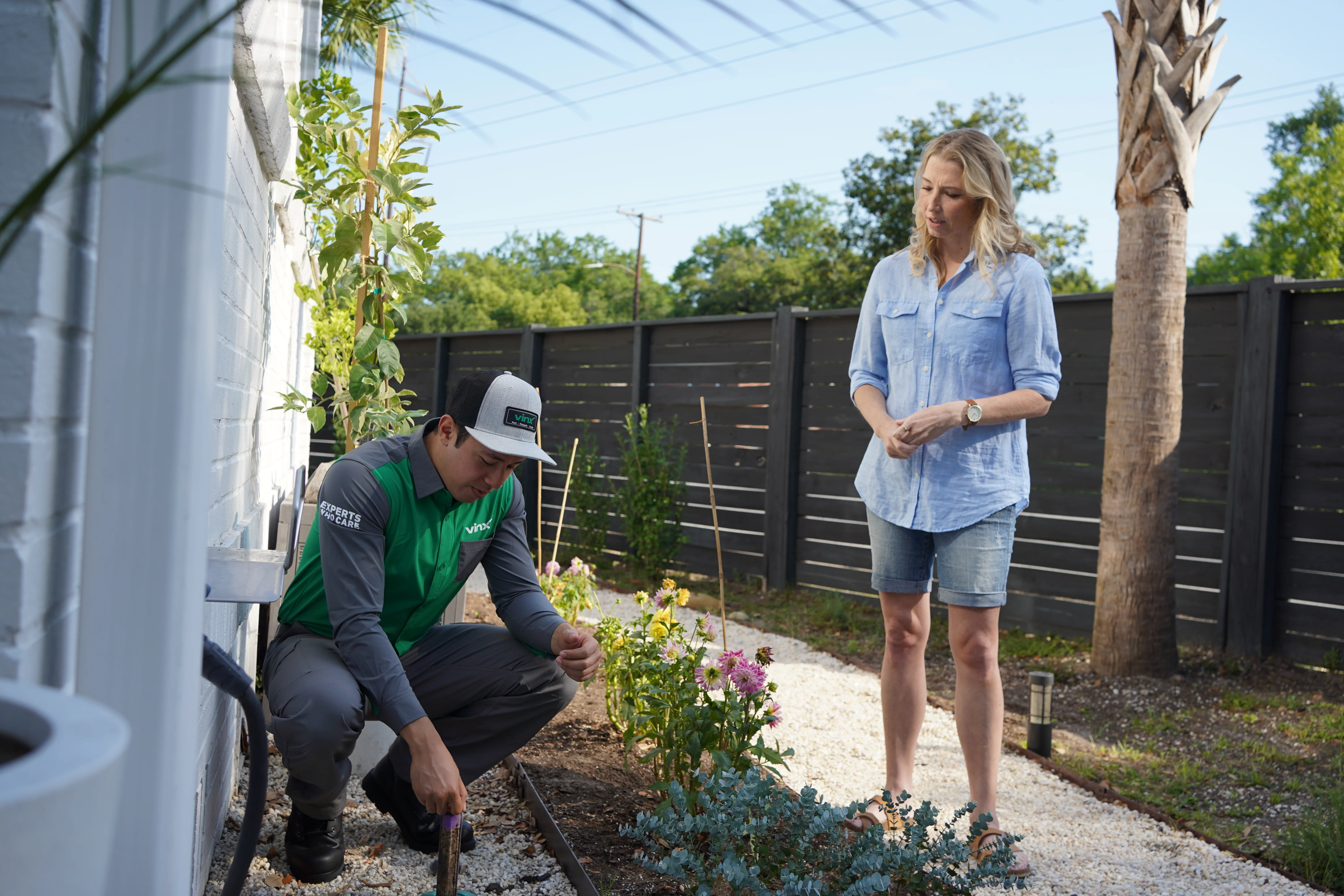
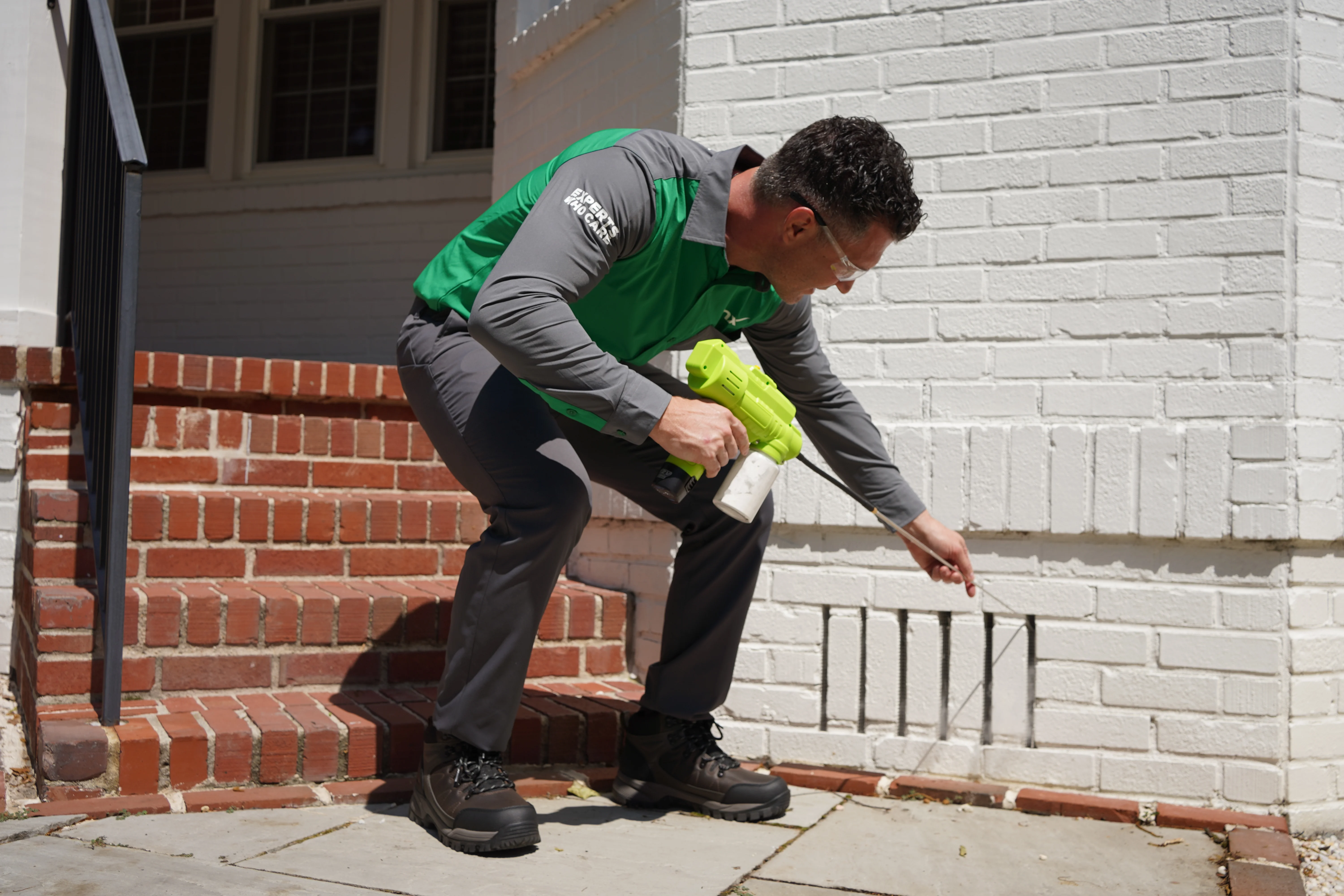
Tamper-resistant bait stations are placed along the foundation perimeter, garage walls, and other exterior runways where rodent activity is highest. Stations are fixed in place and labeled, and are safe around children and pets when properly deployed. Station positions are mapped by your technician and tracked on follow-up visits.
Interior Trapping
Snap traps and/or glue boards are placed along active interior runways, behind appliances, inside cabinets, along walls in the attic and crawlspace. Traps are set according to the evidence the inspection finds, never guesswork. Traps are inspected and reset each service visit.
Exclusion & Follow-Up
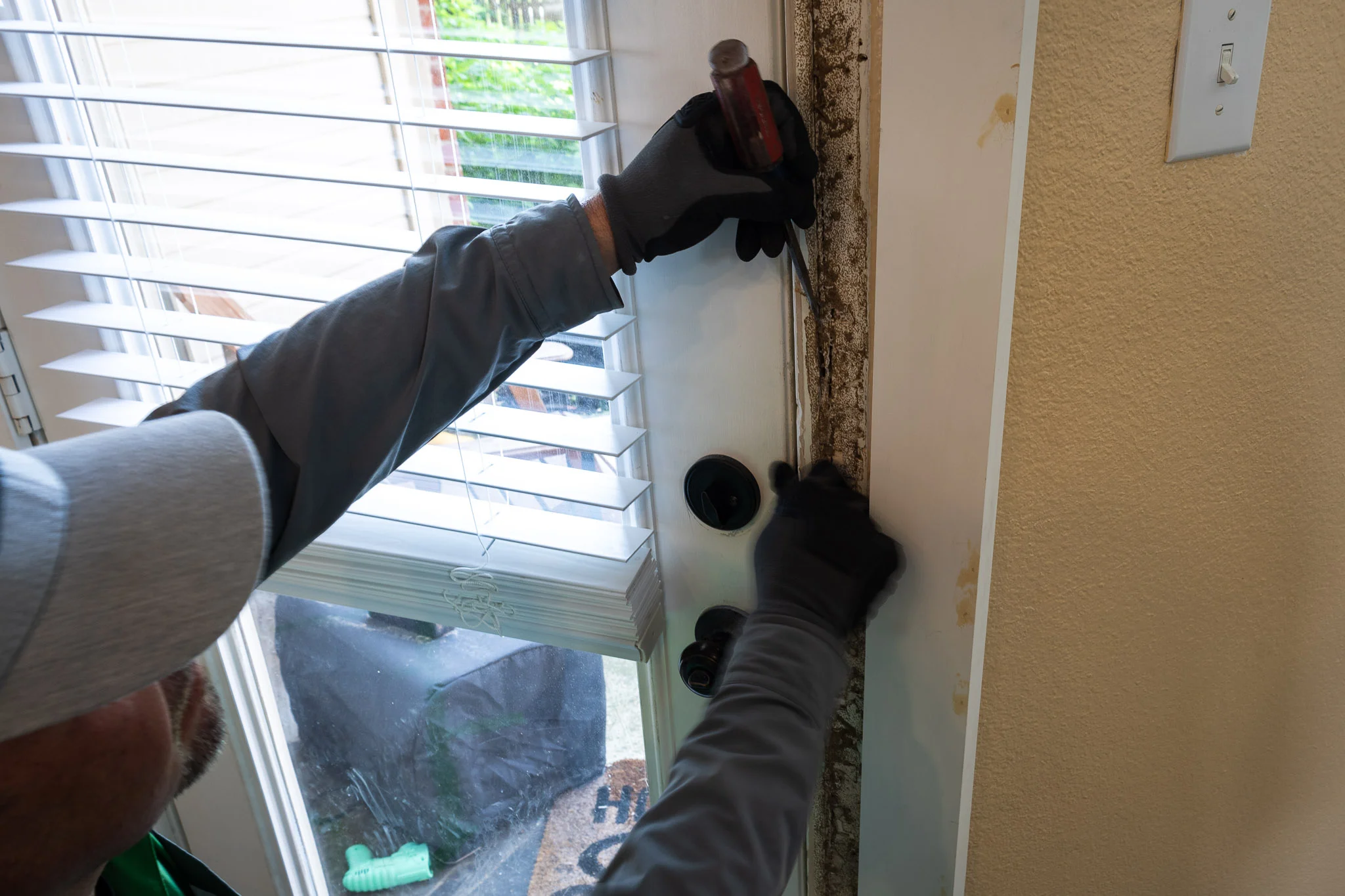
Steel wool, hardware cloth, and sealant are used to close the entry points identified during inspection. Without exclusion there is no preventing re-infestation: new rodents move in as fast as existing ones are removed. Subsequent visits confirm the infestation has gone and the exclusion is holding.
Rodent-Free Guarantee
If rodent activity returns between scheduled visits, we come back and re-treat at no charge. Your Plus or Platinum plan includes unlimited re-treatments. We stand behind every service, no fine print, no runaround.
Customer Reviews
What Simpsonville Customers Are Saying
John completed the steps of my humane plan to get rid of the mice and squirrels in my attic. He's pleasant and efficient and easy to work with.
Vinx did a great job on our appointment and even left us a video of all things covered. Very professional
Tony! Was very good! And detailed with everything!😊
Mike is awesome! Very thorough inspection. Communicated everything very well. It's always nice to see someone that actually takes pride in what they do. Thanks, Mike
Tony was very knowledgeable and helpful. He honestly told me about problem areas and how to remedy them. I’d highly recommend him and the company
Rodent Pressure in Simpsonville
Why Rodents Are Hard to Control Without Professional Treatment
Simpsonville’s mix of residential development, older homes, and wooded corridors creates year-round rodent pressure. House mice can squeeze through a gap the size of a dime. Norway rats need only a half-inch opening. New construction disturbs established colonies and pushes rodents into adjacent homes. Once inside, rodents breed rapidly, a single pair of mice can produce 35–60 offspring per year under favorable conditions.
Store-bought traps and bait blocks rarely solve the problem. They can reduce the active population temporarily, but without identifying and sealing every entry point, new rodents move in continuously from the exterior. Professional exclusion (the physical sealing of gaps, cracks, and utility penetrations with durable materials) is the only long-term solution.
Rodents pose real health and property risks. Mice and rats contaminate food and gnaw the insulation off electrical wiring, which can create arc faults. You will see a figure claiming rodents cause 20% or 25% of fires of unknown cause; it is not an NFPA statistic and fire-cause coding has no rodent category, so we will not repeat it. On disease, the accurate split matters: rats are associated with leptospirosis, salmonellosis, murine typhus and rat-bite fever, while hantavirus is carried by deer mice, not rats. Rodent droppings in attics and crawlspaces can trigger respiratory symptoms in sensitive individuals. A professional inspection and exclusion program protects your family and your home’s structure.
4 Rodent Species in Simpsonville
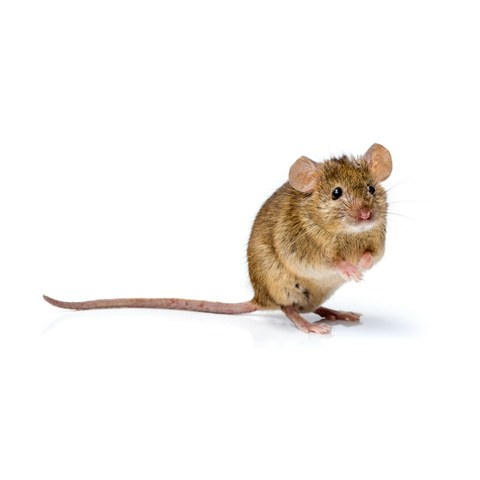
House Mouse (Mus musculus)
The most common rodent in Simpsonville homes. Small, gray-brown, with large ears and a long thin tail. Can squeeze through a gap as small as a dime (6mm). Primarily nocturnal, nests in wall voids, attics, and behind appliances. Breeds year-round indoors, producing 35–50 offspring per year per female. Contaminates food, gnaws wiring, and spreads salmonellosis. Professional trapping and exclusion is the only reliable solution.
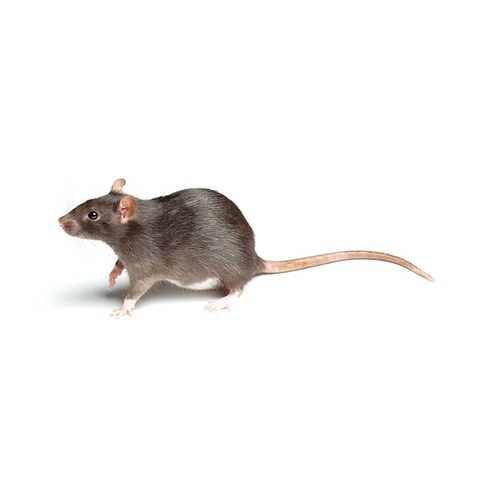
Norway Rat (Rattus norvegicus)
Large, heavy-bodied rat: 7 to 10 inches long with a blunt nose and short ears. Burrows along foundations, under slabs, in crawlspaces, and near debris piles. Enters homes through gaps at the foundation or through poorly sealed utility penetrations. Common in Simpsonville neighborhoods near restaurants, dumpsters, and construction activity. Carries leptospirosis, salmonellosis, murine typhus and rat-bite fever. Hantavirus is not a Norway rat disease; that belongs to the deer mouse. Tamper-resistant exterior bait stations plus exclusion are the most effective control approach.
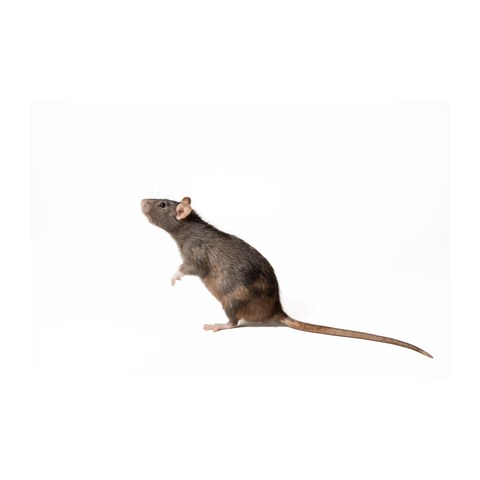
Roof Rat (Rattus rattus)
Slender, agile rat with a long tail, large eyes, and pointed nose. Unlike Norway rats, roof rats are climbers, entering homes through roof lines, gutter gaps, overhanging tree branches, and utility lines. They nest in attics, drop ceilings, and upper wall voids. Common in wooded neighborhoods throughout Simpsonville and Five Forks. Roof rat activity is often first noticed as scratching sounds from the ceiling at night. Exclusion at roofline entry points is essential for long-term control.
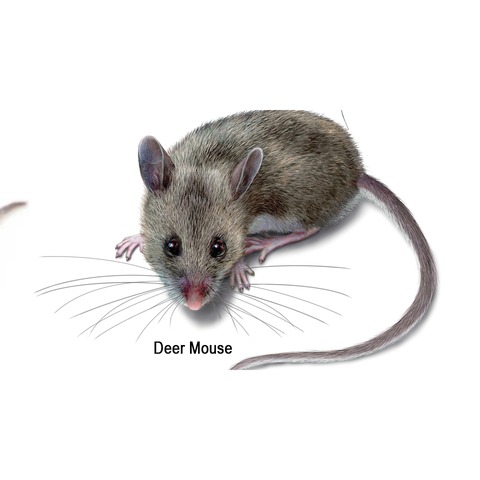
Deer Mouse (Peromyscus maniculatus)
Small mouse with a bicolored tail (brown on top, white on the bottom) and large dark eyes. More common in rural and suburban-edge properties in the Simpsonville area. The deer mouse is the primary carrier of hantavirus in the United States, transmitted through contact with or inhalation of infected droppings, urine or nesting material. Worth keeping in proportion: about 94% of US hantavirus cases have occurred west of the Mississippi, so this is a precaution to take rather than a likelihood to fear. Droppings found in crawlspaces or outbuildings should not be disturbed without proper protective equipment. Professional removal and exclusion are strongly recommended when deer mouse activity is suspected.
Rodent Risk by Neighborhood
Rodent Pressure Across Simpsonville Neighborhoods
Five Forks: ELEVATED RODENT PRESSURE
Five Forks is one of the fastest-growing areas in Greenville County and that growth creates rodent pressure. Active construction displaces established rat and mouse colonies and pushes them into adjacent completed homes. New subdivisions with landscaped buffer areas, ornamental plantings, and mulch beds provide nesting cover near foundations. House mice and Norway rats are the most common invaders in Five Forks. Homes within a few blocks of active construction sites see the highest pressure and benefit most from a proactive inspection and exclusion program.
Rocky Creek, West of the Tracks: ELEVATED NORWAY RAT PRESSURE
Rocky Creek collects water from most of Simpsonville, and the City requires every tree, shrub and patch of ground cover in the buffer along it to be retained. That permanent, undisturbed cover along creek banks and drainage channels is where Norway rats dig burrow systems, and they move from there into sheds, garages and crawlspaces. The buffer cannot be cleared, so the work is exclusion at the house. Homes with crawlspaces here should be inspected annually; crawlspace entry points are among the most commonly missed in DIY rodent control.
Durbin & Horsepen Creeks, East of the Tracks: ELEVATED MOUSE PRESSURE
East of the railroad, Durbin and Horsepen Creeks keep more woodland along their banks than Rocky Creek, and the subdivisions built against it since 2000 back straight onto that wooded edge. House mice move in through garage door gaps and utility penetrations each fall, and deer mice turn up in sheds and garages at the woodland edge. Deer mice are the rodent that carries hantavirus, so wet down droppings with disinfectant instead of sweeping when you clean out a shed or garage.
Woodruff Road Corridor: ELEVATED RODENT PRESSURE
The high density of commercial properties along the Woodruff Road corridor (restaurants, grocery stores, dumpster areas, and loading docks) creates substantial Norway rat pressure that radiates into adjacent residential neighborhoods. Norway rats establish burrow systems in landscaped areas along commercial perimeters and move into nearby homes as populations grow. Residents within a half mile of the Woodruff Road commercial strip should be especially attentive to signs of burrowing activity near the foundation and gaps at utility penetrations.
Heritage Park & Fairview Road: ELEVATED CONSTRUCTION-DISPLACEMENT PRESSURE
Active construction along Fairview Road disturbs rather than removes the rodent populations living in the fields being cleared, and they relocate to the nearest occupied street. Food businesses and dumpster areas along the commercial stretches of Fairview Road add Norway rat pressure that radiates into nearby neighborhoods. If rodent activity appears suddenly in a home around Heritage Park where nothing has changed, check what has been cleared nearby, then look for burrows along the foundation and gaps at utility penetrations.
Downtown & Main Street: ELEVATED ROOF RAT & HOUSE MOUSE PRESSURE
The older streets around the Clock Tower and Main Street have the mature canopy roof rats use to reach rooflines, and the oldest houses sit on brick piers over open crawl spaces. The City’s plan warns that its “thin, stony clay soils” and poorly compacted fill leave foundations shifting and settling, which keeps opening new gaps around older utility penetrations. Entry points in older homes are rarely limited to one or two, so a full exclusion inspection is the right starting point for any home here that has never had one.
Kid & Pet Safe
Our Treatments Are Safe for Your Whole Family: Including the Furry Members
Every product we use is EPA-registered and applied strictly at labeled rates by licensed technicians. Exterior bait stations are tamper-resistant and secured to prevent access by children and pets. We take the guesswork out of safety.

EPA-Registered Products Only
All rodenticides and application methods are EPA-registered and used strictly per label requirements. Our licensed technicians are trained to apply the right product in the right place at the right rate, every time.
Tamper-Resistant Bait Stations
All exterior bait stations are tamper-resistant, secured to the ground or structure, and labeled with our contact information. Stations are designed to prevent access by children, pets, and non-target wildlife while allowing rodents to enter freely.
Mechanical Trapping Options
For households with indoor pets or young children, we offer snap trap and glue board programs as an alternative to rodenticide bait. Traps are placed in locations inaccessible to pets and children, behind appliances, inside wall voids, and in attic or crawlspace areas.
Exclusion: The Safest Solution
The most family- and pet-safe approach to rodent control is exclusion, physically sealing entry points so rodents can’t enter. No chemicals required inside the living space. Exclusion eliminates the need for ongoing interior treatment in most cases.
Have a concern about rodenticide products used near your pets or children? Call (855) 800-8469 and we’ll walk you through exactly what we use and why it’s safe.
Explore More
More Pest Control Services in Simpsonville

Pest Control Simpsonville
Year-round protection plan

Ant Control Simpsonville
6 species treated

Bed Bug Control Simpsonville
Chemical + follow-up protocol

Cockroach Control Simpsonville
American & German roaches

Mosquito Control Simpsonville
Monthly barrier treatment

Termite Control Simpsonville
Bait systems & liquid treatment

Spider Control Simpsonville
Black & brown widows, wolf spiders

Wasp Control Simpsonville
Nest removal & prevention

Tick & Flea Control Simpsonville
Yard & pet protection
Exterminator Simpsonville
Same-day local exterminators
Frequently Asked Questions
Rodent Control in Simpsonville: Your Questions Answered
Check with the City first, and in most cases you will not need to. UC IPM recommends removing overhanging limbs within 6 feet of the roofline and keeping shrubs at least 2 feet off the structure, which removes the bridge without removing the canopy. On the permit question, Simpsonville protects any tree 12 inches DBH or greater, and pine trees and dead or unhealthy trees are expressly excluded from that definition. The ordinance then points two ways for a homeowner: the tree removal permit section requires a permit at 12 inches “regardless of the health or condition of the tree,” while the landscaping article containing the tree standards says those standards do not apply “at any single-family residential property.” A call to the Planning Department settles it. Pruning must follow ANSI A300 standards.
Because the openings keep changing, and in the Upstate the ground is part of the reason. Simpsonville sits in the Piedmont, which the City’s own comprehensive plan describes as “thin, stony clay soils.” The same plan warns that sloping ground can cause erosion “leading to foundations shifting,” and that poorly compacted fill “may settle over time and compromise the structural integrity of the building.” Shifting and settling reopen gaps at the foundation, around utility penetrations and under thresholds, which is exactly the quarter-inch a mouse needs. It is also why exclusion is a maintenance item rather than a one-off job, and why we re-inspect the same points on every visit instead of assuming last year’s seal is still sound.
Rodent control pricing depends on the size of the infestation, the number of entry points that need to be sealed, and whether interior or exterior treatment is needed. Call (855) 800-8469 or fill out the quote form for a same-day estimate. Rodent exclusion is included in Plus and Platinum plans.
Mouse droppings are small and rod-shaped (about 3–6mm). Rat droppings are much larger (12–20mm). Mice tend to leave scattered droppings along walls and in cabinets; rats leave droppings near food sources and burrow entrances. Gnaw marks on wood and plastic, greasy rub marks along walls, and scratching sounds at night are common signs of both. A professional inspection will confirm which species is present and where activity is concentrated.
Most active infestations are significantly reduced within 1–2 weeks of initial trapping and bait station placement. Full resolution, including follow-up visits and exclusion work, typically takes 2–4 weeks depending on infestation severity. Exclusion sealing is done after the active population has been reduced to prevent trapping surviving rodents inside the structure.
Yes. All exterior bait stations are tamper-resistant and secured so pets cannot access the bait. Interior traps are placed in locations inaccessible to pets, inside wall voids, in attic or crawlspace areas, and behind appliances. For households with pets that have access to crawlspace or attic areas, ask your technician about mechanical-only trapping programs.
Recurring annual rodent invasions, especially in fall, almost always indicate unsealed entry points. As temperatures drop, mice and rats actively seek warmer shelter and will return to the same entry points year after year. Trapping without exclusion only removes the current population. Permanent exclusion (sealing every gap, crack, and utility penetration with durable materials) is what breaks the cycle.
Exclusion involves the physical sealing of every entry point identified during inspection using materials rodents cannot gnaw through, steel wool, hardware cloth, metal flashing, and appropriate sealants. Common entry points include gaps around pipes and conduit, foundation cracks, weep holes, garage door gaps, and roof line penetrations. Exclusion is the most effective long-term rodent control method and is included in Plus and Platinum service plans.
No. Rodent inspections and most trapping and exclusion services do not require you to vacate. Exterior bait station placement and interior trap setting can be completed with you present. Your technician will walk you through what was found and what was done before leaving your property.
Clear access to areas where activity has been noticed, under sinks, behind appliances, in closets, and in the attic if accessible. Store open food in sealed containers. If you have a crawlspace, ensure the access hatch can be opened. Your technician will handle the rest. After treatment, avoid disturbing trap placements and leave exterior bait stations in place between service visits.
Service Coverage
Simpsonville & Greenville County Service Area
Serving Simpsonville and surrounding Greenville County communities for rodent control.