Exterminator in Simpsonville, SC
Licensed exterminators for Simpsonville homes and businesses — next-day appointments, inspections keyed to your home’s build era, and a guarantee behind the work.
Get Started in 60 Seconds
Choose what’s easiest for you
Request a Quote
We usually respond in 2 minutes
Call 864-894-2419
Get a Live Person (no AI agents here!)
Sign Up Online
Get pricing and schedule now





Welcome to Vinx Pest Control
A Company That Actually Backs What It Says
At Vinx, we combine professional-grade treatments with a level of service most pest control companies don’t offer. Local technicians, fast response times, and a guarantee that actually means something.
Get a Free Quote“I’m not passionate about killing bugs. I’m passionate about customer service. At Vinx, you get experts who show up, do the job right, and stand behind every visit. No runaround, no fine print.”
PROTECTION PLANS
Simpsonville Exterminator Pricing
100% money-back guarantee on every plan.

Standard Residential Protection
- 4 Seasonal Treatments Per Year
- 50+ Covered Pests
- Interior, Exterior & Yard Treatment
- Unlimited Free Re-Services
- 100% Money-Back Guarantee
- Fire Ant Yard Guarantee
- Flea & Tick Coverage
- Mosquito Treatments

Upgraded Yard Protection
- 6 Home & Yard Treatments Per Year
- 50+ Covered Pests
- Interior, Exterior & Yard Treatment
- Unlimited Free Re-Services
- 100% Money-Back Guarantee
- Fire Ant Yard Elimination Guarantee
- Flea & Tick Elimination Guarantee
- Mosquito Treatments

Most Comprehensive Protection
- 9 Treatments Per Year
- 50+ Covered Pests
- Interior, Exterior & Yard Treatment
- Unlimited Free Re-Services
- 100% Money-Back Guarantee
- Fire Ant Yard Elimination Guarantee
- Interior Flea & Tick Coverage
- 8 Mosquito Treatments (Mar–Nov)
- Free Bed Bug Treatments if Needed*
*Starting rates vary by home size and area. All plans billed monthly.
Request Your Free Pest Control Quote
Fill out the form below and a Vinx team member will reach out within 2 minutes during business hours.
Prefer to talk? Call 855-800-8469 for a live person, no AI agents.
Our Process
How Vinx Exterminators Work a Simpsonville Property: Step by Step

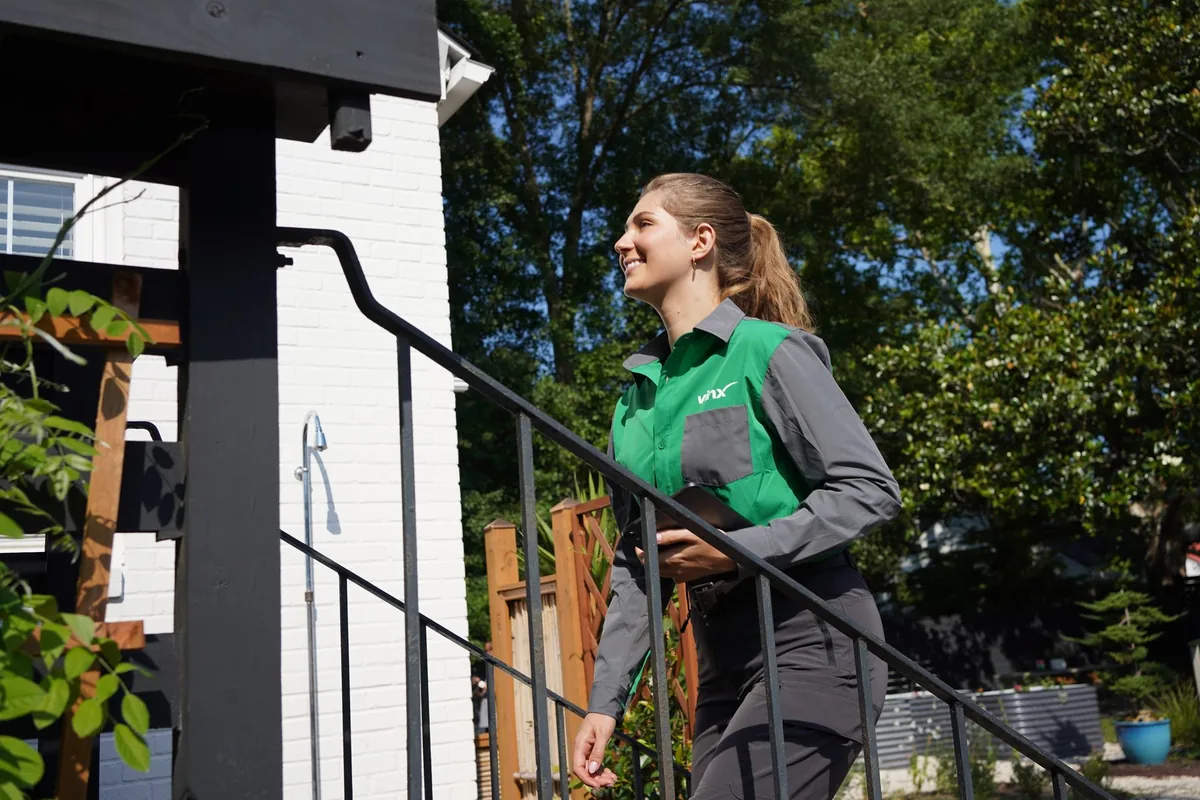
Inspection & Reporting
An exterminator visit in Simpsonville starts with figuring out which era of the boom you are living in. Simpsonville was briefly the fastest-growing city in South Carolina in the early 1990s, and the houses built in that boom are now thirty-five to fifty-five years old — the boom cohort has become the problem cohort. Nothing gets applied until a technician has identified the pest and confirmed whether it is the native eastern subterranean termite rather than an assumed Formosan colony, since Greenville County is absent from Clemson’s documented Formosan list.
Exterior Foundation Treatment
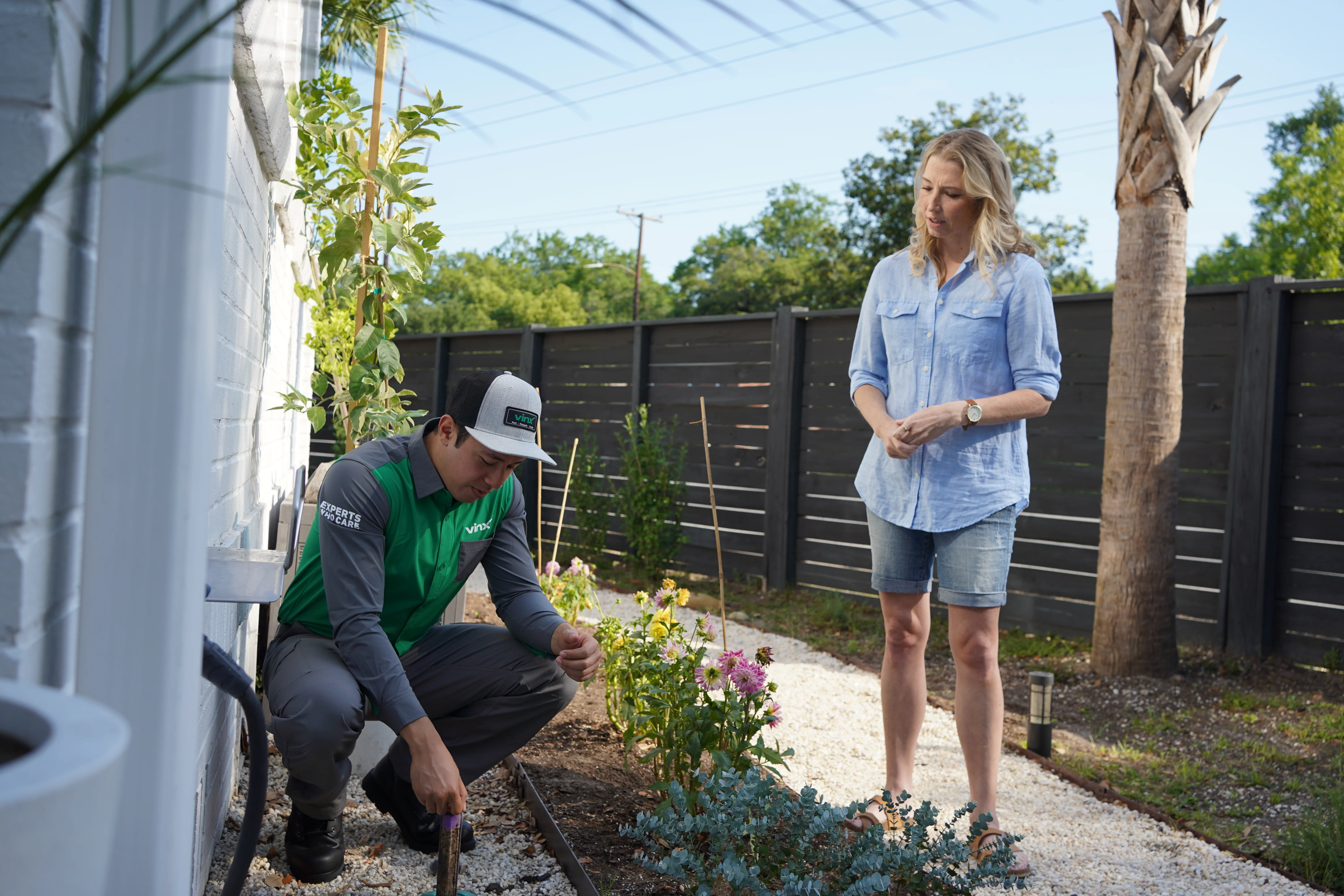
With the pest identified, the exterior gets a defensive line so it never establishes indoors. We apply a micro-encapsulated barrier around the foundation, three feet up and three feet out, at the slab gaps, weep holes and thresholds insects actually use to enter. On a 1978 or 1986 build the original pre-construction soil treatment expired long ago, so the foundation line is exactly where we check what has bridged it since.
Yard Treatment
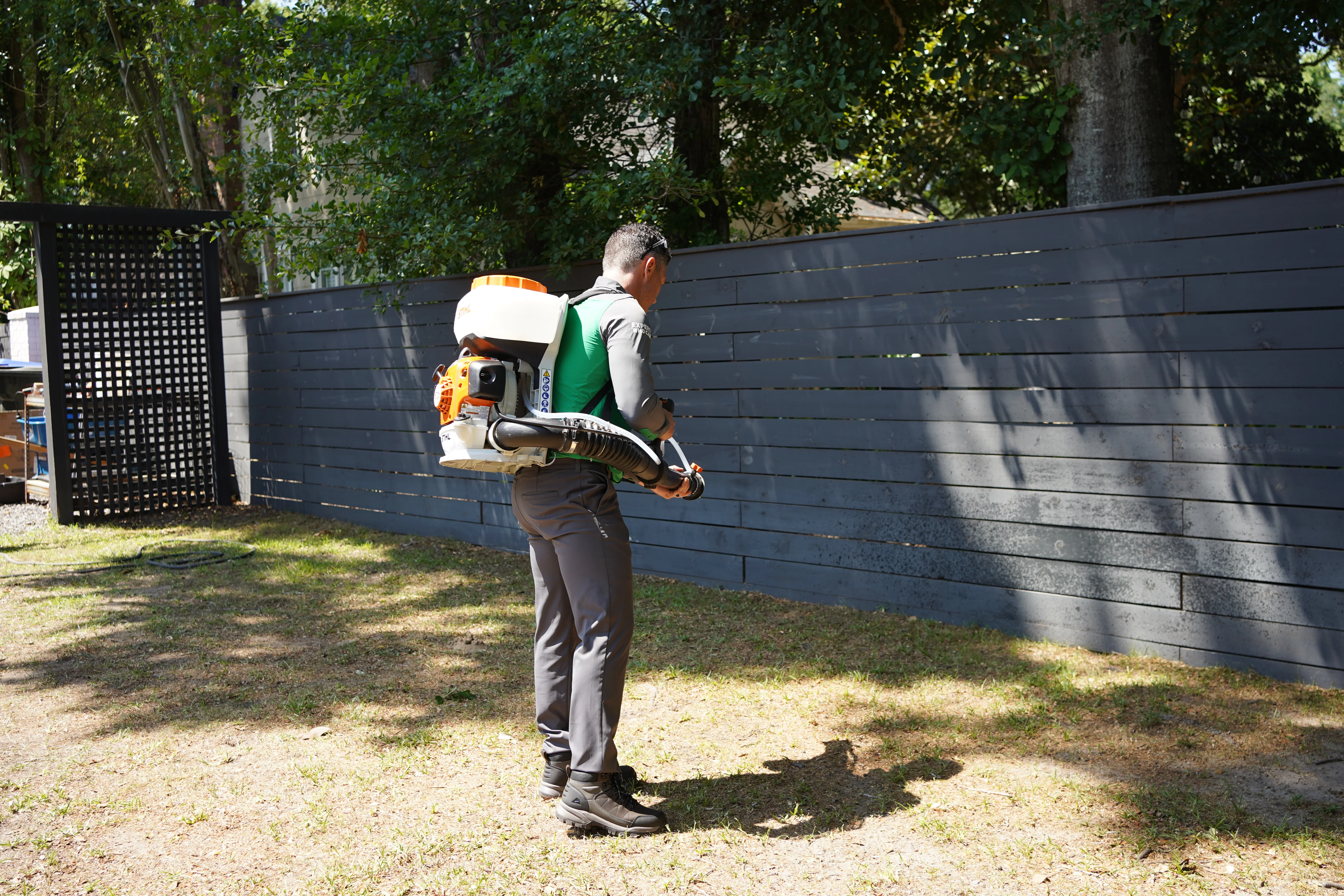
The yard gets treated up to thirty feet out, because most of what ends up indoors staged in the lawn first. In Simpsonville that includes fire ant colonies disturbed by nearby clearing and grading along the Golden Strip corridor, which relocate rather than disappear when a field gets developed.
Sweep & Treat Eaves
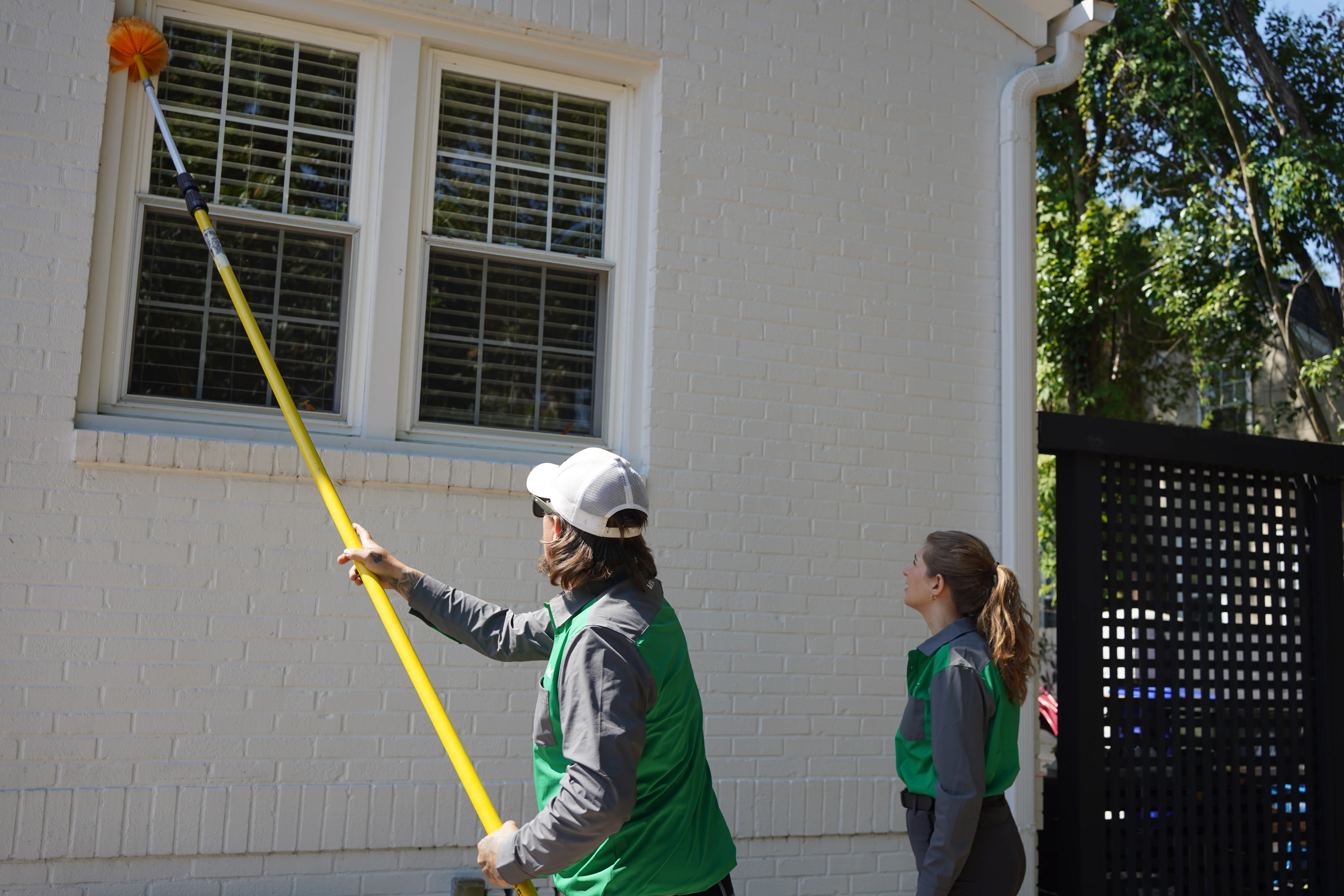
Rooflines are swept clear of webs and early wasp nests on every visit, then spot-treated with a residual product so returning insects contact the treatment instead of rebuilding. On the small pocket of pre-war housing near the old crossroads, light wood frame on brick piers over an open crawl space means the eaves pass doubles as a check on settled grading and blocked vents.
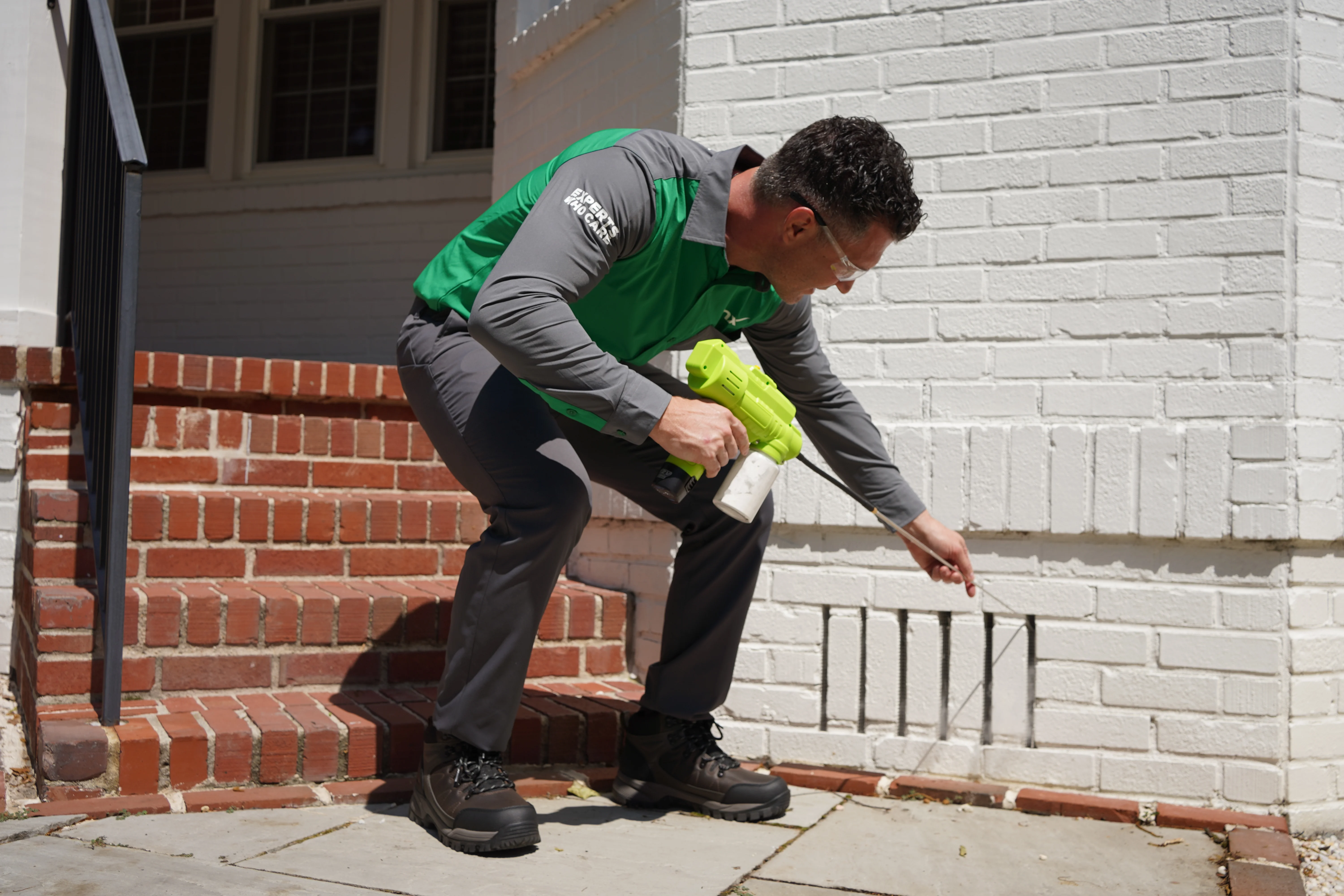
Power Dust Injection
Cracks, weep holes, pipe penetrations and expansion joints get a dust product driven deep with a compressor tip, reaching wall voids a surface spray cannot. This is where decades of deck additions, patio pours, utility trenching and rebuilt flower beds get checked for what has bridged the original soil treatment — the real findings on 1970s and 80s stock, not anything exotic.
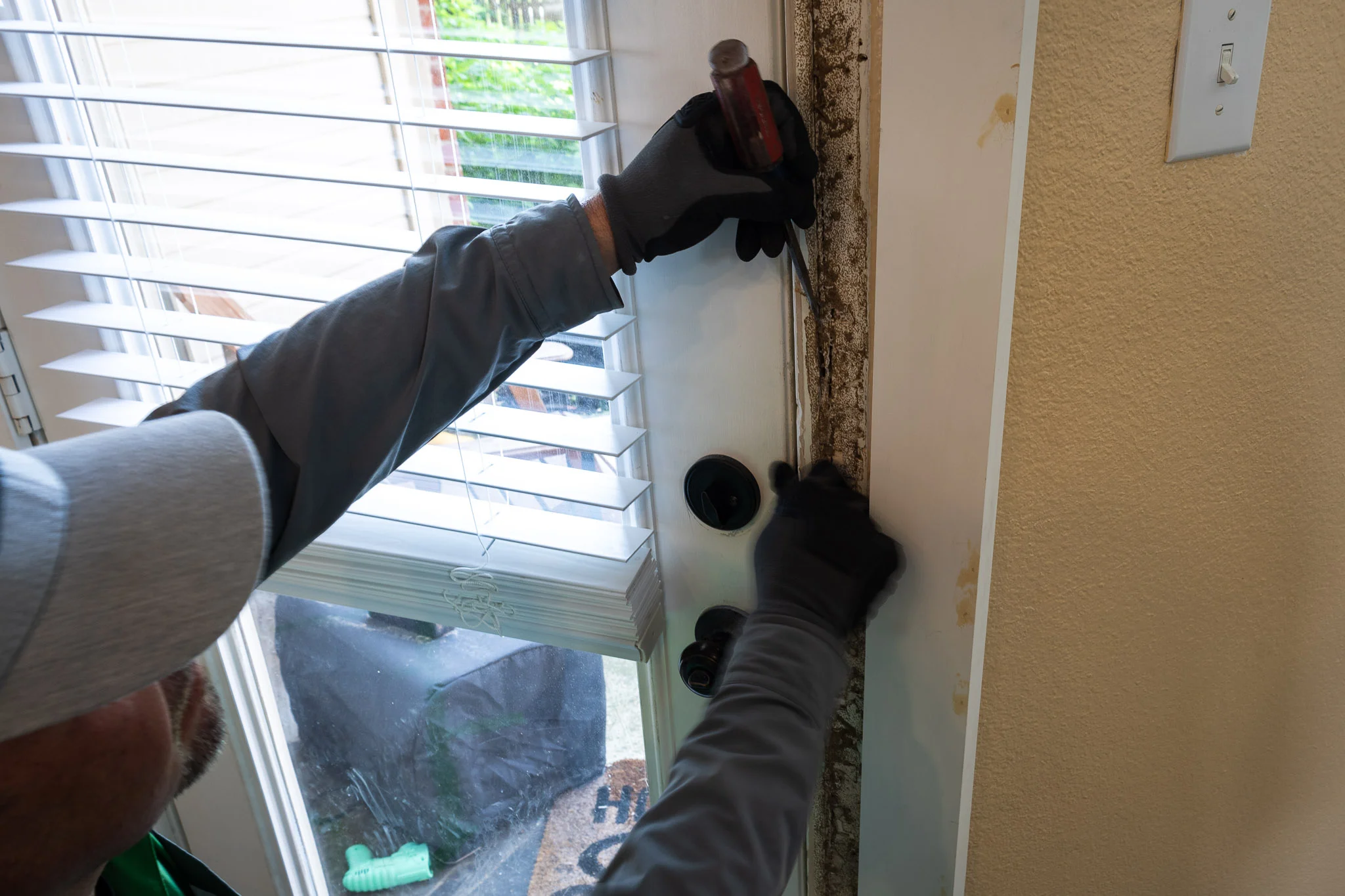
Interior Treatment (If Needed)
Where an infestation is already established indoors, we treat the interior directly and document every visit in writing. On a boom-cohort house, that written record of what year the soil was treated and what has been added since is often more useful to a future buyer than the year you moved in.
Customer Reviews
Real Reviews from Simpsonville Homeowners
Alfredo has been servicing our home through Vinx, and he’s always been professional, friendly, and thorough. He takes the time to do the job right and is always courteous. We really appreciate his hard work and highly recommend him to anyone looking for reliable service!
Mike is awesome! Very thorough inspection. Communicated everything very well. It's always nice to see someone that actually takes pride in what they do. Thanks, Mike
Alfredo was very punctual and knowledgeable. Was very helpful in explaining what he is going to do. Highly recommend him.
Alex was an excellent technician. He was very thorough and knowledgeable. He was extremely professional and friendly . Our family is very pleased with all of the services at Vinx .
Tony was very knowledgeable and helpful. He honestly told me about problem areas and how to remedy them. I’d highly recommend him and the company
Always a fantastic experience. Vinx is thorough ana professional always. Every tech that comes out is incredible. Shout-outs to Jacob and Alex.
Simpsonville Pest Facts
Why Pest Control in Simpsonville Is a Year-Round Commitment
Last updated: September 5, 2026
Simpsonville was briefly the fastest-growing city in South Carolina — but that was the early 1990s, not last year. The South Carolina Encyclopedia records the numbers plainly: the population grew 254 percent between 1970 and 1990, and a further increase of more than thirteen percent from 1990 to 1992 made it the fastest-growing city in the state, with a 2020 population of 25,272. That timing matters more than the percentage. A town growing quickly right now fills up with new construction and fresh soil treatments; a town that grew quickly in the seventies and eighties has a dominant housing layer that is now middle-aged — exactly when the original protections stop working.
6 Reasons Simpsonville Calls an Exterminator
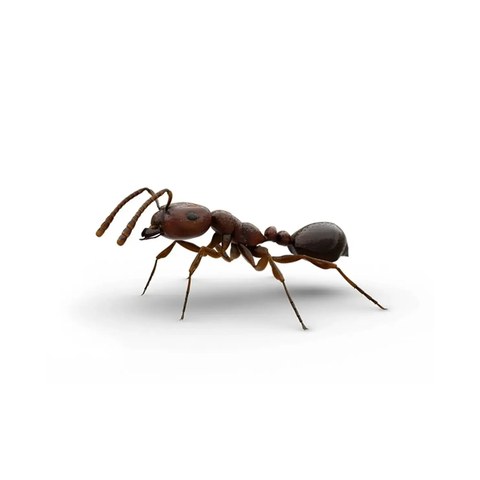
Fire & Argentine Ants
Fire ants and Argentine ants both move fast on ground disturbed by ongoing construction along the Golden Strip corridor, relocating rather than dying when a field gets cleared nearby. Direct mound treatment paired with a yard-wide bait program, weighted toward the side pressure arrives from, is what actually holds.
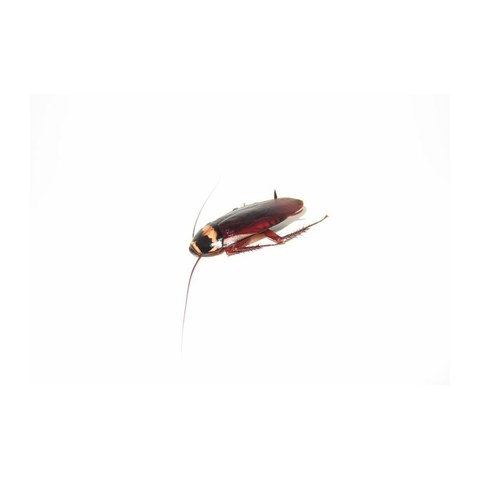
Cockroaches
Cockroaches turn up in the small pocket of pre-war housing near the old crossroads, where an open, ventilated crawl space and a century of alterations give them plenty to work with, as well as in newer kitchens on their own schedule. Treatment goes to the harborage with gel bait and growth regulator rather than the insect on the wall.
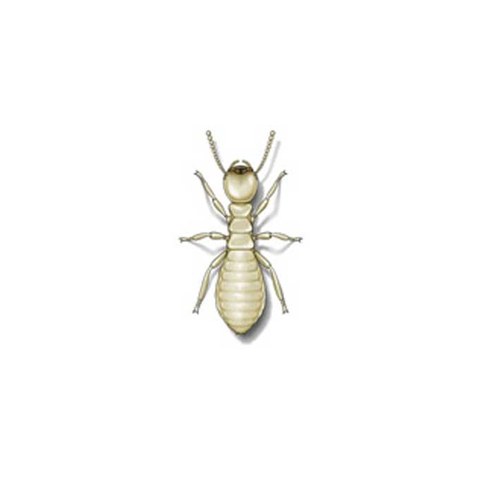
Termites
The native eastern subterranean termite is what actually damages houses in Simpsonville, not an exotic species — Greenville County is absent from Clemson’s Formosan county list. On 1970s and 80s stock the real question is what year the soil was treated and what has bridged it since, which is where the inspection focuses.
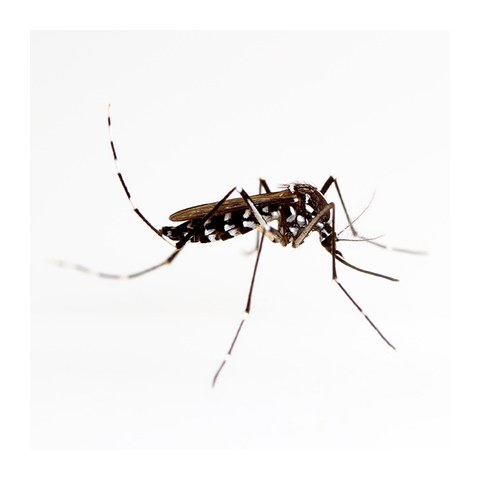
Mosquitoes
Mosquito pressure follows construction as much as weather here — new roofs, driveways and roads shed runoff that used to soak in, so a low corner that drained overnight can start holding water for days. Clemson HGIC gives the threshold: five days of standing water can breed mosquitoes, some species needing no more than a tablespoon.
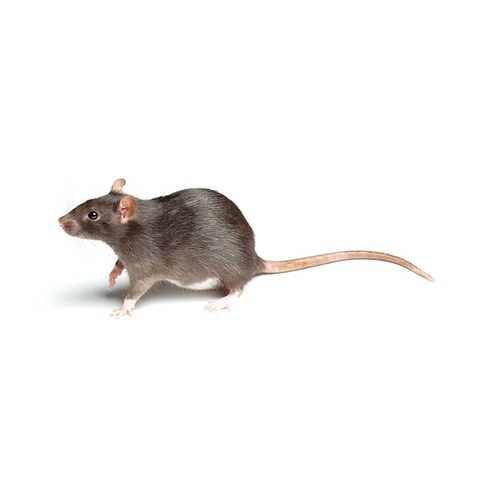
Rodents
Rodents lose cover when a nearby field gets cleared for construction and move to the nearest remaining shed or crawl space, which is often on the next street over. Exclusion on your own structure, plus a treated boundary facing any cleared ground, is the productive response.
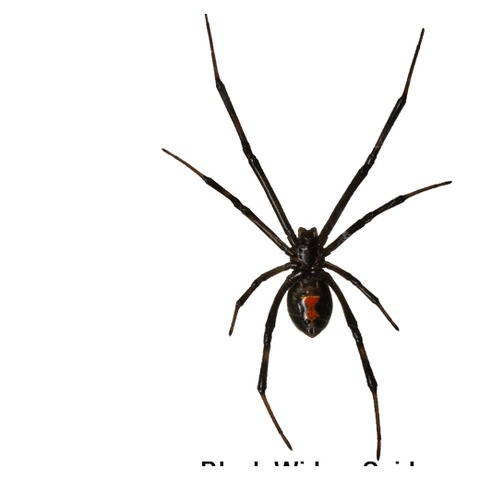
Spiders
Spider calls in Simpsonville are almost always widow spiders or common house species rather than brown recluse, which the peer-reviewed South Carolina record does not support as established here. Identification comes before pricing on anything unusual.
A pre-construction termite treatment was applied to soil once, before the slab or foundation went down. It is real protection with a service life, not a permanent property of the house. On a 1978 or 1986 build that life expired long ago, and thirty-five to fifty years of deck additions, patio pours, utility trenching, replaced steps and rebuilt flower beds have had ample opportunity to bridge whatever barrier was there. Those are the findings we actually make in Simpsonville — not exotic species, just an aging barrier and the ordinary things that breach it.
Two things routinely appear on Upstate quotes that the local evidence does not support. Greenville County does not appear on Clemson’s county tracking of counties with documented Formosan colonies, and the brown recluse is not an established South Carolina species — the peer-reviewed record sets out the state’s full verified count. What you do have is worth taking seriously on its own terms: Clemson HGIC covers the native eastern subterranean termite, the species responsible for most termite damage across the state, which works from soil, needs moisture, and enters wherever treated ground has been bridged or a damp patch persists against a foundation.
The oldest layer here is small but real. The South Carolina Encyclopedia traces Simpsonville to a crossroads hamlet where the Old Stage Road met a former Cherokee trail later called the Georgia Road; in 1838 the farmer Peter Simpson arrived and set up blacksmithing, and as his trade grew the crossroads took his name. The town incorporated on 13 August 1901, and cotton followed the railroad — by 1900 the town claimed three gins and a cottonseed oil mill. The pest consequence is a small but distinct pocket of pre-war housing: light wood frame on brick piers over an open, ventilated crawl space, where the inspection belongs under the floor rather than at eye level.
Pest Pressure by Era & Location
Know Your Simpsonville Neighborhood’s Risk
The Boom Cohort: Now Middle-Aged
The housing built during Simpsonville’s 1970s-90s growth boom is now thirty-five to fifty-five years old, and its pre-construction soil treatment expired long ago. Decades of decks, patios, trenching and rebuilt beds have had time to bridge it, which is the finding we actually make here.
Pre-War Housing Near the Original Crossroads
The small pocket of pre-war housing near the town’s original crossroads is light wood frame on brick piers over an open, ventilated crawl space, altered continually for a century. The inspection belongs under the floor, with settled grading, blocked vents and wood set onto soil at a replaced porch or step as the recurring findings.
New Construction: Displaced Ants and Rodents
The Golden Strip corridor continues adding housing, and clearing a field disturbs rather than removes the fire ant colonies and rodent populations living in it. They relocate to the nearest occupied street, which is why a new pest problem often traces back to construction rather than anything changing at your own house.
Commercial Corridors: Documented Service Matters
Businesses along Fairview Road and other commercial stretches need a documented schedule with service records, which is what a health inspection expects to see. Commercial work runs on that rhythm rather than the household quarterly schedule.
The Wider Golden Strip Coverage Area
We cover the whole city of Simpsonville plus Mauldin, Fountain Inn, Five Forks and the rest of the Golden Strip corridor, all of which share the same aging-barrier pattern on their 1970s-90s housing stock.
Complete Coverage
What Our Simpsonville Exterminators Treat
Every common Simpsonville pest covered under one quarterly service plan

Ants
Fire ants, Argentine ants, carpenter ants, and odorous house ants. Perimeter bait, mound treatment, crack and crevice application.
All Plans
Cockroaches
American, Asian, and German cockroaches. Gel bait in harborage areas, exterior perimeter spray, drain treatment.
All Plans
Spiders
Web removal from eaves, exterior perimeter targeting harborage. Black widow identification and targeted treatment.
All Plans
Wasps & Hornets
Nest removal from eaves, soffits, structural voids. Preventative treatment of common nesting sites on each quarterly visit.
All Plans
Fleas & Ticks
Yard treatment targeting grassy and shaded areas. Interior treatment of active infestation areas.
Plus & Platinum
Bed Bugs
Inspection, heat treatment assessment, and targeted chemical treatment. Thorough protection for Simpsonville families.
Platinum (12mo)
Rodents
Exterior bait station monitoring included in Plus and Platinum. Active infestation and full exclusion quoted separately after inspection.
Plus & Platinum
Mosquitoes
Monthly barrier spray and larvicide. Year-round service adjusted seasonally. Up to 90% population reduction per visit.
Platinum Only
Occasional Invaders
Silverfish, earwigs, centipedes, stink bugs, ladybugs, pillbugs. Crack and crevice treatment, perimeter spray, entry point ID.
All PlansKid & Pet Safe
Our Treatments Are Safe for Your Whole Family: Including the Furry Members
Every product we use is EPA-registered and applied strictly at labeled rates by licensed technicians. We take the guesswork out of safety so you can feel confident letting kids and pets back into treated areas quickly.

EPA-Registered Products Only
All products we apply are EPA-registered and used strictly per label requirements. Our licensed technicians are trained to apply the right product in the right place at the right rate, every time.
Dry Time Before Re-Entry
Exterior spray treatments dry in 30–60 minutes. Once dry, treated surfaces are safe for children and pets to contact. Your technician will confirm the all-clear before leaving your property.
Interior Treatment On Request
We treat only what’s needed, where it’s needed. Gel baits in cabinets and crack-and-crevice applications keep products away from areas pets and children frequent most.
Botanical Options Available
Have specific sensitivities? Ask your technician about our plant-derived treatment options. We offer botanical alternatives for households that prefer a more natural approach.
Have a concern about products used near your pets or children? Call 855-800-8469 and we’ll walk you through exactly what we use and why it’s safe.
Explore More
More Pest Control Services in Simpsonville
Ant Control Simpsonville
Household ants & others
Bed Bug Control Simpsonville
Heat & liquid treatments
Cockroach Control Simpsonville
American & German roaches
Mosquito Control Simpsonville
Monthly barrier treatments
Rodent Control Simpsonville
All rodents covered
Spider Control Simpsonville
All spider species covered
Termite Control Simpsonville
Bait systems & liquid treatment
Wasp Control Simpsonville
Nest removal & prevention

Tick & Flea Control Simpsonville
Yard & pet protection

Pest Control Simpsonville
Year-round protection plans
Frequently Asked Questions
Exterminator Simpsonville SC: Frequently Asked Questions
Recurring plans start at $49 a month and cover more than fifty pests. One-off treatment is priced by pest and property, and termite, mosquito and flea-and-tick work is quoted separately. Inspection is free and the price is firm before anything starts. Call 855-800-8469.
It is the most common situation here and it is manageable once understood. The pre-construction soil treatment was applied once before the slab and has long since expired, and decades of decks, patios, trenching and rebuilt beds have had time to bridge it. That is what we inspect for.
No — Greenville County is absent from Clemson’s county list, as is Laurens. What damages houses in this part of the state is the ordinary native subterranean termite, and on 1970s and 80s stock with an expired soil treatment that is quite enough to take seriously without inventing anything more exotic.
Ask for the specimen before you agree to anything. The peer-reviewed South Carolina record is very thin and its authors conclude the species is not established in this state, so a recluse-priced job here nearly always rests on an assumption rather than an identification. Widows are the group that genuinely warrants care, and they are predictable enough to find.
Briefly, in the early 1990s. the South Carolina Encyclopedia records 254 percent growth between 1970 and 1990 and a further 13 percent by 1992, which earned that description. The 2020 population was 25,272. The reason it matters for pest control is timing: that housing is now middle-aged.
Because clearing and grading displaces established colonies rather than removing them, and the adjacent occupied street is where they go. A treated boundary on that side is the productive answer rather than more product indoors.
Yes, residential and commercial both. Commercial work runs on a documented schedule with service records, which is what a health inspection expects to see.
Not every exterminator can. South Carolina’s Official Wood Infestation Report, form SC 1099 and universally called the CL-100, may only be issued by an inspector licensed in the wood-destroying organism category, Category 7A, under Clemson University’s Department of Pesticide Regulation. Most lenders ask for one, which is why it turns up in most residential transactions here. It covers wood-destroying insects and wood-destroying fungi, but the fungi portion applies only below the first main living-area floor, so a crawlspace is in scope while siding and fascia are not. Ask whoever you call whether the person doing your inspection holds 7A, not merely whether the company does pest control.
No, and it is the most common misunderstanding in a Upstate closing. The regulation states the report “is not a warranty against future infestation, nor does it place any obligation for the correction of reported damage or infestation upon the applicator or business issuing the report.” Any duty to repair comes from your purchase contract or your lender’s conditions, not from the state. You will also hear that a CL-100 is valid for 30 days; no validity period appears anywhere in the regulation, so treat that as lender or contract practice and confirm the window with your lender. On the boom-era stock that dominates this city, expect the moisture section to matter as much as the insect section: excessive moisture has a numeric definition, wood at or above 20% or standing water in the crawlspace or around the foundation, and in Piedmont clay that finding usually traces back to drainage rather than to anything alive.
We cover the whole city plus Mauldin, Fountain Inn, Five Forks and the Golden Strip corridor. Most calls get a next-day appointment. Call 855-800-8469.
Service Coverage
Simpsonville & Greenville County Service Area
Serving Simpsonville & Greenville County and surrounding communities