Rodent Control in Columbia, SC
Rats & Mice — Exclusion + Trapping + Sanitization — Same-Day Appointments
Rodent control in Columbia requires more than traps. Vinx inspects entry points, seals gaps, sets interior and attic traps, and sanitizes contaminated areas. Norway rats, roof rats, and house mice are all common in the Columbia area. Free re-treatment guarantee.
Get Rid of Rodents Fast
Choose what’s easiest for you
Request a Free Quote
We usually respond in 2 minutes
Call 855-800-8469
24/7 Emergency Rodent Service
Sign Up Online
Get pricing and schedule now





Welcome to Vinx Pest Control
A Company That Actually Backs What It Says
At Vinx, we combine professional-grade treatments with a level of service most pest control companies don't offer. Local technicians, fast response times, and a guarantee that actually means something.
Get a Free Quote"I'm not passionate about killing bugs. I'm passionate about customer service. At Vinx, you get experts who show up, do the job right, and stand behind every visit. No runaround, no fine print."
WELCOME TO VINX PEST CONTROL
Protection Plans for Columbia Homeowners

Standard Residential Protection
- 4 Seasonal Treatments Per Year
- 50+ Covered Pests
- Interior, Exterior & Yard Treatment
- Unlimited Free Re-Services
- 100% Money-Back Guarantee

Upgraded Yard Protection
- 6 Home & Yard Treatments Per Year
- 50+ Covered Pests
- Yard Ant Elimination Guarantee
- Flea & Tick Elimination Guarantee
- 100% Money-Back Guarantee

Most Comprehensive Protection
- 9 Treatments Per Year
- 50+ Covered Pests
- 8 Mosquito Treatments (Mar–Nov)
- Flea, Tick & Ant Coverage
- Free Bed Bug Treatments if Needed*
*Starting rates vary by home size and area. All plans billed monthly.
Request Your Free Rodent Control Quote
Fill out the form below and a Vinx team member will reach out within 2 minutes during business hours.
Prefer to talk? Call 855-800-8469 for a live person — no AI agents.
Our Approach
How Vinx Eliminates Rodents in Your Columbia Home

Rodent Inspection & Entry Point Identification
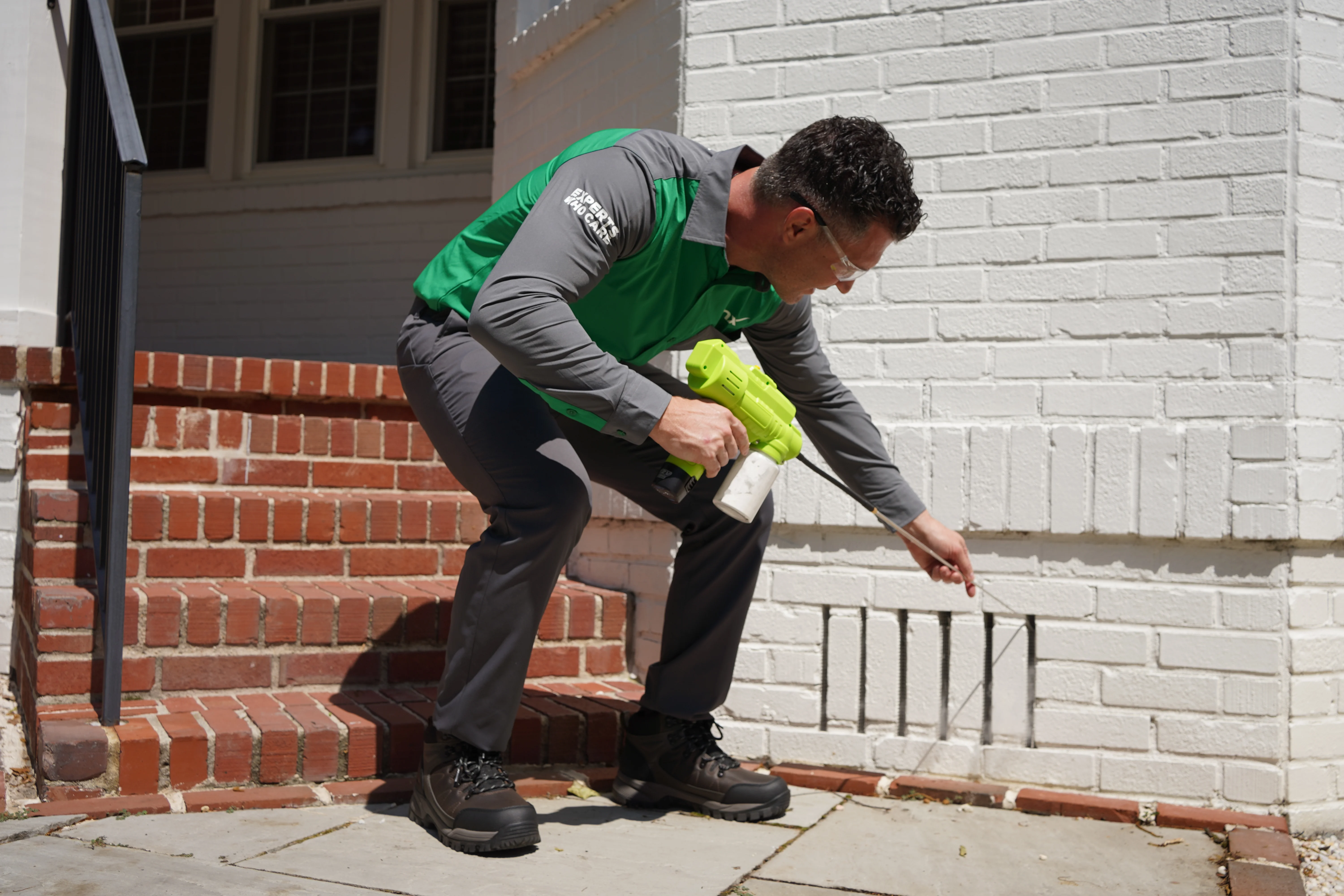
Your technician inspects the full structure — attic, crawlspace, basement, garage, and exterior — to locate active rodent runs, droppings, gnaw marks, and nesting sites. Every gap, crack, and utility penetration larger than a quarter inch is documented as a potential entry point for mice, while rats need only a half-inch opening.
Exterior Bait Station Placement
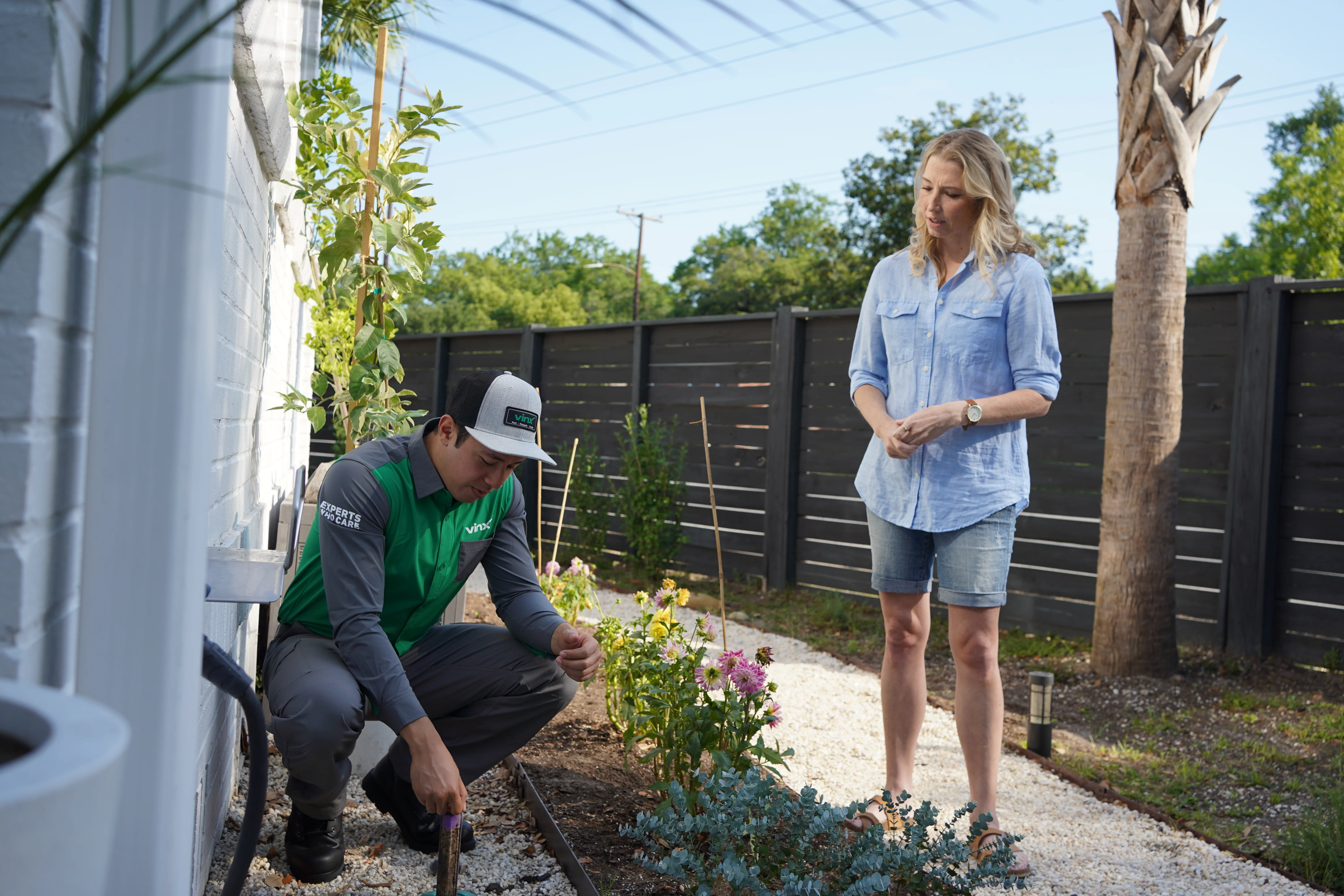
Tamper-resistant bait stations are placed along the foundation perimeter, garage walls, and other exterior runways where rodent activity is highest. Stations are secured and labeled, safe for use around children and pets when properly deployed. Your technician maps station locations for tracking on follow-up visits.
Interior Trapping
Snap traps and/or glue boards are placed along active interior runways — behind appliances, inside cabinets, along walls in the attic and crawlspace. Trap placement is based on the actual evidence found during inspection, not guesswork. Traps are checked and reset on every service visit.
Exclusion & Follow-Up
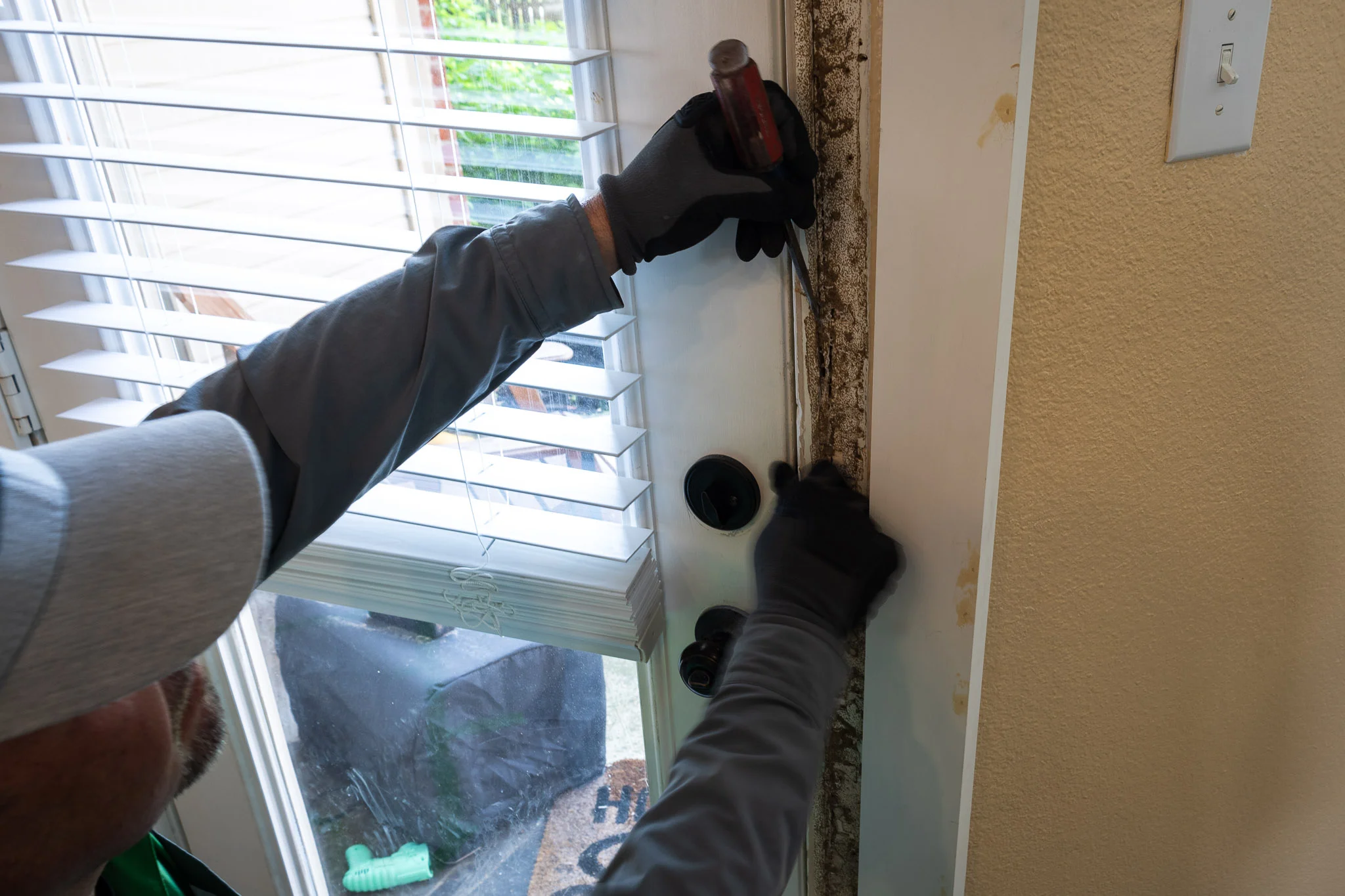
Steel wool, hardware cloth, and sealant are used to close the entry points identified during inspection. Exclusion is what prevents re-infestation — without it, new rodents move in as fast as existing ones are removed. Follow-up visits confirm the infestation has been resolved and the exclusion is holding.
What Customers Say
What Columbia Customers Say — 4.9 Stars on Google
“Leon was absolutely amazing! Very thorough, kind, and knowledgeable. He made sure to take care of all the things I needed. The whole process was easy from start to finish.”
“We haven’t even had a re-treat yet and everything was gone within a week! Couldn’t be happier with the results.”
“Very thorough. They answered all my questions and were communicative throughout. I had an issue and they came right out and took care of it for me. I will be using them again.”
Year-Round Rodent Pressure
Why Rodents Are a Growing Problem in Columbia, SC
Columbia’s rapid growth, aging housing stock, and mild winters have created near-ideal conditions for rodent activity year-round. South Carolina’s Midlands climate rarely delivers the cold snaps that naturally reduce rodent populations — meaning mice and rats are a 12-month problem here, not just a seasonal one.
Breeding season begins — populations expand from winter colonies. Good time to seal entry points before fall pressure builds.
Rodents prefer outdoor food sources. Activity lower indoors but Norway rats concentrate around Garners Ferry Road and Bush River Road food corridors.
Temperature drops trigger mass movement indoors. Highest call volume period across Richland County. Mice, Norway rats, and roof rats all target building entry simultaneously.
Established colonies shelter and breed inside. Rodents present in winter will not leave without professional treatment.
4 Rodent Species in Columbia
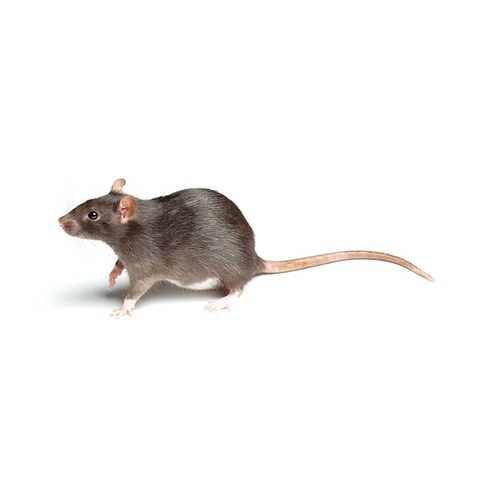
Norway Rat
Heavy-bodied ground dwellers that burrow along foundations, under decks, and in crawl spaces. Concentrated along Garners Ferry Road, Bush River Road, and Two Notch Road corridors, and in the Congaree floodplain areas of Cayce and West Columbia. Can gnaw through plastic pipes, soft concrete, and electrical insulation.
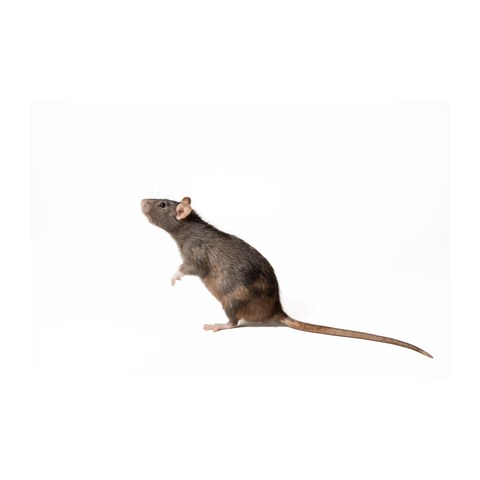
Roof Rat
Slender, agile climbers common in wooded neighborhoods of Harbison, Irmo, Forest Acres, and the Saluda River corridor. Enter homes through rooflines, attic vents, and overhanging tree branches. Nest in attic insulation and wall voids.

House Mouse
The most widespread rodent across all Columbia residential zip codes. Can squeeze through a gap the size of a dime. A single pair produces 6–8 litters per year with 4–6 pups each — infestations escalate quickly.

Deer Mouse
More common in the rural edges of Lexington and Fairfield counties surrounding Columbia. Known carrier of Hantavirus. Enters structures in fall seeking warmth. Identified by distinctive two-tone colouring — brown above, white below.
Pest Pressure by Neighbourhood
Know Your Neighbourhood’s Risk
Downtown / Vista / USC — 🔴 Very High Risk
Columbia’s highest rodent pressure concentrates along the restaurant corridors of the Vista, Five Points, and the USC campus perimeter. Dense food waste, aging sewer infrastructure, and student housing create ideal breeding conditions for Norway rats. Commercial dumpster enclosures on Gervais Street and around Five Points sustain large colonies year-round. Ground-floor apartments and older homes with foundation gaps in zip codes 29201 and 29205 experience frequent incursion events. Ongoing rodent monitoring is not optional for structures within half a mile of a restaurant district here.
Forest Acres / Shandon / Olympia — 🟠 High Risk
These established neighborhoods feature mature tree canopy and older home construction — exactly what roof rats require. Trees touching rooflines provide direct highway access to attics. Original 1940s–1960s construction means foundation gaps, crawl space openings, and utility penetrations never built to modern pest-exclusion standards. Norway rat activity from the Garners Ferry and Rosewood Drive commercial corridors regularly migrates into residential blocks. House mice are endemic throughout all three neighborhoods.
Harbison / Irmo — 🟠 High Risk
Harbison’s dense mixed-use development — shopping centers, restaurant clusters, and residential neighborhoods in close proximity — creates a layered rodent environment. Norway rats dominate commercial areas near Harbison Boulevard. Roof rats occupy the residential tree canopy extending toward the Saluda River. New apartment complexes along Columbiana Drive report recurring rodent activity during adjacent construction phases. Exclusion work here must account for both species simultaneously, as they are often found in the same property at different structural levels.
Cayce / West Columbia — 🔴 Very High Risk (Flood Zone)
The Congaree and Saluda floodplains make Cayce and West Columbia one of the highest-risk zones for Norway rat incursion in the entire Columbia metro area. Flood events drive established riverbank colonies directly toward residential structures on Knox Abbott Drive, Sunset Boulevard, and adjacent streets. Vinx rodent calls in this corridor spike within 48–72 hours of a river crest. Permanent exclusion work paired with ongoing exterior bait station monitoring is strongly recommended for any home within half a mile of either river.
Northeast Columbia / Fort Jackson Corridor — 🟡 Moderate & Rising
Continuous residential and commercial construction along Two Notch Road and in the Arcadia Lakes and Dentsville areas displaces ground-dwelling rodent populations at a significant rate. Norway rats displaced from cleared land seek refuge in adjacent established homes and businesses. Fort Jackson’s perimeter creates wooded buffer zones that harbor established roof rat populations. Homeowners in zip codes 29223 and 29229 should treat any new construction within a quarter mile as a trigger for an immediate exclusion inspection.
Blythewood / Chapin — 🟡 Moderate (Growth Pressure)
Columbia’s fastest-growing residential zones, with new subdivisions being cut into rural land that previously supported large rodent populations. Norway rats and deer mice are most commonly encountered as field rodents adapt to new suburban environments. Older farmhouses on parcels adjacent to new developments carry the highest risk. Newer construction with sealed foundations is not immune — especially during the first 18–24 months after nearby land is cleared, when displaced rodents are actively searching for new harborage.
Early Warning Signs
Signs You Have a Rodent Problem in Your Columbia Home
Don’t wait until the damage is done — these are the signs to watch for
Droppings
Small dark pellets along baseboards, in cabinets, behind appliances, or in attic spaces. Mouse droppings are rice-sized; rat droppings are larger.
Gnaw Marks
On wood trim, food packaging, electrical wiring, insulation, and HVAC ducting. Rat gnaw marks are larger and rougher than mouse damage.
Scratching Sounds
Particularly at night, in walls, ceilings, or attic spaces; roof rats are most active after dark and tend to move in predictable paths.
Grease Marks
Dark smear marks along walls and baseboards where rodents repeatedly travel the same path. Particularly visible near entry points and along joists.
Nesting Material
Shredded insulation, paper, fabric, or plant material gathered in hidden areas — inside wall voids, attic corners, or beneath appliances.
Disturbed Food
Gnawed corners on boxes, bags, or pantry items. Rodents often target cereals, pet food, and cooking oils stored in lower cabinets or garages.
Pet Behavior Changes
Dogs and cats pawing at walls or showing unusual interest in specific areas like baseboards, under cabinets, or around the HVAC closet.
Tracks or Runways
Footprints or tail drag marks in dusty areas like the attic or basement. A flashlight held at a low angle often reveals runway trails in insulation.
Kid & Pet Safe
Our Treatments Are Safe for Your Whole Family — Including the Furry Members
Every product we use is EPA-registered and applied strictly at labeled rates by licensed SC technicians. We take the guesswork out of safety so you can feel confident letting kids and pets back into treated areas quickly.
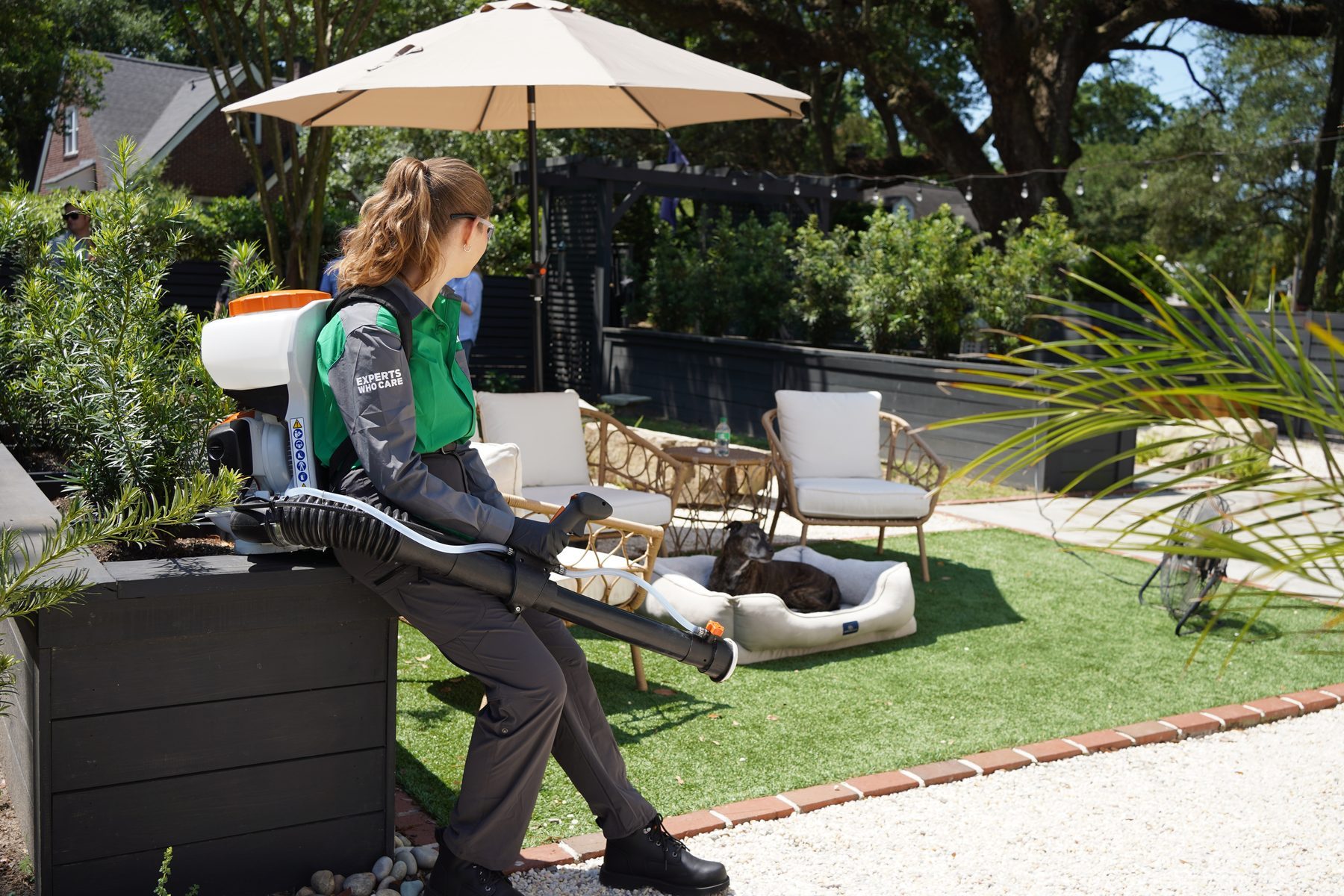
EPA-Registered Products Only
All products are EPA-registered and applied per strict label requirements by our licensed South Carolina technicians on every visit.
Safe Re-Entry After Drying
Exterior spray treatments dry in 30–60 minutes. Once dry, treated surfaces are safe for children and pets. Your technician confirms before leaving.
Targeted Placement Only
Bait stations and traps placed only in locations inaccessible to pets and children — keeping your Columbia family safe throughout the entire process.
Botanical Options Available
Ask your technician about plant-derived treatment options for households that prefer a more natural approach to pest and rodent control.
Have a concern about products near your pets or children? Call (803) 925-8469 and we’ll walk you through exactly what we use and why it’s safe.
Explore More
More Pest Control Services in Columbia
Frequently Asked Questions
Rodent Control Columbia SC — Frequently Asked Questions
The three most common rodents we treat in Columbia are Norway rats, roof rats, and house mice. Norway rats are prevalent along commercial food corridors and in Congaree floodplain areas of Cayce and West Columbia. Roof rats are common in wooded neighborhoods like Harbison, Irmo, and Forest Acres. House mice are the most widespread across all residential zip codes in Richland County.
Droppings are the most reliable indicator. Mouse droppings are small and rice-sized. Rat droppings are significantly larger — roughly the size of a small jellybean. Roof rat gnaw damage is typically higher up (attic, rafters, eaves) while Norway rat activity is more at ground level (foundation, crawl space, under appliances).
House mice can squeeze through a gap as small as ¼ inch. Common entry points include gaps around utility pipes, deteriorated door sweeps, crawl space vents, weep holes in brick, and gaps where the foundation meets the sill plate. Roof rats typically enter through roofline gaps, damaged attic vents, or tree branches overhanging the structure.
Yes. Rodent treatment is part of all Vinx recurring service plans starting at $49/mo. Plans include exterior rodent control and interior treatment upon request.
At every service visit, your technician will identify and document active entry points and provide specific exclusion recommendations. Contact us at 855-800-8469 to discuss exclusion options for your property.
Vinx offers 24/7 emergency service throughout Richland County. For re-service between scheduled visits on existing plans, we’re usually back the next day at no charge.
Yes. We serve all Richland County zip codes including 29201, 29203, 29204, 29205, 29206, 29209, 29210, 29212, 29223, 29229, and surrounding communities including Cayce (29033), Irmo (29063), Lexington (29072), Blythewood (29016), and Chapin (29036).
Many customers see significant reduction within the first 1–2 weeks following initial treatment. Comprehensive resolution typically takes 2–4 weeks. Recurring service prevents new pressure from building back up.
Your Vinx technician will recommend the most appropriate approach based on the type of rodent, location of activity, and property conditions. We’ll explain what’s being used and why during your inspection.
No. Treatment is generally safe for the household. For exterior service visits, no one needs to be home. If interior treatment involves specific areas, your technician will advise on any brief precautions.
Service Coverage
Serving All of Richland County
Rodent control available in every zip code across Richland County
Serving the Greater Columbia Area