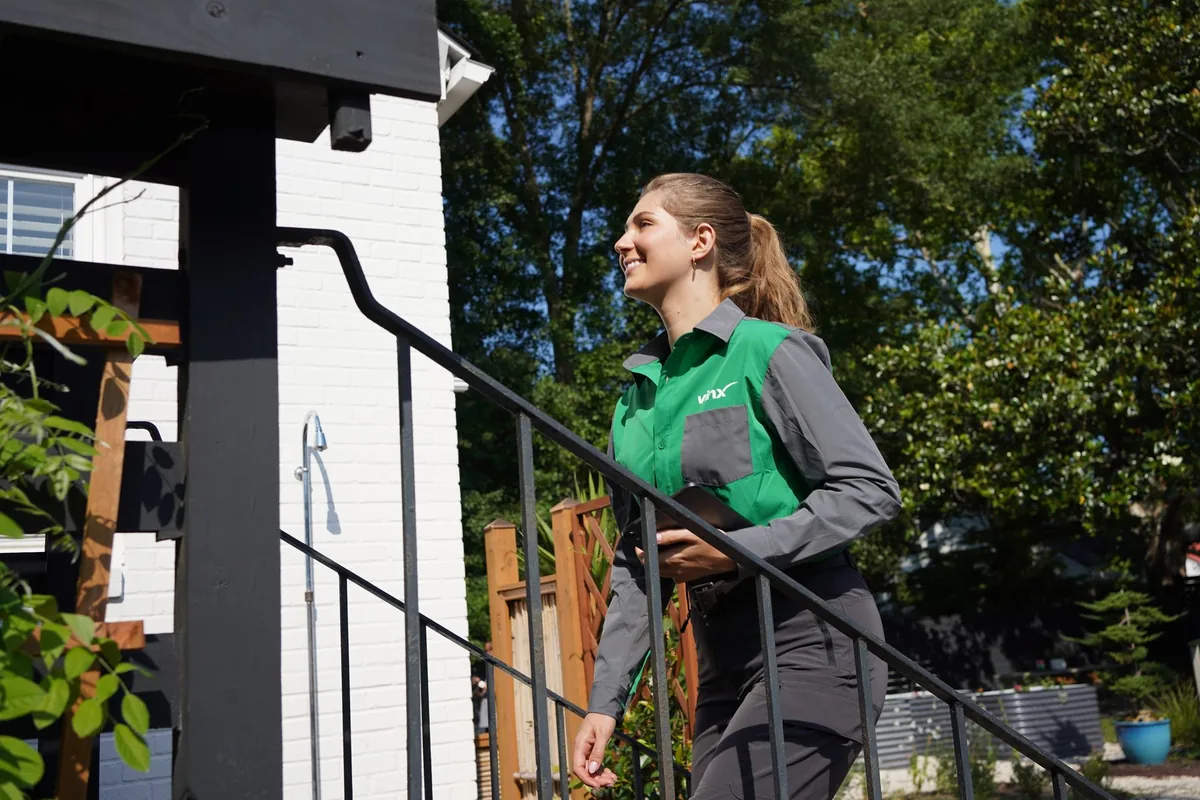
Rodent Control in Cayce, SC
Norway Rat, Roof Rat, House Mouse & Marsh Rice Rat Experts Along the Congaree
Rodent control in Cayce takes more than traps. Vinx inspects entry points, seals gaps, sets interior and attic traps, and sanitizes contaminated areas. Norway rats work the crawl spaces and gardens of The Avenues, roof rats the dumpsters and dropped ceilings along Knox Abbott Drive, house mice any kitchen near State Street — and directly on the Congaree the marsh rice rat is a genuine fourth species. Free re-treatment guarantee.
Get Rid of Rodents Fast
Choose what’s easiest for you
Request a Free Quote
We usually respond in 2 minutes
Call 855-800-8469
24/7 Emergency Rodent Service
Sign Up Online
Get pricing and schedule now





Welcome to Vinx Pest Control
A Company That Actually Backs What It Says
At Vinx, we combine professional-grade treatments with a level of service most pest control companies don't offer. Local technicians, fast response times, and a guarantee that actually means something.
Get a Free Quote"I'm not passionate about killing bugs. I'm passionate about customer service. At Vinx, you get experts who show up, do the job right, and stand behind every visit. No runaround, no fine print."
WELCOME TO VINX PEST CONTROL
Protection Plans for Cayce Homeowners

Standard Residential Protection
- 4 Seasonal Treatments Per Year
- 50+ Covered Pests
- Interior, Exterior & Yard Treatment
- Unlimited Free Re-Services
- 100% Money-Back Guarantee

Upgraded Yard Protection
- 6 Home & Yard Treatments Per Year
- 50+ Covered Pests
- Yard Ant Elimination Guarantee
- Flea & Tick Elimination Guarantee
- 100% Money-Back Guarantee

Most Comprehensive Protection
- 9 Treatments Per Year
- 50+ Covered Pests
- 8 Mosquito Treatments (Mar–Nov)
- Flea, Tick & Ant Coverage
- Free Bed Bug Treatments if Needed*
*Starting rates vary by home size and area. All plans billed monthly.
Request Your Free Rodent Control Quote
Fill out the form below and a Vinx team member will reach out within 2 minutes during business hours.
Prefer to talk? Call 855-800-8469 for a live person, no AI agents.
Our Approach
How Vinx Eliminates Rodents in Your Cayce Home

Rodent Inspection & Entry Point Identification
Your technician inspects the full structure (attic, crawlspace, basement, garage, and exterior) to locate active rodent runs, droppings, gnaw marks, and nesting sites. Every gap, crack, and utility penetration larger than a quarter inch is documented as a potential entry point for mice, while rats need only a half-inch opening.
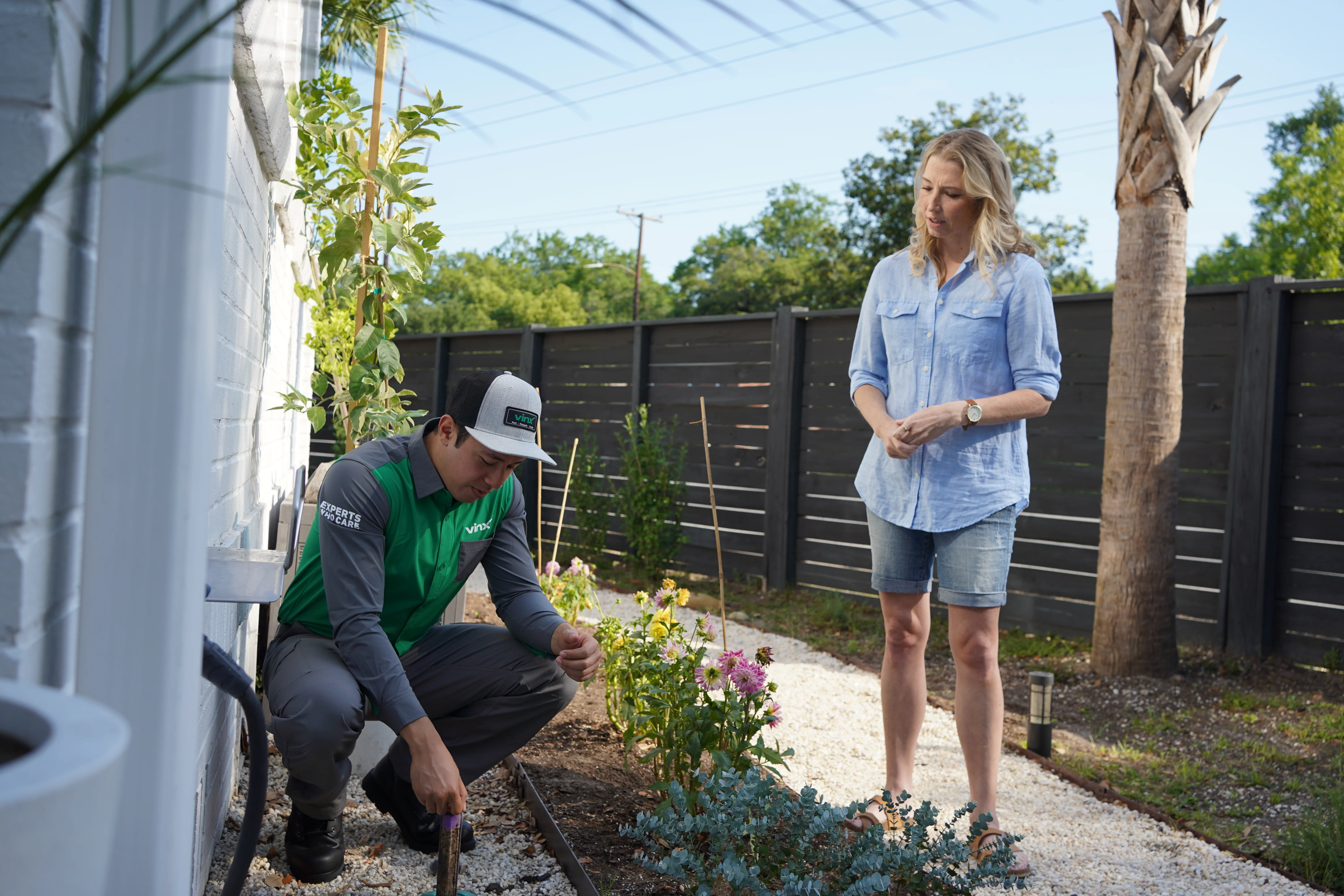
Exterior Bait Station Placement
Tamper-resistant bait stations are placed along the foundation perimeter, garage walls, and other exterior runways where rodent activity is highest. Stations are secured and labeled, safe for use around children and pets when properly deployed. Your technician maps station locations for tracking on follow-up visits.
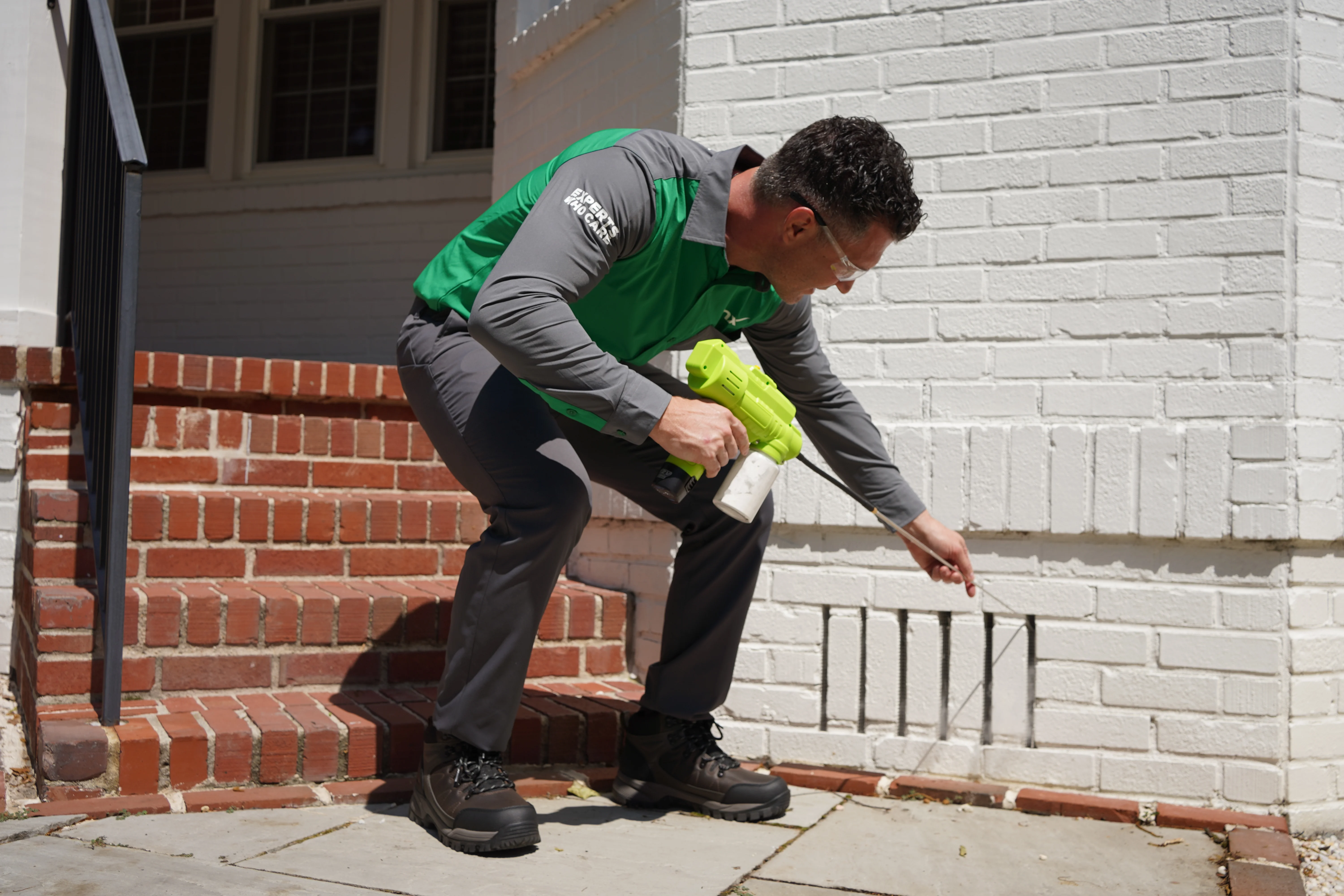
Interior Trapping
Snap traps and/or glue boards are placed along active interior runways, behind appliances, inside cabinets, along walls in the attic and crawlspace. Trap placement is based on the actual evidence found during inspection, not guesswork. Traps are checked and reset on every service visit.
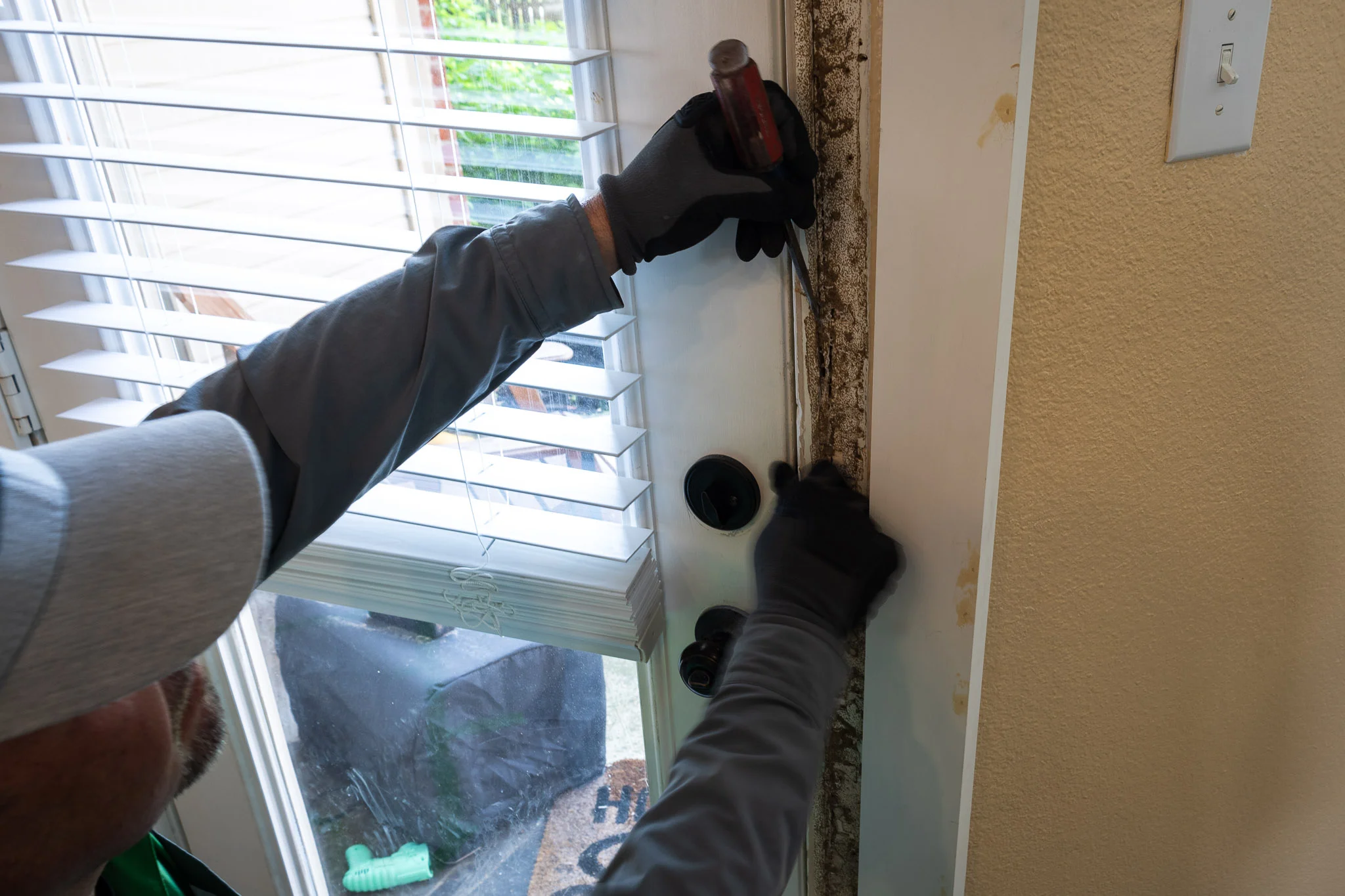
Exclusion & Follow-Up
Steel wool, hardware cloth, and sealant are used to close the entry points identified during inspection. Exclusion is what prevents re-infestation, without it, new rodents move in as fast as existing ones are removed. Follow-up visits confirm the infestation has been resolved and the exclusion is holding.
What Customers Say
What Cayce Customers Say, 4.8 Stars on Google
I have rodent service, now basement and attic are sealed ( new screens on all openings) Jason was polite and professional and take care on all problems.
Service was great and did not take along time.
Very professional and gives top tier service every visit.
Cayce Rodent Pressure
Why Rodent Control in Cayce Isn’t One-Size-Fits-All
Cayce’s rodent pressure varies block by block because the city is a patchwork of very different property types packed into a small footprint along the Congaree. The older homes throughout The Avenues give Norway rats (a larger, ground-burrowing species drawn to foundations and disturbed soil) plenty of harborage near crawl spaces and gardens. The Knox Abbott Drive commercial corridor, with its dumpsters and dropped ceilings, is a more likely spot for roof rats, which climb and nest above ground rather than burrow.
4 Rodent Species Common to Cayce
Norway Rat (Rattus norvegicus)
A larger, ground-burrowing rat that nests at foundations, in dense landscaping, and near disturbed soil rather than climbing. This species is a genuine concern in the older homes throughout The Avenues, where mature trees and established gardens give it plenty of ground-level harborage near crawl spaces and foundations.
Roof Rat (Rattus rattus)
A strong climber that nests above ground in attics, dropped ceilings, and dense vegetation rather than burrowing. Commercial dumpsters and accessible rooflines along the Knox Abbott Drive corridor give this species reliable food access and cover, making it a more typical issue here than the ground-burrowing Norway rat.
House Mouse (Mus musculus)
The smallest and most adaptable local rodent, capable of entering through gaps as small as a pencil’s width. House mice are a steady, year-round concern around the restaurants, retail buildings, and older construction throughout the State Street and River Arts District corridor, where food access and small entry points are abundant.
Marsh Rice Rat (Oryzomys palustris)
A semi-aquatic rodent documented in wetland habitats along the Atlantic coast and in freshwater habitats reaching inland to the lower Piedmont, historically noted in South Carolina’s rice-growing river bottoms. Its habitat preference for marshy, low-lying vegetation makes it a genuine factor for riverfront and floodplain properties near Riverland Park, the Cayce Riverwalk, and the rural Richland County floodplain.
House mice, needing only a gap the width of a pencil, turn up steadily anywhere there’s a kitchen, which makes the restaurants and older buildings near State Street and the River Arts District a consistent concern. And Cayce’s location directly on the Congaree adds a genuinely distinctive fourth species: the marsh rice rat, a semi-aquatic rodent documented in wetland habitats reaching inland to the lower Piedmont, which is a real factor for Riverland Park, the Cayce Riverwalk corridor, and the rural Richland County floodplain. Vinx identifies which species is actually present and builds an exclusion and trapping plan around it.
Outbuildings in the floodplain are a special case here, and the ordinance says so. A small accessory structure in Cayce’s flood area may be used only for parking and storage, has to be designed for low flood damage and minimum resistance to the flow of water, must be firmly anchored against flotation, and must carry openings below the base flood elevation. In other words the City requires the garden shed to be open at its base and tied down — which is a sound flood design and an open invitation to rodents, so what is stored in it matters far more here than the shed itself.
Rodent Risk by Neighborhood
Know Your Cayce Neighborhood’s Rodent Risk
The Avenues Historic Corridor: Norway Rat Risk
Mature landscaping, established garden beds, and older home foundations throughout this historic neighborhood give Norway rats reliable ground-level burrowing sites. This is a ground-nesting species that favors disturbed soil and dense cover near foundations, exactly what the older, well-established properties throughout The Avenues provide. Exclusion focuses on foundation gaps, crawl space access points, and perimeter burrow sites.
Riverland Park & Cayce Riverwalk Corridor: Marsh Rice Rat Risk
Proximity to the Congaree River’s marshy, vegetated banks gives the marsh rice rat exactly the low-lying wetland habitat it prefers. This semi-aquatic species can move from riverbank vegetation into low-lying crawl spaces and yard structures, making it a genuine and relatively unusual rodent concern for properties closest to the river and the 12-mile Riverwalk corridor.
State Street & River Arts District Corridor: House Mouse Risk
Older buildings, restaurants, galleries, and retail space throughout this downtown corridor give house mice steady food access and small entry points. This species needs only a gap the width of a pencil, and the older construction throughout downtown Cayce provides plenty. Restaurant kitchens and buildings with regular food storage are the most commonly affected properties in this corridor.
Knox Abbott Drive & Dominion Energy Corridor: Roof Rat Risk
Commercial dumpsters and accessible rooflines along this busy office and retail corridor give roof rats reliable above-ground food access and shelter. This is a climbing species that nests in attics and dropped ceilings rather than burrowing, so exclusion focuses on roofline gaps, utility penetrations, and HVAC access points rather than ground-level entry.
Richland County Floodplain & Rural Annexation Corridor: Marsh Rice Rat Risk
This sparsely populated, flood-prone stretch east of the Congaree shares the same wetland-adjacent marsh rice rat risk found near Riverland Park, across more open agricultural ground. Properties here near low-lying vegetation, drainage ditches, or flood-prone perimeters should inspect crawl spaces and outbuildings for this species, particularly after significant Congaree flood events.
Prevention Tips
6 Ways to Reduce Rodent Activity Around Your Cayce Home
Early Warning Signs
Signs You Have a Rodent Problem in Your Cayce Home
Don’t wait until the damage is done, these are the signs to watch for
Droppings
Small dark pellets along baseboards, in cabinets, behind appliances, or in attic spaces. Mouse droppings are rice-sized; rat droppings are larger.
Gnaw Marks
On wood trim, food packaging, electrical wiring, insulation, and HVAC ducting. Rat gnaw marks are larger and rougher than mouse damage.
Scratching Sounds
Particularly at night, in walls, ceilings, or attic spaces; roof rats are most active after dark and tend to move in predictable paths.
Grease Marks
Dark smear marks along walls and baseboards where rodents repeatedly travel the same path. Particularly visible near entry points and along joists.
Nesting Material
Shredded insulation, paper, fabric, or plant material gathered in hidden areas, inside wall voids, attic corners, or beneath appliances.
Disturbed Food
Gnawed corners on boxes, bags, or pantry items. Rodents often target cereals, pet food, and cooking oils stored in lower cabinets or garages.
Pet Behavior Changes
Dogs and cats pawing at walls or showing unusual interest in specific areas like baseboards, under cabinets, or around the HVAC closet.
Tracks or Runways
Footprints or tail drag marks in dusty areas like the attic or basement. A flashlight held at a low angle often reveals runway trails in insulation.
Kid & Pet Safe
Our Treatments Are Safe for Your Whole Family: Including the Furry Members
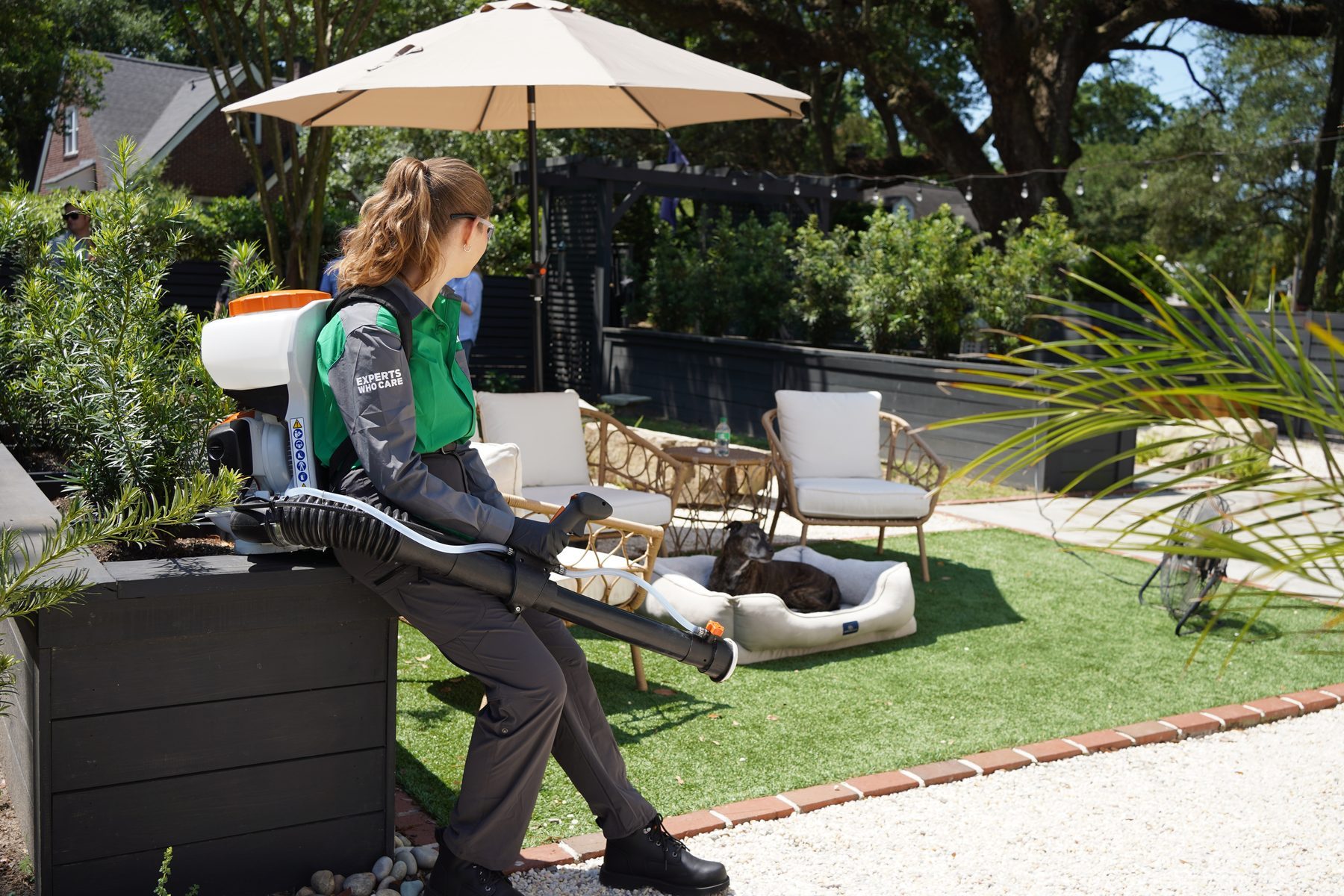
Every product we use is EPA-registered and applied strictly at labeled rates by licensed SC technicians. We take the guesswork out of safety so you can feel confident letting kids and pets back into treated areas quickly.
EPA-Registered Products Only
All products are EPA-registered and applied per strict label requirements by our licensed South Carolina technicians on every visit.
Safe Re-Entry After Drying
Exterior spray treatments dry in 30–60 minutes. Once dry, treated surfaces are safe for children and pets. Your technician confirms before leaving.
Targeted Placement Only
Bait stations and traps placed only in locations inaccessible to pets and children, keeping your Columbia family safe throughout the entire process.
Botanical Options Available
Ask your technician about plant-derived treatment options for households that prefer a more natural approach to pest and rodent control.
Have a concern about products near your pets or children? Call (803) 925-8469 and we’ll walk you through exactly what we use and why it’s safe.
Explore More
More Pest Control Services in Cayce
Pest Control Cayce
Year-round protection plan
Termite Control Cayce
Bait systems & liquid treatment
Mosquito Control Cayce
Monthly barrier treatments
Bed Bug Control Cayce
Heat & liquid treatments
Ant Control Cayce
Household ants & others
Cockroach Control Cayce
American & German roaches
Spider Control Cayce
All spider species covered

Tick & Flea Control Cayce
Yard & pet protection

Exterminator Cayce
Same-day local exterminators
Frequently Asked Questions
Rodent Control FAQ for Cayce Homeowners
Rodent monitoring comes with Vinx's general pest plans, which start at $49/mo. Targeted rodent removal, exclusion and trapping included for an active infestation, is quoted following a free inspection. Call 855-800-8469 for a quote.
Norway rats are larger and burrow at ground level near foundations and disturbed soil, more common in The Avenues. Roof rats are smaller, strong climbers that nest above ground in attics and rooflines, more typical of the commercial buildings along Knox Abbott Drive.
Yes. The marsh rice rat is a semi-aquatic species documented in wetland habitats reaching inland to the lower Piedmont, historically noted in South Carolina’s river-bottom rice fields. It’s a genuine factor for riverfront and floodplain properties near Riverland Park and the rural Richland County floodplain.
House mice need only a gap the width of a pencil to get inside, and older buildings with regular food access, like the restaurants and retail spaces throughout the State Street and River Arts District corridor, are exactly the environment this species thrives in year-round.
Both. Trapping handles the activity already there, but leave the entry points unsealed and new rodents come straight back through the same gaps. Our approach leads with exclusion, sealing entry points first, then trapping whatever is already inside.
Because trapping takes out the rodents already inside and leaves untouched the opening that let them in — which is why a house that is trapped but not sealed reinfests as soon as the weather turns. The measurements are why people underestimate it: a house mouse passes through a gap about the width of a pencil, roughly a quarter of an inch, and a young rat needs only about half an inch. That is less than the gap under a badly fitted garage door, the space a dryer vent or AC line set leaves through the wall, the soffit corner where two rooflines meet, or the gap at the threshold of a door that has settled. Sealing uses materials they cannot chew — tightly packed steel wool, hardware cloth, sheet metal over chewed timber — because expanding foam on its own gets reopened. It is slower than setting traps and it is the part that actually ends the problem, so inspection, trapping and exclusion are quoted as one job rather than a trap line we return to every season.
Yes, and specifics serve better than vagueness here. Salmonellosis, leptospirosis, rat-bite fever and hantavirus are on the CDC's list of diseases rodents spread directly, as are tularemia, sylvatic typhus and lymphocytic choriomeningitis. Plague and murine typhus are the indirect pair, carried by fleas rather than the rodent itself. The routes count as much as the list: contact with droppings, urine or saliva; breathing air contaminated by rodent waste; a bite or scratch; and eating contaminated food. The urine-associated ones are leptospirosis and Seoul virus only; salmonellosis is fecal and foodborne. The hantavirus carried primarily by Norway rats is Seoul virus, which matters because the Norway rat is the species in the ground burrows and the sewers; Sin Nombre, the one people usually read about, belongs to the deer mouse. The practical part is this: never sweep or vacuum droppings, because that is exactly what puts the dust into the air you breathe. Ventilate first, wet the droppings with disinfectant, wipe them up wearing gloves and bag the waste. That is the CDC's method, and the single most useful thing on this page.
Norway rats are found at ground level near burrows by the foundation. Roof rats keep above ground, in attics and rooflines. House mice appear in any structure where there is food to reach. Marsh rice rats are more likely in vegetation near the riverbank or floodplain. Your technician confirms the species during the inspection.
Yes. Commercial dumpsters and accessible rooflines give roof rats reliable food access and shelter close to businesses along this corridor, making it a more common site for this climbing species than for ground-burrowing Norway rats.
Yes. Our approach is exclusion-first, and where bait stations are needed they are tamper-resistant and secured against pets and children. EPA-registered products only, applied at labeled rates by licensed SC technicians.
Yes. Vinx Pest Control is licensed and insured to operate in South Carolina, with technicians trained to identify and treat the specific rodent species found throughout Cayce and the greater Columbia area.
Service Coverage
Rodent Control Across Cayce & Lexington County
Vinx technicians cover every neighborhood in Cayce and the surrounding Columbia metro area.
Serving the Greater Columbia Area