Termite Control in Columbia, SC
Eastern subterranean termites feed nearly year-round in the Midlands’ moist clay soil, and Clemson University has documented Formosan colonies in Richland and Lexington counties. Sentricon bait stations kill the colony, not just the workers.
Get Started in 60 Seconds
Choose what’s easiest for you
Request a Quote
We usually respond in 2 minutes
Call 803-925-8469
Get a Live Person (no AI agents here!)
Sign Up Online
Get pricing and schedule now





Welcome to Vinx Pest Control
A Company That Actually Backs What It Says
At Vinx, we combine professional-grade treatments with a level of service most pest control companies don't offer. Local technicians, fast response times, and a guarantee that actually means something.
Get a Free Quote"I'm not passionate about killing bugs. I'm passionate about customer service. At Vinx, you get experts who show up, do the job right, and stand behind every visit. No runaround, no fine print."
WELCOME TO VINX PEST CONTROL
Protection Plans for Columbia Homeowners

Standard Residential Protection
- 4 Seasonal Treatments Per Year
- 50+ Covered Pests
- Interior, Exterior & Yard Treatment
- Unlimited Free Re-Services
- 100% Money-Back Guarantee

Upgraded Yard Protection
- 6 Home & Yard Treatments Per Year
- 50+ Covered Pests
- Yard Ant Elimination Guarantee
- Flea & Tick Elimination Guarantee
- 100% Money-Back Guarantee

Most Comprehensive Protection
- 9 Treatments Per Year
- 50+ Covered Pests
- 8 Mosquito Treatments (Mar–Nov)
- Flea, Tick & Ant Coverage
- Free Bed Bug Treatments if Needed*
*Starting rates vary by home size and area. All plans billed monthly.
Request Your Free Termite Inspection
Fill out the form below and a Vinx team member will reach out within 2 minutes during business hours.
Prefer to talk? Call 803-925-8469 for a live person, no AI agents.
Our Approach
How Vinx Protects Your Columbia Home from Termites

Thorough Termite Inspection
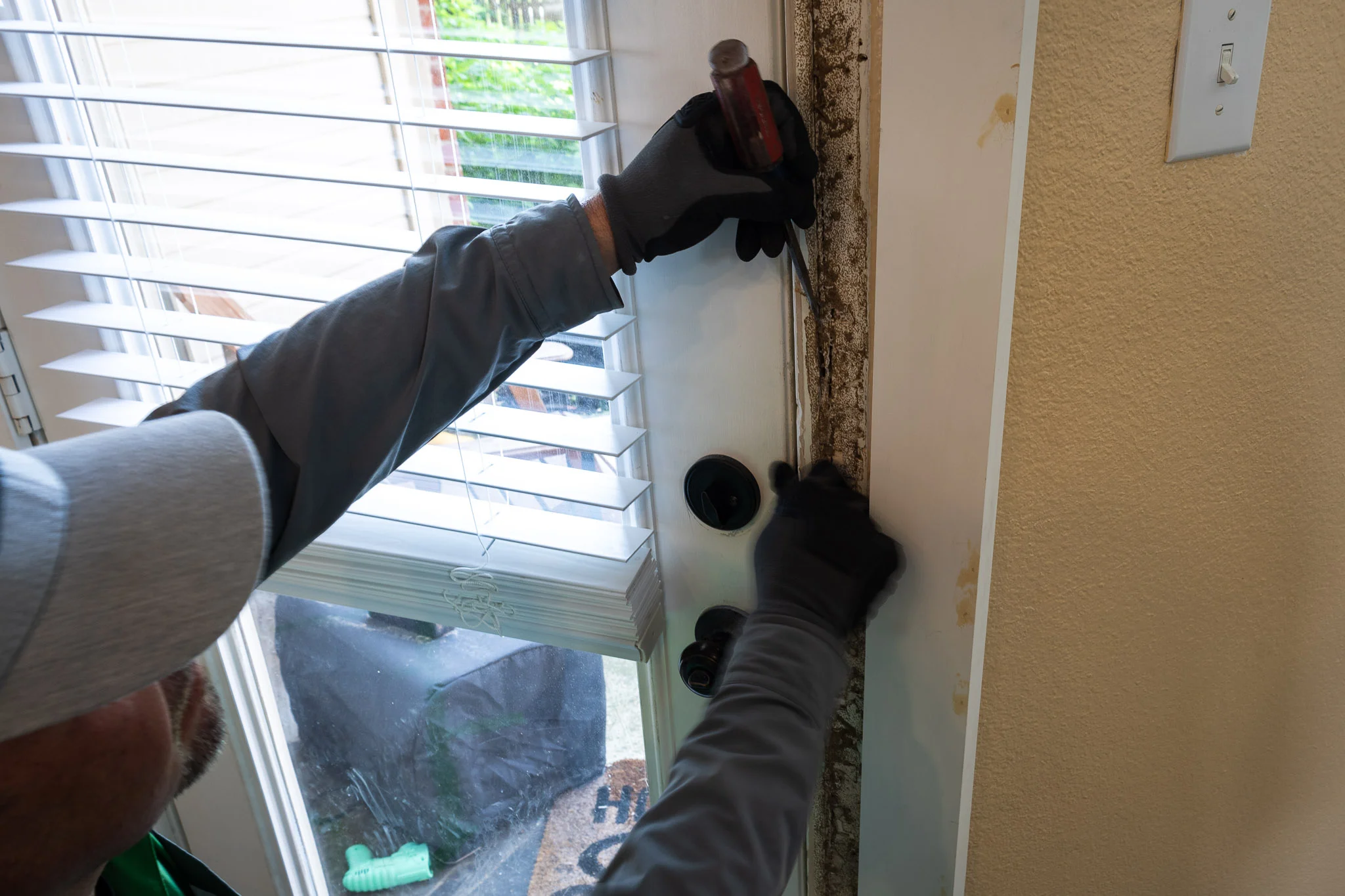
Your technician inspects the full structure, foundation, crawlspace, attic, interior walls, window and door frames, and all wood-to-soil contact points. We identify mud tubes, frass, hollow-sounding wood, swarm evidence, and conducive conditions like moisture intrusion or improper drainage. All findings go into the inspection report, which drives your treatment plan.
Foundation & Perimeter Treatment
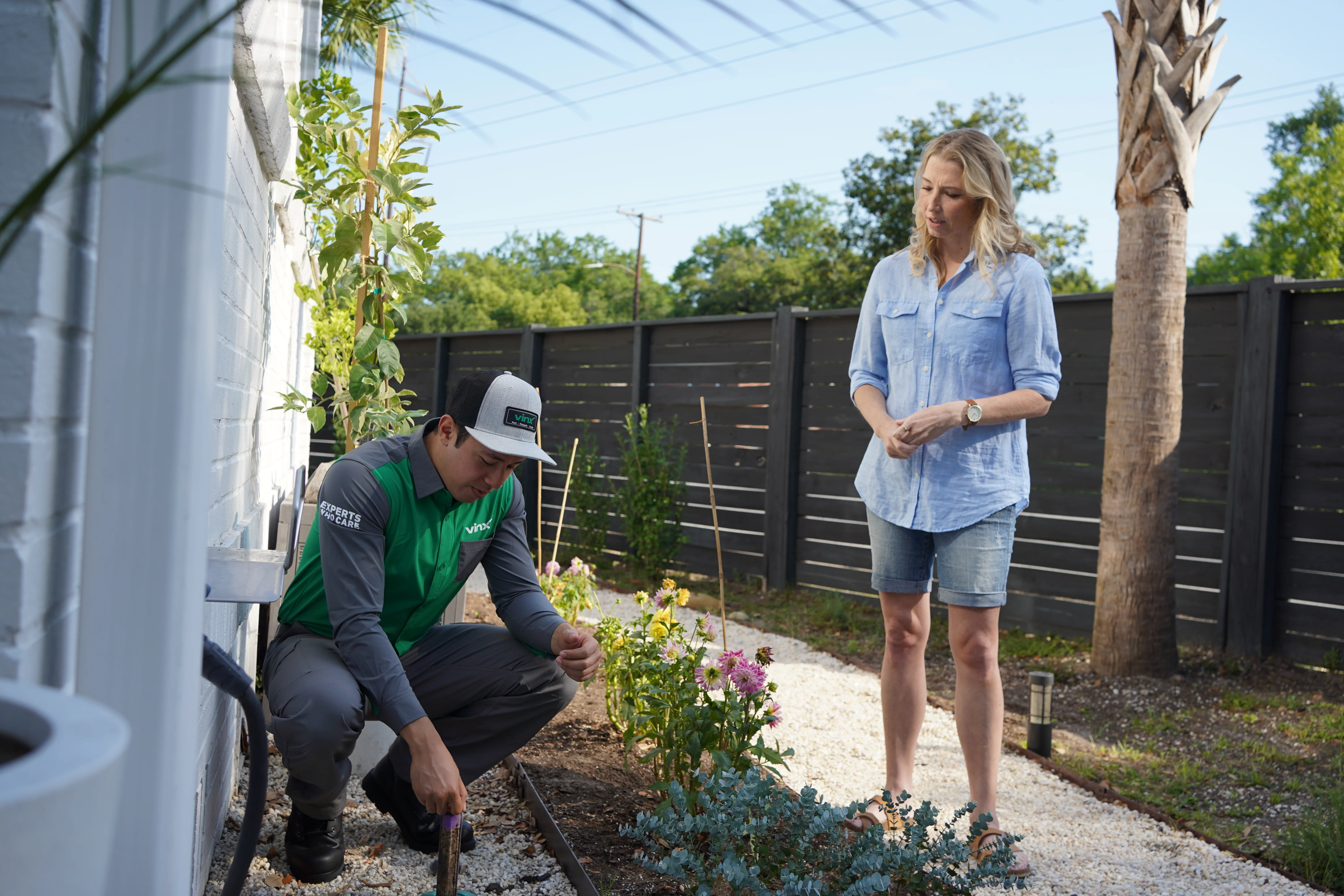
A liquid termiticide barrier is applied around the full foundation perimeter, including beneath slabs and around utility penetrations. The result is an unbroken treated zone that kills termites on contact and blocks new colonies. Treatment covers interior and exterior foundation walls alike, for complete protection.
Direct Colony Treatment
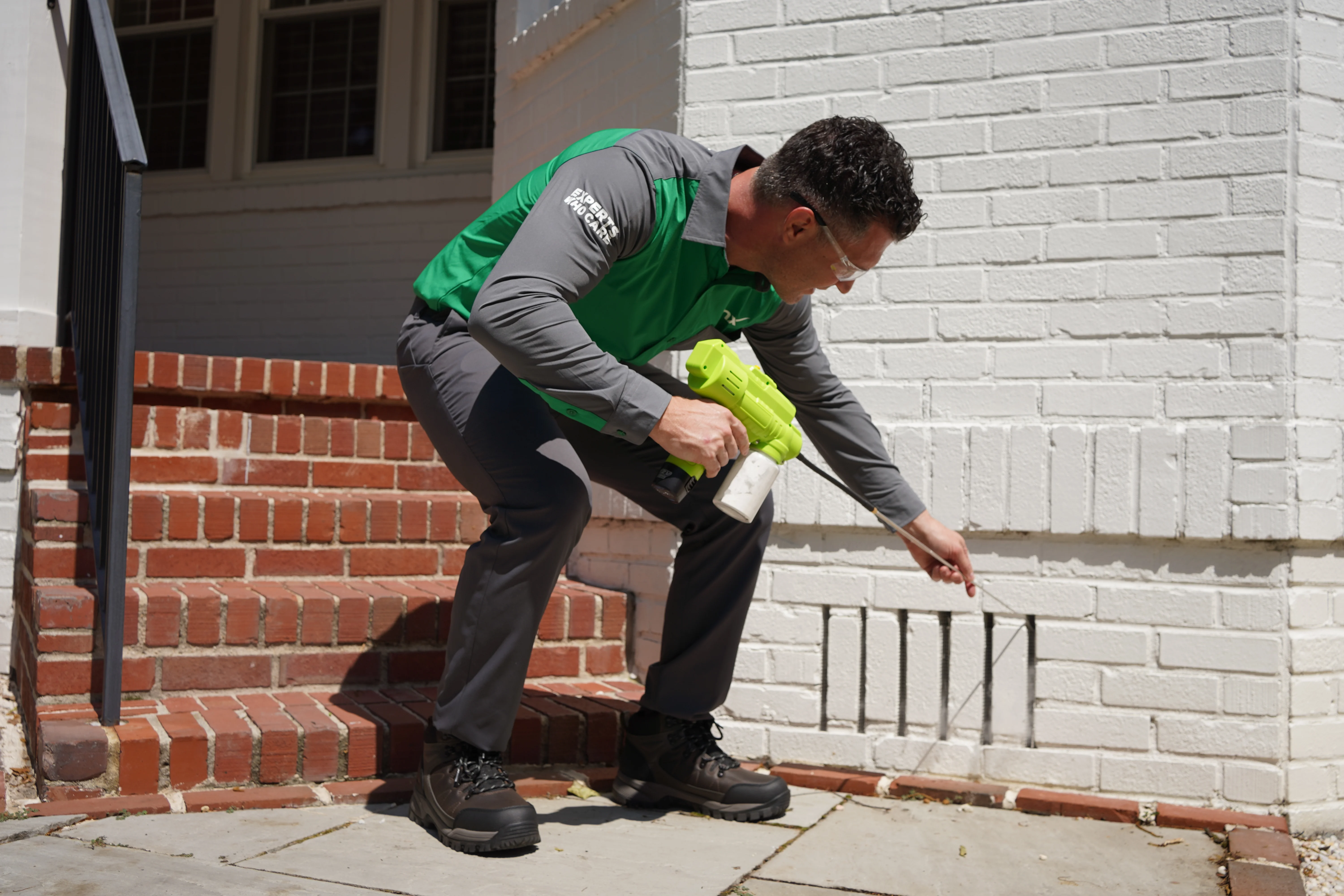
Active termite galleries and mud tubes are treated directly with termiticide foam or dust, reaching deep into the colony tunneling network. This targeting eliminates the colony already present quickly, and the perimeter barrier prevents re-infestation. We document every affected wood member and provide repair recommendations.
Annual Inspection & Re-Treatment Guarantee
Annual termite inspections keep your protection current and catch any new activity early. If termites return between scheduled visits, we re-treat at no additional charge, that is our guarantee. Your technician also advises on moisture control, wood contact elimination, and landscaping adjustments that reduce long-term termite pressure.
What Our Customers Say
What Columbia Homeowners Say About Vinx Termite Control
Jonathan our technician did an awesome job, answered any questions I had and explained what he was doing. Thank you Johnathan & Vinx!! ***UPDATE- just had Darrell come out for a termite inspection. He was very thorough and explained everything to me and then sent me a follow up message regarding the service! Love Vinx professionalism!
Leon was great. He did the inspection showed me pictures & explained what to expect including the estimated cost. They returned as scheduled to complete the service. The in office customer service was courteous, too. The service experience was 10 out of 10 would recommend.
Jason is great! Jason is knowledgeable, very polite, & very thorough. He explained everything in perfect detail. HIGHLY RECOMMEND!!!
We sold our house and had to have a final expectation. Leon was very good and answered all my questions he also completed and checked out the things that out home inspection ask about. Leon had been to my house couple other times he is very personal and professional
They have done a great job communicating when they come out for scheduled service and have done a good job with the general pest prevention.
Leon is a consummate professional and always punctual!
Utah Jordan was an awesome young man. He was transparent about their services and how he can help me . If your looking for a new pest, termite , or mosquito service I would recommend speaking to him
Great company, product compound keeps the mosquitos and other simple pests gone and will come to respray if necessary. Would definitely recommend!!
The Local Threat
Why Columbia Homes Face Termite Pressure Nearly Year-Round
The Midlands' combination of humidity, mild winters, and moisture-holding soil keeps subterranean termites active for far more of the year than a northern climate does. Clemson names the eastern and southeastern subterranean termites as the two most commonly encountered species in South Carolina and says both are found throughout the state, so this is not a coastal problem that stops at the Fall Line. What Clemson does not publish is a season length or a state ranking, so we will not invent one.
Where a house sits over a crawl space, subterranean termites get direct access to structural wood with very little exposure to detection, and Columbia has the housing age to match: the median city home dates to 1980 against 1993 statewide, with 49.5% built before 1980 and 18.3% before 1950. Old Shandon was established in 1893, Elmwood Park in 1904 and Earlewood's older section built out between roughly 1910 and 1945. Mature oak root systems create soil channels that colonies travel through unseen, and irrigation and summer humidity keep foundation soil damp for much of the year. The result: Columbia homeowners face an above-average risk of significant structural damage every single year they go unprotected.
Termite Species in Columbia
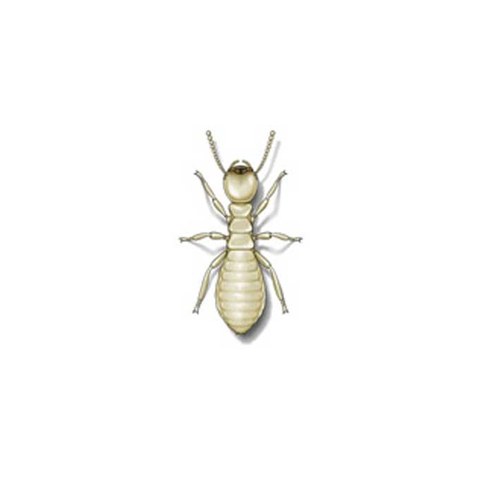
Eastern Subterranean Termite
The most common termite species in South Carolina, Eastern Subterranean termites live in colonies 20 to 30 feet underground. They travel upward through soil and mud tubes to reach the wood in your home's foundation, floor joists, and wall studs, all without breaking the surface of the paint or drywall above.
Colonies can contain hundreds of thousands of workers and cause thousands of dollars in structural damage before a single sign is visible from inside the home. Quarterly inspections and bait station monitoring are the most reliable way to detect activity before it becomes a major repair.
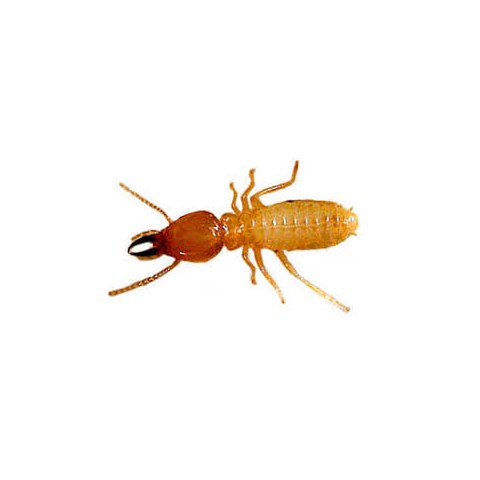
Formosan Subterranean Termite
Far more destructive than the Eastern species, Formosan termites form colonies of several million individuals and are uniquely capable of storing water within their carton nests, allowing them to infest wood above ground without a direct soil connection. They consume wood at a rate several times faster than Eastern Subterranean termites.
Formosan termites are established in the Midlands: Clemson University has documented colonies in both Richland and Lexington counties. They are less concentrated here than along the coast, but a Formosan colony consumes wood several times faster than the Eastern species, so the window between first activity and serious structural damage is far shorter. Any suspected Formosan activity on a Columbia property should be treated as urgent.
Know Your Risk
Termite Risk by Columbia Neighborhood
Shandon, Elmwood Park & Earlewood: Highest Risk
Columbia's historic neighborhoods carry the city's heaviest termite pressure. Much of the housing stock dates to the early 1900s, built before modern pest-proofing standards or treated lumber existed. Crawl space foundations are standard, giving subterranean termites direct access to structural framing, and decades of mature landscaping keep the soil around these foundations shaded and damp.
- Crawl space construction throughout
- Pre-1970s structures without treated lumber
- Mature oak root systems create soil channels
- Formosan activity documented in Richland County by Clemson University
- Shandon
- Elmwood Park
- Earlewood
- Wales Garden & University Hill
Cayce, West Columbia & the River Corridor: High Risk
Low-lying terrain and clay-heavy soils along the Congaree and Saluda rivers create persistent moisture conditions that support large, active termite colonies. Many neighborhoods were developed in the 1960s–1980s on land that was previously river floodplain or wetland, soil that retains water at depth year-round.
- Low-lying lots with elevated water tables
- Moisture-prone clay soils
- Mix of crawl space & slab construction
- Cayce
- West Columbia
- Rosewood & Olympia
- Hopkins
Lexington, Irmo & Blythewood: Moderate–High Risk
Suburban communities around Columbia are predominantly slab-on-grade construction, which reduces some entry points but doesn't eliminate the risk. New construction on previously wooded land introduces structures into soil that already contains established termite colonies. Plumbing penetrations and expansion joints are common termite entry points in slab foundations.
- Slab foundations with plumbing penetrations
- New construction on formerly wooded tracts
- Untreated soil beneath slabs in older developments
- Lexington
- Irmo
- Blythewood
- Chapin
- Forest Acres
Warning Signs
Signs of Termites in Your Columbia Home
Mud Tubes on Foundation
Pencil-width tunnels of soil along foundation walls or piers, the primary travel route for subterranean termites from soil to wood.
Hollow-Sounding Wood
Tap structural wood with a screwdriver handle. A hollow or papery sound indicates termites have consumed the interior while leaving the surface intact.
Sticking Doors & Windows
Termite damage and the moisture they introduce can warp door and window frames, making them difficult to open or close properly.
Bubbling or Peeling Paint
Paint that bubbles, blisters, or peels in unusual patterns, especially near baseboards or window frames, can indicate moisture from termite activity below the surface.
Frass Near Baseboards
Powderpost beetles push fine, flour-like frass from small emergence holes. The regulation is specific about what counts as active: a trail of fresh frass the color of cut wood stuck below or piled beneath the holes indicates activity, while emergence holes alone, or old dingy frass, do not.
Discarded Wings Near Windows
Termite swarmers shed their wings after finding a new nesting site. Piles of discarded wings on window sills or near light fixtures are a classic early warning sign.
Soft Spots in Floors
Floors that feel spongy, bouncy, or soft underfoot, particularly in crawl space homes, can indicate termites have damaged the subfloor or floor joists below.
Pinholes in Drywall
Small, round entry or exit holes in drywall, sometimes accompanied by faint clicking or rustling sounds inside walls, can signal an active termite infestation.
The Regulation
What the CL-100 Actually Says, Straight From the Rule Book
Almost every pest control site in the Midlands describes the CL-100 the same way, and several of the things they say are not in the regulation. These four are quoted from SC Regulation 27-1085 itself.
There Is No 30-Day Rule
The single most repeated claim in this market, and it is not in the regulation. There is no validity period or expiry for the Wood Infestation Report anywhere in 27-1085. If you have been given a deadline, it came from a lender or a purchase contract.
It Obliges Nobody to Make Repairs
Quoted directly: the report “is not a warranty against future infestation, nor does it place any obligation for the correction of reported damage or infestation upon the applicator or business issuing the report.” Who pays for repairs is a contract negotiation, not a state rule.
Category 7A, Signed and Numbered
The regulation requires the report be issued by someone licensed in Category 7A, under a valid pest control business license, and signed and dated with both the applicator and business license numbers on it. That is something you can check on your own report.
20% and 28% Are the Numbers That Matter
Moisture is where most Midlands reports get complicated. The regulation sets excessive moisture at wood readings of 20% or above, or standing water present, and notes wood-decay fungi become active and damage occurs at 28% and above.
Two more worth knowing before you read yours. The fungus and decay portion only covers damage below the level of the first main living-area floor, so upper siding, fascia, chimneys, eaves and soffits are outside its scope, while lower door frames, steps, porch columns and similar elements must be reported. And it is not a mold report: the regulation states plainly that it is “in no way a report of the presence or absence of health-related fungi”. On crawl spaces, the standards it works to are one square foot of ventilator per 150 square feet of crawl space, and a minimum eight inches of clearance between untreated wood and soil.
Homeowner Tips
6 Ways to Reduce Termite Risk Right Now
Explore More
More Pest Control Services in Columbia

Pest Control Columbia
Year-round protection plan

Ant Control Columbia
Household ants & others

Bed Bug Control Columbia
Heat & liquid treatments

Cockroach Control Columbia
American & German roaches

Mosquito Control Columbia
Monthly barrier treatments

Rodent Control Columbia
All rodents covered

Spider Control Columbia
All spider species covered

Tick & Flea Control Columbia
Yard & pet protection
Exterminator Columbia
Same-day local exterminators

Wasp Control Columbia
Nest removal & prevention
Frequently Asked Questions
Termite Control FAQ for Columbia Homeowners
Termite protection from Vinx starts at $75/month under Protection Plus, which takes in Sentricon installation, ongoing monitoring and the free re-treatment guarantee. What the initial installation costs depends on your foundation's linear footage. Call 803-925-8469 for an exact quote specific to your property.
Yes. The bait stations are enclosed and set below ground, putting the active ingredient out of reach of children and pets at the surface. In contrast to liquid soil treatments, no chemical goes into your soil or foundation. All of the products Vinx applies are EPA-registered. Family and pets may remain at home during installation and afterwards.
The initial Sentricon install usually takes 2 to 4 hours, according to property size and station count. There is no tenting or fumigation, and you need not leave home. Monitoring visits after that take 30 to 60 minutes.
Sentricon is continuous protection, not a single treatment. After the initial install, stations go on a regular checking schedule all year. Your home is continuously protected for as long as the monitoring plan is active. Where activity is found, treatment follows immediately at no added cost.
Yes. If live termites turn up in a structure we treated, Vinx re-treats free of additional charge, without deductible, argument or fine print. Protection Plus and Premium both include this guarantee, and it remains active while annual monitoring is maintained.
Most Columbia appointments are available same-day or next-day. Call 803-925-8469 to book. Should we fail to service your home by the next business day, your initial service is free. We serve the entire Midlands, from downtown Columbia to Lexington, Irmo, and Blythewood.
Yes, Formosan termites are established in the Columbia area. Clemson University has documented colonies in both Richland and Lexington counties. They are less concentrated in the Midlands than along the coast, but Formosan colonies are significantly more destructive: Clemson puts a mature native subterranean colony at several hundred thousand workers and a mature Formosan colony at millions, which is why they damage a structure faster. Clemson also adds a caveat worth repeating, that the discovery of Formosan termites does not mean they are found uniformly throughout a county, only that locations in some areas of that county have had established infestations.
Clemson puts native subterranean swarming in the spring, usually during the day and often in the afternoon, without naming specific months. In our own Columbia scheduling the calls cluster from late winter into spring for natives, often on warm days after rain, with Formosan swarms arriving later and in the evening near outdoor lighting. Clemson also notes a colony normally takes at least three to four years before it swarms at all, so a swarm means an established colony, not a new one. Spotting swarmers or shed wings by your windows or doors is one of the clearest indications of an active colony nearby. If you are seeing swarmers right now, call 803-925-8469 today, swarm season is when colonies are most actively expanding.
No. Standard homeowners insurance policies in South Carolina explicitly exclude termite damage, classifying it as a preventable maintenance issue rather than a sudden loss. That leaves repair costs, from a few thousand dollars up to tens of thousands for serious structural damage, coming wholly out of pocket. A termite monitoring plan is the sole financial protection against this risk.
A CL-100, officially the South Carolina Wood Infestation Report, is the standard report used in property transactions here. It is worth being precise about who requires it: the state regulation governs how the report is done and who may issue it, but the requirement to produce one at closing comes from your lender or your purchase contract, not from state law. It documents visible evidence of wood-destroying insects and organisms, including termites, wood-boring beetles, and wood-decaying fungi. Most mortgage lenders in SC require a clear CL-100 before closing. Vinx can perform CL-100 inspections, call us for scheduling and pricing.
Put simply, a termite bond is a service agreement between a homeowner and a licensed pest control company for ongoing termite protection. In Columbia, where Eastern Subterranean termites stay active most of the year and Formosan colonies are documented in Richland and Lexington counties, a termite bond is standard practice, not a luxury. At closing, lenders usually ask for a CL-100 wood infestation report rather than a bond, but many buyers like to see an active bond on the house. The Vinx Protection Plus plan functions as your termite protection agreement with transparent monthly pricing and a zero-deductible re-treatment guarantee. If a real estate closing needs bond documentation, contact us.
Service Coverage
Termite Control Across Columbia & the Midlands
Serving every neighborhood in the Columbia metro area
Serving the Greater Columbia Area