Rodent Control in Lexington, SC
Norway Rat, Roof Rat, House Mouse & Marsh Rice Rat Experts
Rodent pressure in Lexington splits by property type more than by neighborhood. Norway rats favor the disturbed soil of Twelvemile Creek’s newest construction, roof rats climb into Sunset Boulevard’s commercial rooflines, and house mice work their way into the Old Mill’s older buildings. Lexington has grown from 3,289 residents in 1990 to 23,568 in 2020, so a town with 1860s roots now has build sites and 1990s subdivisions in the same few miles. Vinx identifies what’s actually present before treating.
Get Started in 60 Seconds
Choose what’s easiest for you
Request a Quote
We usually respond in 2 minutes
Call 855-800-8469
Get a Live Person (no AI agents here!)
Sign Up Online
Get pricing and schedule now




Welcome to Vinx Pest Control
A Company That Actually Backs What It Says
At Vinx, we combine professional-grade treatments with a level of service most pest control companies don’t offer. Local technicians, fast response times, and a guarantee that actually means something.
Get a Free Quote“I’m not passionate about killing bugs. I’m passionate about customer service. At Vinx, you get experts who show up, do the job right, and stand behind every visit. No runaround, no fine print.”
PROTECTION PLANS
Protection Plans for Lexington Homeowners
100% money-back guarantee on every plan.

Standard Residential Protection
- 4 Seasonal Treatments Per Year
- 50+ Covered Pests
- Interior, Exterior & Yard Treatment
- Unlimited Free Re-Services
- 100% Money-Back Guarantee
- Fire Ant Yard Guarantee
- Flea & Tick Coverage
- Mosquito Treatments

Upgraded Yard Protection
- 6 Home & Yard Treatments Per Year
- 50+ Covered Pests
- Interior, Exterior & Yard Treatment
- Unlimited Free Re-Services
- 100% Money-Back Guarantee
- Fire Ant Yard Elimination Guarantee
- Flea & Tick Elimination Guarantee
- Mosquito Treatments

Most Comprehensive Protection
- 9 Treatments Per Year
- 50+ Covered Pests
- Interior, Exterior & Yard Treatment
- Unlimited Free Re-Services
- 100% Money-Back Guarantee
- Fire Ant Yard Elimination Guarantee
- Interior Flea & Tick Coverage
- 8 Mosquito Treatments (Mar–Nov)
- Free Bed Bug Treatments if Needed*
*Starting rates vary by home size and area. All plans billed monthly. Targeted rodent removal (exclusion + trapping) is quoted separately after a free inspection.
Request Your Free Rodent Control Quote
Fill out the form below and a Vinx team member will reach out within 2 minutes during business hours.
Prefer to talk? Call 855-800-8469 for a live person, no AI agents.
How It Works
How Vinx Controls Rodents in Your Lexington Property

Inspection & Species Identification
Your technician inspects the attic, foundation, crawl spaces, and exterior perimeter for droppings, gnaw marks, nesting material, and entry points, and identifies whether Norway rats, roof rats, house mice, or marsh rice rats are present.
Exclusion: Sealing Entry Points
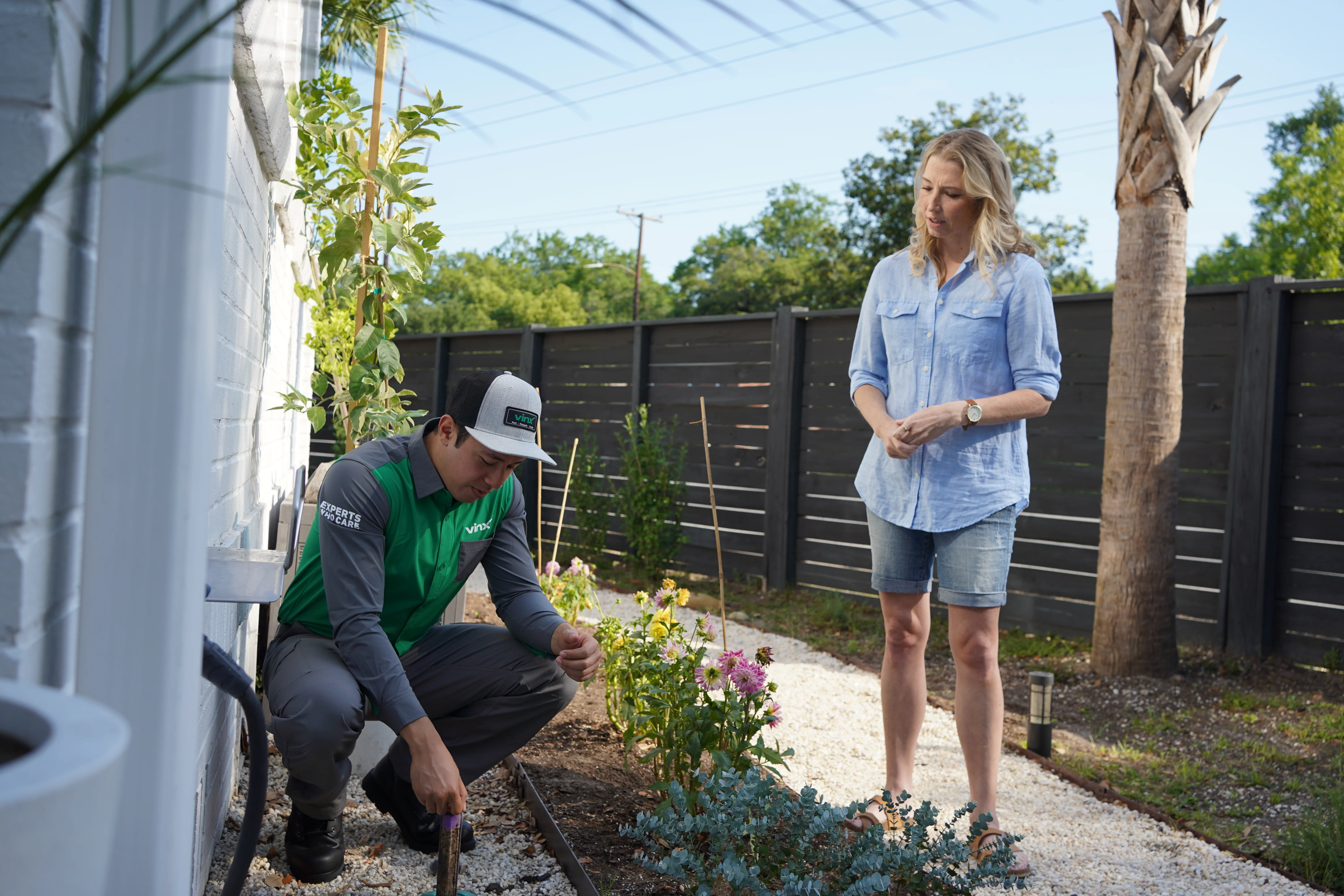
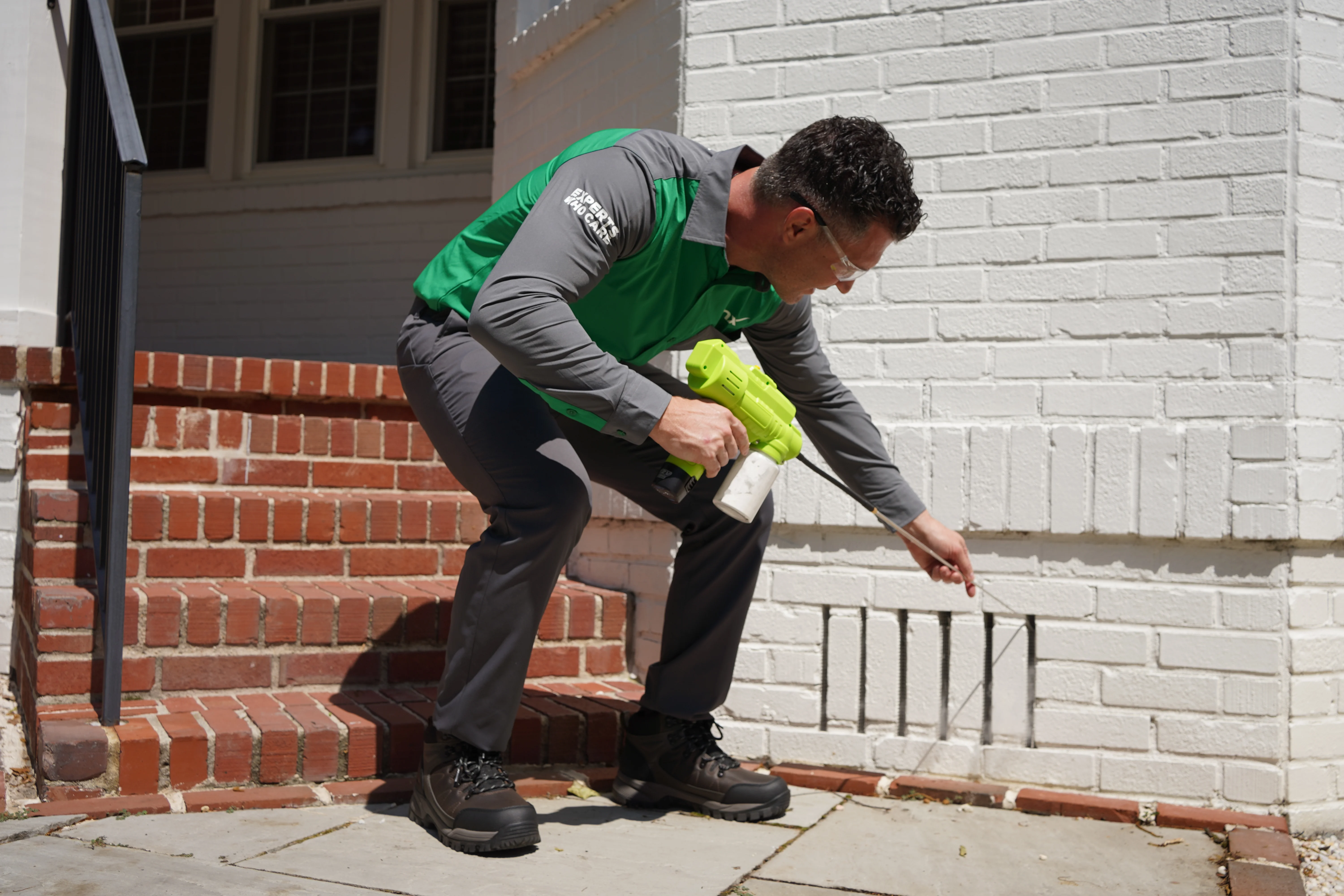
We identify and seal gaps, vents, and utility penetrations rodents use to get inside. House mice need only a quarter-inch gap, about the width of a pencil, and rats only half an inch, so thorough exclusion is critical to lasting control, whether the property is an older building near the Old Mill or a commercial space on Sunset Boulevard. We seal with copper mesh, hardware cloth and sealant rather than foam alone, because rodents chew straight back through foam.
Trapping & Removal
Strategic trap placement targets existing indoor activity, with placement tailored to whether the species burrows at ground level near disturbed soil (Norway rats), climbs and nests above ground (roof rats), or stays close to riverfront and creek vegetation (marsh rice rats). Droppings settle the identification: mouse droppings are rice-grain sized with pointed ends, rat droppings capsule-shaped and up to three-quarters of an inch long.
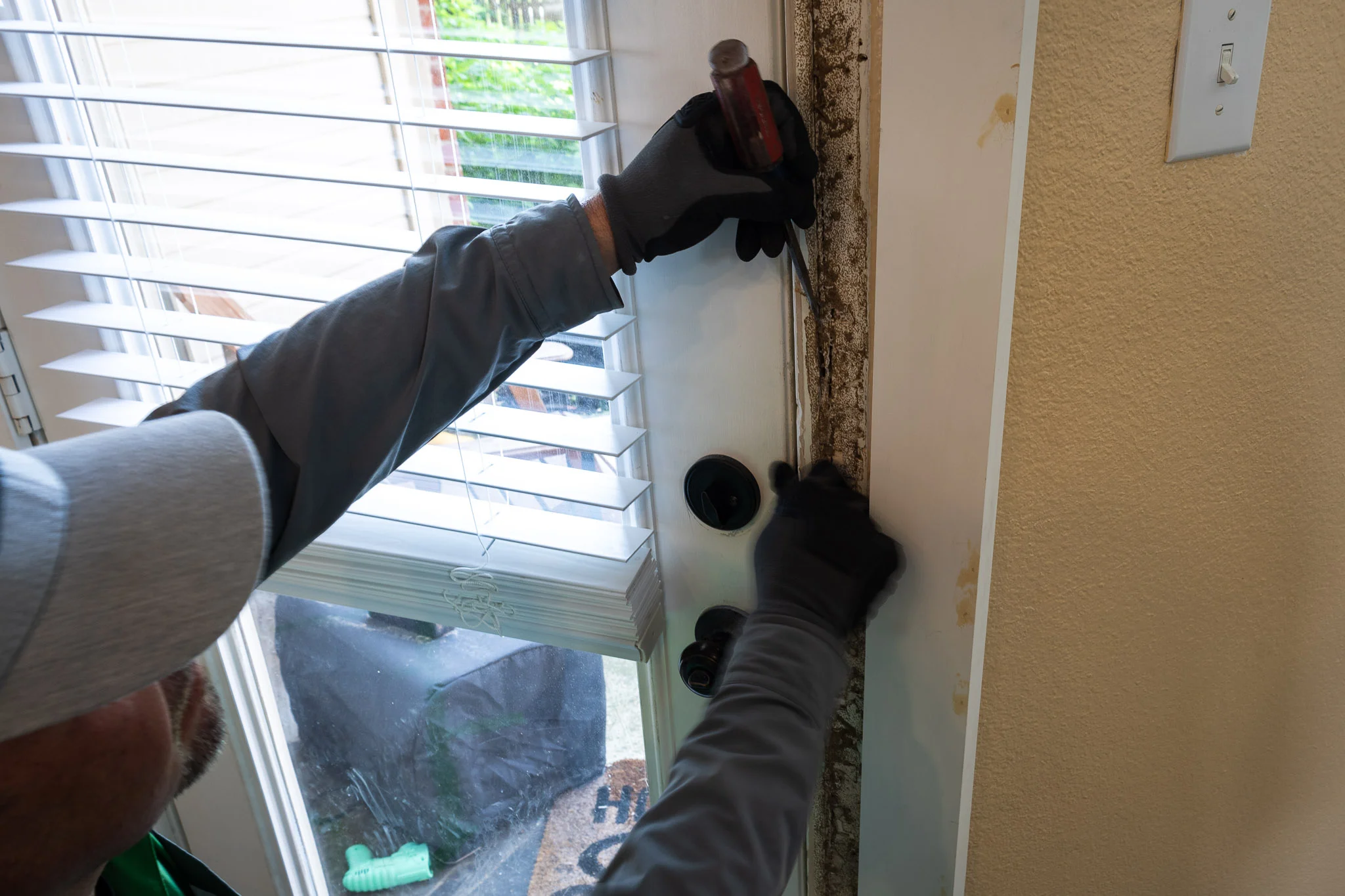
Ongoing Monitoring & Prevention
Follow-up visits confirm the infestation has been resolved and monitor for new activity, particularly important for riverfront properties near the Saluda River Club where rodents can re-establish from surrounding vegetation. Pressure climbs every fall as the region’s average first freeze, around November 3 in National Weather Service records for the Columbia area, pushes rodents indoors.
What Customers Say
Real Reviews from Lexington Homeowners
Absolutely AMAZING!! Very friendly, personable and professional. This is the first exterminating company we have used that has kept us rodent free. I love them and highly recommend them for your exterminating needs.
Verified Google ReviewThe service was great & on time. Never had a problem with the company. Always did what they say they are going to do. The employee's are all respectful & nice.
Verified Google ReviewThis was my first time dealing with Vinx I must say THEY ARE ALSOME!!!!!! I DIDN'T GET THE YOUNG MAN NAME,BUT I MUST SAYS "HE DID A GREAT JOB"!!!! I WILL LIKE FOR HIM TO COME BACK AND I WILL BE GLAD TO KEEP IN TOUCH WITH THIS COMPANY. I WILL ALSO REFERRED OTHERS ABOUT HOW ALSOME THIS COMPANY IS. IM GREATFUL FOR WHAT THIS COMPANY HAVE DONE FOR ME AND MY FAMILY.
Verified Google ReviewI was very pleased with the service that was provided, only thing they have to come back with stuff for mice. Adrian was top teir he explained everything about what he was going to do. Thanks ❤️
Verified Google ReviewTechnician was very polite and very pleasant to talk to, & explained everything that was being done.. we had mouse bait stations put outside, 🐁 and we had Ant gel put inside..🐜🐜🐜🐜priced well also.
Verified Google ReviewVery professional knowledgeable personable great tech would recommend Leon to anyone
Verified Google ReviewSpecies Guide
Rodent Species Common to Lexington, SC
The historic core has been handling grain and livestock far longer than it has been handling retail. By its incorporation in 1861 the town supported a carriage factory, a saw-and-gristmill, blacksmiths, a tannery and a livestock yard, and the Lexington Textile Mill followed in 1890. Rodent pressure follows stored food and the residue of animal handling much more reliably than it follows building age, and ground that has been milling grain and holding stock for a century and a half tends to keep a resident population close by. On those downtown blocks the productive work is sealing the building, not baiting the alley.
Norway Rat (Rattus norvegicus)
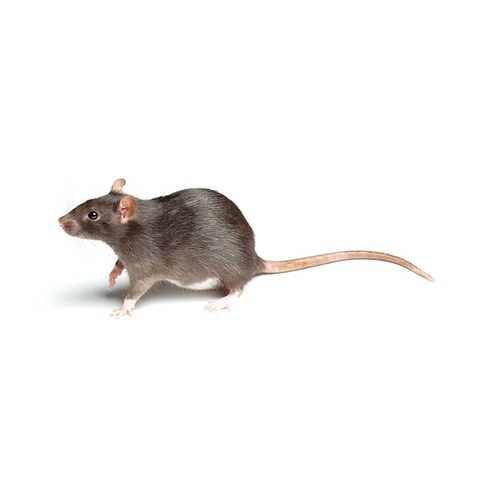
A larger, ground-burrowing rat that nests at foundations, dense landscaping, and disturbed soil rather than climbing. This species is a genuine concern along the Twelvemile Creek corridor, where Lexington’s newest residential construction leaves plenty of freshly disturbed ground for it to exploit. Norway rats are the most commonly reported rat species in residential pest control and can gnaw through wood, plastic, and soft metals. This is also the species that carries Seoul virus, one reason the CDC treats rat waste around a home or dumpster as a health matter rather than a nuisance.
Roof Rat (Rattus rattus)
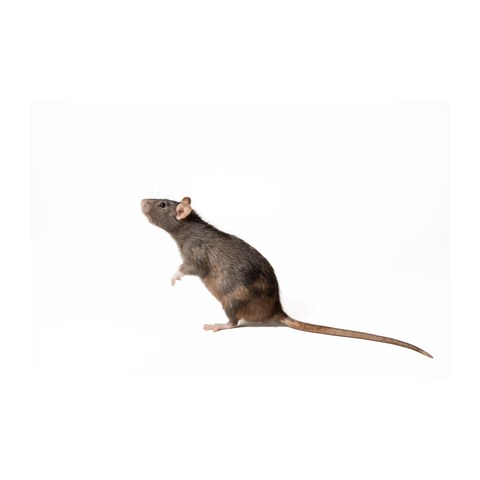
A strong climber that nests above ground in attics, dropped ceilings, and dense vegetation rather than burrowing. Commercial dumpsters and rooflines along Sunset Boulevard give this species reliable food access and cover close to hotels, restaurants, and businesses. Scratching sounds from attic spaces at night are the most common homeowner report for this species, and a limb within a few feet of the roofline is usually how it got there.
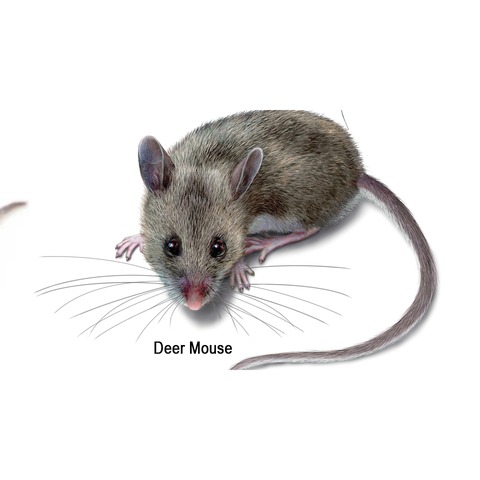
House Mouse (Mus musculus)
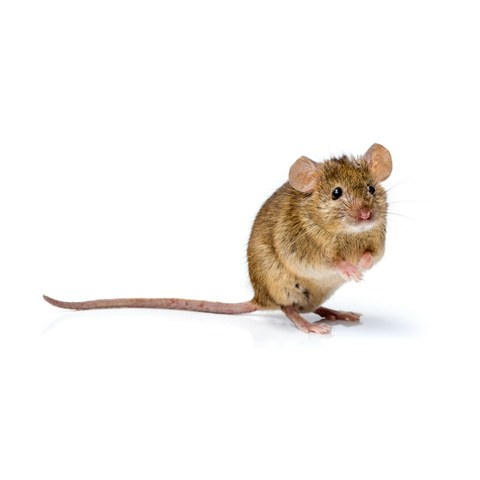
The smallest and most adaptable local rodent species, capable of entering through gaps as small as a pencil’s width. House mice are a steady, year-round concern around the older buildings and businesses throughout the Old Mill and downtown Main Street corridor. Their small size makes thorough exclusion essential, sealing a gap that looks inconsequential is often what actually stops the activity. A female raises several litters a year, so two mice in October can be a colony by January.
Marsh Rice Rat (Oryzomys palustris)
A semi-aquatic rodent documented in freshwater wetland habitats reaching inland within South Carolina, historically noted in the state’s rice-growing river bottoms. Its habitat preference for marshy, low-lying vegetation makes it a genuine factor both for riverfront properties near the Saluda River Club and Kingston Harbour and for the flood-prone Fourteenmile Creek and Gibson Pond corridor, where the dam was rebuilt in 2021. It rarely enters a home unless mowing stops or high water displaces it.
By Neighborhood
Rodent Pressure Across Lexington
Old Mill & Downtown Main Street Corridor
House Mouse Risk. Older buildings, restaurants, and retail space throughout this historic corridor give house mice steady food access and small entry points, a quarter-inch gap is all this species needs. Lexington was chartered as a town in 1861 and the Old Mill dam was reconstructed in 2022, so this is the oldest building stock in a town that is otherwise mostly new.
Sunset Boulevard Corridor
Roof Rat Risk. Commercial dumpsters and accessible rooflines along this busy retail corridor, which carries U.S. Route 1 through town, give roof rats consistent above-ground food access and shelter close to hotels, restaurants, and businesses.
Saluda River Club & Kingston Harbour
Marsh Rice Rat Risk. Proximity to the Saluda River’s vegetated shoreline, five miles downstream of the Saluda Dam, gives this semi-aquatic species exactly the low-lying wetland habitat it prefers.
Fourteenmile Creek & Gibson Pond Corridor
Marsh Rice Rat Risk. Flood-prone, marshy ground along this creek corridor gives marsh rice rats the same low-lying wetland habitat found near the river.
Twelvemile Creek Corridor
Norway Rat Risk. Freshly disturbed soil from Lexington’s newest residential construction gives Norway rats ample ground-level burrowing opportunity near new builds, and this corridor drains the south half of town toward the Saluda while Fourteenmile drains the north.
Complete Coverage
What Vinx Treats in Your Lexington Home
Every common Lexington pest covered under one quarterly service plan

Ants
Ants, Argentine ants, carpenter ants, and odorous house ants. Perimeter bait, mound treatment, crack and crevice application.
All Plans
Cockroaches
American, Asian, and German cockroaches. Gel bait in harborage areas, exterior perimeter spray, drain treatment.
All Plans
Spiders
Web removal from eaves, exterior perimeter targeting harborage. Black widow identification and targeted treatment.
All Plans
Wasps & Hornets
Nest removal from eaves, soffits, structural voids. Preventative treatment of common nesting sites on each quarterly visit.
All Plans
Fleas & Ticks
Yard treatment targeting grassy and shaded areas. Interior treatment of active infestation areas.
Plus & Platinum
Bed Bugs
Inspection, heat treatment assessment, and targeted chemical treatment.
Platinum (12mo)
Rodents
Exterior bait station monitoring included in Plus and Platinum. Active infestation and full exclusion quoted separately after inspection.
Plus & Platinum
Mosquitoes
Monthly barrier spray and larvicide. Year-round service adjusted seasonally. Up to 90% population reduction per visit.
Platinum Only
Occasional Invaders
Silverfish, earwigs, centipedes, stink bugs, ladybugs, pillbugs. Crack and crevice treatment, perimeter spray, entry point ID.
All PlansWarning Signs
Signs of Rodent Activity in Your Lexington Home
Scratching Sounds in the Attic or Walls
Especially at night, often a sign of roof rat activity above ground, particularly near commercial properties on Sunset Boulevard.
Droppings Near Food Storage or the Garage
A key indicator regardless of species, size and shape help identify whether it’s a rat or a house mouse.
Gnaw Marks on Wood, Wiring, or Stored Items
Rodents gnaw continuously to keep their teeth worn down, chewed wiring is a fire hazard.
Burrows or Holes Near the Foundation or a New Build
A common sign of Norway rat activity at ground level, especially along the Twelvemile Creek corridor.
Rodent Activity Near the Riverbank or Low-Lying Vegetation
Often a sign of marsh rice rat activity near the Saluda River Club and Fourteenmile Creek corridors.
Because rodents can chew through electrical wiring and contaminate stored food, addressing activity early reduces both property damage risk and health concerns. A musty, ammonia-like odor in an attic or crawl space is worth acting on too: concentrated urine smell in an enclosed space points to an established population rather than a stray visitor.
Homeowner Tips
6 Ways to Reduce Rodent Activity Around Your Lexington Home
Common Questions
Rodent Control FAQ for Lexington Homeowners
Rodent monitoring is included in Vinx’s general pest plans starting at $49/mo. Targeted rodent removal, including exclusion and trapping for an active infestation, is quoted after a free inspection. Call (855) 800-8469 for a quote.
Norway rats are larger and burrow at ground level near disturbed soil, common along the newer construction on Twelvemile Creek. Roof rats are smaller, better climbers, and nest above ground in attics and rooflines, more typical of the commercial buildings along Sunset Boulevard.
Yes. The marsh rice rat is a semi-aquatic species documented in freshwater wetland habitats reaching inland within South Carolina. It’s a genuine factor for riverfront properties near the Saluda River Club and Kingston Harbour, as well as the flood-prone Fourteenmile Creek and Gibson Pond corridor, where marshy vegetation gives it the habitat it favors.
House mice need only a gap the width of a pencil to get inside, and older buildings with regular food access, like the restaurants and retail spaces throughout the Old Mill and downtown Main Street corridor, are exactly the environment this species thrives in.
Both. Trapping addresses existing activity, but without sealing the entry points rodents are using, new rodents will simply move in through the same gaps. Our approach leads with exclusion.
A house mouse problem is frequently resolved in one to two weeks once entry points are sealed and traps are working. An established rat population, especially Norway rats burrowed in disturbed ground on a Twelvemile Creek build site or roof rats over a Sunset Boulevard kitchen, usually takes several weeks and more than one follow-up visit. Exclusion is what keeps the timeline from starting over the next fall, when the first freeze pushes everything back indoors.
Rodents can contaminate food, chew through electrical wiring (a fire hazard), and spread disease. The CDC lists salmonellosis, leptospirosis, rat-bite fever, and hantavirus among the illnesses rodents transmit directly, through contact with droppings, urine, or saliva, through contaminated food, or by breathing dust from nesting areas, with Seoul virus the hantavirus carried by Norway rats. Never sweep or vacuum droppings: ventilate the room, wet them with disinfectant, wipe them with gloves and bag the waste, which is the CDC-recommended method.
Norway rats are typically found at ground level near burrows in freshly disturbed soil. Roof rats are found above ground in attics and rooflines. House mice turn up in any structure with food access. Marsh rice rats are more likely in vegetation near the riverbank or creek. Your technician will confirm the species during the initial inspection.
Yes. Commercial dumpsters and accessible rooflines give roof rats reliable food access and shelter close to hotels, restaurants, and businesses along this corridor, making it a more common site for this species than for ground-burrowing Norway rats.
Yes. We use an exclusion-first approach and, where bait stations are necessary, tamper-resistant stations secured to prevent access by pets and children.
Yes. Vinx Pest Control is licensed and insured to operate in South Carolina under Pest Control Operator license B3623, regulated by Clemson University’s Department of Pesticide Regulation, with technicians trained to identify and treat the specific rodent species found throughout Lexington and the greater Columbia area.
Where We Serve
Rodent Control Across Lexington & the Greater Columbia Area
Serving the Greater Columbia Area