
Rodent Control in Elgin, SC
Norway Rat, Roof Rat, Hispid Cotton Rat & House Mouse Experts
Rodent pressure in Elgin follows food access and shelter more than any single neighborhood. Norway rats gravitate toward dumpsters and food waste near the newer commercial development at I-20 Exit 87, roof rats favor the longleaf pine tree cover around White Pond and the Sandhills, house mice slip into the historic storefronts of the Blaney corridor and the established homes of the school district, and hispid cotton rats work the brushy pastures out where Elgin straddles the Kershaw-Richland county line. The town itself is barely a square mile with about 1,600 residents, while the surrounding community runs to some 34,000, so the same street can go from storefront to pasture in a few blocks. Vinx treats the species that’s actually present, then seals the gaps that let it in.
Get Started in 60 Seconds
Choose what’s easiest for you
Request a Quote
We usually respond in 2 minutes
Call 855-800-8469
Get a Live Person (no AI agents here!)
Sign Up Online
Get pricing and schedule now





Welcome to Vinx Pest Control
A Company That Actually Backs What It Says
At Vinx, we pair professional-grade treatment with a level of follow-through most pest control companies skip. Local technicians, fast response, and a guarantee that holds up after the invoice is paid.
Get a Free Quote“I’m not passionate about killing bugs. I’m passionate about customer service. At Vinx, you get experts who show up, do the job right, and stand behind every visit. No runaround, no fine print.”
PROTECTION PLANS
Rodent Control Plans for Elgin Homeowners
100% money-back guarantee on every plan.

Standard Residential Protection
- 4 Seasonal Treatments Per Year
- 50+ Covered Pests
- Interior, Exterior & Yard Treatment
- Unlimited Free Re-Services
- 100% Money-Back Guarantee
- Fire Ant Yard Guarantee
- Flea & Tick Coverage
- Mosquito Treatments

Upgraded Yard Protection
- 6 Home & Yard Treatments Per Year
- 50+ Covered Pests
- Interior, Exterior & Yard Treatment
- Unlimited Free Re-Services
- 100% Money-Back Guarantee
- Fire Ant Yard Elimination Guarantee
- Flea & Tick Elimination Guarantee
- Mosquito Treatments

Most Comprehensive Protection
- 9 Treatments Per Year
- 50+ Covered Pests
- Interior, Exterior & Yard Treatment
- Unlimited Free Re-Services
- 100% Money-Back Guarantee
- Fire Ant Yard Elimination Guarantee
- Interior Flea & Tick Coverage
- 8 Mosquito Treatments (Mar–Nov)
- Free Bed Bug Treatments if Needed*
Targeted rodent removal — full inspection, entry point sealing (exclusion), trapping, and a follow-up visit to confirm elimination — is quoted separately after a free inspection. Managing a shop or restaurant along the Blaney corridor or near Exit 87? Ask about our commercial rodent exclusion options. *Starting rates vary by home size and area. All plans billed monthly.
Get Your Free Elgin Rodent Inspection
Fill out the form below and a Vinx team member will reach out within 2 minutes during business hours.
Prefer to talk? Call 855-800-8469 for a live person, no AI agents.
How It Works
How Vinx Controls Rodents in Elgin

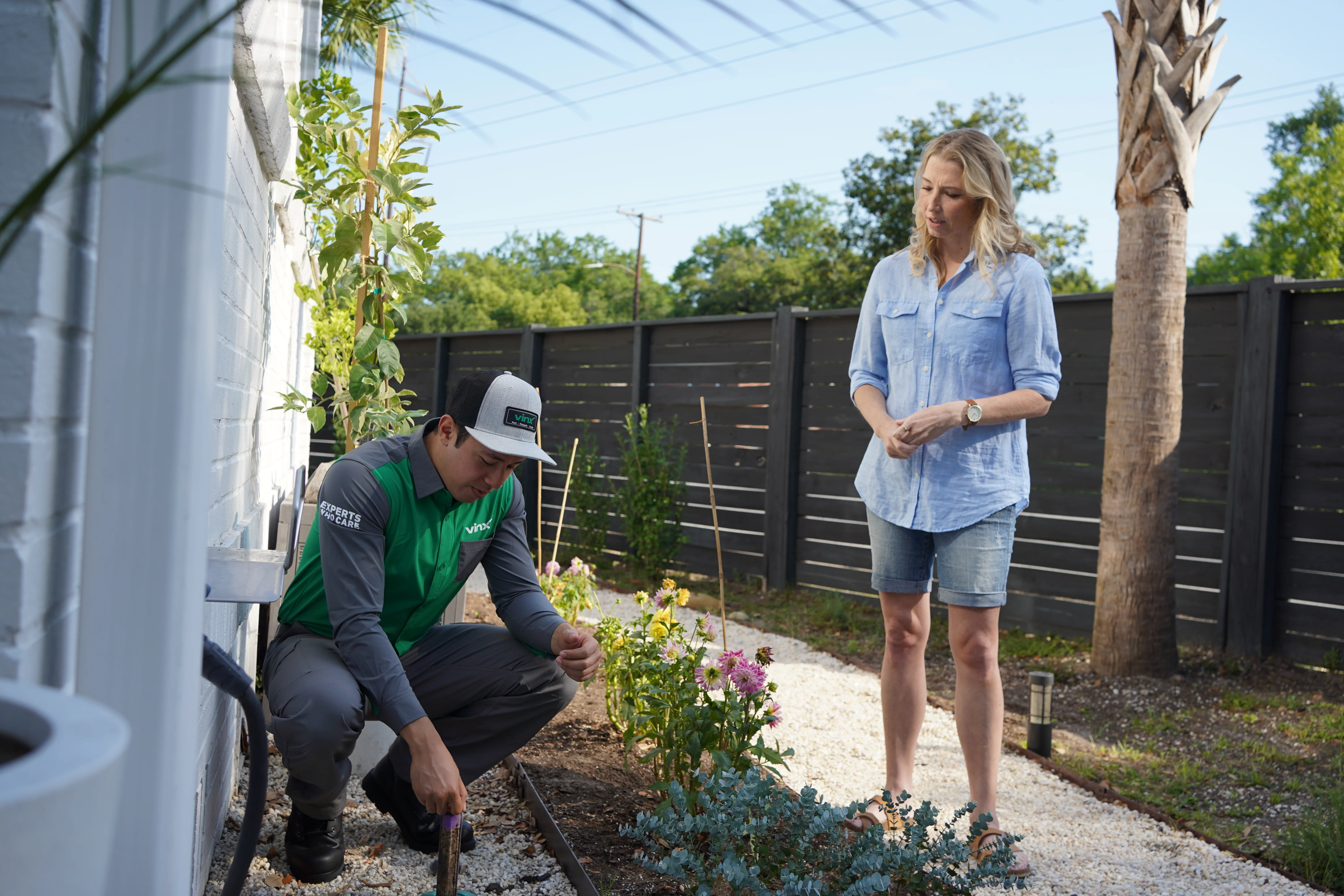
Inspection & Species Identification
Your technician inspects attics, foundations, crawl spaces, dumpster and loading areas, and brushy property edges, and identifies whether Norway rats, roof rats, hispid cotton rats, or house mice are present. Droppings tell most of the story: mouse droppings are rice-grain sized with pointed ends, rat droppings capsule-shaped and up to three-quarters of an inch long, with rub marks and burrows filling in the rest.
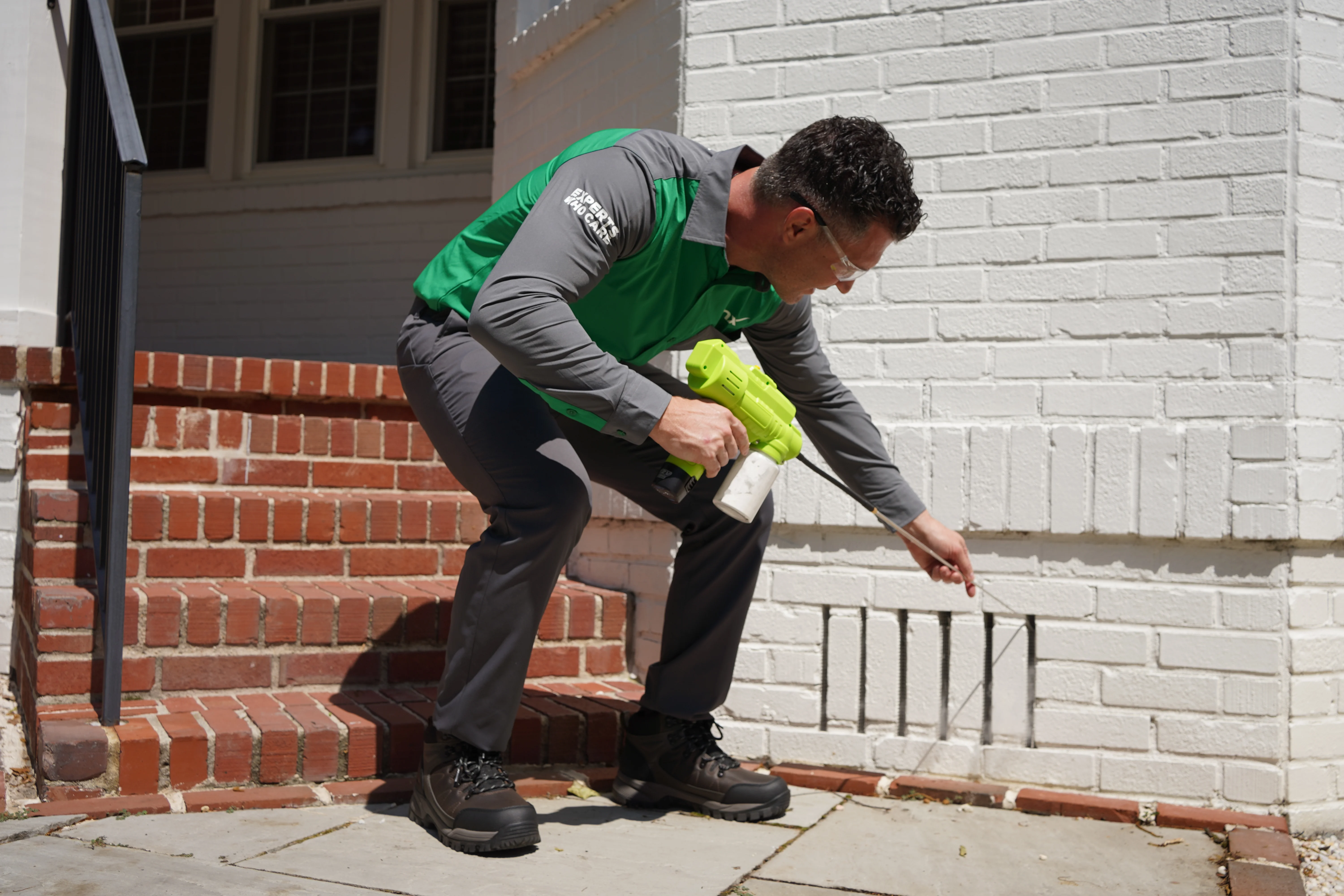
Exclusion & Entry Point Sealing
Gaps, gnaw points, and foundation entry points are identified and sealed with copper mesh, sealant, and hardware cloth, cutting off access before treatment begins. A mouse needs only a quarter-inch opening and a rat a half-inch, so the settled sills of storefronts on a Main Street that has carried U.S. Route 1 since 1931 get the same scrutiny as the dock doors on the newer commercial buildings near I-20 Exit 87.
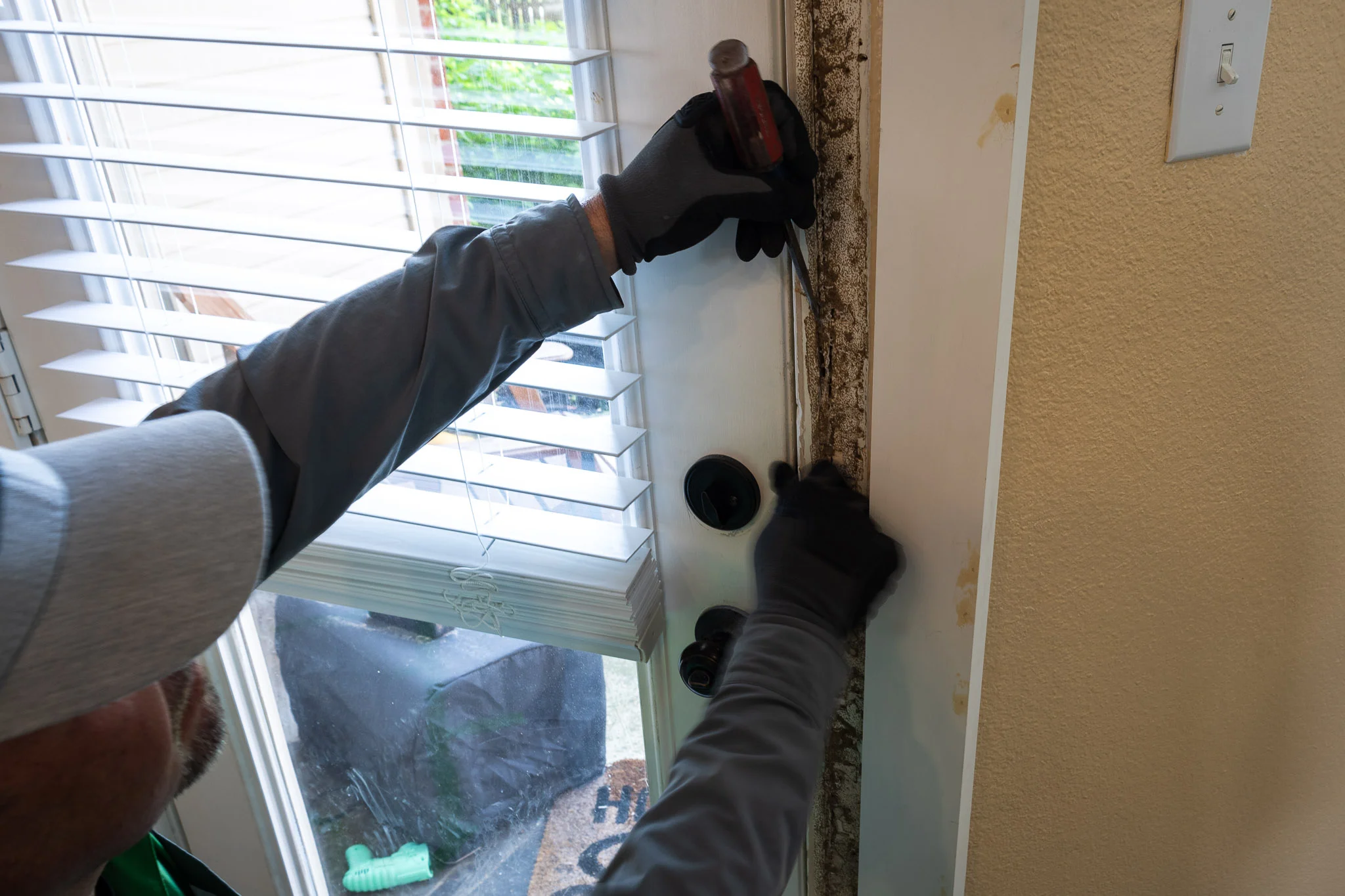
Targeted Trapping & Bait Placement
Trapping does the heavy lifting indoors, with traps set along walls and the active runways rodents actually use. Tamper-resistant bait stations are placed only where species and site conditions call for them, whether that’s a dumpster area, an attic void in the pines around White Pond, or a brushy field edge out toward the county line, so children, pets, and livestock never have contact with bait.
Ongoing Monitoring & Prevention
Follow-up visits maintain protection through the Midlands’ active rodent season. Rats and mice are a year-round problem in South Carolina, but pressure climbs every fall as the region’s average first freeze, around November 3 in National Weather Service records for the Columbia area, pushes them indoors. Free re-service is there between visits if activity returns.
What Customers Say
Real Reviews from Elgin Customers
The service was great & on time. Never had a problem with the company. Always did what they say they are going to do. The employee's are all respectful & nice.
Verified Google ReviewThis was my first time dealing with Vinx I must say THEY ARE ALSOME!!!!!! I DIDN'T GET THE YOUNG MAN NAME,BUT I MUST SAYS "HE DID A GREAT JOB"!!!! I WILL LIKE FOR HIM TO COME BACK AND I WILL BE GLAD TO KEEP IN TOUCH WITH THIS COMPANY. I WILL ALSO REFERRED OTHERS ABOUT HOW ALSOME THIS COMPANY IS. IM GREATFUL FOR WHAT THIS COMPANY HAVE DONE FOR ME AND MY FAMILY.
Verified Google ReviewI was very pleased with the service that was provided, only thing they have to come back with stuff for mice. Adrian was top teir he explained everything about what he was going to do. Thanks ❤️
Verified Google ReviewTechnician was very polite and very pleasant to talk to, & explained everything that was being done.. we had mouse bait stations put outside, 🐁 and we had Ant gel put inside..🐜🐜🐜🐜priced well also.
Verified Google ReviewVery professional knowledgeable personable great tech would recommend Leon to anyone
Verified Google ReviewVery friendly and knowledgeable. Always take the extra step.
Verified Google ReviewElgin Rodent Pressure
Why Rodent Control in Elgin Isn’t One-Size-Fits-All
A lot of pest control companies set the same generic traps everywhere, regardless of which species is actually present or why. That’s a mistake in Elgin, where a genuinely varied mix of a historic Main Street corridor, a newer interstate commercial node, a sandhills lake community, established school-district neighborhoods, and rural county-line acreage creates rodent pressure that varies zone by zone.
Norway rats are strong burrowers that nest at ground level near reliable food sources, making the dumpsters, loading areas, and food waste around the newer restaurants and fuel stops at I-20 Exit 87 a genuine concern. Roof rats, by contrast, are excellent climbers that favor attics and tree cover over ground-level burrows, and wildlife damage management research specifically documents this species favoring landscaped, tree-covered properties — a strong fit for the longleaf pine cover around White Pond and the surrounding Sandhills. Along U.S. Route 1’s historic Blaney corridor and throughout the Lugoff-Elgin school district neighborhoods, the house mouse, the rodent most likely to invade an older storefront or an established home regardless of season, takes advantage of small gaps in aging construction and steady food access. And out where Elgin straddles the Kershaw-Richland county line, the hispid cotton rat, confirmed as an established statewide South Carolina species, favors the dense grassy fields and brushy pastures this lower-density outskirts area offers.
4 Rodent Species Common to Elgin

Norway Rat (Rattus norvegicus)
A strong burrower that nests at ground level near reliable food sources. This makes the dumpsters, loading areas, and food waste around the newer restaurants and fuel stops at I-20 Exit 87 a genuine concern for this species. It is also the primary carrier of Seoul virus, one reason the CDC treats rat waste behind a kitchen as a health matter and not just a nuisance.
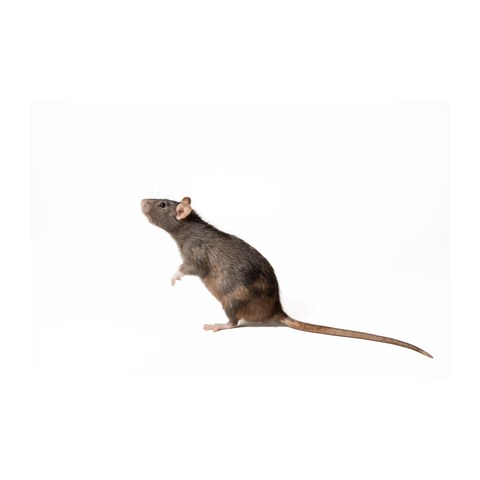
Roof Rat (Rattus rattus)
An excellent climber that prefers attics, upper floors, and tree cover over ground-level burrows. Wildlife damage management research specifically documents this species favoring landscaped, tree-covered properties, making the longleaf pine cover around White Pond and the surrounding Sandhills a genuine fit, and a limb touching the roofline is its preferred highway into an attic.

House Mouse (Mus musculus)
The rodent most likely to invade an older storefront or an established home, capable of squeezing through gaps as small as a dime. Common along the historic Blaney corridor’s aging buildings and throughout the residential streets of the Lugoff-Elgin school district neighborhoods, especially once November lows settle into the mid-40s. The town has doubled since 2000, from 806 residents to 1,634, so newer subdivisions with unsealed utility penetrations sit alongside buildings that go back to when this was Blaney.

Hispid Cotton Rat (Sigmodon hispidus)
Confirmed as an established, statewide South Carolina species that favors dense grassy fields and brushy pastures. This makes the lower-density acreage out where Elgin straddles the Kershaw-Richland county line a natural fit for this species, in a county whose farms hold more than 46,000 acres of woodland and over 9,500 acres of hay. It rarely enters a home unless mowing stops or floodwater displaces it.
Scale is the thing to hold onto here. The Town describes itself as stretching 1.08 square miles, with U.S. Route 1 serving as its Main Street and running parallel to Interstate 20; Route 1 reached the area in 1931, running Canada to Miami and crossing and re-crossing the Seaboard Railway through Kershaw County. Elgin is therefore a narrow town wrapped around a braided highway and rail corridor, and almost nothing in it sits far from that braid. Corridors of that kind are continuous cover and continuous spillage, and rodents use them to travel between places that look unconnected on a map — which is why exclusion at the building earns more here than trapping out in the yard.
By Neighborhood
Rodent Risk Across Elgin
U.S. Route 1 & Historic Blaney Corridor: House Mouse Risk
Elgin’s Main Street since 1931 carries a mix of older storefronts and homes whose small gaps and aging construction give house mice steady entry points, and the town was chartered here as Blaney in 1908 with just 116 residents, so some of this building stock is genuinely old.
I-20 Exit 87 Corridor: Norway Rat Risk
Dumpsters, loading areas, and food waste near the newer restaurants and fuel stops three miles southeast of town give Norway rats the reliable food source this species is well-documented to seek out, and Kershaw County’s code makes it unlawful to let junk and trash accumulate behind a business, so a rat problem here is a compliance problem too.
White Pond & Sandhills Corridor: Roof Rat Risk
Longleaf pine cover and well-drained sandy soil around the lake give roof rats the climbing access and shelter this species favors; Elgin sits at 413 feet on the Carolina Sandhills, a belt of stabilized wind-blown dunes, so burrowing species have less to work with here than climbers do.
Lugoff-Elgin School District Corridor: House Mouse Risk
Family neighborhoods around Elgin’s schools carry the same house mouse entry risk found along the Blaney corridor, and the subdivisions built during the town’s doubling since 2000 add builder-grade gaps at AC lines and dryer vents.
Kershaw-Richland County Line Outskirts: Hispid Cotton Rat Risk
Dense grassy fields and brushy pastures across this lower-density, two-county area give the hispid cotton rat the habitat it favors statewide, and Kershaw County’s 575 farms add hay barns, feed rooms and poultry houses that keep Norway rats and mice supplied year-round.
Complete Coverage
What Vinx Treats in Your Elgin Home
Every common Elgin pest covered under one quarterly service plan

Ants
Ants, Argentine ants, carpenter ants, and odorous house ants. Perimeter bait, mound treatment, crack and crevice application.
All Plans
Cockroaches
American, Asian, and German cockroaches. Gel bait in harborage areas, exterior perimeter spray, drain treatment.
All Plans
Spiders
Web removal from eaves, exterior perimeter targeting harborage. Black widow identification and targeted treatment.
All Plans
Wasps & Hornets
Nest removal from eaves, soffits, structural voids. Preventative treatment of common nesting sites on each quarterly visit.
All Plans
Fleas & Ticks
Yard treatment targeting grassy and shaded areas. Interior treatment of active infestation areas.
Plus & Platinum
Bed Bugs
Inspection, heat treatment assessment, and targeted chemical treatment.
Platinum (12mo)
Rodents
Exterior bait station monitoring included in Plus and Platinum. Active infestation and full exclusion quoted separately after inspection.
Plus & Platinum
Mosquitoes
Monthly barrier spray and larvicide. Year-round service adjusted seasonally. Up to 90% population reduction per visit.
Platinum Only
Occasional Invaders
Silverfish, earwigs, centipedes, stink bugs, ladybugs, pillbugs. Crack and crevice treatment, perimeter spray, entry point ID.
All PlansWarning Signs
Signs of Rodent Activity in Your Elgin Home or Business
Scratching Sounds in Walls, Attics, or Ceilings
Especially at night when rodents are most active; in a crawl-space home the sound often carries up through the walls.
Droppings Near Food Storage, Dumpsters, or Attic Spaces
Rice-grain sized with pointed ends means mice; capsule-shaped pellets up to three-quarters of an inch mean rats.
Gnaw Marks on Wood, Wiring, or Food Packaging
Rodents gnaw continuously to keep their teeth worn down, and chewed wiring insulation is a real fire hazard in older buildings.
Grease Marks Along Baseboards or Entry Points
Left behind as rodents repeatedly travel the same paths.
Gnawed Trash Bags or Rodent Burrows Near Dumpsters After Deliveries
Often a sign of Norway rat activity near I-20 Exit 87.
Musty, Ammonia-Like Odor in an Attic, Garage, or Crawl Space
Concentrated urine odor in an enclosed space points to an established population, not a stray visitor.
Because house mice can enter through gaps as small as a dime, sealing entry points is just as important as trapping, which matters most for the older storefronts along Blaney and the established homes of the school district neighborhoods.
Homeowner Tips
6 Ways to Reduce Rodent Activity Around Your Elgin Home or Business
Common Questions
Rodent Control FAQ for Elgin Homeowners & Businesses
The general pest plans include rodent control: HomeGuard $49/mo, Plus $75/mo, Platinum $109/mo, each with a $329 initial treatment and a 12-month agreement. Call 855-800-8469 for a free quote.
Norway rats are strong burrowers drawn to reliable food sources, and this species is well documented as a recurring issue around dumpsters, loading areas, and food waste at restaurants and fuel stops.
Roof rats are excellent climbers that prefer attics and tree cover over ground-level burrows, and the longleaf pine cover around White Pond and the Sandhills gives them easy access. On sandy Sandhills ground a climbing species has the advantage, so limbs over the roofline and open gable vents are the first things we check.
Yes. The I-20 Exit 87 corridor sees more Norway rat activity tied to dumpsters and food waste, while the Blaney corridor and school district neighborhoods see more house mouse activity tied to building entry points. Both need exclusion, but the entry points differ: dock doors and dumpster pads in one case, settled sills and utility penetrations in the other.
It’s a grassland species confirmed as established statewide in South Carolina, and the dense grassy fields and brushy pastures out where Elgin straddles the Kershaw-Richland county line give it the habitat it favors. Kershaw County grows more than 9,500 acres of hay, so field and pasture edges see it too.
Yes. The CDC lists salmonellosis, leptospirosis, rat-bite fever, and hantavirus among the diseases rodents spread directly, through contact with droppings, urine, or saliva, through contaminated food, or by breathing dust from nesting areas. Seoul virus's primary carrier is the Norway rat. Droppings should never be swept or vacuumed: ventilate the space, wet them with a disinfectant, wipe them up with gloves and bag the waste, per the CDC.
Yes, we treat both. Exclusion, trapping, and bait placement address dumpster and loading areas for businesses near Exit 87 as well as attics and foundations in homes across Elgin.
House mice can squeeze through gaps as small as a dime, roughly a quarter of an inch, so sealing small entry points around foundations, utility lines, and aging construction is a key part of treatment. On a storefront that has been standing since the Blaney era, the gaps are usually where the floor meets the original masonry.
Yes. Our products are EPA-registered and go down at labeled rates under licensed South Carolina technicians, with bait held in tamper-resistant stations. Trapping and exclusion do most of the work, and stations are placed away from customer entrances, play areas and pet runs.
Yes. We work with restaurant and shop owners along the Blaney corridor and near I-20 Exit 87 on recurring commercial rodent exclusion and treatment schedules.
Yes. Vinx Pest Control is licensed and insured to operate in South Carolina under Pest Control Operator license B3623, regulated by Clemson University’s Department of Pesticide Regulation, with technicians trained to identify and treat the specific rodent species found throughout Elgin and the greater Columbia area.
With entry points sealed and traps working, a house mouse problem is often resolved in one to two weeks. An established rat population, especially Norway rats burrowed around a dumpster pad at Exit 87, usually takes several weeks and more than one follow-up visit. On an older Blaney-era building the sealing work is the long pole, and it is also what keeps the problem from starting over the next fall.
Where We Serve
Rodent Control Across Elgin & the Greater Columbia Area
Serving the Greater Columbia Area