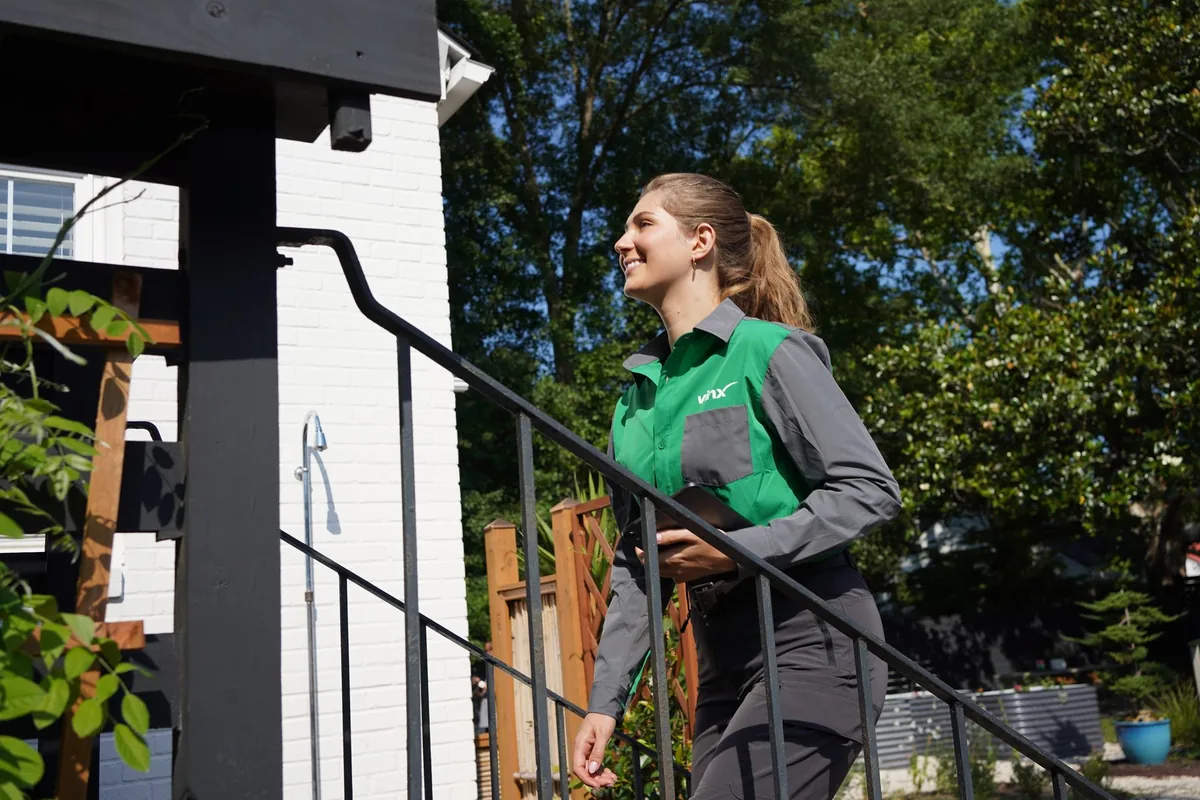
Rodent Control in Blythewood, SC
Norway Rat, House Mouse & Deer Mouse Experts: Exclusion-First Rodent Control for Every Blythewood Property
Rodent control in Blythewood takes more than traps. Vinx inspects entry points, seals gaps, sets interior and attic traps, and sanitizes contaminated areas. Norway rats work the disturbed soil around the Scout Motors construction and the older homes along Blythewood Road, house mice turn up in any kitchen, and deer mice come off the rural land toward Kelly Mill Road and the Fairfield County line. Free re-treatment guarantee.
Get Rid of Rodents Fast
Choose what’s easiest for you
Request a Free Quote
We usually respond in 2 minutes
Call 855-800-8469
24/7 Emergency Rodent Service
Sign Up Online
Get pricing and schedule now





Welcome to Vinx Pest Control
A Company That Actually Backs What It Says
At Vinx, we combine professional-grade treatments with a level of service most pest control companies don't offer. Local technicians, fast response times, and a guarantee that actually means something.
Get a Free Quote"I'm not passionate about killing bugs. I'm passionate about customer service. At Vinx, you get experts who show up, do the job right, and stand behind every visit. No runaround, no fine print."
WELCOME TO VINX PEST CONTROL
Protection Plans for Blythewood Homeowners

Standard Residential Protection
- 4 Seasonal Treatments Per Year
- 50+ Covered Pests
- Interior, Exterior & Yard Treatment
- Unlimited Free Re-Services
- 100% Money-Back Guarantee

Upgraded Yard Protection
- 6 Home & Yard Treatments Per Year
- 50+ Covered Pests
- Yard Ant Elimination Guarantee
- Flea & Tick Elimination Guarantee
- 100% Money-Back Guarantee

Most Comprehensive Protection
- 9 Treatments Per Year
- 50+ Covered Pests
- 8 Mosquito Treatments (Mar–Nov)
- Flea, Tick & Ant Coverage
- Free Bed Bug Treatments if Needed*
*Starting rates vary by home size and area. All plans billed monthly.
Request Your Free Rodent Control Quote
Fill out the form below and a Vinx team member will reach out within 2 minutes during business hours.
Prefer to talk? Call 855-800-8469 for a live person, no AI agents.
Our Approach
How Vinx Eliminates Rodents in Your Blythewood Home

Rodent Inspection & Entry Point Identification
Your technician inspects the full structure (attic, crawlspace, basement, garage, and exterior) to locate active rodent runs, droppings, gnaw marks, and nesting sites. Every gap, crack, and utility penetration larger than a quarter inch is documented as a potential entry point for mice, while rats need only a half-inch opening.
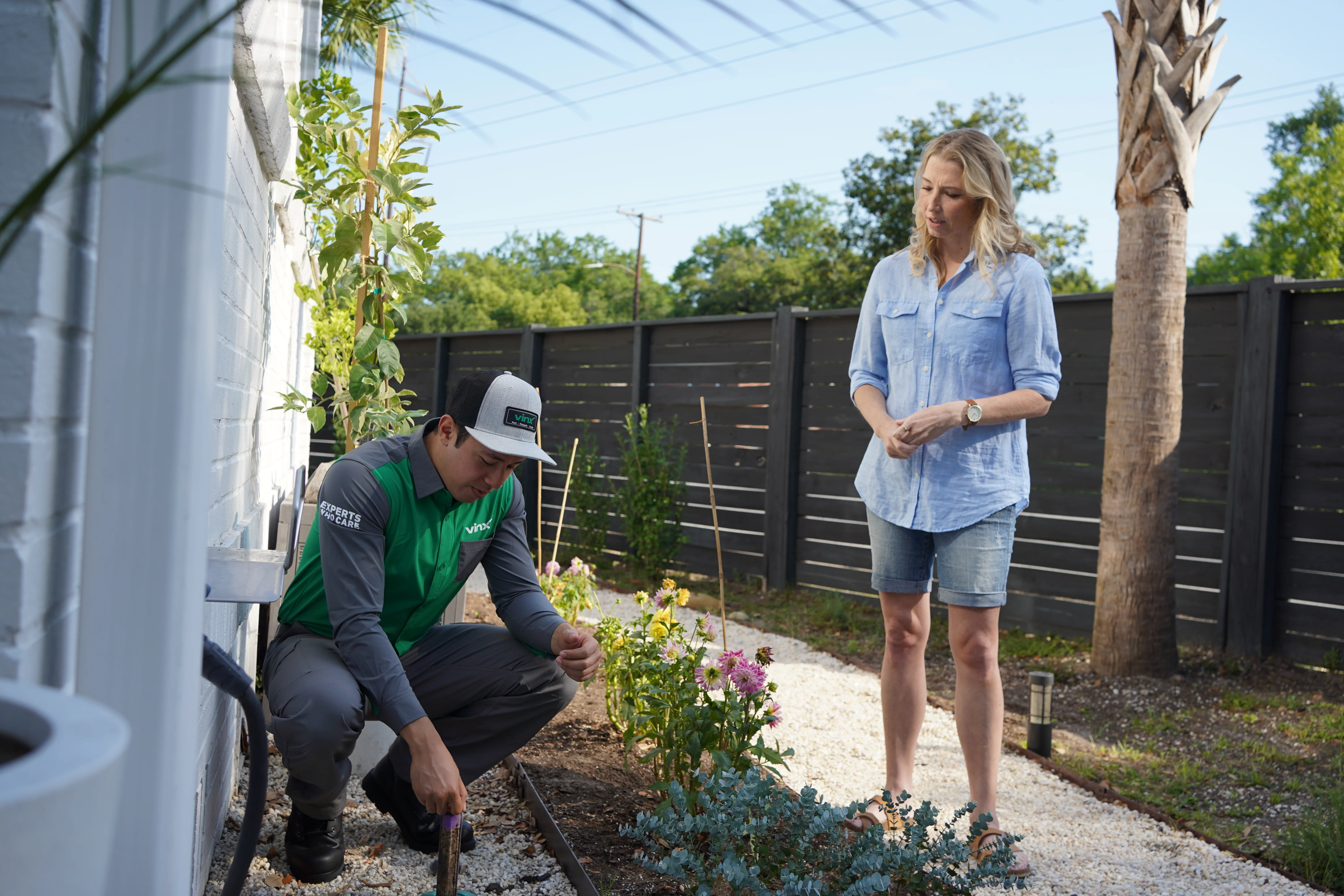
Exterior Bait Station Placement
Tamper-resistant bait stations are placed along the foundation perimeter, garage walls, and other exterior runways where rodent activity is highest. Stations are secured and labeled, safe for use around children and pets when properly deployed. Your technician maps station locations for tracking on follow-up visits.
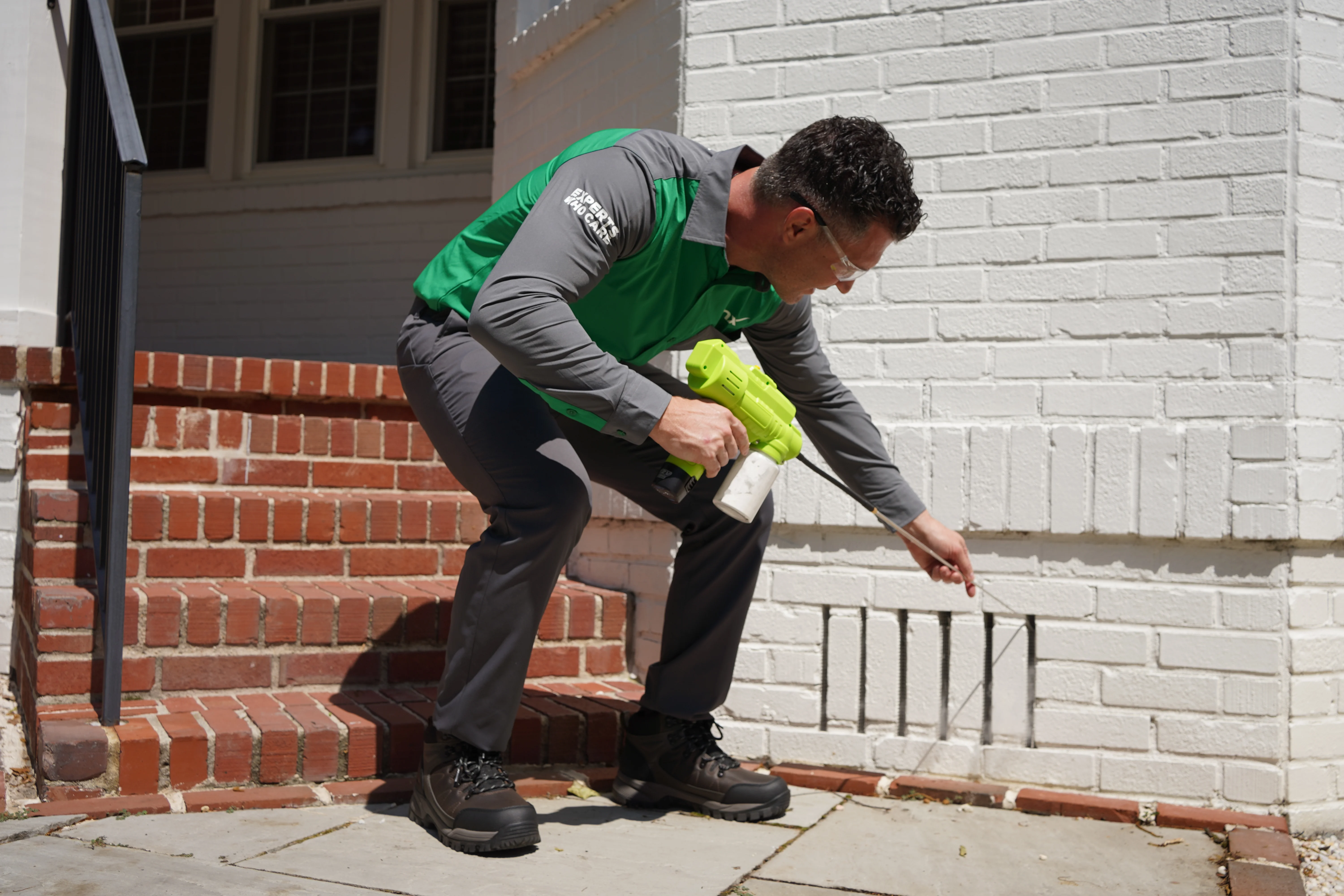
Interior Trapping
Snap traps and/or glue boards are placed along active interior runways, behind appliances, inside cabinets, along walls in the attic and crawlspace. Trap placement is based on the actual evidence found during inspection, not guesswork. Traps are checked and reset on every service visit.
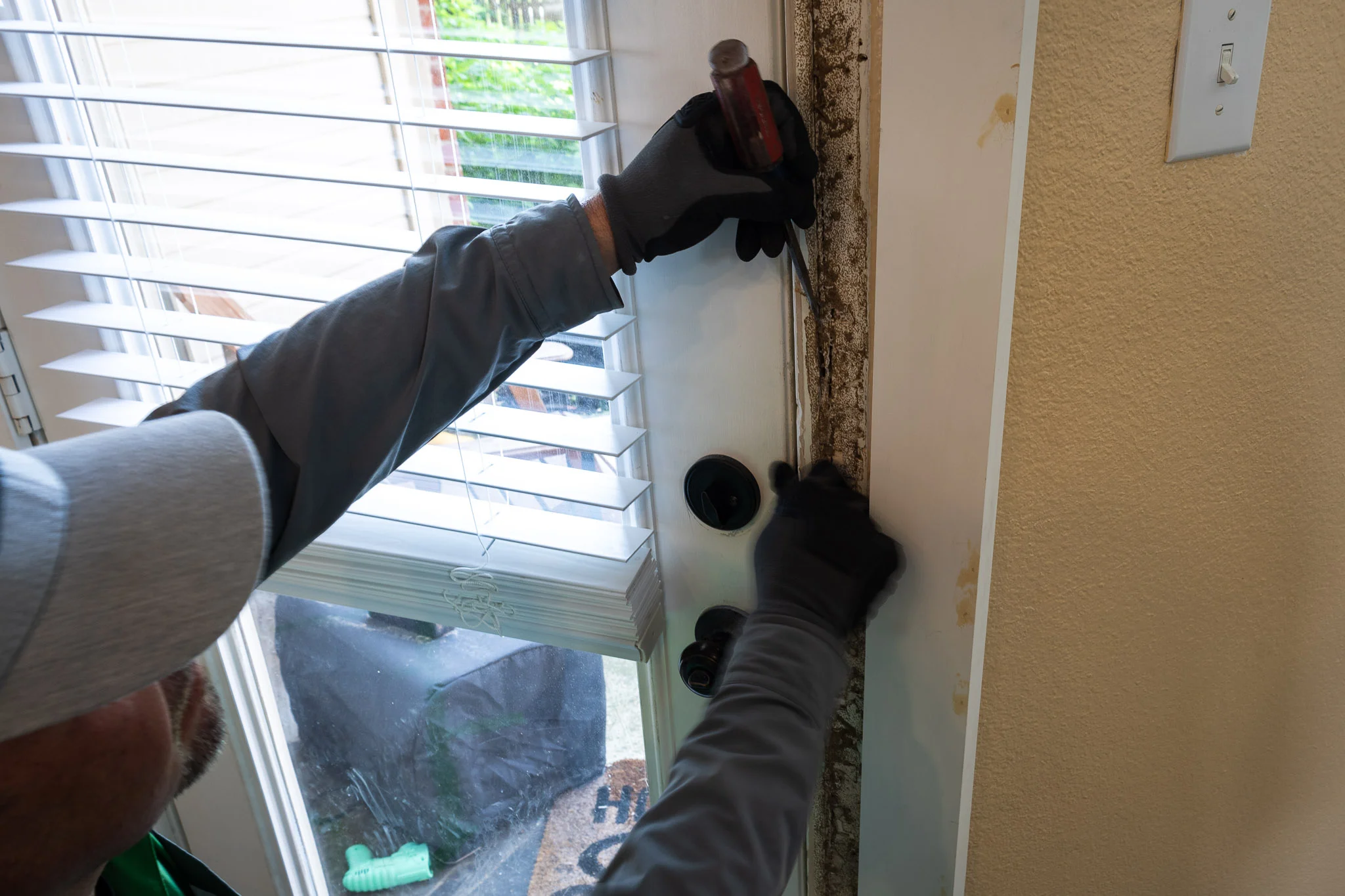
Exclusion & Follow-Up
Copper mesh, hardware cloth and sealant are used to close the entry points identified during inspection. A mouse needs only a quarter-inch opening and a rat a half-inch, and droppings settle the species question: mouse droppings are rice-grain sized with pointed ends, rat droppings capsule-shaped and up to three-quarters of an inch long. Exclusion is what prevents re-infestation, without it, new rodents move in as fast as existing ones are removed. Pressure climbs every fall as the region’s average first freeze, around November 3 in National Weather Service records for the Columbia area, pushes rodents indoors. Follow-up visits confirm the infestation has been resolved and the exclusion is holding.
What Customers Say
What Blythewood Customers Say, 4.8 Stars on Google
Absolutely AMAZING!! Very friendly, personable and professional. This is the first exterminating company we have used that has kept us rodent free. I love them and highly recommend them for your exterminating needs.
The service was great & on time. Never had a problem with the company. Always did what they say they are going to do. The employee's are all respectful & nice.
This was my first time dealing with Vinx I must say THEY ARE ALSOME!!!!!! I DIDN'T GET THE YOUNG MAN NAME,BUT I MUST SAYS "HE DID A GREAT JOB"!!!! I WILL LIKE FOR HIM TO COME BACK AND I WILL BE GLAD TO KEEP IN TOUCH WITH THIS COMPANY. I WILL ALSO REFERRED OTHERS ABOUT HOW ALSOME THIS COMPANY IS. IM GREATFUL FOR WHAT THIS COMPANY HAVE DONE FOR ME AND MY FAMILY.
Blythewood Rodent Pressure
Why Rodent Control in Blythewood Isn’t One-Size-Fits-All
Blythewood’s mix of a historic downtown corridor, large golf-course communities, a major new industrial site, and genuinely rural land creates real variation in rodent pressure from one part of town to the next. Norway rats, ground-burrowing rodents drawn to food access and disturbed soil, are a genuine concern both in older homes along the historic Blythewood Road corridor and near the construction activity around the Scout Motors and I-77 Exit 27 corridor, where ground disturbance can push existing burrows toward nearby structures.
3 Rodent Species Common to Blythewood
Norway Rat (Rattus norvegicus)
A larger, ground-burrowing rat that nests at foundations, dense landscaping, and disturbed soil rather than climbing. A genuine concern both in the older homes along the historic Blythewood Road corridor and near ground disturbance tied to construction around the Scout Motors and I-77 Exit 27 corridor, which can push existing burrows toward nearby structures.
House Mouse (Mus musculus)
The smallest and most adaptable local rodent species, capable of entering through gaps as small as a pencil’s width. House mice remain a steady, year-round concern in the newer homes throughout Cobblestone Park and Longcreek Plantation. Blythewood grew 135% between 2010 and 2020, so much of this housing is barely a decade old, and even well-built new construction isn’t immune: unsealed AC line and dryer vent penetrations are the usual way in, and a female raises several litters a year.
Deer Mouse (Peromyscus maniculatus)
More common around wooded or rural areas than commensal rodents like the house mouse. The primary rodent concern near Kelly Mill Road and the Fairfield County line. Deer mice are a known carrier of hantavirus, so droppings and nesting material should be handled carefully rather than swept or vacuumed directly.
House mice, needing only a gap the width of a pencil, are the most ubiquitous rodent pest in town, turning up steadily in the newer homes throughout Cobblestone Park and Longcreek Plantation. And deer mice, specifically noted by pest control resources as more common around wooded or rural areas, are the primary concern near Kelly Mill Road and the Fairfield County line, where they can also carry hantavirus, making droppings and nesting material worth handling carefully. Vinx identifies which species is actually present and builds an exclusion and trapping plan around it.
The rail corridor that made this town is still a feature of it. Blythewood existed first as a depot on the railroad between Charlotte and Columbia, a line General Sherman’s forces destroyed in 1865 and the community rebuilt afterwards. Rail corridors are long, continuous, lightly disturbed strips of cover and spilled food, and rodents use them as travel routes between areas that look unconnected on a map. If a property backs onto the corridor or the roads that shadow it, exclusion matters more than trapping.
Rodent Risk by Neighborhood
Know Your Blythewood Neighborhood’s Rodent Risk
Blythewood Road & Hoffman House Historic Corridor: Norway Rat Risk
Older homes near the historic downtown core give Norway rats ground-level foundation access and food sources this species favors. The historic corridor’s mix of aging structures and mature landscaping creates the harborage Norway rats prefer. Foundation exclusion and perimeter trapping are the most effective first response.
Cobblestone Park Corridor: House Mouse Risk
Newer homes throughout this golf-course community see the same steady house mouse pattern common to any residential development, and with the town’s population up 135% in a decade a great deal of this construction went up at once. House mice enter through gaps as small as a pencil’s width, so even well-built new construction isn’t immune. Sealing utility penetrations and vents is the most important prevention step.
Longcreek Plantation Corridor: House Mouse Risk
This large, actively developing community sees the same house mouse pressure found in Cobblestone Park. As the community matures and landscaping establishes, house mouse pressure tends to stabilize in predictable entry-point patterns around foundations and utility penetrations.
Scout Motors & I-77 Exit 27 Corridor: Norway Rat Risk
Ground disturbance tied to major new construction can push existing Norway rat burrows toward nearby homes and businesses. Norway rats are also the primary carrier of Seoul virus, which is why the CDC treats rat waste around a site or a dumpster as a health matter and not just a nuisance. This is an actively evolving issue tied to ongoing construction. Properties near the corridor should watch for new burrows appearing at foundation edges and consider perimeter exclusion inspection.
Kelly Mill Road & Rural Fairfield County Line Corridor: Deer Mouse Risk
Wooded and agricultural surroundings in this rural stretch of town give deer mice the habitat this species favors over commensal rodents. Deer mice found in rural outbuildings, barns, and sheds on larger lots here can carry hantavirus, droppings and nesting material should be handled carefully, not swept or vacuumed directly.
Prevention Tips
6 Ways to Reduce Rodent Activity Around Your Blythewood Home
Early Warning Signs
Signs You Have a Rodent Problem in Your Blythewood Home
Don’t wait until the damage is done, these are the signs to watch for
Droppings
Small dark pellets along baseboards, in cabinets, behind appliances, or in attic spaces. Mouse droppings are rice-sized; rat droppings are larger.
Gnaw Marks
On wood trim, food packaging, electrical wiring, insulation, and HVAC ducting. Rat gnaw marks are larger and rougher than mouse damage.
Scratching Sounds
Particularly at night, in walls, ceilings, or attic spaces; roof rats are most active after dark and tend to move in predictable paths.
Grease Marks
Dark smear marks along walls and baseboards where rodents repeatedly travel the same path. Particularly visible near entry points and along joists.
Nesting Material
Shredded insulation, paper, fabric, or plant material gathered in hidden areas, inside wall voids, attic corners, or beneath appliances.
Disturbed Food
Gnawed corners on boxes, bags, or pantry items. Rodents often target cereals, pet food, and cooking oils stored in lower cabinets or garages.
Pet Behavior Changes
Dogs and cats pawing at walls or showing unusual interest in specific areas like baseboards, under cabinets, or around the HVAC closet.
Tracks or Runways
Footprints or tail drag marks in dusty areas like the attic or basement. A flashlight held at a low angle often reveals runway trails in insulation.
Kid & Pet Safe
Our Treatments Are Safe for Your Whole Family: Including the Furry Members
Every product we use is EPA-registered and applied strictly at labeled rates by South Carolina technicians working under Pest Control Operator license B3623, regulated by Clemson University’s Department of Pesticide Regulation. We take the guesswork out of safety so you can feel confident letting kids and pets back into treated areas quickly.
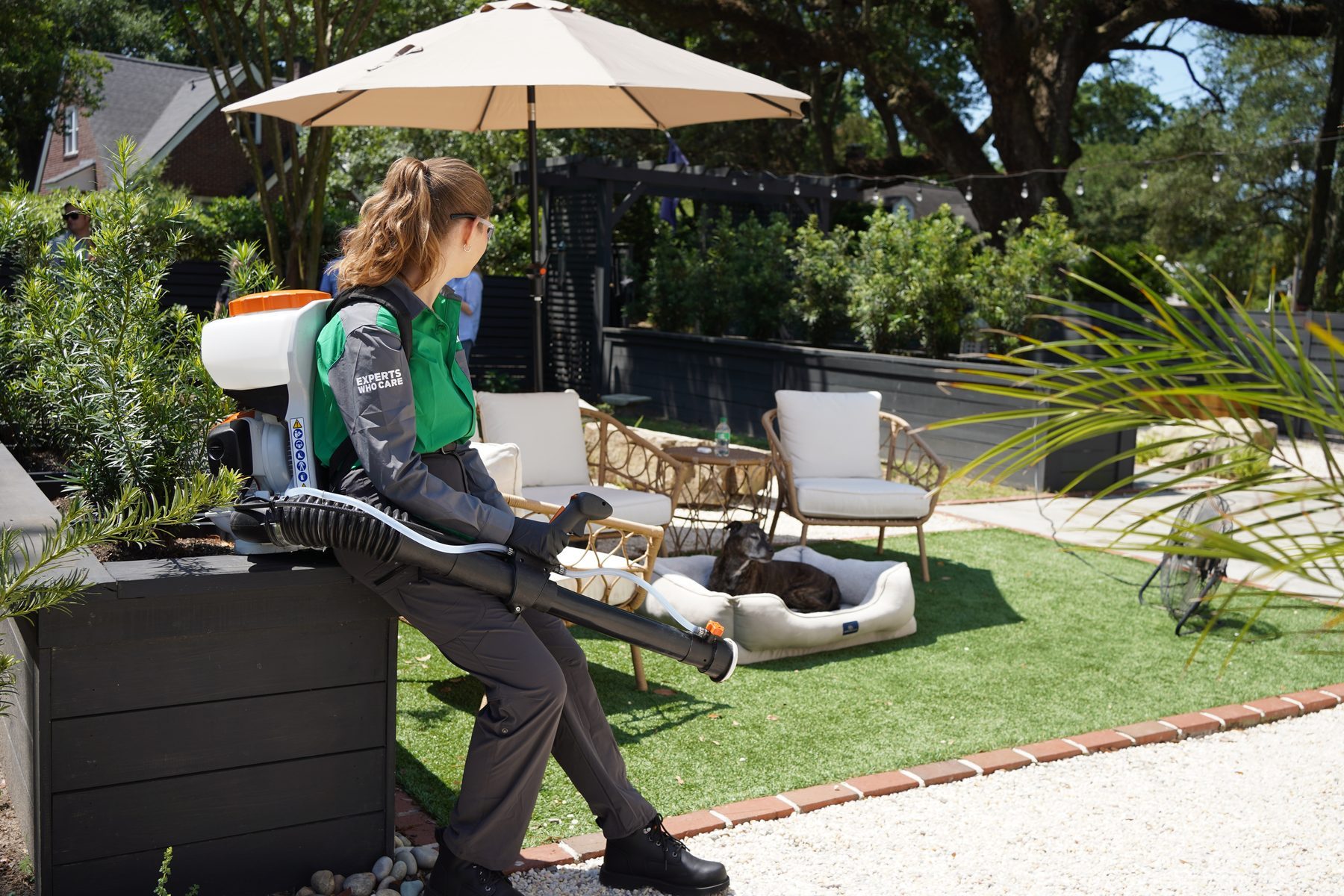
EPA-Registered Products Only
All products are EPA-registered and applied per strict label requirements by our licensed South Carolina technicians on every visit.
Safe Re-Entry After Drying
Exterior spray treatments dry in 30–60 minutes. Once dry, treated surfaces are safe for children and pets. Your technician confirms before leaving.
Targeted Placement Only
Bait stations and traps placed only in locations inaccessible to pets and children, keeping your Blythewood family safe throughout the entire process.
Botanical Options Available
Ask your technician about plant-derived treatment options for households that prefer a more natural approach to pest and rodent control.
Have a concern about products near your pets or children? Call (803) 925-8469 and we’ll walk you through exactly what we use and why it’s safe.
Explore More
More Pest Control Services in Blythewood
Pest Control Blythewood
Year-round protection plan
Termite Control Blythewood
Bait systems & liquid treatment
Mosquito Control Blythewood
Monthly barrier treatments
Bed Bug Control Blythewood
Heat & liquid treatments
Ant Control Blythewood
Household ants & others
Cockroach Control Blythewood
American & German roaches
Spider Control Blythewood
All spider species covered

Tick & Flea Control Blythewood
Yard & pet protection

Exterminator Blythewood
Same-day local exterminators
Frequently Asked Questions
Rodent Control FAQ for Blythewood Homeowners
Rodent monitoring is included in Vinx general pest plans starting at $49/mo. Targeted rodent removal, including exclusion and trapping for an active infestation, is quoted after a free inspection. Call 855-800-8469 for a quote.
Ground disturbance tied to major new construction can push existing Norway rat burrows toward nearby homes and businesses, since this ground-burrowing species is drawn to disturbed soil and food access near the Scout Motors and I-77 Exit 27 corridor.
Yes. House mice need only a gap the width of a pencil to get inside, which means even newer construction throughout these golf-course communities isn’t immune to activity. Sealing utility penetrations and vents around the foundation is the most effective prevention step.
Norway rats are larger and burrow at ground level near foundations and disturbed soil. House mice are the smallest and most adaptable, common in any structure. Deer mice are more common around wooded or rural areas and can carry hantavirus.
It can be. Deer mice are a known carrier of hantavirus, so droppings and nesting material found in rural outbuildings near Kelly Mill Road and the Fairfield County line should be handled carefully, sweeping or vacuuming directly can aerosolize particles. Call us first.
A house mouse problem is usually resolved in one to two weeks once entry points are sealed and the traps are working. An established Norway rat population, especially one displaced by ground disturbance along the Scout Motors and I-77 corridor, usually takes several weeks and more than one follow-up visit. Exclusion is what keeps the timeline from starting over the next fall, and in a subdivision built all at once the same builder-grade gaps tend to turn up house by house.
Both. Trapping addresses existing activity, but without sealing the entry points rodents are using, new rodents will simply move in through the same gaps. Our approach leads with exclusion.
Rodents can contaminate food, chew through electrical wiring (a fire hazard), and are associated with certain disease transmission through droppings and urine, including hantavirus in the case of deer mice. Addressing activity early reduces both property damage and health risks.
Norway rats are typically found at ground level near burrows by the foundation or construction sites. House mice turn up steadily in any structure. Deer mice are more likely in rural outbuildings, barns, and sheds near Kelly Mill Road and the county line.
Yes. We use an exclusion-first approach and, where bait stations are necessary, tamper-resistant stations secured to prevent access by pets and children. All products are EPA-registered and applied at labeled rates by licensed SC technicians.
Yes. Vinx Pest Control is licensed and insured to operate in South Carolina under Pest Control Operator license B3623, regulated by Clemson University’s Department of Pesticide Regulation, with technicians trained to identify and treat the specific rodent species found throughout Blythewood and the greater Columbia area.
Service Coverage
Rodent Control Across Blythewood & Richland County
Vinx technicians cover every neighborhood in Blythewood and the surrounding Columbia metro area.
Serving the Greater Columbia Area