Rodent Control in West Columbia, SC
Norway Rat, Roof Rat, House Mouse & Marsh Rice Rat Experts
Rodent pressure in West Columbia splits by property type more than by neighborhood. Norway rats favor the ground-level access around State Street’s restaurant dumpsters, roof rats climb into the Avenues’ mature tree canopy, and house mice work their way into older homes throughout Westover Acres and the Mill Village. West Columbia’s riverfront geography adds a fourth species: the semi-aquatic marsh rice rat. Vinx identifies what’s actually present before treating.
Get Started in 60 Seconds
Choose what’s easiest for you
Request a Quote
We usually respond in 2 minutes
Call 855-800-8469
Get a Live Person (no AI agents here!)
Sign Up Online
Get pricing and schedule now




Welcome to Vinx Pest Control
A Company That Actually Backs What It Says
At Vinx, we pair professional-grade treatment with a level of follow-through most pest control companies skip. Local technicians, fast response, and a guarantee that holds up after the invoice is paid.
Get a Free Quote“I’m not passionate about killing bugs. I’m passionate about customer service. At Vinx, you get experts who show up, do the job right, and stand behind every visit. No runaround, no fine print.”
PROTECTION PLANS
Rodent Control Plans for West Columbia Homeowners
100% money-back guarantee on every plan.

Standard Residential Protection
- 4 Seasonal Treatments Per Year
- 50+ Covered Pests
- Interior, Exterior & Yard Treatment
- Unlimited Free Re-Services
- 100% Money-Back Guarantee
- Fire Ant Yard Guarantee
- Flea & Tick Coverage
- Mosquito Treatments

Upgraded Yard Protection
- 6 Home & Yard Treatments Per Year
- 50+ Covered Pests
- Interior, Exterior & Yard Treatment
- Unlimited Free Re-Services
- 100% Money-Back Guarantee
- Fire Ant Yard Elimination Guarantee
- Flea & Tick Elimination Guarantee
- Mosquito Treatments

Most Comprehensive Protection
- 9 Treatments Per Year
- 50+ Covered Pests
- Interior, Exterior & Yard Treatment
- Unlimited Free Re-Services
- 100% Money-Back Guarantee
- Fire Ant Yard Elimination Guarantee
- Interior Flea & Tick Coverage
- 8 Mosquito Treatments (Mar–Nov)
- Free Bed Bug Treatments if Needed*
Targeted rodent removal — full inspection, entry point sealing (exclusion), trapping, and a follow-up visit to confirm elimination — is quoted separately after a free inspection. Hearing scratching in the attic, or noticing burrows near a State Street restaurant or an older Westover Acres home? Let us know when you call; we can often prioritize same-day inspection for active activity. *Starting rates vary by home size and area. All plans billed monthly.
Get Your Free West Columbia Rodent Inspection
Fill out the form below and a Vinx team member will reach out within 2 minutes during business hours.
Prefer to talk? Call 855-800-8469 for a live person, no AI agents.
How It Works
How Vinx Controls Rodents in West Columbia

Inspection & Species Identification
Your technician inspects the attic, foundation, crawl spaces, and exterior perimeter for droppings, gnaw marks, nesting material, and entry points, and identifies whether Norway rats, roof rats, house mice, or marsh rice rats are present.
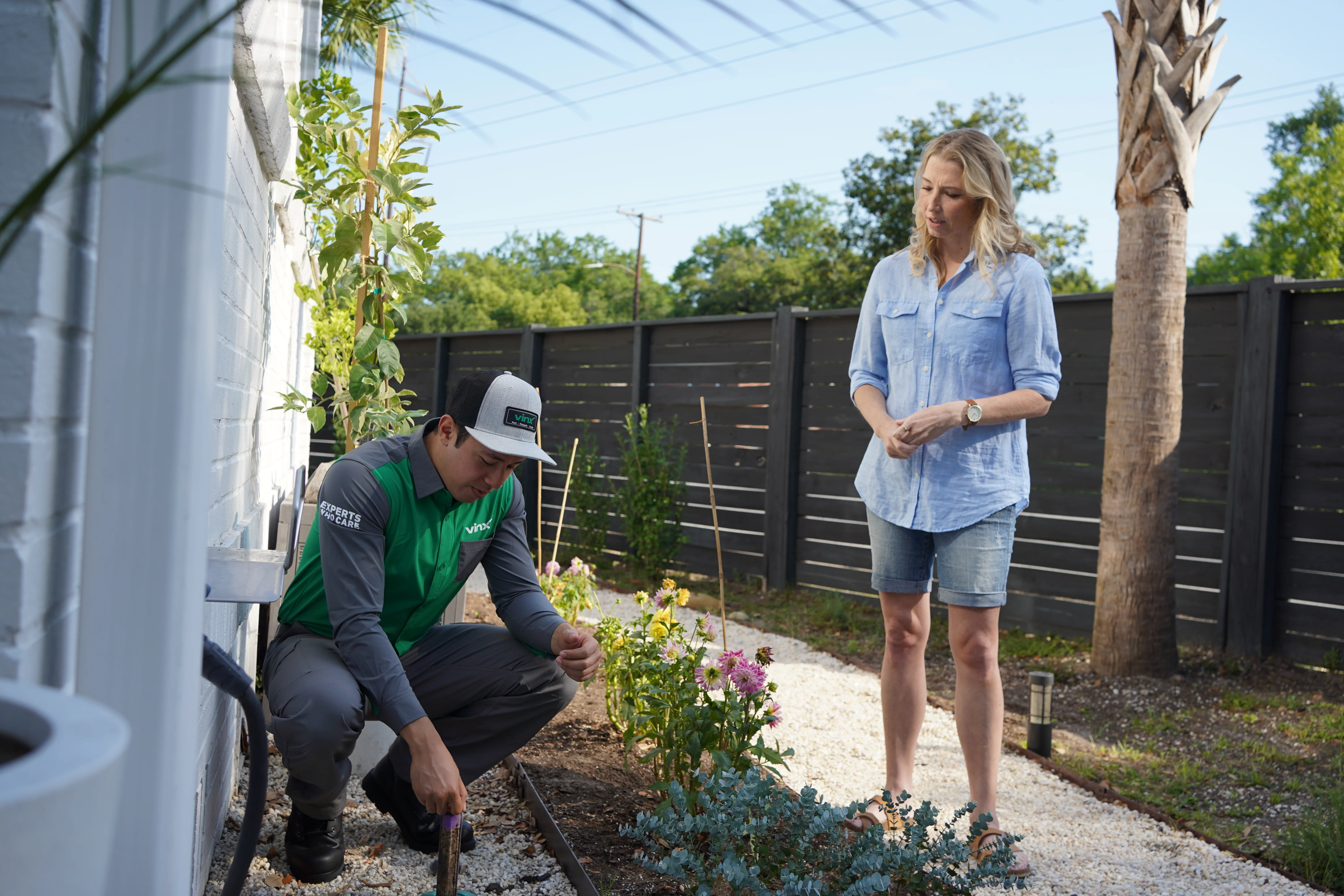
Exclusion: Sealing Entry Points
We identify and seal gaps, vents, and utility penetrations rodents use to get inside. House mice need only a gap the width of a pencil, so thorough exclusion is critical to lasting control, whether the property is an older cottage in the Mill Village or an established home in Westover Acres.
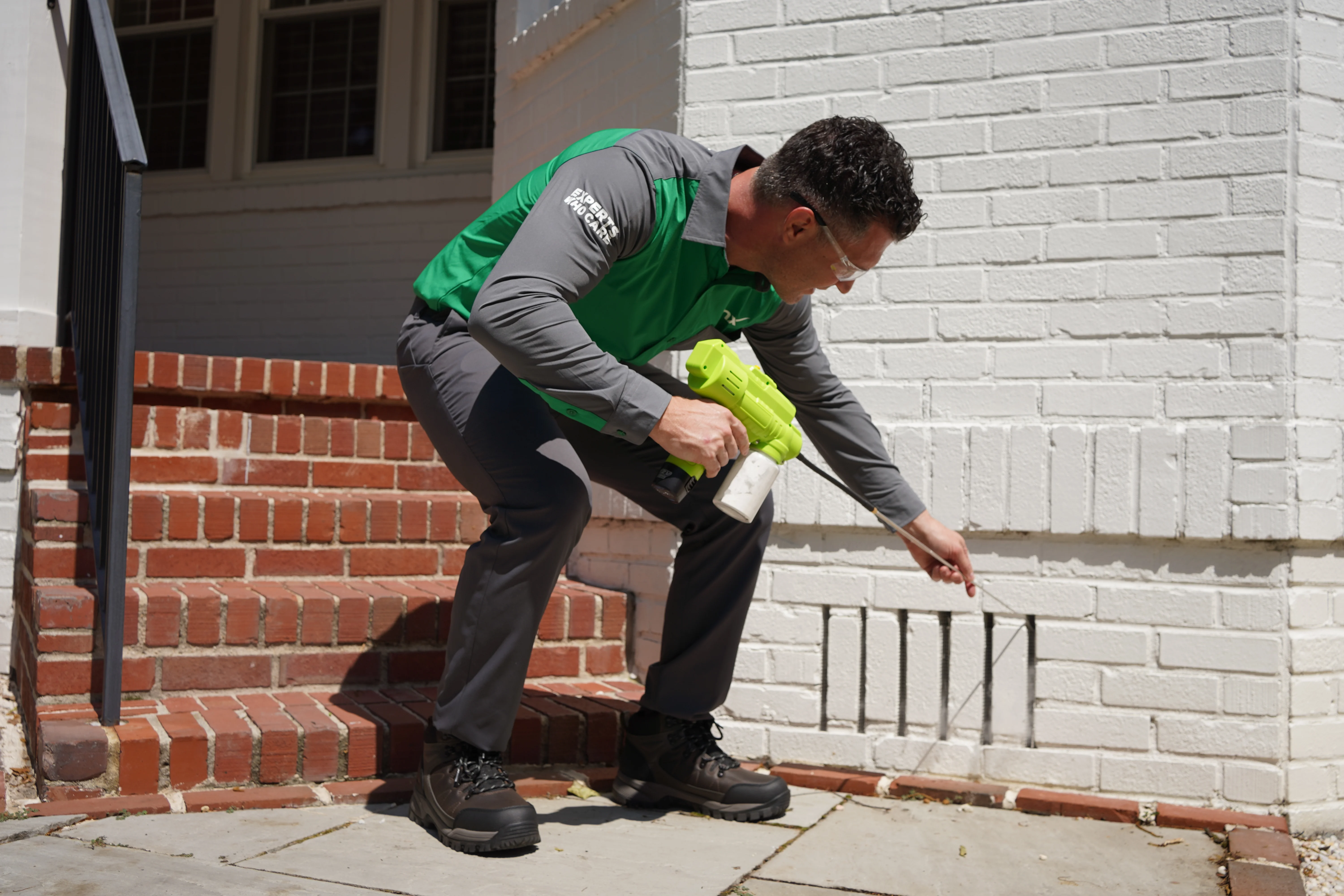
Trapping & Removal
Strategic trap placement targets existing indoor activity, with placement tailored to whether the species burrows at ground level near disturbed soil (Norway rats), climbs and nests above ground (roof rats), or stays close to riverfront vegetation (marsh rice rats).
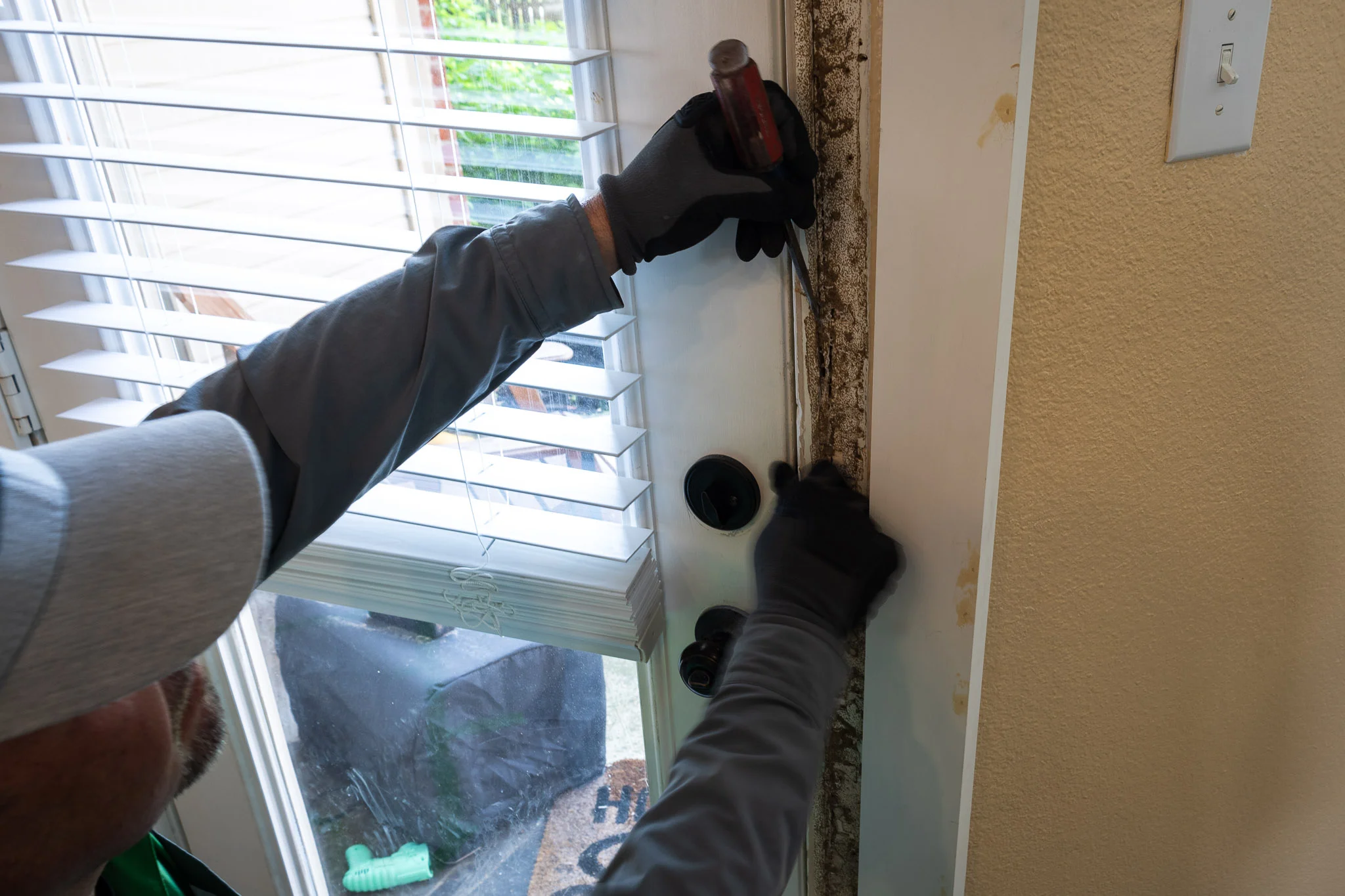
Ongoing Monitoring & Prevention
Follow-up visits confirm the infestation has been resolved and monitor for new activity, particularly important for riverfront properties near River’s Edge where rodents can re-establish from surrounding vegetation.
What Customers Say
Real Reviews from West Columbia Homeowners
The technician was very courteous, friendly and good at his job. He took the time to listen and answer my questions.
Verified Google ReviewJonathan was very polite, respectful, professional, and addressed my concerns. I would like to have him as my technician every month. Thank you Jonathan! :)
Verified Google ReviewHad the pleasure of having Jonathan come and inspect for bugs. Excellent service, well explained and I look forward to ward to continue maintaining! Very professional!
Verified Google ReviewThese guys are pros came in and handle there business explained everything I am so happy you guys found me.
Verified Google ReviewAbsolutely AMAZING!! Very friendly, personable and professional. This is the first exterminating company we have used that has kept us rodent free. I love them and highly recommend them for your exterminating needs.
Verified Google ReviewThe service was great & on time. Never had a problem with the company. Always did what they say they are going to do. The employee's are all respectful & nice.
Verified Google ReviewWest Columbia Rodent Pressure
Why Rodent Control in West Columbia Isn’t One-Size-Fits-All
A lot of pest control companies set a few traps and call it done, without addressing how rodents are actually getting inside or which species is driving the activity. That approach misses what makes rodent pressure different across West Columbia’s mix of a historic tree-canopied residential district, a dense riverfront dining corridor, an established suburb, an upscale riverfront enclave, and a cluster of mill-era rental cottages.
Norway rats are ground-burrowing rodents drawn to food access and disturbed soil, a genuine concern along the Brookland and State Street corridor, where restaurant dumpsters give this species reliable ground-level food sources. Roof rats, which climb and nest above ground, are the more likely issue throughout the Avenues, where mature shade trees give them easy access to attics and rooflines. House mice need only a gap the width of a pencil, and remain a steady concern around the older homes of Westover Acres and the Mill Village. And West Columbia’s riverfront geography adds a distinctive fourth species: the marsh rice rat, a semi-aquatic rodent documented in freshwater wetland habitats, a real factor for the vegetated riverbank throughout the River’s Edge and Saluda River corridor.
4 Rodent Species Common to West Columbia
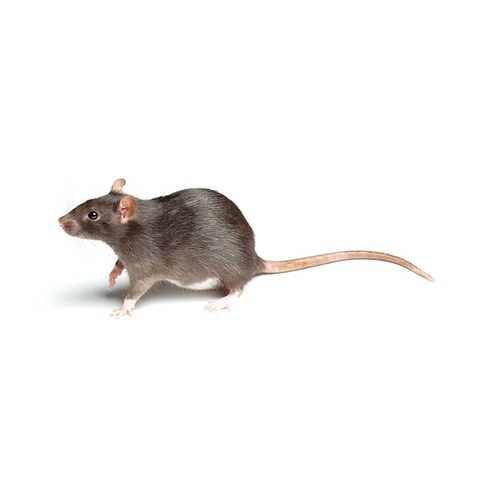
Norway Rat (Rattus norvegicus)
A larger, ground-burrowing rat that nests at foundations, dense landscaping, and disturbed soil rather than climbing. This species is a genuine concern along the Brookland and State Street corridor, where restaurant dumpsters and commercial trash access give it reliable ground-level food sources.
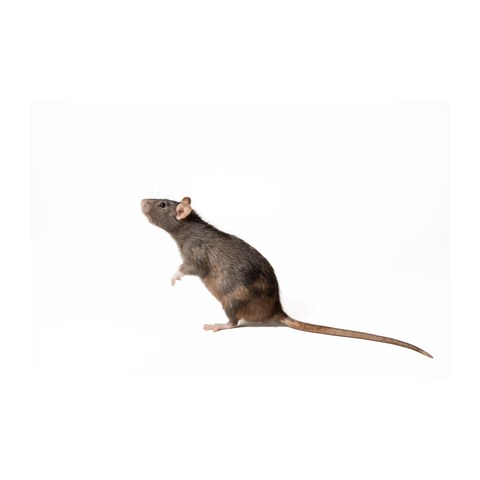
Roof Rat (Rattus rattus)
A strong climber that nests above ground in attics, dropped ceilings, and dense vegetation rather than burrowing. Mature shade trees throughout the Avenues give this species easy access to attics and rooflines close to older homes.
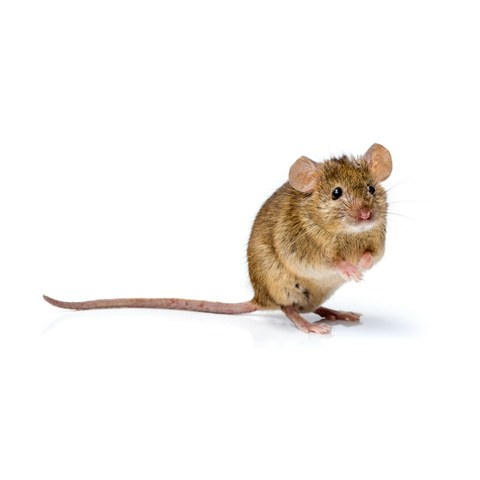
House Mouse (Mus musculus)
The smallest and most adaptable local rodent species, capable of entering through gaps as small as a pencil’s width. House mice are a steady, year-round concern around the established, older homes of Westover Acres and the historic cottages of New Brookland Mill Village.
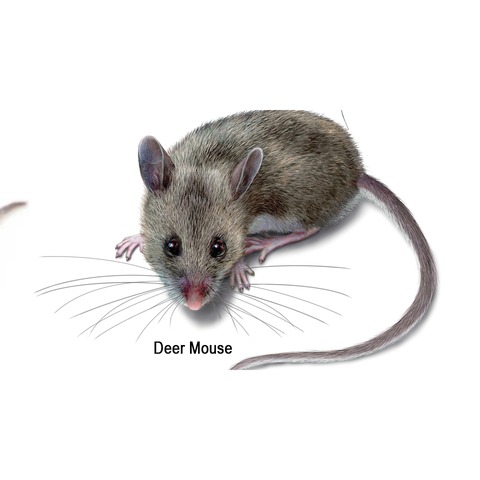
Marsh Rice Rat (Oryzomys palustris)
A semi-aquatic rodent documented in freshwater wetland habitats reaching inland within South Carolina, historically noted in the state’s rice-growing river bottoms. Its habitat preference for marshy, low-lying vegetation makes it a genuine factor for riverfront properties throughout the River’s Edge and Saluda River corridor.
Two entries in the City’s own assessment matter for this page. Its redevelopment plan counts a large number of vacant industrial and retail properties across West Columbia, holding them up as adaptive reuse opportunities, and separately lists the proximity of a major food processing plant among the pressures the city has to manage. Vacant buildings are undisturbed harborage with no one inside to notice activity, and concentrated food handling nearby is a reliable draw. A property sitting next to either one is working against a standing source rather than an occasional visitor, and exclusion has to be maintained rather than done once.
By Neighborhood
Rodent Risk Across West Columbia
The Avenues Corridor: Roof Rat Risk
Mature shade trees throughout this historic corridor give roof rats easy access to attics and rooflines close to older homes.
Brookland & State Street Corridor: Norway Rat Risk
Restaurant dumpsters and commercial trash access along this riverfront dining corridor give Norway rats reliable ground-level food sources.
Westover Acres Corridor: House Mouse Risk
Established, older homes throughout this suburban neighborhood give house mice steady access through small gaps and utility penetrations.
River’s Edge & Saluda River Corridor: Marsh Rice Rat Risk
Proximity to the Saluda River’s vegetated bank gives this semi-aquatic species exactly the low-lying wetland habitat it prefers.
New Brookland Mill Village Corridor: House Mouse Risk
Historic mill-era cottages throughout this neighborhood give house mice the same small entry points and food access found in Westover Acres.
Complete Coverage
What Vinx Treats in Your West Columbia Home
Every common West Columbia pest covered under one quarterly service plan

Ants
Ants, Argentine ants, carpenter ants, and odorous house ants. Perimeter bait, mound treatment, crack and crevice application.
All Plans
Cockroaches
American, Asian, and German cockroaches. Gel bait in harborage areas, exterior perimeter spray, drain treatment.
All Plans
Spiders
Web removal from eaves, exterior perimeter targeting harborage. Black widow identification and targeted treatment.
All Plans
Wasps & Hornets
Nest removal from eaves, soffits, structural voids. Preventative treatment of common nesting sites on each quarterly visit.
All Plans
Fleas & Ticks
Yard treatment targeting grassy and shaded areas. Interior treatment of active infestation areas.
Plus & Platinum
Bed Bugs
Inspection, heat treatment assessment, and targeted chemical treatment.
Platinum (12mo)
Rodents
Exterior bait station monitoring included in Plus and Platinum. Active infestation and full exclusion quoted separately after inspection.
Plus & Platinum
Mosquitoes
Monthly barrier spray and larvicide. Year-round service adjusted seasonally. Up to 90% population reduction per visit.
Platinum Only
Occasional Invaders
Silverfish, earwigs, centipedes, stink bugs, ladybugs, pillbugs. Crack and crevice treatment, perimeter spray, entry point ID.
All PlansWarning Signs
Signs of Rodent Activity in Your West Columbia Home
Scratching Sounds in the Attic or Walls
Especially at night, often a sign of roof rat activity above ground, particularly near commercial properties on the Brookland and State Street corridor.
Droppings Near Food Storage or the Garage
A key indicator regardless of species, size and shape help identify whether it’s a rat or a house mouse.
Gnaw Marks on Wood, Wiring, or Stored Items
Rodents gnaw continuously to keep their teeth worn down, chewed wiring is a fire hazard.
Burrows or Holes Near the Foundation or Dumpster Areas
A common sign of Norway rat activity at ground level, especially along the the Brookland and State Street corridor corridor.
Rodent Activity Near the Riverbank or Low-Lying Vegetation
Often a sign of marsh rice rat activity near the River’s Edge and Saluda River corridor.
Because rodents can chew through electrical wiring and contaminate stored food, addressing activity early reduces both property damage risk and health concerns.
Homeowner Tips
6 Ways to Reduce Rodent Activity Around Your West Columbia Home
Common Questions
Rodent Control FAQ for West Columbia Homeowners
Rodent monitoring is included in Vinx’s general pest plans starting at $49/mo. Targeted rodent removal, including exclusion and trapping for an active infestation, is quoted after a free inspection. Call 855-800-8469 for a quote.
Norway rats are larger and burrow at ground level near disturbed soil, common around restaurant dumpsters along State Street. Roof rats are smaller, better climbers, and nest above ground in attics and rooflines, more typical of the tree-canopied homes throughout the Avenues.
Yes. The marsh rice rat is a semi-aquatic species documented in freshwater wetland habitats reaching inland within South Carolina. It’s a genuine factor for riverfront properties throughout the River’s Edge and Saluda River corridor, where marshy vegetation gives it the habitat it favors.
House mice need only a gap the width of a pencil to get inside, and established, older homes like those throughout Westover Acres and New Brookland Mill Village are exactly the environment this species thrives in.
Both. Trapping addresses existing activity, but without sealing the entry points rodents are using, new rodents will simply move in through the same gaps. Our approach leads with exclusion.
Because trapping removes the rodents that are already inside and does nothing about the opening that let them in — which is why a house that is trapped but not sealed reinfests as soon as the weather turns. The numbers are the reason people underestimate it: a house mouse can pass through a gap about the width of a pencil, roughly a quarter of an inch, and a young rat needs only about half an inch. That is smaller than the gap under a poorly fitted garage door, the space where a dryer vent or an AC line set passes through the wall, the corner of a soffit where two rooflines meet, or a gap at the threshold of a door that has settled. Sealing is done with materials they cannot chew through — steel wool packed tight, hardware cloth, sheet metal over chewed timber — because expanding foam alone gets reopened. It is slower work than setting traps and it is the part that actually ends the problem, so we quote inspection, trapping and exclusion as one job rather than selling a trap line and returning every season.
Yes, and it is worth being specific rather than vague about it. Rodents directly spread salmonellosis, leptospirosis, rat-bite fever and hantavirus per the CDC, plus tularemia, sylvatic typhus and lymphocytic choriomeningitis. Plague and murine typhus are the indirect ones, carried by fleas rather than by the rodent itself. The routes matter as much as the list: contact with droppings, urine or saliva; breathing air contaminated with rodent waste; a bite or scratch; and eating contaminated food. Only leptospirosis and Seoul virus are the urine-associated ones — salmonellosis is fecal and foodborne. Seoul virus is the hantavirus carried primarily by Norway rats, which matters here because the Norway rat is the species in the ground burrows and the sewers; Sin Nombre, the one people usually read about, is the deer mouse virus. The practical part: never sweep or vacuum droppings, because that is what puts the dust into the air you breathe. Ventilate the space first, wet the droppings down with disinfectant, wipe them up with gloves and bag the waste. That is the CDC’s method, and it is the single most useful thing on this page.
Norway rats are typically found at ground level near burrows in disturbed soil. Roof rats are found above ground in attics and rooflines. House mice turn up in any structure with food access. Marsh rice rats are more likely in vegetation near the riverbank.
Yes. Restaurant dumpsters and commercial trash access give Norway rats reliable ground-level food sources close to businesses along this corridor, making it a more common site for this species than for climbing roof rats.
Yes. We use an exclusion-first approach and, where bait stations are necessary, tamper-resistant stations secured to prevent access by pets and children.
Yes. Vinx Pest Control is licensed and insured to operate in South Carolina, with technicians trained to identify and treat the specific rodent species found throughout West Columbia and the greater Columbia area.
Where We Serve
Rodent Control Across West Columbia & the Greater Columbia Area
Serving the Greater Columbia Area