Bed Bug Treatment in Columbia, SC
Steam Treatment + Power Dusting, 30-Day Guarantee, Same-Day Appointments
Bed bug treatment in Columbia uses a two-stage approach. High-pressure steam kills live bugs and eggs on contact. Power dusting reaches the cracks and wall voids where steam cannot penetrate. Free inspection. 30-day guarantee.
Get Started in 60 Seconds
Choose what’s easiest for you
Request a Quote
We usually respond in 2 minutes
Call 855-800-8469
Get a Live Person (no AI agents here!)
Sign Up Online
Get pricing and schedule now





Welcome to Vinx Pest Control
A Company That Actually Backs What It Says
At Vinx, we combine professional-grade treatments with a level of service most pest control companies don't offer. Local technicians, fast response times, and a guarantee that actually means something.
Get a Free Quote"I'm not passionate about killing bugs. I'm passionate about customer service. At Vinx, you get experts who show up, do the job right, and stand behind every visit. No runaround, no fine print."
WELCOME TO VINX PEST CONTROL
Bed Bug Control Plans for Columbia Homeowners

Standard Residential Protection
- 4 Seasonal Treatments Per Year
- 50+ Covered Pests
- Interior, Exterior & Yard Treatment
- Unlimited Free Re-Services
- 100% Money-Back Guarantee

Upgraded Yard Protection
- 6 Home & Yard Treatments Per Year
- 50+ Covered Pests
- Yard Ant Elimination Guarantee
- Flea & Tick Elimination Guarantee
- 100% Money-Back Guarantee

Most Comprehensive Protection
- 9 Treatments Per Year
- 50+ Covered Pests
- 8 Mosquito Treatments (Mar–Nov)
- Flea, Tick & Ant Coverage
- Free Bed Bug Treatments if Needed*
*Starting rates vary by home size and area. All plans billed monthly.
Request Your Free Bed Bug Inspection
Fill out the form below and a Vinx team member will reach out within 2 minutes during business hours.
Prefer to talk? Call 855-800-8469 for a live person, no AI agents.
Our Approach
How Vinx Eliminates Bed Bugs in Your Columbia Home

Thorough Bed Bug Inspection
Your Vinx technician inspects every area where bed bugs hide, mattress seams, box springs, bed frames, headboards, nightstands, baseboards, electrical outlets, and upholstered furniture. We identify the infestation level and document all active harborage sites before any treatment begins.

Chemical Treatment
We apply professional-grade residual insecticide and contact-kill products to all infested surfaces and hiding spots. Mattress seams, furniture joints, wall–floor junctions, and harborage areas are treated directly. The residual formulation continues working after application to kill bed bugs that emerge between treatments.
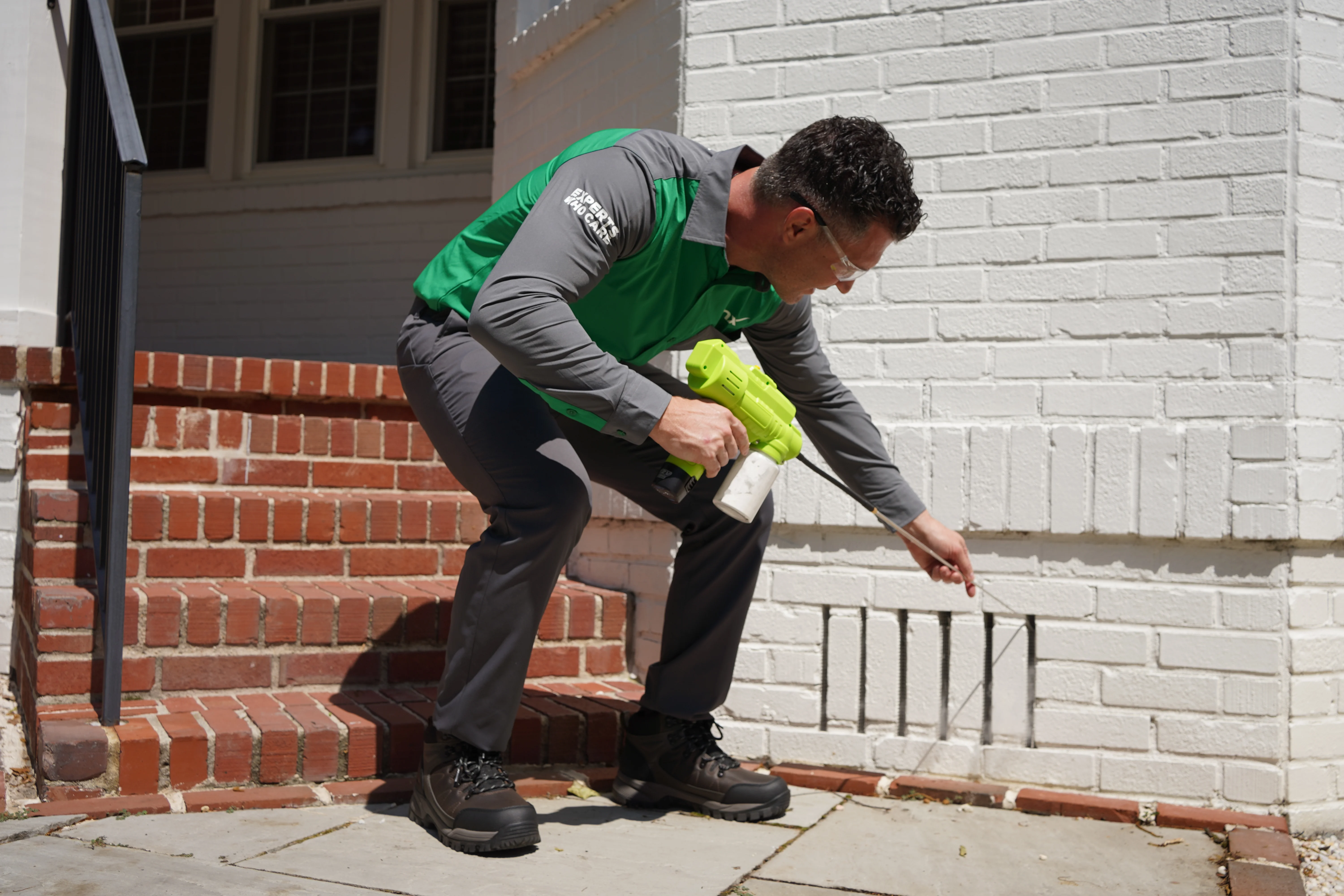
Void & Crack Treatment
Insecticidal dust is applied into wall voids, electrical outlets, and tight cracks where bed bugs hide and where liquid treatments cannot reach. Dust formulations have a long residual life and remain effective for months, catching any bed bugs that travel through these hidden pathways.
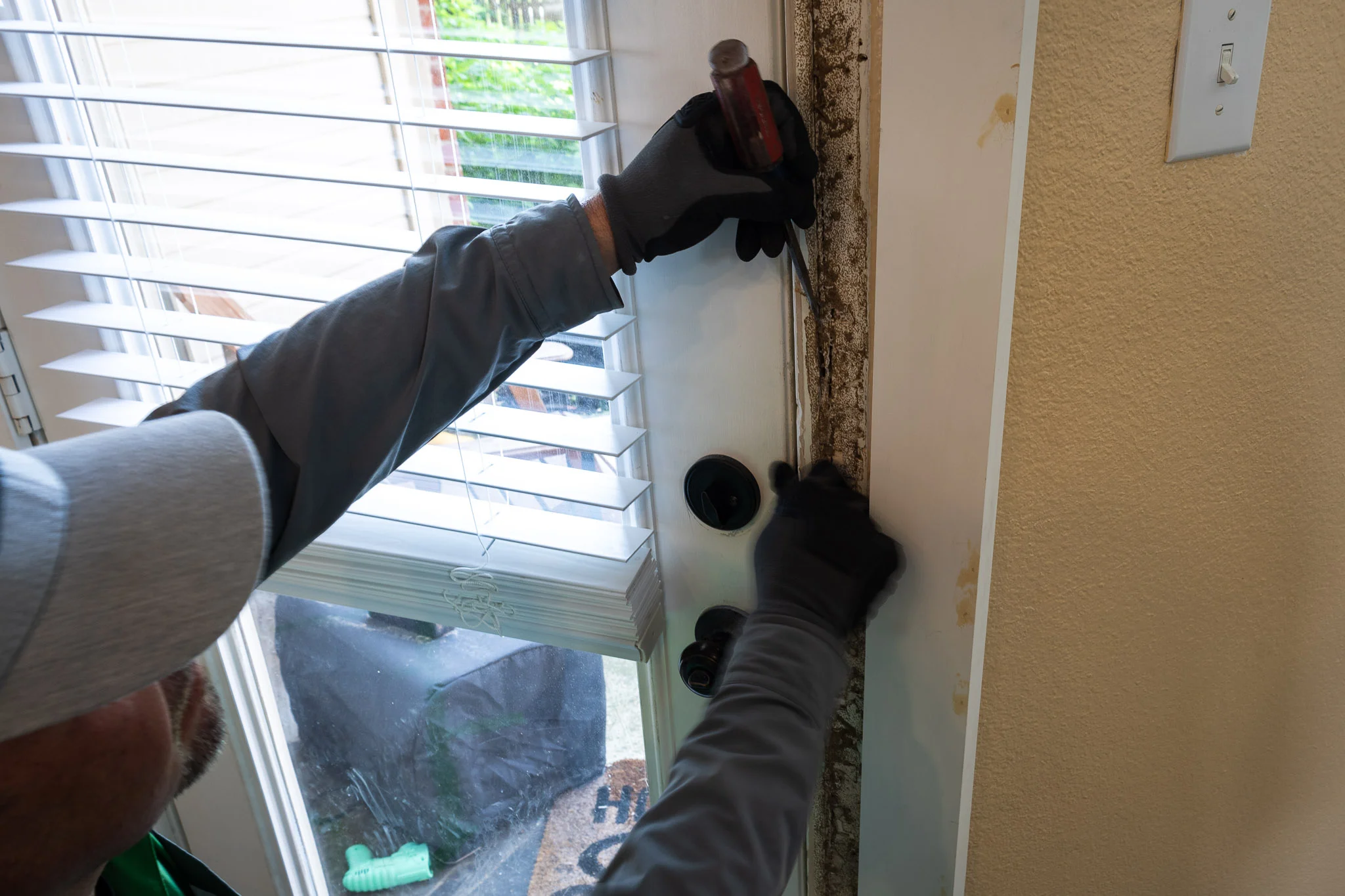
Follow-Up & Re-Treatment
A follow-up visit is scheduled 10–14 days after the initial treatment to target any eggs that have hatched since the first service. If bed bug activity persists, we re-treat at no additional charge. Your technician also provides prep and post-treatment guidance to prevent re-infestation.
What Customers Say
Real Reviews from Columbia Homeowners
The Columbia Bed Bug Problem
Why Bed Bugs Are a Growing Problem in Columbia, SC
Columbia’s position as a university city and I-26/I-20 corridor hub means constant population movement, hotel stays, dorm turnover, used furniture sales, and short-term rentals all create year-round bed bug introduction risk. Roughly one in five Columbia residents is enrolled in college or graduate school, 28,590 people by Census count, and the University of South Carolina’s enrolment sits above 40,000.
Bed bugs in Columbia don’t care about cleanliness. They travel on luggage, used clothing, and second-hand furniture. Clemson puts the numbers at one to five eggs a day, and 200 or more over a female’s life with multiple feedings. What makes them stubborn is not speed, it is endurance: Clemson notes adult females can survive more than 150 days without food, and that in cases of starvation bed bugs can live more than 260 days.
Columbia hotels, motels, and short-term rentals along the I-26 and I-20 corridors are common introduction points. Students returning from travel and used furniture from Facebook Marketplace are the two most common ways bed bugs enter Columbia homes. Early detection and fast response are critical.
Common Pests We Treat
Bed Bugs
Cimex lectularius, the common bed bug. Hide in mattress seams, box springs, headboards, and furniture joints. Feed at night. Bites appear as clusters of red, itchy welts. Cannot be eliminated with over-the-counter sprays. Professional heat treatment or targeted chemical treatment required for complete elimination.
Pest Pressure by Neighborhood
Know Your Neighborhood’s Risk
Five Points & Downtown: Density and Turnover
This is the highest-risk pocket in the metro, and it is a turnover story rather than a cleanliness one. The City of Columbia is majority renter at 54.5% of occupied homes, against 27.7% statewide, and roughly one in five city residents is enrolled in college or graduate school. Downtown is also adding density fast: the Post and Courier reported over 5,000 new apartment bedrooms under construction across downtown Columbia, including a single 940-bed student building at Gadsden and Greene. Shared walls, shared laundry and a lease cycle that empties and refills whole buildings at once are exactly how bed bugs move between units.
Forest Acres: Older Homes, Low Turnover
Forest Acres has the oldest housing stock in the metro, with 73.8% built before 1980 and a median build year of 1965, but it is also the opposite of Five Points on tenure: only 22.5% of occupied homes are rentals. That combination changes the introduction route. Infestations here typically arrive with travel, a guest room, a college student home for the summer, or second-hand furniture, rather than from an adjoining unit. Older houses give them more places to hide once inside, particularly in original trim, floorboard gaps and built-in furniture.
Irmo & Dutch Fork: Family Homes and Travel
Irmo is 18.4% renter with a median build year of 1985, so this is settled family housing rather than high-turnover rental stock. Bed bugs get here in luggage and in used furniture, and the Lake Murray short-term rental market adds a route the rest of the metro does not have to the same degree. The practical risk in a single-family home is delay: without shared walls prompting a neighbor to complain, an infestation often runs longer before anyone calls, which is why the inspection matters more than the guesswork.
NE Columbia & Blythewood: New Builds Are Not Immune
Blythewood has the newest housing in the metro, a median build year of 2010 with 72.5% put up since 2000, and the lowest vacancy at 2.3%. None of that helps with bed bugs, because unlike termites or roaches they do not care about the age or condition of a building. They arrive with people and possessions. A brand-new house in a growing subdivision along I-77 is at risk the day the moving truck arrives, and the growth is real: Blythewood expanded 135% between 2010 and 2020 to 4,772 residents, the fifth fastest growing town in South Carolina.
Lexington: Newer Stock, Mixed Tenure
Lexington is newer than Columbia proper, with a median build year of 2002 and 57.5% of its housing built since 2000, but at 31.3% renter it carries more turnover than Irmo or Blythewood. That mix produces both routes at once: apartment and townhouse introductions that spread between units, and single-family cases brought home from travel. Proximity to the I-20 and I-26 corridors and the Lake Murray rental market keeps a steady supply of both.
Cayce & West Columbia: Older Multi-Unit Rentals
These two towns sit in the middle of the metro on both measures, and that is what makes them a bed bug problem. Cayce is 39.5% renter with 60.1% of its housing built before 1980; West Columbia is 44.7% renter with 55.1% pre-1980. Older multi-unit buildings with shared walls, shared utility chases and original trim give bed bugs both the route between units and the harbourage inside them. Where a building is subdivided into more units than it was designed for, a single introduction rarely stays in one apartment.
Complete Coverage
What Vinx Treats in Your Columbia Home
Every common Columbia pest covered under one quarterly service plan

Ants
Ants, Argentine ants, carpenter ants, and odorous house ants. Perimeter bait, mound treatment, crack and crevice application.
All Plans
Cockroaches & Palmetto Bugs
American, Asian, and German cockroaches. Gel bait in harborage areas, exterior perimeter spray, drain treatment.
All Plans
Spiders
Web removal from eaves, exterior perimeter targeting harborage. Black widow identification and targeted treatment.
All Plans
Wasps & Hornets
Nest removal from eaves, soffits, structural voids. Preventative treatment of common nesting sites on each quarterly visit.
All Plans
Fleas & Ticks
Yard treatment targeting grassy and shaded areas. Interior treatment of active infestation areas.
Plus & Platinum
Bed Bugs
Inspection, heat treatment assessment, and targeted chemical treatment. Columbia’s university population creates consistent exposure risk.
Platinum (12mo)
Rodents
Exterior bait station monitoring included in Plus and Platinum. Active infestation and full exclusion quoted separately after inspection.
Plus & Platinum
Mosquitoes
Monthly barrier spray and larvicide. Year-round service adjusted seasonally. Up to 90% population reduction per visit.
Platinum Only
Occasional Invaders
Silverfish, earwigs, centipedes, stink bugs, ladybugs, pillbugs. Crack and crevice treatment, perimeter spray, entry point ID.
All Plans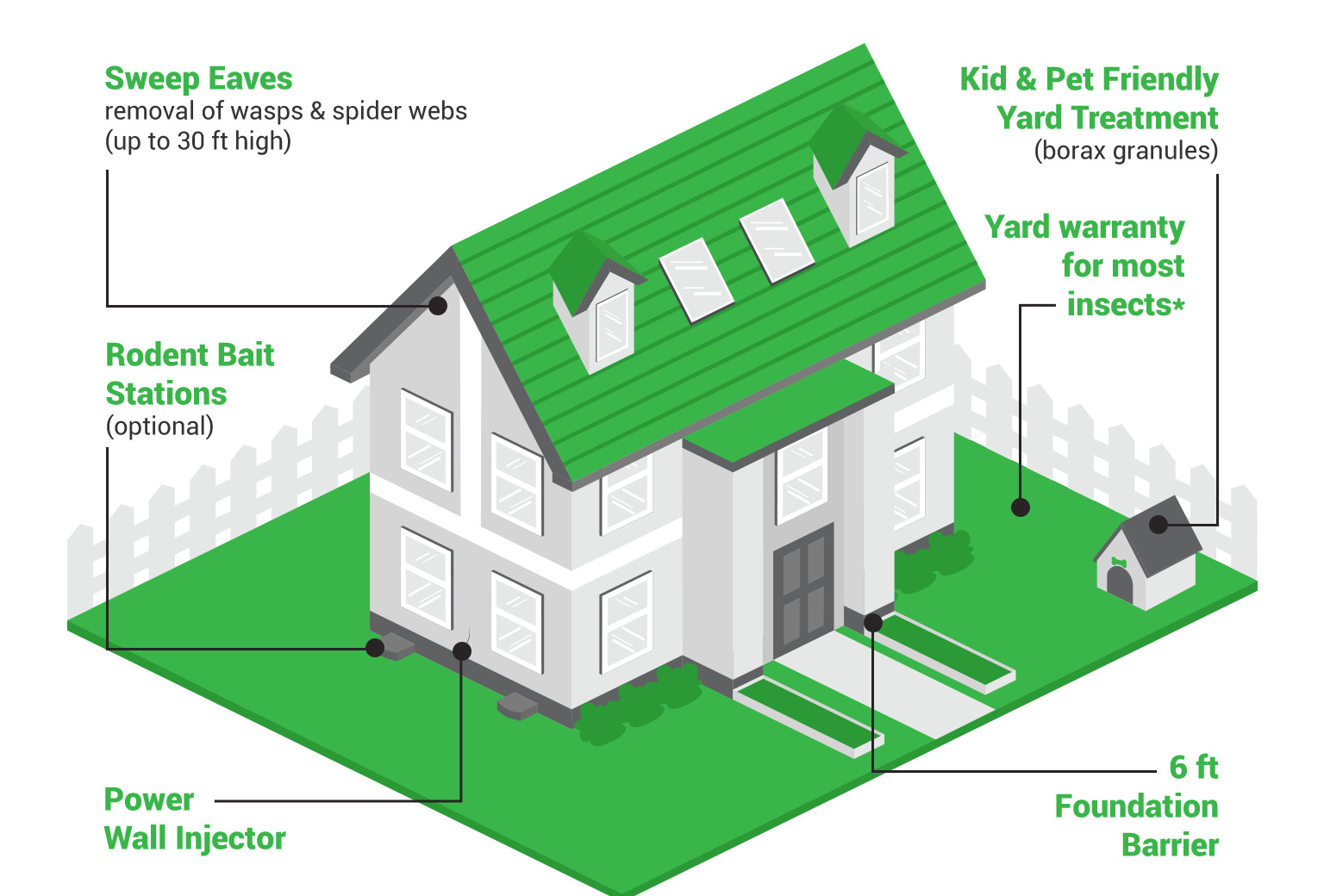
Vinx HomeGuard Plan
What Happens at Every Visit
Our technicians don't just spray and leave. Every quarterly service covers your full exterior and interior, done right, backed by a written guarantee.
- Sweep Eaves: Wasp nests & spider webs removed up to 30 ft
- Power Wall Injector: Treats wall voids where pests hide
- 6 ft Foundation Barrier: Full perimeter treatment every visit
- Yard Warranty: Free retreatment for most insects
- Kid & Pet Safe Yard Treatment: Borax granules, safe after dry
Local Conditions
Why Columbia Specifically Has a Bed Bug Problem
Bed bugs do not care how old, clean or expensive a building is. They move with people and possessions, so the question that actually matters is how much movement a city has. Columbia has an unusual amount.
A Majority-Renter City Where One in Five Residents Is a Student
These two Census figures do most of the explaining. The City of Columbia is majority renter, 54.5% of occupied homes against 27.7% for South Carolina as a whole, and 28,590 residents are enrolled in college or graduate school, which is 20.4% of the population aged three and over. The University of South Carolina’s enrolment now sits above 40,000. A rental market that size, tied to an academic calendar that empties and refills buildings on the same fortnight, moves an enormous volume of mattresses, sofas and boxes through the same few postcodes every year.
Fort Jackson Moves More People Than Any Other Address in the Metro
Fort Jackson is the US Army’s largest and most active Initial Entry Training center, training roughly half of all soldiers entering the Army and more than 45,000 a year across some 51,000 acres, with about 12,000 military family members living on post. We are not going to tell you the base gives people bed bugs, because we have not seen data that says so. The relevant point is simpler: nowhere else in the Midlands has that volume of people and duffel bags arriving from and departing to everywhere else in the country, continuously, all year.
An Empty Room Does Not Clear Itself
This is the single most useful thing to know, and it is why leaving a room unused does not work. Clemson states that adult female bed bugs can survive more than 150 days without food, and that in cases of starvation bed bugs can live more than 260 days. So a spare bedroom shut for a summer, a student flat empty between leases, or a rental that sat vacant for months is not a resolved infestation. It is a waiting one. Columbia’s overall housing vacancy rate is 14.4%, well above Richland County’s 8.8%.
Why the Shop-Bought Route Fails
Two things are well documented and both work against DIY. Pyrethroid resistance is widespread in bed bug populations across the United States and has been directly implicated in the pest’s resurgence, which matters because pyrethroids are the active ingredient in most of what a hardware store sells. And a peer-reviewed trial published in the Journal of Economic Entomology found over-the-counter total-release foggers ineffective against bed bugs. Spraying does not just fail here, it scatters them into adjoining rooms and walls.
Kid & Pet Safe
Our Treatments Are Safe for Your Whole Family: Including the Furry Members
Every product we use is EPA-registered and applied strictly at labeled rates by licensed SC technicians.
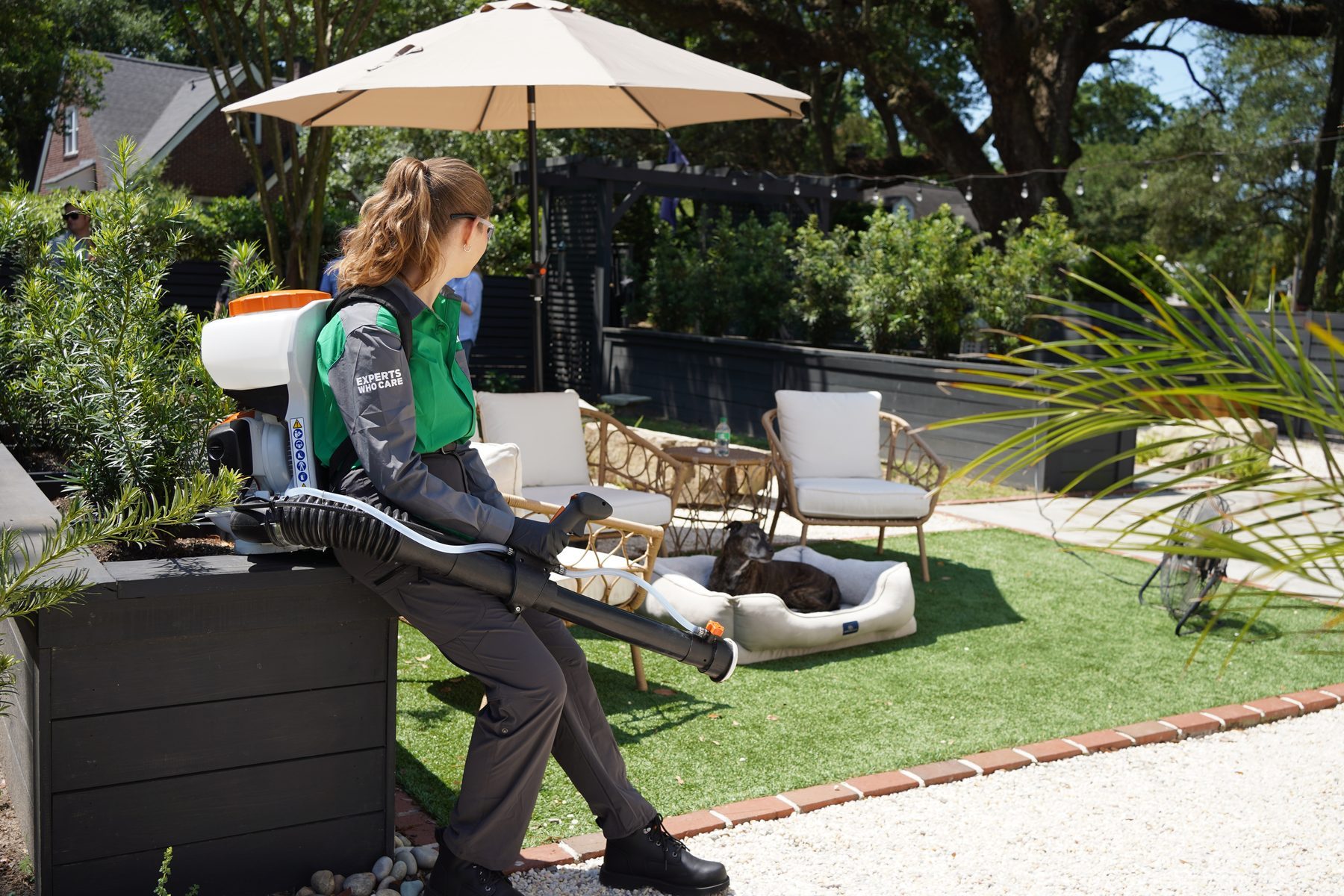
EPA-Registered Products Only
All products are EPA-registered and applied per strict label requirements by our licensed South Carolina technicians.
Safe Re-Entry After Drying
Exterior spray treatments dry in 30–60 minutes. Your technician confirms the all-clear before leaving your property.
Interior Treatment On Request
We treat only what’s needed, where it’s needed. Products placed away from areas pets and children frequent most.
Botanical Options Available
Ask your technician about plant-derived treatment options for households that prefer a more natural approach.
Questions about product safety near your family? Call 855-800-8469 and we’ll walk you through exactly what we use.
Explore More
More Pest Control Services in Columbia

Pest Control Columbia
Year-round protection plan
Ant Control Columbia
Household ants & others
Cockroach Control Columbia
American & German roaches
Mosquito Control Columbia
Monthly barrier treatments
Rodent Control Columbia
All rodents covered
Spider Control Columbia
All spider species covered

Termite Control Columbia
Bait systems & liquid treatment

Tick & Flea Control Columbia
Yard & pet protection
Exterminator Columbia
Same-day local exterminators
Wasp Control Columbia
Nest removal & prevention
Prevention Tips
How to Avoid Bringing Bed Bugs Home From a Columbia Hotel
Columbia’s I-26 and I-20 hotel corridors see some of the highest room turnover rates in South Carolina.
When You Arrive
Do not put luggage on the bed or floor. Use the luggage rack. Inspect mattress seams, headboard, and box spring before unpacking. If you see dark smear marks or live bugs, request a different room on a different floor.
Watch for Bites
If you stayed in a Columbia hotel or short-term rental and notice unexplained bites within one to two weeks of your return, call 855-800-8469 for a same-day bed bug inspection. Early detection costs significantly less to treat than a fully established infestation.
When You Return Home
Leave luggage in the garage or on a hard floor surface. Wash every item from your trip in hot water and dry on highest heat setting before storing.
The USC Campus Risk
Student housing along Blossom Street, Wheat Street, and around the Greek Village is where we see the most consistent bed bug activity in the Columbia metro. If you or a family member lives in or adjacent to student housing, inspect all incoming items and check mattress seams after guests visit.
Where to Look
How to Identify Bed Bugs in Your Columbia Home
Bed bugs establish within six feet of where you sleep or sit regularly. Adult bed bugs are flat, oval-shaped, approximately the size of an apple seed, and rusty red to mahogany brown. Nymphs are smaller and translucent, making them extremely difficult to spot against light-colored bedding.
Check These Locations in This Order
- 1Mattress and box spring seams, run a credit card along every seam and look for dark spots, shed skins, or live bugs
- 2Bed frame joints and screw holes, particularly in wooden frames where bugs pack into tight spaces
- 3Headboard, both the front face and the back where it meets the wall
- 4Nightstand drawers and undersides, directly adjacent to where you sleep
- 5Behind electrical outlet covers within six feet of the bed
- 6Sofa and chair seams in rooms where people spend extended time
- 7Behind picture frames and wall hangings near sleeping areas
- 8Inside luggage stored in closets, a common re-introduction point
What to Look For
Signs That Confirm Bed Bug Activity
Rust Smear Marks
Dark brown smear marks on mattress seams or bedding
Tiny White Eggs
Oval eggs approximately 1mm long in seams or furniture joints
Shed Exoskeletons
Translucent empty casings found in harborage areas
Sweet Musty Odor
A sweet musty smell in heavily infested rooms
Unexplained Bites
Bites in a line or cluster on exposed skin, arms, neck, shoulders
Live Bugs
Visible during a thorough inspection of harborage areas
Why Sprays Don’t Work
Why DIY Bed Bug Treatment Fails
Every hardware store in Columbia sells bed bug sprays and foggers. Most will not solve the problem.
Sprays Miss the Eggs
Bed bug eggs have a protective coating most chemical treatments cannot penetrate. A spray kills the live bugs it contacts but leaves eggs intact. Those eggs hatch seven to ten days later, closer to seven days in Columbia’s warm temperatures. The infestation rebuilds and the cycle repeats. This is why homeowners who spray repeatedly face the same infestation every two weeks.
Bug Bombs Spread the Infestation
Foggers do not reach the tight harborage areas where bed bugs hide. What they do accomplish is driving bed bugs out of established locations and deeper into walls and adjacent rooms. A fogger applied to a bedroom infestation frequently results in bed bugs spreading to the living room, hallway, and adjacent bedrooms within 48 hours.
Professional Steam Works
High-pressure steam penetrates fabric and reaches temperatures that kill both live bugs and eggs on contact. Combined with targeted power dusting in the cracks, crevices, and wall voids where steam cannot reach, every life stage is addressed simultaneously. This is the only method that delivers lasting results.
Why It Happens Here
Why Columbia Has a Growing Bed Bug Problem
You wake up with unexplained bites on your arms and neck. You check the mattress seam and find a rust-colored smear. You lift the corner of the box spring and three dark oval shapes the size of apple seeds scatter toward the darkness. This happens in Columbia more than most homeowners expect, and the reason is specific to this city.
Hotel & Interstate Corridor Exposure
The Haywood Road, Woodruff Road, and Bush River Road corridors near I-26 and I-20 house a dense concentration of hotels serving interstate travelers, business visitors, and sports tourists. Travelers unknowingly carry bed bugs from infested rooms into Columbia-area homes every week. The I-26/I-20 interchange makes Columbia a natural stopover city, and that constant traffic flow creates a constant re-introduction risk for Midlands residents.
Short-Term Rental Pressure
The rapid growth of Airbnb and VRBO properties throughout the Vista, Main Street, and downtown Columbia area creates a constant re-introduction pipeline into the city’s most densely populated residential corridors. Properties that cycle through dozens of guests per month face a completely different exposure profile than a typical single-family home. A single pregnant female introduced from an infested room can establish a full infestation within six to eight weeks.
USC Campus & Student Housing Risk
USC campus housing along Blossom Street, Wheat Street, and around the Greek Village is where we see the most consistent bed bug activity in the Columbia metro. Students moving in and out of dormitories and off-campus rentals bring secondhand furniture, shared bedding, and frequent travel patterns that make student housing one of the highest-risk bed bug environments in the city. Bed bugs do not care about cleanliness, a five-star hotel carries the same risk as a budget motel.