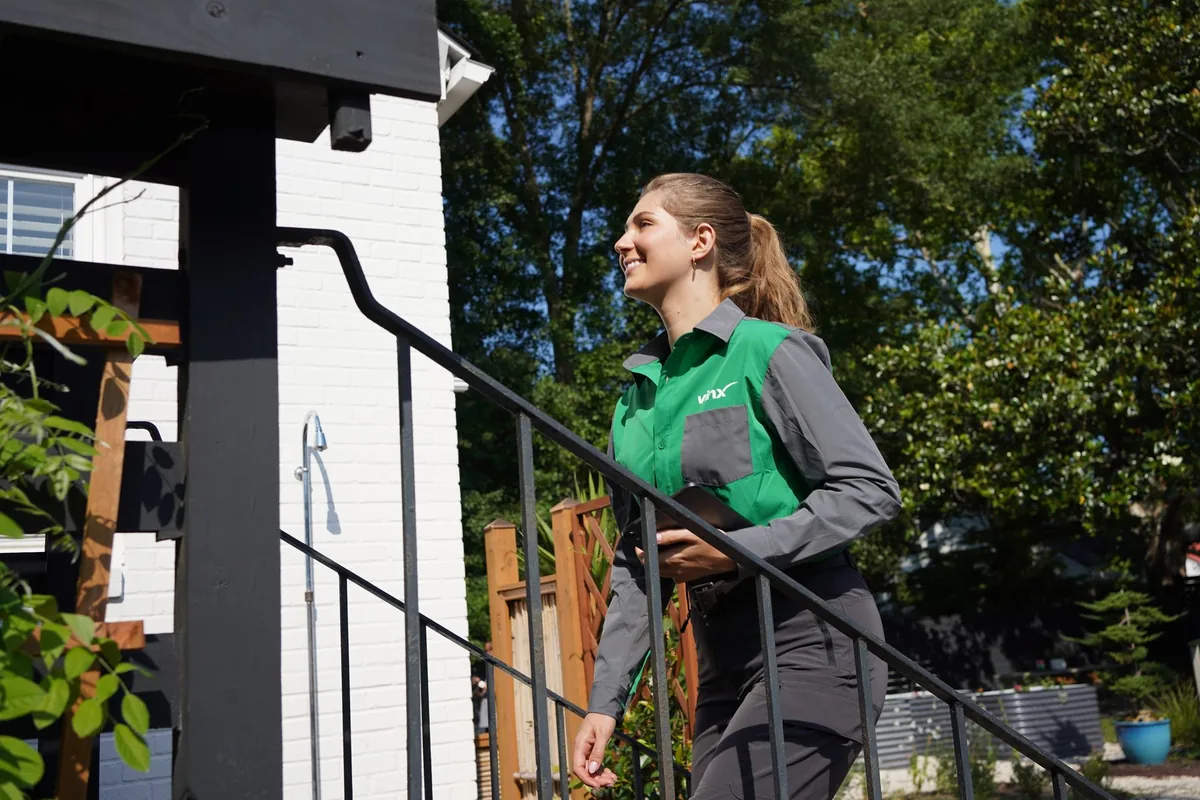
Rodent Control in Charleston, SC
Rats & Mice, Exclusion + Trapping + Sanitization, Same-Day Appointments
Rodent control in Charleston requires more than traps. Vinx checks entry points, seals gaps, sets traps indoors and in the attic, and sanitizes contaminated areas. Norway rats, roof rats, and house mice are all common here. Free re-treatment guarantee.
Get Started in 60 Seconds
Choose what’s easiest for you
Request a Quote
We usually respond in 2 minutes
Call 855-800-8469
Get a Live Person (no AI agents here!)
Sign Up Online
Get pricing and schedule now





Welcome to Vinx Pest Control
A Company That Actually Backs What It Says
At Vinx, we combine professional-grade treatments with a level of service most pest control companies don't offer. Local technicians, fast response times, and a guarantee that actually means something.
Get a Free Quote"I'm not passionate about killing bugs. I'm passionate about customer service. At Vinx, you get experts who show up, do the job right, and stand behind every visit. No runaround, no fine print."
WELCOME TO VINX PEST CONTROL
Protection Plans for Charleston Homeowners

Standard Residential Protection
- 4 Seasonal Treatments Per Year
- 50+ Covered Pests
- Interior, Exterior & Yard Treatment
- Unlimited Free Re-Services
- 100% Money-Back Guarantee

Upgraded Yard Protection
- 6 Home & Yard Treatments Per Year
- 50+ Covered Pests
- Yard Ant Elimination Guarantee
- Flea & Tick Elimination Guarantee
- 100% Money-Back Guarantee

Most Comprehensive Protection
- 9 Treatments Per Year
- 50+ Covered Pests
- 8 Mosquito Treatments (Mar–Nov)
- Flea, Tick & Ant Coverage
- Free Bed Bug Treatments if Needed*
*Starting rates vary by home size and area. All plans billed monthly.
Request Your Free Rodent Control Quote
Fill out the form below and a Vinx team member will reach out within 2 minutes during business hours.
Prefer to talk? Call 855-800-8469 for a live person, no AI agents.
Our Approach
How Vinx Eliminates Rodents in Your Charleston Home

Rodent Inspection & Entry Point Identification
Your technician inspects the full structure (attic, crawlspace, basement, garage, and exterior) to locate active rodent runs, droppings, gnaw marks, and nesting sites. Every gap, crack and utility penetration wider than a quarter inch goes down as a potential mouse entry point, and rats require only a half-inch opening.
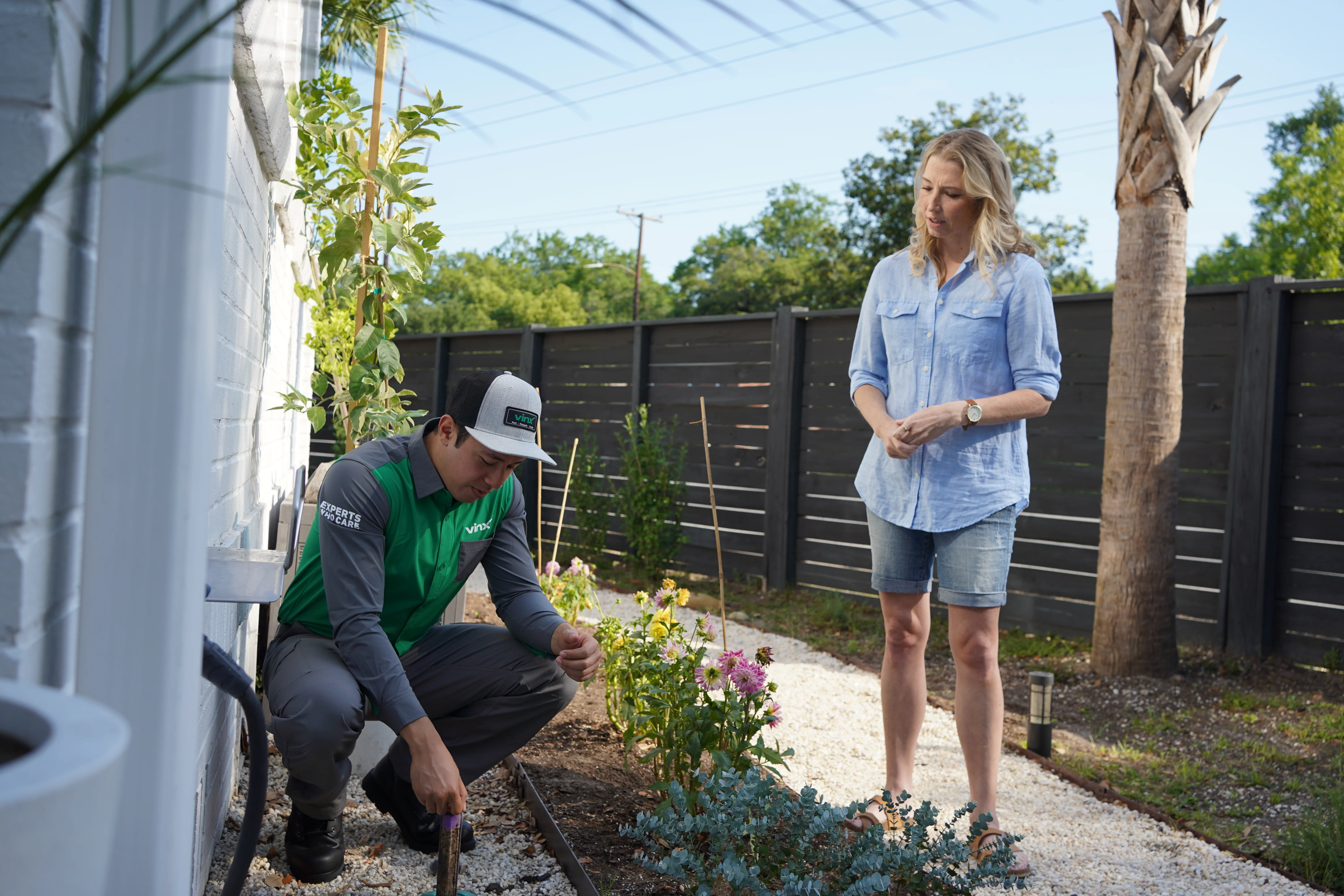
Exterior Bait Station Placement
Tamper-resistant bait stations are placed along the foundation perimeter, garage walls, and other exterior runways where rodent activity is highest. Stations are locked down and labeled, safe for use around children and pets when properly deployed. Your technician maps station placements for tracking across follow-up visits.
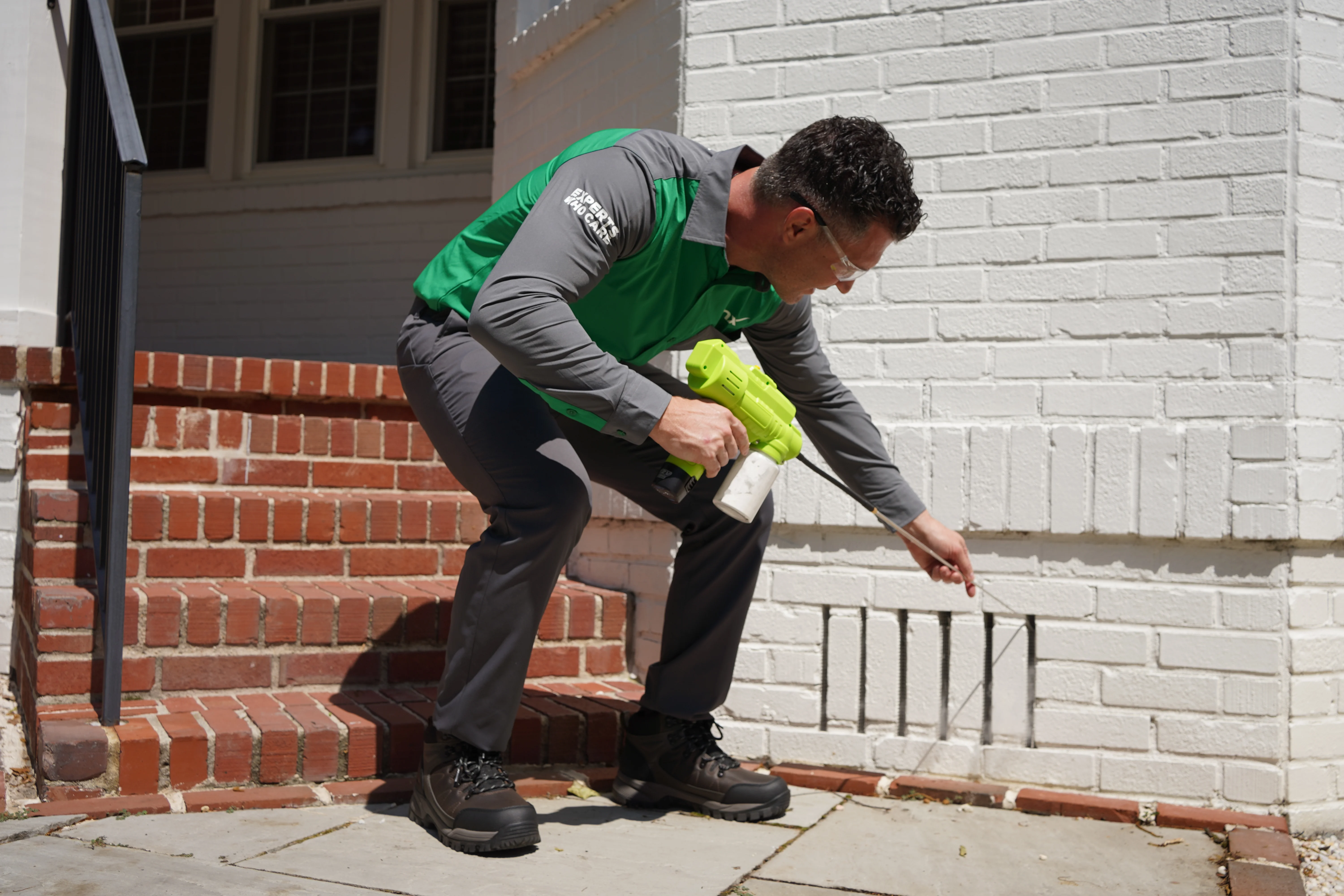
Interior Trapping
Snap traps and/or glue boards are placed along active interior runways, behind appliances, inside cabinets, along walls in the attic and crawlspace. Trap placement comes from the evidence found at inspection, not from guesswork. At every service visit the traps are checked and reset.
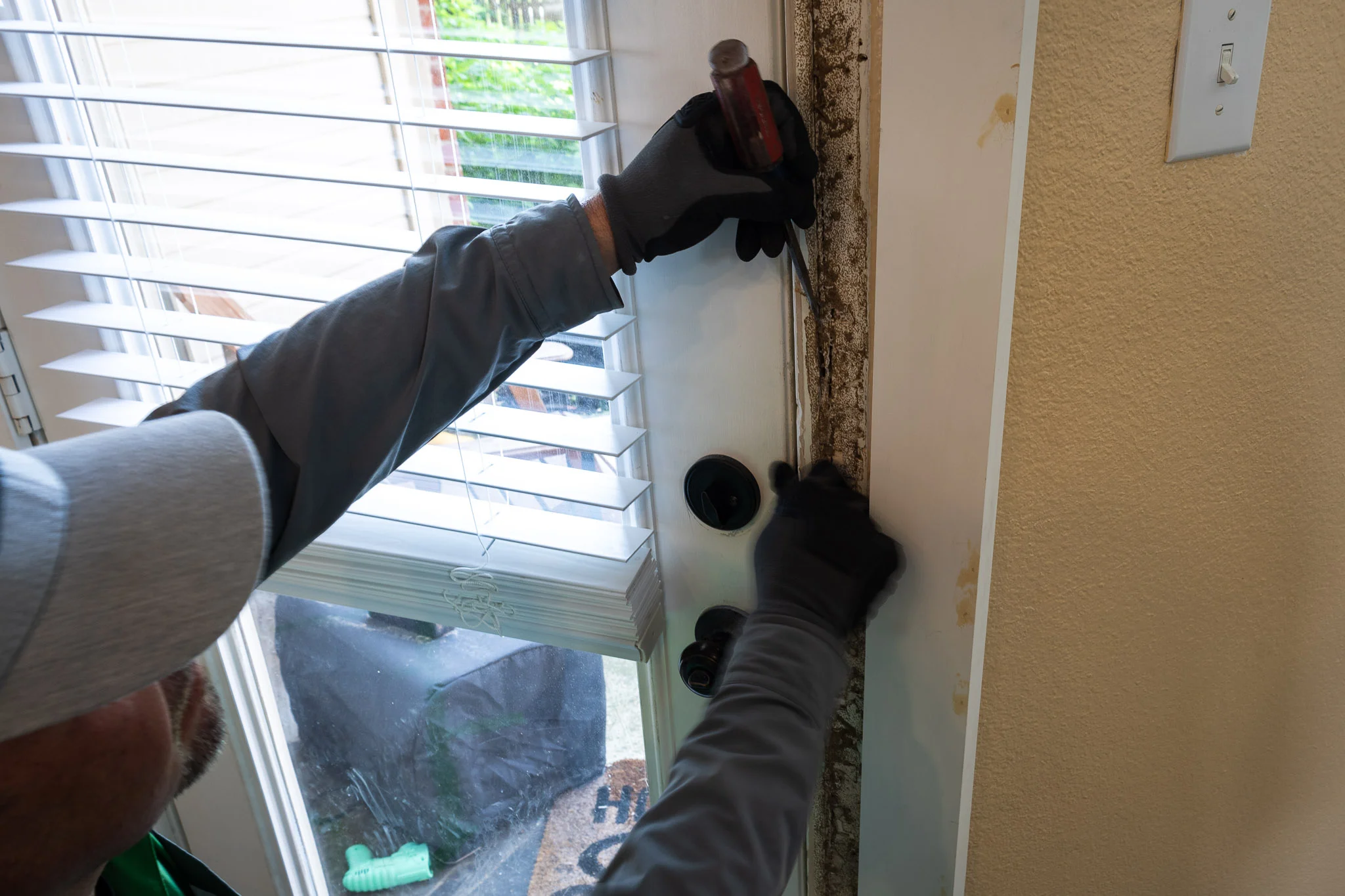
Exclusion & Follow-Up
Steel wool, hardware cloth, and sealant are used to close the entry points identified during inspection. Exclusion is the thing that prevents re-infestation, because without it new rodents arrive as fast as you remove the old. Follow-up visits establish that the infestation is resolved and the exclusion is holding.
What Our Customers Say
What Charleston Homeowners Say About Vinx Rodent Control
Vinx has always gone above and beyond to keep our house protected against pest. They are highly professional and offer services from termite to mosquitos, rodents even bees. They not only work at getting rid of these issues but also have the ability for preventative measures. I strongly recommend
Nicholas did a great job with the rat exclusion. He knew the information and explained it well. He had a good work ethic & a pleasant attitude. It was a pleasure to work with Nicholas.
Vinx was actually early for our appointment ( that never happens in the South) and the technician, Mark, was very professional and explained in detail what needed to be done.
Vinx has been wonderful! Heather showed up with a smile and listened to my concerns of large flies and a potential mouse in my garage. She quickly assessed the situation and treated the problem areas. I highly recommend Vinx for your pest control needs!
I am a Very satisfied customer of Vinx pest control. I have received top customer care and service since 2020. The technicians are always polite, friendly and accommodating. The technicians have been servicing my home so long that they are mindful not to show up too early as they are familiar with my work from home schedule. I appreciate the flexibility and consideration. I am a happy customer. 😊
The tec, Johnathan, knows how to do his job. It was comforting to observe someone that knows how to get things well done. He is a good service technician and a great worker bee.good job, well done.
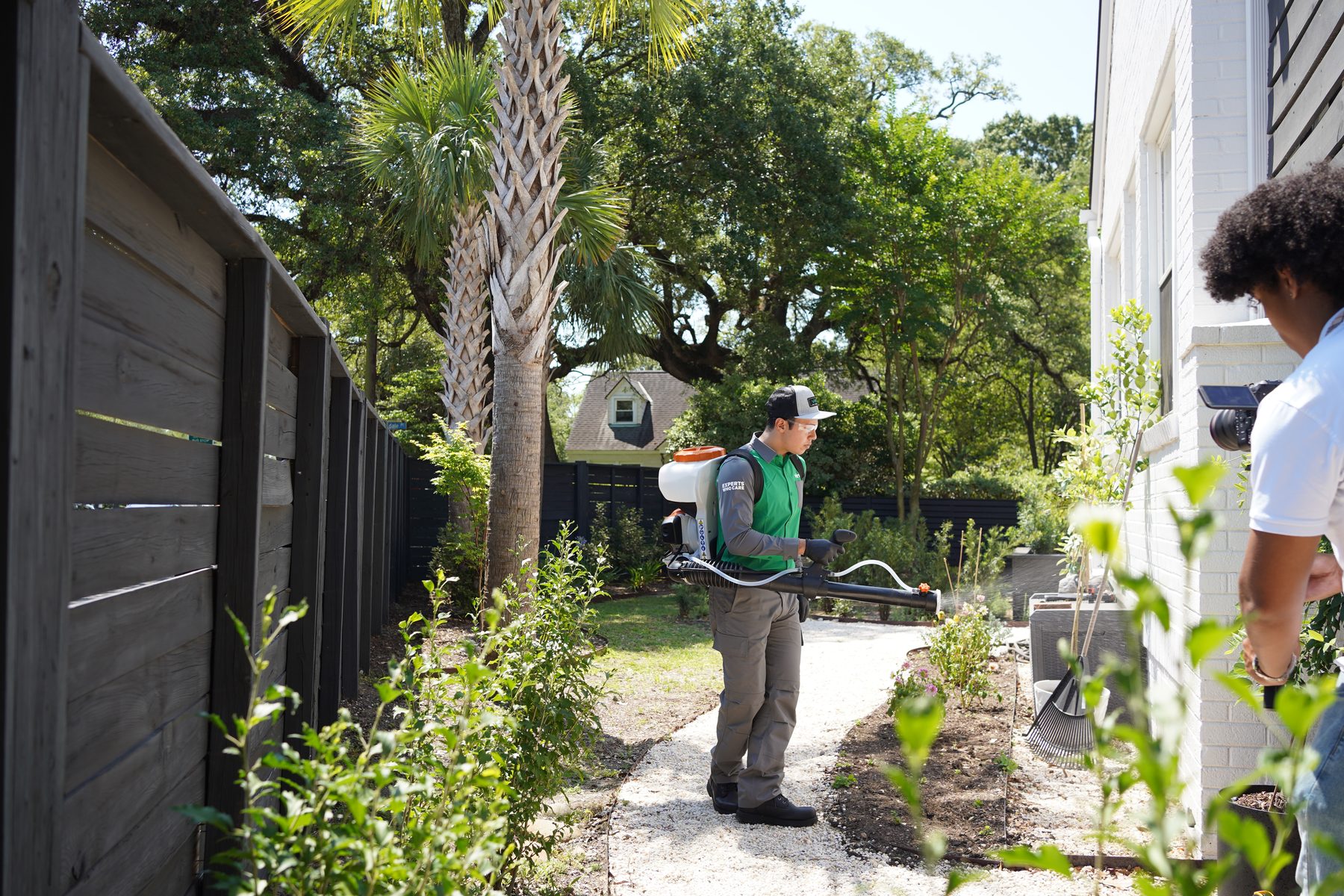
Hearing Scratching in Your Walls?
The population inside your home grows every day you wait. Get a free inspection, same-day availability. We seal first, remove second.
The Local Threat
Why Rodent Control in Charleston Is More Complicated Than Most Cities
Charleston sits on a peninsula surrounded by Ashley and Cooper Rivers, with marsh edges, tidal creeks, and drainage canals threading through every neighborhood, natural rodent corridors.
West Ashley's drainage canals, James Island marsh edges, and Johns Island tidal creek banks are continuous ground-level corridors that run right up to residential foundations. Rodents move into a structure wherever they find food, water, and shelter, which is why sealing gaps and cutting off food sources matters year-round rather than on a calendar.
Port and waterfront districts are long recognized as rodent-prone environments generally, which is part of why both rat species are so well established in coastal cities.
Charleston's mild winters mean populations never experience the freeze-off northern states get. A Norway rat female produces four to six litters a year and can wean twenty or more young in that time. Charleston's climate is close to ideal for them.
Rodent Species in Charleston
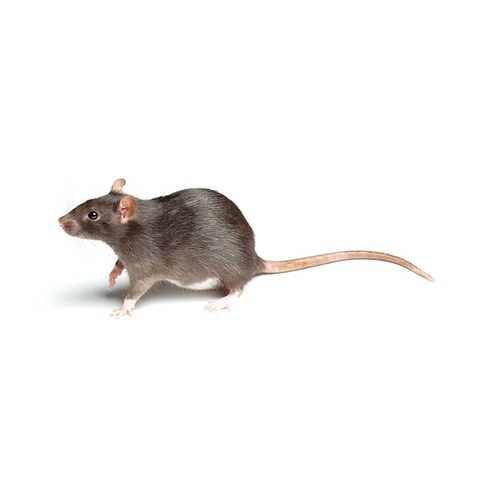
Norway Rats
Ground dwellers. Burrow along foundations, enter through ground-level gaps, sewer lines, utility penetrations.
An adult needs an opening of only about half an inch, and a juvenile a quarter of an inch.
Most often found where ground-level cover meets a food source: canal banks, marsh edges, refuse areas, and dense vegetation against a foundation.
Active year-round here, with no winter freeze-off to knock the population back.
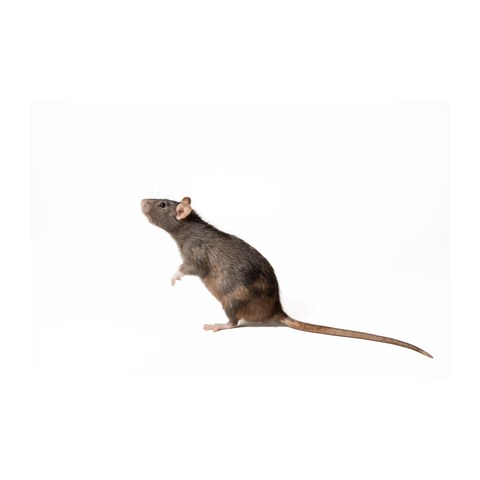
Roof Rats
Climbers. Enter through roofline gaps, deteriorated soffit, and tree branches touching the roofline.
Needs an opening of only about half an inch.
More common in historic downtown (French Quarter, Ansonborough) and wooded Mount Pleasant.
Charleston's coastal humidity deteriorates soffit faster than inland climates, entry points invisible from the ground.
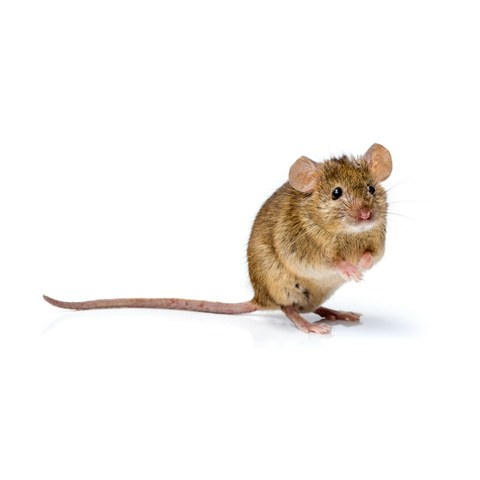
House Mice
Smallest and most common interior rodent. Can get through a gap just over a quarter of an inch, which is far smaller than most people picture.
Most commonly found in kitchen walls, behind appliances, and in attic insulation.
A mouse problem can go undetected for months before visible signs appear.
Carry salmonella, and house mice are the primary reservoir for lymphocytic choriomeningitis virus, which the CDC estimates around 5% of US house mice carry.
Know Your Risk
Rodent Risk by Area
North Charleston: Norway Rat Territory
- Norway rats work at ground level, and the older residential areas north of the airport pair aging sewer and storm-drain infrastructure with dense commercial adjacency
- Utility penetrations, sewer connections, and gaps under thresholds are the entry points found most often here
- Shared commercial refuse areas beside residential lots keep a food source available year-round
- Look for burrow holes along foundations, walkways, and slab edges rather than activity overhead
Peninsula & Historic District: Both Species at Once
- The French Quarter, Ansonborough, and South of Broad get roof rats in the canopy and attics and Norway rats at ground and cellar level, which means two different treatment plans on one property
- Mature street canopy puts limbs within reach of rooflines, the classic roof rat route in
- Attached row houses share wall voids and plumbing chases, so an infestation next door is your exposure too
- Aging drainage and cellar-level access make exclusion work as important as trapping
West Ashley: Canal & Marsh-Edge Corridors
- Drainage canals and Stono River marsh edges form continuous ground-level cover running right up to residential foundations
- Norway rats burrow along canal banks and dense vegetation, then work toward crawl spaces and garages
- Shrub lines, wood piles, and stacked yard debris against the house are the harborage to clear first
- Crawl space vents and utility penetrations are the usual entry route on older stock
James Island & Johns Island: Marsh Edge and Rural Mix
- Marsh edges and wooded residential streets give roof rats continuous cover from ground to roofline
- Johns Island’s agricultural surroundings add outbuildings, feed storage, and parked equipment as harborage
- Large lots mean more perimeter to seal and more detached structures to include in the plan
- Tree canopy touching the roof is the first entry route to check on both islands
Mount Pleasant & Daniel Island: Canopy & New Build
- Wooded neighborhoods west of Highway 17 give roof rats limb-to-roof access, so trimming branches back is the first thing to do
- Soffit and fascia materials on older homes deteriorate in coastal humidity, opening gaps at the roof edge
- New construction east of 17 and on Daniel Island brings landscaping, irrigation, and construction debris that shelter rodents at ground level
- Disturbed attic insulation and droppings in stored boxes are often the first sign anyone notices
Folly, Isle of Palms & Sullivan’s: Elevated Homes & Turnover
- Elevated construction leaves the underside of the house open, putting joists, ductwork, and insulation within reach from ground level
- Outdoor showers, ground-floor storage rooms, and dock boxes are routine harborage
- High rental turnover means food waste and unsecured bins on a weekly cycle rather than a household one
- Salt air corrodes vent screens, flashing, and door sweeps faster than inland, reopening gaps that were sealed
Warning Signs
Signs of Rodents in Your Charleston Home
Droppings Near Food & Baseboards
Small, dark pellets near food sources, along baseboards, or in cabinets are one of the earliest and most reliable signs of rodent activity.
Gnaw Marks on Wood & Wiring
Fresh gnaw marks appear light-colored and become darker over time. Rodents gnaw constantly, and chewed wiring insulation in an attic or crawl space is a common finding and a real reason to act.
Scratching Sounds in Walls at Night
Rodents are most active after dark. Scratching, scurrying, or squeaking sounds in walls or ceilings at night indicate active presence.
Grease Marks Along Baseboards
Rodents follow the same routes repeatedly. Oily smears and dark rub marks along walls and baseboards are caused by their greasy fur.
Nesting Material in Attic & Walls
Shredded insulation, fabric, paper, and other soft materials gathered into a nest indicate an established rodent population.
Burrow Holes Near Foundation
Norway rats burrow into soil along foundation walls, under slabs, and near compost or brush piles. Fresh burrows have clean-edged, compacted soil.
Ammonia Smell in Attic or Crawl Space
A strong ammonia or musty odor in enclosed spaces signals accumulated rodent urine, often before other signs become visible.
Unexplained Food & Pantry Damage
Gnawed packaging, holes in food bags, and scattered food debris in pantries or cabinets are classic indicators of mouse or rat activity.
The Evidence on Health
What Rodents Actually Do to a Household
Rodent health claims get exaggerated constantly, usually with a scary virus that has nothing to do with the animal in your attic. Here is what is genuinely documented, and it is more than enough reason to act.
Mouse Allergen Is an Indoor-Air Problem
This is the best-evidenced part. A national housing survey found mouse allergen detectable in about 82% of US homes, with the highest concentrations on kitchen floors and the highest prevalence in multi-family, older, and lower-income housing. Among people already allergic to it, elevated household levels were associated with roughly twice the odds of current asthma symptoms. In non-allergic people the same study found no association, which is worth stating honestly.
Leptospirosis Is the Real Rat Disease
Norway rats are the main urban reservoir of pathogenic Leptospira, shed in their urine, with prevalence in urban rat populations commonly reported around 30 to 50%. Rats and mice are also linked to salmonellosis and rat-bite fever, and the house mouse is the primary reservoir for lymphocytic choriomeningitis virus. Those are the documented risks, and they are why urine and droppings need proper cleanup.
What It Is Not: Hantavirus
Worth correcting, because it appears on a lot of pest control sites including, until recently, ours. Hantavirus pulmonary syndrome in the United States is carried by Peromyscus deer mice, not by house mice and not by rats. Around 890 cases have been recorded nationally since surveillance began in 1993, roughly 94% of them west of the Mississippi, and none have ever been reported in South Carolina. A house mouse in a Charleston kitchen is not a hantavirus risk.
Do Not Sweep or Vacuum Droppings
The single most important thing to get right, and most people get it wrong. CDC guidance is to air out an enclosed space for at least 30 minutes first, wear gloves, and never sweep or vacuum droppings, urine, or nesting material, because that stirs the dust into the air. Instead soak it with disinfectant or a one-part-bleach-to-ten-parts-water solution, leave it five minutes, then wipe up with paper towels.
What Works & What Doesn’t
Why Sealing the Building Beats Baiting It
Extension guidance is unusually consistent on rodents: exclusion and sanitation come before chemicals, because bait without exclusion just creates a vacancy for the next rodent to fill.
A Quarter of an Inch, Not a Coin
The numbers that matter are smaller than the usual comparisons suggest. A mouse passes through an opening slightly larger than a quarter of an inch; a juvenile rat needs about the same, an adult rat about half an inch. Which means the standard advice to seal anything bigger than a quarter-inch is the actual threshold, and the popular line about a hole “the size of a dime” overstates it by nearly three times.
Traps Inside, Bait Outside
For interior work, extension guidance favors trapping for three specific reasons: it puts no pesticide in the living space, it lets the carcass be removed before it becomes an odor problem, and it gives you proof the rodent is actually gone. There is no way to predict where a poisoned rodent will die, which is the practical argument against interior bait, so we reserve bait for exterior stations.
Why Bait Placement Is Regulated
All rodent baits are toxic to dogs and cats, and a dead rat can contain several lethal doses. Anticoagulant residues are widespread in North American birds of prey, with barn owls the most sensitive species. That is why the EPA restricts the strongest second-generation baits to professional use, requires consumer baits to be sold in tamper-resistant stations, and banned loose pellet baits for consumer sale.
Two Things That Do Not Work
Ultrasonic repellers: UC IPM calls them ineffective for rats in homes and gardens, rodents habituate quickly, and the FTC warned more than 60 manufacturers over efficacy claims. Cats: at a New York waste facility with over a hundred tracked rats, resident cats managed two kills in 79 days, and the rats simply spent more time in their burrows. Outdoor pet food, meanwhile, is a genuine rat attractant.
Homeowner Tips
6 Ways to Reduce Rodent Risk Right Now
Kid & Pet Safe
Our Treatments Are Safe for Your Whole Family: Including the Furry Members
Every product we use is EPA-registered and applied strictly at labeled rates by licensed technicians. We take the guesswork out of safety so you can feel confident letting kids and pets back into treated areas quickly.

EPA-Registered Products Only
All products we apply are EPA-registered and used strictly per label requirements. Our licensed technicians are trained to apply the right product in the right place at the right rate, every time.
Dry Time Before Re-Entry
Exterior spray treatments dry in 30–60 minutes. Once dry, treated surfaces are safe for children and pets to contact. Your technician will confirm the all-clear before leaving your property.
Interior Treatment On Request
We treat only what’s needed, where it’s needed. Gel baits in cabinets and crack-and-crevice applications keep products away from areas pets and children frequent most.
Botanical Options Available
Have specific sensitivities? Ask your technician about our plant-derived treatment options. We offer botanical alternatives for households that prefer a more natural approach.
Have a concern about products used near your pets or children? Call 855-800-8469 and we’ll walk you through exactly what we use and why it’s safe.
Explore More
More Pest Control Services in Charleston

Pest Control Charleston
General pest protection

Ant Control Charleston
Household ants & others

Bed Bug Control Charleston
Heat & liquid treatments

Cockroach Control Charleston
Palmetto bug & roach removal

Mosquito Control Charleston
Monthly barrier treatments

Spider Control Charleston
All spider species covered

Termite Control Charleston
Bait systems & liquid treatment

Tick & Flea Control Charleston
Yard & pet protection
Exterminator Charleston
Same-day local exterminators

Wasp Control Charleston
Nest removal & prevention
Frequently Asked Questions
Rodent Control FAQ for Charleston Homeowners
Exterior mice and rat monitoring is included in Vinx HomeGuard at $49/mo. For bi-monthly visits with extended coverage, Vinx Plus at $75/mo. Initial exclusion work is quoted separately after the free inspection based on the number of entry points found.
Yes. Tamper-resistant exterior bait stations are inaccessible to pets and children. Interior snap traps are placed only in non-living spaces, attic, crawl space, wall cavities. No rodenticide is used in living areas. All products are EPA-registered. SC PCO License B3623.
Inspection takes 45–90 minutes. Exclusion work takes 2–4 hours for a standard Charleston home, longer for older homes with more entry points. Population removal begins after exclusion and is confirmed at the follow-up visit 7–14 days later.
A minimum of 3 visits, initial inspection, exclusion and treatment, and follow-up confirmation. Homes with heavy roof rat pressure in Mount Pleasant and James Island sometimes need a second follow-up visit.
Yes. If rodents return after exclusion and treatment, Vinx returns at no charge. If unsatisfied within 30 days, we return free. If the problem persists after 30 days, we refund your most recent payment.
Vinx does not currently use K9 detection. Our technicians conduct a comprehensive manual inspection, full interior including attic, crawl space, kitchen walls, and garage, plus a 10-foot exterior perimeter sweep. Across 3,000 Charleston homes, thorough manual inspection covers everything a K9 team would identify.
Most Charleston appointments are same-day or next-day. Call 855-800-8469. If we cannot service your home the next business day, your initial service is free.
Yes. Norway rats are the burrowing rodent we deal with most in Charleston, establishing along marsh edges, drainage canals, and tidal creek banks, and in refuse areas and dense vegetation against a foundation. They work at ground level rather than overhead. An adult needs an opening of only about half an inch and a juvenile about a quarter of an inch, which is why exclusion means sealing every gap larger than a quarter-inch rather than only the obvious ones.
Roof rats. They are exceptional climbers and access rooflines through overhanging tree branches, deteriorated soffit, and roofline penetrations. Charleston's coastal humidity deteriorates soffit faster than inland climates, creating entry points invisible from the ground. Scratching sounds in the ceiling at night most likely means roof rats.
Yes. No sustained freeze means rodent populations never decline the way they do in northern states. Rodents breed, feed, and expand range year-round in Charleston. Ongoing monitoring, not one-time treatment, is the recommended approach.
Port and waterfront districts are long recognized as rodent-prone environments, and both rat species are well established in coastal cities, so it is a fair thing to ask about. What we will not do is put a number on it. There is no public surveillance data ranking rodent pressure by Charleston neighborhood, so any company telling you one area is the highest in the metro is guessing. What actually predicts whether you get rats is specific to your property: ground-level cover, an available food source, and gaps larger than a quarter of an inch.
Yes. Squirrel exclusion is handled as part of the same rodent exclusion service. Squirrels use identical roofline entry points as roof rats, the exclusion materials and methods are the same. The technician identifies squirrel activity during the initial inspection. Call 855-800-8469.
Service Coverage
Rodent Control Across Charleston & the Lowcountry
Serving every neighborhood in the Charleston metro area
Serving the Greater Charleston Area