Pest Control in Johns Island, SC
Full-Service Lowcountry Pest Control: South Carolina’s Largest Island, from the Angel Oak to Maybank Highway
Johns Island is South Carolina’s largest island: 84 square miles of working farmland, tidal creeks, and centuries-old live oaks, including the famous Angel Oak, just minutes from downtown Charleston. That scale brings genuinely rural, wildlife-adjacent pest pressure most Charleston suburbs never see, alongside the marsh-driven mosquitoes and coastal humidity of the tidal Stono River. From the historic oaks near Main Road to the deepwater estates along River Road to the busy Maybank Highway corridor, Vinx treats by what this uniquely large, uniquely rural island actually demands. 100% satisfaction guarantee.
Get Started in 60 Seconds
Choose what’s easiest for you
Request a Quote
We usually respond in 2 minutes
Call (855) 800-8469
Get a Live Person (no AI agents here!)
Sign Up Online
Get pricing and schedule now



Welcome to Vinx Pest Control
A Company That Actually Backs What It Says
At Vinx, we combine professional-grade treatments with a level of service most pest control companies don’t offer. Local technicians, fast response times, and a guarantee that actually means something.
“I’m not passionate about killing bugs. I’m passionate about customer service. At Vinx, you get experts who show up, do the job right, and stand behind every visit. No runaround, no fine print.”

Founder & Owner, Vinx Pest Control
PROTECTION PLANS
Protection Plans for Johns Island Homeowners
100% money-back guarantee on every plan.
Standard Residential Protection
- 4 Seasonal Treatments Per Year
- 50+ Covered Pests
- Interior, Exterior & Yard Treatment
- Unlimited Free Re-Services
- 100% Money-Back Guarantee
- Fire Ant Yard Guarantee
- Flea & Tick Coverage
- Mosquito Treatments

Upgraded Yard Protection
- 6 Home & Yard Treatments Per Year
- 50+ Covered Pests
- Interior, Exterior & Yard Treatment
- Unlimited Free Re-Services
- 100% Money-Back Guarantee
- Fire Ant Yard Elimination Guarantee
- Flea & Tick Elimination Guarantee
- Mosquito Treatments

Most Comprehensive Protection
- 9 Treatments Per Year
- 50+ Covered Pests
- Interior, Exterior & Yard Treatment
- Unlimited Free Re-Services
- 100% Money-Back Guarantee
- Fire Ant Yard Elimination Guarantee
- Interior Flea & Tick Coverage
- 8 Mosquito Treatments (Mar–Nov)
- Free Bed Bug Treatments if Needed*
*Starting rates vary by home size and area. All plans billed monthly.
Request Your Free Pest Control Quote
Fill out the form below and a Vinx team member will reach out within 2 minutes during business hours.
Prefer to talk? Call (855) 800-8469 for a live person, no AI agents.
Our Process
How Vinx Treats Your Johns Island Home: Step by Step

Inspection & Reporting
Every visit is an inspection as much as a treatment, and on Johns Island it covers the whole property: the house, then the barn, sheds, feed storage and fence lines, because that is where a rural population actually lives. Early termite activity, foundation moisture, entry points, wasp nests and wood-to-soil contact at every building. If we spot something, we tell you straight.
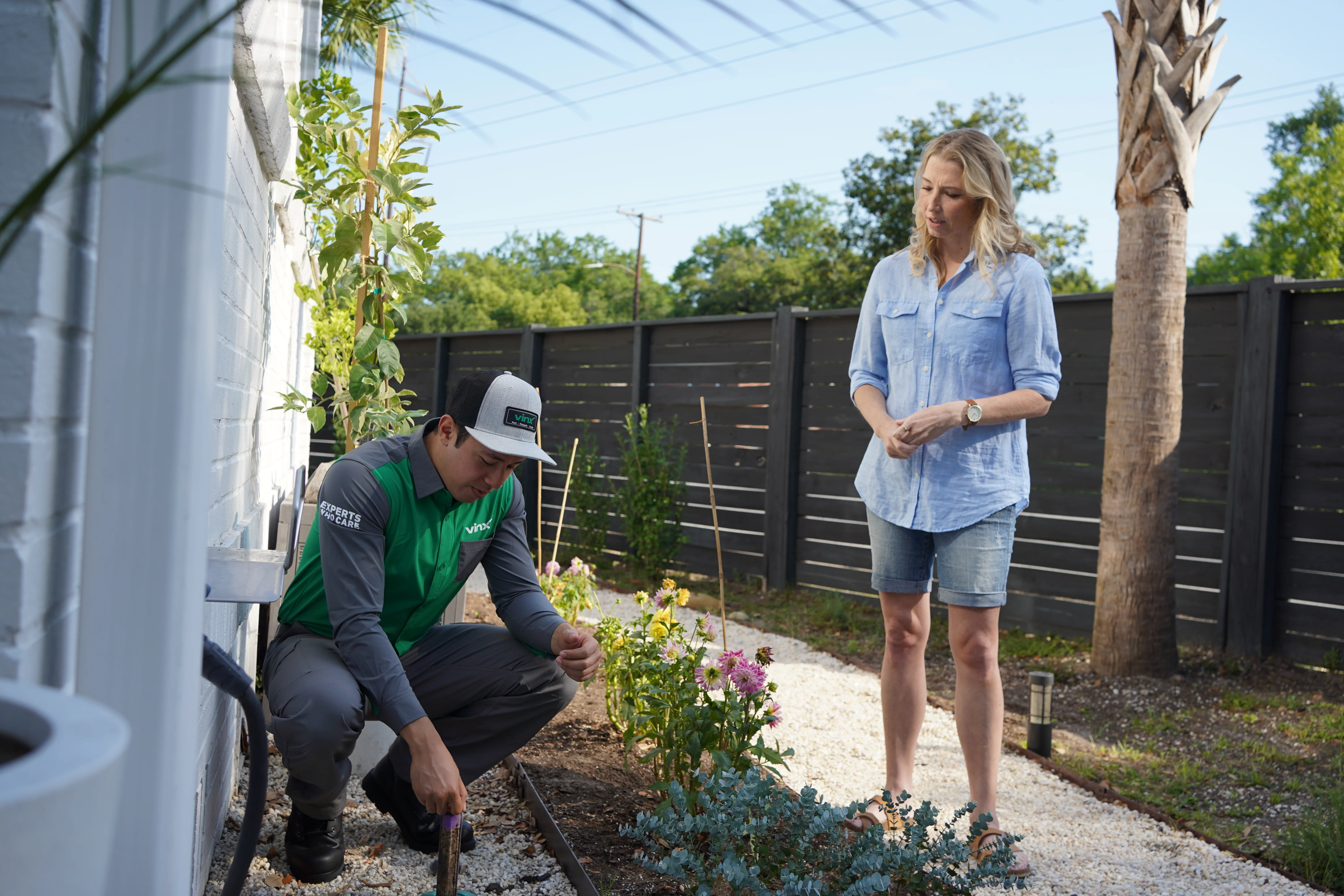
Exterior Foundation Treatment
The foundation gets a micro-encapsulated barrier, three feet up and three feet out, covering utility penetrations, mulch beds and the vegetation at the wall, with buffers around the septic drain field, the wellhead and any Stono marsh frontage respected rather than worked around. The products become safe for children and pets on drying, 15 to 20 minutes.
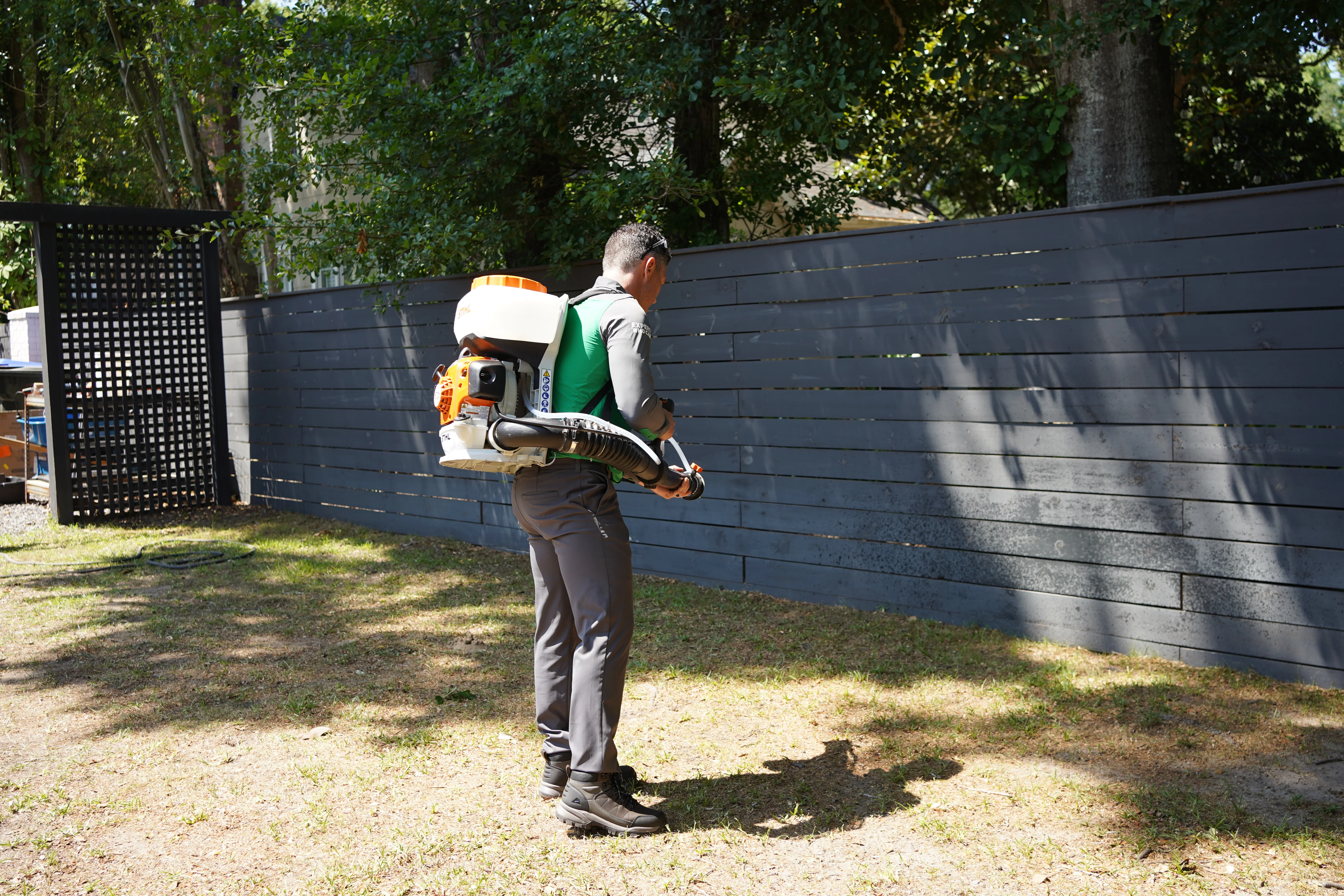
Yard Treatment
The full yard is treated up to 30 feet out, starting with the outbuildings, because barns and feed sheds are drier, quieter and better provisioned than the house and hold the population that keeps re-entering it. Fire ant granular goes on lawn and paddock edge on Plus and Platinum, flea and tick treatment covers ground cover and fence lines, and Platinum mosquito treatment targets the resting foliage along ditches and the marsh edge.
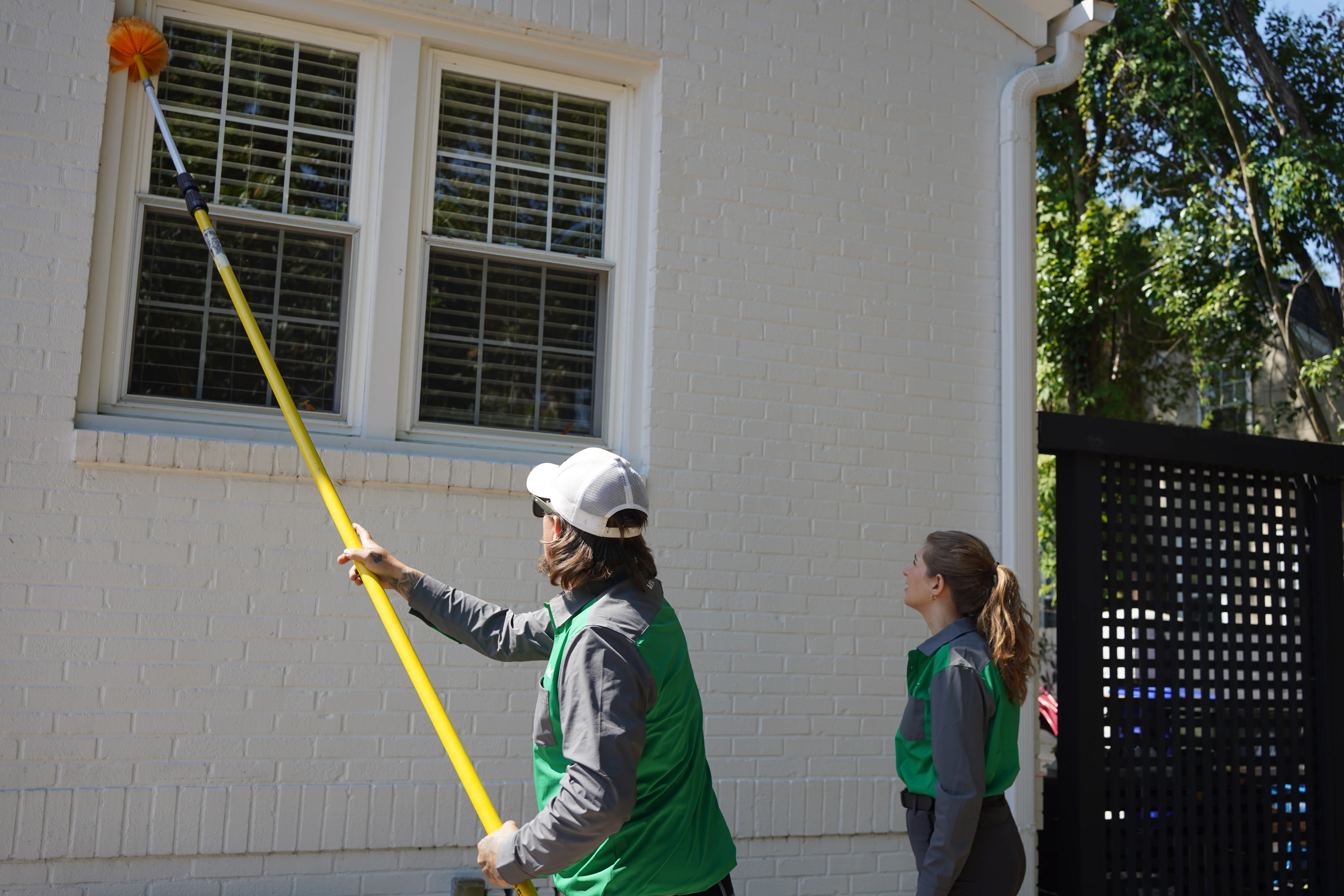
Sweep & Treat Eaves
First- and second-story eaves are swept every visit, cobwebs, wasp nests and spider webs all come down, and the spots are treated with a residual so returning wasps meet product. Limbs from mature live oaks overhanging the roof get particular attention, since they are a bridge for rodents and carpenter ants.
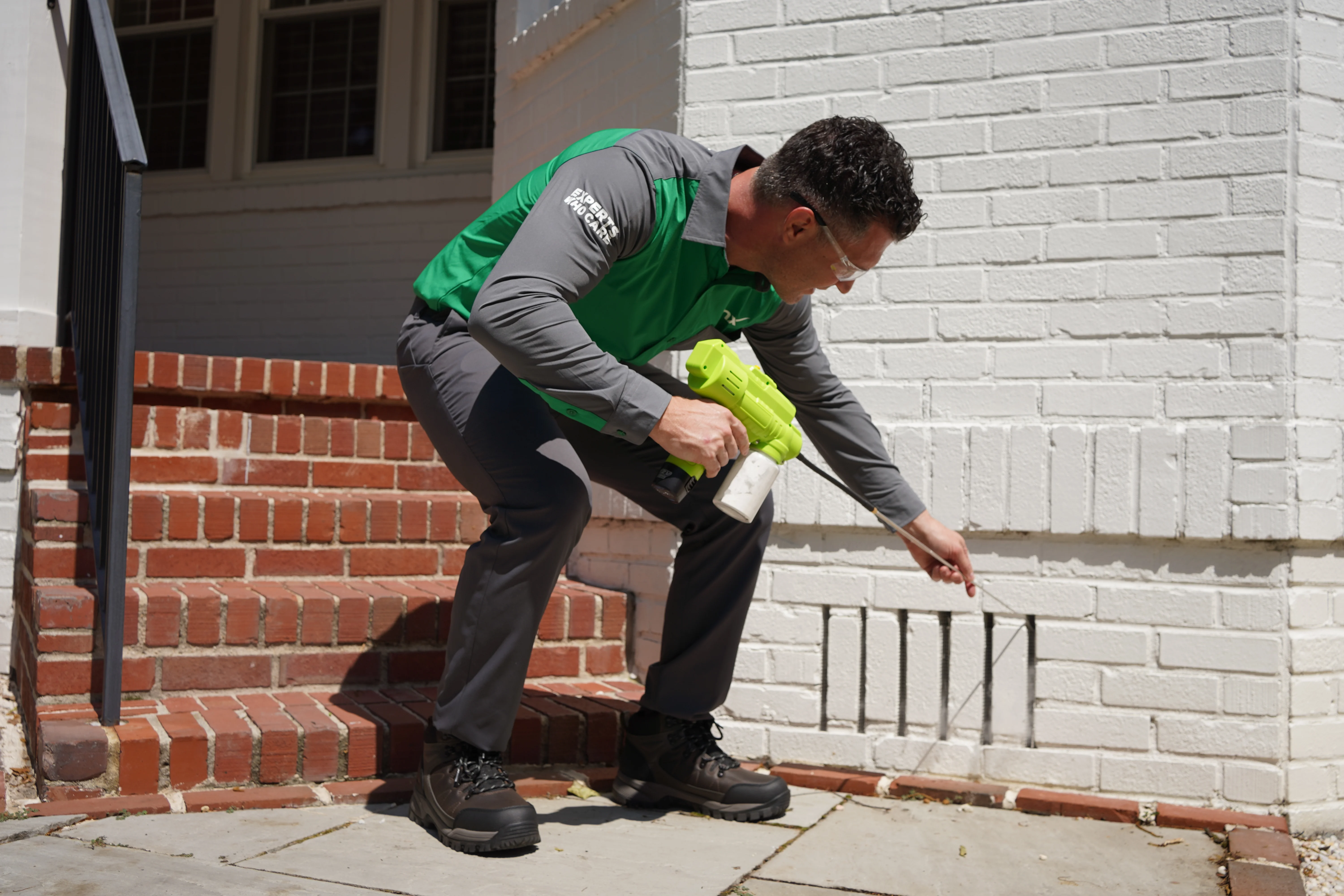
Power Dust Injection
A handheld compressor sends dust deep into the exterior cracks, weep holes, expansion joints and gaps around pipes. In an older River Road farmhouse generations of pest activity settle into wall voids a surface spray never reaches; the dust flushes them and stays active far longer.
Interior Treatment (If Needed)
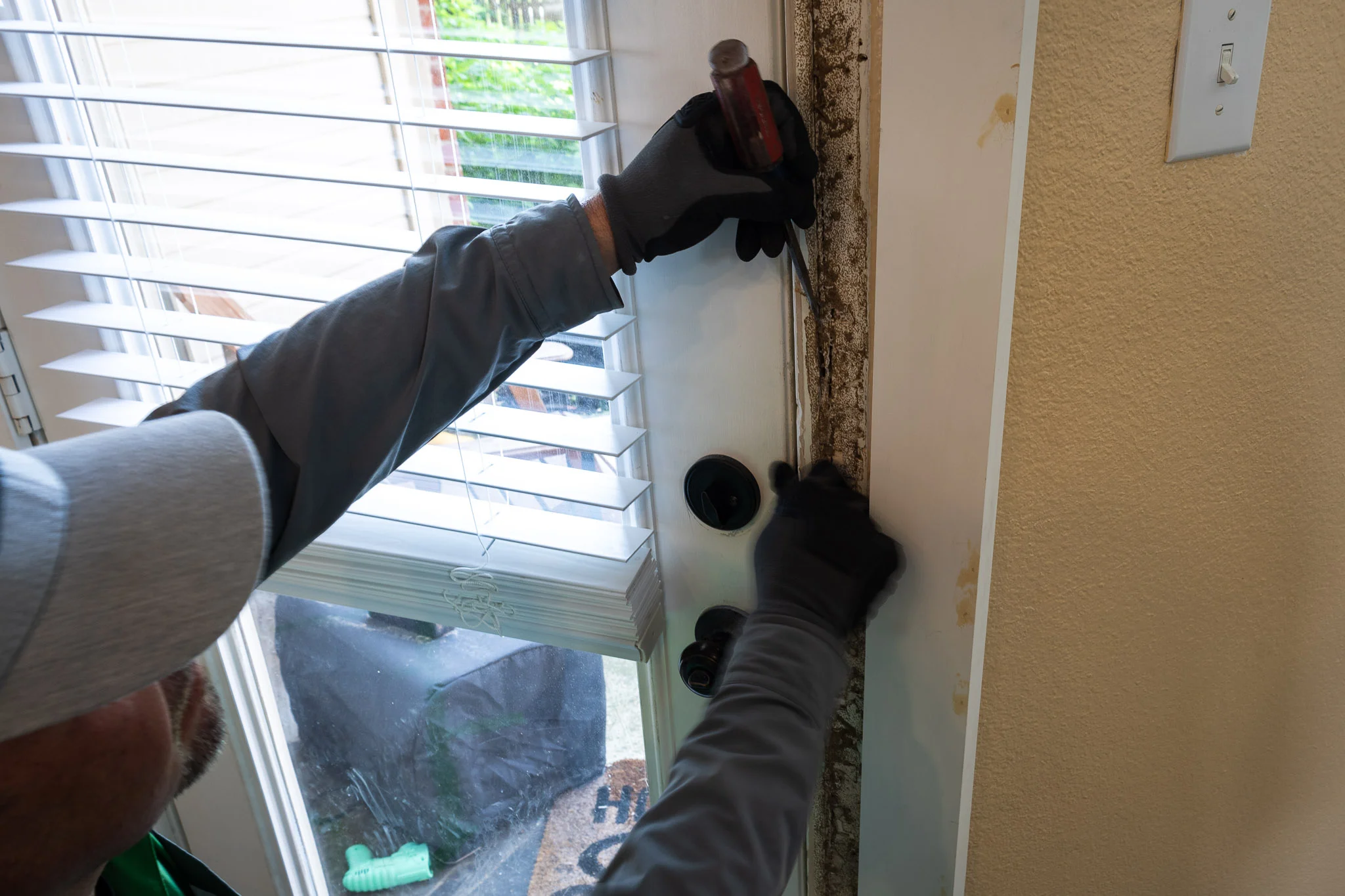
We rarely go inside, and that is by design. When rodents, carpenter ants or palmetto bugs are already established indoors or in an outbuilding, we treat the harborage directly rather than misting a room: targeted applications along baseboards, under appliances, around plumbing, plus gel bait. No broadcast indoor spraying, and the same products that are safe for kids, pets and livestock once dry.
Conducive Condition Report
At the end of every visit, your technician documents any conditions increasing pest pressure, moisture entry points, foundation gaps, vegetation contact, clogged gutters, standing water near the foundation. Johns Island's coastal environment creates specific conducive conditions that most companies never flag. We do, every single time.
Customer Reviews
Trusted by Johns Island Families: 4.8 Stars on Google
Hello all you very nice people at Vinx Pest Control. Brandon and Adam, like the rest of the guys who have serviced my home, were very polite and did their job with a smile. Thanks for a job well done.
We had a great experience with Vinx pest control. Needed our rental house treated for fleas. They were able to fit me in quick and the service was great.
Vinx Pest Control is an awesome and dependable company with respectful and knowledgable employees. Leon is a very personable young man and knows his job well. He answered all of my questions and left me feeling secure that the services rendered will take care of my concerns.
They were very personal, willing to give good advice. Heather and her partner came on time with smiles. Saw a great improvement with the first treatment looking forward to see with the second treatment done, how much more stress free l will become.
Vinx has always gone above and beyond to keep our house protected against pest. They are highly professional and offer services from termite to mosquitos, rodents even bees. They not only work at getting rid of these issues but also have the ability for preventative measures. I strongly recommend
Paul, Rico, Chris and Christian did an amazing job. I have several animals, a small child and many fruit and vegetable plants. They assured me their methods were safe for all and effective. Very polite and professional. Excellent service!
Year-Round Pest Pressure
Why Pest Control in Johns Island Is a Year-Round Commitment
Most regions get a winter break from pest pressure. Johns Island does not, and it is also still a working rural island, which is the part most companies get wrong. At about 74 square miles, the largest island in the state, much of it is farmland on poorly drained Meggett clay, with septic systems, private wells, barns and feed rooms, tidal marsh along the Stono and centuries-old live oaks, including the Angel Oak, all inside a few minutes of downtown Charleston.
Johns Island’s tidal marsh edge along the Stono River and the island’s many creeks is one root of the problem, and its genuinely rural, agricultural character is the other. Standing water and elevated humidity sit close to homes along the marsh and creek corridors, and across the low-lying farmland and older oak-canopied properties. That moisture sustains mosquito populations from late February through November, keeps soil moisture elevated year-round sustaining palmetto bug colonies, and creates the damp crawlspace conditions that Formosan termites need to establish.
6 Pest Pressures in Johns Island
Palmetto Bugs
Johns Island's most recognized pest, locally called the palmetto bug. High ambient humidity, tidal marsh proximity, and the older, crawlspace-heavy farmhouses and oak-canopied properties near Main Road and Angel Oak create ideal conditions. They arrive through drain lines, crawlspace vents and plumbing penetrations. Never entirely stops, pressure peaking June to September. Older homes beneath oak canopy get the most indoor activity.
Fire & Argentine Ants
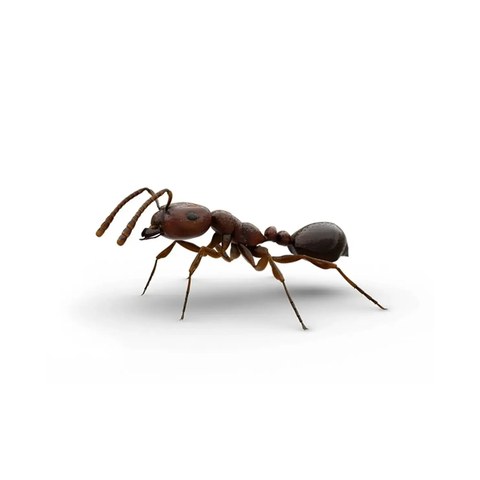
Fire ant mounds appear almost overnight in Johns Island's open, sunny turf. Argentine ants trail persistently in the island’s established subdivisions, and carpenter ants exploit the moisture-damaged wood of the oak-shaded older homes near Angel Oak and Main Road. Each species takes a different treatment approach.
Termites
Johns Island sits inside the Formosan termite's core range, the species was first documented in the continental U.S. in the Charleston area in the 1950s, and Clemson lists coastal SC as the state's highest-concentration zone. Homes in the moss-draped historic corridor near Angel Oak and along Main Road, on settled foundations with direct soil contact, are highest risk. Your homeowners insurance will not cover termite damage. Colony elimination is continuous under Sentricon TotalDefense.
Mosquitoes
Johns Island's mosquito season runs late February through November, one of the longest in SC. The tidal Stono River and the island’s many creeks and salt marshes provide constant breeding habitat. Through peak season, monthly treatment targets the vegetation adults shelter in. Deepwater estates along River Road and the Stono River corridor are nearly impossible to enjoy outdoors without treatment.

Rodents
Roof rats are the dominant rodent species in coastal Johns Island, traveling along fence lines, power lines, and the mature oak canopy of older properties near Main Road and Angel Oak. Rural and agricultural land near Mullet Hall adds field-mouse and wildlife-adjacent pressure. They enter through roofline gaps, gable vents, and utility entry points, and the dense retail and restaurant development along the Maybank Highway corridor carries elevated pressure.
Spiders
Garage-heavy construction and the mature, oak-lined lots near Angel Oak and Main Road create high spider pressure year-round. Black widows are common in undisturbed places: woodpiles, deck undersides, garage corners. Wolf spiders frequent on rural and agricultural properties bordering wooded land and the marsh. Every Vinx visit takes the cobwebs off the eaves.
Mild winters compound the problem. When temperatures rarely drop below 40°F, fire ants stay viable in pastures and tilled fields, palmetto bugs stay active in barns and farmhouse crawl spaces, and mosquitoes persist into December in a warm year. And Formosan termites, established across the Charleston area since the mid-1950s, are documented in live trees, which on this island is a great deal of canopy.
Quarterly pest control in Johns Island is not optional maintenance. It is the baseline level of defense for a home in one of the most pest-active coastal areas of South Carolina.
Settlement here has hugged the water since the beginning, which is why so much of the island’s building stock sits close to it. By the 1670s colonists had scattered settlements near the water on Johns Island, and surviving maps from 1695 and 1711 already show plantations established along the banks of the Stono River. The main colonial crop was indigo, worked on that same low ground. Three and a half centuries later the pattern holds: the oldest ground, the wettest ground and a good deal of the housing still occupy the same margins, which is why pest pressure here follows the water line rather than the road.
Pest Pressure by Neighborhood
Know Your Neighborhood’s Risk in Johns Island
Angel Oak & Main Road Corridor: Wood-Destroying Pests & Ants
Historic, tree-canopied properties near the island’s iconic 400-to-500-year-old live oak give wood-destroying pests and ants decades of settled foundations and mature tree cover to work with. Carpenter ants in the old oaks and roofline access are common; quarterly treatment plus sealing settled foundation gaps is the reliable fix here.
River Road & Stono River Corridor: Mosquitoes & Marsh Moisture
Deepwater estates and historic properties along the tidal Stono River see elevated mosquito and moisture pressure directly tied to marsh and creek-adjacent geography. Platinum mosquito service and moisture-conscious termite protection are the appropriate levels for waterfront homes here.
Mullet Hall & Equestrian Corridor: Rodents & Wildlife-Adjacent Pests
Multi-acre horse farms and rural properties near Mullet Hall Equestrian Center sit closest to wooded and agricultural land, giving rodents and other wildlife-adjacent pests the most room to establish. Quarterly perimeter treatment plus rodent monitoring and exclusion is the reliable approach on larger rural lots.
Maybank Highway Corridor: German Cockroach & Bed Bug Risk
The island’s commercial heart, lined with restaurants, breweries, coffee shops, and shopping centers, sees the guest and delivery turnover that comes with steady foot traffic, a genuine driver of German cockroach and occasional bed bug activity. Gel bait and targeted interior work, rather than perimeter spray, is what works here.
New Growth Corridor: Standard Residential Pest Pressure
Johns Island’s newer subdivisions and growth areas, built during the island’s rapid population growth in recent years, see standard residential pest pressure typical of recently developed neighborhoods. Quarterly perimeter treatment plus seasonal ant and fire-ant coverage keeps general pressure down.
Complete Coverage
What Vinx Treats in Your Johns Island Home
Every common Lowcountry pest covered under one recurring service plan
Palmetto Bugs
Year-round pressure. Drain lines, crawlspace vents, plumbing penetrations.
All Plans
Fire & Argentine Ants
Sandy coastal soil & new construction displacement. Requires Plus or Platinum.
Plus & PlatinumSpiders
Black widow, wolf spider. Cobweb removal included every visit.
All Plans
Wasps & Hornets
Nest removal from soffits and eaves. Persistent in warm coastal climate.
All Plans
Fleas & Ticks
Exterior flea/tick treatment. Interior flea covered in Platinum.
Plus & PlatinumMosquitoes
Monthly treatment Mar–Oct. Tidal proximity demands this level.
Platinum OnlyRodents
Roof rats, fence lines, power lines, roofline gaps. Exterior bait stations.
All PlansTermites
Formosan termite core range. Sentricon TotalDefense from $35/mo+.
Add-On
Bed Bugs
Covered after 12 months of Platinum service.
Platinum 12moKid & Pet Safe
Our Treatments Are Safe for Your Whole Family: Including the Furry Members
Every product we use is EPA-registered and applied strictly at labeled rates by licensed South Carolina technicians. We take the guesswork out of safety so you can feel confident letting kids and pets back into treated areas quickly.
EPA-Registered Products Only
All products we apply are EPA-registered and used strictly per label requirements. Our licensed technicians are trained to apply the right product in the right place at the right rate, every time.
Dry Time Before Re-Entry
Exterior spray treatments dry in 30–60 minutes. Once dry, treated surfaces are safe for children and pets to contact. Your technician will confirm the all-clear before leaving your property.
Interior Treatment On Request
We treat only what’s needed, where it’s needed. Gel baits and crack-and-crevice applications keep products away from areas pets and children frequent most.
Botanical Options Available
Have specific sensitivities? Ask your technician about our plant-derived treatment options. We offer botanical alternatives for households that prefer a more natural approach.
Have a concern about products used near your pets or children? Call (855) 800-8469 and we’ll walk you through exactly what we use and why it’s safe.
Explore More
More Pest Control Services in Johns Island
Termite Control Johns Island
Sentricon bait system
Mosquito Control Johns Island
Monthly barrier treatments
Ant Control Johns Island
Household ants & others
Spider Control Johns Island
All spider species covered
Cockroach Control Johns Island
Palmetto bugs & German roaches
Rodent Control Johns Island
All rodents covered
Bed Bug Treatment Johns Island
Heat & liquid treatments

Tick & Flea Control Johns Island
Yard & pet protection
Exterminator Johns Island
Same-day local exterminators
Frequently Asked Questions
Pest Control in Johns Island: Your Questions Answered
The HomeGuard quarterly plan starts at $49 per month for homes up to 3,000 sq ft, $52 for 3,000 to 4,000, $55 for 4,000 to 5,000 and $59 above that. Plus, which is bi-monthly and covers fire ants plus fleas and ticks, starts at $75; Platinum with monthly mosquito service runs $109. Pricing is published online. Larger rural lots with outbuildings are quoted after a walk of the property.
All plans cover palmetto bugs, household ants, spiders, wasps and hornets, silverfish, earwigs, pill bugs, crickets, beetles, centipedes and millipedes, plus exterior mice and rats. Plus includes fire ants and exterior flea and tick treatment, while Platinum includes mosquitoes and interior flea treatment. Termites go through the separate Sentricon add-on, and bed bug coverage begins after 12 months of Platinum. On Johns Island the fire ant, palmetto bug and rodent lines get the most use, because barns and pasture supply all three.
Yes, on every plan. Treatment focuses on the exterior routes palmetto bugs use, drain lines, crawl-space vents, utility penetrations and foundation gaps, and interior treatment is available on request. On Johns Island the barns, stables and feed sheds around Mullet Hall and River Road are a documented agricultural harborage, so the outbuildings are treated alongside the house.
Yes. Sentricon TotalDefense from Vinx means in-ground bait stations around the perimeter, annual inspection and a re-treat warranty. Charleston County is on Clemson’s Formosan list, and on Johns Island a USDA Forest Service co-authored survey found oaks and maples the most damaged trees, so the inspection covers canopy and outbuildings, not just the house.
HomeGuard visits are quarterly, every 90 days. Plus visits are bi-monthly, every 60 days. Platinum runs monthly over mosquito season, March through October, with a winter service, nine visits a year. All plans give free re-treatment between visits should pests return inside. On a working lot Plus is the sensible minimum because of the fire ants.
Yes. All of the products Vinx uses are EPA-registered and applied at labeled rates by licensed South Carolina technicians. Exterior applications dry within 30 to 60 minutes. Interior treatments rely on targeted bait placement rather than broadcast sprays. Specific precautions for your service visit come from your technician.
Yes, depending on the schedule. Call (855) 800-8469 and you reach a live person, not a menu, and most Johns Island appointments land same-day or next-day. Should we not service your home the next business day, the initial service is free.
HomeGuard ($49/month) gives quarterly treatments across the core pest list, ideal for general pest maintenance. Plus ($75/month) extends to fire ant treatment and exterior flea and tick coverage with bi-monthly visits, recommended where yard activity or nearby construction drives fire ant pressure. Platinum ($109/month) extends to monthly mosquito control in peak season, the right pick for tidal proximity, marsh-adjacent lots or significant outdoor use.
Yes, via Platinum: monthly service across March to October plus one winter treatment. Johns Island breeds mosquitoes two ways, the saltmarsh brood off the Stono after an exceptional tide and the freshwater species in farm ditches, troughs and the low clay ground that holds rain past five days. Charleston County’s program treats public areas; the ditch on your land is yours to treat.
Vinx services all of Johns Island: the Maybank Highway corridor, River Road, Main Road, the Angel Oak area, the Mullet Hall equestrian corridor and the newer subdivisions, plus nearby Charleston, Folly Beach, West Ashley and James Island.
Every Vinx plan runs a 12-month service agreement. Early cancellation carries a fee equal to the discount applied to your initial service. After the 12 months, plans go month to month.
Not necessarily. Exterior-only treatments happen without you needing to be home. Interior treatment requires you or someone 18 or older on site. Your technician leaves a detailed report regardless of whether you are home.
Service Coverage
Pest Control Across Johns Island & the Lowcountry
Serving every neighborhood in and around Johns Island