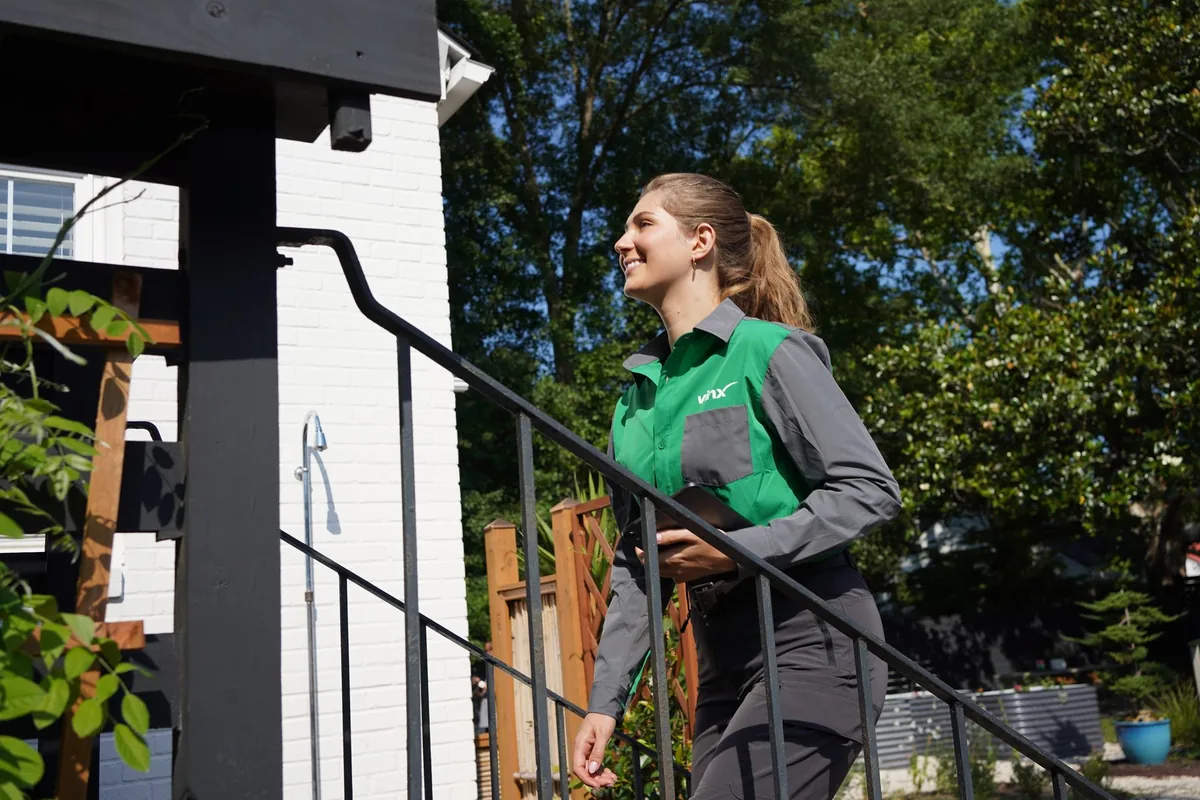
Mosquito Control in Charleston, SC
Barrier Spray + Larvicide: Seasonal & One-Time Treatments Available
Mosquito control in Charleston works best as a two-system approach: barrier spray eliminates resting adults, and larvicide stops larvae before they hatch. Vinx treats the full yard, not just the edges. Free re-treatment guarantee.
Get Started in 60 Seconds
Choose what’s easiest for you
Request a Quote
We usually respond in 2 minutes
Call 855-800-8469
Get a Live Person (no AI agents here!)
Sign Up Online
Get pricing and schedule now





Welcome to Vinx Pest Control
A Company That Actually Backs What It Says
At Vinx, we combine professional-grade treatments with a level of service most pest control companies don't offer. Local technicians, fast response times, and a guarantee that actually means something.
Get a Free Quote"I'm not passionate about killing bugs. I'm passionate about customer service. At Vinx, you get experts who show up, do the job right, and stand behind every visit. No runaround, no fine print."
WELCOME TO VINX PEST CONTROL
Protection Plans for Charleston Homeowners

Standard Residential Protection
- 4 Seasonal Treatments Per Year
- 50+ Covered Pests
- Interior, Exterior & Yard Treatment
- Unlimited Free Re-Services
- 100% Money-Back Guarantee

Upgraded Yard Protection
- 6 Home & Yard Treatments Per Year
- 50+ Covered Pests
- Yard Ant Elimination Guarantee
- Flea & Tick Elimination Guarantee
- 100% Money-Back Guarantee

Most Comprehensive Protection
- 9 Treatments Per Year
- 50+ Covered Pests
- 8 Mosquito Treatments (Mar–Nov)
- Flea, Tick & Ant Coverage
- Free Bed Bug Treatments if Needed*
*Starting rates vary by home size and area. All plans billed monthly.
Request Your Free Mosquito Control Quote
Fill out the form below and a Vinx team member will reach out within 2 minutes during business hours.
Prefer to talk? Call 855-800-8469 for a live person, no AI agents.
Our Approach
How Vinx Controls Mosquitoes in Your Charleston Yard

Property Inspection & Breeding Site Assessment
Your technician walks the full property to identify mosquito resting areas (dense vegetation, shaded shrubs, wood piles) and standing water breeding sites such as gutters, low spots, ornamental pots, and tarps. A targeted treatment plan is built around what is actually driving mosquito pressure on your property.
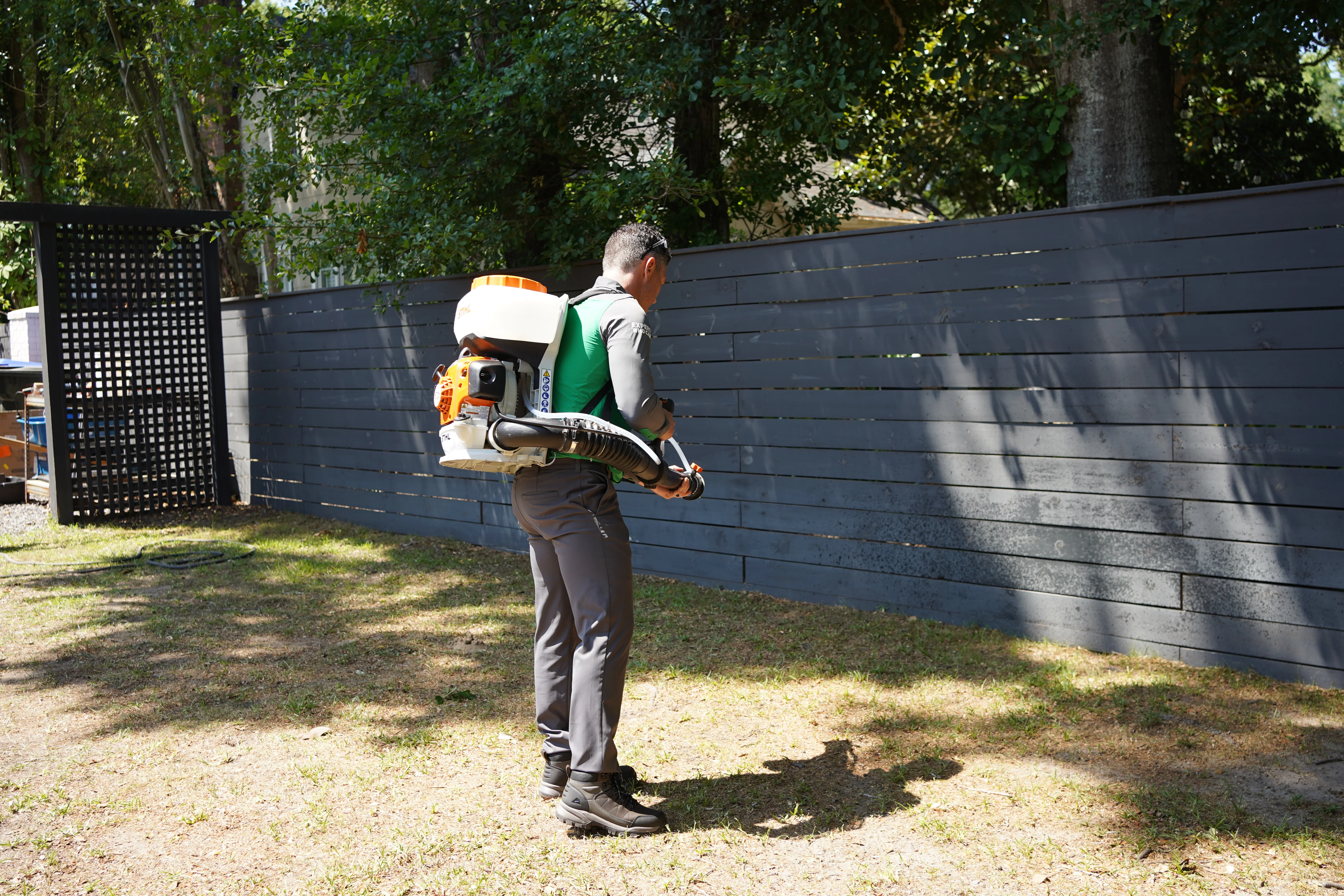
Yard Treatment
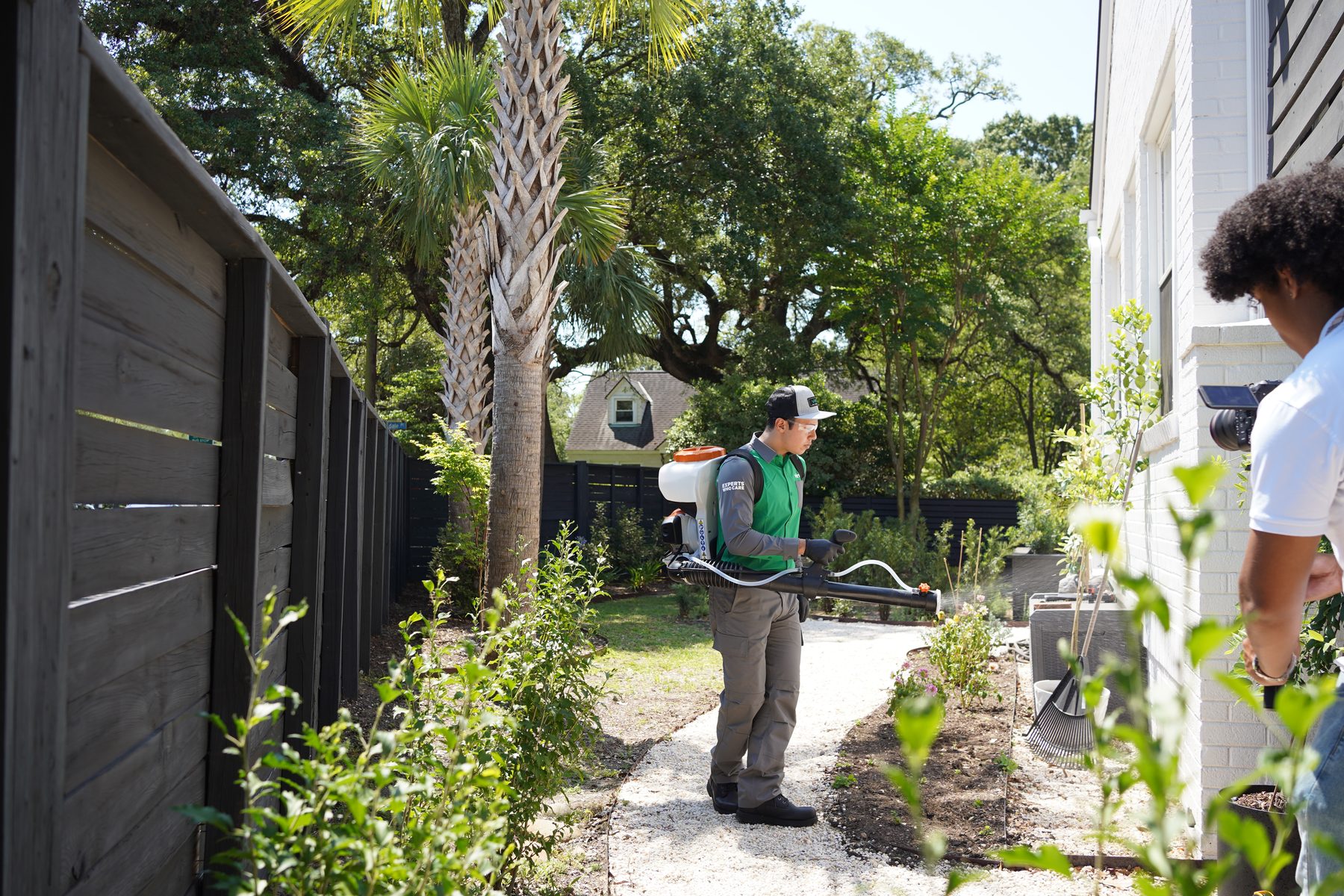
A fine-mist application of residual insecticide is applied to the underside of shrubs, lower tree canopies, tall grass, fence lines, and other resting areas. The treatment kills active mosquitoes on contact and provides a residual effect that continues working for 3–4 weeks between monthly service visits.
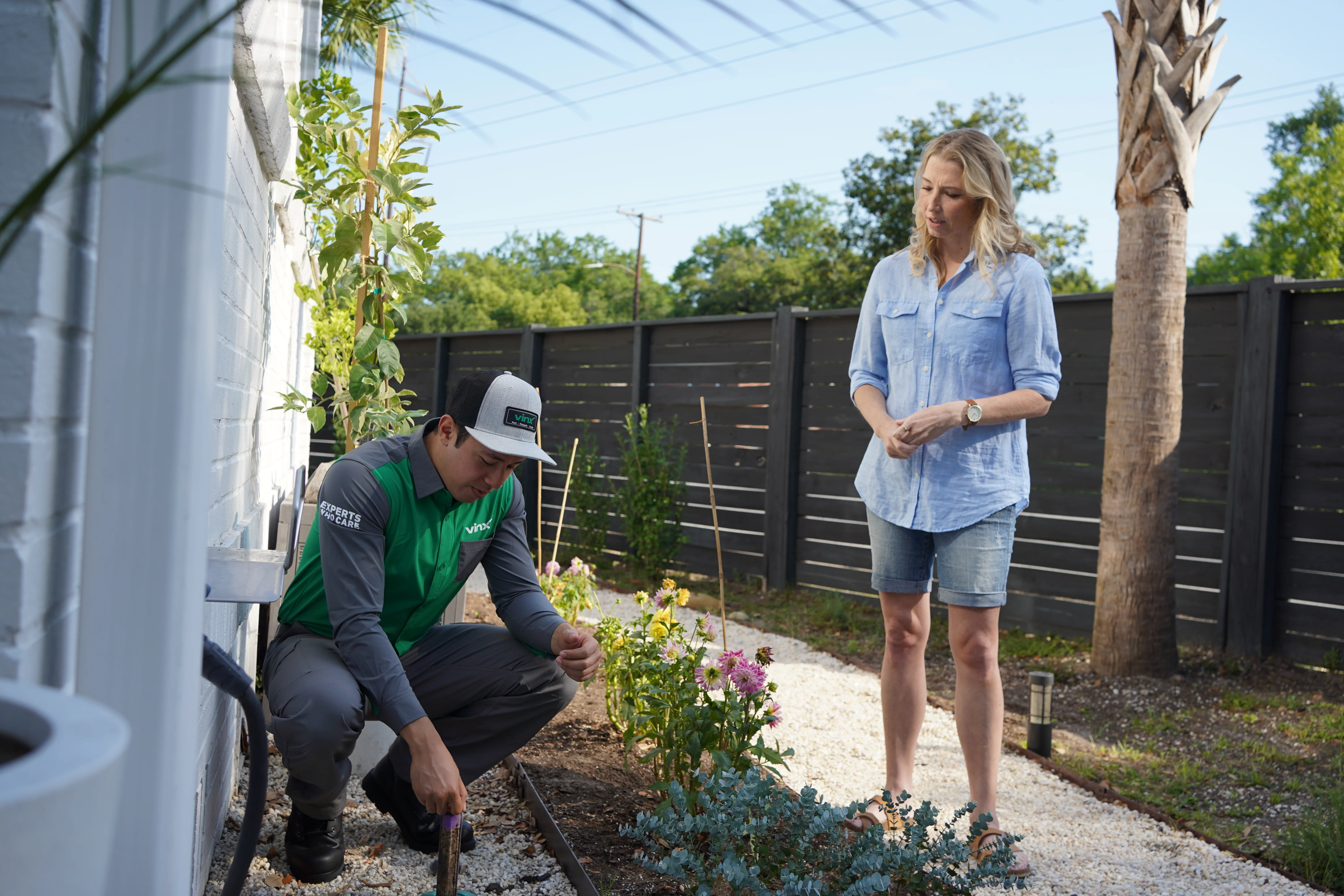
Larvicide Application
Larvicide tablets or liquid is applied to any standing water that cannot be eliminated, retention areas, drainage ditches, decorative ponds. Larvicide prevents mosquito larvae from maturing into biting adults and continues working for 30 days, breaking the breeding cycle between visits.
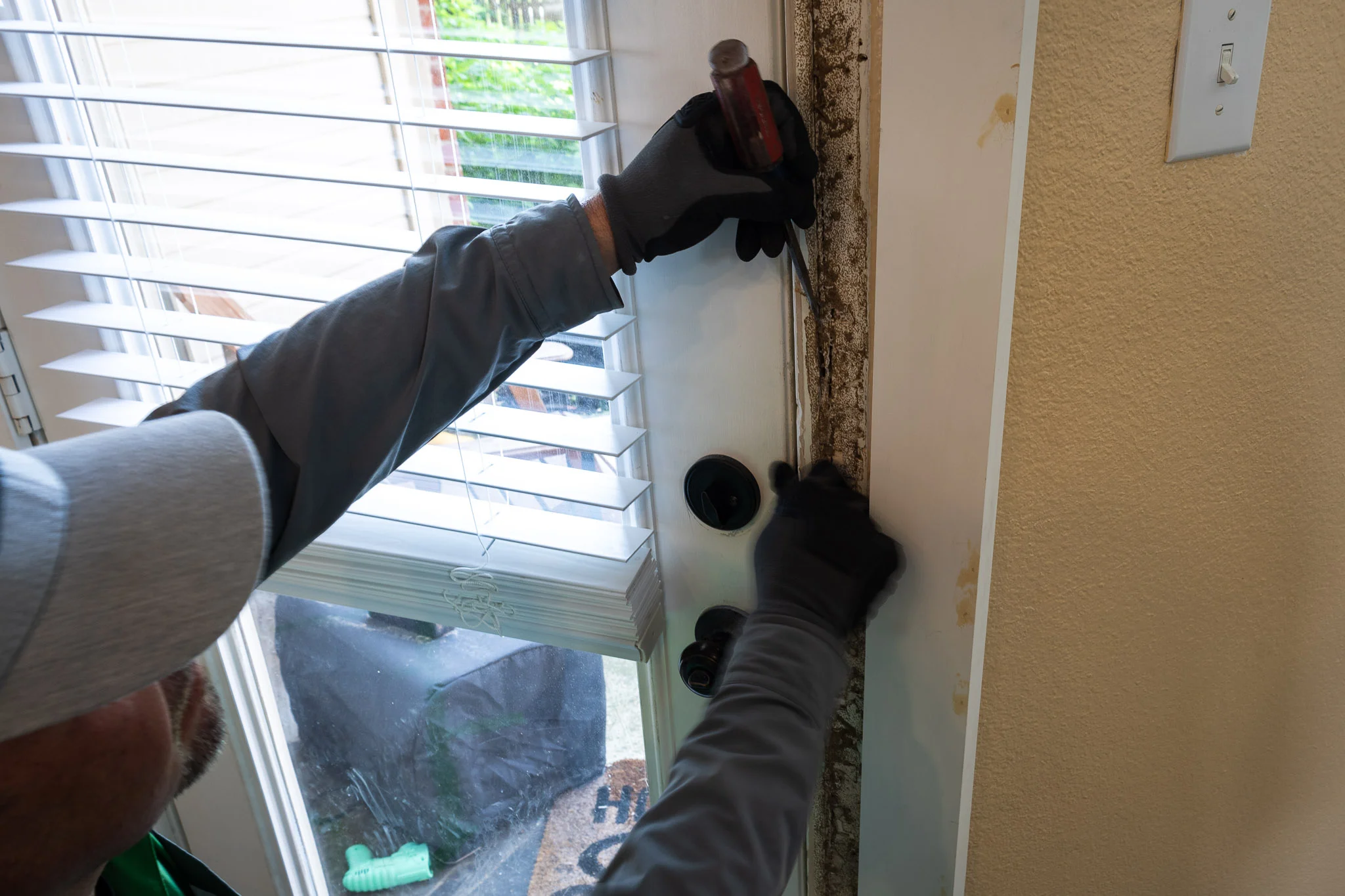
Monthly Service & Free Re-Treatments
Monthly visits maintain continuous pressure on the mosquito population throughout the season. If mosquito activity returns within the service period, we come back and re-treat at no additional charge. Your technician also recommends property modifications (drainage corrections, vegetation management) that reduce long-term mosquito pressure.
What Our Customers Say
What Charleston Homeowners Say About Vinx Mosquito Control
The technician Devon was great! He was very thorough and very professional. All the people at Vince are always so on top of our treatments and super easy to work with. I highly recommend them.
Vinx has always gone above and beyond to keep our house protected against pest. They are highly professional and offer services from termite to mosquitos, rodents even bees. They not only work at getting rid of these issues but also have the ability for preventative measures. I strongly recommend
Not only are their technicians thorough and friendly. Their product really works. Great prices as well. I highly recommend anyone to give them a shot and switch to Vinx Pest Control you will not regret the decision!
We have used Vinx for years. Great communication, Great service and care for our property. We would highly recommend
I am a Very satisfied customer of Vinx pest control. I have received top customer care and service since 2020. The technicians are always polite, friendly and accommodating. The technicians have been servicing my home so long that they are mindful not to show up too early as they are familiar with my work from home schedule. I appreciate the flexibility and consideration. I am a happy customer. 😊
thorough and quick! Have never been disappointed w any service tech! You guys are great!
Ready to Take Back Your Yard?
Late April is when populations in Charleston's tidal neighborhoods start building fast. Start treatment before the population peaks, not after. Free inspection, same-day availability.
The Local Threat
Why Charleston Needs Year-Round Mosquito Control
Most companies treat May–October and call it done. In Charleston that leaves a gap that costs you every spring. Average winter low rarely below 35°F. Culex slow below 50° but that window is short. Warm January day brings them back immediately.
Aedes eggs survive winter in diapause and hatch the moment temps rise above 50°, as early as late February in Charleston. Homeowners who stop in October and restart in May leave 3–4 months where eggs are hatching and populations build with no barrier in place.
Charleston sits in one of the most mosquito-active regions on the East Coast. The tidal marsh system running through West Ashley, James Island, and Johns Island creates thousands of acres of shallow, warm, slow-moving water that never fully drains. Mosquitoes breed constantly.
Neighborhoods along the Stono River, the Folly Creek corridor, and the tidal flats behind Johns Island carry significantly higher mosquito pressure than anywhere else in the Lowcountry. No part of the Charleston metro is low-risk at any time of year.
Mosquito Species in Charleston
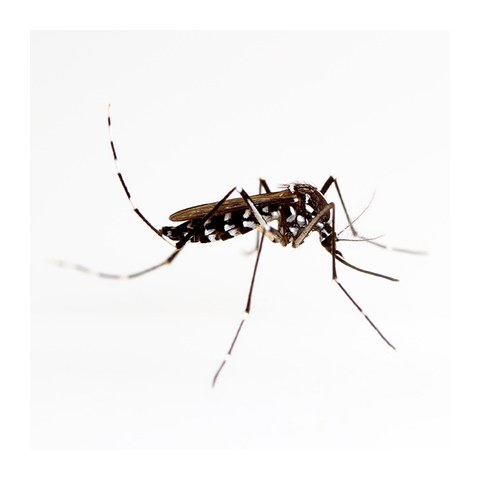
Aedes (Tiger) Mosquito
- Bite during the day, active while you're outdoors.
- Breed in small containers: gutters, plant saucers, birdbaths, outdoor furniture.
- Aedes albopictus, the Asian tiger mosquito, is the dominant day-biting container mosquito in the Lowcountry. Aedes aegypti has been detected in Charleston but at very low levels, turning up at only three of thirty-five sampled sites in one study, so it is not an established co-resident here.
- Eggs survive winter in diapause and hatch when temps exceed 50°F, as early as late February.
- Female lays up to 300 eggs per batch. Larvae develop to biting adults in as little as 7 days in peak summer.
- Waiting until you notice a problem is already too late.
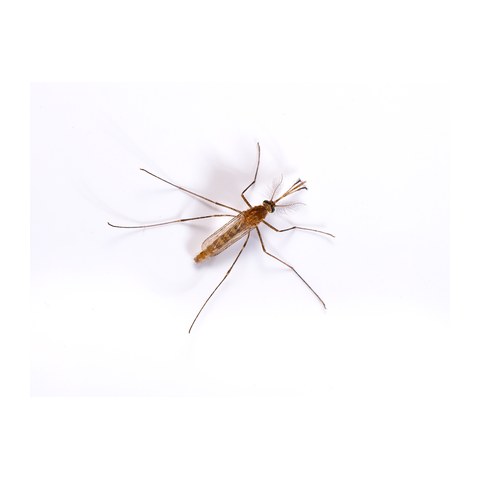
Culex (Common) Mosquito
- Bite at night, most active from dusk through dawn.
- Breed in larger water: drainage ditches, retention ponds, tidal marsh edges in nearly every Charleston neighborhood.
- Culex pipiens and Culex quinquefasciatus carry West Nile virus and Eastern Equine Encephalitis in South Carolina.
- Slow down below 50°F but never fully stop in Charleston's mild winters, active on warm winter days year-round.
- Properties east of the Ravenel Bridge near the Wando River and Intracoastal Waterway face major Culex breeding zones.
- Also transmit heartworm to dogs and cats through a single bite.
Mosquito Pressure by Area
Mosquito Risk Across Charleston Neighborhoods
West Ashley: Marsh Edges & Drainage Canals
- Among the highest mosquito pressure in the metro, driven by the Stono River marsh edge plus Wappoo and Church Creek.
- The drainage canal network holds slow water between rain events, so breeding sites persist even through a dry spell.
- Tidal activity replenishes marsh breeding habitat continuously, which is why a yard treated without larvicide can be repopulated from the marsh edge within days.
- Year-round treatment with monthly larvicide is essential on properties backing onto marsh or canal.
James Island: Tidal Flats on Nearly Every Side
- James Island Creek, Ellis Creek, and the Folly Creek corridor put tidal breeding habitat within reach of most addresses.
- Mature tree canopy over older streets creates extensive shaded daytime resting sites for adult mosquitoes, which is where barrier treatment does its work.
- Low elevation means yards hold water in ruts, ditches, and low spots for days after a storm.
- Properties on the marsh side need larvicide as well as barrier treatment; adult spray alone leaves the source untouched.
Johns Island & Wadmalaw: Rural, Wooded & Large-Lot
- Tidal flats behind Johns Island plus Abbapoola and Bohicket Creek supply continuous breeding habitat well away from any road.
- Agricultural ditches, irrigation equipment, livestock troughs, and wooded low ground add container and ground-pool sites a suburban yard does not have.
- Large lots mean far more treatable acreage and a longer perimeter, so scope is assessed at inspection rather than assumed.
- Outbuildings, barns, and boat covers are routine breeding sites here and need including in the plan.
Charleston Peninsula & Historic District
- Tidal water on three sides of the peninsula means no relief from surrounding breeding habitat.
- Dense mature canopy through the French Quarter, Harleston Village, and South of Broad creates extensive daytime resting zones for adult mosquitoes.
- Aging gutters and drainage infrastructure hold standing water longer than modern systems, and courtyard planters, cisterns, and rain barrels add container sites.
- Small walled gardens concentrate the problem: little ground area, but a lot of shaded foliage and hard surface holding water.
Mount Pleasant & Daniel Island: Creeks & the Intracoastal
- Properties east of the Ravenel Bridge near the Wando River, Shem Creek, Hobcaw Creek, and the Intracoastal Waterway sit against permanent breeding habitat.
- Daniel Island sits between the Wando and Cooper rivers with Beresford and Ralston Creek inside its edges, so breeding habitat surrounds the whole island.
- Wooded older neighborhoods west of Highway 17 hold humidity and shade, extending adult resting sites well into the afternoon.
- New construction east of 17 and continued build-out toward Cainhoy add irrigation, fresh landscaping, retention ponds, and construction ruts.
- Heavily irrigated lawns keep standing water available between rain events, so larvicide matters as much as barrier spray.
- Boat covers, kayak hulls, and dock storage are frequently the container source on waterfront properties.
Summerville, Goose Creek & North Charleston: Flat Ground & Aging Drainage
- Flat topography means water pools and sits for days after significant rainfall, which is long enough to complete a breeding cycle.
- The Ashley River corridor and Sawmill Branch add wooded, slow-moving water away from tidal influence.
- Rapid development brings stormwater retention ponds, construction ruts, and new irrigation, all reliable water sources.
- Filbin and Noisette Creek plus the Cooper River edge supply tidal breeding habitat on the North Charleston side.
- Aging drainage infrastructure in the older residential areas holds water in ditches and catch basins between storms.
- Commercial and industrial adjacency adds tires, drums, tarps, and equipment that hold water indefinitely, often just beyond a residential property line.
Folly Beach, Isle of Palms & Sullivan’s Island: Salt Marsh on the Back Side
- The ocean side is the easy side. The marsh behind these islands, along the Folly River and either side of Breach Inlet, is the actual breeding habitat.
- Salt-marsh species are strong flyers, so pressure arrives from well beyond the property line and a single yard treatment cannot outrun the source.
- Elevated construction adds shaded harborage underneath the house, plus outdoor showers, boat covers, and irrigation boxes as container sites.
- Rental properties benefit most from a maintained monthly schedule rather than treatment booked around individual guest complaints.
Warning Signs
Signs Mosquito Pressure Needs Professional Attention
Daytime Biters Present
Aedes active on your property, a sign of established breeding nearby.
Biting Pressure Before and After Dusk
Culex active in your yard, indicating population beyond tolerable level.
Standing Water Persisting 4+ Days
Active breeding sites on or adjacent to your property.
Mosquitoes Entering Home
Getting inside despite closed windows and screens, outdoor pressure is high.
Multiple Bites in Single Evening
Population exceeds any tolerable level, professional treatment needed.
Children/Pets Can't Use Outdoor Spaces
Quality-of-life impact signaling population is completely out of control.
Climate & Water
Why Charleston’s Breeding Cycle Never Gets a Break
Mosquito pressure here is a water problem before it is anything else, and Charleston’s water arrives from four directions: rainfall, heat-driven breeding speed, flooding, and the tide. Each one shortens the gap between treatments in a way an inland city never has to think about.
Rain Resets the Clock Every Few Days
Charleston takes in about 49 inches of rain a year, projected to climb past 51, and July and August each average 15 rainy days. More of that total now arrives as downpours, two-day bursts over 1.2 inches. Set that against a larva reaching biting adult in as little as seven days and the arithmetic is unforgiving: a storm every four or five days through summer means the cycle is never interrupted, and a yard treated once in June is already working against fresh sites by July.
Hotter Years Mean Longer Seasons
Climate modeling puts Charleston at roughly 7 days a year above 94°F around 1990, rising toward 34 days a year by 2050. Warmth speeds larval development and stretches the active season at both ends. That compounds the gap described above: Aedes eggs hatch once temperatures pass 50°F, which in Charleston can mean late February, so a May-to-October schedule misses the entire spring build-up.
Flood Water Leaves the Sites Behind
Flood modeling puts roughly 81% of Charleston’s buildings at some level of flood risk, with 90 of the city’s 114 census tracts having more than half their buildings significantly exposed to storm surge, high-tide, and street-level flooding. Mosquitoes do not need the flood itself. They need what it leaves behind: water standing in ruts, ditches, low spots, tarps, and containers for the four or more days it takes to produce a biting adult.
A Dry Spell Helps Less Than You’d Hope
Charleston sits in the Cooper River watershed, which has had some part of it in drought during roughly half of all weeks since 2000. A dry stretch does dry out container sites, and that genuinely helps. What it does not touch is the tidal marsh, where twice-daily tides replenish breeding habitat regardless of rainfall. It is why a property on a marsh edge sees far less benefit from a dry month than an inland yard does, and why larvicide matters more the closer you are to the water.
What Treatment Can and Cannot Reach
Two Different Mosquito Problems Share Your Yard
Most mosquito pages promise a percentage. We would rather explain which of your mosquitoes a yard treatment can actually reach, because in the Lowcountry two very different species groups are biting you and only one of them breeds on your property.
One Breeds Here, One Flies In
The Asian tiger mosquito breeds in containers on your property and disperses only a few hundred feet, which is exactly why emptying saucers, gutters, and tarps works on it. Eastern salt marsh mosquitoes hatch in the marsh instead, move roughly a mile a day, and generally travel under five miles inland. No yard treatment can reach a breeding site a mile away in the marsh, so honest expectations differ by species.
What Barrier Treatment Actually Achieves
University field studies of barrier treatments applied to resting vegetation document roughly 60 to 85% reduction in yard-level Aedes activity, holding about three to six weeks per application for the longer-residual products. A yard-scale trial in Wake County measured 62.5% for barrier spray alone across 25 days. Notably, Culex species are consistently controlled less well, and Culex is the West Nile vector, which is worth knowing rather than glossing over.
Rain Is the Limiting Factor
Rainfall is the single biggest determinant of how long a treatment lasts, because it strips residue from leaf surfaces. In testing, simulated rain drove knockdown from under 70% to under 40% within weeks. Efficacy also swings from under 20% to over 70% depending on the plant species treated, since leaf texture and new untreated growth both matter. In a Charleston summer this is the argument for a monthly interval rather than a stronger single application.
What the County Already Covers
Charleston County Public Works runs a countywide mosquito program: trap surveillance, larviciding of public ditches and storm drains, truck-mounted spraying, and helicopter treatment of marsh and swamp areas that cannot be reached on the ground. After West Nile was detected in 2026 trap surveillance, the county increased spray frequency in confirmed zones. That program works public land and waterways, which leaves the containers and resting sites on your own property as the part still worth paying attention to.
Homeowner Tips
6 Ways to Reduce Mosquito Pressure Right Now
Kid & Pet Safe
Our Treatments Are Safe for Your Whole Family: Including the Furry Members
Every product we use is EPA-registered and applied strictly at labeled rates by licensed technicians. We take the guesswork out of safety so you can feel confident letting kids and pets back into treated areas quickly.

EPA-Registered Products Only
All products we apply are EPA-registered and used strictly per label requirements. Our licensed technicians are trained to apply the right product in the right place at the right rate, every time.
Dry Time Before Re-Entry
Exterior spray treatments dry in 30–60 minutes. Once dry, treated surfaces are safe for children and pets to contact. Your technician will confirm the all-clear before leaving your property.
Interior Treatment On Request
We treat only what’s needed, where it’s needed. Gel baits in cabinets and crack-and-crevice applications keep products away from areas pets and children frequent most.
Botanical Options Available
Have specific sensitivities? Ask your technician about our plant-derived treatment options. We offer botanical alternatives for households that prefer a more natural approach.
Have a concern about products used near your pets or children? Call 855-800-8469 and we’ll walk you through exactly what we use and why it’s safe.
Explore More
More Pest Control Services in Charleston

Pest Control Charleston
General pest protection
Ant Control Charleston
Household ants & others

Bed Bug Control Charleston
Heat & liquid treatments

Cockroach Control Charleston
Palmetto bug & roach removal

Rodent Control Charleston
All rodents covered

Spider Control Charleston
All spider species covered
Termite Control Charleston
Bait systems & liquid treatment

Tick & Flea Control Charleston
Yard & pet protection
Exterminator Charleston
Same-day local exterminators

Wasp Control Charleston
Nest removal & prevention
Frequently Asked Questions
Mosquito Control FAQ for Charleston Homeowners
Year-round mosquito treatment included in Vinx Platinum at $109/mo, covers monthly treatments during mosquito season plus one winter service. Mosquito-only service also available outside the plan, call 855-800-8469 for property-specific pricing.
Most effective approach combines monthly barrier spray targeting adult mosquitoes in foliage with larvicide treatment of standing water breeding sites. DIY sprays and citronella candles reduce biting pressure temporarily but don't eliminate breeding populations. Professional monthly treatment with adulticide and larvicide is what sustains relief across a full Charleston season, because treating only the adults leaves the water still producing replacements.
Yes. All EPA-registered products applied per strict label requirements. Pets and children can return to treated areas once products dry, typically 2–4 hours. We never apply treatments while children or pets are present.
Yes. Charleston's mild winters mean populations never fully collapse. A warm January or February day brings Culex out of semi-dormancy. Aedes eggs survive winter in diapause and hatch when temps rise above 50°F, as early as late February. Stopping in October and restarting in May leaves a 3–4 month gap where eggs are hatching and populations build with no barrier. Year-round treatment closes that gap.
A treated yard usually sees a marked drop in biting pressure within a day or two of service, and the effect builds across the first couple of monthly visits as breeding sites are found and dealt with. Properties backing onto tidal marsh get real relief but not elimination, because salt-marsh mosquitoes fly in from habitat well beyond any single property line. Year-round monthly treatment maintains consistent knockdown and prevents the spring population surge that seasonal-only customers face every year.
Each barrier spray lasts approximately three weeks. Monthly visits ensure consistent year-round coverage with minimal gaps between applications.
In Charleston, mosquito season never fully ends. Peak pressure May–October. Aedes eggs hatch as early as late February when temps rise above 50°F. Culex emerge during warm winter days throughout the year. Year-round monthly treatment is the most effective approach for Lowcountry properties.
Yes. Every treatment includes adulticide barrier spray targeting resting adults in foliage AND larvicide for standing water that can't be eliminated. Treating both breaks the breeding cycle rather than just reducing the existing adult population. On tidal-adjacent properties, larvicide of persistent water matters year-round.
Yes. Vinx provides targeted pre-event treatments for outdoor gatherings. Call 855-800-8469 with your event date and we advise on timing and coverage to ensure mosquito-free conditions for your guests.
The mosquito-borne diseases actually transmitted locally in South Carolina are West Nile virus and Eastern equine encephalitis. West Nile is spread chiefly by Culex mosquitoes, especially the southern house mosquito. EEE cycles between birds and the freshwater swamp mosquito Culiseta melanura, reaching people and horses only through bridge species such as Coquillettidia perturbans, Culex erraticus, and the eastern salt marsh mosquito Aedes sollicitans. Dengue, Zika and chikungunya cases in South Carolina are travel-associated; there has never been local mosquito-borne transmission of those viruses in the state. SC reports West Nile annually with highest activity in coastal counties including Charleston County. Mosquitoes also transmit heartworm to dogs and cats, a risk monthly barrier spray directly reduces.
Tidal marsh systems create thousands of acres of shallow, warm, slow-moving water that never fully drains, constant breeding habitat. Neighborhoods along the Stono River, Folly Creek, and tidal flats behind Johns Island carry significantly higher pressure than inland areas. Monthly barrier spray creates a treated buffer zone between your outdoor living areas and marsh breeding habitat. Without it, adults repopulate a treated yard within days.
Most Charleston mosquito appointments same-day or next-day. Call 855-800-8469. If we cannot service your home the next business day, your initial service is free.
We apply barrier spray to foliage where mosquitoes rest, primarily shaded areas and undersides of leaves. We do not treat flowering plants where pollinators feed. We recommend scheduling in early morning or evening when bee activity is lowest. If you have an established garden or pollinator plantings, tell your technician and we adjust accordingly.
Service Coverage
Mosquito Control Across Charleston & the Lowcountry
Serving every neighborhood in the Charleston metro area
Serving the Greater Charleston Area