Cockroach Control in Charleston, SC
Cockroach Specialists, German & American Cockroach Experts, Same-Day Service
Cockroach control in Charleston targets the species most common here: German cockroaches, American cockroaches (palmetto bugs), and Oriental cockroaches. Vinx works with gel bait, an IGR and exterior barrier spray. Free re-treatment guarantee.
Get Started in 60 Seconds
Choose what’s easiest for you
Request a Quote
We usually respond in 2 minutes
Call 855-800-8469
Get a Live Person (no AI agents here!)
Sign Up Online
Get pricing and schedule now





Welcome to Vinx Pest Control
A Company That Actually Backs What It Says
At Vinx, we combine professional-grade treatments with a level of service most pest control companies don't offer. Local technicians, fast response times, and a guarantee that actually means something.
Get a Free Quote"I'm not passionate about killing bugs. I'm passionate about customer service. At Vinx, you get experts who show up, do the job right, and stand behind every visit. No runaround, no fine print."
WELCOME TO VINX PEST CONTROL
Cockroach Control Plans for Charleston Homeowners

Standard Residential Protection
- 4 Seasonal Treatments Per Year
- 50+ Covered Pests
- Interior, Exterior & Yard Treatment
- Unlimited Free Re-Services
- 100% Money-Back Guarantee

Upgraded Yard Protection
- 6 Home & Yard Treatments Per Year
- 50+ Covered Pests
- Yard Ant Elimination Guarantee
- Flea & Tick Elimination Guarantee
- 100% Money-Back Guarantee

Most Comprehensive Protection
- 9 Treatments Per Year
- 50+ Covered Pests
- 8 Mosquito Treatments (Mar–Nov)
- Flea, Tick & Ant Coverage
- Free Bed Bug Treatments if Needed*
*Starting rates vary by home size and area. All plans billed monthly.
Request Your Free Pest Control Quote
Fill out the form below and a Vinx team member will reach out within 2 minutes during business hours.
Prefer to talk? Call 855-800-8469 for a live person, no AI agents.
Our Approach
How Vinx Eliminates Cockroaches in Your Charleston Home

Inspection & Species Identification
Your technician works the kitchen, bathrooms, utility areas and exterior entry points to identify the species and find where it harbors. German cockroaches need a different approach from American or smoky-brown species, so correct identification is what drives an effective plan.
Gel Bait Placement
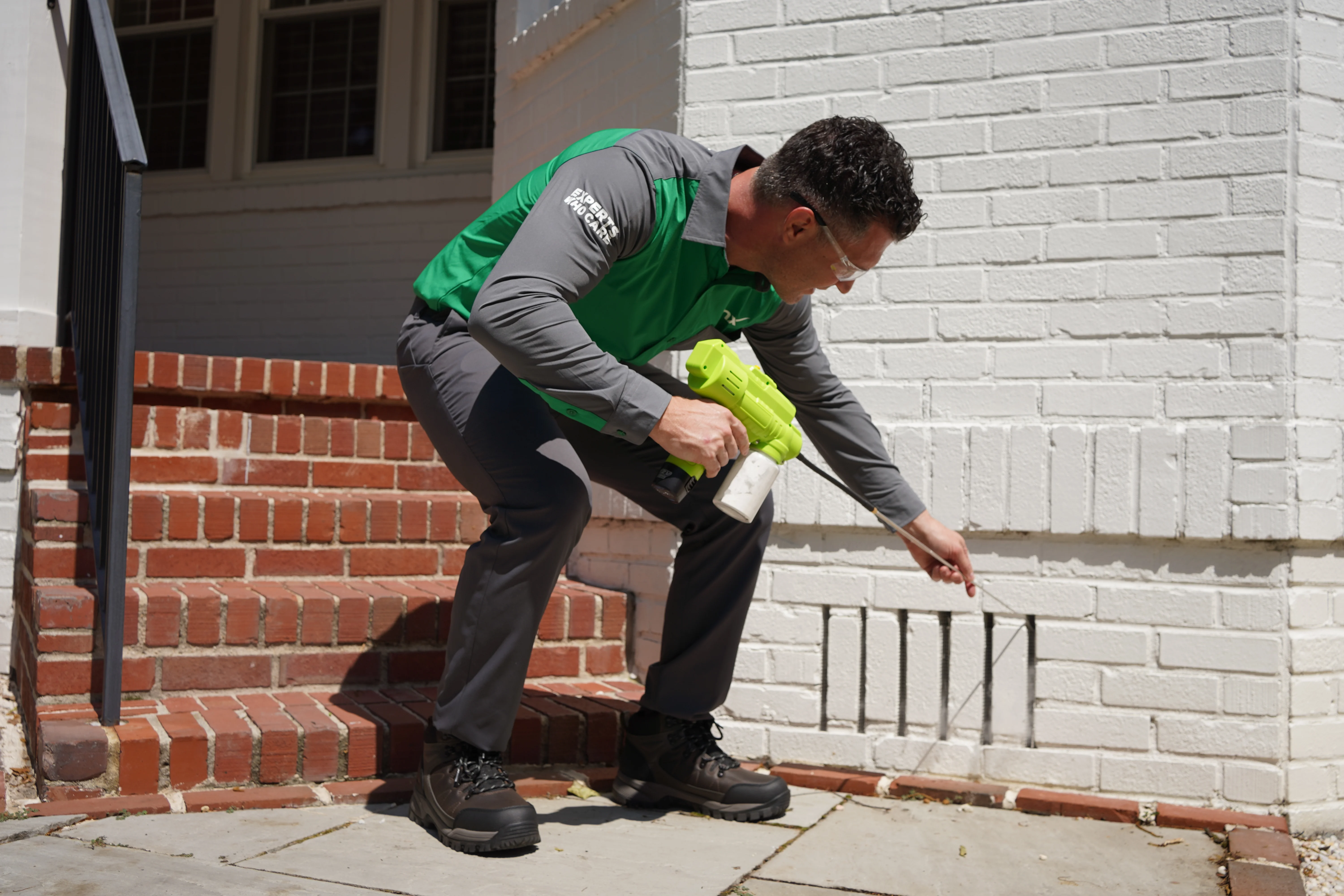
Professional-grade gel bait goes into cracks, behind appliances, under sinks and inside the cabinet voids cockroaches travel. Roaches feed on the bait and take it back to the harborage, so the colony dies from the inside out. Bait goes down in small, targeted amounts, which is what makes it effective.
Residual Perimeter Treatment
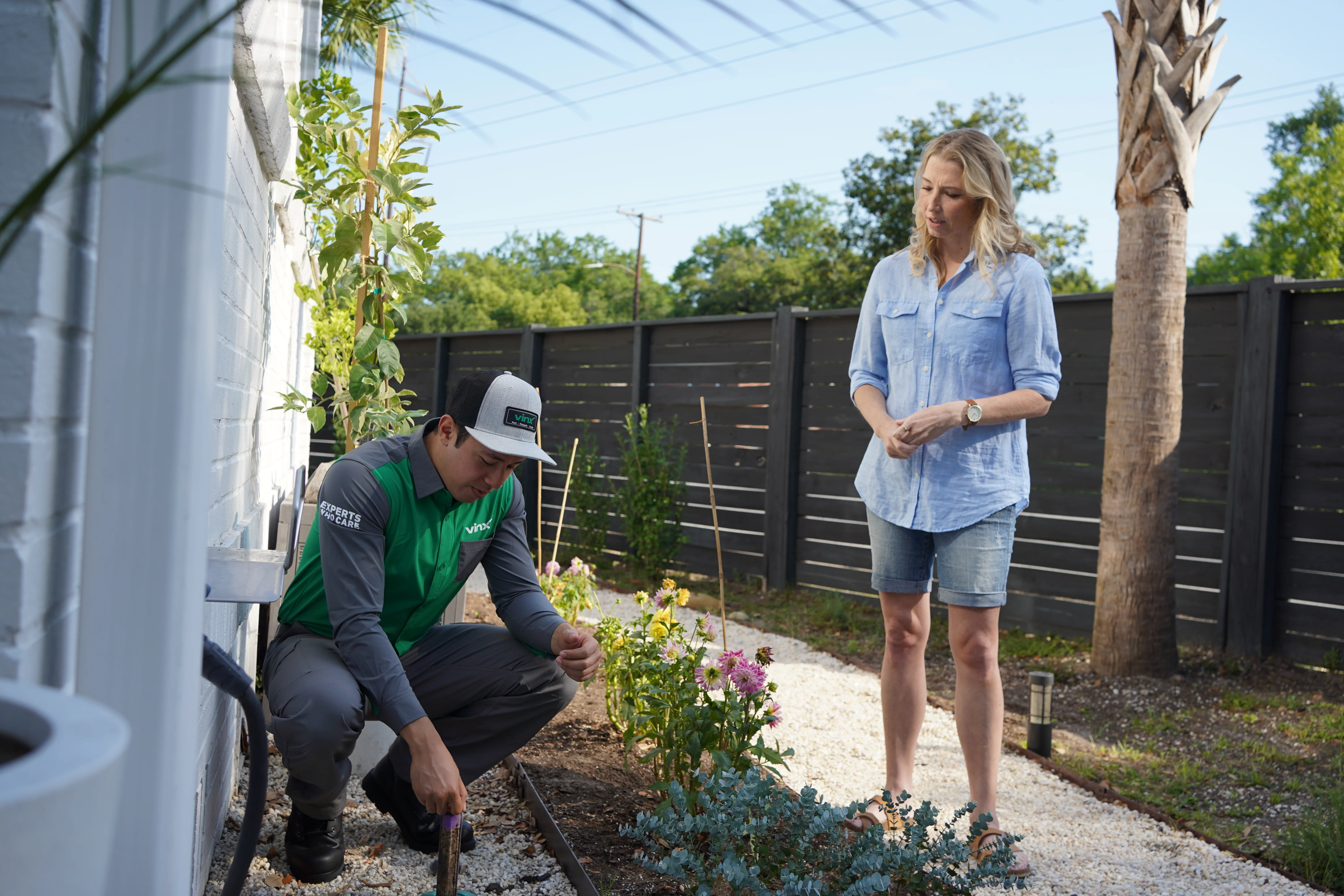
Residual insecticide goes around the exterior foundation, the garage perimeter and entry points to stop roaches migrating in from outside. Interior baseboards and hiding areas are treated to clear any roaches already established inside.
Follow-Up & Ongoing Prevention
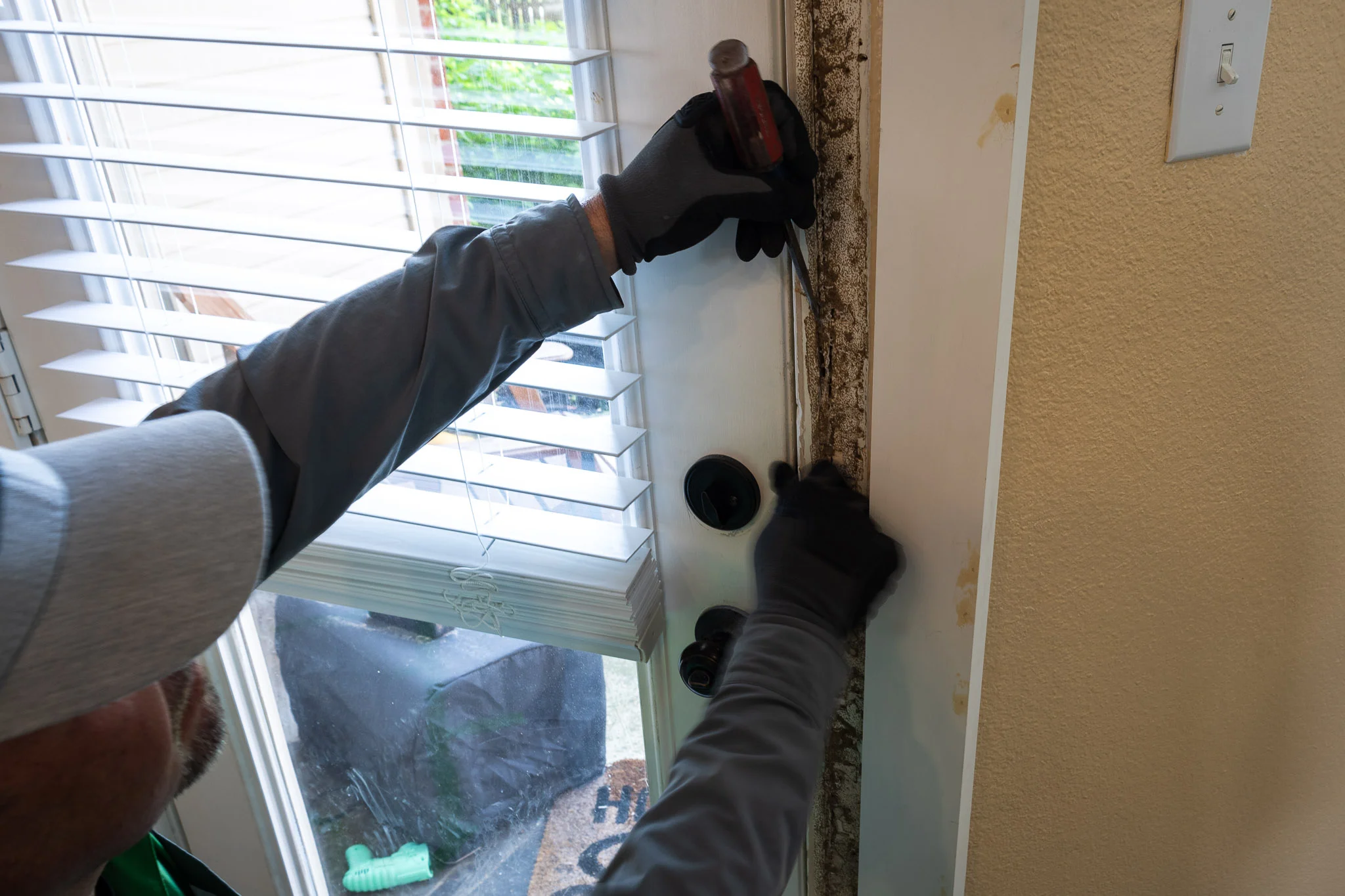
A follow-up visit confirms the colony has gone and tops up bait and residual as needed. Cockroaches returning between scheduled services means we re-treat at no charge. Your technician advises on sanitation, moisture control and the exclusion steps that stop re-infestation.
What Customers Say
Real Reviews from Charleston Homeowners
The service manager was very educated on the technique and helped explain the process and expectations to me. They took down a wasp nest I hadn't even noticed yet. Was very pleasant and accommodating. The process was very smooth and I was able to have all my concerns addressed and treated.
Vinx gets the job done professionally and with demonstrable results. The results are in what you don’t see. Bugs, roaches, pests just don’t show up anymore. Good follow up and communication as well. Thanks!
So far I'm happy with Vinx. We were using a different company before, and they didn't deliver so we switched to Vinx. I had some concerns about German roaches, so I called them on a Friday to see if they could come spray again, John came here Monday morning, he was very polite and patiently answered all my questions. I haven't see any roaches in my house since he last visited.
We had some renters move out of our house and left a horrifying cockroach infestation. Vinx took care of the problem. They were always on time and very professional. I would definitely recommend them to anyone who finds themself needing pest help.
Not only are their technicians thorough and friendly. Their product really works. Great prices as well. I highly recommend anyone to give them a shot and switch to Vinx Pest Control you will not regret the decision!
I am a Very satisfied customer of Vinx pest control. I have received top customer care and service since 2020. The technicians are always polite, friendly and accommodating. The technicians have been servicing my home so long that they are mindful not to show up too early as they are familiar with my work from home schedule. I appreciate the flexibility and consideration. I am a happy customer. 😊
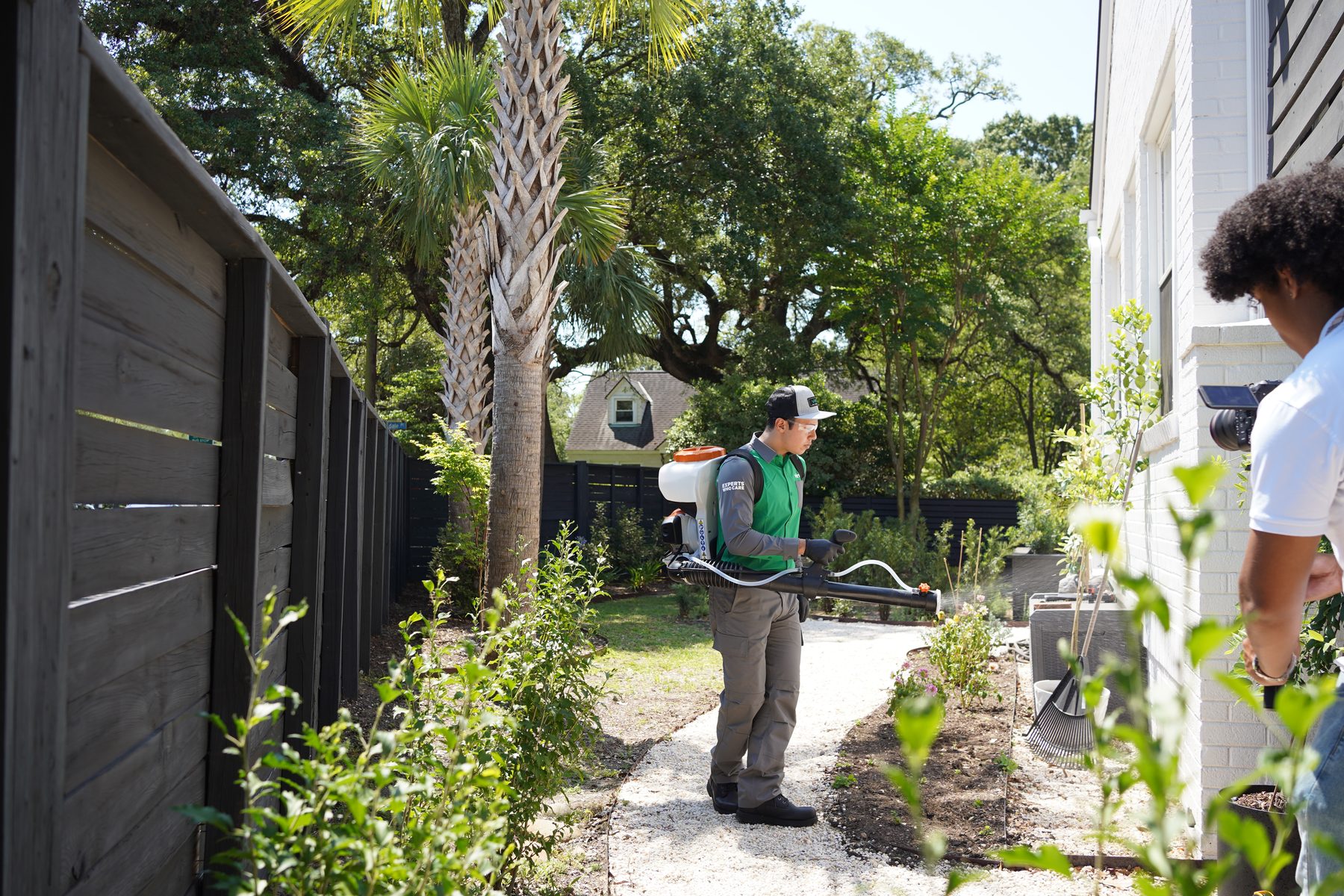
Cockroaches After Rain? German Cockroaches in Your Kitchen? Call Vinx.
Free inspection. Same-day appointments available. Backed by our re-treatment guarantee.
Call 855-800-8469Cockroach Pressure by Neighborhood
Know Your Neighborhood’s Cockroach Risk
Downtown & French Quarter: American Cockroaches Through the Drains
The historic core carries the heaviest palmetto bug pressure in the city, and the reason is plumbing rather than housekeeping. Aging drainage infrastructure, pier-and-beam foundations sitting close to a tidal water table, and unsealed utility penetrations give American cockroaches a direct route from the sewer and storm system up into bathrooms and kitchens. Persistent crawl space humidity keeps them comfortable year-round. Attached row houses also mean a German cockroach problem in one unit is a shared problem, since they move through wall voids and shared plumbing chases without ever going outside.
West Ashley: Drain Lines & Low-Lying Drainage
Low elevation and the drainage canal network keep soil and crawl space moisture high across West Ashley, which is exactly what American and smoky-brown cockroaches need. Older single-family stock along the Savannah Highway and Sam Rittenberg corridors tends to have aged cast-iron drain lines and unscreened crawl space vents, the two entry points our technicians flag most often here. Multi-family complexes add German cockroach pressure, which is a different species with a completely different treatment plan.
James Island: Smoky-Brown Cockroaches & Tree Cover
Dense live oak canopy over older James Island streets suits smoky-brown cockroaches, which harbor in tree holes, leaf litter, mulch beds, and gutters before moving to porches and attics. These are the roaches residents see flying at porch lights on summer evenings. Overhanging limbs and clogged gutters against the roofline are the two conditions that turn an outdoor population into an indoor one, and both are fixable without any product at all.
Johns Island: Outdoor Species & Large Perimeters
Rural and agricultural surroundings across Johns Island and out toward Wadmalaw mean pressure arrives from outdoors rather than from a neighboring unit. Mulch beds, wood piles, irrigation boxes, septic and well penetrations, and outbuildings all hold American and smoky-brown cockroaches. Large lot sizes also mean considerably more linear perimeter to treat, and detached garages and barns need including in the plan rather than treating the house alone.
Summerville & Goose Creek: New Slab Construction
Newer slab-built homes shift the entry points. Instead of crawl space vents, the routes are plumbing penetrations through the slab, bath trap access panels, weep holes, and gaps behind kitchen and laundry appliances. Palmetto bugs still arrive through drain and sewer connections, and untreated soil around fresh construction gives them harborage right against the foundation. Newer apartment complexes built for the growing population concentrate German cockroach risk in the same neighborhoods.
North Charleston: Older Stock & Multi-Family Density
The older residential areas north of the airport combine aged drainage infrastructure with a higher share of multi-family and commercial buildings, which is the mix that produces persistent cockroach work. American cockroaches come up through the drains, while German cockroaches spread unit to unit and are frequently introduced with appliances, second-hand furniture, and grocery packaging. This is also the part of the metro where over-the-counter sprays have most often already been used before we arrive, which makes the population harder to bait.
Mount Pleasant: Canopy, Creeks & New Build
Mature oak and pine canopy west of Highway 17 supports smoky-brown cockroaches in tree holes and gutter debris, with roof and soffit contact the usual way in. Wando River and tidal creek proximity keeps humidity high enough to sustain American cockroaches in crawl spaces and irrigation boxes year-round. East of 17, newer slab construction moves the entry points to plumbing penetrations and appliance voids instead.
South of Broad & Harleston Village: Shared Walls & Shared Plumbing
On the residential peninsula the structure is the problem more than the property. Attached single houses, row houses, and converted carriage houses through South of Broad, Harleston Village, and Ansonborough share party walls, crawl spaces, and plumbing chases, so German cockroaches move between addresses without crossing open ground and American cockroaches use the same shared drain runs. Treating one unit while the attached one goes untreated is the most common reason roaches are back within weeks here. Settled mortar joints and original baseboard gaps supply harborage close to moisture.
Upper King & City Market: Commercial Adjacency
German cockroach pressure is highest where food service density is highest, and residents living above, beside, or behind restaurants, bars, and market stalls along upper King Street and around the City Market inherit that exposure. Shared refuse areas, grease-laden voids, and continuous night-time activity keep populations supplied, and German cockroaches travel in with deliveries, cardboard, and equipment rather than in from the street. If you live in this part of the peninsula, treatment needs to account for the building next door, not just your kitchen.
Folly Beach, Isle of Palms & Sullivan’s Island: Humidity & Rental Turnover
Barrier island properties combine constant salt-air humidity with elevated construction, so the space beneath the house, the outdoor shower, the deck framing, and the irrigation boxes all become harborage that no interior treatment reaches. American and smoky-brown cockroaches dominate. High rental turnover adds a second route entirely: German cockroaches arriving with groceries, cardboard, and small appliances between guests. Sightings reported by renters are usually an established exterior population working a specific entry point.
6 Species. One City.
Why Charleston Has a Cockroach Problem Unlike Any Other City
Charleston’s combination of coastal humidity, high water table, warm temperatures, and aging drainage infrastructure creates cockroach pressure that is fundamentally different from inland cities. Knowing which species you have, and where it is coming from, determines the treatment.
Six cockroach species cause problems in Charleston homes. Each behaves differently, hides somewhere different and responds to a different treatment method.
Charleston Cockroach Species
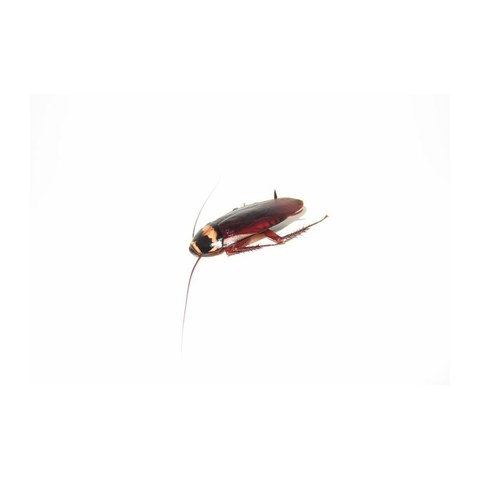
American Cockroach (Palmetto Bug)
In the Lowcountry, “palmetto bug” is a local catch-all for the big outdoor roaches rather than a single species, most often this one and the smoky-brown. Charleston simply prefers the less alarming name. Adults measure 1.5 to 2 inches in length and are reddish-brown with a tan or light yellow band around the shield behind the head. Despite having wings they rarely fly indoors.
They move along drain lines, sewer connections and utility penetrations. A large brown roach in the bathroom or kitchen almost certainly arrived via the drain. Extension research notes American cockroaches are rarely found in houses but that infestations can follow heavy rain, which is why intact P-traps, sealed pipe penetrations, and a dry crawl space matter most through storm season.
Cockroaches are built to outlast scarcity. Research in the Journal of Experimental Biology shows they breathe discontinuously specifically to conserve body water, which is why trying to starve them out does not work and why baiting does.
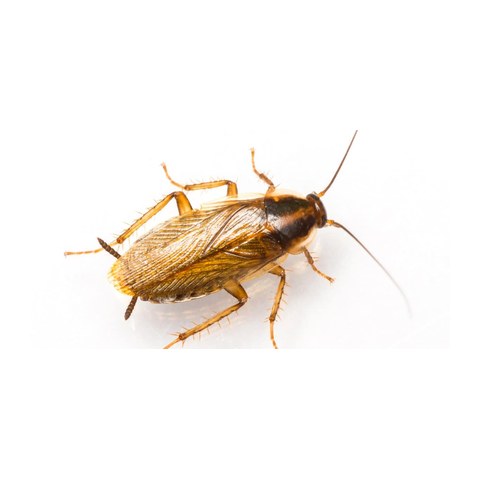
German Cockroach
The German cockroach is smaller, under half an inch, and is identified by two dark horizontal stripes behind its head. Despite its name it is the most common indoor cockroach species in the United States and far more dangerous than palmetto bugs in terms of infestation potential.
A single female German cockroach produces up to 400 offspring in her lifetime. The German cockroach life cycle from egg to adult takes as little as 60 days under ideal conditions, a small infestation can become severe within two to three months of introduction. German cockroaches do not use drains. They hitchhike in inside grocery bags, cardboard boxes, secondhand appliances and luggage. Once in, they settle into kitchen cabinets, under appliances and inside electronics where warmth and food residue collect.
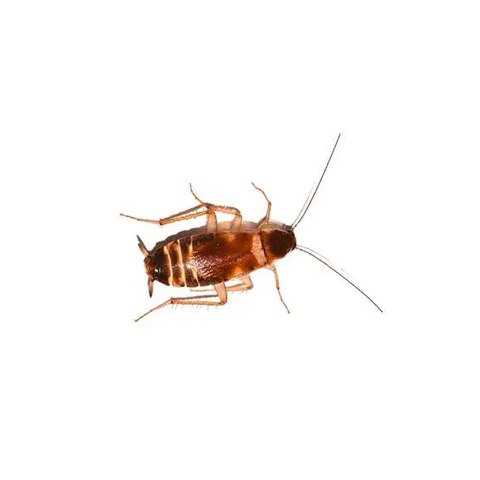
Smoky-Brown Cockroach
The smoky-brown cockroach is the species Charleston homeowners most commonly see flying toward porch lights at night. They are slightly smaller than the American cockroach and distinctly dark mahogany brown. They live primarily outdoors in tree holes, woodpiles, and dense vegetation, common in wooded areas of Mount Pleasant, James Island, and Johns Island.
They get in through roofline gaps, attic vents and gaps around windows. Smoky-brown cockroaches are drawn strongly to light and moisture.
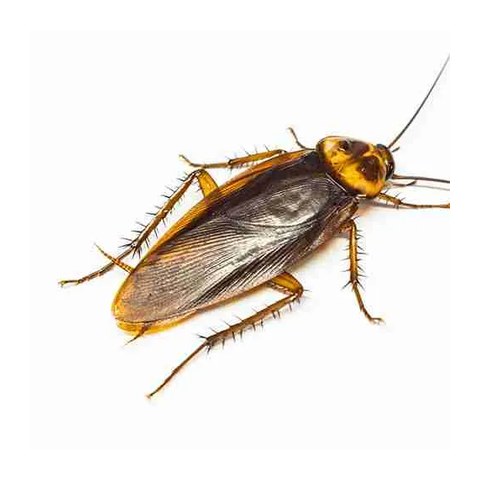
Asian Cockroach
The Asian cockroach looks almost identical to the German cockroach but behaves quite differently. Asian cockroaches fly strongly and go for light, heading toward lit windows and bright indoor spaces at dusk. Worth being straight about the range, though: this is mainly a Florida and Gulf-coast species, and the only documented South Carolina population is on Kiawah Island, believed to have arrived in pine straw mulch shipped from Florida. It is not a typical Charleston-area house pest, and landscaping material is the route to watch.
They live outdoors in leaf litter, compost and mulch beds, coming in through window screens, door gaps and any lit entry point. They are commonest on properties with dense garden beds near the house.
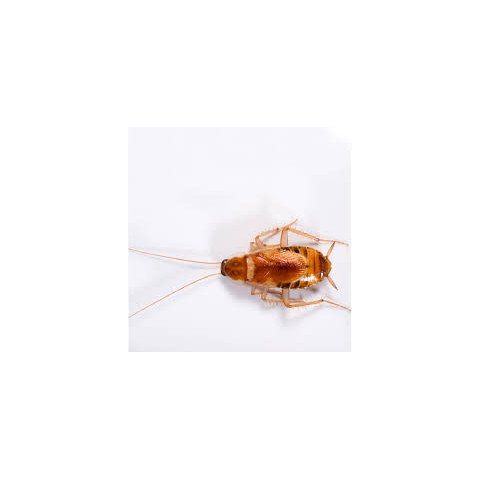
Brown-Banded Cockroach
The brown-banded cockroach is the one found inside electronics, behind picture frames and in upper cabinets rather than at floor level. Adults grow to about half an inch and are identified by two broad brown bands crossing their bodies.
Unlike most cockroaches, the brown-banded prefers warm dry locations up near the ceiling. A single female can produce up to 600 offspring in her lifetime. This species needs different treatment placement, because it prefers elevated dry harborage.
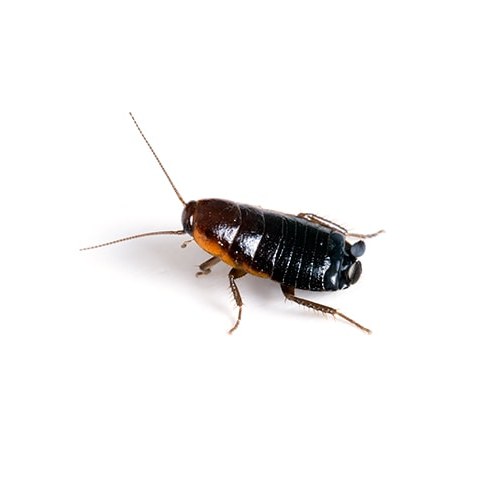
Oriental Cockroach
The oriental cockroach is dark brown to shiny black and approximately one inch long. Unlike every other species, oriental cockroaches cannot climb smooth surfaces. That keeps them close to the ground, so they turn up in basements, crawl spaces, under mulch and in sewer systems.
They show up mainly in spring and summer and favor decaying organic material. They are strongly tied to outdoor compost, mulch beds and debris piles near the foundation.
The Evidence on Health
Cockroaches and Asthma: The One Pest Health Link That Is Genuinely Well Proven
Plenty of pests get described as health hazards on thin evidence. Cockroaches are the exception. The link between cockroach allergen and childhood asthma is among the best-documented findings in urban public health, and it is the real reason to deal with an infestation rather than live with it.
Three Times the Asthma Hospitalizations
In the National Cooperative Inner-City Asthma Study, published in the New England Journal of Medicine, children who were both allergic to cockroaches and living with high bedroom allergen levels averaged 0.37 asthma hospitalizations a year against 0.11 for other asthmatic children. They also had more unscheduled medical visits and more days of wheezing. That is roughly a three-fold difference, driven by an insect in the wall void.
Where the Exposure Actually Is
A nationally representative survey of 831 US homes found cockroach allergen detectable in 63% of them, but the distribution is what matters. In high-rise apartments, 37% exceeded the high-exposure threshold. In single-family living rooms, under 2% did. Multi-unit and attached housing carries the real burden, which in Charleston means the peninsula, North Charleston, and the apartment corridors.
Treatment Measurably Lowers It
This is the part most pest control pages leave out. In a randomized trial published in the Journal of Allergy and Clinical Immunology, bait-based treatment plus cleaning cut cockroach allergen on kitchen floors by 96% and brought bedroom and living-room levels below the threshold associated with asthma illness. Beds fell below the sensitization threshold entirely.
Carriers, Not Proven Transmitters
Worth being precise, because the internet is not. Cockroaches are documented mechanical carriers: they pick up bacteria in drains and sewers and deposit them on food surfaces. But reviews of the literature are clear that no specific human infection has been definitively traced to cockroach contamination. Clemson Extension says it plainly, that the most serious medical problem associated with cockroaches is the allergic reaction.
Resistance & Why DIY Fails
Why the Spray Under Your Sink Stopped Working
German cockroaches are not beating store-bought products by luck. The reasons are measured, published, and specific, and knowing them is the difference between spending another $30 at the hardware store and actually clearing the kitchen.
200 Times More Resistant
NC State researchers collected German cockroaches from ordinary apartment complexes and measured resistance against a susceptible laboratory strain. The field populations averaged 202-fold resistance to a common pyrethroid, ranging as high as 347-fold, and 96% carried the kdr target-site mutation with 77% carrying two copies. The active ingredient in most consumer sprays simply does not kill them any more.
Bug Bombs Failed Outright
A study in BMC Public Health tested four store-bought total-release foggers in apartments with real German cockroach infestations. The foggers killed susceptible sentinel insects but failed to reduce the resident populations, while leaving elevated insecticide residue across kitchen surfaces. More than 62% of field cockroaches survived fogger exposure. You get the residue and keep the roaches.
Brief Contact Kills Almost Nothing
Illinois Extension tested consumer sprays and aerosols under realiztic conditions and found that with a 30-minute exposure, mortality of wild German cockroach populations was below 20% for every product tested. A roach walking across a treated baseboard is not getting a lethal dose, and aerosols never reach the cracks and appliance voids where the population actually breeds.
Why Gel Bait and IGRs Work Instead
Bait inverts the problem: instead of hoping a roach contacts a surface, the roach carries the dose back into the harborage and feeds others. In testing, gel and liquid baits killed at least 80% of adults over 28 days, and fipronil resistance sits around 14-fold against 202-fold for pyrethroids. Insect growth regulators then stop the survivors reproducing. We rotate modes of action rather than reapplying the same one.
What to Look For
Signs of a Cockroach Infestation
Coffee-Ground Droppings
Along baseboards, under sinks or inside cabinets
Egg Cases (Ootheca)
Brown capsule casings behind appliances or inside cabinets
Musty Oily Odor
Cockroach pheromones build up and give infested areas a distinctive smell
Smear Marks
Along the walls and baseboards cockroaches travel repeatedly in moist areas
Daytime Sightings
Cockroaches work at night, so a daytime sighting means a significant population
Dead Roaches Near Water
Found beneath sinks, near dishwashers and around water heaters
Health Impact
Why Cockroaches Are a Health Risk
Food Contamination
Cockroaches are documented mechanical carriers of Salmonella, E. coli and other bacteria, on their bodies and in their droppings, contaminating food prep surfaces without any visible sign of contact. No specific human infection has been definitively traced to cockroach contamination: the proven health impact is allergic, not infectious.
Asthma & Allergens
Allergens in cockroach droppings, shed skins and saliva can trigger asthma symptoms in sensitized people, children above all. Allergen is detectable in 63% of US homes, but the split is stark: 37% of high-rise apartments exceed the high-exposure threshold against under 2% of single-family homes.
Year-Round Exposure
In Charleston’s year-round humid climate, cockroach allergen exposure is a persistent health concern rather than a seasonal one.
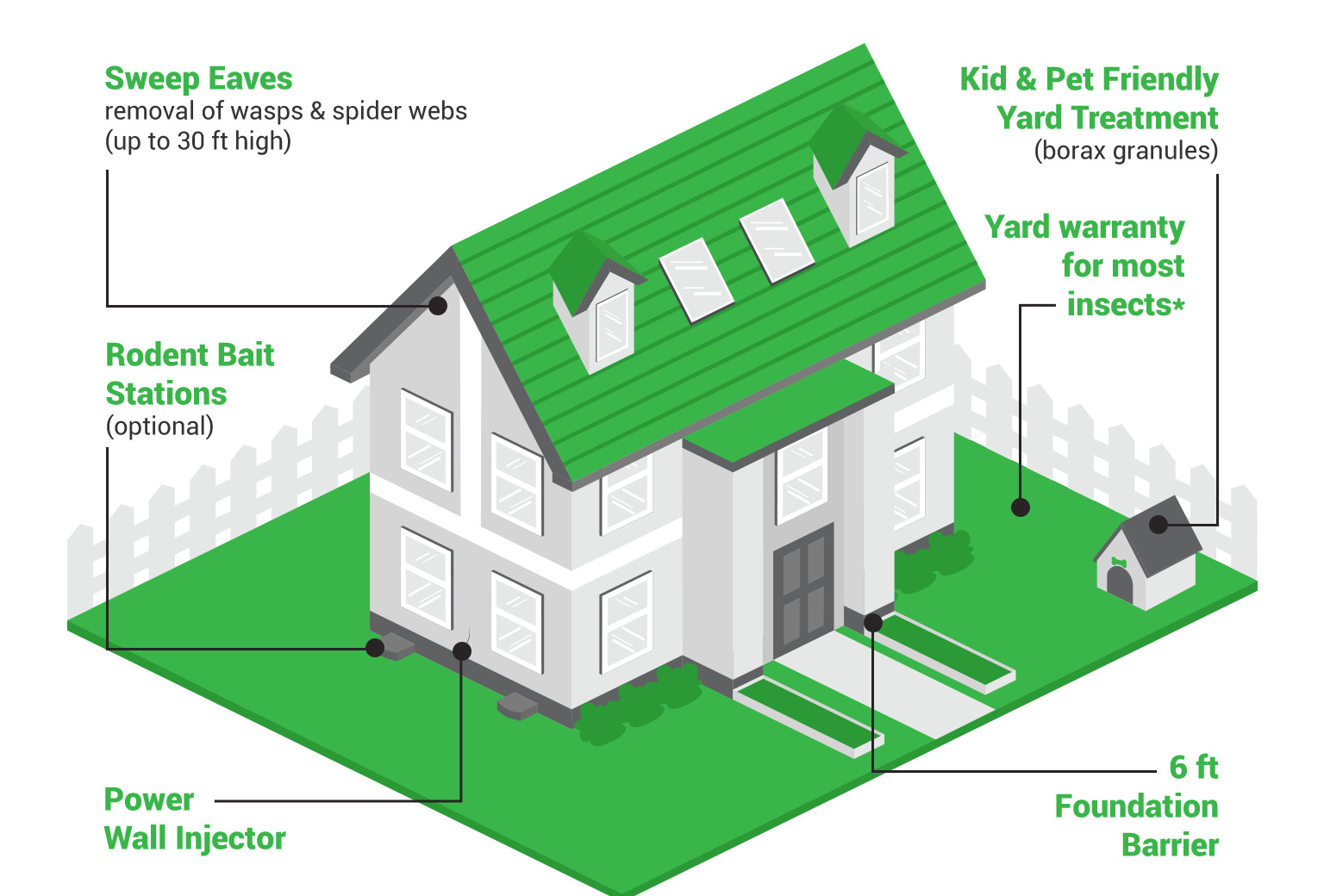
Vinx HomeGuard Plan
What Happens at Every Visit
Our technicians don't just spray and leave. Every quarterly service covers your full exterior and interior, done right, backed by a written guarantee.
- Sweep Eaves: Wasp nests & spider webs removed up to 30 ft
- Power Wall Injector: Treats wall voids where pests hide
- 6 ft Foundation Barrier: Full perimeter treatment every visit
- Yard Warranty: Free retreatment for most insects
- Kid & Pet Safe Yard Treatment: Borax granules, safe after dry
Homeowner Tips
6 Ways to Reduce Cockroach Pressure Right Now
Kid & Pet Safe
Our Treatments Are Safe for Your Whole Family: Including the Furry Members
Every product we use is EPA-registered and applied strictly at labeled rates by licensed technicians. We take the guesswork out of safety so you can feel confident letting kids and pets back into treated areas quickly.

EPA-Registered Products Only
All products we apply are EPA-registered and used strictly per label requirements. Our licensed technicians are trained to apply the right product in the right place at the right rate, every time.
Dry Time Before Re-Entry
Exterior spray treatments dry in 30–60 minutes. Once dry, treated surfaces are safe for children and pets to contact. Your technician will confirm the all-clear before leaving your property.
Interior Treatment On Request
We treat only what’s needed, where it’s needed. Gel baits in cabinets and crack-and-crevice applications keep products away from areas pets and children frequent most.
Botanical Options Available
Have specific sensitivities? Ask your technician about our plant-derived treatment options. We offer botanical alternatives for households that prefer a more natural approach.
Have a concern about products used near your pets or children? Call 855-800-8469 and we’ll walk you through exactly what we use and why it’s safe.
Explore More
More Pest Control Services in Charleston

Pest Control Charleston
General pest protection

Ant Control Charleston
Household ants & others

Bed Bug Control Charleston
Heat & liquid treatments

Mosquito Control Charleston
Monthly barrier treatments

Rodent Control Charleston
All rodents covered

Spider Control Charleston
All spider species covered

Termite Control Charleston
Bait systems & liquid treatment

Tick & Flea Control Charleston
Yard & pet protection
Exterminator Charleston
Same-day local exterminators

Wasp Control Charleston
Nest removal & prevention
Frequently Asked Questions
Cockroach Control FAQ for Charleston Homeowners
Quarterly cockroach control covering American cockroach and palmetto bug pressure sits in the Vinx HomeGuard plan at $49 per month. German cockroach infestations sit outside every recurring plan and are quoted separately after the free inspection. Call 855-800-8469 for a same-day assessment.
Yes. A palmetto bug is an American cockroach. Charleston uses the local name but it is the same species: Periplaneta americana. Adults run 1.5 to 2 inches and are reddish-brown. They live mainly in sewers and drains, entering homes by drain line and utility penetration. They are no indication of an unclean home.
When Charleston receives heavy rainfall, the water table rises and outdoor drains and sewer systems flood. American cockroaches in the drainage system climb up through drain lines straight into kitchen and bathroom plumbing to escape rising water. Drain covers plus drain treatment on quarterly service are the most effective preventative measures.
American cockroaches are large and reddish-brown, entering mainly through drains and outdoor gaps. German cockroaches are small and tan with two dark stripes behind the head, hitchhiking in on grocery bags and boxes. German cockroaches breed far faster, a single female produces up to 400 offspring, and require different treatment methods including gel bait and IGR rather than perimeter spray.
For American cockroaches, same-day exterior perimeter and drain treatment gives immediate knockdown. For German cockroaches, professional gel bait with an IGR begins working in 24 to 48 hours and clears the colony in two to three weeks. DIY sprays drive cockroaches deeper into wall voids without touching the colony. Call 855-800-8469 for a same-day inspection.
Yes. Gel bait goes inside cabinet hinges and hidden harborage beyond the reach of pets and children. IGR products go into non-living spaces only. The exterior perimeter spray is safe once dry, usually one to two hours. We never spray food preparation surfaces.
It matters more than almost anything else on this page, because the treatment differs completely by species. Clemson separates them by where they live. The German cockroach is the small one, 10 to 15 millimeters with two parallel dark bands behind the head; it breeds indoors around kitchens and bathrooms, has wings but does not fly, and is carried in rather than walking in. The American cockroach is the large reddish-brown one at one and a half to two inches, living in sewers, storage rooms and garbage areas and entering from there; inside it generally stays on the lowest and first-floor levels, and adults may fly on warm evenings. The smokybrown, one to one and a half inches and uniformly dark, works mulch, log piles, thick vegetation and roof gutters and can be found from attic to crawl space. The oriental prefers water meter boxes, sewer lines, leaf litter and crawl spaces, cannot fly at all, and rarely goes above the lowest level. One is an interior baiting job; the other three are exclusion and exterior work.
A standard inspection and initial treatment runs about 60 to 90 minutes. German cockroach infestations usually take two to three follow-up visits, two to three weeks apart, before full elimination is confirmed. American cockroach pressure is handled by quarterly perimeter treatment.
An occasional American cockroach entering through a drain during heavy rain is normal in Charleston. An infestation shows as cockroaches seen regularly, daytime sightings, droppings in cabinet corners, ootheca egg cases in hidden spots or a musty oily odor. A daytime sighting means the population is significantly larger than what is visible.
Yes. Cockroaches are documented mechanical carriers of Salmonella, E. coli and other bacteria, picking them up in drains and sewers and depositing them on food preparation surfaces without any visible sign. Reviews are clear that no specific human infection has been definitively traced to cockroach contamination, and that the proven health impact is allergic rather than infectious. Cockroach allergens trigger asthma particularly in children. In Charleston’s year-round humid climate, cockroach allergen exposure is a persistent health concern.
Yes. Most Charleston cockroach control appointments are available same-day or next-day. Call 855-800-8469. If we cannot reach your home by the next business day, the initial service is free.
Over-the-counter sprays repel rather than eliminate, driving the population deeper into wall voids and leaving the colony and its egg cases intact. German cockroach infestations especially need gel bait and IGR treatment to break the breeding cycle. Call 855-800-8469 for a professional inspection.
The allergen evidence is stronger than the food-poisoning evidence, and it is worth separating the two. Cockroach droppings, shed skins and saliva contain allergens that can trigger asthma symptoms in people who are sensitized to them, and in Charleston’s year-round humidity that exposure is persistent rather than seasonal. The national survey most often cited found detectable cockroach allergen in about 63% of US homes, and in high-rise apartment living rooms the figure was 84.3%. The well-known study of inner-city children found those who were both allergic to cockroach and living with high allergen levels averaged 0.37 asthma hospitalizations a year against 0.11 among the others — and both conditions were required; neither alone produced the effect. On contamination, cockroaches carry organisms on their bodies and in their droppings, with E. coli and Salmonella most consistently documented. Because allergens persist after the insects are gone, thorough cleaning still matters once an infestation is cleared.
Service Coverage
Cockroach Control Across Charleston & the Lowcountry
Serving every neighborhood in the Charleston metro area
Serving the Greater Charleston Area