Bed Bug Treatment in Charleston, SC
Chemical Treatment + Void & Crack Dusting, 30-Day Guarantee, Same-Day Appointments
Bed bug treatment in Charleston uses a professional chemical treatment combined with insecticidal dust in wall voids and cracks. Residual products keep working between visits to eliminate every life stage. Free inspection. 30-day guarantee.
Get Started in 60 Seconds
Choose what’s easiest for you
Request a Quote
We usually respond in 2 minutes
Call 855-800-8469
Get a Live Person (no AI agents here!)
Sign Up Online
Get pricing and schedule now





Welcome to Vinx Pest Control
A Company That Actually Backs What It Says
At Vinx, we combine professional-grade treatments with a level of service most pest control companies don't offer. Local technicians, fast response times, and a guarantee that actually means something.
Get a Free Quote"I'm not passionate about killing bugs. I'm passionate about customer service. At Vinx, you get experts who show up, do the job right, and stand behind every visit. No runaround, no fine print."
WELCOME TO VINX PEST CONTROL
Bed Bug Treatment Plans for Charleston Homeowners

Standard Residential Protection
- 4 Seasonal Treatments Per Year
- 50+ Covered Pests
- Interior, Exterior & Yard Treatment
- Unlimited Free Re-Services
- 100% Money-Back Guarantee

Upgraded Yard Protection
- 6 Home & Yard Treatments Per Year
- 50+ Covered Pests
- Yard Ant Elimination Guarantee
- Flea & Tick Elimination Guarantee
- 100% Money-Back Guarantee

Most Comprehensive Protection
- 9 Treatments Per Year
- 50+ Covered Pests
- 8 Mosquito Treatments (Mar–Nov)
- Flea, Tick & Ant Coverage
- Free Bed Bug Treatments if Needed*
*Starting rates vary by home size and area. All plans billed monthly.
Request Your Free Pest Control Quote
Fill out the form below and a Vinx team member will reach out within 2 minutes during business hours.
Prefer to talk? Call 855-800-8469 for a live person, no AI agents.
Our Approach
How Vinx Eliminates Bed Bugs in Your Charleston Home

Thorough Bed Bug Inspection
Your Vinx technician inspects every area where bed bugs hide, mattress seams, box springs, bed frames, headboards, nightstands, baseboards, electrical outlets, and upholstered furniture. The infestation level is established and every active harborage site recorded before any treatment starts.
Chemical Treatment
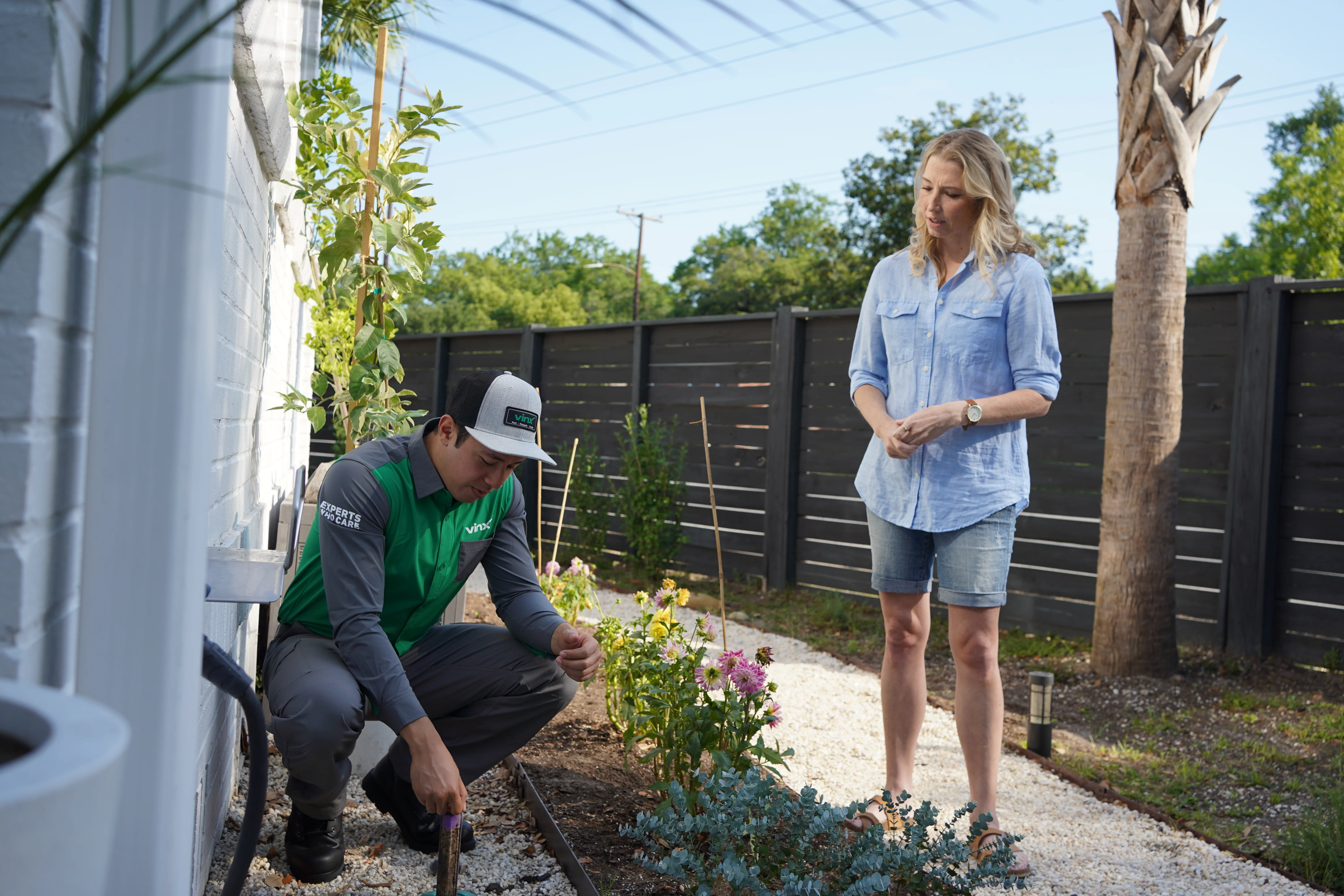
We apply professional-grade residual insecticide and contact-kill products to all infested surfaces and hiding spots. Mattress seams, furniture joints, wall–floor junctions, and harborage areas are treated directly. The residual keeps working after application, killing bed bugs that emerge between treatments.
Void & Crack Treatment
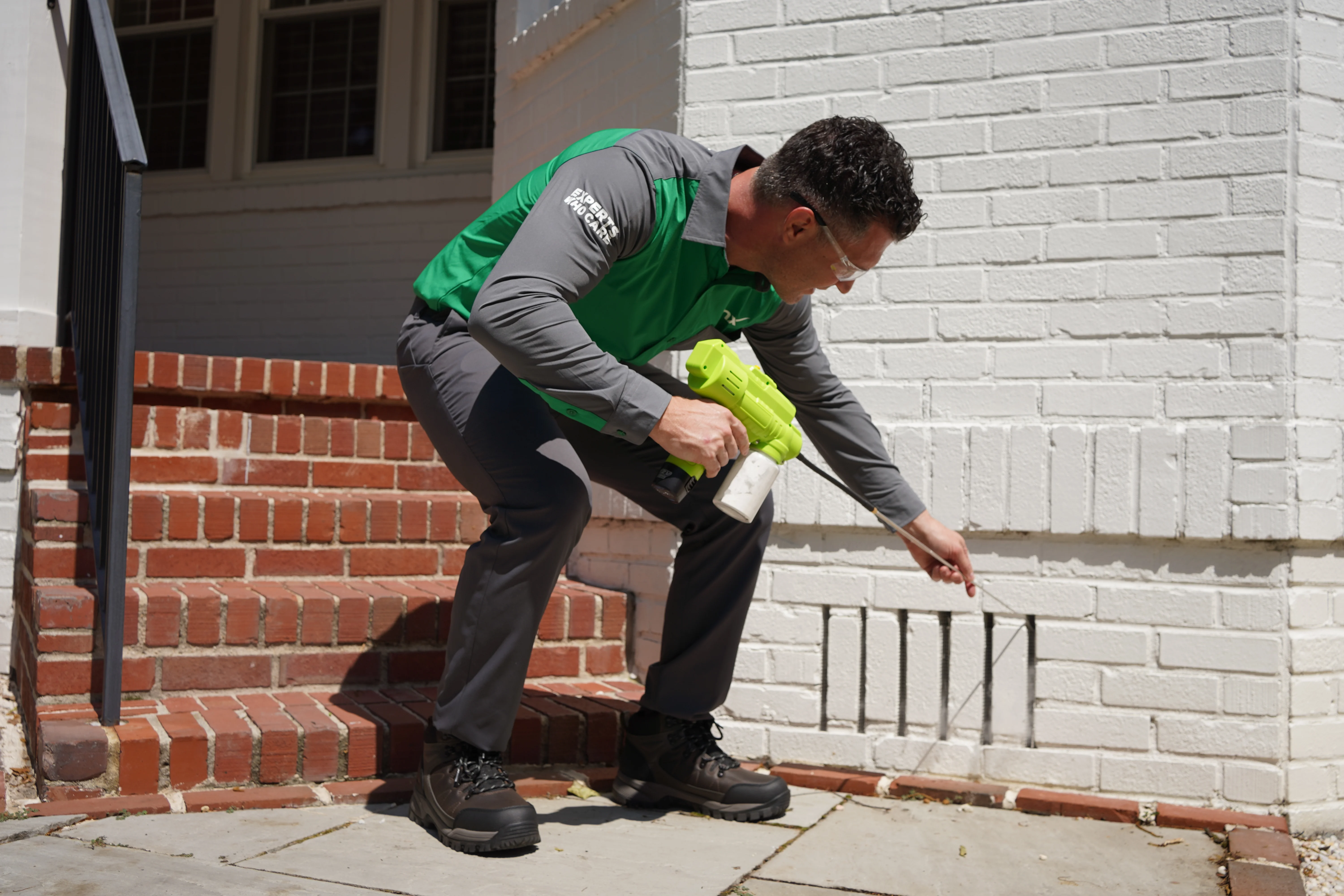
Insecticidal dust is applied into wall voids, electrical outlets, and tight cracks where bed bugs hide and where liquid treatments cannot reach. Dust formulations have a long residual life and remain effective for months, catching any bed bugs that travel through these hidden pathways.
Follow-Up & Re-Treatment
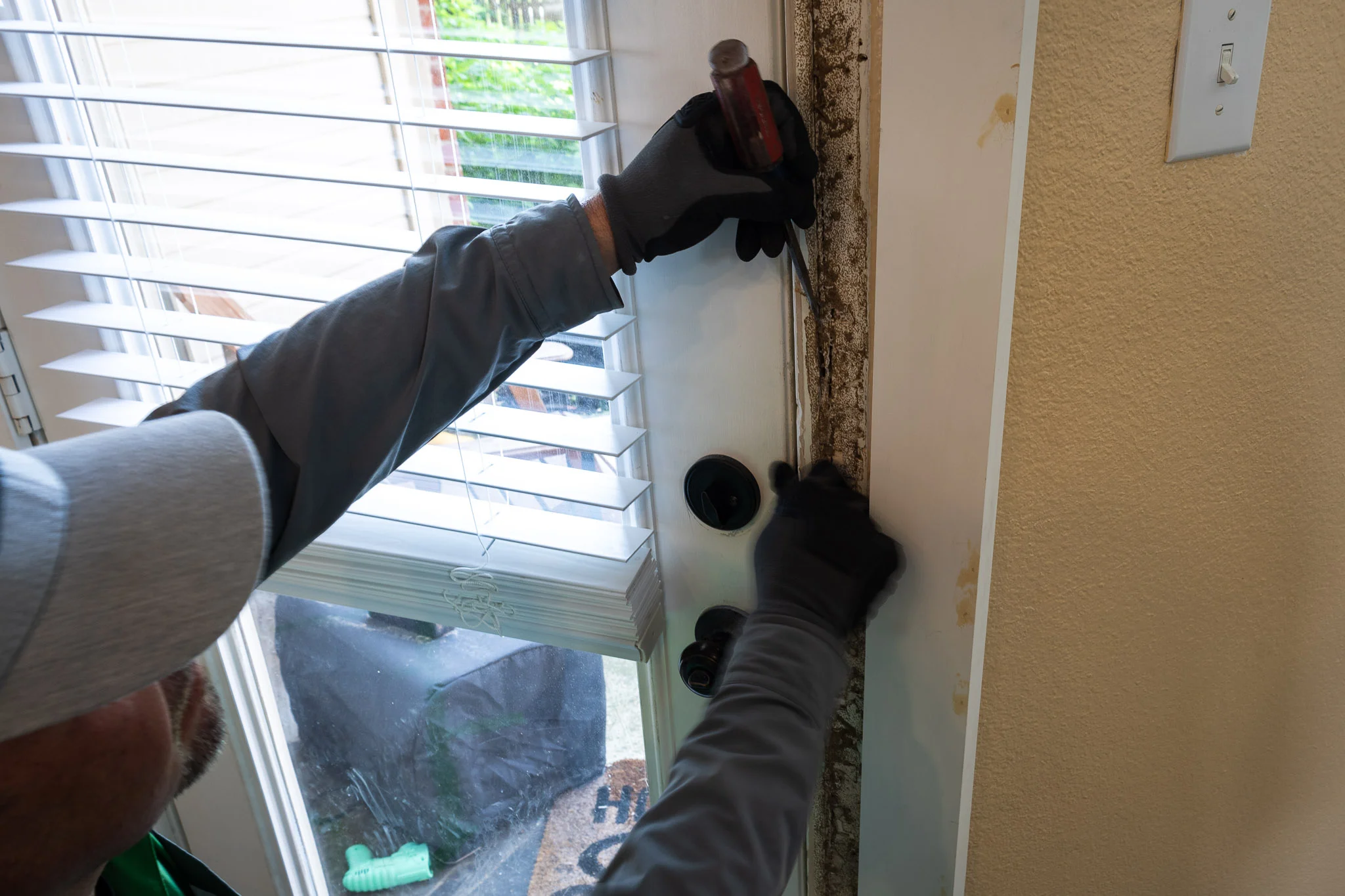
A follow-up visit is scheduled 10–14 days after the initial treatment to target any eggs that have hatched since the first service. Any activity still showing means we re-treat at no extra charge. Your technician also gives you the preparation and post-treatment guidance that keeps it from coming back.
What Customers Say
Real Reviews from Charleston Homeowners
Today was my first experience with Vinx. Nicholas was wonderful: professional, patient and kind! This company is definitely centered on customers' wishes and positive experience. I couldn't be happier with Vinx in general and Nicholas in pareicular!
Great customer service and it has helped reduce and eliminate the number of bugs getting into our house.
Austin is always a pleasure everytime he services our home. He always helpful with our questions and has a pleasant attitude. We've had Vinx for several months now and they don't disappoint and they're very prompt on coming out when we need them.
Anthony was great! He arrived on time and treated both the exterior and interior of our house. He even put up with our crazy barking dogs and gave them pets when he was all done treating the house!
Jonathan was great! He was very courteous and was understanding when I explained that no one from Vinx ever called to let me know that he was scheduled. It was ok for him to complete the service even though I never received a call. Thank you Jonathon.
They are thorough & seem very dedicated to do a great job. They are quick on their return calls & are easy to work with on rescheduling to meet our changing schedule. Anthony could not be better! We adore him & I hope that Vinx Pest realize what an asset he is for the company!
Woke Up With Bites This Morning? Don’t Wait. Call Vinx.
Bed bug infestations double in size every 6–8 weeks in Charleston’s warm climate. Free inspection. Same-day appointments available. 30-day guarantee.
Call 855-800-8469Pest Pressure by Neighborhood
Know Your Neighborhood’s Bed Bug Risk
Downtown & French Quarter: Highest Bed Bug Risk in Charleston
Short-term rental density in Downtown and the French Quarter creates the highest bed bug turnover rate in the metro. Historic row homes and inns with shared walls allow bed bugs to spread between units undetected for weeks. Tourists cycling through AirBnb and VRBO properties introduce infestations regularly. Residents living above or adjacent to vacation rentals face elevated secondary risk year-round.
West Ashley: Apartment & Condo Risk
Multi-family housing density throughout West Ashley makes bed bug spread between units a consistent risk. Apartment complexes along Sam Rittenberg and Savannah Highway see repeat infestations when one unit goes untreated. Used furniture from online marketplaces is a primary introduction vector in this area. Residents who travel frequently for work also face elevated reinfestation risk.
James Island: Secondary Spread Risk
James Island’s mix of rental cottages and older residential homes creates conditions for undetected bed bug spread. Properties converted to short-term rentals near Folly Beach drive infestation introductions. Older homes with more furniture crevices and baseboards give bed bugs more harborage sites. Early detection treatment on James Island typically resolves faster than cases allowed to spread across rooms.
Johns Island: Rural Vacation Rental Risk
Johns Island vacation and event rentals tied to the booming wedding venue market introduce bed bugs through high-volume guest turnover. Rural property owners are often less aware of early infestation signs, allowing populations to grow before discovery. Larger homes with multiple bedrooms mean a single undetected introduction can spread to several rooms before treatment.
Summerville & Goose Creek: New Resident Risk
Rapid population growth in Summerville and Goose Creek brings a high volume of residents relocating from across the country, occasionally transporting infestations in moving boxes and furniture. Newer apartment complexes built for the growing population concentrate multi-family risk. Residents moving from higher-risk urban areas should inspect all furniture and luggage before moving into new homes.
North Charleston: Hotel Corridor & Workforce Housing Risk
The hotel corridor along I-26 near the airport drives consistent bed bug introduction for North Charleston residents who work in hospitality. Extended-stay hotels and workforce housing complexes adjacent to port and industrial areas see higher-than-average bed bug pressure. Residents in older multi-family buildings near the port should inspect secondhand furniture and report early signs immediately.
Mount Pleasant: Travel & Tourism Exposure
Mount Pleasant residents who travel frequently for business and leisure face consistent bed bug introduction risk. Proximity to Charleston International Airport means travel exposure is higher than most suburban markets. Upscale hotels in the area maintain vigilant protocols but introductions still occur. New residential construction east of Highway 17 brings families relocating nationally, inspect all shipped furniture carefully.
South of Broad & Ansonborough: Shared-Wall Spread Risk
The residential peninsula carries a structural risk that suburban housing does not. Attached single houses, row houses, and converted carriage houses through South of Broad, Ansonborough, and Radcliffeborough share party walls, adjoining crawl spaces, and continuous baseboard and utility runs, and bed bugs travel those voids between addresses. An infestation next door is genuinely your exposure too. Unsealed gaps add harborage wherever they exist: baseboard joints, plaster cracks, wide floorboard seams, and upholstered or antique bedroom furniture all give bed bugs somewhere to sit out a treatment aimed at a single room. That is a condition and containment issue rather than an age issue, and it is fixable. Residents living above or beside a short-term rental face repeat reintroduction rather than a single event.
Daniel Island & Cainhoy: Relocation & Furnished Rental Turnover
Daniel Island’s tenant profile is unusually mobile: corporate relocations, medical and sports-sector short-term leases, and furnished rentals all mean bedrooms change occupants far more often than in a typical suburb. Furnished and corporate housing is a particular weak point, because the mattresses, headboards, and upholstered furniture stay in place across tenancies while the occupants rotate. Households arriving from higher-prevalence metros should inspect shipped and delivered furniture before it goes into a bedroom, and continued build-out toward Cainhoy keeps that inbound volume high.
Folly Beach, Isle of Palms & Sullivan’s Island: Peak-Season Turnover
The barrier islands hold the highest-turnover bedrooms in the metro. A beach rental can cycle weekly guests from spring through the end of summer, and every changeover is an independent chance of introduction. Multi-bedroom beach houses then spread a single introduction across several rooms before anyone reports it, and the lag between a guest mentioning bites and the owner acting is where a small problem matures into a whole-house one. Owners and managers who check mattress seams, headboards, and sofa-bed frames at each changeover generally catch it while it is still one room and one treatment.
Why It Happens Here
Why Charleston Has a Growing Bed Bug Problem
It usually starts with bites on the arms and neck that nothing else explains. Then the mattress seam turns up a rust-colored smear. You lift a corner of the box spring and three dark ovals the size of apple seeds break for the dark. It happens in Charleston far more often than homeowners expect, and the reason is particular to this city.
Cruise Terminal & Hotel Exposure
Charleston is one of the most visited cities in the United States. The Port of Charleston cruise terminal and King Street hotel corridor bring millions of visitors through the city every year. Cruise ships are among the highest-risk environments for bed bug transmission. Passengers returning from cruises who bring luggage directly into their homes are one of the most common bed bug introduction routes Vinx technicians see in Charleston.
Short-Term Rental Pressure
Charleston has one of the highest concentrations of Airbnb and VRBO properties in South Carolina, particularly in the French Quarter, Harleston Village, and on the barrier islands. Properties that cycle through dozens of guests per month face a completely different exposure profile than a typical single-family home. A single pregnant female introduced from an infested room can establish a full infestation within six to eight weeks.
Student Housing Risk
College of Charleston and Citadel student housing adds another high-risk layer. Students cycling through dormitories and off-campus rentals bring secondhand furniture, shared bedding and constant travel, which makes student housing one of the highest-risk bed bug environments in the city. Cleanliness is irrelevant to them; a five-star hotel carries the same risk as a budget motel.
Where to Look
How to Identify Bed Bugs in Your Charleston Home
Bed bugs settle within six feet of wherever you regularly sleep or sit. Adult bed bugs are flat, oval-shaped, approximately the size of an apple seed, and rusty red to mahogany brown. Nymphs are smaller and translucent, which makes them very hard to see against pale bedding.
Check These Locations in This Order
- 1Mattress and box spring seams, run a credit card along every seam and look for dark spots, shed skins, or live bugs
- 2Bed frame joints and screw holes, particularly in wooden frames where bugs pack into tight spaces
- 3Headboard, both the front face and the back where it meets the wall
- 4Nightstand drawers and undersides, directly adjacent to where you sleep
- 5Behind electrical outlet covers within six feet of the bed
- 6Sofa and chair seams in rooms where people spend extended time
- 7Behind picture frames and wall hangings near sleeping areas
- 8Inside luggage stored in closets, a common re-introduction point
What to Look For
Signs That Confirm Bed Bug Activity
Rust Smear Marks
Dark brown smearing on mattress seams or on the bedding
Tiny White Eggs
Oval eggs around 1mm long, in seams or furniture joints
Shed Exoskeletons
Translucent empty casings in the harborage areas
Sweet Musty Odor
A sweet, musty odor in heavily infested rooms
Unexplained Bites
Bites in a line or cluster on exposed skin: arms, neck, shoulders
Live Bugs
Visible if the harborage areas are inspected thoroughly
Attached & Multi-Unit Housing
How Bed Bugs Move Between Attached Charleston Homes
Charleston has row houses, attached single houses, carriage houses, condos, and apartment blocks, which means a large share of local bedrooms share a wall with someone else’s. This is the best-measured part of bed bug research, and the numbers are worth knowing before you treat one room and hope.
Half of Adjacent Units
In a peer-reviewed study of one infested high-rise, 53% of the apartments directly adjacent to an infested unit were also infested, and 45% of the entire building had been infested within 41 months of the first known introduction. If you share a wall in downtown Charleston, a neighbor’s infestation is a live exposure for you, not a private problem next door.
It Is Not Only Next Door
A mark-release-recapture study tracked marked bed bugs into units neighboring five of six release apartments, including units across the hallway, and documented movement both sideways and between floors. Inspecting only the unit that complained, plus the one on either side, routinely misses where the population already is.
Why Coordinated Treatment Wins
Treating one unit while the rest of the structure is left alone is the classic way a bed bug problem becomes permanent. Building-wide programs have cut infestation rates from 15% to 2.2% within twelve months, while a comparison building left on conventional monthly service went the other way, from 6% to 12%. For attached Charleston housing we plan around the structure, not only the address that called.
It Is Not About the Building’s Age
Worth saying plainly, because the opposite gets repeated constantly: research has not found building age to be a bed bug risk factor. Published studies point to occupancy, density, turnover, and housing condition instead. What genuinely matters downtown is attached construction, shared walls and unsealed gaps around pipes and wiring, which make an infestation harder to contain once it arrives, whether the building went up in 1840 or 2020.
Detection Reality
Why You Might Not Know You Have Them
Most people assume bed bugs announce themselves with bites. Often they do not, and the gap between arrival and discovery is where a one-room problem turns into a whole-house one.
Half of Infestations Go Unnoticed
Across 2,372 inspected apartments, 49% of the infestations found were in units whose residents did not know they had bed bugs. Not suspected and unconfirmed, simply unknown. That is the strongest argument for inspecting rather than waiting for certainty, especially if you rent a property out or share a wall.
Bites Are an Unreliable Signal
In a prospective clinical study, 13 of 24 people had no reaction at all to their first bed bug bites. Sensitivity usually builds with repeated exposure, which is why one person wakes up covered in marks while someone sleeping in the same bed shows nothing. Bites also cannot be identified by appearance alone, by us or by a doctor. Physical evidence on the mattress and frame is what confirms it.
Not a Disease Risk, Still a Health Issue
Bed bugs are not known to transmit disease to humans. The EPA and CDC nonetheless classify them as a pest of significant public health importance, citing allergic reactions that range from nothing at all to, in rare cases, anaphylaxis; secondary skin infections such as impetigo from scratching; and anxiety and insomnia among people living in infested homes. The sleep loss is frequently the part that hits hardest.
An Empty Room Will Not Starve Them
Bed bugs last a long time between meals. In controlled testing at around 79°F, later-stage nymphs and adults survived a mean of 41 to 143 days without feeding, with the longest individual survival about 143 days. You will see “over a year” quoted elsewhere, but that comes from 1940s work at much cooler temperatures. In a climate-controlled Charleston home the realiztic figure is months, which is still far longer than anyone can leave a bedroom unused.
Heat, Cold & What Works
What Actually Kills Bed Bugs, and What Only Looks Like It Does
Almost every piece of bed bug advice you will read involves heat. Most of it is vague about the number that matters, and the number is the whole point, because eggs are far tougher than the adults you can see.
Eggs Are the Hard Part
Adults and eggs are not in the same league. Under controlled ramp heating, 99% mortality required about 119°F for adults but 130.6°F for eggs, and eggs survived roughly seven hours at 113°F. Virginia Cooperative Extension puts the practical thresholds at 118°F for adults and nymphs and 122°F for eggs. Anything that kills what you can see but never reaches egg temperature buys you about two weeks.
The Dryer Is Your Best Tool at Home
This is why the advice after a trip is so specific. A hot wash helps, but it is the high-heat dryer cycle that reliably carries fabrics past egg-lethal temperature. Run bedding, clothing, and soft luggage contents through it, then seal them in clean bags until treatment is complete. Items that cannot be laundered need a different plan rather than a hopeful one.
The Hot Car Trick Is Not a Treatment
Sealing items in black bags inside a hot closed car gets recommended constantly. The EPA’s position is that it “might work” but that success “depends on your climate and other factors.” The physics is the problem: a packed bag or suitcase heats unevenly, so the surface can feel scorching while the core never reaches the 118°F that actually counts. Treat it as a maybe, never as the plan.
Cold Works, but Your Freezer Probably Does Not
Freezing is legitimate for small items: 0°F for three to four days in sealed bags, with a thermometer to confirm the temperature. The catch is that many household freezers never hold 0°F, and a partially frozen bag is not a treated bag. An overnight stint in the freezer will not deal with eggs.
Why Sprays Don’t Work
Why DIY Bed Bug Treatment Fails
Every hardware store in Charleston stocks bed bug sprays and foggers. Very few of them will actually solve the problem.
Sprays Miss the Eggs
A bed bug egg carries a protective coating that most chemical products cannot get through. A spray takes the live bugs it touches and leaves every egg untouched. Those eggs hatch seven to ten days on, nearer seven in Charleston's warmth. The infestation rebuilds itself and the whole cycle starts again. That is why homeowners who keep spraying meet the same infestation week after week.
Bug Bombs Spread the Infestation
Foggers never reach the tight harborage bed bugs actually shelter in. What they do achieve is pushing bed bugs out of established harborage and deeper into walls and neighboring rooms. Fog a bedroom infestation and the bed bugs are often in the living room, hallway and neighboring bedrooms within 48 hours.
Professional Chemical Treatment Works
Professional-grade residual insecticides and contact-kill products penetrate harborage areas and keep working after application. Combined with insecticidal dust in wall voids, cracks, and crevices where liquids cannot reach, every life stage is addressed. This is the method that delivers lasting results.
Prevention Tips
How to Avoid Bringing Bed Bugs Home From a Charleston Hotel
Charleston’s King Street hotel corridor sees some of the highest room turnover rates in South Carolina.
When You Arrive
Keep luggage off the bed and off the floor. Use the luggage rack. Check the mattress seams, the headboard and the box spring before anything comes out of the bag. Dark smear marks or live bugs mean asking for a different room on a different floor.
Watch for Bites
If you stayed in a Charleston hotel or short-term rental and notice unexplained bites within one to two weeks of your return, call 855-800-8469 for a same-day bed bug inspection. Catching it early costs far less to treat than a fully established infestation.
When You Return Home
Leave the luggage in the garage or on a hard floor. Wash everything from the trip in hot water and dry it on the highest heat before it goes away.
The Port of Charleston Risk
Cruise ship passengers returning through Charleston’s terminal are one of the most common bed bug introduction routes. Inspect all luggage before bringing into your home after any cruise.
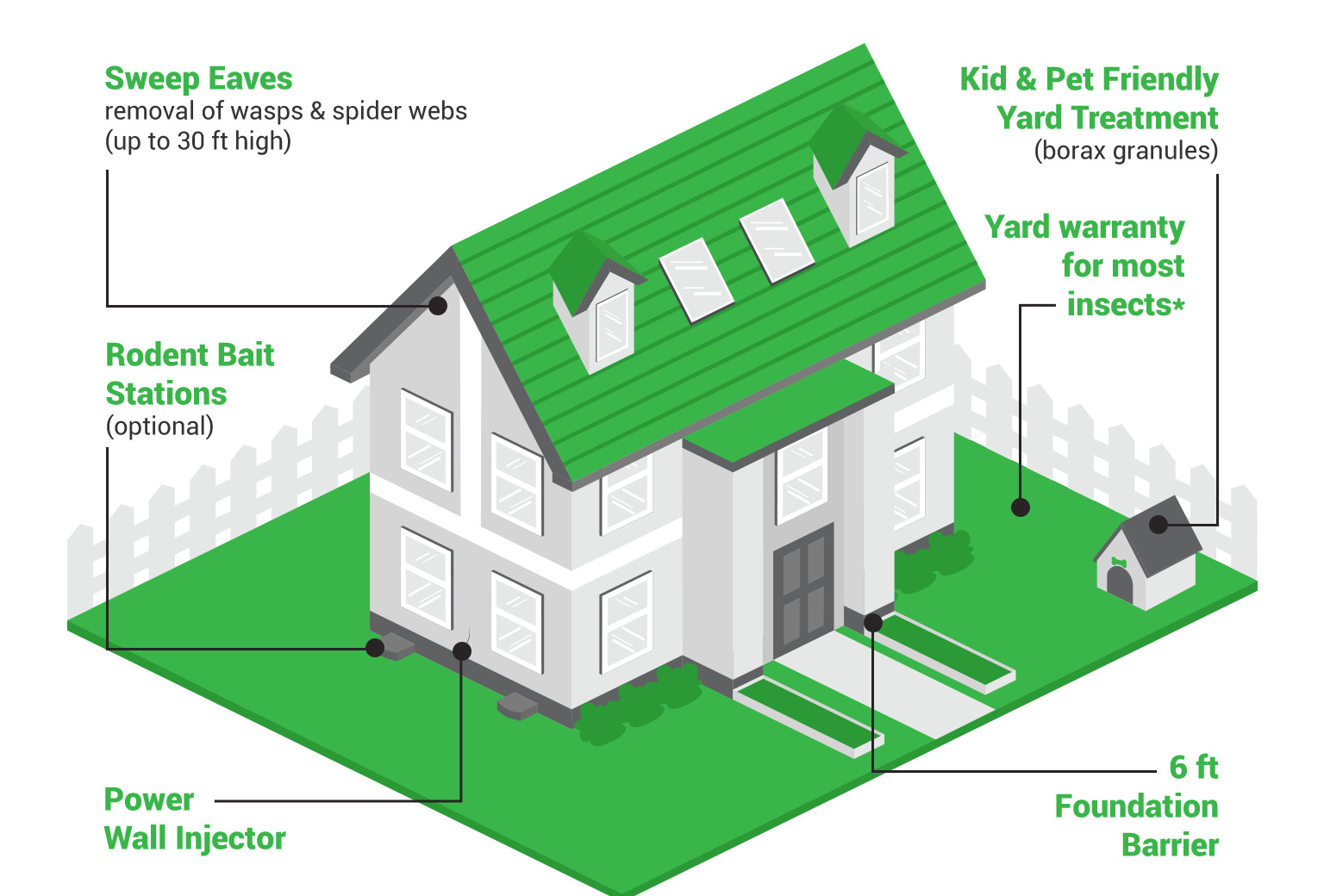
Vinx HomeGuard Plan
What Happens at Every Visit
Our technicians don't just spray and leave. Every quarterly service covers your full exterior and interior, done right, backed by a written guarantee.
- Sweep Eaves: Wasp nests & spider webs removed up to 30 ft
- Power Wall Injector: Treats wall voids where pests hide
- 6 ft Foundation Barrier: Full perimeter treatment every visit
- Yard Warranty: Free retreatment for most insects
- Kid & Pet Safe Yard Treatment: Borax granules, safe after dry
Kid & Pet Safe
Our Treatments Are Safe for Your Whole Family: Including the Furry Members
Every product we use is EPA-registered and applied strictly at labeled rates by licensed technicians. We take the guesswork out of safety so you can feel confident letting kids and pets back into treated areas quickly.

EPA-Registered Products Only
All products we apply are EPA-registered and used strictly per label requirements. Our licensed technicians are trained to apply the right product in the right place at the right rate, every time.
Dry Time Before Re-Entry
Exterior spray treatments dry in 30–60 minutes. Once dry, treated surfaces are safe for children and pets to contact. Your technician will confirm the all-clear before leaving your property.
Interior Treatment On Request
We treat only what’s needed, where it’s needed. Gel baits in cabinets and crack-and-crevice applications keep products away from areas pets and children frequent most.
Botanical Options Available
Have specific sensitivities? Ask your technician about our plant-derived treatment options. We offer botanical alternatives for households that prefer a more natural approach.
Have a concern about products used near your pets or children? Call 855-800-8469 and we’ll walk you through exactly what we use and why it’s safe.
Explore More
More Pest Control Services in Charleston

Pest Control Charleston
General pest protection

Ant Control Charleston
Household ants & others
Cockroach Control Charleston
Palmetto bug & roach removal

Mosquito Control Charleston
Monthly barrier treatments

Rodent Control Charleston
All rodents covered

Spider Control Charleston
All spider species covered
Termite Control Charleston
Bait systems & liquid treatment

Tick & Flea Control Charleston
Yard & pet protection
Exterminator Charleston
Same-day local exterminators

Wasp Control Charleston
Nest removal & prevention
Frequently Asked Questions
Bed Bug Treatment FAQ for Charleston Homeowners
Pricing follows the free inspection and depends on how many rooms are involved and how severe it is. Nationally the range runs $250 to $400 per room for light to moderate infestations. Call 855-800-8469 for a same-day inspection and written quote. Vinx Platinum customers who have completed 12 consecutive months of service receive bed bug treatments at no additional charge.
Check the seams of your mattress and box spring for rust-colored smear marks, tiny white oval eggs, or shed exoskeletons. Check the bed frame joints, the rear of the headboard and behind outlet covers within six feet of the bed. If you find any of these signs or wake up with unexplained bites in a line or cluster on exposed skin, call 855-800-8469 for a same-day inspection.
Yes. Vinx applies professional-grade residual insecticide and contact-kill products to all infested surfaces and harborage areas. Insecticidal dust is then applied into wall voids, electrical outlets, and tight cracks where liquids cannot reach. The residual formulation continues working after application to kill bed bugs that emerge between treatments, addressing every life stage.
A standard one or two bedroom treatment runs about two to three hours. Bigger properties and severe infestations run longer. You vacate the property during treatment and can return once treated surfaces have dried, typically within two to four hours of completion.
No. Professional chemical treatment effectively treats mattresses without requiring replacement. After treatment your technician may recommend a bed bug-proof mattress encasement as an additional protective measure. It seals any survivors inside, where they cannot feed and eventually die.
The most common introduction routes in Charleston are hotel stays on King Street, short-term rental properties, cruise ship travel through the Port of Charleston, and secondhand furniture. Pets that visit kennels, groomers, or veterinary clinics can occasionally carry bed bugs on their fur or in pet carriers. Shared laundromat machines near the College of Charleston and the Citadel are another route. Bed bugs are not associated with cleanliness, any property that receives visitors or has occupants who travel regularly is at risk.
Yes, and this is the best-measured fact in bed bug research. A peer-reviewed study of one infested high-rise found 53% of the apartments directly adjacent to an infested unit were also infested, and 45% of the whole building had been infested within 41 months of the first known introduction. A separate mark-release-recapture study recovered marked bed bugs in units neighboring five of six release apartments, including units across the hallway, with movement both sideways and between floors. For Charleston’s attached row houses, carriage houses, and condos this is why we plan treatment around the structure rather than only the address that called: building-wide programs have cut infestation rates from 15% to 2.2% in twelve months, while a comparison building on conventional monthly service rose from 6% to 12%.
There is a documented annual cycle, but it is not driven by Charleston weather. A four-year analysis of one city’s pest reports found bed bug reports peaked in August and reached their low point in February, every year. Because bed bugs live indoors in climate-controlled space, that swing tracks warmer indoor development rates and peak moving and travel activity rather than outdoor temperature. Charleston’s mild winter offers no relief at all: a heated, air-conditioned bedroom sits in the range bed bugs develop fastest in, twelve months a year. Practically, that means there is no off-season for inspection, and no month where a rental changeover is safe to skip.
No, not on any timescale that helps. In controlled testing at around 79°F, later-stage nymphs and adults survived a mean of 41 to 143 days without a blood meal, with the longest individual survival about 143 days. Newly hatched nymphs died within two to five weeks. You will see “over a year” quoted elsewhere; that figure comes from 1940s laboratory work at much cooler temperatures and does not describe a climate-controlled home. Months, not years, is the realiztic number here, and it is still far longer than anyone can leave a bedroom out of use. Closing off a room also tends to push the population toward the adjoining rooms looking for a host.
Two visits is the norm for a residential infestation. The initial treatment and a follow-up inspection 14 days later to confirm clearance and address any hatched eggs. Severe infestations can need more visits than that. All follow-up visits within 30 days are covered under the Vinx 30-day treatment guarantee at no additional charge.
Yes. Inspect the luggage before it comes indoors after any hotel stay. Leave the bags in the garage or outside to begin with. Wash everything worn on the trip in hot water and dry it on high heat. If you stayed in Charleston accommodation and notice unexplained bites within one to two weeks, call 855-800-8469 for a same-day inspection.
Yes. Residual insecticides and insecticidal dust are applied only to harborage areas (mattress seams, furniture joints, wall voids, and cracks) not to open living surfaces. You vacate the property during treatment and return once treated surfaces are dry, typically within two to four hours.
Same-day inspections are usually available. Call 855-800-8469 to book. Treatment scheduling depends on property preparation, your technician provides the full preparation checklist at inspection and confirms the treatment date once preparation is complete.
Yes, once 12 consecutive months of Vinx Platinum at $109 per month are complete. Platinum is the only recurring plan in Charleston that carries bed bug coverage. It also takes in monthly mosquito control, ant treatment, flea and tick treatment and one winter service.
Yes. Vinx works with Charleston property managers to provide rapid response bed bug inspections and treatments for Airbnb, VRBO, and other short-term rental properties. Urgent situations get a same-day inspection. Call 855-800-8469 to discuss a proactive inspection protocol for your property.
No. Bed bugs are not known to transmit disease to humans. More than forty pathogens have been detected in bed bugs, but there is no definitive evidence that they pass any of them to people, and you should treat any claim that they spread dozens of diseases as out of date. The EPA and CDC still classify them as a pest of significant public health importance, for good reasons: allergic reactions that range from nothing at all to, in rare cases, anaphylaxis; secondary skin infections such as impetigo from scratching bites; and anxiety and insomnia among people living in an infested home. In practice the sleep loss and stress are what most Charleston customers describe first.
Because reaction to bed bug bites varies enormously between people. In a prospective clinical study, 13 of 24 people had no reaction at all to their first bed bug bites, and sensitivity generally builds only with repeated exposure. Two people in the same bed can therefore be fed on equally while only one shows marks. This is also why bites are a poor diagnostic: they cannot be reliably identified by appearance alone, by us or by a doctor. Confirmation comes from physical evidence, live bugs, shed skins, eggs, or rust-colored smears on the mattress seam, box spring, and frame.
Eggs are the number that matters, because they are much tougher than adults. Under controlled ramp heating, 99% mortality required about 119°F for adults but 130.6°F for eggs, and eggs survived roughly seven hours at 113°F. Virginia Cooperative Extension gives practical thresholds of 118°F for adults and nymphs and 122°F for eggs. At home, the high-heat dryer cycle is the tool that reliably gets fabrics past egg-lethal temperature, so launder bedding and clothing and seal it in clean bags until treatment is finished. Freezing works for small items at 0°F for three to four days, but many household freezers never hold 0°F. A hot car is unreliable: packed bags heat unevenly and the core often never reaches 118°F.
Service Coverage
Bed Bug Treatment Across Charleston & the Lowcountry
Serving every neighborhood in the Charleston metro area
Serving the Greater Charleston Area