Rodent Control in West Ashley, SC
Norway Rat, Roof Rat & House Mouse Experts, Exclusion + Trapping, Same-Day Appointments
Three rodents drive nearly every call in West Ashley: Norway rats burrowing along the ditches, swales and detention ponds of the Church Creek drainage basin, roof rats climbing the mature canopy over Avondale and South Windermere, and house mice slipping into seventy-year-old crawl-space envelopes and the new construction out toward Carolina Bay. Vinx inspects entry points, seals gaps, and traps, not just bait and hope. Free re-treatment guarantee.
Get Started in 60 Seconds
Choose what’s easiest for you
Request a Quote
We usually respond in 2 minutes
Call (843) 920-8469
Get a Live Person (no AI agents here!)
Sign Up Online
Get pricing and schedule now




Welcome to Vinx Pest Control
A Company That Actually Backs What It Says
At Vinx, we combine professional-grade treatments with a level of service most pest control companies don't offer. Local technicians, fast response times, and a guarantee that actually means something.
Get a Free Quote"I'm not passionate about killing bugs. I'm passionate about customer service. At Vinx, you get experts who show up, do the job right, and stand behind every visit. No runaround, no fine print."
WELCOME TO VINX PEST CONTROL
Protection Plans for West Ashley Homeowners
Standard Residential Protection
- 4 Seasonal Treatments Per Year
- 50+ Covered Pests
- Interior, Exterior & Yard Treatment
- Unlimited Free Re-Services
- 100% Money-Back Guarantee

Upgraded Yard Protection
- 6 Home & Yard Treatments Per Year
- 50+ Covered Pests
- Yard Ant Elimination Guarantee
- Flea & Tick Elimination Guarantee
- 100% Money-Back Guarantee

Most Comprehensive Protection
- 9 Treatments Per Year
- 50+ Covered Pests
- 8 Mosquito Treatments (Mar–Nov)
- Flea, Tick & Ant Coverage
- Free Bed Bug Treatments if Needed*
*Starting rates vary by home size and area. All plans billed monthly.
Request Your Free Rodent Control Quote
Fill out the form below and a Vinx team member will reach out within 2 minutes during business hours.
Prefer to talk? Call (843) 920-8469 for a live person, no AI agents.
Our Approach
How Vinx Eliminates Rodents in Your West Ashley Home
Rodent Inspection & Entry Point Identification
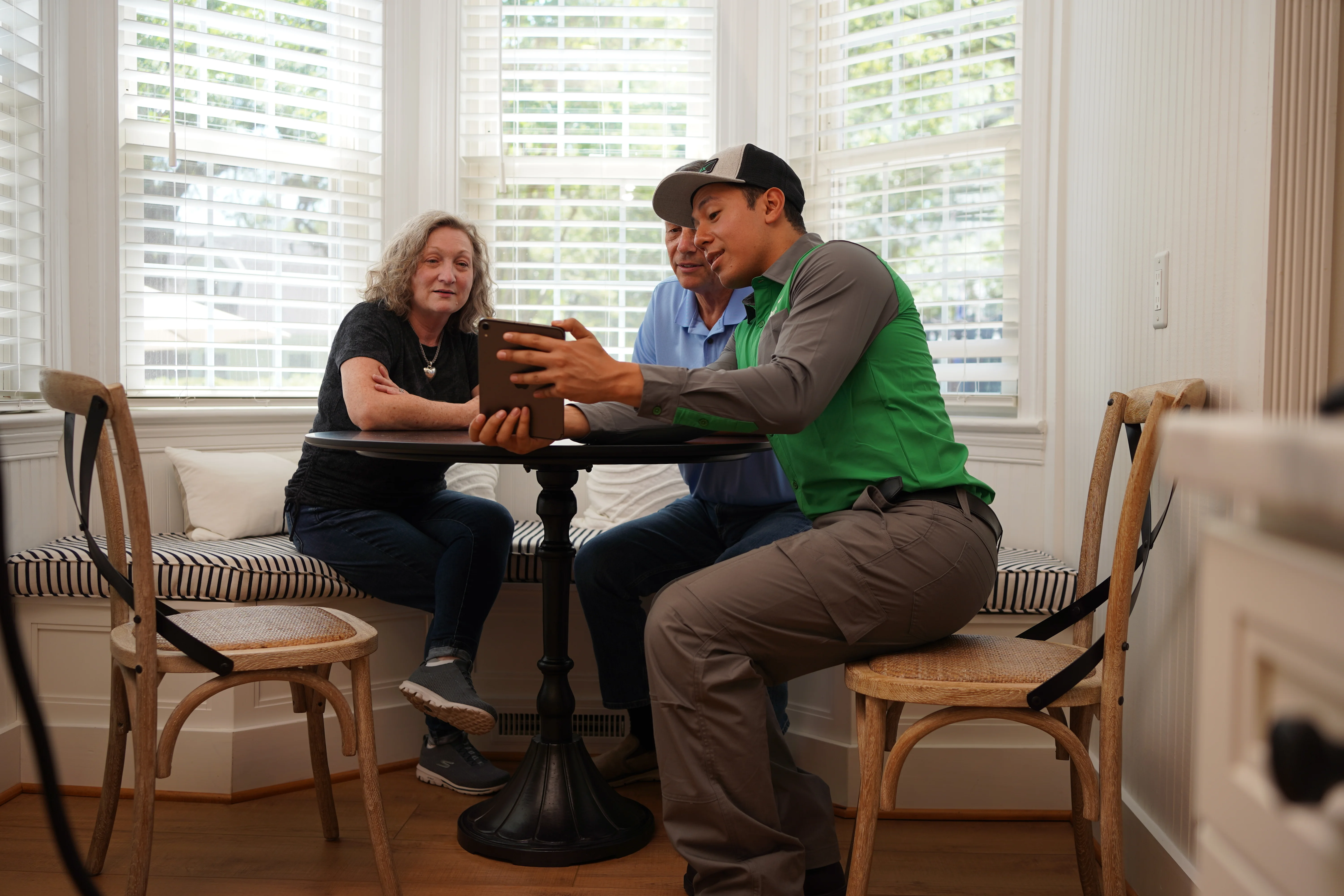
Your technician inspects the full structure, attic, crawl space, garage and exterior, for runs, droppings, gnaw marks and nesting. In West Ashley the exterior walk starts with the drainage: where the swale or ditch runs, how close the detention pond is, and where the post-war canopy meets the roof. Every gap over a quarter inch is documented, and on a 1950s crawl-space house that list is long.
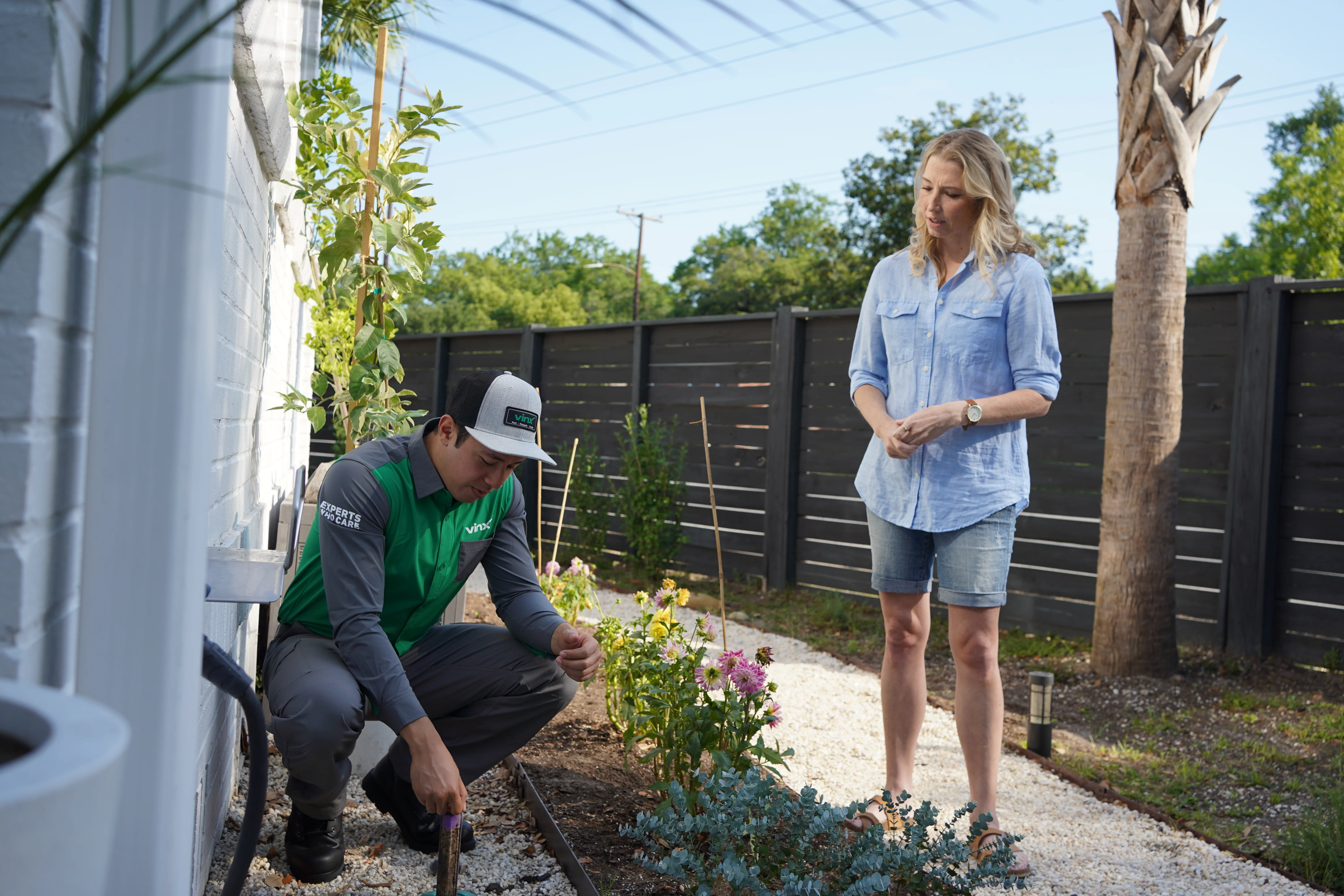
Exterior Bait Station Placement
Tamper-resistant bait stations go along the foundation, garage walls and the runways the inspection found, with the swale or pond side of the lot as the priority in the Church Creek basin. Stations are secured, labeled and mapped so follow-up visits can read what is feeding.
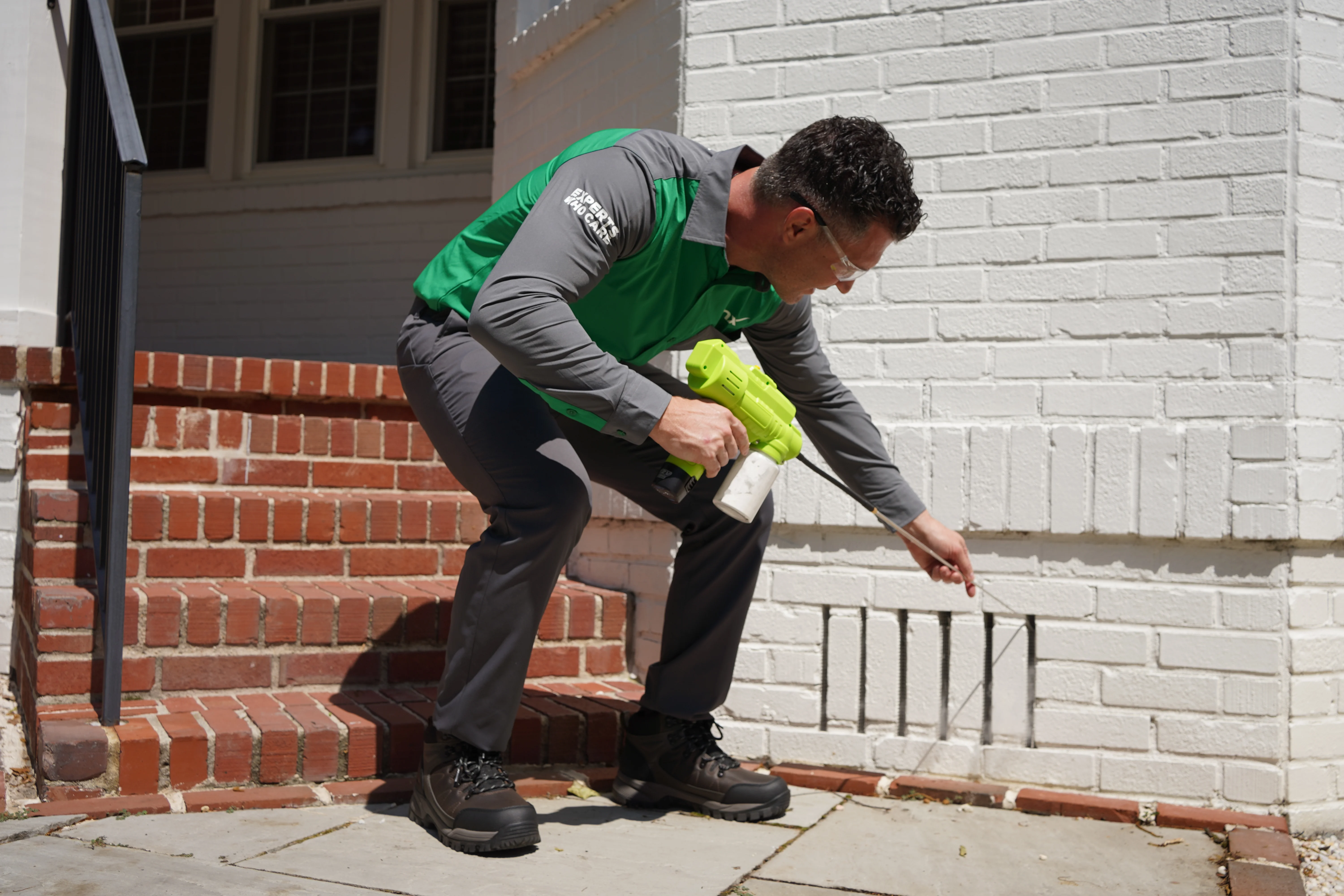
Interior Trapping
Snap traps and glue boards are placed on the interior runs the evidence points to: attic rafters under an Avondale oak, the crawl-space sill of a Byrnes Downs cottage, kitchen walls in a Carolina Bay new build. Placement follows the evidence, and traps are checked and reset on every visit.
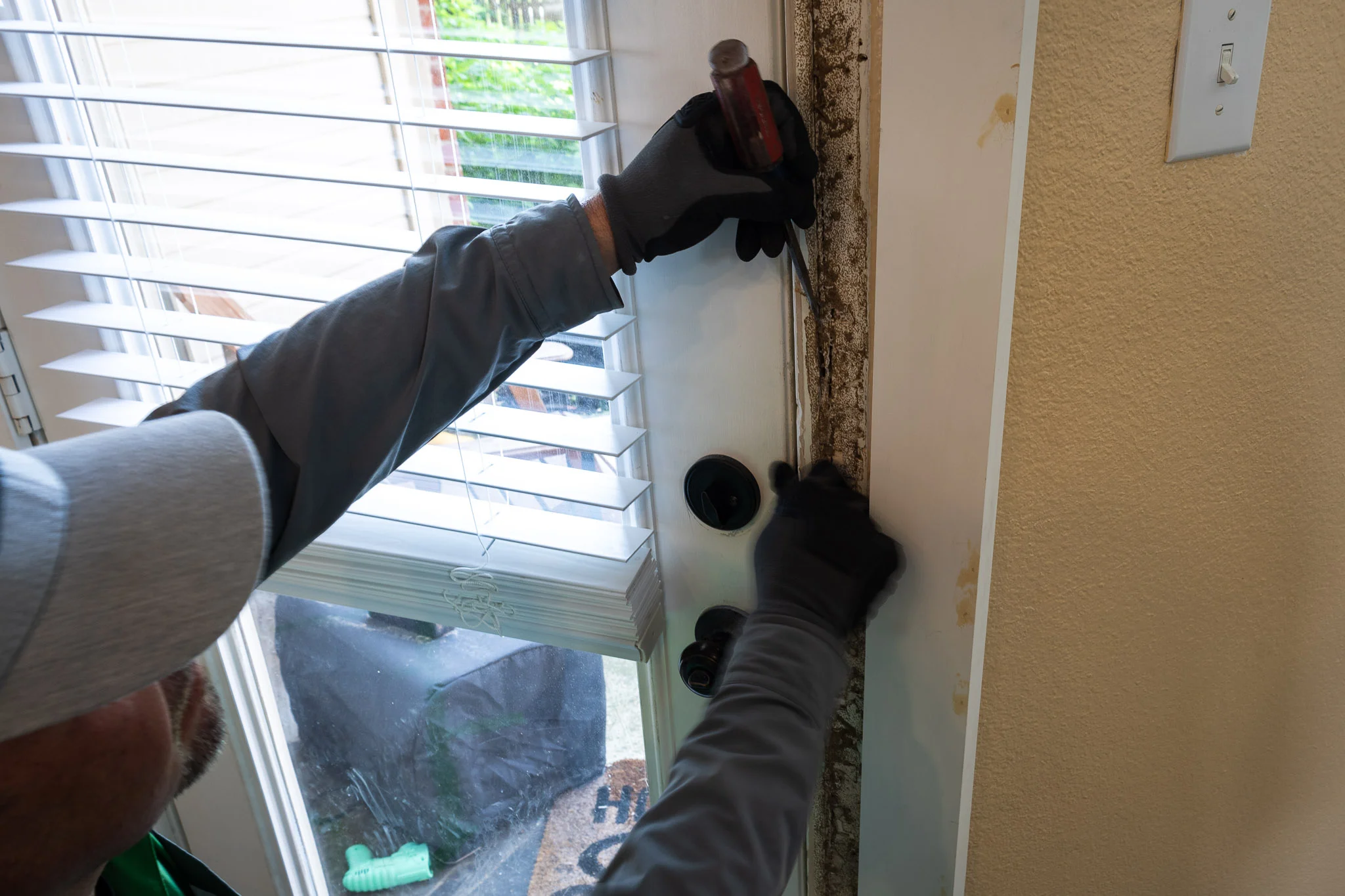
Exclusion & Follow-Up
Steel wool, hardware cloth and sealant close the entry points the inspection found. On a seventy-year-old crawl-space envelope that means every vent, pier gap and utility penetration, because the ground beside it stays damp by design. Follow-up confirms the population is gone and the exclusion is holding.
What Our Customers Say
What West Ashley Homeowners Say About Vinx Rodent Control
We have used Vinx for a few years now and have never had a problem. Our tech today was Jack and he was great!
Vinx is wonderful! Ryan came out to my house to check my attic, ducts, & crawlspace for rodents. He found a lot of evidence of having roof rats in our attic. He then told me how they can fix this, what they will do to eliminate these rodents from my attic, & how they will fix my house so they can’t come back. I really appreciate Vinx helping me take care of my home! A+++
Great job by Jonathan today! He did my rodent control. He was on time. Had great communication and did a wonderful job. He explained everything he did. I would highly recommend Jonathan at Vinx pest control. Tracy
Vinx has always gone above and beyond to keep our house protected against pest. They are highly professional and offer services from termite to mosquitos, rodents even bees. They not only work at getting rid of these issues but also have the ability for preventative measures. I strongly recommend
Nicholas did a great job with the rat exclusion. He knew the information and explained it well. He had a good work ethic & a pleasant attitude. It was a pleasure to work with Nicholas.
Vinx was actually early for our appointment ( that never happens in the South) and the technician, Mark, was very professional and explained in detail what needed to be done.
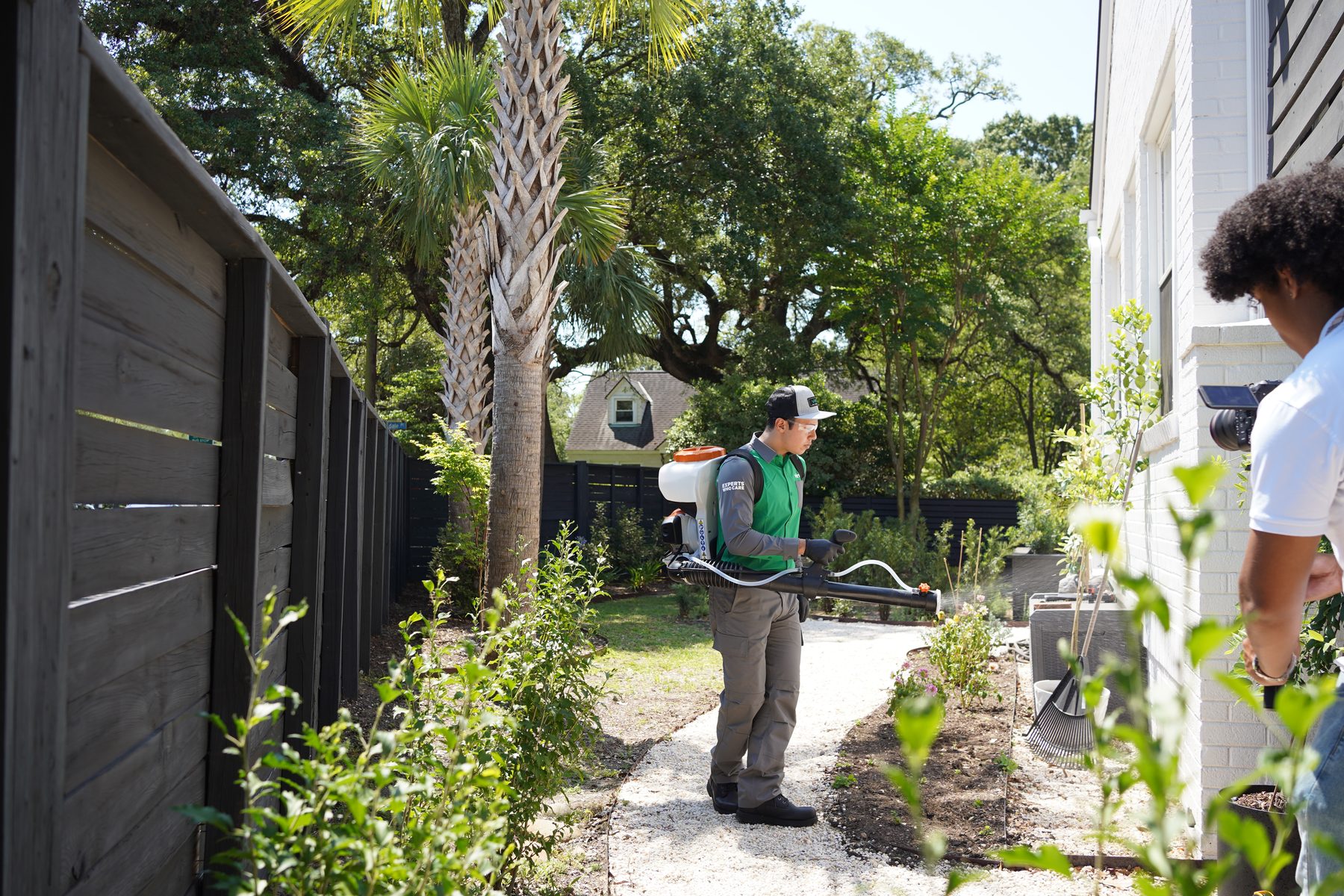
Hearing Scratching in Your Walls?
West Ashley’s rats live in the drainage the basin was built around. Get a free inspection, same-day availability. We seal first, remove second.
The Local Threat
Why Rodent Control in West Ashley Isn’t One-Size-Fits-All
Much of West Ashley sits in the Church Creek drainage basin, where the City of Charleston concluded that accepted stormwater standards were not effective and a development moratorium has stood since October 2000. Ditches, swales and detention ponds are part of the built environment here, and for a burrowing Norway rat that is damp, easy ground with cover, block after block. Above it, the mature canopy over Avondale, Byrnes Downs and South Windermere carries roof rats to seventy-year-old rooflines, and the new construction toward Carolina Bay pushes displaced rodents into still-settling foundation gaps.
Much of West Ashley sits in the Church Creek drainage basin, where the City of Charleston concluded that accepted stormwater engineering standards were not effective and a development moratorium has stood since October 2000. Ditches, swales and detention ponds are part of the built environment here, and for Norway rats that infrastructure is habitat: bank burrows, cover along vegetated margins, and reliable water through dry spells.
The mature tree canopy across Avondale, Byrnes Downs, South Windermere and Sherwood Forest gives roof rats an elevated route straight to a roofline or attic vent that most other pests don’t have — a limb touching the roof is a highway, and from there it is soffit, fascia and attic.
And the ongoing construction around Carolina Bay and Grand Oaks Plantation near I-526 disturbs existing rodent burrows on cleared lots, pushing displaced rodents toward the nearest standing structure, often a newly built home with fresh, still-settling gaps around its foundation and utility penetrations.
Large-scale construction is a rodent event as much as a building one, and a great deal of it is planned here. Plan West Ashley proposes retrofitting natural stormwater systems into the Church Creek Basin, redeveloping Citadel Mall, creating new parks with the Long Savannah neighborhood, and converting underused paved areas on Orleans Road and Savannah Highway into wetlands and trails. Every one of those disturbs established ground. Excavation displaces resident rodent populations outward into whatever adjoins the site, which is why properties near active works benefit from exclusion being checked while the work is happening rather than after it.
West Ashley Rodent Species
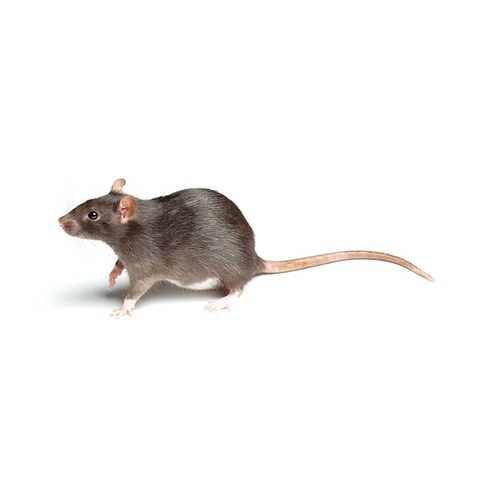
Norway Rats
Ground dwellers that burrow along the foundation line and enter low, by sewer line, ground-level gap or utility penetration.
They compress their bodies and pass through a quarter-sized gap.
Heaviest pressure along the Church Creek basin ditches, swales and detention ponds, and the creek-adjacent ground around Shadowmoss.
Strong swimmers that gnaw through wood and weak siding, so the exterior seal matters as much as anything set indoors.
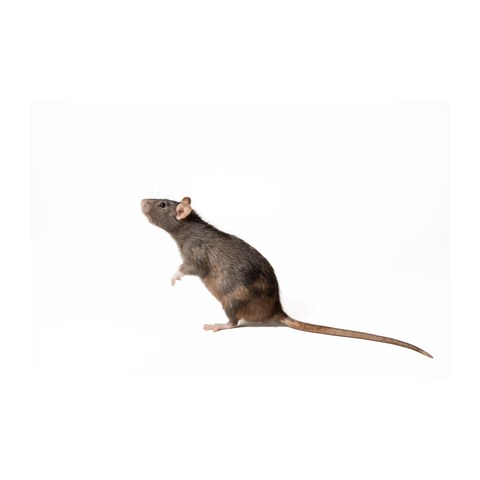
Roof Rats
Climbers that enter at height, through roofline gaps, deteriorating soffit and branches touching the roof.
An opening the width of a nickel will do.
More common under the mature tree canopy of Avondale, Byrnes Downs, South Windermere and Sherwood Forest.
West Ashley's coastal humidity deteriorates soffit faster than inland climates, entry points invisible from the ground.
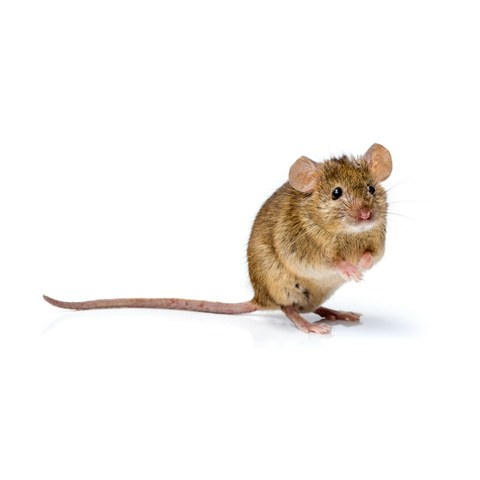
House Mice
The smallest and most common indoor rodent, able to get through a gap the size of a dime.
Kitchen wall voids, the backs of appliances and attic insulation are where they live.
They can be present for months before the first sign becomes visible.
They carry lymphocytic choriomeningitis, plus salmonellosis and leptospirosis.
Rodent Risk by Neighborhood
Rodent Risk Across West Ashley Neighborhoods
Avondale & Byrnes Downs: ROOF RATS
Among West Ashley’s original 1950s neighborhoods along the Savannah Highway corridor, with seventy years of settled foundations, aging porch and crawl-space access, and heavy mature canopy overhead. Roof rats travel along elevated routes, so a limb touching the roofline is the road in. Cut limbs clear of the roof and seal the soffit and vent gaps — both, not one.
South Windermere & Sherwood Forest: ROOF RATS & HOUSE MICE
Established mid-century streets under mature tree canopy, where decades-old housing stock gives rodents a long list of small openings to work with. Activity heard above the ceiling is a different job from droppings below the floor, and it is priced and executed differently.
St. Andrews & the Ashley River Road Historic Corridor: ROOF RATS
Bordering some of the oldest cultivated landscapes in the country near Magnolia Plantation, Middleton Place and Drayton Hall, this wooded, moss-draped corridor keeps canopy cover and humidity high well beyond what more open, built-out parts of town experience. Elevated placements and roofline exclusion carry the work here.
Shadowmoss & Church Creek: NORWAY RATS
Marsh- and creek-adjacent terrain inside the Church Creek drainage basin, where the City of Charleston concluded accepted stormwater engineering standards were not effective and a development moratorium has stood since October 2000. Ditches, swales and detention ponds mean bank burrows, vegetated cover and reliable water — so pressure here is directional and seasonal, tracking the drainage rather than appearing at random.
Carolina Bay & Grand Oaks Plantation: HOUSE MICE & DISPLACED RODENTS
West Ashley’s newest growth corridor near I-526, where disturbed soil and buried construction debris push displaced rodents toward the nearest standing structure — often a newly built home with fresh, still-settling gaps around its foundation and utility penetrations. Seal the envelope before landscaping settles.
Warning Signs
Signs of Rodents in Your West Ashley Home
Droppings Along Baseboards
Small dark pellets near food, along a baseboard or inside a cabinet, and the earliest reliable sign of activity.
Gnaw Marks on Wood or Wiring
Fresh marks are pale and darken as they age. Chewed wiring is a leading cause of house fires, which makes this the priority finding.
Scratching Overhead at Night
Roof rats that came in along an Avondale or South Windermere limb work the attic after dark.
Grease Marks on Crawl-Space Piers
They run the same path nightly, and the oil in their coats smears the framing where they squeeze by.
Nesting in Attic Insulation
A nest of shredded insulation, paper or fabric means the population is resident and reproducing.
Burrows Along a Swale or Pond Bank
Norway rats dig in the damp banks of the Church Creek basin’s ditches, swales and detention ponds; fresh holes have clean, packed edges.
Ammonia Smell in the Crawl Space
Urine building up in an enclosed crawl space creates an ammonia smell that is usually the first thing detected.
Chewed Packaging in the Pantry
Chewed food packaging and scattered debris inside cabinets are classic mouse or rat evidence.
Homeowner Tips
6 Ways to Reduce Rodent Risk Right Now
Kid & Pet Safe
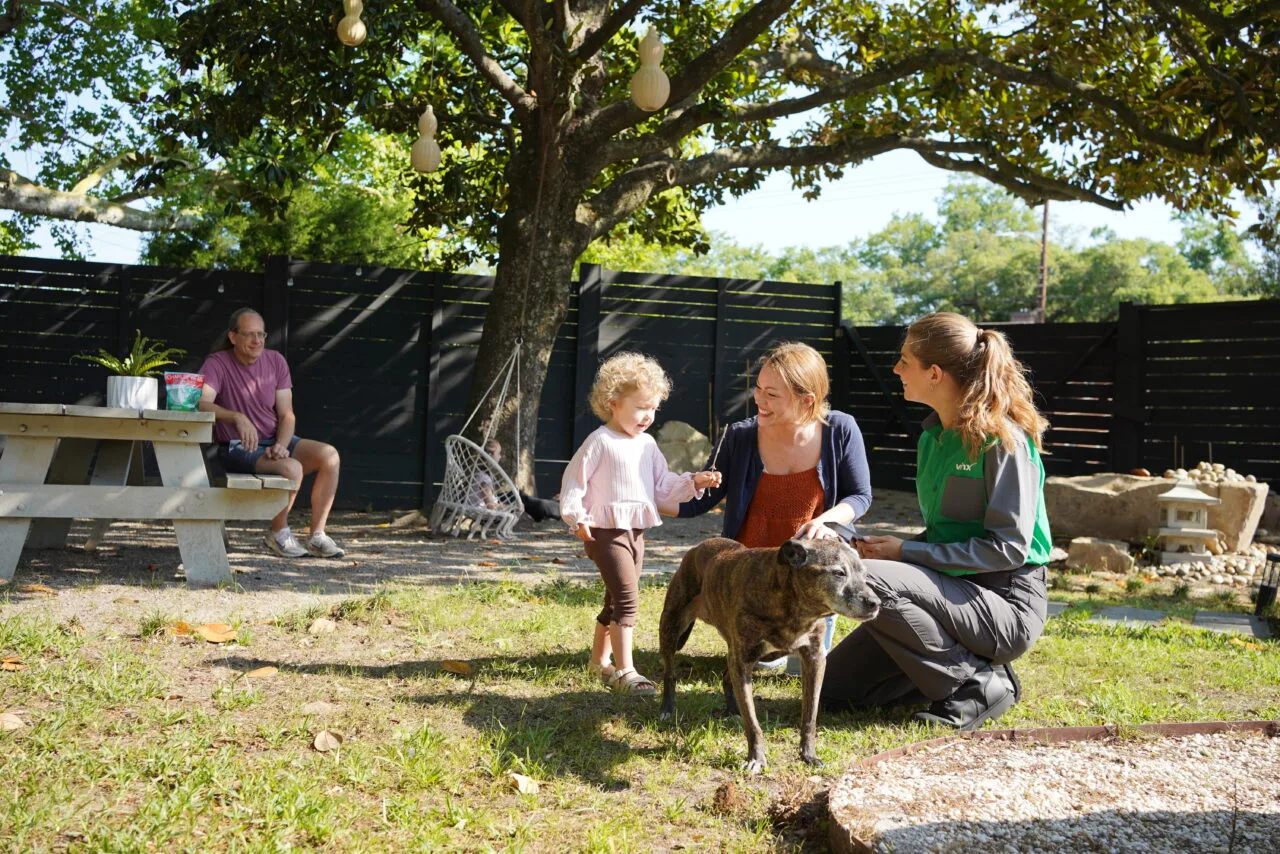
Our Treatments Are Safe for Your Whole Family: Including the Furry Members
Every product we use is EPA-registered and applied strictly at labeled rates by licensed technicians. We take the guesswork out of safety so you can feel confident letting kids and pets back into treated areas quickly.
EPA-Registered Products Only
All products we apply are EPA-registered and used strictly per label requirements. Our licensed technicians are trained to apply the right product in the right place at the right rate, every time.
Dry Time Before Re-Entry
Exterior spray treatments dry in 30–60 minutes. Once dry, treated surfaces are safe for children and pets to contact. Your technician will confirm the all-clear before leaving your property.
Interior Treatment On Request
We treat only what’s needed, where it’s needed. Gel baits in cabinets and crack-and-crevice applications keep products away from areas pets and children frequent most.
Botanical Options Available
Have specific sensitivities? Ask your technician about our plant-derived treatment options. We offer botanical alternatives for households that prefer a more natural approach.
Have a concern about products used near your pets or children? Call (843) 920-8469 and we’ll walk you through exactly what we use and why it’s safe.
Explore More
More Pest Control Services in West Ashley

Pest Control West Ashley
General pest protection

Termite Control West Ashley
Sentricon bait system

Mosquito Control West Ashley
Monthly barrier treatments

Ant Control West Ashley
Household ants & others

Spider Control West Ashley
All spider species covered

Cockroach Control West Ashley
Palmetto bug & roach removal

Bed Bug Treatment West Ashley
Heat & liquid treatments

Tick & Flea Control West Ashley
Yard & pet protection
Exterminator West Ashley
Same-day local exterminators
Frequently Asked Questions
Rodent Control FAQ for West Ashley Homeowners
HomeGuard at $49/mo takes care of exterior mouse and rat monitoring, and Plus at $75/mo adds bi-monthly visits with extended coverage. Exclusion work is quoted after the free inspection, entry point by entry point.
Yes. Exterior bait stations are tamper-resistant and pets and children cannot open them, and no rodenticide goes into living areas. Interior work is snap traps, set in attics, crawl spaces and wall voids.
Inspection takes 45–90 minutes. Exclusion on a West Ashley home runs 2–4 hours, longer on the post-war crawl-space houses of Avondale and Byrnes Downs, where every vent and pier gap has to be closed. Removal begins after exclusion and is confirmed at a follow-up 7–14 days later.
A minimum of three: inspection, exclusion and treatment, then follow-up confirmation. Homes backing a swale or detention pond in the Church Creek basin sometimes need a second follow-up because the burrowing ground beside them is permanent.
Yes. Rodents returning after exclusion and treatment brings us back free. Within 30 days an unsatisfied customer gets a return at no cost, and beyond 30 days a persisting problem means we refund your most recent payment.
No. We do a complete manual inspection, attic, crawl space, kitchen walls, garage and a 10-foot exterior sweep, which turns up what a K9 team would.
Most appointments in West Ashley are same-day or next-day. Call (855) 800-8469. If we cannot reach your home by the next business day, your initial service is free.
Yes, and the drainage is why. The Church Creek basin’s ditches, swales and detention ponds are damp, covered, easy-digging ground running past hundreds of back fences, and the Ashley and Stono marsh edges add the salt marsh habitat the species is documented to favor. They move toward houses when temperatures drop in October.
Roof rats. The mature canopy over Avondale, Byrnes Downs, South Windermere and Sherwood Forest gives them a route to the roofline, and seventy years of coastal humidity has opened soffit gaps and vents. Scratching in the ceiling at night is almost always roof rats.
Yes. Without a real freeze the population persists, breeding and spreading through the whole year. Around the 1950s crawl spaces of Avondale and the Church Creek marsh edge that makes ongoing monitoring far more useful than a single treatment.
That is Norway rat activity in the Church Creek basin’s drainage. The swale bank stays damp by design, cover grows on it, and it runs straight past your fence. Keeping your side mowed, sealing crawl-space vents and setting exterior stations along the fence is the reliable fix.
Yes. Squirrels take the limb-to-roofline routes roof rats take, so exclusion is part of the same service with identical materials. Identified during the inspection. Call (855) 800-8469.
Because rats are neophobic — NC State Extension notes they fear new things. A freshly placed station is a new object in familiar territory and a cautious population may avoid it for days. That is expected, not failure, and anyone promising overnight results is not describing how this works.
It is the part that lasts. Post-war West Ashley construction with a ventilated crawl space accumulates openings over seventy years: re-plumbing leaves unsealed gaps, vents rust through, crawl-space doors warp, and later additions rarely seal cleanly against original framing. UGA Extension makes the same point — closing entry holes is among the most effective things a homeowner can do. On an active infestation you need both: reduce the population inside, then close the route.
Service Coverage
Rodent Control Across West Ashley & the Lowcountry
Serving every neighborhood in and around West Ashley
Serving the Greater Charleston Area