Rodent Control in Charleston, SC
Rats & Mice — Exclusion + Trapping + Sanitization — Same-Day Appointments
Rodent control in Charleston requires more than traps. Vinx inspects entry points, seals gaps, sets interior and attic traps, and sanitizes contaminated areas. Norway rats, roof rats, and house mice are all common here. Free re-treatment guarantee.
Get Started in 60 Seconds
Choose what’s easiest for you
Request a Quote
We usually respond in 2 minutes
Call 855-800-8469
Get a Live Person (no AI agents here!)
Sign Up Online
Get pricing and schedule now




Welcome to Vinx Pest Control
A Company That Actually Backs What It Says
At Vinx, we combine professional-grade treatments with a level of service most pest control companies don't offer. Local technicians, fast response times, and a guarantee that actually means something.
Get a Free Quote"I'm not passionate about killing bugs. I'm passionate about customer service. At Vinx, you get experts who show up, do the job right, and stand behind every visit. No runaround, no fine print."
WELCOME TO VINX PEST CONTROL
Protection Plans for Charleston Homeowners

Standard Residential Protection
- 4 Seasonal Treatments Per Year
- 50+ Covered Pests
- Interior, Exterior & Yard Treatment
- Unlimited Free Re-Services
- 100% Money-Back Guarantee

Upgraded Yard Protection
- 6 Home & Yard Treatments Per Year
- 50+ Covered Pests
- Yard Ant Elimination Guarantee
- Flea & Tick Elimination Guarantee
- 100% Money-Back Guarantee

Most Comprehensive Protection
- 9 Treatments Per Year
- 50+ Covered Pests
- 8 Mosquito Treatments (Mar–Nov)
- Flea, Tick & Ant Coverage
- Free Bed Bug Treatments if Needed*
*Starting rates vary by home size and area. All plans billed monthly.
Request Your Free Rodent Control Quote
Fill out the form below and a Vinx team member will reach out within 2 minutes during business hours.
Prefer to talk? Call 855-800-8469 for a live person — no AI agents.
Our Approach
How Vinx Eliminates Rodents in Your Charleston Home

Rodent Inspection & Entry Point Identification
Your technician inspects the full structure — attic, crawlspace, basement, garage, and exterior — to locate active rodent runs, droppings, gnaw marks, and nesting sites. Every gap, crack, and utility penetration larger than a quarter inch is documented as a potential entry point for mice, while rats need only a half-inch opening.
Exterior Bait Station Placement
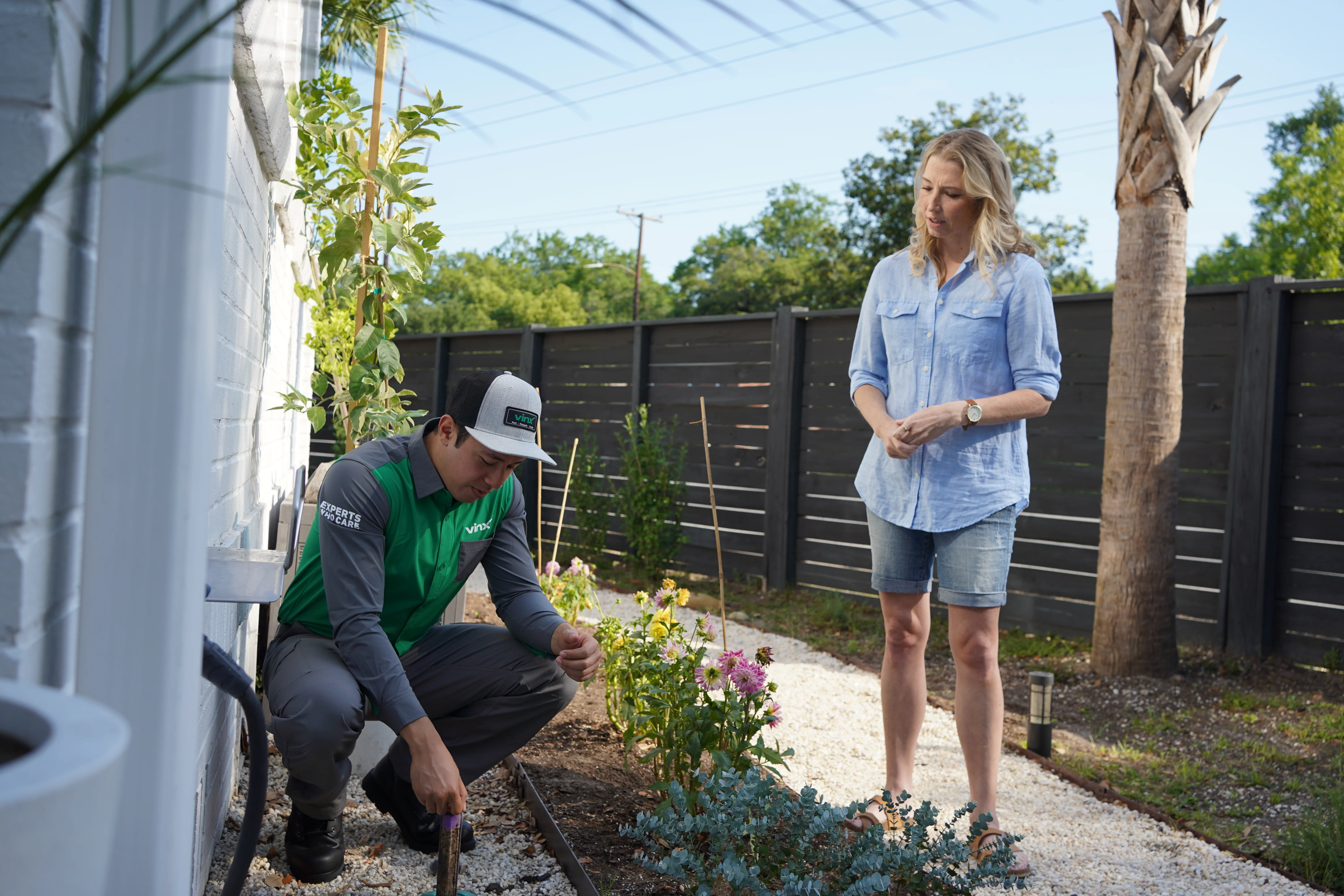
Tamper-resistant bait stations are placed along the foundation perimeter, garage walls, and other exterior runways where rodent activity is highest. Stations are secured and labeled, safe for use around children and pets when properly deployed. Your technician maps station locations for tracking on follow-up visits.
Interior Trapping
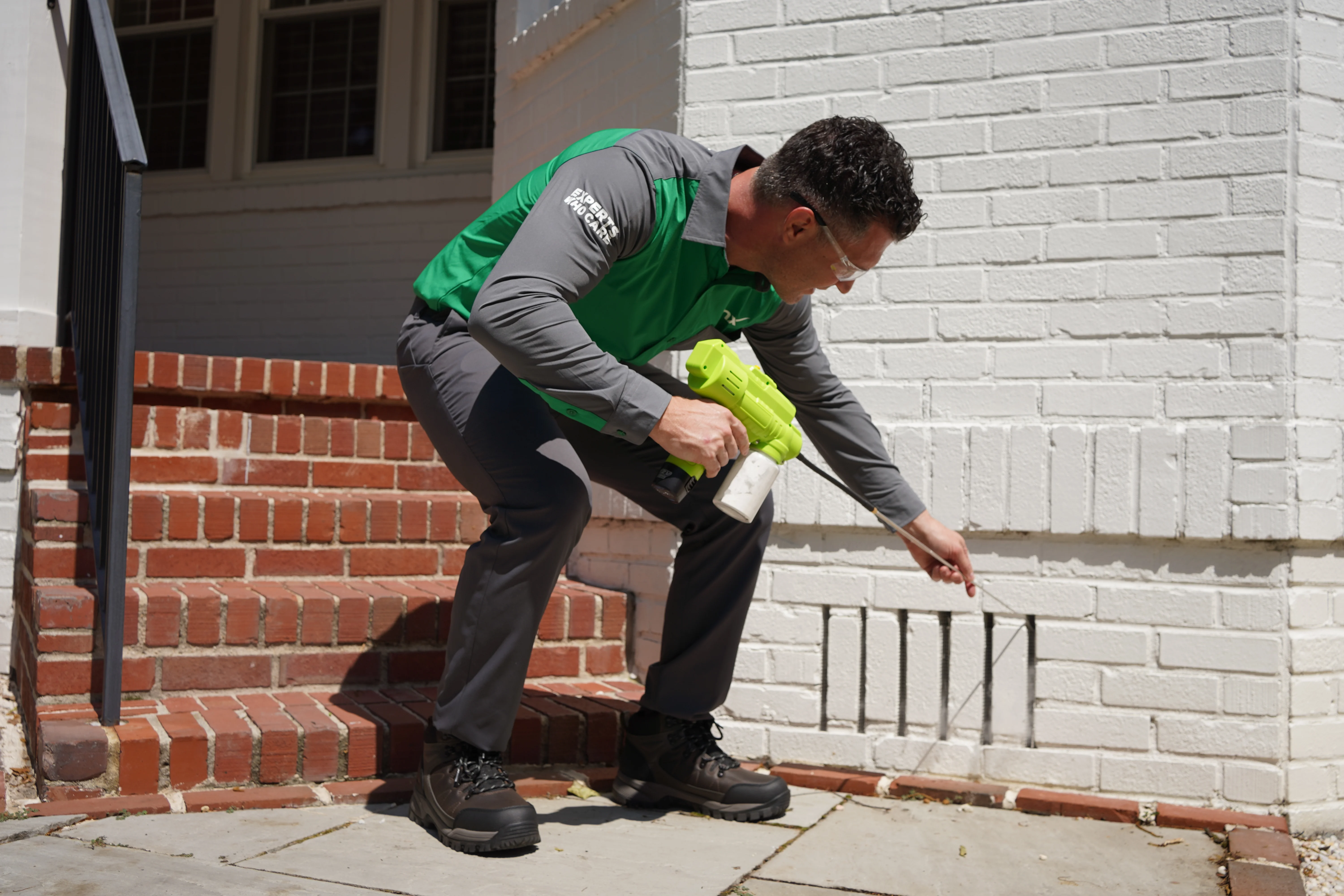
Snap traps and/or glue boards are placed along active interior runways — behind appliances, inside cabinets, along walls in the attic and crawlspace. Trap placement is based on the actual evidence found during inspection, not guesswork. Traps are checked and reset on every service visit.
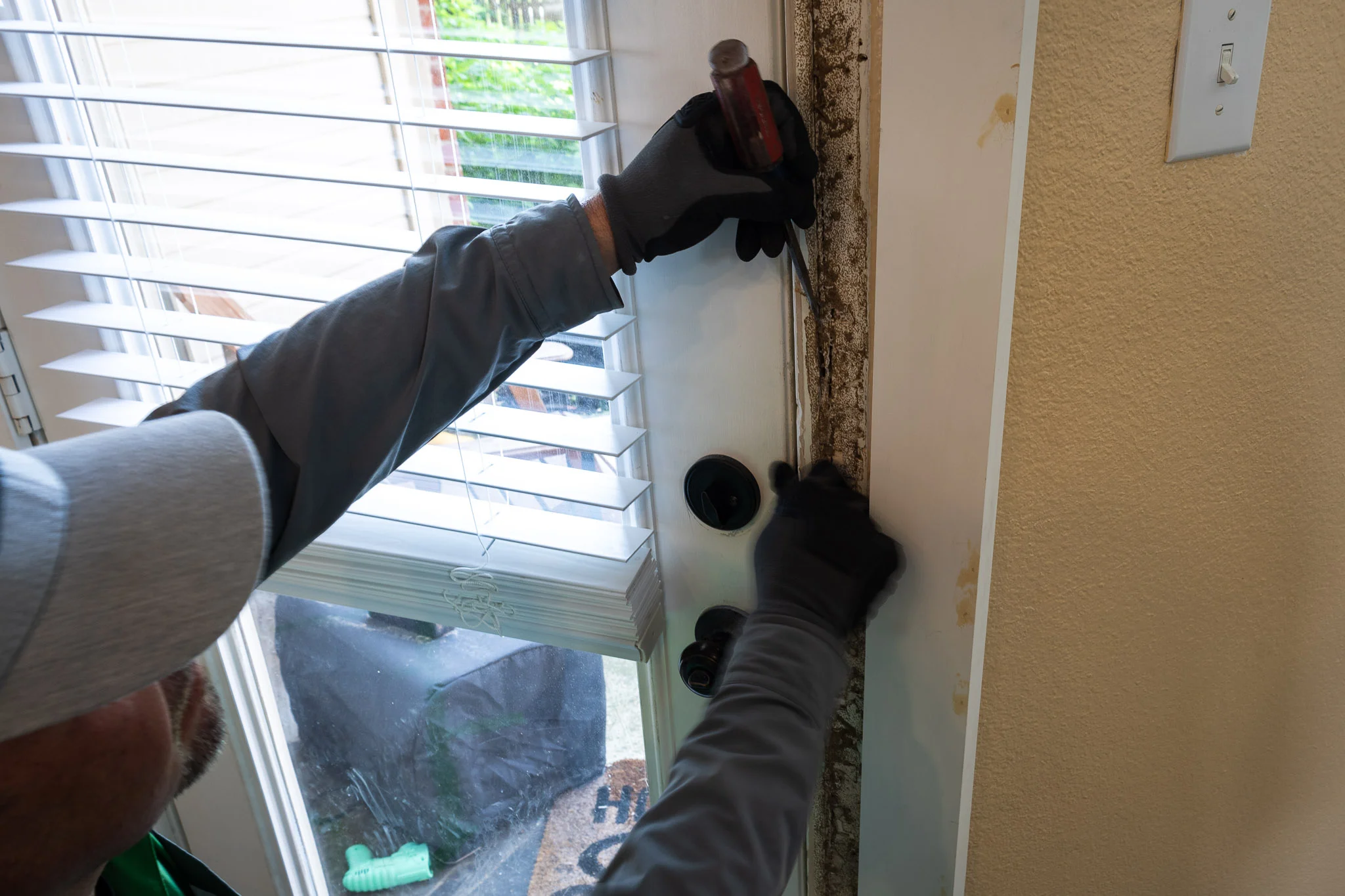
Exclusion & Follow-Up
Steel wool, hardware cloth, and sealant are used to close the entry points identified during inspection. Exclusion is what prevents re-infestation — without it, new rodents move in as fast as existing ones are removed. Follow-up visits confirm the infestation has been resolved and the exclusion is holding.
What Our Customers Say
What Charleston Homeowners Say About Vinx Rodent Control
“Heard scratching in my walls for weeks before I called. Vinx found three entry points I’d never have found myself — a gap in the soffit and two utility penetrations. Sealed them all the…”
“We had a serious roof rat problem in our attic in Mount Pleasant. Vinx came out, found the entry points in the roofline, sealed everything, and set traps. The follow-up visit…”
“After the flooding in West Ashley, rodents moved toward our home. Vinx explained exactly why it happens near the drainage canals and sealed the foundation before the population could…”
“We live in the French Quarter — old home, roof rats everywhere in the neighbourhood. Vinx did a thorough inspection and found gaps in the historic soffit that were nearly invisible…”
“Norway rats were burrowing along our foundation in Goose Creek. Vinx sealed the burrow entry points and set exterior bait stations. Follow-up confirmed elimination. They also helped…”
“The technician found gnaw marks in my pantry wiring we hadn’t noticed. Got it handled before any fire risk developed. Vinx is the only rodent control company I’ll use in Charleston.”
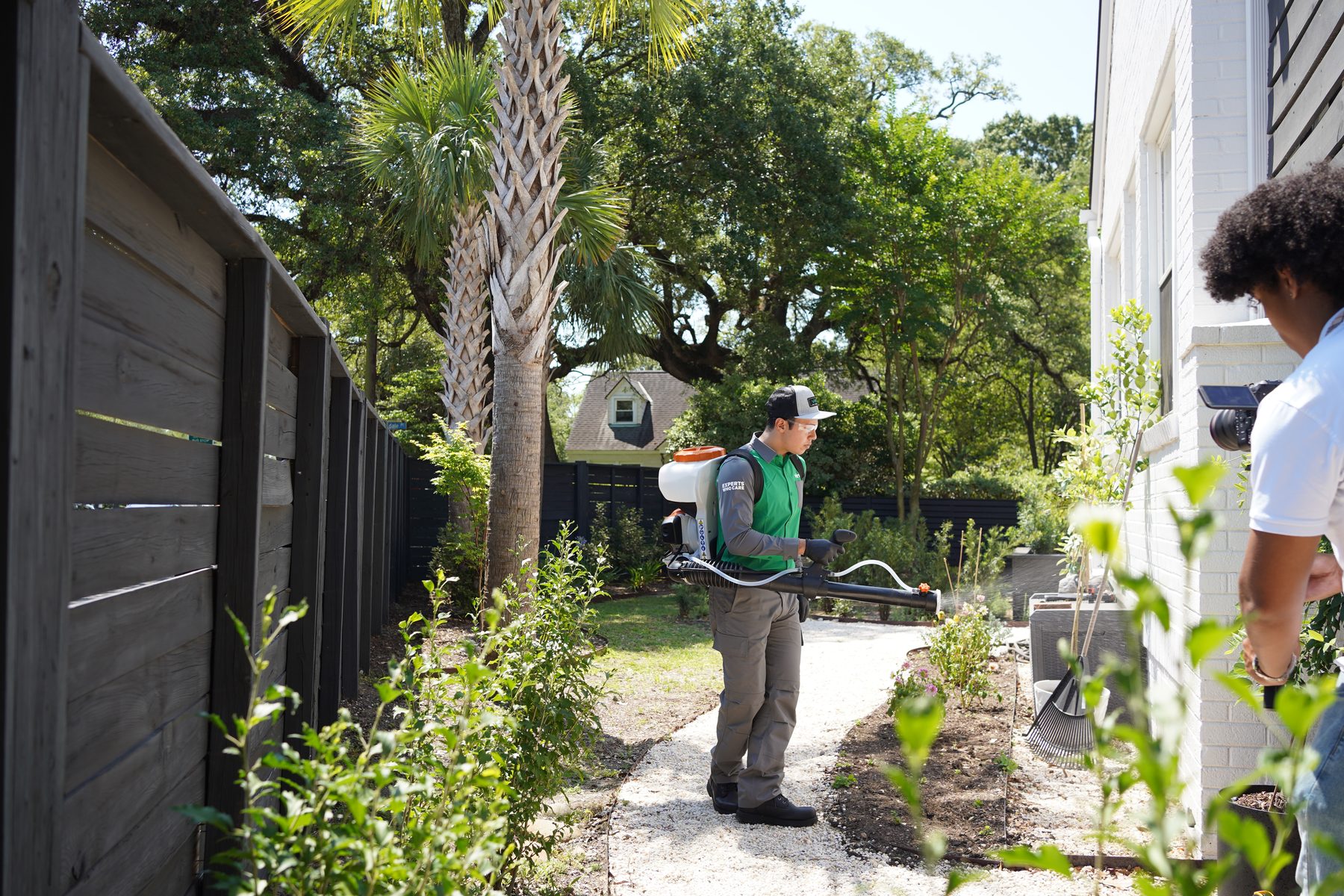
Hearing Scratching in Your Walls?
The population inside your home grows every day you wait. Get a free inspection — same-day availability. We seal first, remove second.
The Local Threat
Why Rodent Control in Charleston Is More Complicated Than Most Cities
Charleston sits on a peninsula surrounded by Ashley and Cooper Rivers, with marsh edges, tidal creeks, and drainage canals threading through every neighbourhood — natural rodent corridors.
West Ashley's drainage canals, James Island marsh edges, and Johns Island tidal creek banks are among the most active rodent corridors in the metro. When temperatures drop in October, rodents move inward toward homes.
The Port of Charleston — one of the busiest container ports on the East Coast — is a significant vector for Norway rat population expansion along the peninsula.
Charleston's mild winters mean populations never experience the freeze-off northern states get. A pair of Norway rats can produce up to 84 offspring per year. Charleston's climate is close to ideal for them.
Rodent Species in Charleston
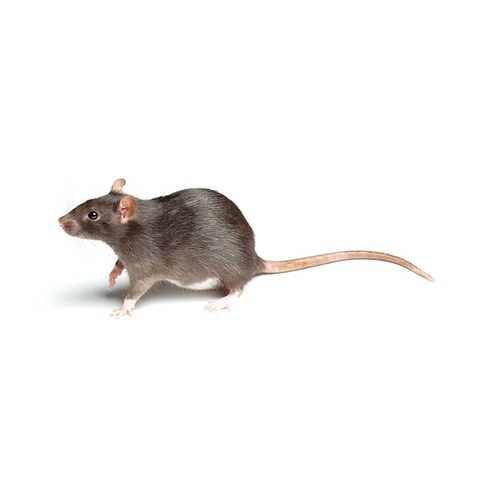
Norway Rats
Ground dwellers. Burrow along foundations, enter through ground-level gaps, sewer lines, utility penetrations.
Can compress body to fit through a gap the size of a quarter.
Heaviest pressure in North Charleston, Goose Creek, and areas near the Port of Charleston.
Most active October–February as marsh corridor populations move toward residential warmth.
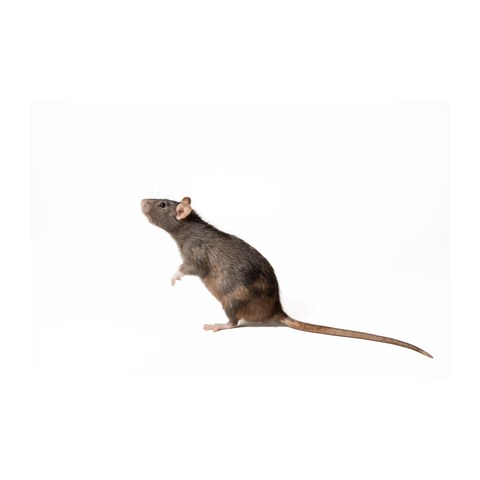
Roof Rats
Climbers. Enter through roofline gaps, deteriorated soffit, and tree branches touching the roofline.
Can fit through a gap the size of a nickel.
More common in historic downtown (French Quarter, Ansonborough) and wooded Mount Pleasant.
Charleston's coastal humidity deteriorates soffit faster than inland climates — entry points invisible from the ground.
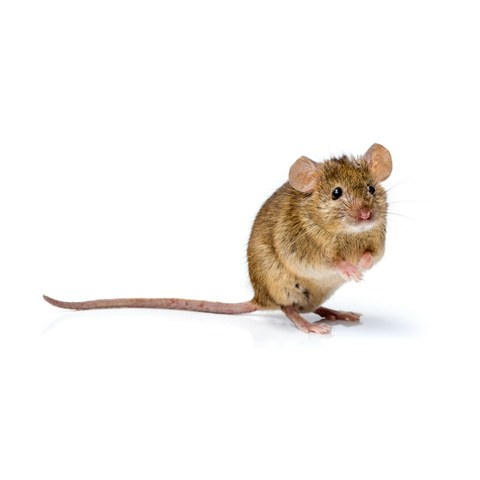
House Mice
Smallest and most common interior rodent. Can enter through a gap the size of a dime.
Most commonly found in kitchen walls, behind appliances, and in attic insulation.
A mouse problem can go undetected for months before visible signs appear.
Carry hantavirus, leptospirosis, and salmonella.
Know Your Risk
Rodent Risk by Area
North Charleston & Port Area — Highest Norway Rat Pressure
- Highest Norway rat pressure in the metro
- Port of Charleston historically significant vector for Norway rat expansion
- Homeowners along the upper peninsula face higher pressure than comparable inland cities
- Utility penetrations and sewer connections primary entry points
West Ashley & Islands — Active Rodent Corridors
- West Ashley drainage canals, James Island and Johns Island marsh edges = most active rodent corridors
- King tides and storm surge physically displace rodent populations toward residential structures
- After tidal flooding, every rodent along that drainage corridor needs higher ground — often your home
- October through February: peak inward migration season
Historic District & Mount Pleasant — Roof Rat Dominant
- French Quarter, Ansonborough: roof rats dominant — historic tree canopy gives direct roofline access
- Mount Pleasant wooded neighbourhoods: overhanging branches the single most common roof rat entry pathway
- Older soffit materials on pre-2000 homes deteriorate rapidly in coastal humidity
- Interior infestations often undetected until population is well established
Warning Signs
Signs of Rodents in Your Charleston Home
Droppings Near Food & Baseboards
Small, dark pellets near food sources, along baseboards, or in cabinets are one of the earliest and most reliable signs of rodent activity.
Gnaw Marks on Wood & Wiring
Fresh gnaw marks appear light-coloured and become darker over time. Gnawed electrical wiring is a leading cause of house fires.
Scratching Sounds in Walls at Night
Rodents are most active after dark. Scratching, scurrying, or squeaking sounds in walls or ceilings at night indicate active presence.
Grease Marks Along Baseboards
Rodents follow the same routes repeatedly. Oily smears and dark rub marks along walls and baseboards are caused by their greasy fur.
Nesting Material in Attic & Walls
Shredded insulation, fabric, paper, and other soft materials gathered into a nest indicate an established rodent population.
Burrow Holes Near Foundation
Norway rats burrow into soil along foundation walls, under slabs, and near compost or brush piles. Fresh burrows have clean-edged, compacted soil.
Ammonia Smell in Attic or Crawl Space
A strong ammonia or musty odour in enclosed spaces signals accumulated rodent urine — often before other signs become visible.
Unexplained Food & Pantry Damage
Gnawed packaging, holes in food bags, and scattered food debris in pantries or cabinets are classic indicators of mouse or rat activity.
Your Local Team
The Technicians Behind Your Rodent Control
Marcus Webb
Charleston Peninsula, West Ashley & James Island
Marcus handles rodent control across the peninsula and the islands — where older homes and tidal marsh corridors create the highest rodent pressure in the metro. He specialises in finding the entry points others miss: roofline deterioration in historic soffits, utility penetrations that look sealed from the outside but aren’t, and foundation gaps made worse by Charleston’s coastal humidity. Customers in French Quarter and Harleston Village specifically name him for thoroughness.
Derek Hayes
Mount Pleasant, North Charleston & Summerville
Derek covers the suburbs where roof rats are the dominant problem in wooded neighbourhoods and Norway rats follow drainage canals into newer developments. He approaches every job as a seal-first job — no amount of trapping solves the problem if new rodents can replace the ones removed. His customers in Daniel Island and Mount Pleasant note that he explains the process clearly and follows up promptly.
Homeowner Tips
6 Ways to Reduce Rodent Risk Right Now
Kid & Pet Safe
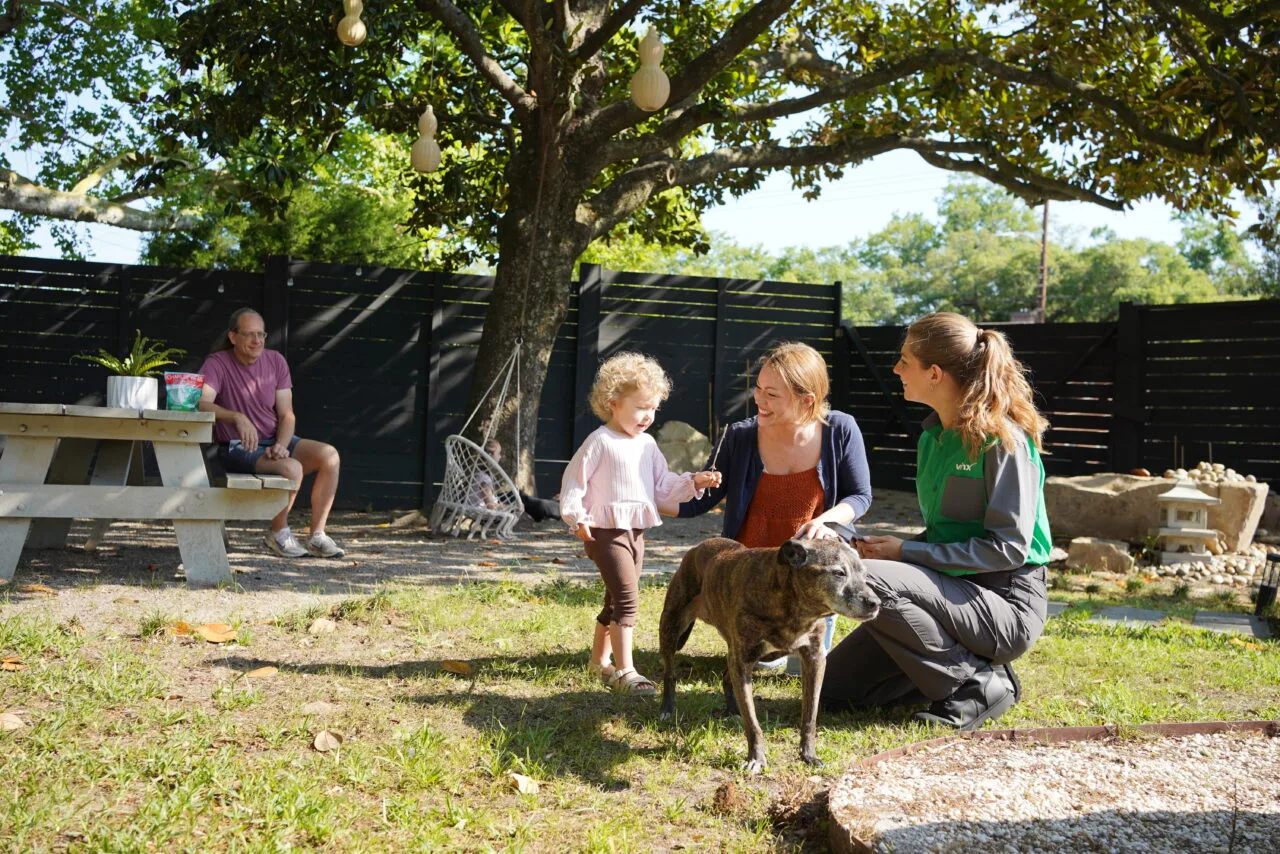
Our Treatments Are Safe for Your Whole Family — Including the Furry Members
Every product we use is EPA-registered and applied strictly at labeled rates by licensed technicians. We take the guesswork out of safety so you can feel confident letting kids and pets back into treated areas quickly.
EPA-Registered Products Only
All products we apply are EPA-registered and used strictly per label requirements. Our licensed technicians are trained to apply the right product in the right place at the right rate — every time.
Dry Time Before Re-Entry
Exterior spray treatments dry in 30–60 minutes. Once dry, treated surfaces are safe for children and pets to contact. Your technician will confirm the all-clear before leaving your property.
Interior Treatment On Request
We treat only what’s needed, where it’s needed. Gel baits in cabinets and crack-and-crevice applications keep products away from areas pets and children frequent most.
Botanical Options Available
Have specific sensitivities? Ask your technician about our plant-derived treatment options. We offer botanical alternatives for households that prefer a more natural approach.
Have a concern about products used near your pets or children? Call 855-800-8469 and we’ll walk you through exactly what we use and why it’s safe.
Explore More
More Pest Control Services in Charleston







Frequently Asked Questions
Rodent Control FAQ for Charleston Homeowners
Exterior mice and rat monitoring is included in Vinx HomeGuard at $49/mo. For bi-monthly visits with extended coverage, Vinx Plus at $75/mo. Initial exclusion work is quoted separately after the free inspection based on the number of entry points found.
Yes. Tamper-resistant exterior bait stations are inaccessible to pets and children. Interior snap traps are placed only in non-living spaces — attic, crawl space, wall cavities. No rodenticide is used in living areas. All products are EPA-registered. SC PCO License B0003623.
Inspection takes 45–90 minutes. Exclusion work takes 2–4 hours for a standard Charleston home, longer for older homes with more entry points. Population removal begins after exclusion and is confirmed at the follow-up visit 7–14 days later.
A minimum of 3 visits — initial inspection, exclusion and treatment, and follow-up confirmation. Homes with heavy roof rat pressure in Mount Pleasant and James Island sometimes need a second follow-up visit.
Yes. If rodents return after exclusion and treatment, Vinx returns at no charge. If unsatisfied within 30 days, we return free. If the problem persists after 30 days, we refund your most recent payment.
Vinx does not currently use K9 detection. Our technicians conduct a comprehensive manual inspection — full interior including attic, crawl space, kitchen walls, and garage, plus a 10-foot exterior perimeter sweep. Across 3,000 Charleston homes, thorough manual inspection covers everything a K9 team would identify.
Most Charleston appointments are same-day or next-day. Call 855-800-8469. If we cannot service your home the next business day, your initial service is free.
Yes. The most common burrowing rodent in Charleston. They establish along marsh edges, drainage canals, and tidal creek banks — especially West Ashley, James Island, and near the Port of Charleston. They move toward homes when temperatures drop in October and can compress their body to fit through a quarter-sized gap.
Roof rats. They are exceptional climbers and access rooflines through overhanging tree branches, deteriorated soffit, and roofline penetrations. Charleston's coastal humidity deteriorates soffit faster than inland climates, creating entry points invisible from the ground. Scratching sounds in the ceiling at night most likely means roof rats.
Yes. No sustained freeze means rodent populations never decline the way they do in northern states. Rodents breed, feed, and expand range year-round in Charleston. Ongoing monitoring — not one-time treatment — is the recommended approach.
Yes. The Port of Charleston is one of the busiest container ports on the East Coast and historically significant for Norway rat population expansion along the peninsula. North Charleston and upper peninsula homeowners see higher Norway rat pressure than comparable inland cities.
Yes. Squirrel exclusion is handled as part of the same rodent exclusion service. Squirrels use identical roofline entry points as roof rats — the exclusion materials and methods are the same. The technician identifies squirrel activity during the initial inspection. Call 855-800-8469.
Service Coverage
Rodent Control Across Charleston & the Lowcountry
Serving every neighbourhood in the Charleston metro area