Pest Control in Raleigh, NC
Raleigh Piedmont clay holds moisture against foundations far longer than sandy soil, which is what draws termites.
Get Started in 60 Seconds
Choose what’s easiest for you
Request a Quote
We usually respond in 2 minutes
Call (984) 600-8469
Get a Live Person (no AI agents here!)
Sign Up Online
Get pricing and schedule now



Welcome to Vinx Pest Control
A Company That Actually Backs What It Says
At Vinx, we combine professional-grade treatments with a level of service most pest control companies don’t offer. Local technicians, fast response times, and a guarantee that actually means something.
“I’m not passionate about killing bugs. I’m passionate about customer service. At Vinx, you get experts who show up, do the job right, and stand behind every visit. No runaround, no fine print.”

Founder & Owner, Vinx Pest Control
PROTECTION PLANS
Pest Control Plans for Raleigh Homeowners
100% money-back guarantee on every plan.
Standard Residential Protection
- 4 Seasonal Treatments Per Year
- 50+ Covered Pests
- Interior, Exterior & Yard Treatment
- Unlimited Free Re-Services
- 100% Money-Back Guarantee
- Flea & Tick Coverage
- Mosquito Treatments

Upgraded Yard Protection
- 6 Home & Yard Treatments Per Year
- 50+ Covered Pests
- Interior, Exterior & Yard Treatment
- Unlimited Free Re-Services
- 100% Money-Back Guarantee
- Flea & Tick Elimination Guarantee
- Mosquito Treatments

Most Comprehensive Protection
- 9 Treatments Per Year
- 50+ Covered Pests
- Interior, Exterior & Yard Treatment
- Unlimited Free Re-Services
- 100% Money-Back Guarantee
- Interior Flea & Tick Coverage
- 8 Mosquito Treatments (Mar–Nov)
- Free Bed Bug Treatments if Needed*
*Starting rates vary by home size and area. All plans billed monthly.
Request Your Free Pest Control Quote
Fill out the form below and a Vinx team member will reach out within 2 minutes during business hours.
Prefer to talk? Call (984) 600-8469 for a live person, no AI agents.
Our Process
How Vinx Treats Your Raleigh Home: Step by Step

Inspection & Reporting
Every visit starts with a walk-around, our technicians aren’t just treating, they’re looking. We check for early termite activity, moisture issues, entry points, and wasp nests forming in spots you wouldn’t notice from the ground. In Raleigh, we pay close attention to the crawl space vents and foundation grade around older homes in Five Points, Boylan Heights, and established North Raleigh neighborhoods, where moisture buildup and settled foundations create conditions pests exploit. If we see something worth flagging, we tell you, straight up, no scare tactics, no upsell pressure.
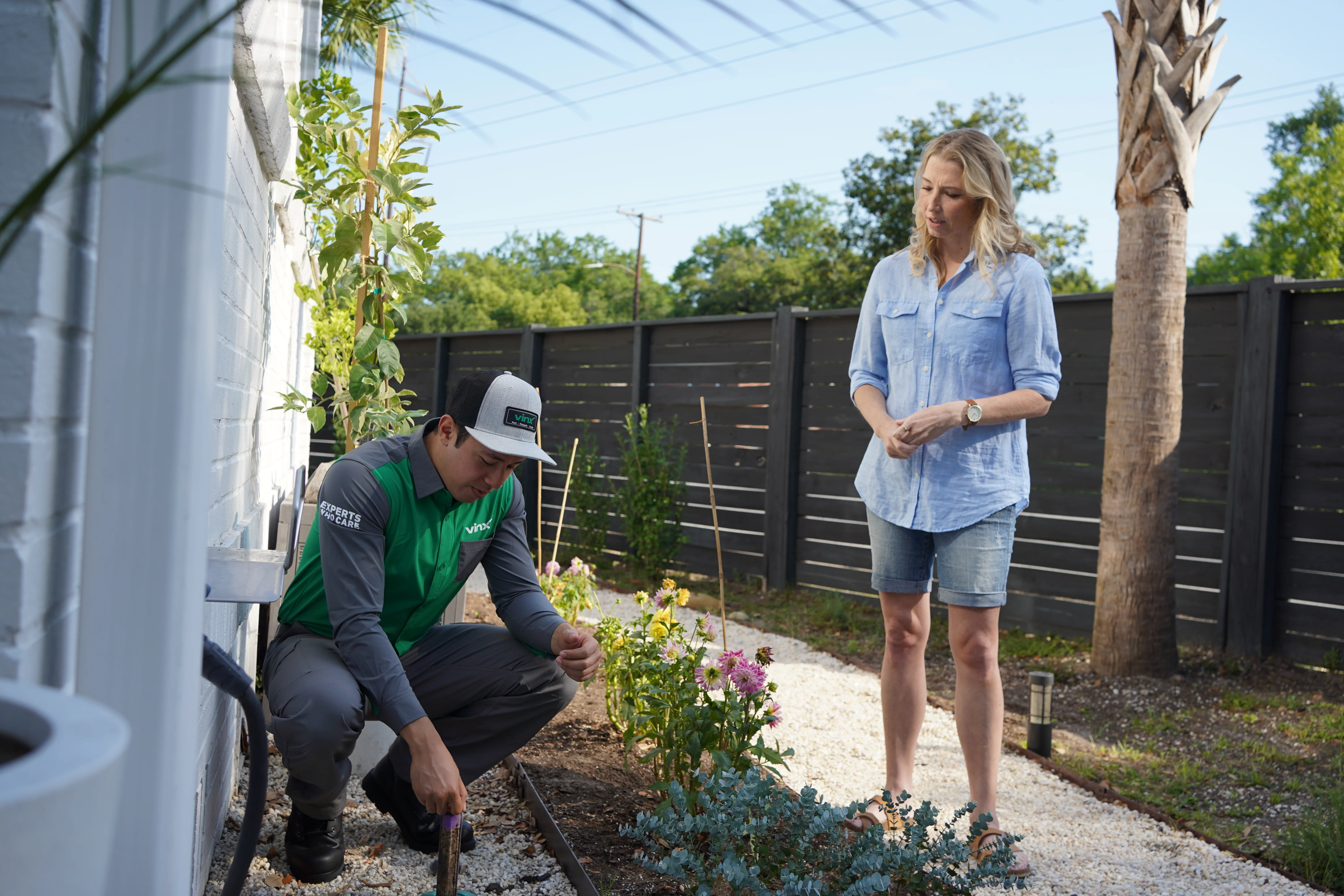
Exterior Foundation Treatment
We apply a micro-encapsulated barrier product three feet up and three feet out from your entire foundation, including around utility penetrations, mulch beds, and any vegetation touching the structure. The time-release formula attaches to pests and gets carried back to their colony. Raleigh’s Piedmont clay soil retains moisture against foundations longer than sandy soils, which draws termites, ants, and roaches toward the base of the home. This barrier intercepts them before they find a way in. EPA-approved products used at daycare and pet boarding facilities, once dry in 15–20 minutes, your family and pets are safe to be outside.
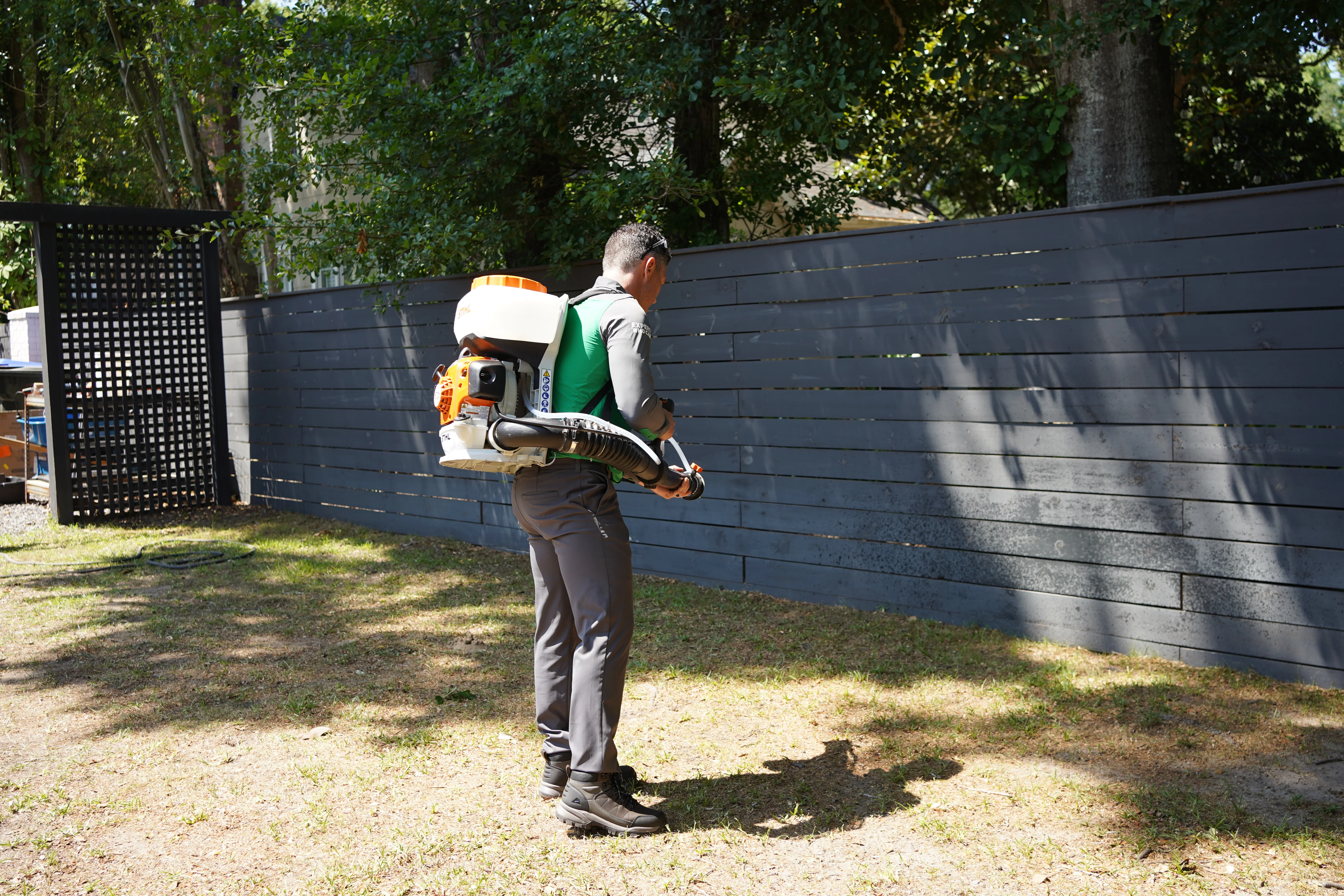
Yard Treatment
We treat up to 30 feet out from the home to push back pest populations before they reach your foundation. For Raleigh properties near Falls Lake, the Neuse River corridor, Crabtree Creek greenways, or active construction zones expanding through North Raleigh and the Cary border, yard treatment also knocks back the pest pressure driven in from adjacent habitat.
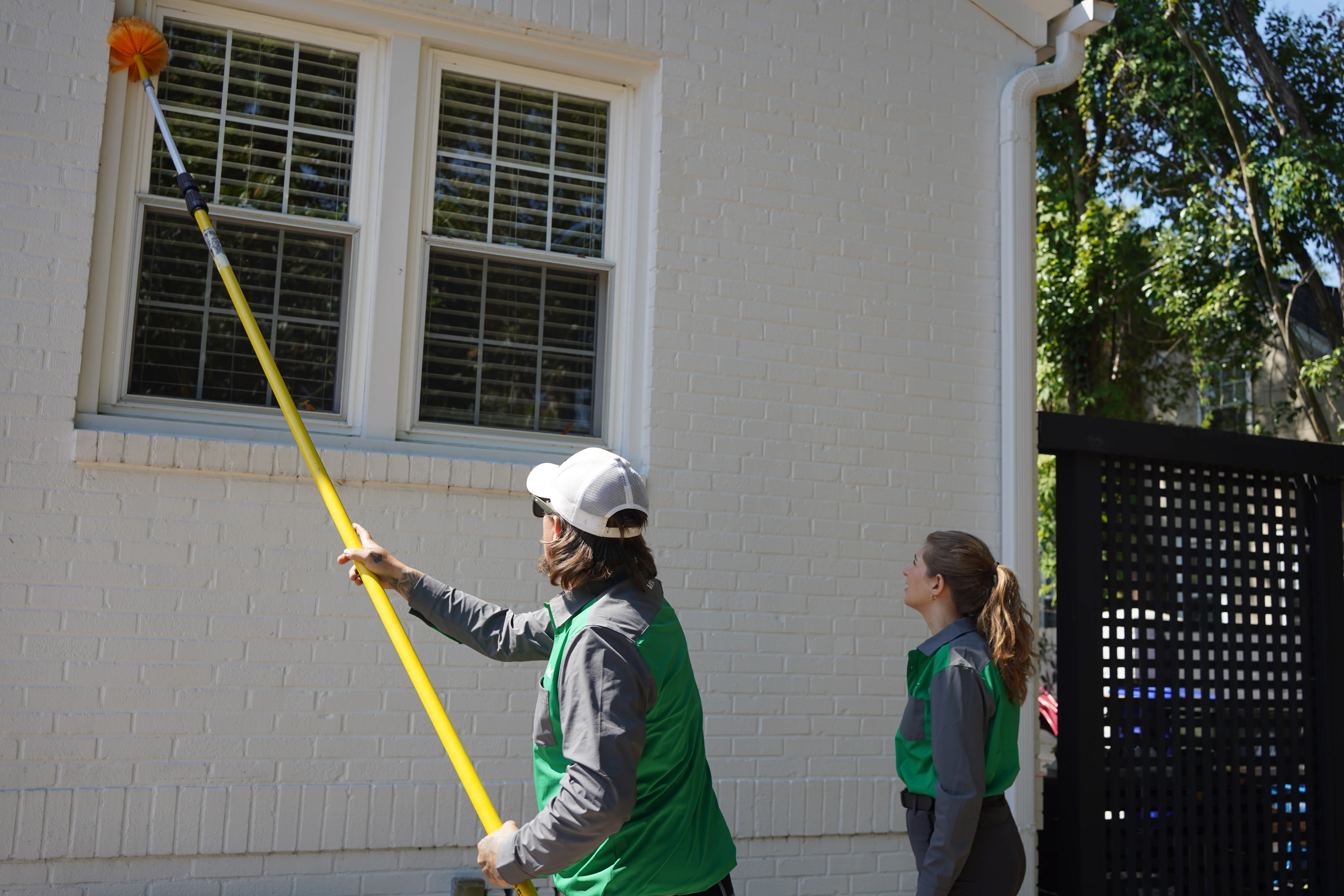
Sweep & Treat Eaves
Every visit, we sweep first and second-story eaves, cobwebs, wasp nests, spider webs, and egg sacs come down before they hatch. Then we spot treat those areas with a residual product so they don’t come back. Raleigh’s City of Oaks canopy creates a massive insect prey base that keeps orb weavers and yellow jackets extremely active through the warm season. Wasps especially return to old nest sites because of lingering pheromones, our treatment is waiting for them when they do.
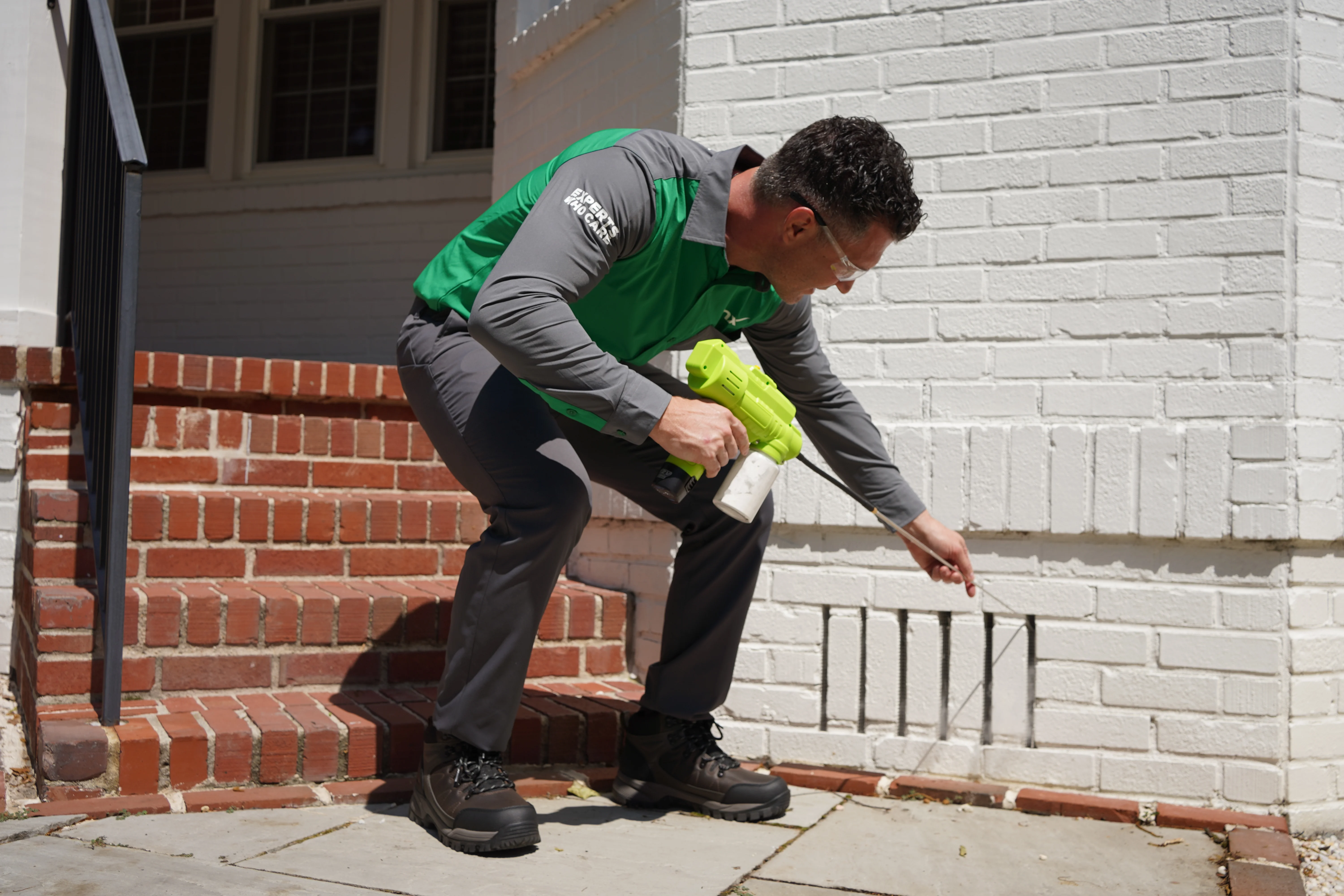
Power Dust Injection
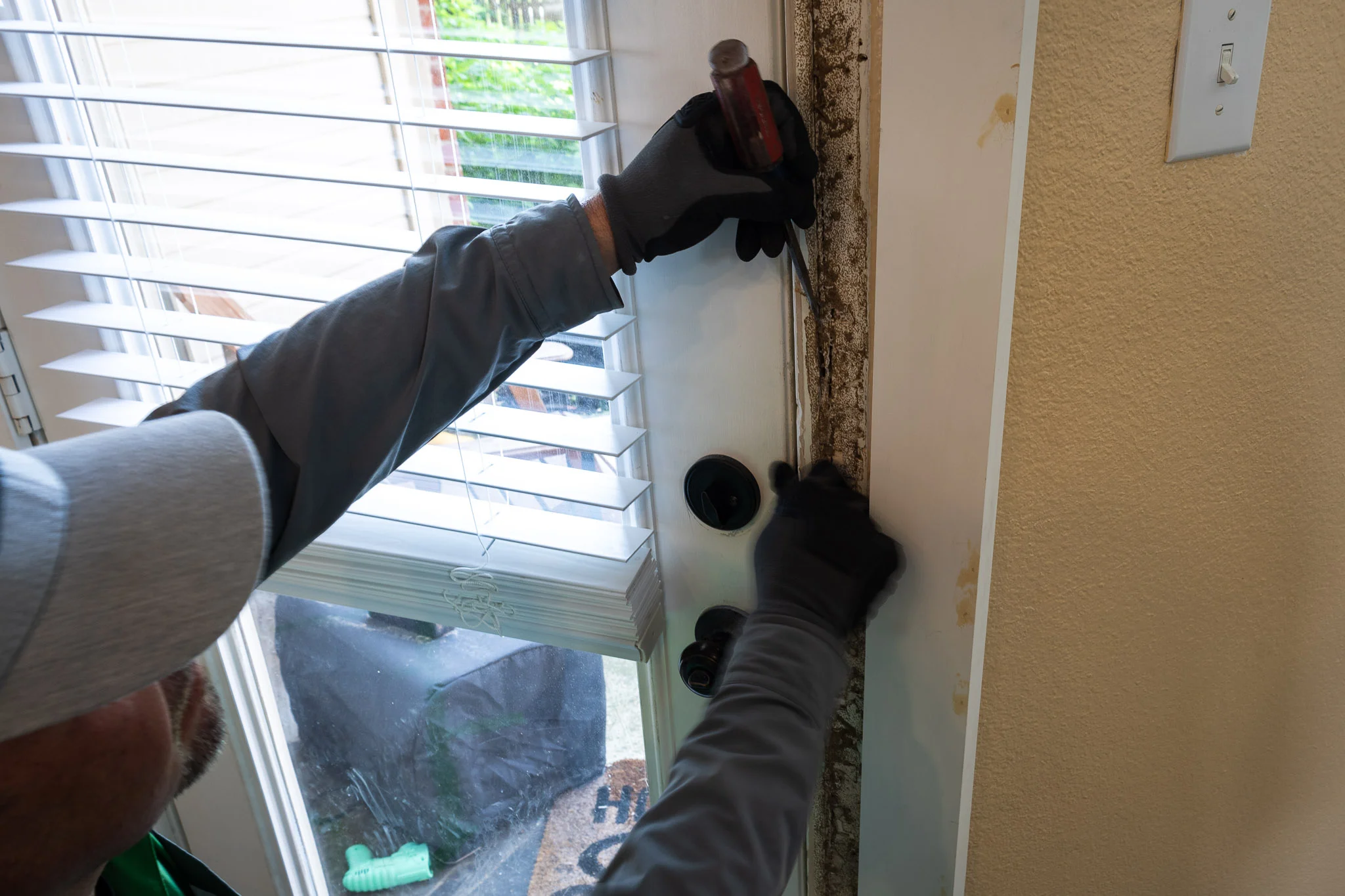
We use a handheld compressor with a specialized tip to inject dust product deep into cracks and crevices on the outside of the home, gaps around pipes, weep holes, expansion joints, and any opening a pest could squeeze through. Older Raleigh homes in downtown, Cameron Village, and pre-1990 construction throughout the metro have plenty of settled gaps in wall voids where roaches and spiders build up quietly. The dust flushes out anything already inside and stays active far longer than a surface spray because it’s protected from rain and UV. Bugs aren’t quietly building up inside your walls between visits.
Interior Treatment (If Needed)
We rarely need to go inside, and that’s by design. When we do the work on the outside properly, pests don’t make it in. But if anything gets through, interior treatment is always covered under your plan at no extra charge. We treat baseboards, plumbing penetrations, the garage, and any area you’re concerned about. Targeted gel bait for ants and roaches in cabinets and utility areas, crack-and-crevice application in protected locations, no broadcast indoor spraying. Same EPA-approved products, safe for kids and pets once dry. No extra charge, no questions asked.
Customer Reviews
Trusted by Thousands of Happy Families
Tony’s inspection highlighted several issues. With a good explanation of solutions, he’s getting my house back on track. Best pest control service in Raleigh — hands down.
Verified Google ReviewI called at 1pm on a Friday and they squeezed me in the same day — amazing. Mike and Jonathan did a fantastic job explaining the treatment plan. Very impressed with Vinx Raleigh.
Verified Google ReviewJonathan is very thorough, friendly and professional. He kept me informed about finding the termites, showing pictures and video. Couldn’t ask for better service in Wake County!
Verified Google ReviewSwitched from a big-name company to Vinx and I’m never going back. The technician was on time, explained everything, and our ant problem was gone within days.
Verified Google ReviewHad a serious mosquito issue in our backyard. Vinx came out within 48 hours and treated the whole yard. It’s been three weeks and we’re finally able to enjoy our patio again.
Verified Google ReviewFound signs of mice in our garage. Called Vinx and they were out the next morning. The technician was thorough, sealed the entry points, and set traps. Issue resolved completely.
Verified Google ReviewDerek came by today for a no-charge re-service for sugar ants. He explained everything he was doing and shared tips for keeping them away. Reasonable price and outstanding service.
Verified Google ReviewSwitched over at a matched price with added perimeter coverage. Highly satisfied with the personnel — professional, punctual, and thorough every single visit.
Verified Google ReviewGreat experience with Derek! The technician arrived right on time and was very friendly. He was thorough, professional, and took care of all the specific areas I asked him to treat. Highly recommend.
Verified Google ReviewVinx has been treating my home for over a year now. Every technician has been professional and thorough. Never had a bug problem since we switched. Worth every penny.
Verified Google ReviewBooked a mosquito treatment for our backyard party weekend. Vinx came out two days before, and the yard was completely mosquito-free. Guests kept asking what we did. Highly recommend!
Verified Google ReviewYear-Round Pest Pressure
Why Raleigh’s Growth Creates Distinct Pest Pressure
Raleigh’s pest environment reflects its two defining characteristics, explosive population growth and rich natural geography. Both work against homeowners who don’t have active pest management in place.
The Research Triangle’s growth engine continuously displaces established pest colonies. Every new subdivision in Cary, Apex, Holly Springs, and Wake Forest breaks ground on undisturbed land that harbored established pest colonies, Norway rat burrow networks, and ground-nesting insect populations. Those colonies move outward into adjacent established residential areas when their habitat is disrupted. The pace of new construction in Wake County means this displacement cycle never pauses.
Falls Lake and Jordan Lake are permanent mosquito breeding sources. Both reservoirs create large-scale permanent standing water mosquito breeding habitat that intensifies pressure for properties within several miles. The Neuse River and its tributaries including Crabtree Creek add riparian breeding habitat through residential corridors. Wake County’s mosquito season runs April through October.
Piedmont red clay soils create sustained moisture-pest conditions. Wake County’s red clay soil retains moisture significantly longer after rain, triggering odorous house ant indoor flooding events after every significant rainfall, extending the Eastern subterranean termite foraging season, and keeping crawlspace humidity elevated in older Raleigh homes.
Raleigh’s City of Oaks canopy sustains a year-round insect prey base. The mature hardwoods that earned the city its nickname support a significant insect population year-round. Every insect population supports a spider population, orb weavers, wolf spiders, and black widows are more active throughout Raleigh’s residential areas than in cities with less mature canopy.
6 Pest Pressures in Raleigh
Ants
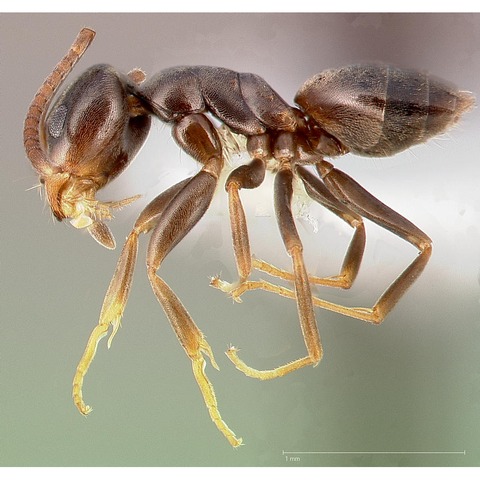
Argentine ants trail into Raleigh kitchens from landscaped areas throughout the active season. Odorous house ants flood indoors through foundation gaps after heavy rainfall saturates Wake County’s red clay soil, a recurring event for any Raleigh home without a consistent perimeter barrier. Carpenter ants nest in moisture-damaged wood on wooded lots throughout North Raleigh and Wake Forest. All ant species are covered on every Vinx plan.
Cockroaches
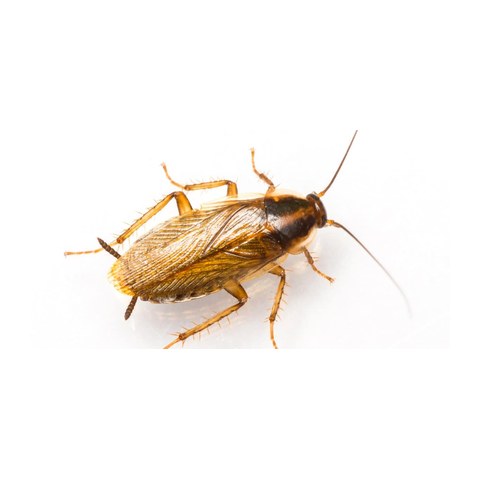
German cockroaches are the primary cockroach species in Raleigh residential homes, spreading through shared walls in apartment buildings and townhomes throughout the market. American cockroaches use Downtown Raleigh’s aging storm drain infrastructure as a direct pathway into older homes and mixed-use buildings. Summer heat drives both species indoors seeking cooler conditions. All cockroach species are covered on every Vinx plan.
Termites
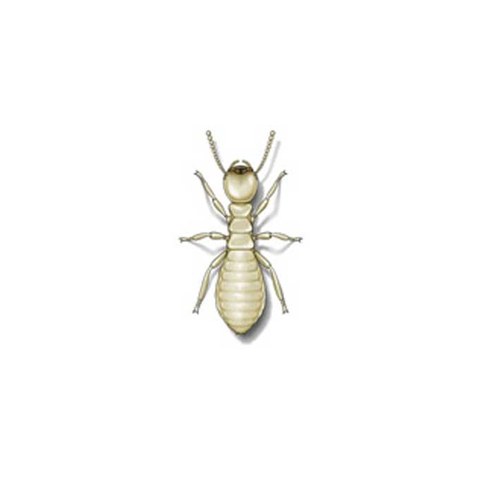
Eastern subterranean termites are active throughout Wake County. No Formosan termites in Raleigh, the Formosan range does not reliably extend inland to the Piedmont. Swarm season runs February through April. Older Raleigh homes with crawlspace foundations carry the highest individual risk. Termite damage is not covered by homeowners insurance. All Vinx plans include $100–$400 off Sentricon TotalDefense installation.
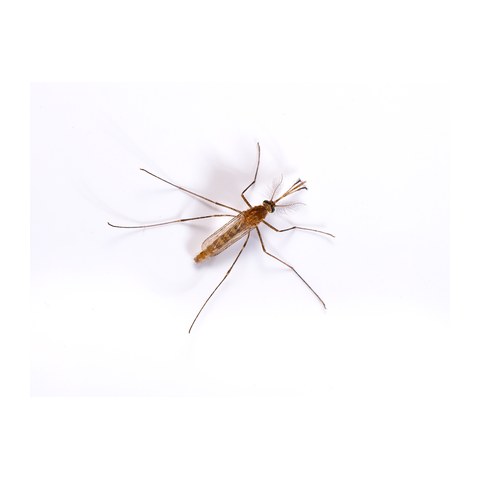
Mosquitoes
Falls Lake, Jordan Lake, the Neuse River, and Crabtree Creek create mosquito breeding pressure that container management on individual properties cannot address. Properties near these water features experience Culex mosquito pressure throughout the April–October active season. Monthly Platinum mosquito service targets resting vegetation where adult mosquitoes spend 95% of their daylight hours.
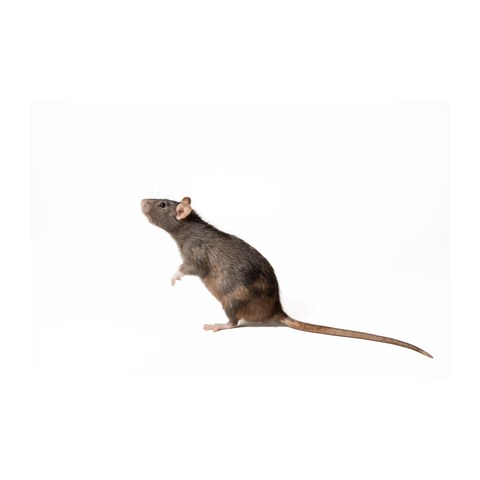
Rodents
Norway rats displaced from active construction zones throughout Wake County’s growth corridors. Roof rats in established Raleigh neighborhoods with mature canopy. House mice year-round throughout all neighborhoods. Colder NC Piedmont winters create a more pronounced fall indoor migration than coastal NC markets. Exterior rodent treatment included on every plan.
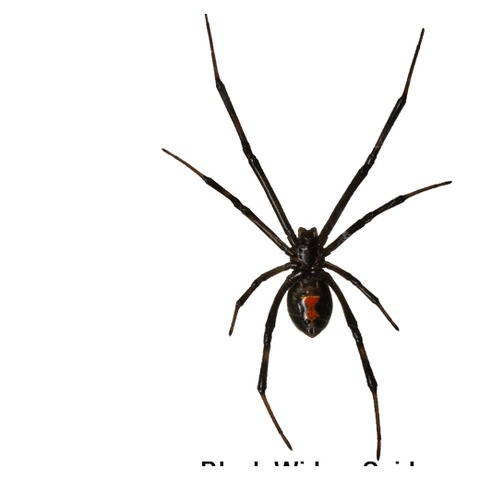
Spiders & Other Pests
Black widows in garages and undisturbed storage throughout Wake County. Wolf spiders from wooded lot adjacency. Orb weavers at exterior lighting during fall, amplified by Raleigh’s City of Oaks insect prey base. Wasps and hornets in eaves spring through fall. Palmetto bugs rare in Raleigh, an inland Piedmont market, not a coastal environment. All covered on every plan.
Year-Round Awareness
Raleigh NC Pest Activity: What to Expect Every Season
| Season | Pest Activity in Raleigh NC |
|---|---|
| Spring March–May |
Termite swarmers emerge as Wake County clay soil warms; odorous house ants establish new colonies; mosquitoes become active from March as temperatures hit 55°F+; stinging insects begin nest building on eaves and soffits. |
| Summer June–August |
Peak pressure across all species; mosquitoes at maximum activity near Falls Lake, Jordan Lake, and the Neuse River corridor; cockroaches surge in older Downtown Raleigh storm drains; 100°F+ days drive spiders and cockroaches indoors seeking cooler conditions. |
| Fall September–November |
Spiders, rodents, and cockroaches move indoors seeking warmth; stinging insects become aggressive before colony die-off; mosquitoes remain active through October in warm Raleigh falls; termites continue feeding in heated crawlspaces beneath older homes throughout Wake County. |
| Winter December–February |
Rodents and cockroaches remain active indoors in heated structures; subterranean termites continue foraging in heated crawlspaces; Wake County clay soil retains moisture keeping termite conditions active; reduced outdoor activity but indoor pest pressure continues year-round. |
Pest Pressure by Area
Know Your Raleigh Neighbourhood’s Pest Risk
Downtown Raleigh & Glenwood South: COCKROACHES, BED BUGS & MOISTURE PESTS
Downtown Raleigh and Glenwood South present a multi-pest urban environment driven by older housing stock, dense development, and proximity to Crabtree Creek. The aging storm drain infrastructure gives American cockroaches a direct underground pathway into older residential buildings, particularly the historic bungalows and apartments in Cameron Village and the mixed-use buildings along Glenwood South. The restaurant and food service concentration along Glenwood Avenue creates sustained pest populations that migrate into adjacent residential properties year-round. NC State University’s campus drives consistent bed bug and cockroach pressure through student housing and the high furniture turnover at every academic semester break. Odorous house ants and pavement ants are persistent complaints in the older homes and apartment buildings throughout this area.
North Raleigh & Wake Forest: CARPENTER ANTS, SPIDERS & TERMITES
North Raleigh and Wake Forest are defined by mature tree canopy, wooded lots, and creek corridor properties that create a distinct pest environment. Carpenter ants are the dominant ant complaint, the large shaded lots with decaying stumps, aging landscape timbers, and moist crawlspace conditions give carpenter ants ideal nesting material directly adjacent to home structures. Wolf spiders and black widows are abundant in the wooded lot environments throughout these neighbourhoods. Roof rats access homes through the mature tree canopy that overhangs rooflines on larger North Raleigh properties. Creek corridors support significant mosquito breeding pressure through summer. Wake County clay soil beneath these older properties, many built in the 1980s and 1990s, creates sustained termite foraging conditions that have accumulated exposure for decades.
Cary & Morrisville: MOSQUITOES & BED BUGS
Cary and Morrisville are among the fastest-growing Wake County communities, and that growth drives termite and mosquito pressure that homeowners in newer subdivisions frequently underestimate. The retention ponds and stormwater infrastructure engineered into Cary and Morrisville’s newer subdivisions create permanent mosquito breeding habitat adjacent to residential yards. Morrisville’s proximity to RDU International Airport means a particularly high concentration of frequent business travellers, the highest-risk demographic for bed bug introduction. Pre-construction termite treatment applied during building is aging out in many Cary subdivisions built in the 2000s and early 2010s, leaving those homes fully exposed to the termite colonies always present in Wake County soil.
Apex & Holly Springs: TERMITES & MOSQUITOES
Apex and Holly Springs represent Raleigh’s southwestern growth frontier, newer subdivisions built on previously agricultural and natural land where pest pressure is particularly aggressive. The open lawns and disturbed soil of newer Apex and Holly Springs communities are prime pest territory from early spring through fall. Wake County clay soil common throughout this area retains moisture through dry summer periods, creating ideal termite foraging conditions beneath residential foundations. Many Apex and Holly Springs homes built in the early 2010s are now approaching the window where pre-construction soil treatment expires and Sentricon monitoring becomes critically important. Mosquito pressure from Jordan Lake to the west is particularly significant in these communities during the height of summer.
Garner & Clayton: MOSQUITOES & RODENTS
Garner and Clayton sit at Raleigh’s southeastern edge where the Neuse River floodplain creates significant mosquito breeding habitat that drives summer pressure into adjacent residential communities throughout Johnston and Wake Counties. Rodent pressure in Garner is driven by both the Neuse River corridor and the concentration of commercial and warehousing development along the I-40 corridor near the Clayton interchange.
Durham & Chapel Hill: TERMITES, COCKROACHES & BED BUGS
Durham and Chapel Hill bring their own unique pest dynamics to the Research Triangle. The older housing stock throughout Durham’s historic neighbourhoods (Watts-Hillandale, Trinity Park, and Northgate Park) provides the aging crawlspace infrastructure, moisture-damaged structural wood, and foundation gaps that subterranean termites and American cockroaches exploit most effectively. Duke University in Durham and UNC in Chapel Hill generate consistent bed bug introduction pressure through campus housing and off-campus apartment turnover at every semester break. The research parks and tech campuses across Durham create the same commercial corridor pest spillover seen throughout the Research Triangle.
Kid & Pet Safe
Our Treatments Are Safe for Your Whole Family: Including the Furry Members
Every product we use is EPA-registered and applied strictly at labeled rates by licensed North Carolina pest control technicians. We take the guesswork out of safety so you can feel confident letting kids and pets back into treated areas quickly.

EPA-Registered Products Only
All products we apply are EPA-registered and used strictly per label requirements. Our licensed technicians are trained to apply the right product in the right place at the right rate, every time.
Dry Time Before Re-Entry
Exterior spray treatments dry in 30–60 minutes. Once dry, treated surfaces are safe for children and pets to contact. Your technician confirms the all-clear before leaving.
Interior Treatment On Request
We treat only what’s needed, where it’s needed. Gel baits and crack-and-crevice applications keep products away from areas pets and children frequent most.
Botanical Options Available
Ask your technician about our plant-derived treatment options. We offer botanical alternatives for households that prefer a more natural approach.
Have a concern about products used near your pets or children? Call (984) 600-8469 and we’ll walk you through exactly what we use and why it’s safe.
Raleigh NC Pest Control Services
Pest Control Services in Raleigh

Termite Control Raleigh
Bait systems & liquid treatment

Mosquito Control Raleigh
Monthly barrier treatments

Ant Control Raleigh
Household ants & others

Spider Control Raleigh
All spider species covered
Cockroach Control Raleigh
American & German roaches

Rodent Control Raleigh
All rodents covered

Bed Bug Treatment Raleigh
Heat & liquid treatments

Wasp Control Raleigh
Nest removal & prevention

Tick & Flea Control Raleigh
Yard & pet protection
Exterminator Raleigh
Same-day local exterminators
Common Questions
Pest Control Raleigh NC: Frequently Asked Questions
Raleigh’s pest pressure is driven by three factors working together: Wake County’s clay-heavy soil that retains moisture and creates ideal subterranean termite and cockroach conditions year-round, the Research Triangle’s explosive population growth that has disturbed existing pest colonies across thousands of acres of developing land, and the city’s humid subtropical climate that keeps pest activity active for significantly more of the year than in cooler northern markets. Falls Lake, Jordan Lake, the Neuse River, and Crabtree Creek add sustained mosquito and moisture-driven pest pressure throughout the warm season.
Vinx pest control starts at $49/mo under Vinx HomeGuard: 4 treatments per year covering ants, spiders, cockroaches, wasps, silverfish, earwigs, and more. Vinx Plus is $75/mo: 6 treatments adding exterior flea and tick treatment. Vinx Platinum is $109/mo: 9 treatments adding monthly mosquito treatment and interior flea and tick coverage. All plans include a $329 initial treatment fee, a 12-month agreement, and our free re-service guarantee with full refund if the problem persists. Unlike most Raleigh pest companies, we show our pricing clearly, no “call for a quote” runaround.
Yes, call before noon and we can typically schedule same-day service. 24/7 emergency service is available at (984) 600-8469, unlike most Raleigh pest companies that close by 5–7pm. Re-services for existing customers are performed usually the next day at no charge.
Mosquito control is included exclusively in Vinx Platinum ($109/mo), monthly treatments from March through November covering Raleigh’s full mosquito season including Falls Lake, Jordan Lake, and the Neuse River corridor pressure.
Interior treatment is available upon request at no additional charge under all three plans. Our process focuses on the exterior (three feet up, three feet out barrier, yard treatment up to 30 feet) which stops pests before they get inside. Interior treatment is always available when needed and never costs extra.
German cockroaches and termites are not covered under any standard Vinx plan. German cockroaches require a specialised treatment program, call (984) 600-8469 for a custom quote. Termite protection is available through our standalone Termite TotalDefense program starting at $35/mo using the Sentricon bait station system. See our termite control page for full details.
Wake County’s clay soil retains moisture exceptionally well, even during Raleigh’s dry summer periods, creating the persistently moist underground conditions that subterranean termites require year-round. Combined with the Neuse River and Crabtree Creek moisture corridors and Raleigh’s humid subtropical climate, Wake County consistently ranks among North Carolina’s highest-risk termite markets. Damp crawlspaces are one of the most consistent contributing factors we find during inspections throughout Wake, Durham, and Johnston Counties.
Every plan includes our free re-service guarantee, we come back usually the next day at no charge. If we return more than twice for the same pest issue between visits and the problem still persists, we refund your most recent service payment. This is a guarantee most Raleigh pest companies will not offer. Call (984) 600-8469.
Yes. Vinx holds North Carolina pest control licence 2440P, registered under the North Carolina Department of Agriculture’s Structural Pest Control program, and is fully insured to perform pest control services in NC. All technicians pass background checks, receive comprehensive training in pest biology and treatment application, and attend regular continuing education. 4.8 stars across 3,600+ Google reviews.
Yes: Vinx serves the full Research Triangle including Downtown Raleigh, Glenwood South, North Raleigh, Cameron Village, Cary, Morrisville, Apex, Holly Springs, Fuquay-Varina, Garner, Clayton, Wake Forest, Knightdale, Wendell, Zebulon, Durham, Chapel Hill, and Carrboro.
Absolutely, and we recommend it for most Raleigh homeowners given Wake County’s clay soil and sustained termite pressure. Termite TotalDefense starting at $35/mo+ can be added alongside any Vinx plan. Call (984) 600-8469 for a combined quote.
Service Coverage
Pest Control Across Raleigh & the Research Triangle
Serving every neighbourhood in the Raleigh-Durham metro area