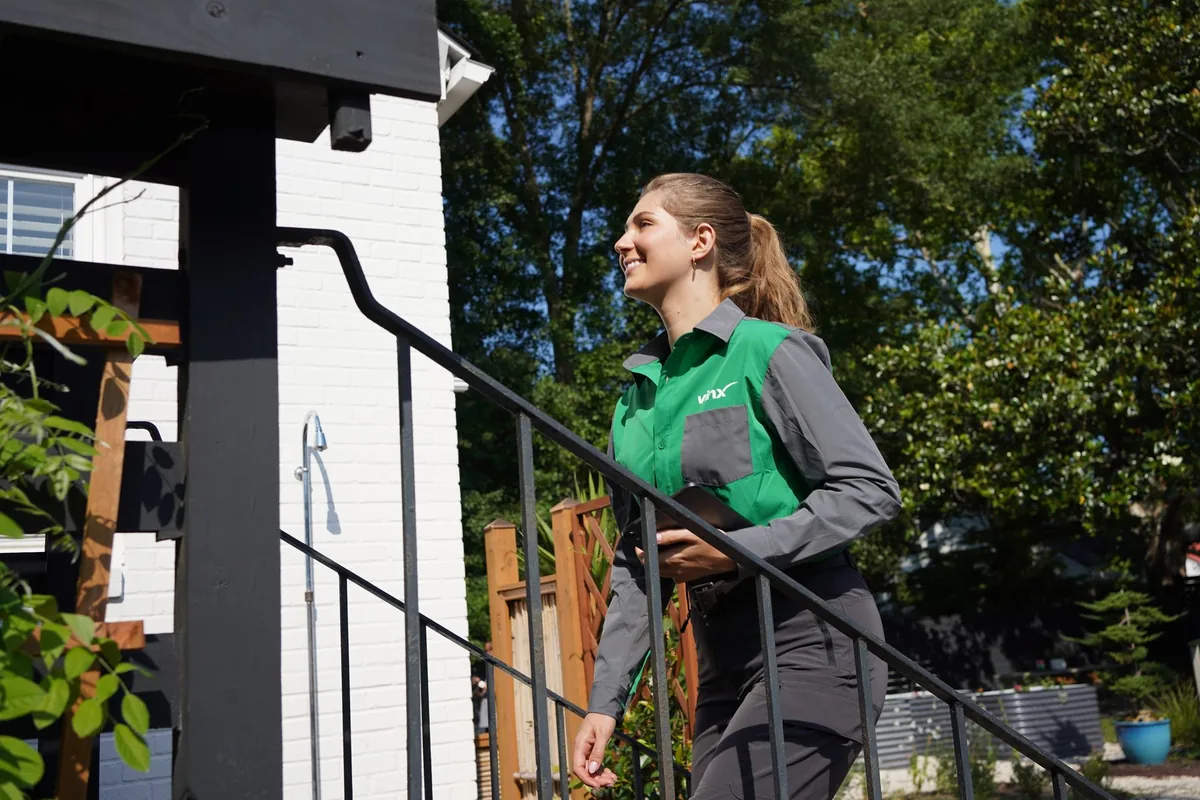
Exterminator in Raleigh, NC
Licensed exterminators for Raleigh homes, rentals and businesses — next-day appointments, WDIR-100 wood-destroying insect reports, and a guarantee behind the work.
Get Started in 60 Seconds
Choose what’s easiest for you
Request a Quote
We usually respond in 2 minutes
Call (984) 600-8469
Get a Live Person (no AI agents here!)
Sign Up Online
Get pricing and schedule now




Welcome to Vinx Pest Control
A Company That Actually Backs What It Says
At Vinx, we combine professional-grade treatments with a level of service most pest control companies don’t offer. Local technicians, fast response times, and a guarantee that actually means something.
“I’m not passionate about killing bugs. I’m passionate about customer service. At Vinx, you get experts who show up, do the job right, and stand behind every visit. No runaround, no fine print.”

Founder & Owner, Vinx Pest Control
PROTECTION PLANS
Raleigh Exterminator Pricing
100% money-back guarantee on every plan.
Standard Residential Protection
- 4 Seasonal Treatments Per Year
- 50+ Covered Pests
- Interior, Exterior & Yard Treatment
- Unlimited Free Re-Services
- 100% Money-Back Guarantee
- Flea & Tick Coverage
- Mosquito Treatments

Upgraded Yard Protection
- 6 Home & Yard Treatments Per Year
- 50+ Covered Pests
- Interior, Exterior & Yard Treatment
- Unlimited Free Re-Services
- 100% Money-Back Guarantee
- Flea & Tick Elimination Guarantee
- Mosquito Treatments

Most Comprehensive Protection
- 9 Treatments Per Year
- 50+ Covered Pests
- Interior, Exterior & Yard Treatment
- Unlimited Free Re-Services
- 100% Money-Back Guarantee
- Interior Flea & Tick Coverage
- 8 Mosquito Treatments (Mar–Nov)
- Free Bed Bug Treatments if Needed*
*Starting rates vary by home size and area. All plans billed monthly.
Request Your Free Pest Control Quote
Fill out the form below and a Vinx team member will reach out within 2 minutes during business hours.
Prefer to talk? Call (984) 600-8469 for a live person, no AI agents.
Our Process
How Vinx Exterminators Work a Raleigh Property: Step by Step

Inspection & Reporting
An exterminator visit in Raleigh starts with identification, because the treatment for a roach breeding behind a kitchen unit has almost nothing in common with the treatment for one walking in from a drain. Nothing gets applied before we know what we are dealing with, whether that is the native eastern subterranean termite in an in-town crawlspace or fire ants on graded turf in a newer subdivision. You hear what we found, in plain terms, with a firm price, before any work begins.
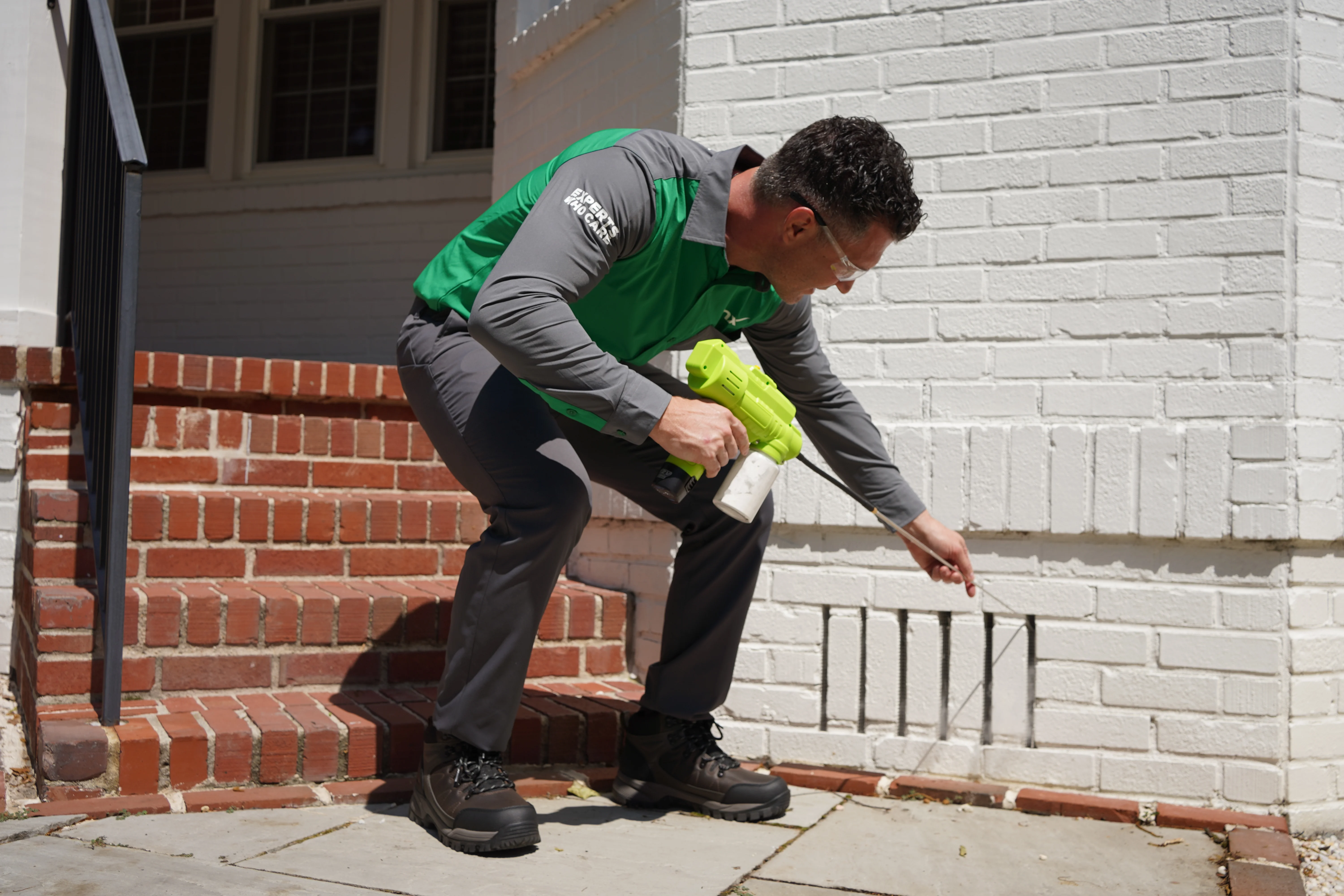
Exterior Foundation Treatment
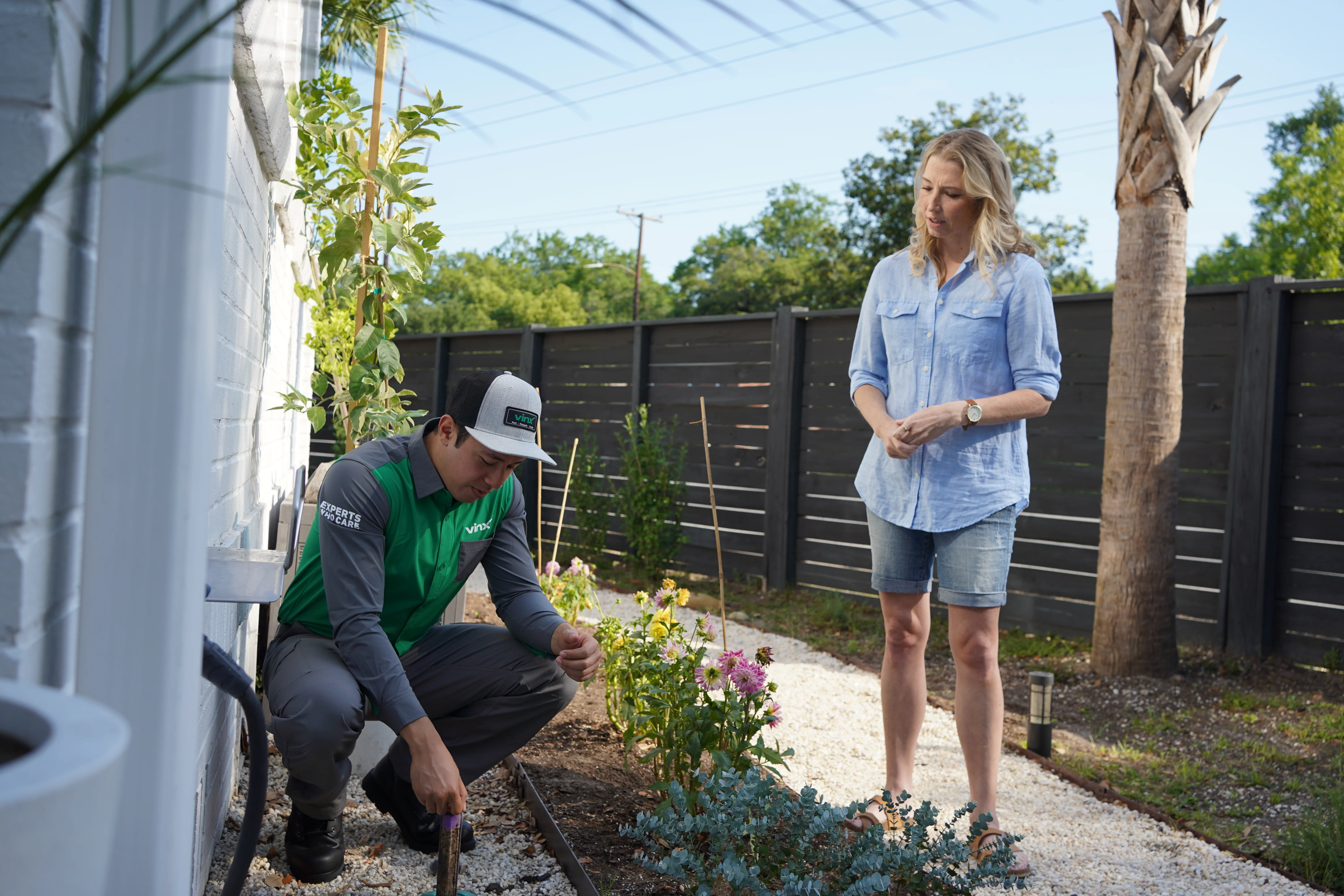
With the pest identified, the exterior gets a defensive line so the next wave never makes it inside. We apply a micro-encapsulated barrier around the foundation, three feet up and three feet out, at the slab gaps, weep holes and thresholds insects actually use to enter. Inside the Beltline, where original sills and crawlspaces that never fully dry are common, the foundation line is where most infestations actually start.
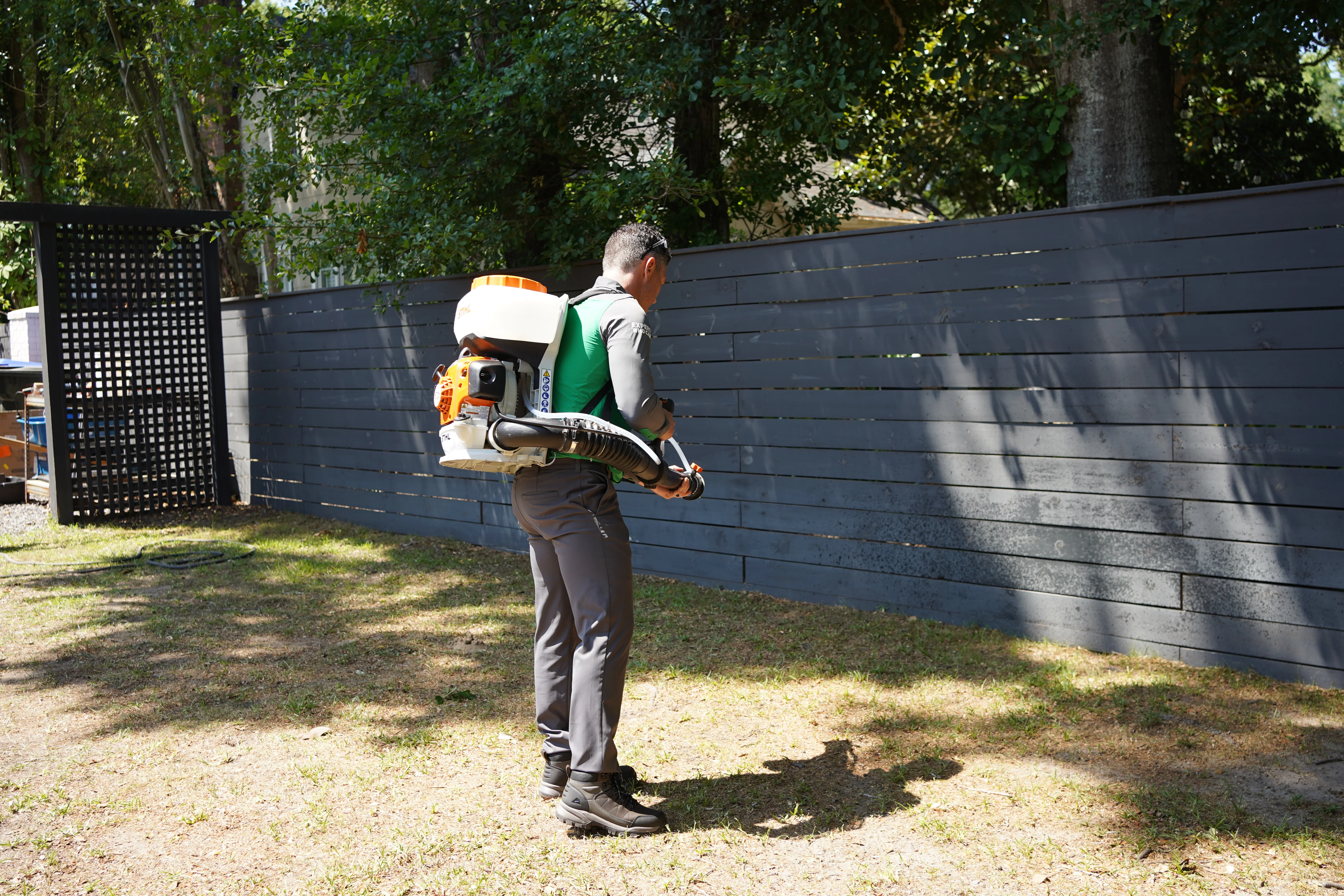
Yard Treatment
The yard gets treated up to thirty feet out, because most of what ends up indoors staged in the lawn first. Out toward the Neuse and the creek corridors that means mosquito production in low ground; in the newer northern and southeastern subdivisions it means fire ants on freshly graded turf. Same city, different yard, different job.
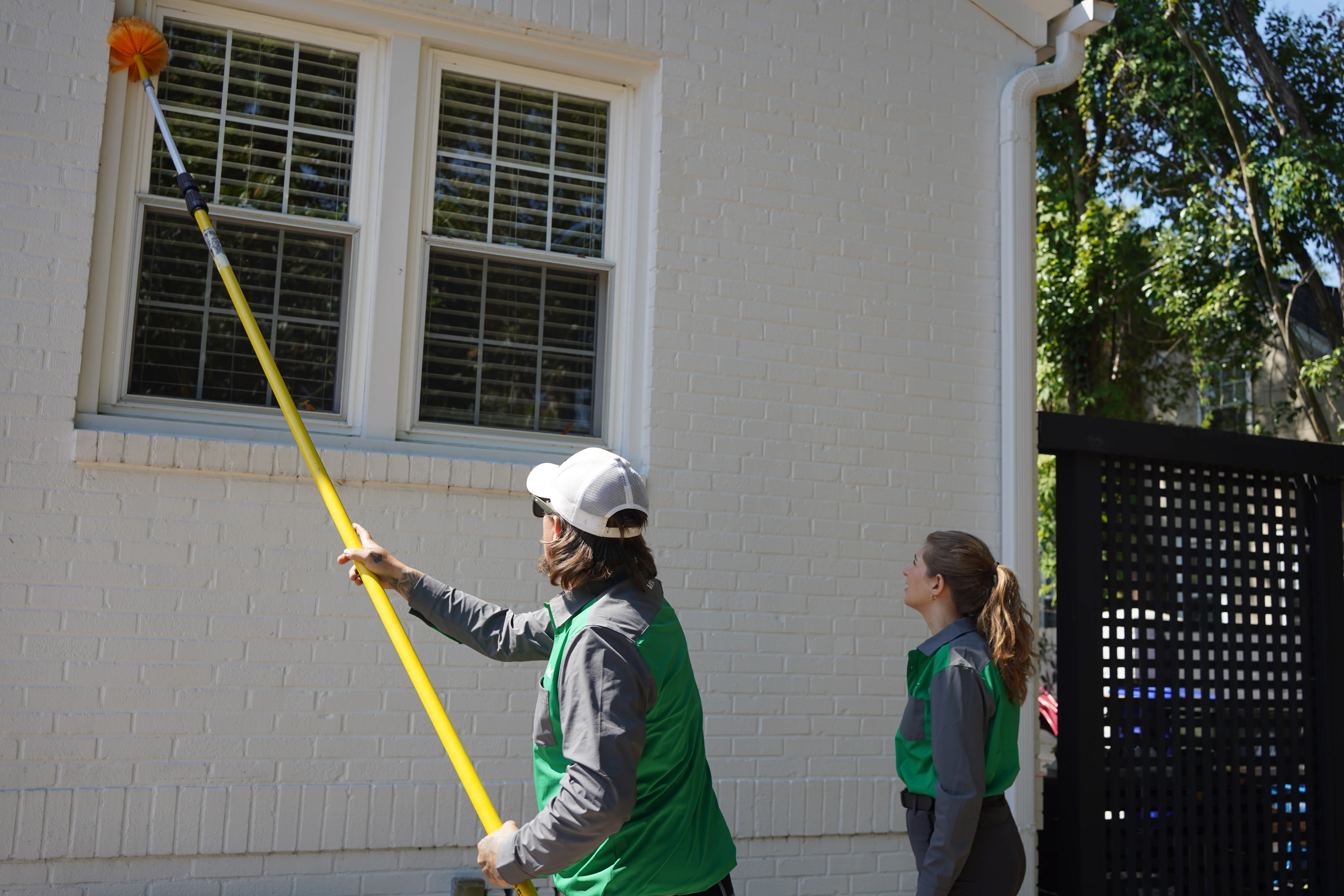
Sweep & Treat Eaves
Rooflines are swept clear of webs and early wasp nests on every visit, then spot-treated with a residual product so returning insects contact the treatment instead of rebuilding. The eaves pass doubles as an inspection of the routes overhead, which matters on older in-town housing as much as on newer construction.
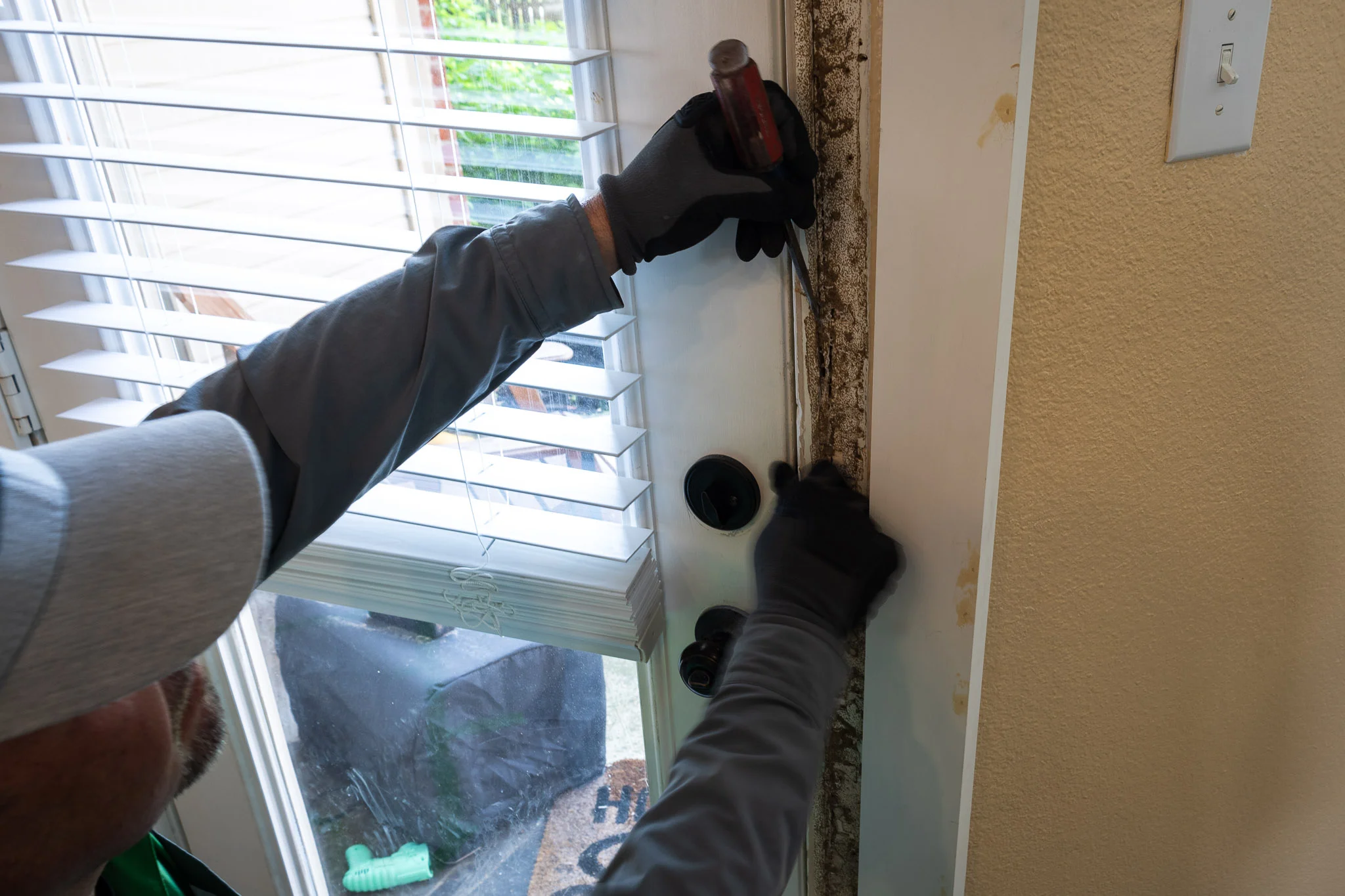
Power Dust Injection
Cracks, weep holes, pipe penetrations and expansion joints get a dust product driven deep with a compressor tip, reaching the wall voids a surface spray cannot. In a subdivided house or an apartment block we look at the whole building, because a population surviving through a shared wall will simply return — a single unit is not enough.
Interior Treatment (If Needed)
Where an infestation is already established indoors, we treat the interior directly and document every visit in writing. If you are selling, that documentation matters alongside the wood-destroying insect report itself — North Carolina uses its own WDIR-100 form, and effectively every mortgage lender wants one dated within 30 days of closing.
Customer Reviews
Real Reviews from Raleigh Homeowners
DEREK was a great Tech. VERY communicative
Verified Google ReviewScott did a great job with a tricky squirrel nest issue. He was thorough in his work and provided great information for us in a helpful video he filmed about the work he had done.
Verified Google ReviewAdrian, was great. He reviewed with me the different between each package. I really appreciated that.
Verified Google ReviewDerek was awesome. Communicated well and addressed a new indoor issue we were having. Professional, polite and knowledgeable.
Verified Google ReviewDakari did a great job very professional. Vinx beat it all other quotes we got with only a 12 month contract. They responded quickly and showed up when they said they would. Thank you for the service and I highly recommend Vinx for your pest control needs.
Verified Google ReviewShare communication skills and got right to the point
Verified Google ReviewMiguel was very courteous and checked in with us to make sure we were happy with the work and if we had any questions.
Verified Google ReviewDerrick the tech was very polite and professional. Keaton was friendly and professional. I would recommend their services.
Verified Google ReviewThe team came out and was very nice and covered all the options in my service. Great experience!
Verified Google ReviewShane reached out right away, and from the start he and his team member, Dakari, provided excellent service. They were professional, friendly, and helpful throughout the entire process. I really appreciate their support and great customer service.
Verified Google ReviewPretty easy process. Was able to cater the services to what we needed. Also, service was fast; they were done within just a few hours of initial visit. Really apprecate Scott for coming out so quickly.
Verified Google ReviewRaleigh Pest Facts
Why Raleigh’s Growth Creates Distinct Pest Pressure
Last updated: September 5, 2026
There is a reason Falls Lake exists. Before 1978 the Neuse River flooded badly enough to damage roads, railroads, industrial sites and farmland, so the Army Corps of Engineers dammed it, finishing in 1981 and creating a 12,410-acre reservoir. Flood control changed the river; it did not change what damp ground does to a house. Raleigh’s problem is duration rather than extremity — the frost-free season runs about 201 days, roughly the end of April to the middle of October, and humidity sits between 73 and 78 percent through the summer. That gives most local pests two or three extra breeding cycles a year compared with somewhere further north, and it means a crawlspace that gets damp in May has no real chance to dry out before September.
6 Reasons Raleigh Calls an Exterminator
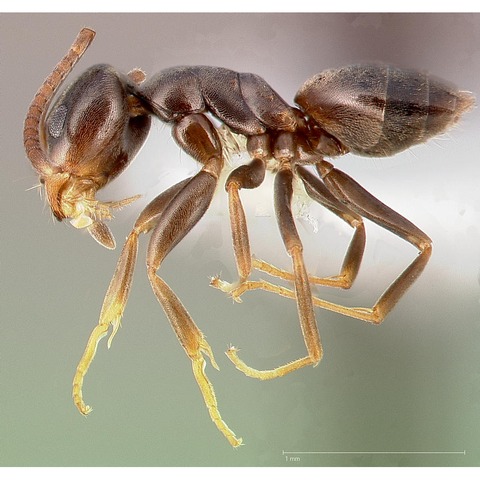
Ants
Ants show up differently by neighborhood in Raleigh — fire ants on graded turf in the newer northern and southeastern subdivisions, odorous house ants along older foundations inside the Beltline. Direct mound treatment paired with a yard-wide bait program handles fire ants; other trails get traced back to the colony rather than sprayed at the surface.
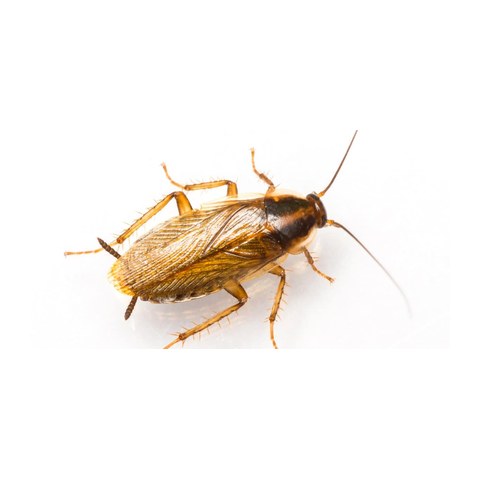
Cockroaches
German cockroaches are the recurring call in rentals and student housing near the campuses, moving in with furniture at turnover, while Norway rats and their roach counterparts work the downtown restaurant and service blocks on established alley routes. Treatment goes to the harborage with gel bait and growth regulator rather than the insect on the wall.
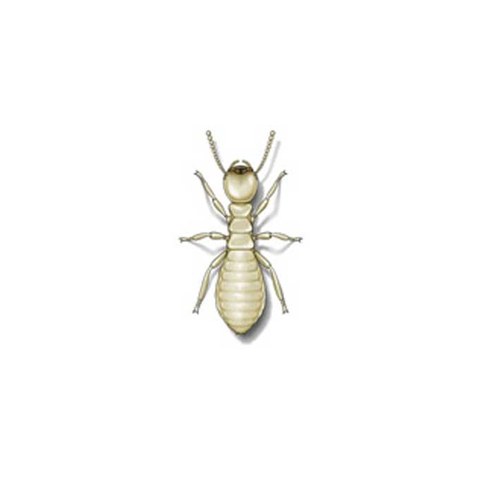
Termites
The native eastern subterranean termite is the species that actually damages Raleigh houses — Formosan termites are recorded by NC State Extension in only Brunswick and Rutherford counties, nowhere near the Triangle. Soil termiticide barrier work paired with drainage correction is standard, especially on older in-town housing with crawlspaces that never fully dry.
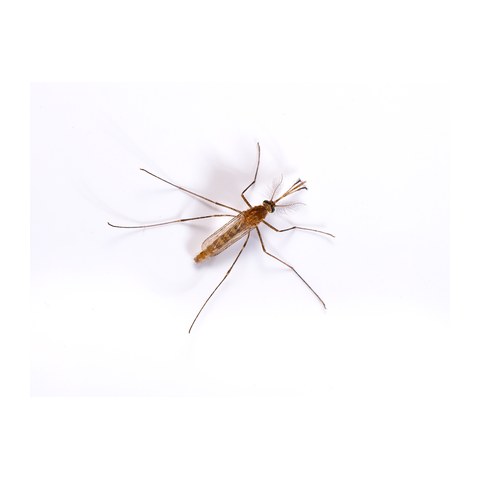
Mosquitoes
Mosquito pressure concentrates along the Neuse and the creek corridors, where low ground holds standing water long after a storm. Larvicide on that standing water paired with a barrier treatment on shaded resting cover is what actually knocks the population down between visits.
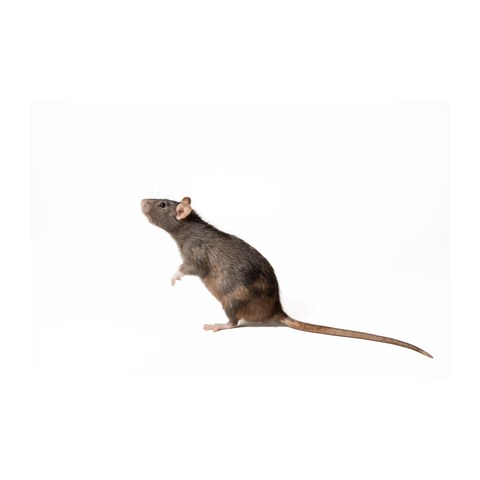
Rodents
Norway rats work downtown blocks, alleys and restaurant service areas on established routes, while newer subdivisions see rodents displaced by nearby construction. Exclusion comes first, then trapping and secured bait, rather than bait alone indoors.
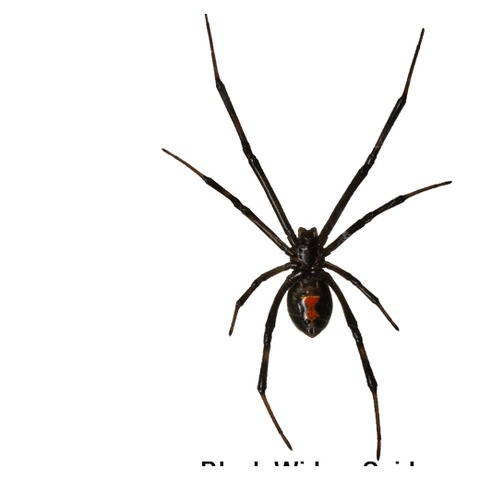
Spiders & Other Pests
Spider calls in Raleigh are usually common house species rather than anything dangerous — NC State Extension notes the brown recluse occurs in North Carolina but is not common here, with its range centered well to the west. Widow spiders are the group that genuinely warrants care, and they are predictable enough to find and treat directly.
The pattern of calls across Raleigh is fairly consistent. Inside the Beltline the housing is older and the problems are structural: original sills, crawlspaces that never fully dry, and rodents working established alley routes behind commercial blocks. Out toward the Neuse and the creek corridors it becomes about water, with mosquito production in low ground and moisture pests following it indoors. In the newer northern and southeastern subdivisions it is fire ants on graded turf and the rodents displaced when the woodland came down. Campus-area rentals see German roaches moving with furniture at turnover, and restaurant and service blocks downtown see Norway rats on established routes. Same city, several different jobs.
If you are selling, you will need a wood-destroying insect report. In North Carolina that is the WDIR-100, the state's own Official Wood-Destroying Insect Information Report, adopted by the Structural Pest Control Committee and required by rule for buildings offered for sale. It is regulated by the NC Department of Agriculture and Consumer Services, whose Structural Pest Control Division licenses the individual who signs it — the inspector has to hold that license or work for someone who does, and the report must carry a license number including a W phase. The Division's enforcement policy is that the form may not be altered in any way, including by adding an arbitration clause. It is worth knowing what the form is not: a wood-destroying insect report is not a structural damage report. Effectively every mortgage lender wants one dated within 30 days of closing, and it reports visible evidence of wood-destroying insects in accessible areas — worth understanding before you assume a clean report covers everything.
Two claims worth checking before you pay for them. Formosan termites are not a Raleigh risk at present: NC State Extension records the species in only Brunswick and Rutherford counties, and they are not widely distributed in the state, so what actually damages Raleigh houses is the native eastern subterranean termite. Fire ants are the opposite case — the state quarantine now covers 81 North Carolina counties, Wake included, so they are an established local pest rather than an occasional import. Brown recluse spiders round out the list of overstated risks: NC State Extension notes the species occurs in North Carolina but is not common, with its range centered well to the west of Raleigh.
Year-Round Awareness
Raleigh NC Pest Activity: What to Expect Every Season
| Season | Pest Activity in Raleigh NC |
|---|---|
| Spring March–May |
Termite swarmers emerge as Wake County clay soil warms; odorous house ants establish new colonies; mosquitoes become active from March as temperatures hit 55°F+; stinging insects begin nest building on eaves and soffits. |
| Summer June–August |
Peak pressure across all species; mosquitoes at maximum activity near Falls Lake, Jordan Lake, and the Neuse River corridor; cockroaches surge in older Downtown Raleigh storm drains; 100°F+ days drive spiders and cockroaches indoors seeking cooler conditions. |
| Fall September–November |
Spiders, rodents, and cockroaches move indoors seeking warmth; stinging insects become aggressive before colony die-off; mosquitoes remain active through October in warm Raleigh falls; termites continue feeding in heated crawlspaces beneath older homes throughout Wake County. |
| Winter December–February |
Rodents and cockroaches remain active indoors in heated structures; subterranean termites continue foraging in heated crawlspaces; Wake County clay soil retains moisture keeping termite conditions active; reduced outdoor activity but indoor pest pressure continues year-round. |
Pest Pressure by Neighborhood
Know Your Raleigh Neighborhood’s Pest Risk
Inside the Beltline: Older Housing, Structural Problems
The housing inside the Beltline is older, and the problems that come with it are structural: original sills, crawlspaces that never fully dry, and rodents working established alley routes behind commercial blocks. The inspection goes to the crawlspace and sill line first, not just the visible rooms.
Neuse and Creek Corridors: Water Drives Everything
Out toward the Neuse and the creek corridors, the pattern is about water — mosquito production in low ground and moisture pests following it indoors. Falls Lake exists precisely because this river used to flood badly, and damp ground still behaves the same way regardless of the dam upstream.
New Construction: Fire Ants and Displaced Rodents
In the newer northern and southeastern subdivisions, the calls are fire ants on freshly graded turf and rodents displaced when the surrounding woodland came down. Directional boundary treatment on the side pressure arrives from works better here than an even application.
Student Housing: German Roaches at Turnover
Rentals near Raleigh’s campuses see German roaches move in with furniture at turnover, a pattern tied to tenant cycling rather than the building itself. Gel bait and growth regulator into the harborage handles it, but a shared-wall building needs the whole structure treated, not just one unit.
Downtown: Norway Rats on Established Routes
Restaurant and service blocks downtown see steady Norway rat activity on routes that have been established for years. Exclusion on the structure comes first, then trapping and secured bait, because a route that has worked for a population once will keep working unless it is physically closed off.
Kid & Pet Safe
Our Treatments Are Safe for Your Whole Family: Including the Furry Members
Every product we use is EPA-registered and applied strictly at labeled rates by licensed North Carolina pest control technicians. We take the guesswork out of safety so you can feel confident letting kids and pets back into treated areas quickly.

EPA-Registered Products Only
All products we apply are EPA-registered and used strictly per label requirements. Our licensed technicians are trained to apply the right product in the right place at the right rate, every time.
Dry Time Before Re-Entry
Exterior spray treatments dry in 30–60 minutes. Once dry, treated surfaces are safe for children and pets to contact. Your technician confirms the all-clear before leaving.
Interior Treatment On Request
We treat only what’s needed, where it’s needed. Gel baits and crack-and-crevice applications keep products away from areas pets and children frequent most.
Botanical Options Available
Ask your technician about our plant-derived treatment options. We offer botanical alternatives for households that prefer a more natural approach.
Have a concern about products used near your pets or children? Call (984) 600-8469 and we’ll walk you through exactly what we use and why it’s safe.
Raleigh NC Pest Control Services
Pest Control Services in Raleigh

Termite Control Raleigh
Bait systems & liquid treatment

Mosquito Control Raleigh
Monthly barrier treatments

Ant Control Raleigh
Household ants & others

Spider Control Raleigh
All spider species covered

Cockroach Control Raleigh
American & German roaches

Rodent Control Raleigh
All rodents covered

Bed Bug Treatment Raleigh
Heat & liquid treatments

Wasp Control Raleigh
Nest removal & prevention

Tick & Flea Control Raleigh
Yard & pet protection

Pest Control Raleigh
Year-round protection plans
Frequently Asked Questions
Exterminator Raleigh NC: Frequently Asked Questions
Most Raleigh calls are scheduled for the next day, and anything actively spreading moves to the front of the queue.
A one-off visit is priced against the pest and the property; recurring plans start at $49 a month behind a $329 first treatment. Call 855-800-8469 for a quote.
In practice yes. North Carolina uses its own form, the WDIR-100, adopted by the state's Structural Pest Control Committee — state rule requires reports on buildings offered for sale to be on it. Virtually all lenders want one dated within 30 days of closing. The NPMA-33 is the separate national form HUD requires for FHA-insured loans.
Not at present. NC State Extension records Formosan subterranean termites in only Brunswick and Rutherford counties, and they are not widely distributed in the state. What damages Raleigh houses is the native eastern subterranean termite.
No. A wood-destroying insect report is not a structural damage report, and the national NPMA-33 version of the form says exactly that on its face. What a WDIR records is visible evidence of wood-destroying insects — live insects, damage, previous treatment and conducive conditions — observed in the accessible areas on the day of the inspection. It does not assess whether the structure is sound, it does not cover areas the inspector could not reach, and a clear report is not a warranty that nothing is there. That distinction matters most on older Raleigh housing and on any crawlspace with limited access, and it is the reason a WDIR and a home inspection are two different jobs by two different people. If damage is what you are worried about, say so when you book, because the inspection you want then is a more thorough one than the form alone requires.
Yes. The state quarantine now covers 81 North Carolina counties, Wake included, so fire ants are an established local pest rather than an occasional import.
Yes, and in shared-wall housing that is the only approach that holds. Treating one unit while the population survives next door is why problems recur.
Realiztically no. NC State Extension notes the brown recluse occurs in North Carolina but is not common; its range centers well to the west of here. The widow spiders are the ones worth respecting.
Yes. Everything is EPA-registered, applied by a licensed technician, and the treated area is safe once it has dried.
Go to the regulator rather than the company. Structural pest control in North Carolina is licensed by the NC Department of Agriculture and Consumer Services through its Structural Pest Control Division, and anyone performing the work must either hold a license themselves or work for someone who does — that applies to the person who signs a wood-destroying insect report as much as to the technician who treats your house. The Division also publishes consumer material most homeowners never hear about, including a Homeowners Guide to the Wood-Destroying Insect Report, a Homeowners Guide to Service Agreements and Warranties, and an Investigation and Complaint Guide setting out what to do if work is not up to standard. Reading the warranty guide before signing a termite agreement is genuinely worth the twenty minutes. For the record, Vinx holds North Carolina license 2440P.
Service Coverage
Pest Control Across Raleigh & the Research Triangle
Serving every neighborhood in the Raleigh-Durham metro area