Ant Control in Raleigh, NC
Ant & Argentine Ant Experts, Six Species Treated, Same-Day Service
Ant control in Raleigh requires treating six distinct ant species, each with different biology and a different treatment method. Species identification comes first, then Vinx treats the colony at its source. Free re-treatment guarantee.
Get Started in 60 Seconds
Choose what’s easiest for you
Request a Quote
We usually respond in 2 minutes
Call 984-600-8469
Get a live person (no AI agents here!)
Sign Up Online
Get pricing and schedule now





Welcome to Vinx Pest Control
A Company That Actually Backs What It Says
At Vinx, we combine professional-grade treatments with a level of service most pest control companies don't offer. Local technicians, fast response times, and a guarantee that actually means something.
Get a Free Quote"I'm not passionate about killing bugs. I'm passionate about customer service. At Vinx, you get experts who show up, do the job right, and stand behind every visit. No runaround, no fine print."
WELCOME TO VINX PEST CONTROL
Protection Plans for Raleigh Homeowners
Standard Residential Protection
- 4 Seasonal Treatments Per Year
- 50+ Covered Pests
- Interior, Exterior & Yard Treatment
- Unlimited Free Re-Services
- 100% Money-Back Guarantee

Upgraded Yard Protection
- 6 Home & Yard Treatments Per Year
- 50+ Covered Pests
- Yard Ant Elimination Guarantee
- Flea & Tick Elimination Guarantee
- 100% Money-Back Guarantee

Most Comprehensive Protection
- 9 Treatments Per Year
- 50+ Covered Pests
- 8 Mosquito Treatments (Mar–Nov)
- Flea, Tick & Ant Coverage
- Free Bed Bug Treatments if Needed*
*Starting rates vary by home size and area. All plans billed monthly.
Request Your Free Ant Control Quote
Fill out the form below and a Vinx team member will reach out within 2 minutes during business hours.
Prefer to talk? Call 984-600-8469 for a live person, no AI agents.
Our Process
How Vinx Eliminates Ants in Your Raleigh Home: Step by Step

Inspection & Reporting
Every visit starts with a walk-around, our technicians aren’t just treating, they’re looking. We check for early termite activity, moisture issues, entry points, and wasp nests forming in spots you wouldn’t notice from the ground. In Raleigh, we pay close attention to the crawl space vents and foundation grade around older homes in Five Points, Boylan Heights, and established North Raleigh neighborhoods, where moisture buildup and settled foundations create conditions pests exploit. If we see something worth flagging, we tell you, straight up, no scare tactics, no upsell pressure.
Exterior Foundation Treatment
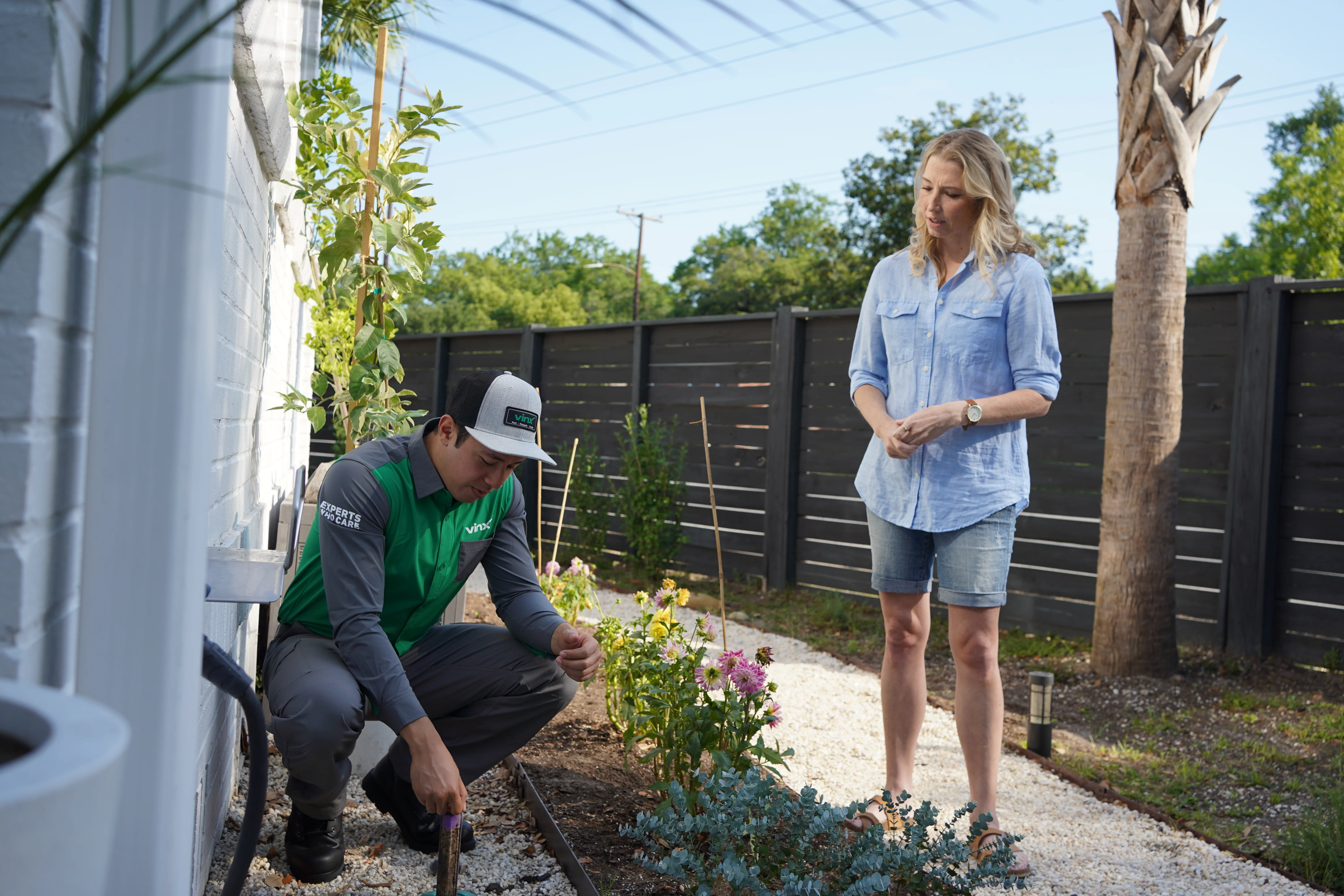
We apply a micro-encapsulated barrier product three feet up and three feet out from your entire foundation, including around utility penetrations, mulch beds, and any vegetation touching the structure. The time-release formula attaches to pests and gets carried back to their colony. Raleigh’s Piedmont clay soil retains moisture against foundations longer than sandy soils, which draws termites, ants, and roaches toward the base of the home. This barrier intercepts them before they find a way in. EPA-approved products used at daycare and pet boarding facilities, once dry in 15–20 minutes, your family and pets are safe to be outside.
Yard Treatment
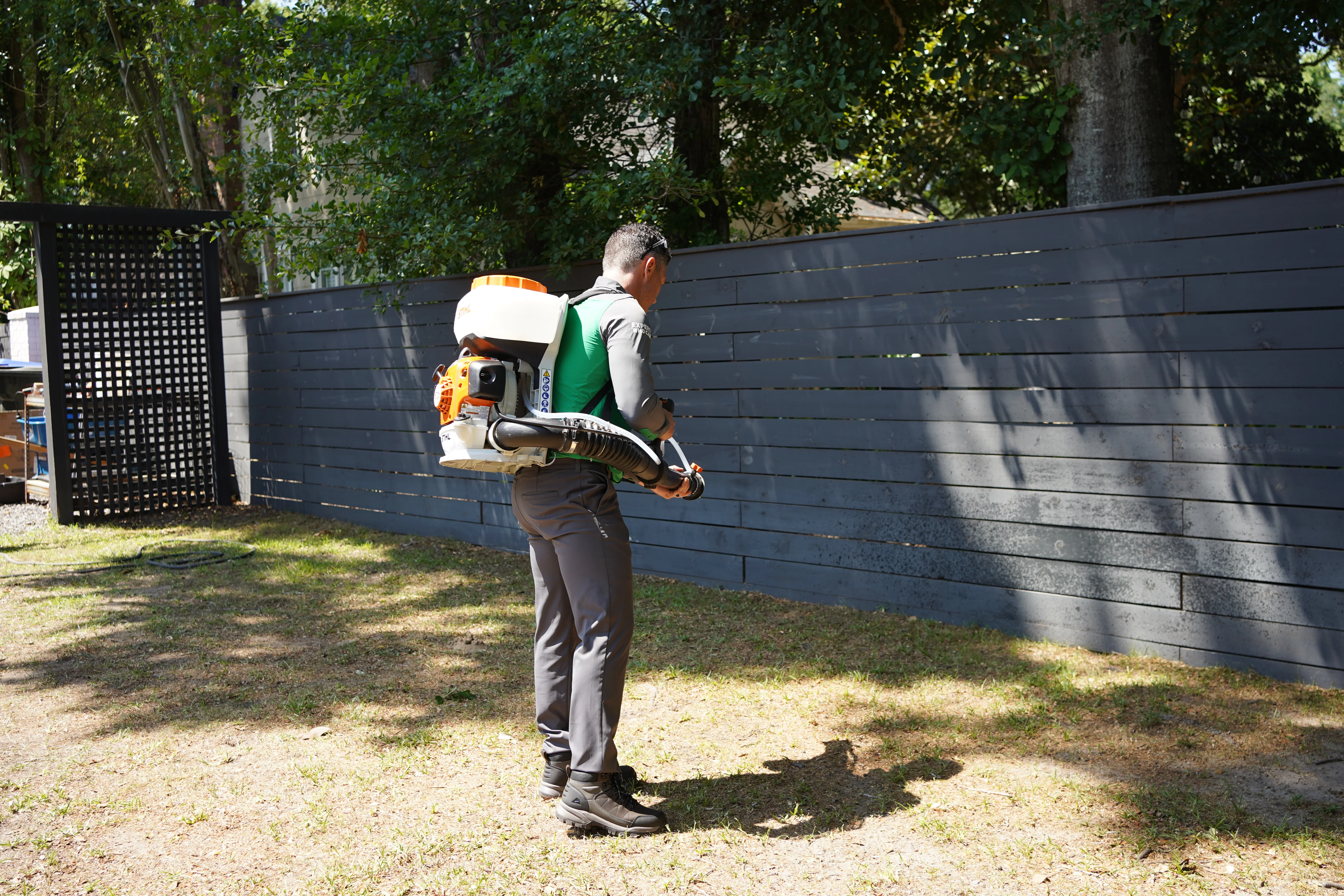
We treat up to 30 feet out from the home to push back pest populations before they reach your foundation. For Raleigh properties near Falls Lake, the Neuse River corridor, Crabtree Creek greenways, or active construction zones expanding through North Raleigh and the Cary border, yard treatment also knocks back the pest pressure driven in from adjacent habitat.
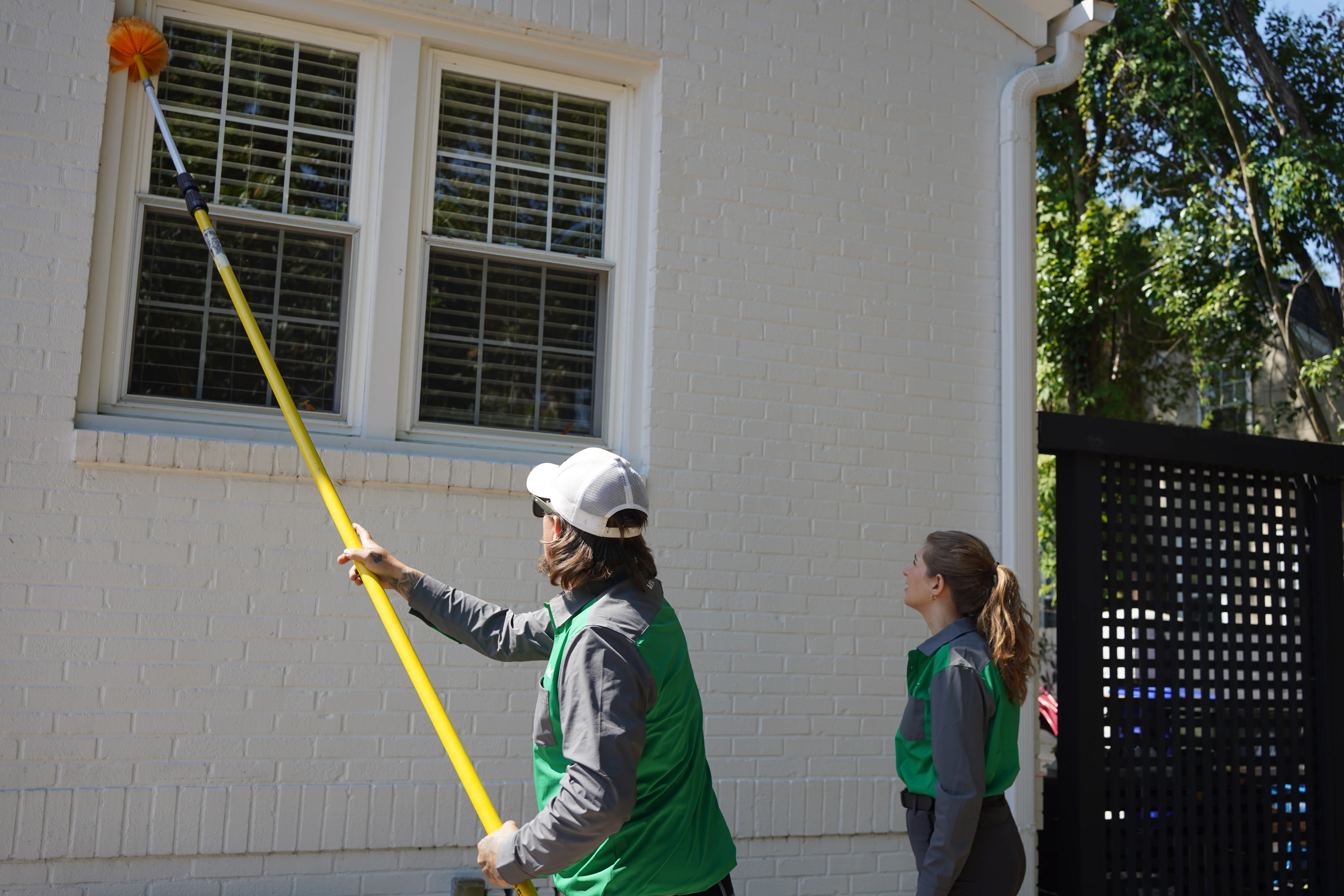
Sweep & Treat Eaves
Every visit, we sweep first and second-story eaves, cobwebs, wasp nests, spider webs, and egg sacs come down before they hatch. Then we spot treat those areas with a residual product so they don’t come back. Raleigh’s City of Oaks canopy creates a massive insect prey base that keeps orb weavers and yellow jackets extremely active through the warm season. Wasps especially return to old nest sites because of lingering pheromones, our treatment is waiting for them when they do.
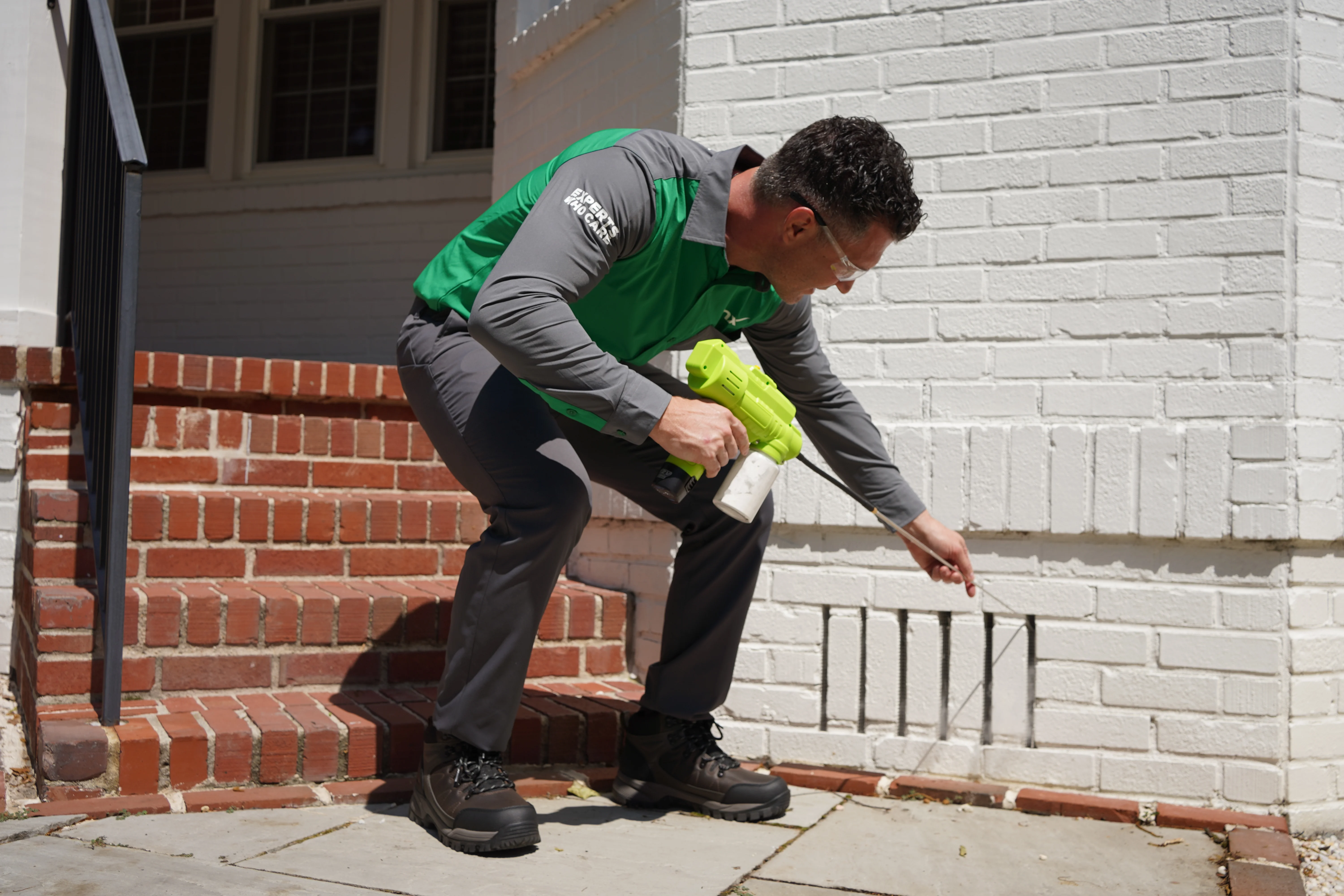
Power Dust Injection
We use a handheld compressor with a specialized tip to inject dust product deep into cracks and crevices on the outside of the home, gaps around pipes, weep holes, expansion joints, and any opening a pest could squeeze through. Older Raleigh homes in downtown, Cameron Village, and pre-1990 construction throughout the metro have plenty of settled gaps in wall voids where roaches and spiders build up quietly. The dust flushes out anything already inside and stays active far longer than a surface spray because it’s protected from rain and UV. Bugs aren’t quietly building up inside your walls between visits.
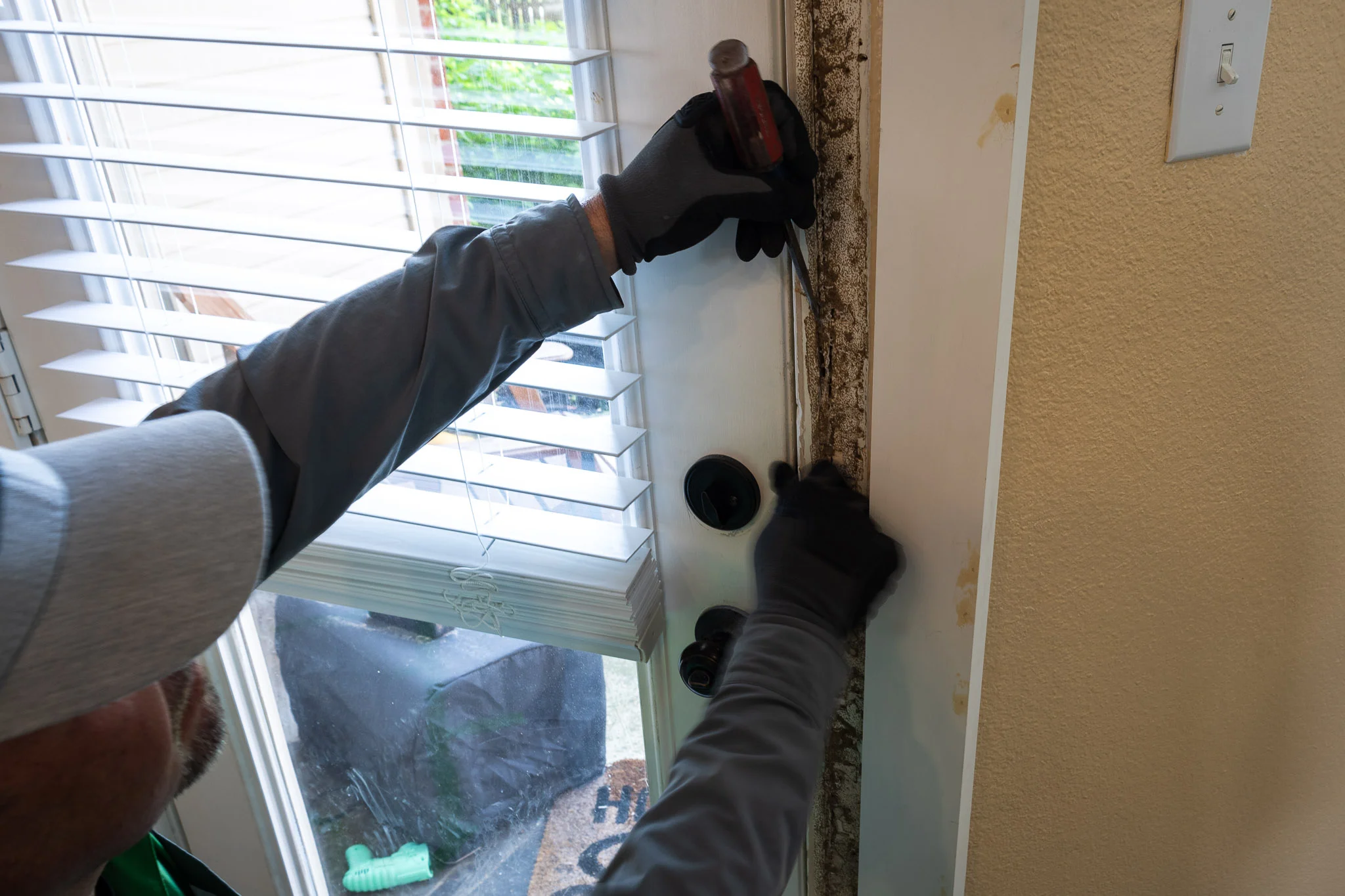
Interior Treatment (If Needed)
We rarely need to go inside, and that’s by design. When we do the work on the outside properly, pests don’t make it in. But if anything gets through, interior treatment is always covered under your plan at no extra charge. We treat baseboards, plumbing penetrations, the garage, and any area you’re concerned about. Targeted gel bait for ants and roaches in cabinets and utility areas, crack-and-crevice application in protected locations, no broadcast indoor spraying. Same EPA-approved products, safe for kids and pets once dry. No extra charge, no questions asked.
Customer Reviews
Real Reviews from Raleigh Homeowners
Miguel from Vinx pest control was great. Very knowledgeable, and respectful when entering my home. Great service!
Verified Google ReviewMatt was very upfront and good at communicating. Miguel did a great job in getting around the house and the yard sprayed.
Verified Google ReviewWe became new Vinx Pest Control customers today, and the experience was excellent from the very start. Matt provided clear, helpful, and accurate guidance, which made everything easy to understand. Abbas delivered the service the same day, very cordial, efficient, and thorough in his work. Overall, the service was professional and reassuring, and we truly appreciate the quality of their support.
Verified Google ReviewScott was very polite and knowledgeable. I showed him a particular issue I was concerned about , he explained what it was and how he was going to handle it. I very pleased!
Verified Google ReviewScott and Keaton were excellent to work with and Scott was very thorough! Happy to recommend their services if you live in the area!
Verified Google ReviewJordan and his team were professional and respectful. They explained what they were going to do - including interior garage and outside the townhome. I appreciated their efficiency. Thanks.
Verified Google ReviewDrew responded quickly to our concerns. Jordan came out and did a quick re-service for us due to ants and spiders. Both have good communication and service. Thank you!
Verified Google ReviewGreat Job with communication of time and asked if amy special needs or requirements. Very professional
Verified Google ReviewScott was so informative and polite. A great technician to help us control our ant problem!
Verified Google ReviewScott came today and was very thorough and helpful and did an excellent job. Thank you guys for a great job done!
Verified Google ReviewOur technician, Abbas, was professional and thorough, working for about 30-40 minutes, to treat the exterior of our home for ants, spiders, and wasps. I was very satisfied with Vinx
Verified Google ReviewPest Pressure by Neighborhood
Know Your Neighborhood’s Ant Risk
Downtown Raleigh: Odorous House Ants & Pavement Ants
Urban density and older sidewalk and slab infrastructure make Downtown Raleigh a hotspot for odorous house ants and pavement ants. Crack-and-crevice nesting in aging concrete foundations and shared plumbing runs creates interconnected colonies that can extend across several adjoining properties. Kitchen ant trails along baseboards and countertops are among the most common complaints from homeowners in these neighborhoods.
North Hills & Midtown: Argentine Ants & Carpenter Ants
Mature residential landscaping with deep mulch beds and established ornamental plantings creates ideal harborage for large multi-queen Argentine ant colonies whose trails routinely cross property lines. Moisture-damaged wood in older homes throughout this corridor attracts carpenter ant satellite colonies, particularly around window frames, rooflines, and HVAC penetrations. Properties with dense ground cover or ivy against the foundation see the highest ant pressure.
Cary & Morrisville: Fire Ants & Argentine Ants
Rapid residential development throughout Cary and Morrisville has created large areas of freshly disturbed, well-drained soil that fire ants colonize aggressively. New construction lots with minimal vegetation cover are particularly vulnerable to fire ant mound establishment from March through November. Argentine ants follow the expansion into these neighborhoods as landscape plantings mature, creating a dual-species ant pressure that requires species-specific treatment approaches.
Wake Forest & North Raleigh: Carpenter Ants & Fire Ants
Wooded lots with seasonal creek drainage and mature hardwood trees throughout Wake Forest and North Raleigh create consistent moisture conditions that attract carpenter ant satellite colonies. Homes backing up to wooded buffers or drainage easements see higher carpenter ant pressure, particularly in structures with older wood framing or moisture issues near the roofline. Fire ant mounds establish readily in the open lawn areas common throughout these neighborhoods.
Garner & Clayton: Fire Ants & Odorous House Ants
Suburban Garner and Clayton’s mix of newer developments and established residential streets sees consistent fire ant mound pressure in open lawn areas throughout the warm season. Properties near local creeks and tributaries experience displaced fire ant colonies after heavy rain events as mounds flood and queens relocate toward higher ground. Odorous house ant trails in kitchens are the second most common ant complaint reported by homeowners in these areas, particularly in spring and fall.
Apex & Holly Springs: Fire Ants & Pavement Ants
Growing communities in Apex and Holly Springs face elevated fire ant pressure as new construction activity continuously disturbs soil throughout these expanding suburbs. Pavement ants establish under concrete driveways, sidewalks, and slab foundations at elevated rates in these areas. Perimeter treatments cover more linear footage on larger lots, a technician assessment at inspection establishes the right treatment scope.
6 Species. One City.
Why Ant Control in Raleigh Is More Complicated Than Most Cities
Raleigh faces ant pressure from six species simultaneously, not one. Each species has its own drivers, its own locations and its own treatment approach. Treating all ants identically is the one most common reason DIY ant control fails.
Over-the-counter ant sprays are mostly repellents. Put a repellent on a forager trail and you kill the ants you can see while setting off a survival response in the colony. It splits the colony into multiple satellite nests. What was one manageable colony is now three or four smaller ones scattered across your property. This is why Raleigh homeowners experience revolving door infestations.
In professional ant control the products are non-repellent, fipronil-based among them, and workers unknowingly carry them to the nest. The active ingredient makes it to the queen. The colony is wiped out at source.
Raleigh Ant Species

Fire Ant (Red Imported)
The red imported fire ant, Solenopsis invicta, reached North Carolina through Brunswick County in 1957 and is now established across most of the state. NC State puts a mound two feet across and eighteen inches high at about 100,000 workers, several hundred winged adults and one queen. On the sting, the widely quoted 2% figure is misused: it comes from a survey of patients already being treated for sting reactions, of whom about 2% required treatment for anaphylaxis, while roughly 0.5% to 2% of stings produce a systemic reaction of any severity. NC State's own description of the normal outcome is a pustule-like sore forming within 24 hours that usually itches intensely, with a small number of people highly allergic. Fire ants are highly territorial, disturbing a mound triggers an immediate mass attack within seconds. Children, elderly adults, and pets are at highest risk.
In Raleigh, fire ant pressure is heaviest in Cary, Morrisville, Apex, and Holly Springs where rapid residential development has created large areas of disturbed, well-drained soil. Fire ants establish mounds from March through November but remain viable underground through the winter.
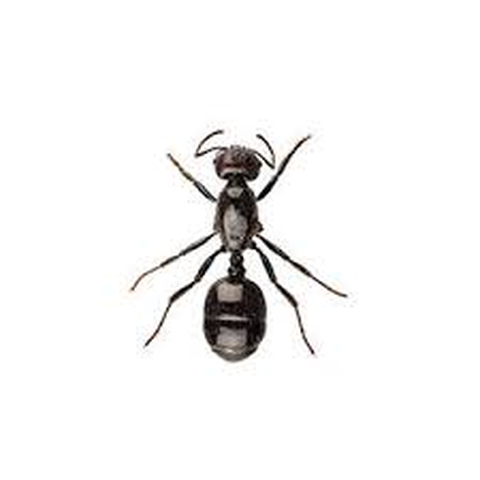
Argentine Ant
The Argentine ant is arguably more difficult to control than fire ants, not because of its sting (Argentine ants do not sting) but because of its colony structure. Unlike most ant species with a single queen, Argentine colonies carry many queens. Clemson Extension, whose factsheet is the nearest current extension source since NC State withdrew its house-invading ants guide, describes colonies running from a few hundred to several hundred thousand workers with roughly 10% of the colony being queens, and notes that in winter especially several colonies may merge into one favorable nest before dividing again in spring or summer.
They are also one of the trailing ants, and the distance is the point: Clemson records Argentine trails running 200 feet or more with thousands of ants following one another from nest to food. A trail that long routinely begins outside the property line you are standing on, which is why they need sustained baiting across the whole network rather than one nest treatment.
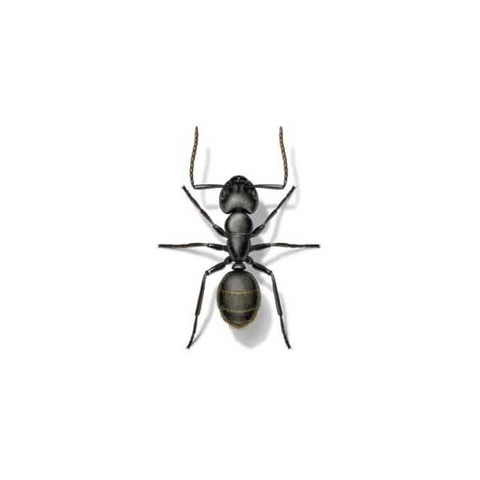
Carpenter Ant
Carpenter ants are the most structurally destructive ant species in Raleigh. They are not eating the wood, they are excavating it into nesting galleries. Properties in wooded neighborhoods in Wake Forest, North Raleigh, and North Hills face the highest carpenter ant pressure because moisture-damaged wood is their primary nesting material.
Clemson Extension puts the timeline further out than most people expect: a colony branches into satellite nests once it is six to ten years old and holds more than 2,000 workers. By the time homeowners notice carpenter ant activity, frass piles that look like coarse sawdust mixed with insect parts, significant structural damage may have already occurred.
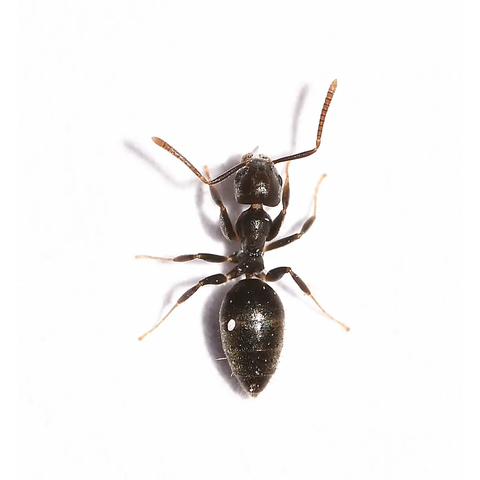
Odorous House Ant
These are the small brown to black ants that smell of rotten coconuts or suntan lotion when crushed, which remains the most reliable field identification there is. Colony size depends entirely on setting: Clemson notes that in a forest an entire nest may sit inside a single acorn with one queen, while in urban areas nests tend to be very large, with thousands or even millions of workers and many queens. In a Raleigh neighborhood you are dealing with the second kind, nesting in wall voids, under flooring, beneath mulch and inside potted plants. They follow long foraging trails and remain active year-round in Raleigh’s climate.
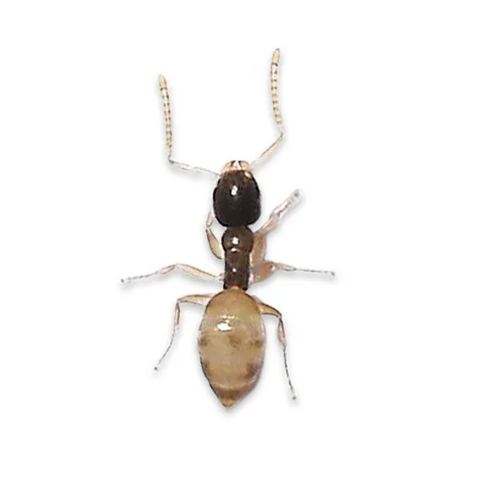
Pharaoh & Ghost Ant
The pharaoh ant is unique among ant species in its ability to survive and reproduce entirely indoors. Tiny at 1/16 of an inch, pharaoh ants are yellow with red and black markings. Like the Argentine ant, pharaoh ants keep multiple queens per colony and split when threatened by repellent products. On pharaoh ants, repellent sprays are never appropriate; they make things significantly worse.
Ghost ants are a small pale species increasingly common in Raleigh’s older neighborhoods. Nesting in moist wall voids, they are often confused with pharaoh ants. Both call for the same slow-acting bait approach.
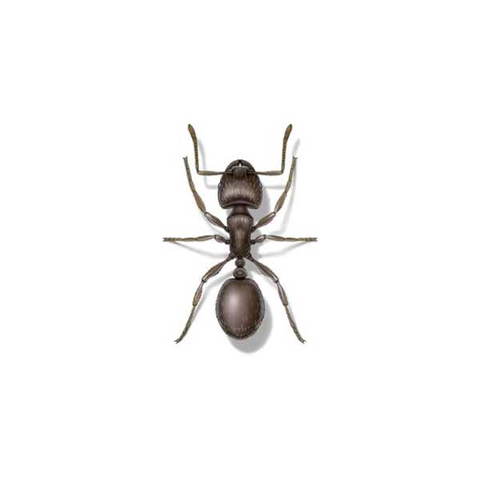
Pavement Ant
Pavement ants build nests in and under concrete, sidewalks, driveways, slab foundations, and patios. Look for the fine soil and sand pushed up through concrete cracks where they have been excavating. Colonies frequently wage territorial wars against neighboring colonies, which is what leaves those trails of dead ants across a driveway or patio after a conflict.
What to Look For
Signs of an Ant Infestation in Your Raleigh Home
Forager Trails
Single file trails along baseboards, countertops, or window sills
Fire Ant Mounds
Dome-shaped mounds in lawn or garden areas, can reach 18 inches in height
Frass Piles
Coarse sawdust mixed with dead insect parts near wood structures, carpenter ant activity
Soil Through Concrete
Small piles of soil pushed up through cracks in concrete or slab, pavement ant activity
Tiny Yellow Ants
Visible trail near food preparation areas, pharaoh or Argentine ant activity
Activity After Rain
Ant activity increases after rain events as colonies seek higher ground
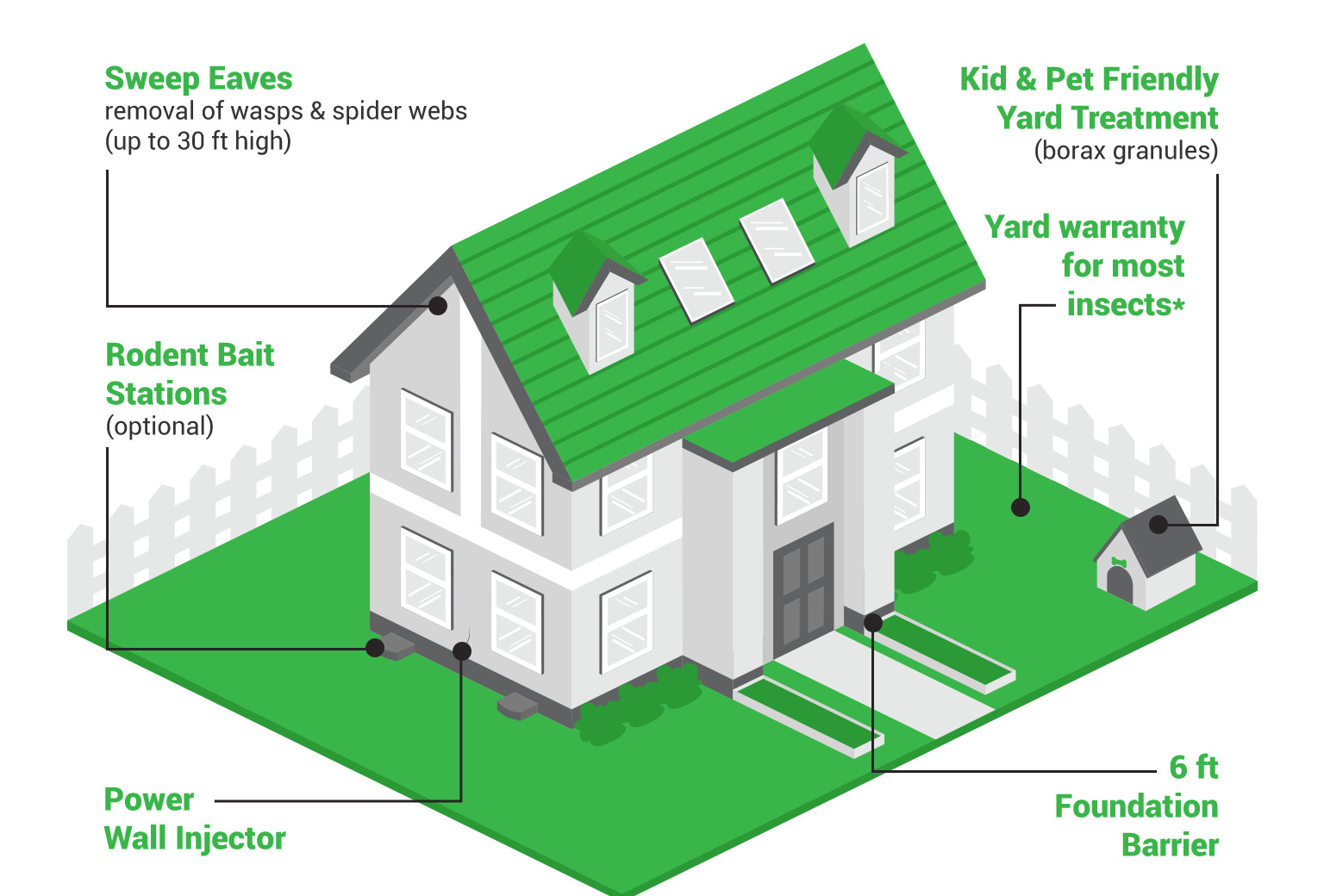
Vinx HomeGuard Plan
What Happens at Every Visit
Our technicians don’t just spray and leave. Every quarterly service covers your full exterior and interior, done right, backed by a written guarantee.
- Sweep Eaves: Wasp nests & spider webs removed up to 30 ft
- Power Wall Injector: Treats wall voids where pests hide
- 6 ft Foundation Barrier: Full perimeter treatment every visit
- Yard Warranty: Free retreatment for most insects
- Kid & Pet Safe Yard Treatment: Borax granules, safe after dry
Homeowner Tips
6 Ways to Reduce Ant Pressure Right Now
Local Conditions
What Makes Wake County an Ant Problem Specifically
Four things shape ant pressure here, and two of them are matters of public record rather than opinion. Each changes how a Raleigh property should actually be baited.
Wake County Is Under a State Fire Ant Quarantine
This surprises most homeowners. The imported fire ant reached North Carolina through Brunswick County in 1957, and the NC Department of Agriculture now considers portions or entire areas of 81 of the state’s 100 counties generally infested. Wake is listed as an entire county on the department’s quarantine boundary description, along with Durham, Orange, Chatham, Johnston, Franklin and Harnett. The quarantine has practical teeth: moving soil, sod, plants with soil attached, hay, straw, logs or used soil-moving equipment out of a quarantined county requires a certificate or permit from NCDA&CS. If you are having landscaping done, that applies to your contractor.
New Construction Keeps Restarting the Clock
Fire ants want disturbed, open, sunny ground, and Wake County produces more of it than almost anywhere in the country. The county permitted 13,806 new housing units in 2025 and gains roughly 66 residents a day, and its median home was built in 2002 with 53.6% of the stock going up since 2000. Grading, stockpiled soil and freshly laid sod are close to ideal conditions. That is why a treated yard in a growing subdivision gets reinvaded from the lot next door rather than from within, and why the pressure in Apex, Holly Springs and Wake Forest behaves differently from an established street inside the Beltline.
The Nest Is Often Not on Your Property
This is the one that makes people think a treatment failed. Argentine and odorous house ants are trailing ants, and the distances are longer than they look: Clemson Extension records Argentine trails running 200 feet or more with thousands of ants following one another between nest and food, and notes that several colonies may merge into one nest over winter before splitting again in spring. Worth saying plainly that NC State withdrew its own house-invading ants guide, so Clemson is the nearest current extension source for this. Either way, spot-treating where you see them is why the trail comes back.
The Asian Needle Ant Is in North Carolina, but Read the Detail
It has had a lot of coverage and the concern is legitimate: NC State notes its venom is on average more likely to cause an allergic reaction than a honey bee sting, and that children, older adults and immunocompromised people are most at risk. It is documented in North Carolina and has been recognized as a pest here since 2006. What we will not do is tell you it is confirmed in your Wake County garden, because the county-level NC Extension alerts we found were from Clay and Cherokee counties in the far west. The useful part is how to spot it: about 5 mm, dark with orange mandibles, and unlike fire ants it builds no visible mound, nesting under mulch, logs, rocks and leaf litter.
Kid & Pet Safe
Our Treatments Are Safe for Your Whole Family: Including the Furry Members
Every product we use is EPA-registered and applied strictly at labeled rates by licensed technicians. We take the guesswork out of safety so you can feel confident letting kids and pets back into treated areas quickly.

EPA-Registered Products Only
All products we apply are EPA-registered and used strictly per label requirements. Our licensed technicians are trained to apply the right product in the right place at the right rate, every time.
Dry Time Before Re-Entry
Exterior spray treatments dry in 30–60 minutes. Once dry, treated surfaces are safe for children and pets to contact. Your technician will confirm the all-clear before leaving your property.
Interior Treatment On Request
We treat only what’s needed, where it’s needed. Gel baits in cabinets and crack-and-crevice applications keep products away from areas pets and children frequent most.
Botanical Options Available
Have specific sensitivities? Ask your technician about our plant-derived treatment options. We offer botanical alternatives for households that prefer a more natural approach.
Have a concern about products used near your pets or children? Call 984-600-8469 and we’ll walk you through exactly what we use and why it’s safe.
Explore More
More Pest Control Services in Raleigh

Pest Control Raleigh
General pest protection

Mosquito Control Raleigh
Monthly barrier treatments

Termite Control Raleigh
Bait systems & liquid treatment

Rodent Control Raleigh
All rodents covered

Cockroach Control Raleigh
Roach removal & prevention

Bed Bug Control Raleigh
Heat & liquid treatments

Spider Control Raleigh
All spider species covered

Tick & Flea Control Raleigh
Yard & pet protection

Exterminator Raleigh
Same-day local exterminators

Wasp Control Raleigh
Nest removal & prevention
Frequently Asked Questions
Ant Control FAQ for Raleigh Homeowners
Vinx HomeGuard at $49 per month covers quarterly ant control for general household ant species. Vinx Plus, $75 per month, carries guaranteed ant coverage with bi-monthly treatments. If carpenter ant treatment calls for structural assessment, that is quoted separately after the free inspection.
Persistent kitchen ant infestations in Raleigh are almost always caused by Argentine ants or odorous house ants following pheromone trails to food and moisture sources. Retail sprays make matters worse: the visible foragers die, and the colony responds by splitting into multiple satellite nests. Professional treatment with slow-acting bait reaches the queen and eliminates the colony at source. Call 984-600-8469 for a same-day ant inspection.
Yes, though the risk is worth stating accurately rather than inflating it. Red imported fire ants are established across most of North Carolina, and the figure everyone repeats is misused: the 2% comes from a survey of patients already being treated for sting reactions, of whom about 2% needed treatment for life-threatening anaphylaxis. Separately, roughly 0.5% to 2% of stings produce a systemic allergic reaction of any severity. Neither figure is 2% of the population. A single disturbed mound triggers a mass attack within seconds. Children, elderly adults, and pets are at highest risk. Fire ant pressure in Raleigh is heaviest in Cary, Apex, and Holly Springs. Call 984-600-8469 for a same-day fire ant inspection.
Fire ants build visible dome-shaped mounds in open sunny areas and deliver painful stings. Argentine ants build underground colonies with no visible mound and have no stingers, though they may bite when provoked. Their colonies carry many queens, run from a few hundred to several hundred thousand workers, and their trails can extend 200 feet or more, so the nest feeding your kitchen is often on a neighboring property. Handling both species the same way is precisely why DIY ant control fails.
Most over-the-counter sprays are repellents. Visible foragers are killed, and the survival response that follows splits the colony into multiple satellite nests. Professional non-repellent treatment uses fipronil-based products that worker ants unknowingly carry back to the nest, reaching the queen and eliminating the colony at the source.
Carpenter ants excavate the wood and leave frass at exit holes that looks like coarse sawdust with dead insect parts in it. Termites eat wood through and leave mud tubes, hollow-sounding wood and fine powdery frass. Carpenter ants exceed termites in size and show a narrow waist, bent antennae and dark coloring. Call 984-600-8469 for a free inspection, identifying the species correctly determines the treatment approach.
Fire ant mounds are most visible from March through November as colonies expand in warmer temperatures. However ants remain viable underground through Raleigh’s winters, colonies do not die off. As early as late February, a warm spell can bring new mounds. Year-round quarterly service with guaranteed ant coverage sustains a barrier that stops new colonies establishing.
Yes. Each product Vinx uses is EPA-registered. After drying, typically one to two hours, the exterior perimeter spray is safe for pets and children. Lawn areas away from play surfaces receive the granular ant bait. Gel bait indoors goes into hidden harborage areas out of reach of pets and children.
Yes. Most Raleigh ant control appointments are available same-day or next-day. Call 984-600-8469. If we do not reach your home by the next business day, your initial service is free of charge.
Rapid residential development has created large areas of freshly disturbed, well-drained soil, the ideal fire ant nesting environment. Fresh construction removes the vegetation cover that once kept ant populations in check. Technicians in Cary and Apex report new mound establishment as one of the most consistent issues they address on initial inspections throughout the season.
Service Coverage
Ant Control Across Raleigh & the Triangle
Serving every neighborhood in the Raleigh metro area
Serving the Greater Raleigh Area