Termite Control in Greenville, SC
Sentricon Bait System + Liquid Barrier — Subterranean & Drywood Termites
Termite control in Greenville addresses the two species most active here — subterranean termites and drywood termites. Vinx uses the Sentricon bait system for subterranean colonies and liquid barrier treatment for drywood infestations. Free re-treatment guarantee.
Get Started in 60 Seconds
Choose what’s easiest for you
Request a Quote
We usually respond in 2 minutes
Call 864-670-8469
Get a Live Person (no AI agents here!)
Sign Up Online
Get pricing and schedule now




Welcome to Vinx Pest Control
A Company That Actually Backs What It Says
At Vinx, we combine professional-grade treatments with a level of service most pest control companies don't offer. Local technicians, fast response times, and a guarantee that actually means something.
Get a Free Quote"I'm not passionate about killing bugs. I'm passionate about customer service. At Vinx, you get experts who show up, do the job right, and stand behind every visit. No runaround, no fine print."
WELCOME TO VINX PEST CONTROL
Protection Plans for Charleston Homeowners
Standard Residential Protection
- 4 Seasonal Treatments Per Year
- 50+ Covered Pests
- Interior, Exterior & Yard Treatment
- Unlimited Free Re-Services
- 100% Money-Back Guarantee

Upgraded Yard Protection
- 6 Home & Yard Treatments Per Year
- 50+ Covered Pests
- Yard Ant Elimination Guarantee
- Flea & Tick Elimination Guarantee
- 100% Money-Back Guarantee

Most Comprehensive Protection
- 9 Treatments Per Year
- 50+ Covered Pests
- 8 Mosquito Treatments (Mar–Nov)
- Flea, Tick & Ant Coverage
- Free Bed Bug Treatments if Needed*
*Starting rates vary by home size and area. All plans billed monthly.
Request Your Free Termite Inspection
Fill out the form below and a Vinx team member will reach out within 2 minutes during business hours.
Prefer to talk? Call 864-670-8469 for a live person — no AI agents.
Our Process
How Vinx Protects Your Greenville Home from Termites

Thorough Termite Inspection
Your Vinx technician inspects the full structure — foundation, crawlspace, attic, interior walls, window and door frames, and all wood-to-soil contact points. We look for mud tubes, frass, hollow-sounding wood, swarm evidence, and conducive conditions like moisture intrusion or improper drainage. The inspection report documents all findings and informs your treatment plan.
Foundation & Perimeter Treatment
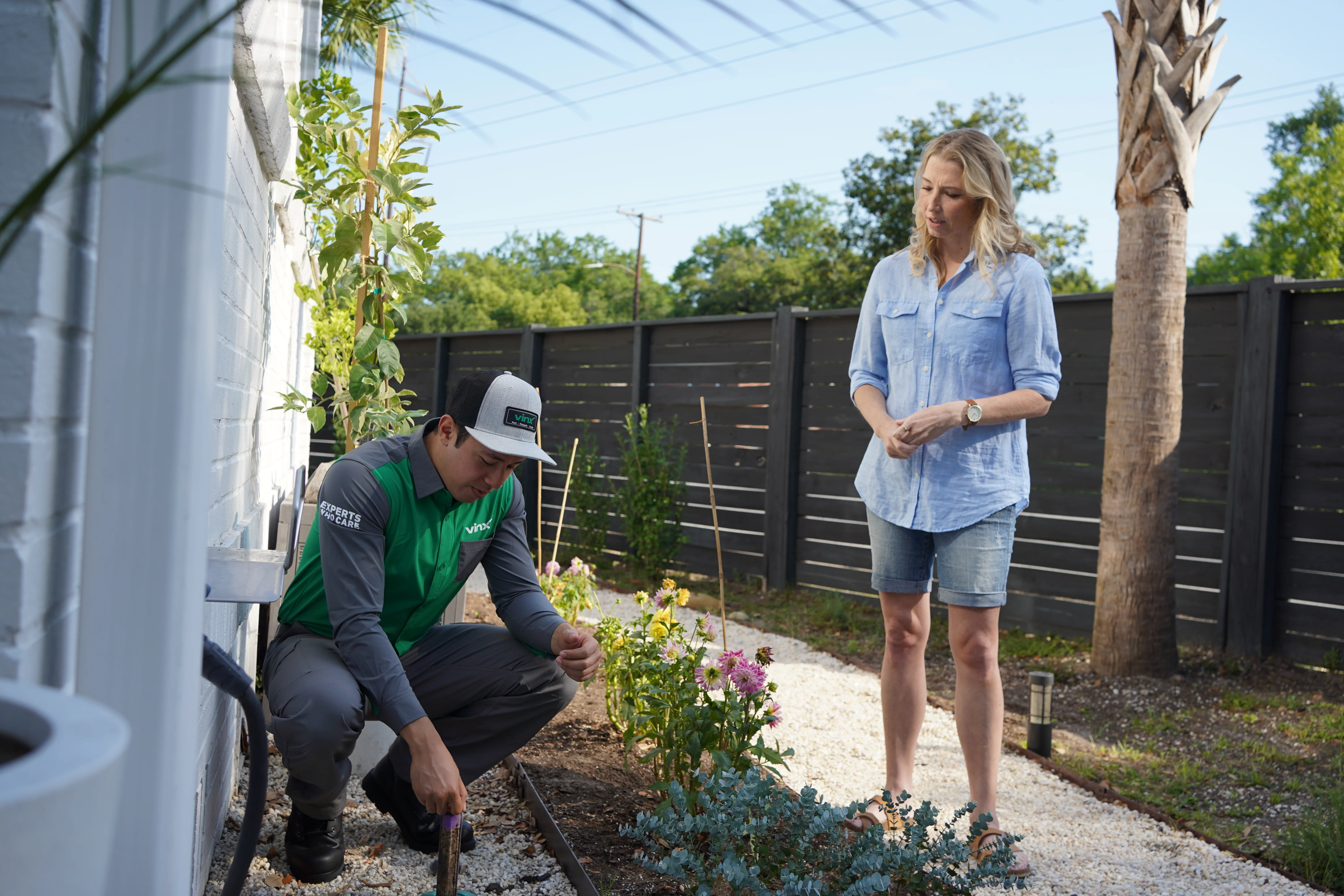
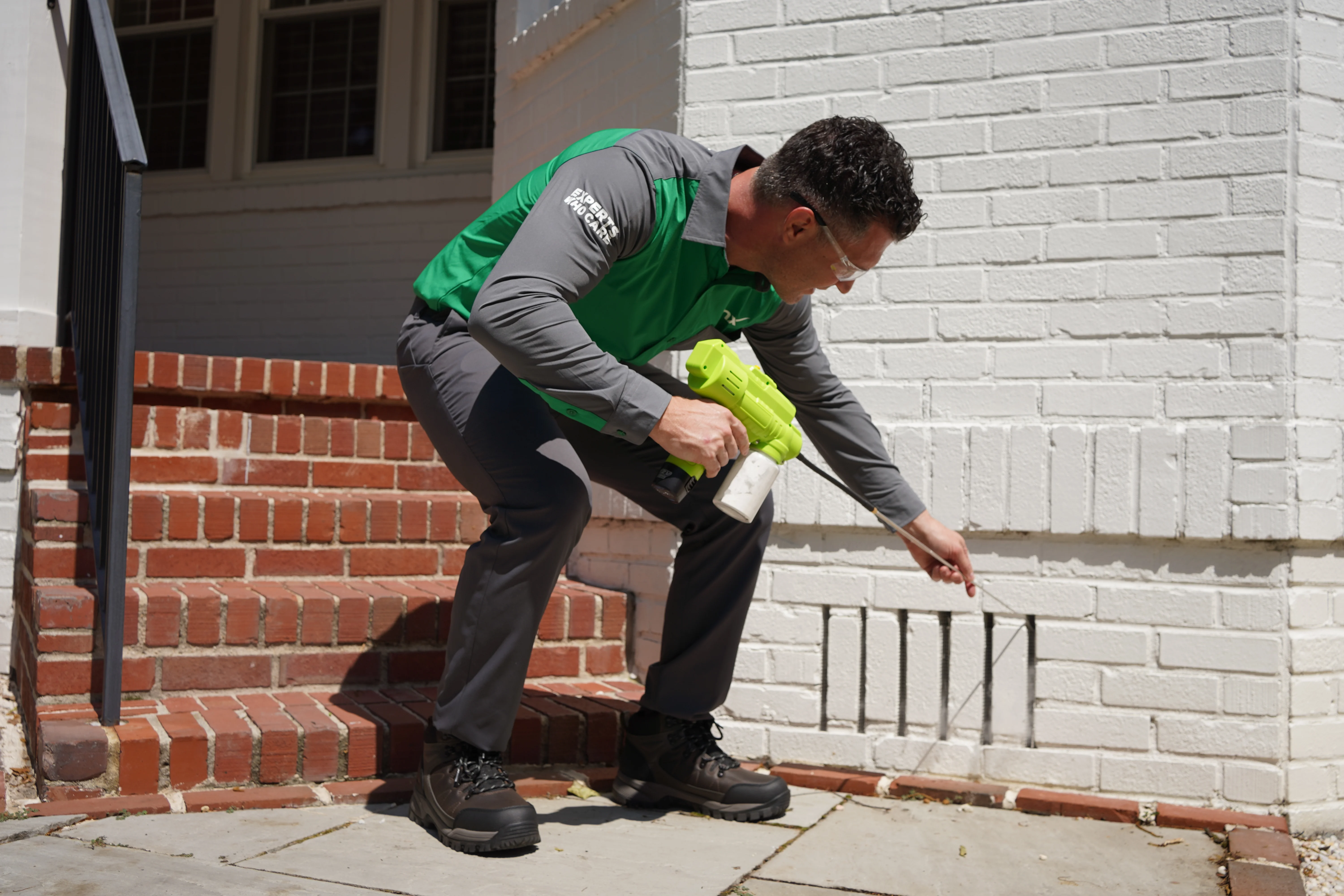
We apply a liquid termiticide barrier around the full foundation perimeter, including beneath slabs and around utility penetrations. This creates a continuous treated zone that eliminates termites on contact and prevents new colonies from entering. Treatment is applied to both interior and exterior foundation walls for complete protection.
Direct Colony Treatment
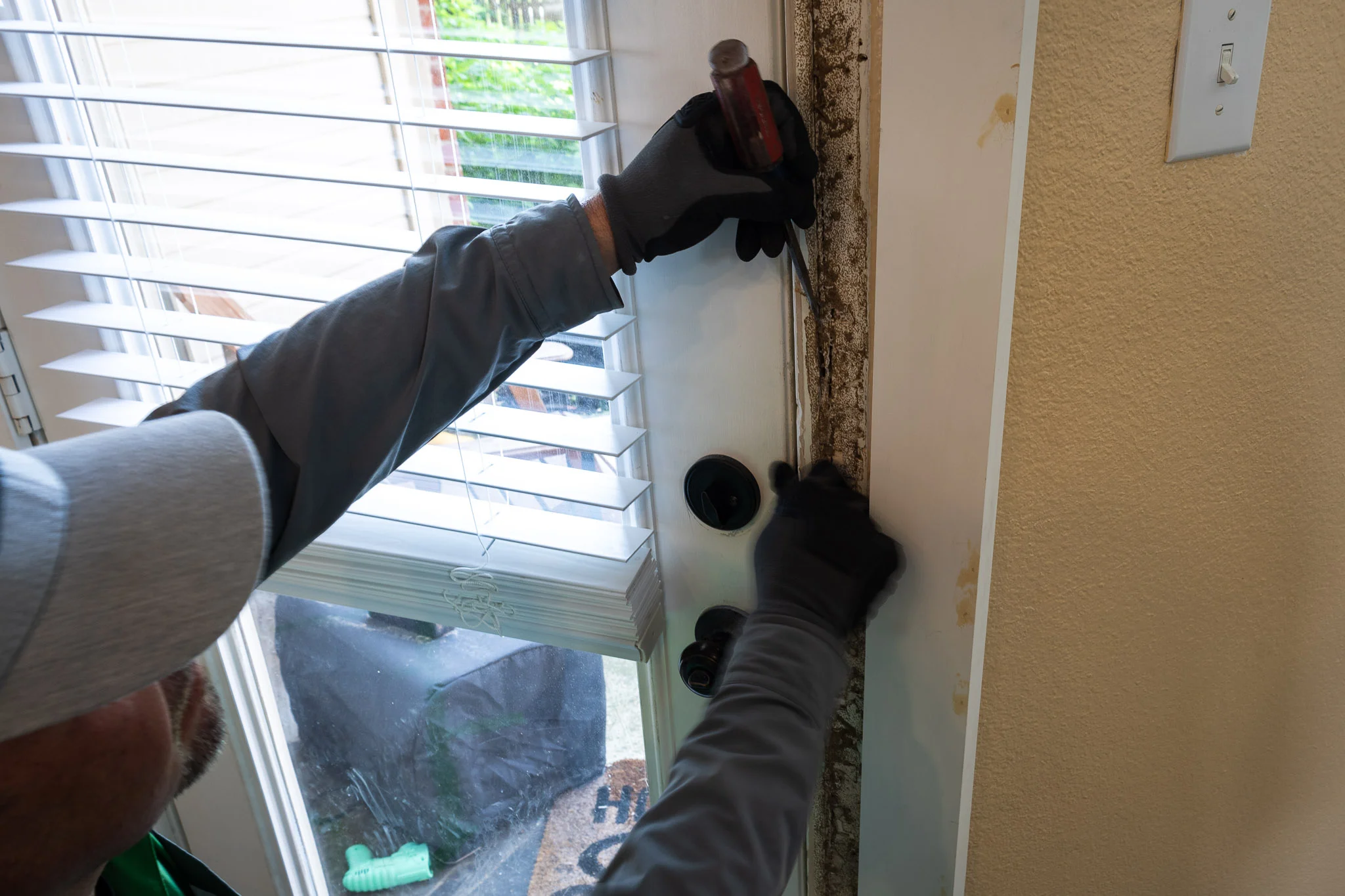
Active termite galleries and mud tubes are treated directly with termiticide foam or dust, reaching deep into the colony's tunneling network. This targeted approach eliminates the existing colony quickly while the perimeter barrier prevents re-infestation. Affected wood members are documented and repair recommendations are provided.
Annual Inspection & Re-Treatment Guarantee
Annual termite inspections keep your protection current and catch any new activity early. If termites return between scheduled visits, we re-treat at no additional charge — that's our guarantee. Your technician also advises on moisture control, wood contact elimination, and landscaping adjustments that reduce long-term termite pressure on your Greenville home.
What Our Customers Say
What Charleston Homeowners Say About Vinx Termite Control
“Found mud tubes in my crawlspace during a routine check. Called Vinx, Leon came out same day, confirmed active termites, and had stations installed within a week.”
“Our home was built in the 1960s and we were nervous about termites. Leon did a thorough inspection, found no active damage, installed Sentricon, and gave us a full written report.”
“We back onto a wooded creek lot and knew we needed serious termite protection. Vinx installed stations all the way around including along the treeline.”
“Switched from another company after years of no communication. Vinx sends a written report after every monitoring visit. Finally feel protected.”
Ready to Protect Your Charleston Home?
Schedule your free termite inspection today. Same-day availability in most of the Charleston area. No obligation, no pressure — just honest information about what we find and what it takes to fix it.
The Local Threat
Why Charleston Has One of the Worst Termite Problems in the Country
The Upstate's combination of humidity, mild winters, and sandy soil creates near-perfect conditions for termites year-round. While most of the country sees a 4-to-6-month termite season, Charleston-area colonies stay active for 11 to 12 months out of the year. According to Clemson University Cooperative Extension, South Carolina consistently ranks among the highest-risk states in the nation for structural termite damage.
Pier-and-beam and crawl space foundations — common throughout the peninsula and historic neighborhoods — give subterranean termites direct access to structural wood with minimal exposure to detection. Mature oak and palmetto root systems create soil channels that colonies travel through unseen, and river corridor moisture keeps wood permanently primed for infestation. The result: Charleston homeowners face an above-average risk of significant structural damage every single year they go unprotected.
Termite Species in Greenville
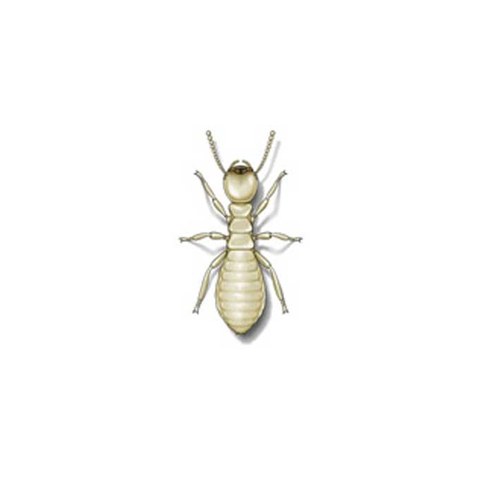
Eastern Subterranean Termite
The most common termite species in South Carolina, Eastern Subterranean termites live in colonies 20 to 30 feet underground. They travel upward through soil and mud tubes to reach the wood in your home's foundation, floor joists, and wall studs — all without breaking the surface of the paint or drywall above.
Colonies can contain hundreds of thousands of workers and cause thousands of dollars in structural damage before a single sign is visible from inside the home. Quarterly inspections and bait station monitoring are the most reliable way to detect activity before it becomes a major repair.
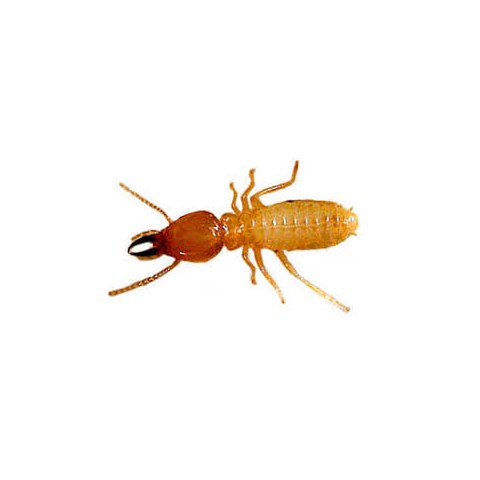
Formosan Subterranean Termite
Far more destructive than the Eastern species, Formosan termites form colonies of several million individuals and are uniquely capable of storing water within their carton nests — allowing them to infest wood above ground without a direct soil connection. They consume wood at a rate several times faster than Eastern Subterranean termites.
Charleston has one of the highest concentrations of Formosan termite populations of any city in South Carolina. The historic district and the peninsula are considered highest-risk zones due to the age of the structures, the density of wooden construction, and the presence of established Formosan super-colonies in the soil. If you live on or near the peninsula, Formosan termites are not a hypothetical risk — they are almost certainly in your neighborhood.
Know Your Risk
Termite Risk by Charleston Neighborhood
French Quarter, Harleston Village & South of Broad — Highest Risk
The historic peninsula is ground zero for termite activity in the Charleston area. These neighborhoods feature some of the oldest residential construction in the Southeast — much of it built before modern pest-proofing standards existed. Pier-and-beam and crawl space foundations are standard, giving subterranean termites unobstructed access to structural framing. Established Formosan super-colonies have been documented throughout the peninsula.
- Pier-and-beam & crawl space construction
- Pre-1970s structures without treated lumber
- Mature live oak root systems create soil channels
- High Formosan colony density documented by Clemson University
- French Quarter
- Harleston Village
- South of Broad
- Cannonborough-Elliotborough
Piedmont, Fountain Inn & Woodruff — High Risk
Low-lying terrain and clay-heavy soils in Woodruff and the Sea Islands create persistent moisture conditions that support large, active termite colonies. Many neighborhoods were developed in the 1960s–1980s on land that was previously tidal marsh or wetland — soil that retains water at depth year-round.
- Low-lying lots with elevated water tables
- Moisture-prone clay soils
- Mix of crawl space & slab construction
- Piedmont
- Fountain Inn
- Woodruff (including Avondale & Windermere)
- Folly Beach area
Mauldin, Taylors & Greer — Moderate–High Risk
Suburban communities north and west of Charleston are predominantly slab-on-grade construction — which reduces some entry points but doesn't eliminate the risk. New construction on previously wooded land introduces structures into soil that already contains established termite colonies. Plumbing penetrations and expansion joints are common termite entry points in slab foundations.
- Slab foundations with plumbing penetrations
- New construction on formerly wooded tracts
- Untreated soil beneath slabs in older developments
- Mauldin
- Taylors
- Greer
- Duncan
- Simpsonville
Warning Signs
Signs of Termites in Your Charleston Home
Mud Tubes on Foundation
Pencil-width tunnels of soil along foundation walls or piers — the primary travel route for subterranean termites from soil to wood.
Hollow-Sounding Wood
Tap structural wood with a screwdriver handle. A hollow or papery sound indicates termites have consumed the interior while leaving the surface intact.
Sticking Doors & Windows
Termite damage and the moisture they introduce can warp door and window frames, making them difficult to open or close properly.
Bubbling or Peeling Paint
Paint that bubbles, blisters, or peels in unusual patterns — especially near baseboards or window frames — can indicate moisture from termite activity below the surface.
Frass Near Baseboards
Drywood termites push fecal pellets (frass) out of small kick-out holes. These tiny, sand-like piles accumulate near baseboards and window sills.
Discarded Wings Near Windows
Termite swarmers shed their wings after finding a new nesting site. Piles of discarded wings on window sills or near light fixtures are a classic early warning sign.
Soft Spots in Floors
Floors that feel spongy, bouncy, or soft underfoot — particularly in crawl space homes — can indicate termites have damaged the subfloor or floor joists below.
Pinholes in Drywall
Small, round entry or exit holes in drywall — sometimes accompanied by faint clicking or rustling sounds inside walls — can signal an active termite infestation.
Your Local Team
The Technicians Behind Your Termite Protection
Jonathan
Charleston Peninsula, South of Broad & Simpsonville
Jonathan has been treating Charleston homes for termites since 2021. In that time he has inspected and protected properties from the historic streets of South of Broad to the newer communities along Long Point Road in Simpsonville. He takes the time to show every customer exactly what he is looking for at each Sentricon station — and why the station placement matters more than most people realise. Customers consistently praise his clear explanations and no-pressure approach.
Jack
Mauldin, Taylors & Greer
Jack has been with Vinx since 2022 and brings the same thorough approach to every job across Mauldin, Taylors, and Greer. He identifies the single most common problem he sees on first inspections — mulch piled directly against the foundation — and explains exactly what it means for termite risk. His customers note that monitoring visits are well-documented and that he always explains findings in plain language.
Homeowner Tips
6 Ways to Reduce Termite Risk Right Now
Explore More
More Pest Control Services in Charleston






Frequently Asked Questions
Termite Control FAQ for Charleston Homeowners
Vinx termite protection starts at $75/month as part of the Protection Plus plan, which includes Sentricon bait station installation, ongoing monitoring, and the free re-treatment guarantee. Initial installation pricing varies based on linear footage of your foundation. Call 864-670-8469 for an exact quote specific to your property.
Yes. Sentricon bait stations are enclosed underground units — the active ingredient is not accessible to children or pets above ground. Unlike liquid soil treatments, there is no chemical injection into your soil or foundation. All products used by Vinx are EPA-registered. Your family and pets can remain in the home during and after installation.
Initial Sentricon installation typically takes 2 to 4 hours depending on property size and the number of stations required. There is no tenting, no fumigation, and no need to leave your home. Subsequent monitoring visits take 30 to 60 minutes.
Sentricon is a continuous protection system — not a one-time treatment. After initial installation, stations are checked on a regular schedule throughout the year. As long as your monitoring plan is active, your home is continuously protected. If activity is detected, we treat immediately at no additional charge.
Yes. If live termites are found in a structure we have treated, Vinx will re-treat at no additional charge — no deductible, no argument, no fine print. This guarantee is included with your Protection Plus and Premium plans and remains active as long as you maintain annual monitoring service.
Most Charleston appointments are available same-day or next-day. Call 864-670-8469 to book. If we cannot service your home the next business day, your initial service is free. We serve the entire Upstate from the peninsula to Mauldin, Taylors, and Simpsonville.
Yes. Charleston has one of the highest concentrations of Formosan subterranean termites in South Carolina. The species is well-established throughout the peninsula, historic district, and surrounding neighborhoods. Formosan colonies are significantly more destructive than Eastern Subterranean colonies — capable of causing major structural damage within 2 to 3 years of infestation.
Eastern Subterranean termites typically swarm in Greenville between February and April, often triggered by warm days following rainfall. Formosan termites swarm later — usually between April and June — typically in the evening near outdoor lighting. Seeing swarmers or discarded wings near your windows or doors is one of the clearest signs of an active colony nearby. If you are seeing swarmers right now, call 864-670-8469 today — swarm season is when colonies are most actively expanding.
No. Standard homeowners insurance policies in South Carolina explicitly exclude termite damage, classifying it as a preventable maintenance issue rather than a sudden loss. This means repair costs — which can run from a few thousand dollars to tens of thousands for significant structural damage — come entirely out of pocket. A termite monitoring plan is your only financial protection against this risk.
A CL-100 (also called a Wood Infestation Report) is a state-required inspection report for real estate transactions in South Carolina. It documents visible evidence of wood-destroying insects and organisms, including termites, wood-boring beetles, and wood-decaying fungi. Most mortgage lenders in SC require a clear CL-100 before closing. Vinx can perform CL-100 inspections — call us for scheduling and pricing.
A termite bond is a service agreement between a homeowner and a licensed pest control company that provides ongoing termite protection. In Charleston, where both Formosan and Eastern Subterranean termites are active year-round, a termite bond is standard practice — not a luxury. Many lenders require one, and most experienced Charleston homeowners maintain one. The Vinx Vinx Plus plan functions as your termite protection agreement with transparent monthly pricing and a zero-deductible re-treatment guarantee. Contact us if you need bond documentation for a real estate closing.
A CL-100 is the official South Carolina Wood Infestation Report required by most mortgage lenders before a real estate transaction closes. It is a thorough inspection of your entire property for termites, wood-boring beetles, and other wood-destroying organisms. The report is valid for 30 days. If you are buying, selling, or refinancing a home anywhere in the Charleston Upstate, call us at 864-670-8469 to schedule your CL-100 inspection.
Service Coverage
Termite Control Across Charleston & the Upstate
Serving every neighbourhood in the Charleston metro area
Serving the Greater Greenville Area