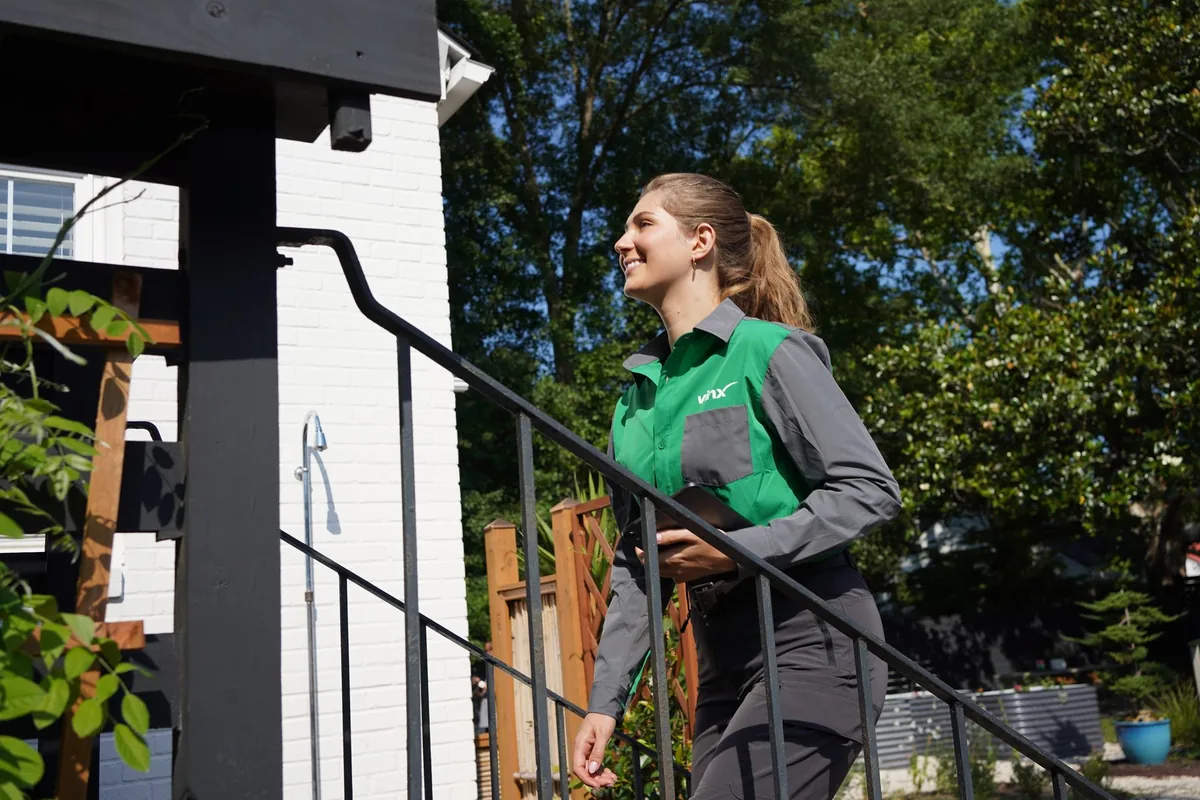
Termite Control in Mauldin, SC
Eastern Subterranean Termite Experts
Termite risk in Mauldin follows soil moisture and the age of the soil treatment more than it follows the age of the house. Mauldin is the largest municipality in Greenville County with no National Register listings at all, so there is almost no genuinely historic timber here — the native Eastern subterranean termite is the dominant local threat, and the conditions that draw it vary from the settled construction along Main Street to the naturally damp ground of the Conestee Nature Preserve and Reedy River corridor, the commercial slabs along I-385 and I-185, the fresh sod and irrigation of the new BridgeWay Station development, and the long-settled Golden Strip subdivisions whose original soil treatment is decades past its service life. We treat on the documented record for this area, not on assumption.
Get Started in 60 Seconds
Choose what’s easiest for you
Request a Quote
We usually respond in 2 minutes
Call 855-800-8469
Get a Live Person (no AI agents here!)
Sign Up Online
Get pricing and schedule now





Welcome to Vinx Pest Control
A Company That Actually Backs What It Says
At Vinx, we pair professional-grade treatment with a level of follow-through most pest control companies skip. Local technicians, fast response, and a guarantee that holds up after the invoice is paid.
Get a Free Quote"I'm not passionate about killing bugs. I'm passionate about customer service. At Vinx, you get experts who show up, do the job right, and stand behind every visit. No runaround, no fine print."
WELCOME TO VINX PEST CONTROL
Termite Control Plans for Mauldin Homeowners

Standard Residential Protection
- 4 Seasonal Treatments Per Year
- 50+ Covered Pests
- Interior, Exterior & Yard Treatment
- Unlimited Free Re-Services
- 100% Money-Back Guarantee

Upgraded Yard Protection
- 6 Home & Yard Treatments Per Year
- 50+ Covered Pests
- Yard Ant Elimination Guarantee
- Flea & Tick Elimination Guarantee
- 100% Money-Back Guarantee

Most Comprehensive Protection
- 9 Treatments Per Year
- 50+ Covered Pests
- 8 Mosquito Treatments (Mar–Nov)
- Flea, Tick & Ant Coverage
- Free Bed Bug Treatments if Needed*
Termite protection is priced separately from general pest plans and varies based on home size, foundation type, and existing conducive conditions. Termite TotalDefense standalone protection starts at $35/mo — in-ground bait stations around the full perimeter, quarterly monitoring visits, a free termite inspection, and a renewable annual warranty. Termite protection can also be added to any Vinx HomeGuard, Plus, or Platinum general pest plan. General pest plans start at $49/mo and include a $329 initial treatment and 12-month agreement; termite protection is quoted separately after a free inspection since pricing depends on foundation type, square footage, and any existing conducive conditions found on-site.
Get Your Free Mauldin Termite Inspection
Fill out the form below and a Vinx team member will reach out within 2 minutes during business hours.
Prefer to talk? Call 855-800-8469 for a live person, no AI agents.
Our Approach
How Vinx Controls Termites in Mauldin

Full Inspection & Risk Assessment
Your technician inspects the foundation, crawlspace, wood-to-soil contact points, and any wood structures like outbuildings, fencing, or barns, looking for mud tubes, damaged wood, and conducive conditions.
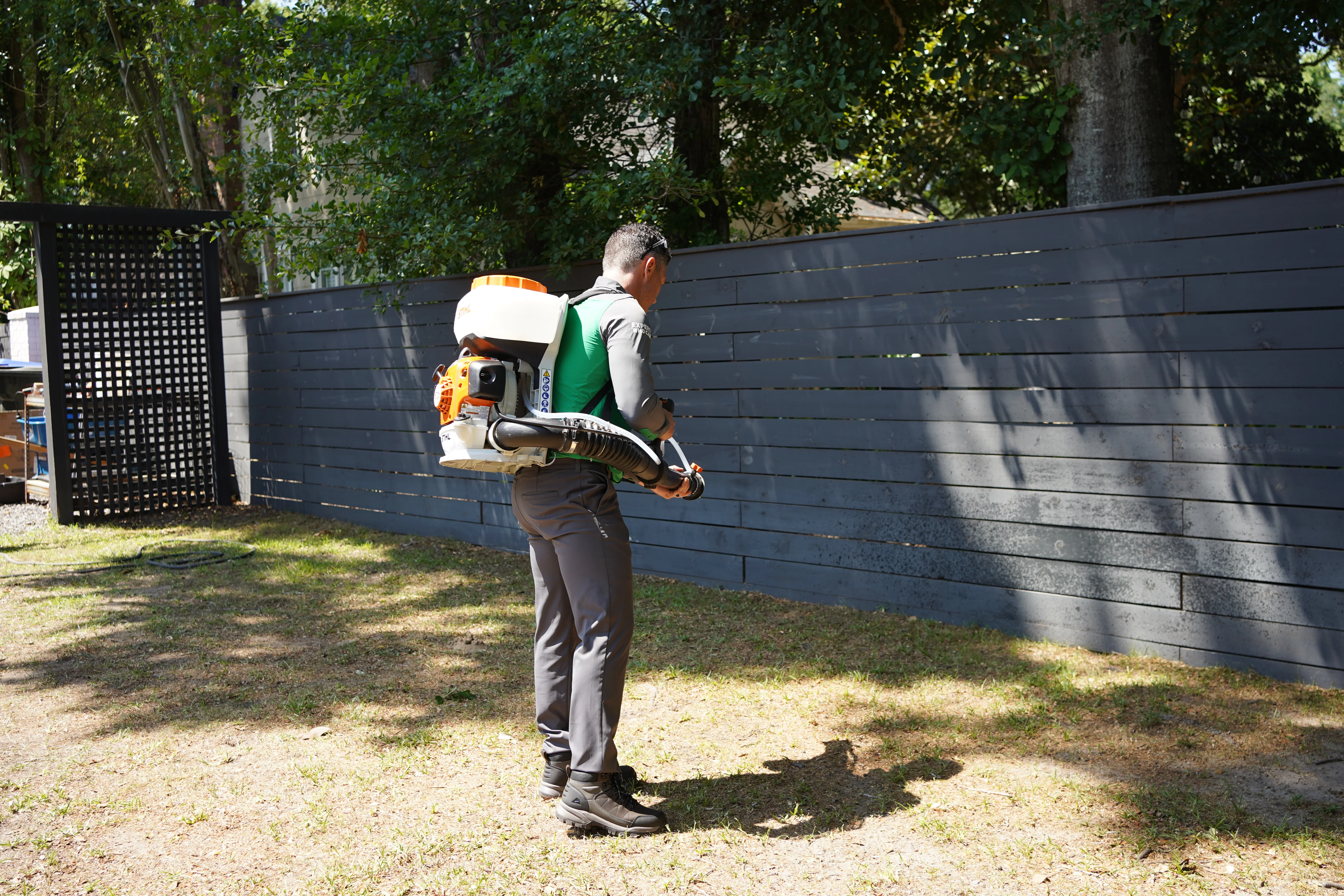
Liquid Barrier or Bait System Treatment
Depending on the property and level of activity, we apply a liquid termiticide barrier around the foundation or install a bait station system to intercept foraging colonies before they reach the structure.
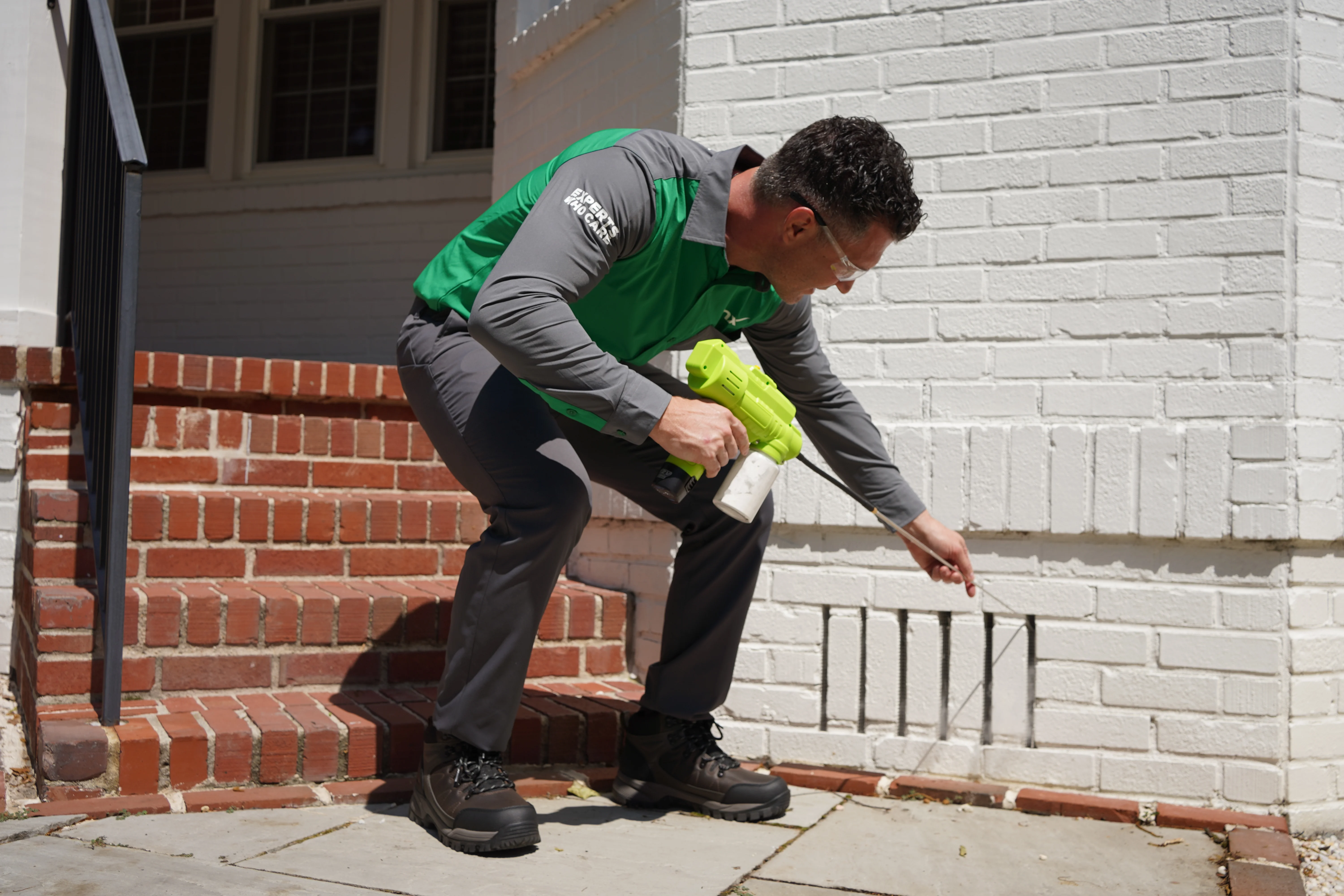
Wood Structure & Outbuilding Treatment
Sheds, fencing, decks, and outbuildings with direct wood-to-soil contact receive targeted treatment, particularly important where later work has bridged an aging pre-construction soil treatment — a new deck footing, a trenched utility line or a raised bed.
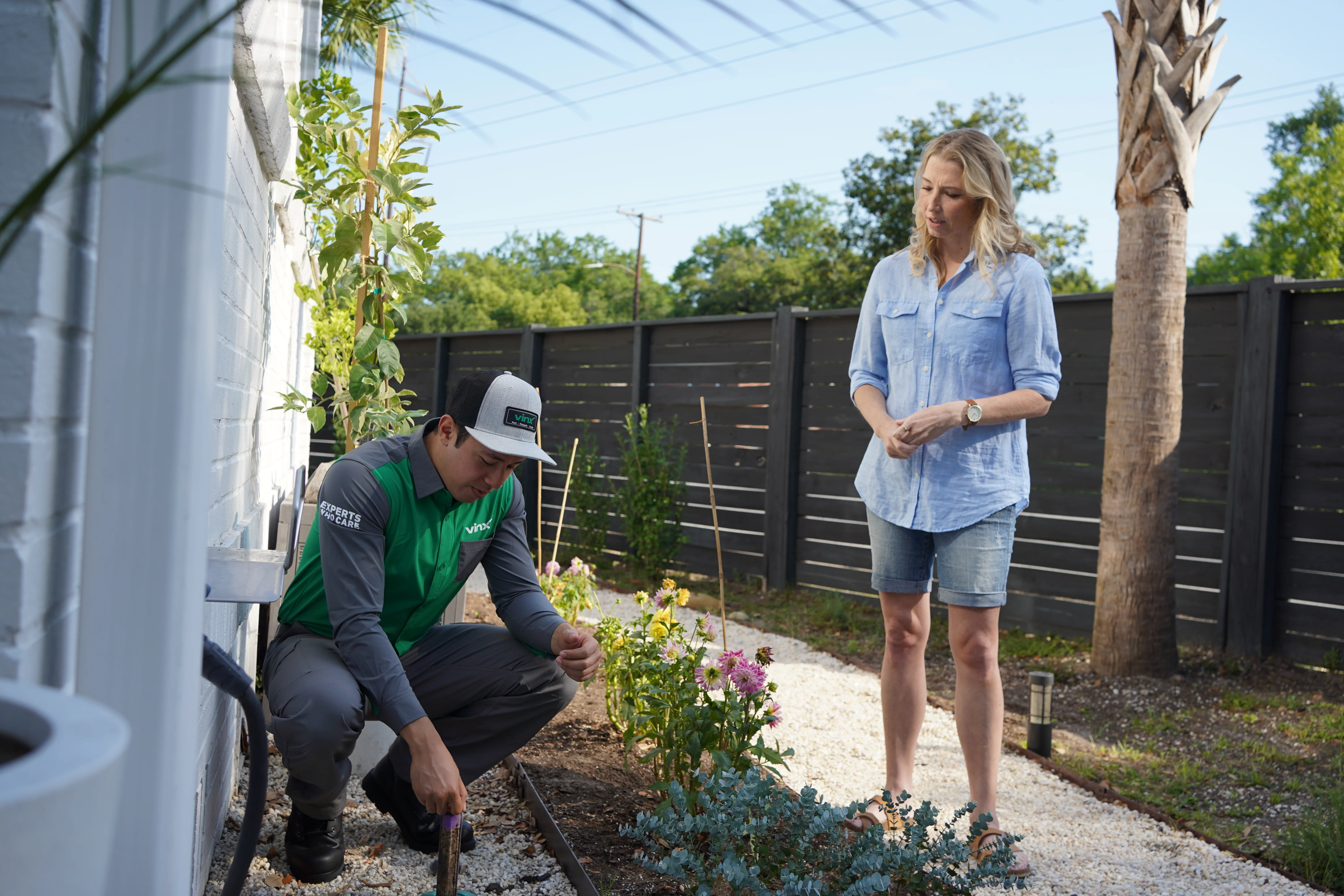
Ongoing Monitoring & Re-Inspection
Regular monitoring visits catch new activity early, with free re-service between visits if termite activity returns under an active plan.
What Our Customers Say
Real Reviews from Mauldin Customers
Jonathan is very thourh, friendly and professional. He kept me informed about finding the termites, showing pictures and video. I would like for him to always be the one that performs my service.
Tony was great. He came and inspected our house, took his time and told us what our next steps were. Very thorough.
Such a wonderful experience with Mike today. So friendly, knowledgeable, helpful and thoughtful about our needs.
Great customer service our tech Shavon was very through and did great job we going to be rid of fire ants yeah and we have a pit bull he was very good with her.. Mike came today our second visit very through love this company im allergic to wasps he got them all gone great.
Reese, my technician, Mike, showed up right on time and completed the treatment within 30 minutes. He was also very polite.
Michael was a very courteous knowledgeable technician. Michael called prior to coming over for the service and informed us of his arrival time! We didn’t have to sit around waiting and not knowing when he would arrive. Michael answered all my questions concerning termites and took the time to schedule a termite inspection at no charge.
The Local Threat
Why Termite Control in Mauldin Isn’t One-Size-Fits-All
A lot of pest control companies sell every homeowner in the Upstate on Formosan termite protection, regardless of whether that species has actually been documented in the area. Clemson University’s Home & Garden Information Center, which tracks Formosan termite distribution based on direct research, documents established colonies in sixteen counties — Aiken, Bamberg, Beaufort, Berkeley, Charleston, Colleton, Dorchester, Georgetown, Horry, Jasper, Lexington, Orangeburg, Pickens, Richland, Sumter and York — concentrated in the coastal counties from Charleston south to Beaufort. Greenville County, which contains all of Mauldin, does not appear on that list. In the same way, Clemson's statewide research places drywood termite species almost exclusively in the humid coastal counties, not the Upstate. Clemson also notes that a county on the list does not mean the species is spread evenly through it, and that Formosan could expand into counties adjacent to those already named. The two inland finds it has documented, in York and Pickens counties, both appeared to be isolated infestations carried in on old railroad ties reused as retaining walls; both were treated, and follow-up surveys have not found Formosans in either county since. Reclaimed crossties set against a foundation are worth pointing out to your technician.
What is genuinely well-documented across Mauldin is the native Eastern subterranean termite, present throughout South Carolina and the primary source of termite damage in the region. What draws it varies a good deal by zone. Mauldin’s building stock is overwhelmingly post-war, much of it built in the last four decades under codes requiring a pre-construction soil treatment before the slab was poured — real protection with a finite service life, which is why the first question here is when the soil was last treated rather than how old the house is. Along the Conestee Nature Preserve and Reedy River corridor, naturally damp, water-adjacent ground retains moisture close to foundations. Along the I-385 and I-185 commercial corridor, irrigated commercial landscaping around businesses retains moisture close to foundations as well. In the newer construction around BridgeWay Station, fresh sod and irrigation systems installed with recent construction can retain moisture against foundations before landscaping matures. And across the Golden Strip’s established subdivisions, decks, patios and additions built over the original treated soil bridge it invisibly, with wood-to-soil contact carry comparable moisture-driven risk.
Termite Species Relevant to Mauldin
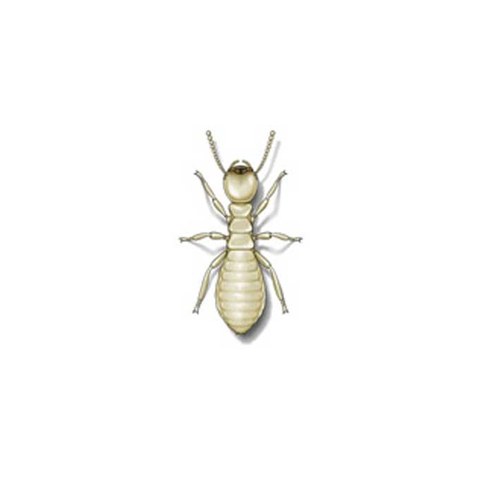
Eastern Subterranean Termite (Reticulitermes flavipes)
The native termite species responsible for the vast majority of termite damage in South Carolina, Greenville County included. Colonies live in the soil and travel through mud tubes to reach wood, making any wood-to-soil contact point — foundations, fence posts, deck footings — a potential entry point across every zone of Mauldin.
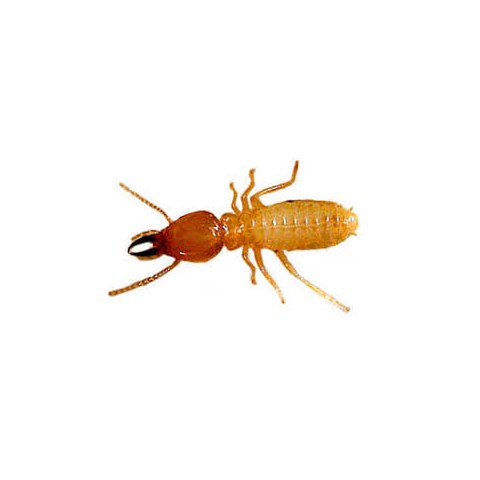
Formosan Subterranean Termite (Coptotermes formosanus)
Formosan subterranean termites, sometimes marketed as “super termites,” have documented established colonies in sixteen South Carolina counties on Clemson HGIC’s current tracking, concentrated in the coastal counties running from Horry south through Charleston to Beaufort and Jasper. Greenville County, which contains all of Mauldin, is not on that list. This species is not currently a documented concern anywhere in Mauldin, though your technician can confirm what’s actually present during a free inspection.
Drywood Termite (Incisitermes snyderi)
Drywood termites are documented almost exclusively in the state’s humid coastal counties. This species is not currently a documented concern anywhere in Mauldin, though your technician can confirm what’s actually present during a free inspection.
Termite Risk by Neighborhood
Termite Risk Across Mauldin Neighborhoods
Downtown Mauldin & Main Street: EASTERN SUBTERRANEAN TERMITE RISK
Decades of established residential and small commercial construction along Main Street (US-276), carrying the aging entry points that kind of building stock tends to create. Most of these properties are past the service life of their original pre-construction soil treatment, so the inspection starts at the soil line: slab edge, penetrations, foundation vents and the full perimeter.
BridgeWay Station: EASTERN SUBTERRANEAN TERMITE RISK
The 400,000-square-foot mixed-use development that opened in 2024 brings a different mix of conducive conditions tied to fresh construction, backfill and new landscaping. New-construction soil pre-treatment before the slab pour is required statewide, so the risk here is not an untreated slab but disturbed soil and irrigation against new foundations.
I-385 & I-185 Interstate Corridor: EASTERN SUBTERRANEAN TERMITE RISK
The interchange area on Mauldin’s eastern side carries an industrial and commercial mix tied to warehouse and retail construction along the interstate. Large slabs mean more penetrations, and loading structures and fencing put wood in contact with soil, which is how subterranean termites arrive.
Conestee Nature Preserve & the Reedy River Corridor: HIGHEST MOISTURE PRESSURE
The 400-acre hardwood and wetland preserve along three miles of the Reedy River bordering Mauldin brings genuine, water-driven moisture pressure to nearby homes. Subterranean termites need contact with moisture, and consistently damp soil against a foundation is exactly the condition they exploit. Mauldin also drains largely to Gilder Creek, a tributary of the Enoree, and the low ground along those tributaries stays wet longest.
Golden Strip Residential Neighborhoods: EASTERN SUBTERRANEAN TERMITE RISK
Mauldin’s established subdivisions throughout the Golden Strip carry steady pressure tied to mature landscaping and long-settled construction. The moisture problems are the ordinary ones: a downspout discharging at the foundation, an irrigation head throwing water at the slab, a bed built up above the slab line, mulch piled against siding, or a condensate line dripping in the same spot for fifteen years.
Warning Signs
Signs of Termite Activity in Your Mauldin Home or Business
Mud Tubes on Foundation Walls or Piers
Subterranean termites build these pencil-width tubes to travel between soil and wood.
Discarded Wings Near Windows or Doors
Left behind after a spring termite swarm.
Hollow-Sounding or Damaged Wood
Tap suspect wood; termite-damaged wood often sounds papery or hollow.
Buckling Paint or Small Holes in Drywall
Can indicate termite activity or moisture damage behind the wall.
Wood Damage on Sheds, Fencing, Barns, or Outbuildings
Especially where wood contacts soil directly — deck footings, fence posts, and beds built up above the slab line.
Homeowner Tips
6 Ways to Reduce Termite Risk Around Your Mauldin Home or Business
Kid & Pet Safe
Our Treatments Are Safe for Your Whole Family: Including the Furry Members
Every product we use is EPA-registered and applied strictly at labeled rates by licensed technicians. We take the guesswork out of safety so you can feel confident letting kids and pets back into treated areas quickly.

EPA-Registered Products Only
Applied strictly at labeled rates by licensed South Carolina technicians trained to use the right product in the right place, every time.
In-Ground Bait Stations
TotalDefense stations are installed below ground and locked, with no chemical exposure risk to kids or pets playing in the yard.
No Widespread Interior Spraying
Bait-based treatment eliminates the need for extensive interior chemical application in most cases.
Licensed SC Technicians
Every treatment is performed by a licensed technician trained on termite biology and safe application practices.
Have a concern about products used near your pets or children? Call 855-800-8469 and we’ll walk you through exactly what we use and why it’s safe.
Explore More
More Pest Control Services in Mauldin

Pest Control Mauldin
Year-round protection plan

Ant Control Mauldin
Fire ants & all ant species

Mosquito Control Mauldin
Monthly barrier treatments
Tick & Flea Control Mauldin
Yard & interior treatments

Rodent Control Mauldin
All rodents covered

Cockroach Control Mauldin
American & German roaches

Bed Bug Control Mauldin
Heat & liquid treatments

Spider Control Mauldin
All spider species covered
Exterminator Mauldin
Same-day local exterminators
Frequently Asked Questions
Termite Control FAQ for Mauldin Homeowners & Businesses
Termite TotalDefense, taken on its own, starts at $35+/mo. Our general pest plans include termite coverage too. Call 855-800-8469 for a free inspection and a firm price before any work starts.
It had it. Most Mauldin houses were built under codes requiring a pre-construction soil treatment applied before the slab or foundation went down, and that treatment is real protection — a large part of why termite damage here is less common than in the older mill towns nearby. But it was applied once and it has a service life, and on a house built in the 1990s that service life is long past. The useful question is when the soil was last treated and whether anything since has bridged it.
The current documented research says otherwise. Clemson HGIC’s own tracking lists established Formosan subterranean termite colonies in sixteen South Carolina counties, and Greenville County, which contains all of Mauldin, is not among them. Locally, the native Eastern subterranean termite is far and away the commoner threat. Clemson’s statewide survey also found the eastern drywood termite in only a handful of coastal counties, so that is not a Mauldin concern either.
The 400-acre hardwood and wetland preserve runs along three miles of the Reedy River bordering Mauldin, and subterranean termites need contact with moisture. Consistently damp, water-adjacent soil against a foundation is exactly the condition they exploit. Mauldin also drains largely to Gilder Creek, a tributary of the Enoree, and the low ground along those tributaries stays wet longest.
Both are legitimate and they suit different situations. A liquid soil treatment re-establishes a treated zone around and beneath the foundation; it acts immediately and is the stronger option where there is active damage to stop, but it is a barrier — if later work breaches it, the breach is invisible until something finds it. A monitored bait system is slower and depends on somebody actually returning to inspect the stations, but an inspected station is evidence where a barrier is an assumption. We will tell you which we would choose on your property and why.
On a typical Mauldin lot it is the ordinary things rather than the creek: a downspout discharging at the foundation, an irrigation head throwing water at the slab, a flower bed built up above the slab line, mulch piled against siding, or an air-conditioning condensate line dripping in the same spot for fifteen years. Each creates a permanently damp patch beside treated soil, and fixing them is cheaper than treating around them.
Yes, we handle all of them. Liquid barrier and bait treatments can be applied around sheds, fencing, decks and outbuildings as well as residential foundations, which matters most where later construction has bridged the original pre-construction soil treatment.
Mud tubes on foundation walls or piers, discarded wings near windows and doors after a spring swarm, wood that sounds hollow when tapped, and paint that looks blistered or rippled over a stud line. Any wood-to-soil contact point is worth checking directly — deck footings, fence posts, and beds built up above the slab line.
Yes. Vinx Pest Control is licensed and insured to operate in South Carolina under SC Lic #B3623, with technicians trained on the termite species actually documented throughout Mauldin and the greater Greenville County area.
Most Mauldin calls get a next-day inspection, and an active infestation is moved up the queue. The inspection is free and the price is firm before work starts. Call 855-800-8469.
Service Coverage
Termite Control Across Mauldin & Greenville County
Serving every neighborhood in and around Mauldin
Serving the Greater Upstate Area