Termite Control in Piedmont, SC
Eastern Subterranean Termite Experts
Termite risk in Piedmont follows soil moisture and wood contact more than it follows any single part of town. The native Eastern subterranean termite is by far the dominant local threat, drawn to the century-old construction of the historic mill village, the naturally damp ground along the Saluda River, and the fresh sod and irrigation of newer homes near I-85’s Exit 35. Piedmont clay subsoil is roughly half as porous as coastal sand, so soil here stays damp between storms rather than draining, and about one home in nine predates 1940, the oldest housing stock in the Greenville metro. Vinx works from what the documentation shows, not guesswork.
Get Started in 60 Seconds
Choose what’s easiest for you
Request a Quote
We usually respond in 2 minutes
Call 855-800-8469
Get a Live Person (no AI agents here!)
Sign Up Online
Get pricing and schedule now





Welcome to Vinx Pest Control
A Company That Actually Backs What It Says
At Vinx, we pair professional-grade treatment with a level of follow-through most pest control companies skip. Local technicians, fast response, and a guarantee that holds up after the invoice is paid.
Get a Free Quote"I'm not passionate about killing bugs. I'm passionate about customer service. At Vinx, you get experts who show up, do the job right, and stand behind every visit. No runaround, no fine print."
WELCOME TO VINX PEST CONTROL
Termite Control Plans for Piedmont Homeowners

Standard Residential Protection
- 4 Seasonal Treatments Per Year
- 50+ Covered Pests
- Interior, Exterior & Yard Treatment
- Unlimited Free Re-Services
- 100% Money-Back Guarantee

Upgraded Yard Protection
- 6 Home & Yard Treatments Per Year
- 50+ Covered Pests
- Yard Ant Elimination Guarantee
- Flea & Tick Elimination Guarantee
- 100% Money-Back Guarantee

Most Comprehensive Protection
- 9 Treatments Per Year
- 50+ Covered Pests
- 8 Mosquito Treatments (Mar–Nov)
- Flea, Tick & Ant Coverage
- Free Bed Bug Treatments if Needed*
Termite protection is priced separately from general pest plans and varies based on home size, foundation type, and existing conducive conditions. Termite TotalDefense standalone protection starts at $35/mo — in-ground bait stations around the full perimeter, quarterly monitoring visits, a free termite inspection, and a renewable annual warranty. Termite protection can also be added to any Vinx HomeGuard, Plus, or Platinum general pest plan. General pest plans start at $49/mo and include a $329 initial treatment and 12-month agreement; termite protection is quoted separately after a free inspection since pricing depends on foundation type, square footage, and any existing conducive conditions found on-site.
Get Your Free Piedmont Termite Inspection
Fill out the form below and a Vinx team member will reach out within 2 minutes during business hours.
Prefer to talk? Call 855-800-8469 for a live person, no AI agents.
Our Approach
How Vinx Controls Termites in Piedmont

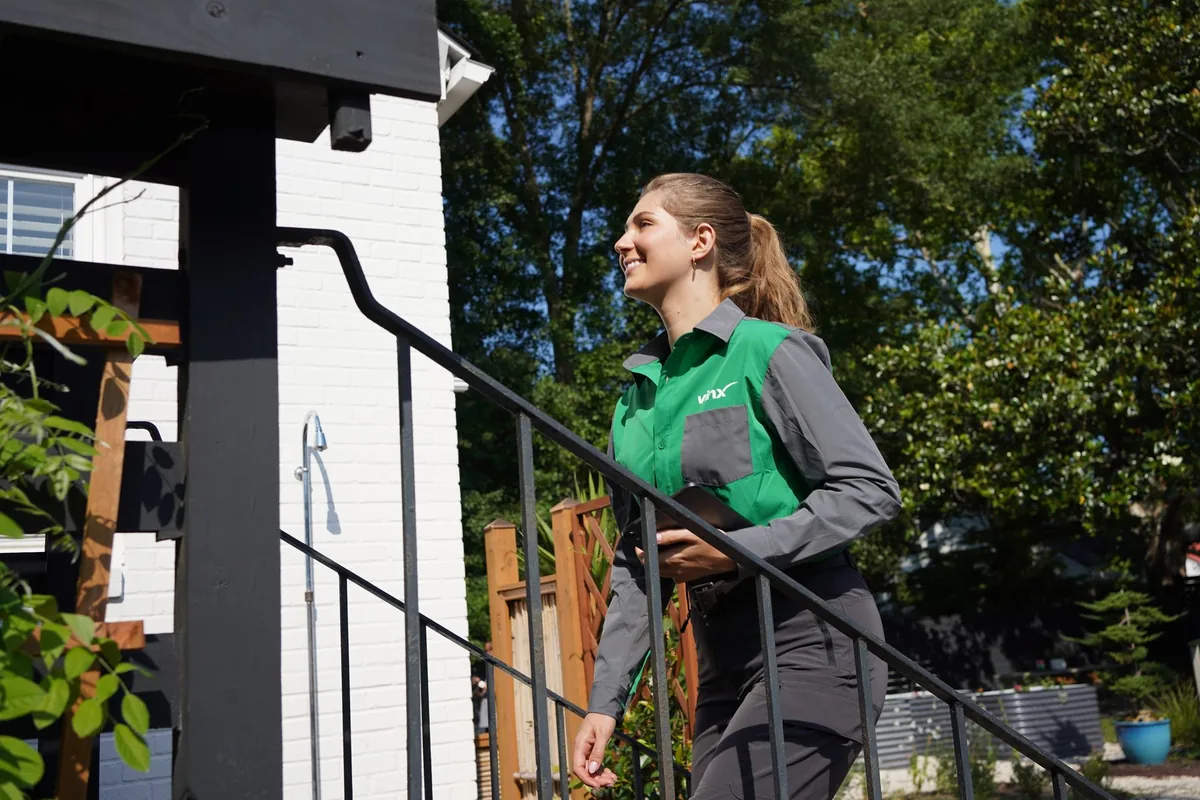
Full Inspection & Risk Assessment
Your technician inspects the foundation, crawlspace, wood-to-soil contact points, and any wood structures like outbuildings, fencing, or barns, looking for mud tubes, damaged wood, and conducive conditions. Moisture gets measured, not guessed: South Carolina’s own wood-infestation regulation treats wood at or above 20% moisture, or standing water in the crawlspace or against the foundation, as excessive, and Upstate clay makes both easier to find than on the coast.
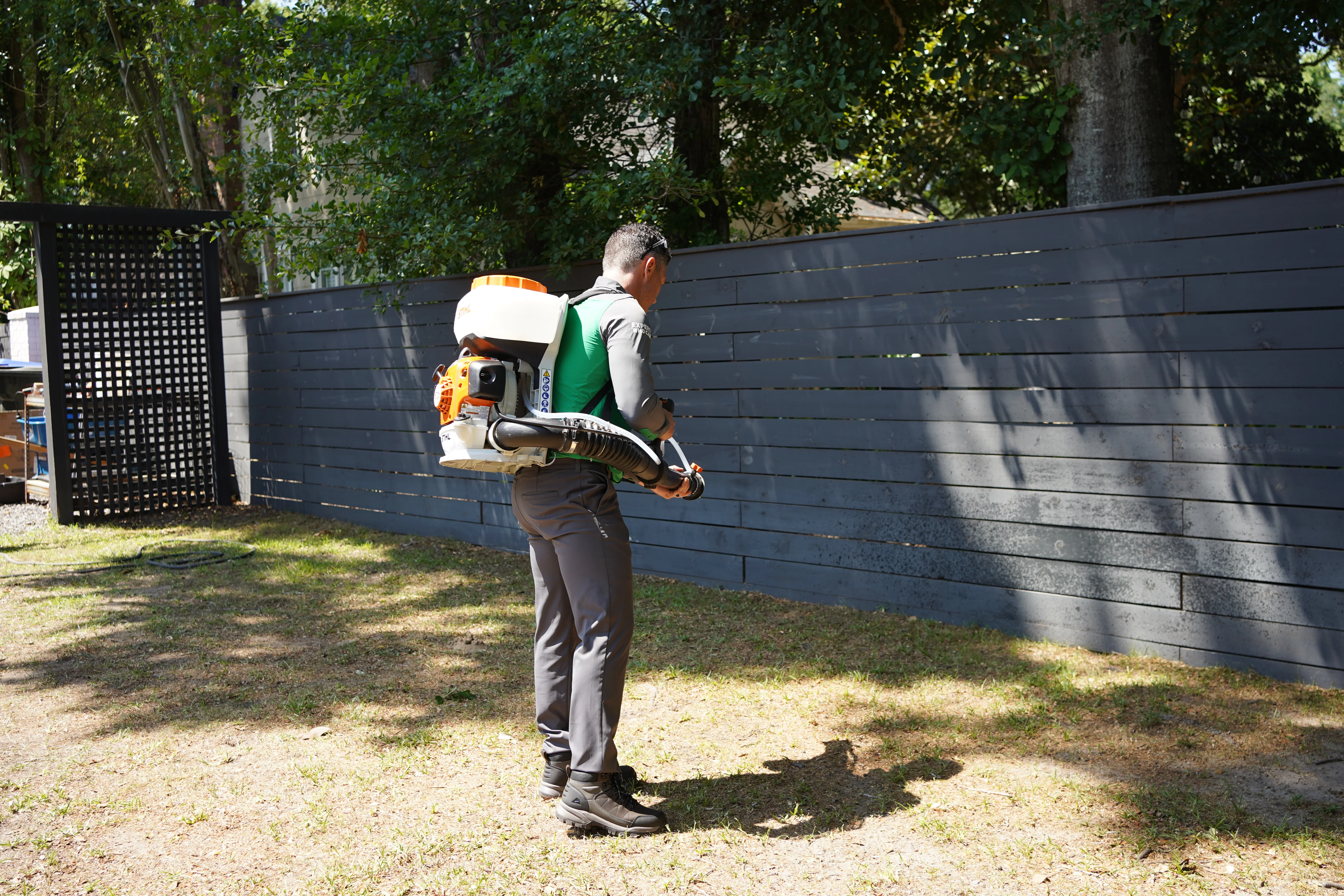
Liquid Barrier or Bait System Treatment
Depending on the property and level of activity, we apply a liquid termiticide barrier around the foundation or install a bait station system to intercept foraging colonies before they reach the structure. Stations go in every 10 to 20 feet around the structure, the spacing Clemson recommends, and a mature native colony can hold several hundred thousand workers, so intercepting the foraging tubes matters more than treating where the damage shows.
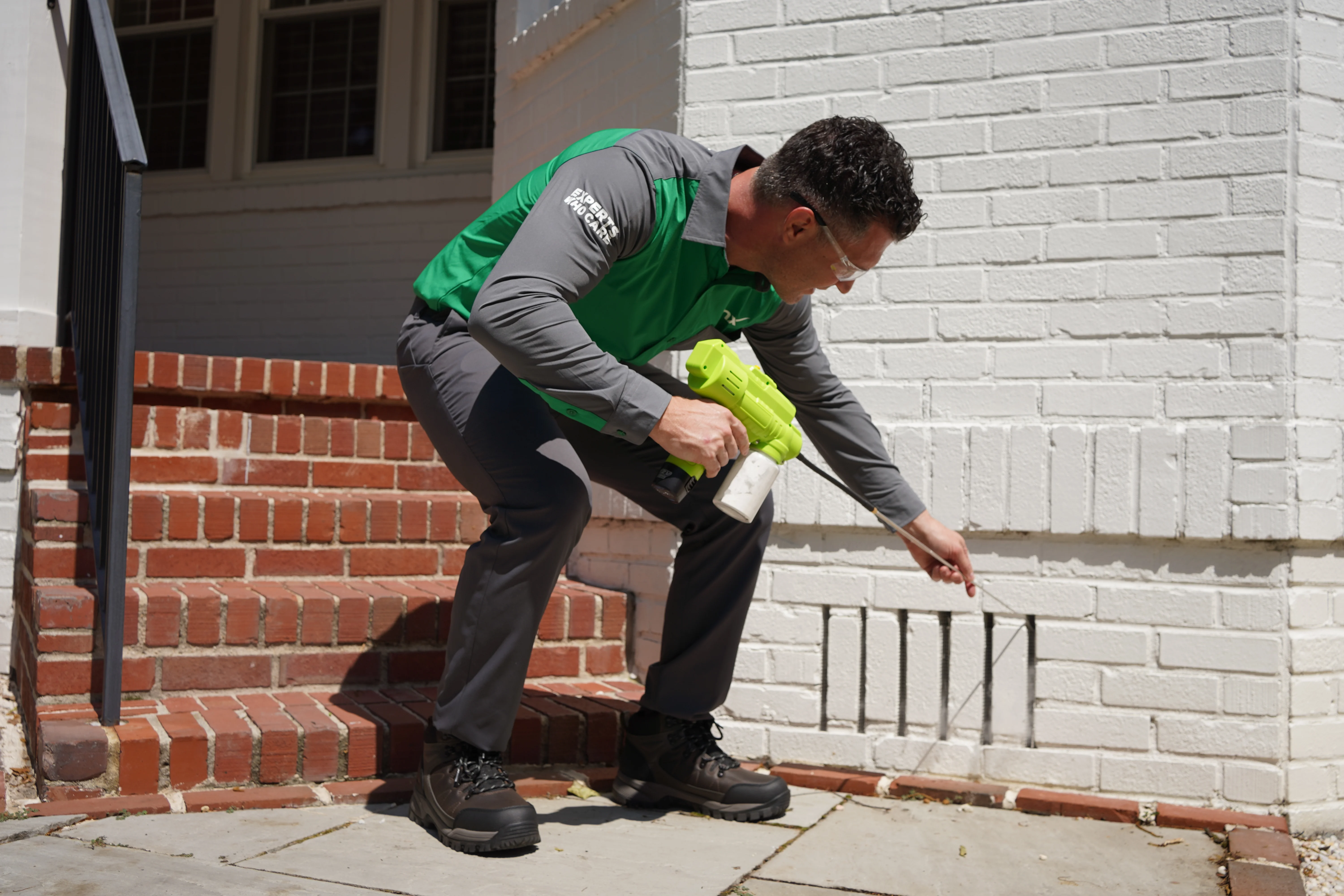
Wood Structure & Outbuilding Treatment
Sheds, fencing, barns, and outbuildings with direct wood-to-soil contact receive targeted treatment, particularly important around the century-old homes of the historic mill village, where porch posts, steps, and pier foundations often meet the soil directly, and the farm structures of the Anderson County fringe.
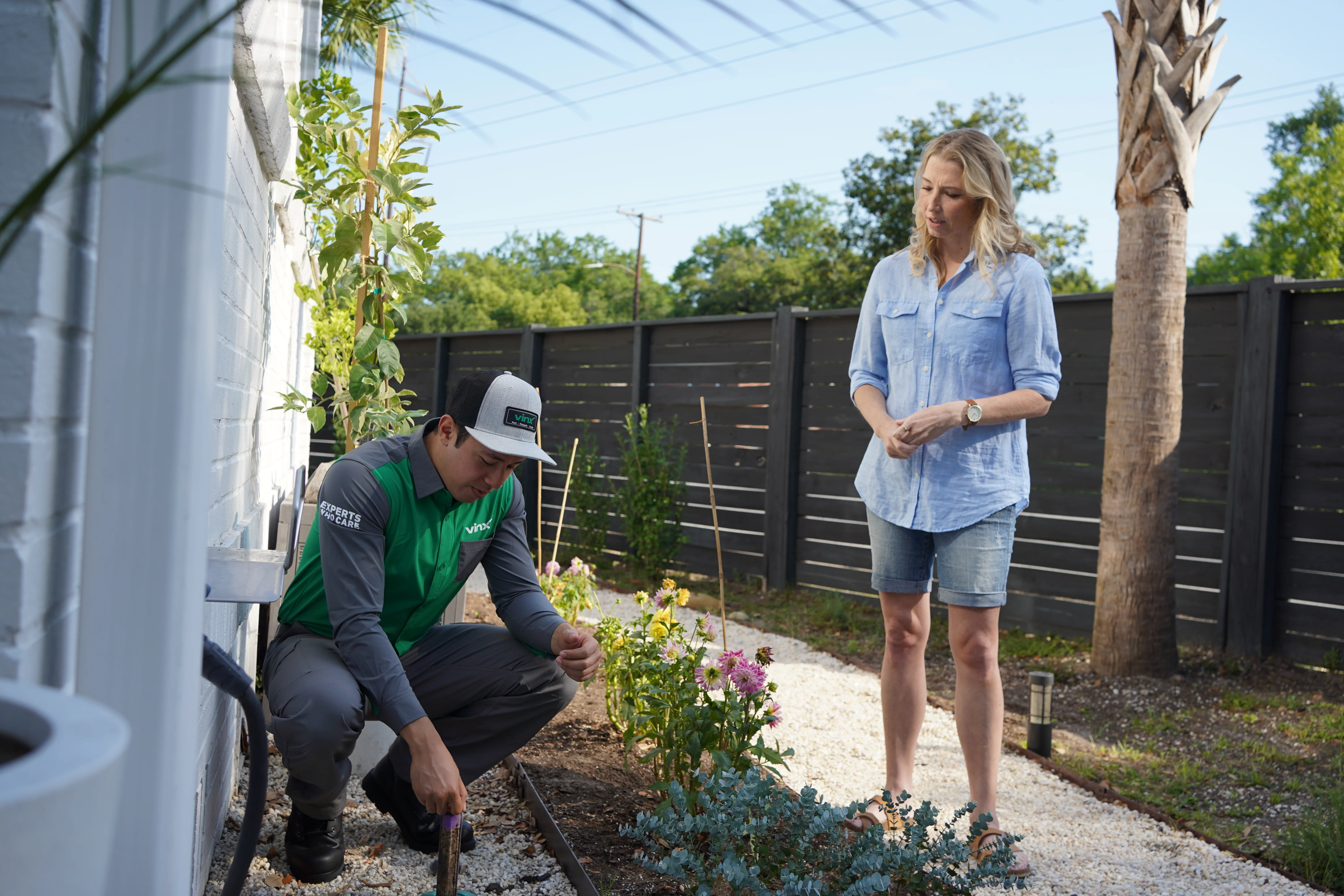
Ongoing Monitoring & Re-Inspection
Regular monitoring visits catch new activity early. A native colony typically needs three to four years before it swarms, so most Piedmont infestations are already established by the time wings show up on a windowsill, which is why scheduled checks beat waiting for a swarm. Free re-service applies between visits if termite activity returns under an active plan.
What Our Customers Say
Real Reviews from Piedmont Customers
Professional and knowledgeable regarding termite extermination. Highly recommend this company.
We signed up for new termite protection services with Vinx. Brandon and his manager were on time, very thorough, and most importantly, took the time to explain everything in detail. We are very pleased with their service!
Always a person, not a call center talking my calls. Always knows what service I receive and able to reachout at the moment to follow-up on any concerns or need to reschedule appointments. Very friendly, professional, service provided keeps the pest control off my mind where my family and my pets can enjoy the outside!
Alfredo with Vinx Pest Control did an excellent job servicing my home and gave very helpful recommendations to mitigate future issues.
This company is outstanding. Always transparent, never unprofessional. Do what they say they are going to do, and our home is has never been more clear of insects or termites. Best pest control company I have ever used.
Jonathan is very thourh, friendly and professional. He kept me informed about finding the termites, showing pictures and video. I would like for him to always be the one that performs my service.
The Local Threat
Why Termite Control in Piedmont Isn’t One-Size-Fits-All
A lot of pest control companies sell every homeowner in the Upstate on Formosan termite protection, regardless of whether that species has actually been documented in the area. Clemson University’s Home & Garden Information Center, which tracks Formosan termite distribution by county from research and citizen reports, lists established colonies in sixteen South Carolina counties: Aiken, Bamberg, Beaufort, Berkeley, Charleston, Colleton, Dorchester, Georgetown, Horry, Jasper, Lexington, Orangeburg, Pickens, Richland, Sumter and York. Neither Anderson County nor Greenville County, the two counties that together make up Piedmont, appears on that list. Pickens County, one county to the west, does, but Clemson describes that record and York’s as isolated introductions in infested railroad ties that were treated with no Formosans found since, which is not the same as an established local population. Likewise, Clemson’s statewide termite research places drywood termite species almost exclusively along the humid coastal counties; the one western record for Greenville County is a single specimen collected from a couch.
What is genuinely well-documented across Piedmont is the native Eastern subterranean termite, present throughout South Carolina and the primary source of termite damage in the region. The conditions bringing it in vary meaningfully between zones. The century-old construction throughout the historic mill village has accumulated wood-to-soil contact points typical of older properties; Henry Hammett organized the Piedmont Manufacturing Company on 30 April 1873, the first modern textile factory in South Carolina, and the housing built for its workers is why about 11.4% of homes here predate 1940 against 3.2% countywide. Along the Saluda River & Dam Corridor, naturally damp, water-adjacent ground retains moisture close to foundations, and the mill’s stone dam, finished in late 1891, is what holds that water in place. Along the SC-86/SC-20 highway commercial corridor, irrigated commercial landscaping around small businesses retains moisture close to foundations as well. In the newer residential growth near I-85’s Exit 35, fresh sod and irrigation systems installed with recent construction can retain moisture against foundations before landscaping matures. And out on the rural Anderson County agricultural fringe, which is where two-thirds of Piedmont’s residents live, well-and-septic properties, wooded fencerows, and farm structures with direct wood-to-soil contact carry comparable moisture-driven risk. Rainfall is the quiet driver behind all of it: the regional airport records no month averaging under 3.59 inches and nearly 117 days of measurable rain a year, so soil moisture never gets a long dry break.
The mill anchors the National Register story here: Greenville County’s historic preservation inventory lists Piedmont Manufacturing Company, added in 1978, as its only property rated at the national level of significance. Buildings of that age went up long before modern termite standards existed, which is why an inspection in the older village blocks pays closer attention to sills, piers and any wood sitting in contact with soil than a newer subdivision would ever require.
Termite Species Relevant to Piedmont
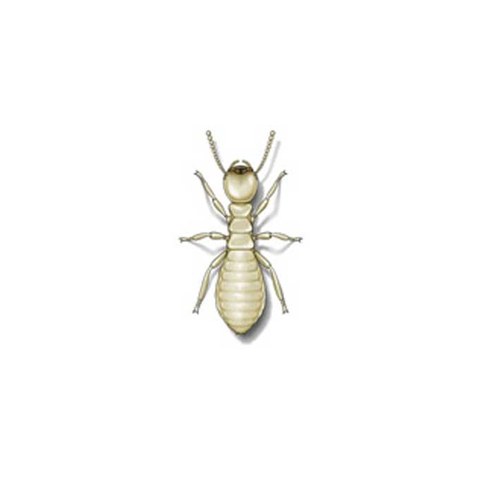
Eastern Subterranean Termite (Reticulitermes flavipes)
The native termite species responsible for the vast majority of termite damage in South Carolina, including both Anderson and Greenville Counties. Colonies live in the soil and travel through mud tubes to reach wood, making any wood-to-soil contact point — foundations, fence posts, barn sills — a potential entry point across every zone of Piedmont. Clemson names both Reticulitermes flavipes and R. virginicus in South Carolina, and native swarms here come in early spring, often on a warm afternoon after rain.
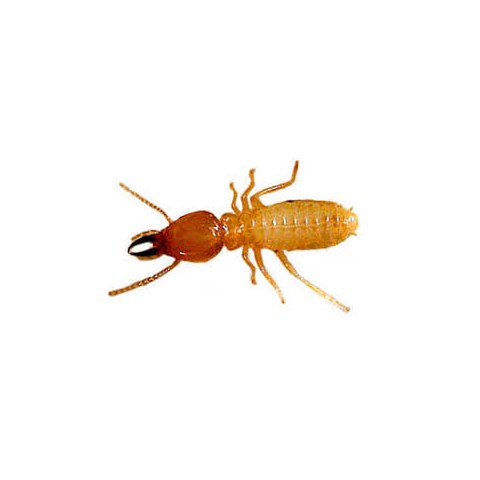
Formosan Subterranean Termite (Coptotermes formosanus)
Formosan subterranean termites, sometimes marketed as “super termites,” have documented established colonies in sixteen South Carolina counties on Clemson HGIC’s current tracking, concentrated in the coastal counties running from Horry south through Charleston to Beaufort and Jasper. Neither Anderson County nor Greenville County, the two counties that straddle Piedmont, is on that list. Pickens County one county west is listed, but Clemson describes that as an isolated introduction in infested railroad ties, treated, with no Formosans found since. This species is not currently a documented concern anywhere in Piedmont, though your technician can confirm what’s actually present during a free inspection.
Drywood Termite (Incisitermes snyderi)
Drywood termites are documented almost exclusively in the state’s humid coastal counties. The only western record for Greenville County is a single specimen collected from a couch, which is a curiosity rather than a local threat. This species is not currently a documented concern anywhere in Piedmont, though your technician can confirm what’s actually present during a free inspection.
Termite Risk by Neighborhood
Termite Risk Across Piedmont
Historic Mill Village: Eastern Subterranean Termite Risk
Century-old construction throughout the mill village has accumulated wood-to-soil contact points typical of older properties. Piedmont Number One was designated a National Historic Landmark in 1978 and lost that status after the 1983 fire, but the workers’ housing around it is still standing and still on its original foundations.
Saluda River & Dam Corridor: Eastern Subterranean Termite Risk
Naturally damp, water-adjacent ground along the river and dam retains moisture close to foundations, giving subterranean termites the damp soil conditions they favor, and clay subsoil about half as porous as coastal sand keeps it that way for days after the rain stops.
SC-86 & SC-20 Piedmont Highway Commercial Corridor: Eastern Subterranean Termite Risk
Irrigated commercial landscaping around small businesses along this crossroads retains moisture close to foundations, with irrigation timers running through the same months the colonies forage hardest.
Newer Residential Growth Near I-85 Exit 35: Eastern Subterranean Termite Risk
Fresh sod and irrigation systems installed with recent construction can retain moisture against foundations before landscaping fully matures. New construction is not exempt either: South Carolina requires a soil pre-treatment before the slab is poured, but a patio, planter bed, or utility trench added later can breach it.
Rural Anderson County Agricultural Fringe: Eastern Subterranean Termite Risk
Well-and-septic properties, wooded fencerows, and farm structures with direct wood-to-soil contact on this side of town carry comparable moisture-driven termite risk, and a septic drainfield keeps one patch of ground reliably damp year-round.
Warning Signs
Signs of Termite Activity in Your Piedmont Home or Business
Mud Tubes on Foundation Walls or Piers
Subterranean termites build these pencil-width tubes to travel between soil and wood.
Discarded Wings Near Windows or Doors
Left behind after a spring termite swarm; native Upstate swarms fly on warm afternoons after rain, and a colony has usually been in place three to four years before its first swarm.
Hollow-Sounding or Damaged Wood
Tap suspect wood; termite-damaged wood often sounds papery or hollow.
Buckling Paint or Small Holes in Drywall
Can indicate termite activity or moisture damage behind the wall.
Wood Damage on Sheds, Fencing, Barns, or Outbuildings
Especially where wood contacts soil directly, common around both the mill village and Anderson County farm structures.
Homeowner Tips
6 Ways to Reduce Termite Risk Around Your Piedmont Home or Business
Kid & Pet Safe
Our Treatments Are Safe for Your Whole Family: Including the Furry Members
Every product we use is EPA-registered and applied strictly at labeled rates by licensed technicians. We take the guesswork out of safety so you can feel confident letting kids and pets back into treated areas quickly.
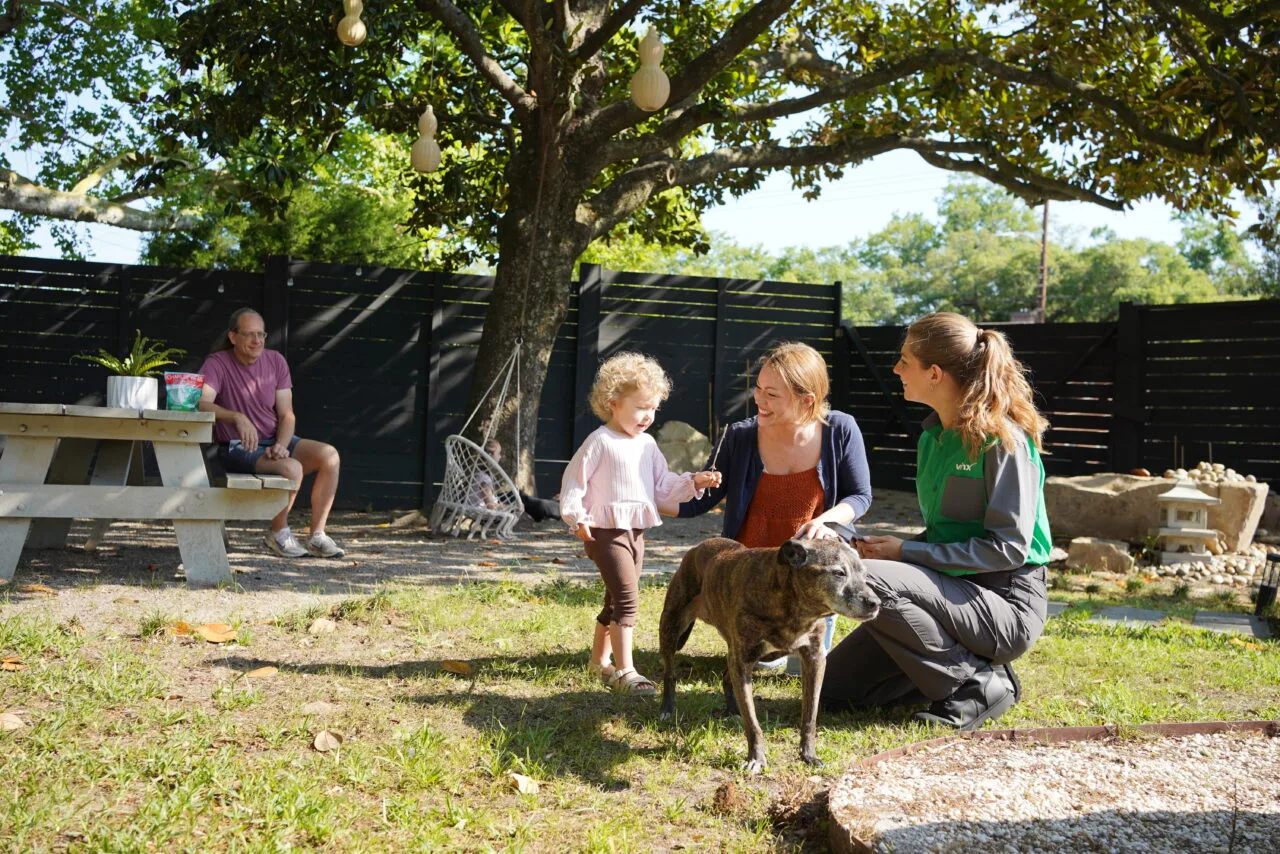
EPA-Registered Products Only
Applied strictly at labeled rates by licensed South Carolina technicians trained to use the right product in the right place, every time.
In-Ground Bait Stations
TotalDefense stations are installed below ground and locked, with no chemical exposure risk to kids or pets playing in the yard.
No Widespread Interior Spraying
Bait-based treatment eliminates the need for extensive interior chemical application in most cases.
Licensed SC Technicians
Every treatment is performed by a licensed technician trained on termite biology and safe application practices.
Have a concern about products used near your pets or children? Call 855-800-8469 and we’ll walk you through exactly what we use and why it’s safe.
Explore More
More Pest Control Services in Piedmont

Pest Control Piedmont
Year-round protection plan

Ant Control Piedmont
Fire ants & all ant species

Mosquito Control Piedmont
Monthly barrier treatments
Tick & Flea Control Piedmont
Yard & interior treatments

Rodent Control Piedmont
All rodents covered
Cockroach Control Piedmont
American & German roaches

Bed Bug Control Piedmont
Heat & liquid treatments

Spider Control Piedmont
All spider species covered
Exterminator Piedmont
Same-day local exterminators
Frequently Asked Questions
Termite Control FAQ for Piedmont Homeowners & Businesses
On a standalone basis, Termite TotalDefense starts at $35+/mo. Termite coverage is built into the general pest plans as well. A pre-1940 mill house on piers or a farmhouse with outbuildings needs more linear feet of treatment than a newer slab near Exit 35, which is why we quote after seeing the foundation. Call 855-800-8469 for a free quote specific to your property.
Not according to current documented research. Clemson HGIC’s own tracking lists established Formosan termite colonies in sixteen South Carolina counties, and neither Anderson nor Greenville County, the two counties that straddle Piedmont, is among them. By some distance the more common local threat is the native Eastern subterranean termite. Pickens County one county west is on Clemson’s list, but only from an isolated introduction in infested railroad ties that was treated with no Formosans found since, so it is not evidence of spread into the Upstate. Ask about a free inspection and your technician can confirm what is really present.
Documentation puts drywood termites almost exclusively in the humid coastal counties of South Carolina. They are not currently a documented concern in Piedmont. The single western record for Greenville County is one specimen collected from a couch, and a professional inspection can rule the species out for your specific property.
Naturally damp, water-adjacent ground along the river and dam retains moisture close to foundations, giving Eastern subterranean termites the damp soil conditions they favor. The mill dammed the Saluda for hydropower and the stone dam was completed in late 1891, so that slack water and the wet ground beside it are more than a century old.
Century-old construction has accumulated wood-to-soil contact points over time, giving Eastern subterranean termites many more potential entry points than newer construction. Piedmont has the oldest housing stock in the Greenville metro, with about 11.4% of homes built before 1940 against 3.2% countywide, so this is the common case here rather than the exception.
Most South Carolina real estate transactions call for a CL-100, the state’s Official Wood Infestation Report, because most lenders require it, and it must be issued by an inspector licensed in category 7A. Two things about it are widely misstated. It covers wood-destroying fungi as well as insects, but only below the first main living-area floor, so siding and fascia are outside its scope. And the regulation says the report places no obligation to correct what it reports; any repair duty comes from the purchase contract or the lender, not the state. On Piedmont’s crawl-space homes the finding that most often holds up a closing is moisture, at or above 20% in the wood or standing water under the house.
Yes, every one of those is treated. Liquid barrier and bait treatments can be applied around barns, sheds, fencing, and outbuildings as well as residential foundations, which is especially relevant for the farm structures common on the rural Anderson County fringe.
Watch for shed wings around windows and doors and new mud tubes on foundation walls or piers — common markers of an active spring swarm in the Upstate. A colony that swarms has typically been established three to four years, so treat a swarm as confirmation rather than an early warning.
The underlying species is the same, but the century-old construction throughout the mill village creates more wood-to-soil contact points over time, while fresh sod and irrigation near I-85’s Exit 35 can retain moisture against foundations before landscaping matures — both drive similar subterranean termite risk through different conditions. The species and the treatment are the same; what changes is where we look first.
Yes. We work with EPA-registered products at labeled rates through licensed South Carolina technicians, applying most of it outside or below-grade.
Yes. Vinx Pest Control is licensed and insured to operate in South Carolina under Pest Control Operator license B3623, regulated by Clemson University’s Department of Pesticide Regulation, with technicians trained on the termite species actually documented throughout Piedmont and the greater Anderson and Greenville County area.
Because the water stays. Clemson research puts Piedmont clay subsoil porosity at roughly 5%, against more than 10% for sandy coastal subsoil, so rain that would drain away on the coast lingers here. Pair that with an Upstate rain pattern that delivers nearly 117 days of measurable rain a year and no month averaging under 3.59 inches, and crawl space wood spends much of the year near the 20% moisture mark the state treats as excessive. Subterranean termites need that moisture, which is why grading, gutters, downspout extensions, and crawl space ventilation do as much for you here as chemistry does.
Service Coverage
Termite Control Across Piedmont & the Greater Upstate Area
Serving every neighborhood, farm, and business in and around Piedmont.
Serving the Greater Upstate Area