Pest Control in Charleston, SC
Full-Service Pest Control — Ants, Spiders, Cockroaches, Mosquitoes & More
Pest control in Charleston covers the full range of pests that thrive in the Lowcountry climate — ants, spiders, cockroaches, mosquitoes, termites, and rodents. Vinx provides recurring residential service with a free re-treatment guarantee.
Get Started in 60 Seconds
Choose what’s easiest for you
Request a Quote
We usually respond in 2 minutes
Call 855-800-8469
Get a Live Person (no AI agents here!)
Sign Up Online
Get pricing and schedule now





Welcome to Vinx Pest Control
A Company That Actually Backs What It Says
At Vinx, we combine professional-grade treatments with a level of service most pest control companies don't offer. Local technicians, fast response times, and a guarantee that actually means something.
Get a Free Quote"I'm not passionate about killing bugs. I'm passionate about customer service. At Vinx, you get experts who show up, do the job right, and stand behind every visit. No runaround, no fine print."
PROTECTION PLANS
Protection Plans for Charleston Homeowners
100% money-back guarantee on every plan.
Standard Residential Protection
- 4 Seasonal Treatments Per Year
- 50+ Covered Pests
- Interior, Exterior & Yard Treatment
- Unlimited Free Re-Services
- 100% Money-Back Guarantee
- Fire Ant Yard Guarantee
- Flea & Tick Coverage
- Mosquito Treatments

Upgraded Yard Protection
- 6 Home & Yard Treatments Per Year
- 50+ Covered Pests
- Interior, Exterior & Yard Treatment
- Unlimited Free Re-Services
- 100% Money-Back Guarantee
- Fire Ant Yard Elimination Guarantee
- Flea & Tick Elimination Guarantee
- Mosquito Treatments

Most Comprehensive Protection
- 9 Treatments Per Year
- 50+ Covered Pests
- Interior, Exterior & Yard Treatment
- Unlimited Free Re-Services
- 100% Money-Back Guarantee
- Fire Ant Yard Elimination Guarantee
- Interior Flea & Tick Coverage
- 8 Mosquito Treatments (Mar–Nov)
- Free Bed Bug Treatments if Needed*
*Starting rates vary by home size and area. All plans billed monthly.
Request Your Free Pest Control Quote
Fill out the form below and a Vinx team member will reach out within 2 minutes during business hours.
Prefer to talk? Call 855-800-8469 for a live person — no AI agents.
Our Process
How Vinx Treats Your Charleston Home — Step by Step

Inspection & Reporting
Every time we come out, our technicians aren’t just treating — they’re looking. We’re checking for things you’d never notice on a normal day: early signs of termite activity, conditions around the home that could be attracting pests, moisture issues, entry points bugs might be exploiting, wasp nests forming in spots you can’t see from the ground. In Charleston's humid, coastal environment, termite mud tubes and moisture conditions around the foundation are some of the most important things we look for on every visit. Having a trained set of eyes on your home every 90 days means you’re not caught off guard. If we see something, we’ll tell you — straight up, no pressure, no scare tactics.
Exterior Foundation Treatment
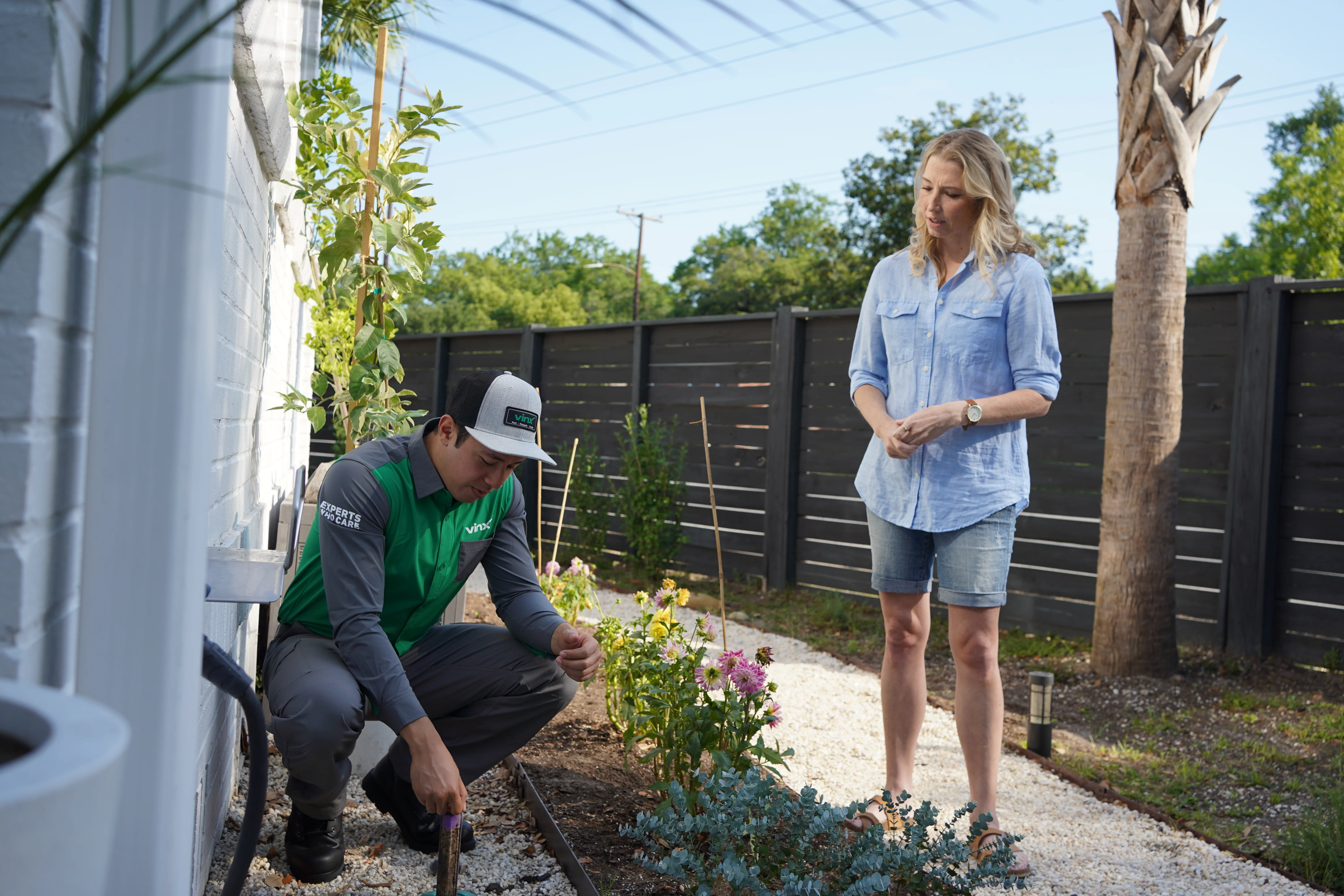
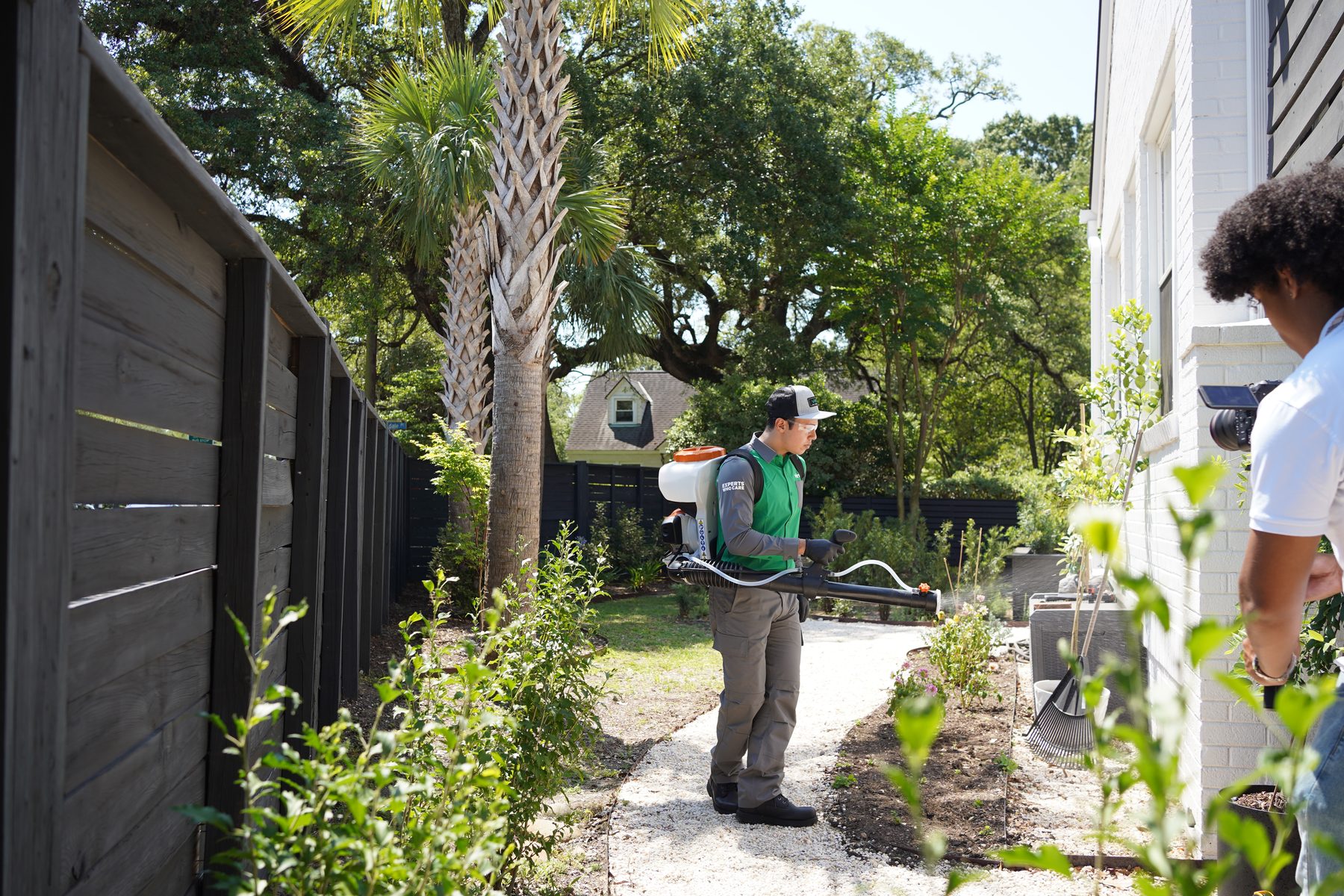
We treat the foundation with a micro-encapsulated product — a time-release barrier that attaches to pests and gets carried back to their nesting site. We go three feet up and three feet out, creating a real buffer zone. Charleston's sandy coastal soil and high humidity make foundation barriers especially critical — moisture attracts everything from termites to roaches. Since we’re focused almost entirely on the outside of your home, your kids and pets can stay safely inside while we work. EPA-approved products used at pet boarding facilities and child care centers — once dry in 15 to 20 minutes, they’re safe.
Yard Treatment
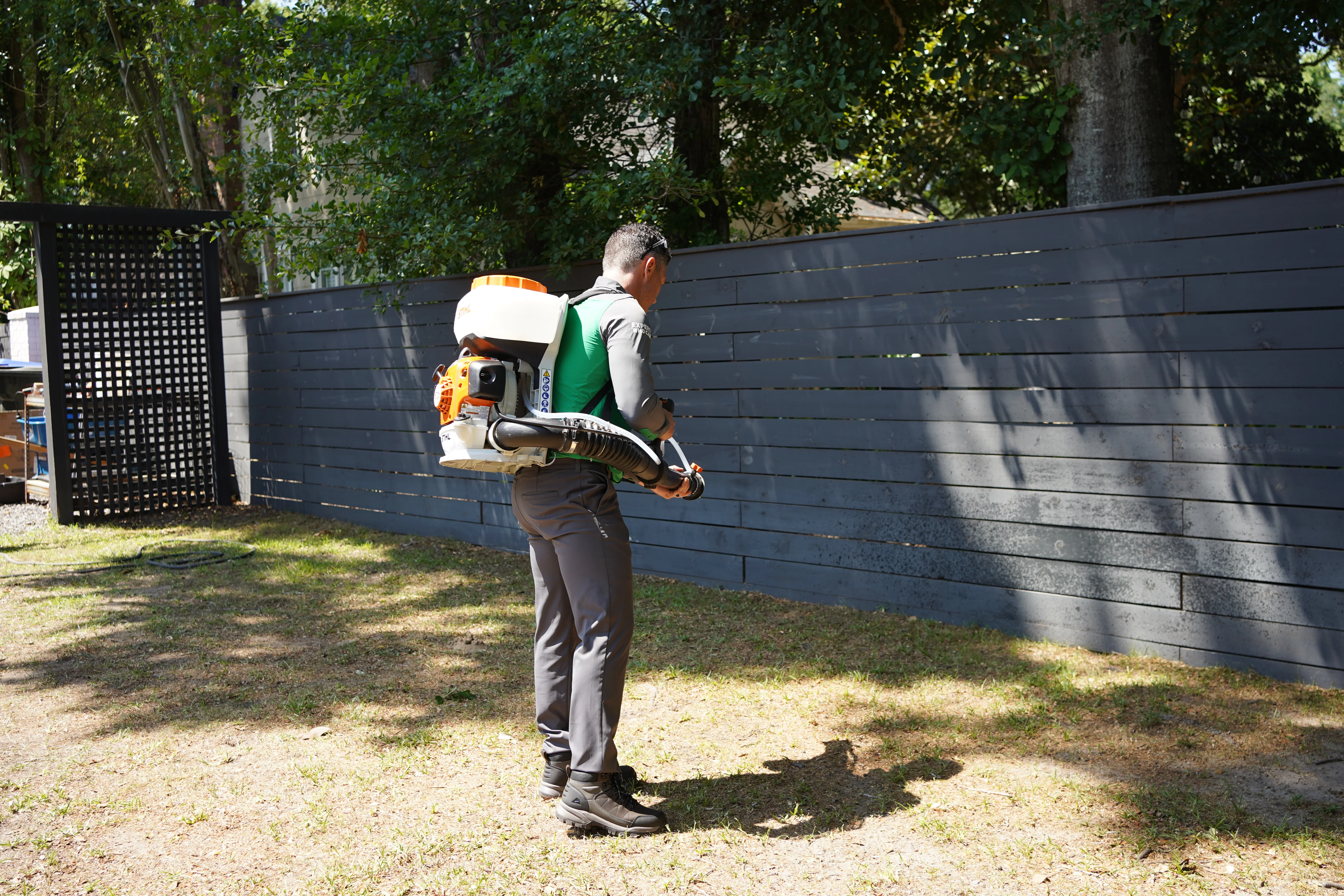
We treat the full yard, up to 30 feet out from the home, to reduce pest pressure before bugs get close to your foundation. In Charleston, overgrown landscaping beds and standing water near the yard line are major pest attractors — our yard treatment pushes back the pest population before it reaches your home. Between the yard treatment and the foundation barrier, we’re building two lines of defense — take care of the bugs on the outside so they’re never a problem on the inside.
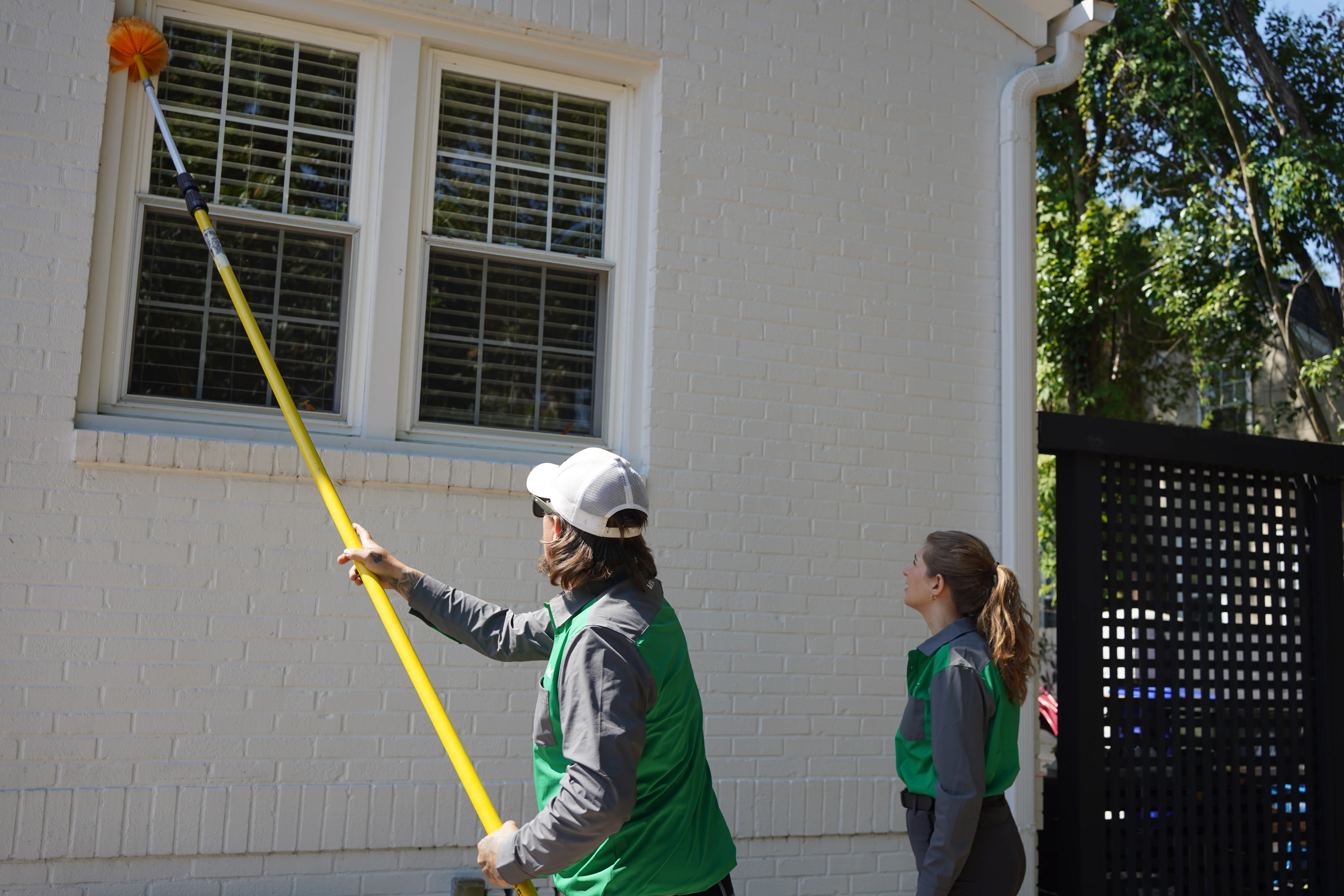
Sweep & Treat Eaves
We sweep first and second-story eaves on every visit — cobwebs, wasp nests, spider webs, all of it comes down. Then we spot treat those areas with a residual product. The warm, humid air in Charleston means wasps and spiders establish eave nests faster than in most parts of the country — we knock everything down and treat so they don't come back. Wasps return to spots where they’ve built before because of pheromones, but our product is waiting for them. It keeps pests from using your roofline as a staging ground and makes a visible difference every visit.
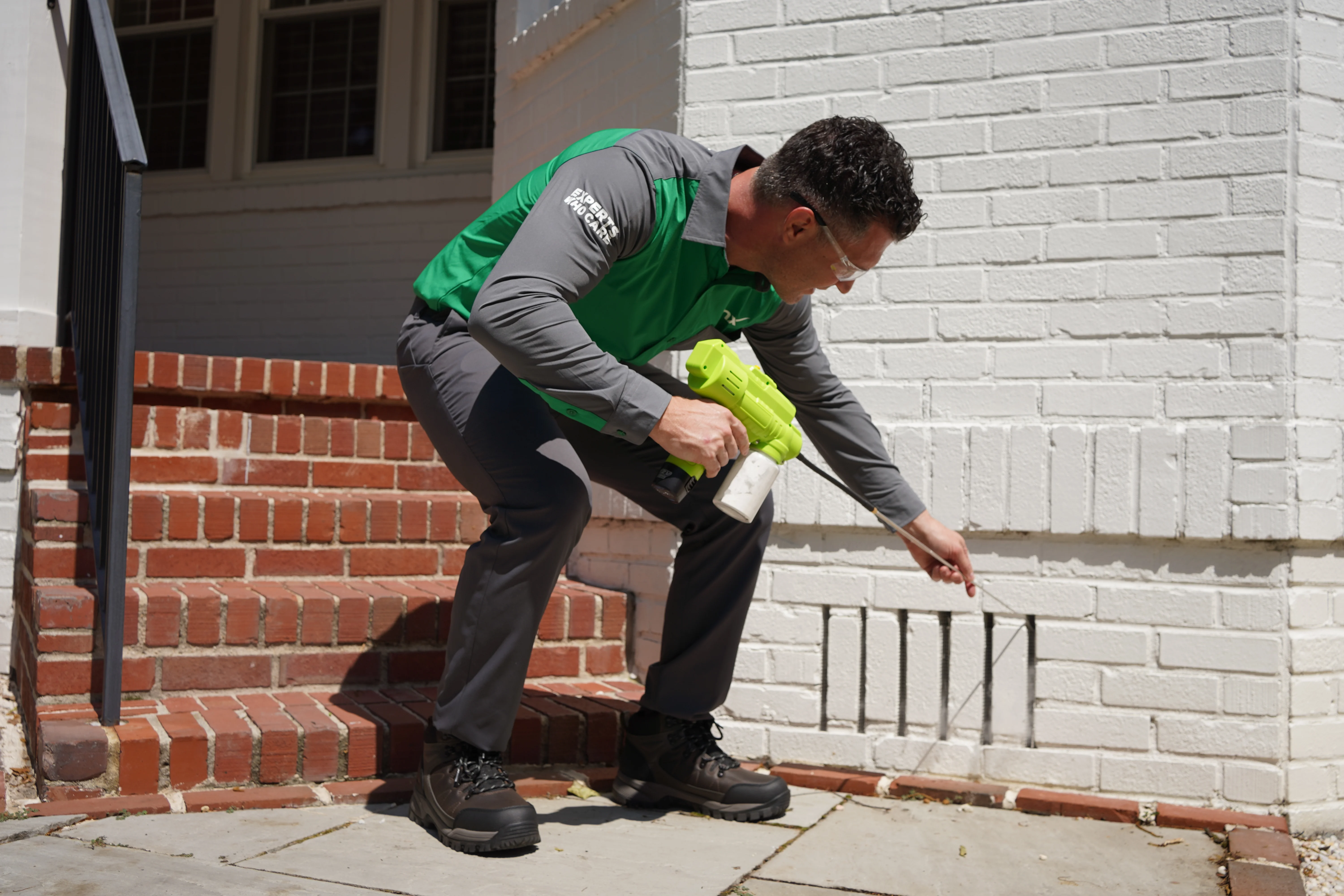
Power Dust Injection
We use a handheld compressor with a specialized tip to inject dust product deep into cracks and crevices on the outside of your home — gaps around pipes, weep holes, expansion joints, anywhere bugs try to squeeze through. Charleston's older homes and brick construction have plenty of weep holes and expansion joints — exactly the kind of gaps cockroaches and other pests exploit to get into wall voids. The dust gets pushed deep into those areas, flushes out anything already there, and because it’s protected from rain and heat, it stays active far longer than a surface spray. Bugs aren’t quietly building up inside your walls.
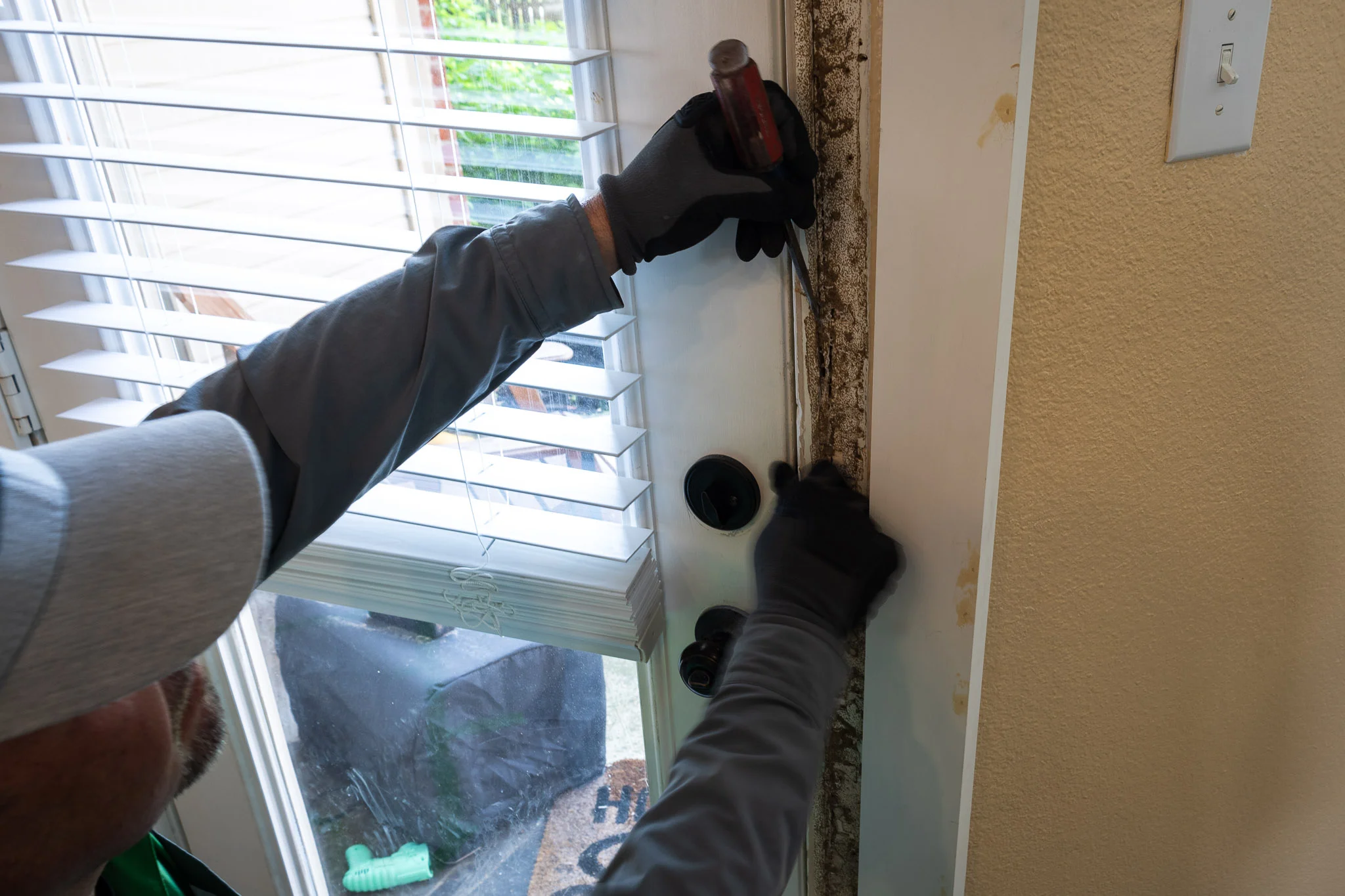
Interior Treatment (If Needed)
Here’s the honest truth — we rarely need to treat inside your home, and that’s by design. Because we do so much more on the outside than most companies, we stop the problem before it gets in. But the inside is always covered under your service guarantee at no extra charge. If palmetto bugs, roaches, or any other pests make it inside your Charleston home, we come in and take care of it — same EPA-approved products, safe for kids and pets once dry. We treat baseboards, entry points, the garage, a detached shed — whatever you’re dealing with. Same EPA-approved products. Once they dry, safe for kids and pets. No questions, no additional cost, no hassle.
Customer Reviews
Trusted by Thousands of Happy Families
Tony's inspection highlighted several issues. With a good explanation of solutions, he's getting my full trust and business. Vinx is hands down the best pest control in Charleston.
Tony was great. He came and inspected our house, took his time and told us what our next steps were. Very professional and knowledgeable. Highly recommend Vinx!
I called Vinx after battling a Japanese Beetle invasion and losing miserably. They came the next day and completely took care of it. Amazing service — highly recommend!
Jonathan is very thorough, friendly and professional. He kept me informed about finding the termite issue and explained every step. Couldn’t ask for better service!
Just had my first appointment today and technician Nizam was very professional and knowledgeable. He addressed all my concerns. Very happy with Vinx so far!
The Best Pest Control in Charleston Starts With a Free Inspection
Cockroaches in January. Ant mounds in March. Termite swarmers in April. Mosquitoes through November. The only approach that works in the Lowcountry is consistent quarterly service backed by a guarantee that removes the risk from your side entirely.
Year-Round Pest Pressure
Why Pest Control in Charleston Is a Year-Round Commitment
Most parts of the country get a winter break from pests. Charleston does not. Charleston has six distinct pest pressure seasons — not four. Cockroaches stay active in crawl spaces through December–February. Ants remain viable when temps stay above 40°F — which in Charleston is most of winter. Termites feed year-round. Rodents never stop breeding. Mosquitoes run late February through November. Spiders stay active in garages, attics, and eaves through the coldest months.
Quarterly pest control in Charleston is not a luxury. It is the minimum protection level for a home in one of the most pest-active coastal environments on the East Coast. Without it: a cockroach finds the gap around your drain line in August — by October there are twelve. A ant mound establishes near your HVAC unit in March — by June it has 200,000 workers. Charleston’s pest pressure compounds fast without a consistent barrier.
Charleston’s geography makes the problem worse than most coastal cities. The tidal marsh system through West Ashley, James Island, and Johns Island creates constant moisture along every property line. Historic homes in the French Quarter and South of Broad sit on pier-and-beam foundations with direct soil contact. New construction in Summerville, Goose Creek, and North Charleston sits on freshly disturbed soil — ideal for ant mound establishment.
6 Pest Pressures in Charleston
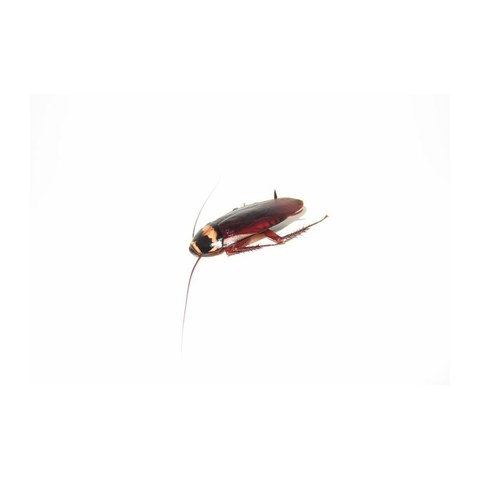
Cockroaches
American cockroach — Charleston’s most recognizable pest. Thrive in coastal humidity, enter through drain lines, crawl space vents, gaps around plumbing. Not a sign of an unclean home — a sign of living in a coastal city with a tidal water table near the surface. Heaviest in downtown Charleston, James Island, and West Ashley where humidity is consistently higher.
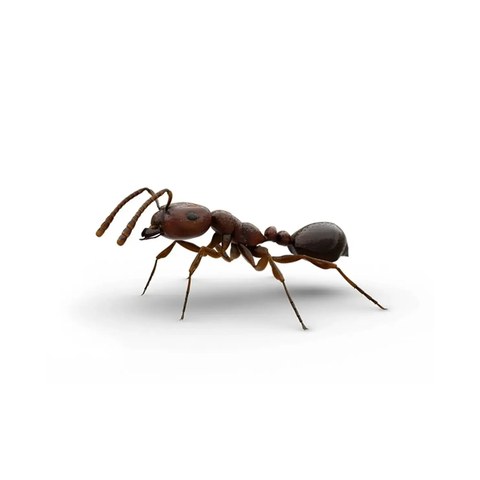
Fire & Argentine Ants
Ant mounds establish March–November, remain viable below ground through winter. A single mound can contain 200,000 workers. Ant stings cause anaphylactic reactions in ~2% of the population — a genuine medical concern. Argentine ants form supercolonies spanning multiple properties and require completely different treatment methods.
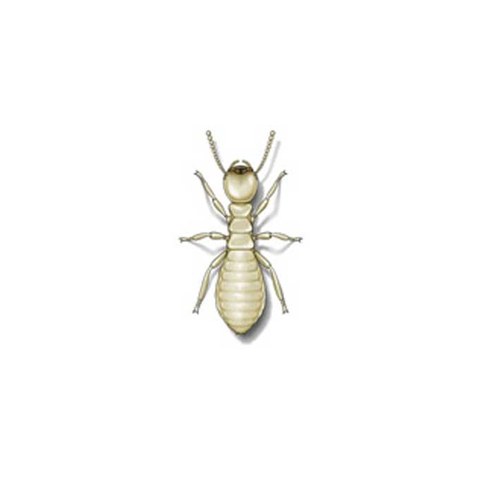
Termites
Charleston County is one of the most Formosan termite-active zones in South Carolina (Clemson University). Both Formosan and Eastern Subterranean termites feed year-round in the Lowcountry’s moisture-rich soil. Termite damage is not covered by standard homeowners insurance in South Carolina.
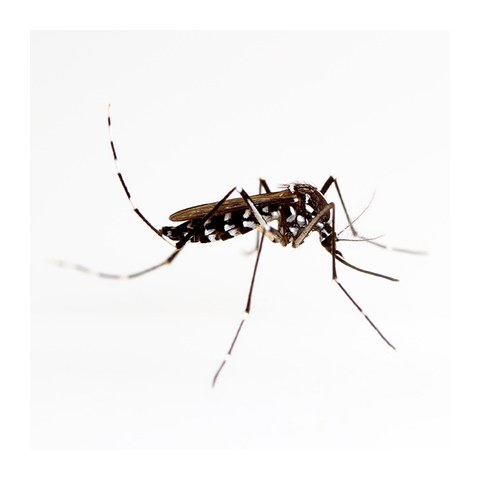
Mosquitoes
Tidal marsh creates thousands of acres of permanent breeding habitat — pressure elevated late February through November and on warm winter days. Culex carry West Nile virus. Aedes transmit Zika. Both active year-round. Monthly barrier spray included in Vinx Platinum.
Rodents
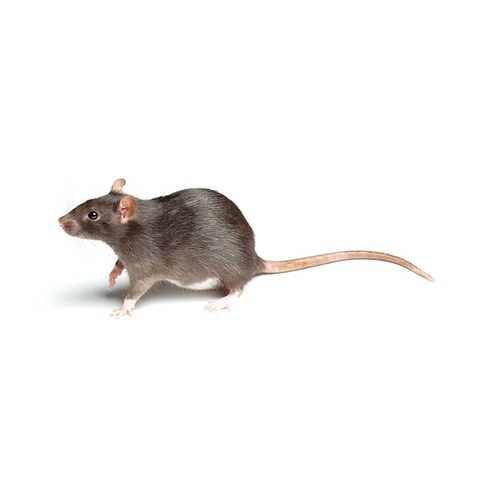
Norway rats, roof rats, and house mice face no population-reducing winter in Charleston. The Port of Charleston contributes to consistently high Norway rat pressure along the peninsula and North Charleston. Roof rats access homes through deteriorating soffits. House mice enter through gaps the size of a dime.
Spiders
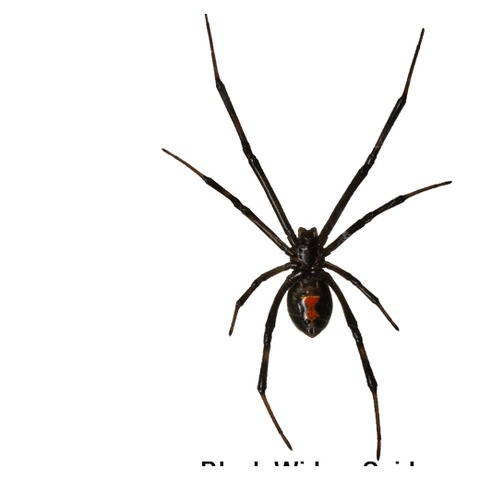
Black widows active year-round in Charleston’s garages, crawl spaces, and wood piles. Brown recluse less common but present. Seasonal pressure peaks late summer and autumn but active populations persist in protected areas through winter. Exterior perimeter treatment and web removal on every quarterly visit.
Pest Pressure by Neighborhood
Know Your Neighborhood’s Risk
Downtown & French Quarter — Cockroaches & Formosan Termites
Cockroaches and Formosan termites dominate. Pier-and-beam foundations with direct soil contact and aged drainage infrastructure create highest cockroach pressure in the city. Historic timber framing in the French Quarter and South of Broad sits directly above some of the most Formosan-active soil in South Carolina.
West Ashley — Ants & Mosquitoes
Drainage canals and low-lying topography create standing water year-round. Norway rats use canals as corridors toward residential structures. Mosquito pressure from Stono River marsh edges is among the highest in the metro. Ant mounds establish aggressively in the open residential lawns common throughout West Ashley.
James Island — Roof Rats & Mosquitoes
Marsh edges and wooded residential streets create persistent roof rat harborage. Tidal flooding displaces rodent populations toward structures seasonally. Mosquito pressure from tidal flats year-round. Dense tree canopy throughout James Island gives roof rats unobstructed access to rooflines from overhanging branches.
Johns Island — Ants & Rodents
Agricultural land proximity means ant pressure significantly higher than urban Charleston. Rural residential properties see more rodent species variety than the urban core. Large lot sizes mean perimeter treatments cover more linear footage — technician advises at inspection. Eastern Subterranean termite pressure also elevated along the rural wooded corridors.
Summerville & Goose Creek — Ants & Eastern Subterranean Termites
Newly disturbed soil from rapid residential development creates ideal ant mound establishment conditions. Pre-construction soil treatment inconsistent across builders. Eastern Subterranean termites well-established in the heavily wooded corridors throughout Summerville. New slab construction creates plumbing penetration entry points that require ongoing monitoring.
North Charleston — Norway Rats & Cockroaches
Highest Norway rat pressure in the metro due to Port of Charleston activity. Industrial and residential areas adjacent to the port see rat populations established for decades. Palmetto bug pressure elevated in the older residential areas north of the airport where drainage infrastructure is aged. Warehouse and commercial adjacency accelerates rodent pressure in residential zones.
Mount Pleasant — Roof Rats & Mosquitoes
Wooded neighborhoods east of the Ravenel Bridge give roof rats tree canopy access to rooflines. Wando River and Intracoastal Waterway proximity drives Culex mosquito pressure year-round. New construction east of Highway 17 continues to expand into wooded tracts where established rodent populations are displaced into new structures. Ant pressure also elevated in newer developments.
Complete Coverage
What Vinx Treats in Your Charleston Home
Every common Charleston pest covered under one quarterly service plan
Ants
Ants, Argentine ants, carpenter ants, and odorous house ants. Perimeter bait, mound treatment, crack and crevice application.
All Plans
Cockroaches & Cockroaches
American, Asian, and German cockroaches. Gel bait in harborage areas, exterior perimeter spray, drain treatment.
All Plans
Spiders
Web removal from eaves, exterior perimeter targeting harborage. Black widow identification and targeted treatment.
All Plans
Wasps & Hornets
Nest removal from eaves, soffits, structural voids. Preventative treatment of common nesting sites on each quarterly visit.
All Plans
Fleas & Ticks
Yard treatment targeting grassy and shaded areas. Interior treatment of active infestation areas.
Plus & Platinum
Bed Bugs
Inspection, heat treatment assessment, and targeted chemical treatment. Charleston’s tourism industry creates consistent exposure risk.
Platinum (12mo)
Rodents
Exterior bait station monitoring included in Plus and Platinum. Active infestation and full exclusion quoted separately after inspection.
Plus & Platinum
Mosquitoes
Monthly barrier spray and larvicide. Year-round service adjusted seasonally. Up to 90% population reduction per visit.
Platinum Only
Occasional Invaders
Silverfish, earwigs, centipedes, stink bugs, ladybugs, pillbugs. Crack and crevice treatment, perimeter spray, entry point ID.
All PlansKid & Pet Safe
Our Treatments Are Safe for Your Whole Family — Including the Furry Members
Every product we use is EPA-registered and applied strictly at labeled rates by licensed technicians. We take the guesswork out of safety so you can feel confident letting kids and pets back into treated areas quickly.

EPA-Registered Products Only
All products we apply are EPA-registered and used strictly per label requirements. Our licensed technicians are trained to apply the right product in the right place at the right rate — every time.
Dry Time Before Re-Entry
Exterior spray treatments dry in 30–60 minutes. Once dry, treated surfaces are safe for children and pets to contact. Your technician will confirm the all-clear before leaving your property.
Interior Treatment On Request
We treat only what’s needed, where it’s needed. Gel baits in cabinets and crack-and-crevice applications keep products away from areas pets and children frequent most.
Botanical Options Available
Have specific sensitivities? Ask your technician about our plant-derived treatment options. We offer botanical alternatives for households that prefer a more natural approach.
Have a concern about products used near your pets or children? Call 855-800-8469 and we’ll walk you through exactly what we use and why it’s safe.
Explore More
More Pest Control Services in Charleston
Ant Control
Household ants & others
Bed Bug Control
Heat & liquid treatments
Cockroach Control
Palmetto bug & roach removal
Mosquito Control
Monthly barrier treatments
Rodent Control
All rodents covered
Spider Control
All spider species covered
Termite Control
Bait systems & liquid treatment
Wasp Control
Nest removal & prevention

Tick & Flea Control
Yard & pet protection
Exterminator
Same-day local exterminators
Frequently Asked Questions
Pest Control FAQ for Charleston Homeowners
Vinx HomeGuard at $49/mo is the most affordable recurring option. Covers quarterly treatments, cobweb removal, interior service on request, and free re-treatments. No setup fees. Call 855-800-8469 for a quote specific to your home.
Vinx HomeGuard at $49/mo from a licensed, insured, NPMA-member company. Quarterly exterior treatments, cobweb removal, interior service on request, free re-treatments if pests return. No setup fees. Published pricing — no bait-and-switch.
The six most common: cockroaches, ants, termites, mosquitoes, rodents, and spiders. Charleston’s year-round warmth and coastal humidity mean all six remain active through winter to varying degrees. Cockroaches, termites, and rodents never stop being a concern in the Lowcountry regardless of season.
Ants enter through gaps around plumbing penetrations, door frames, and window seals. Ants enter from outdoor mounds near the foundation. Argentine ants enter from supercolonies spanning multiple properties. Most effective control combines exterior perimeter treatment, targeted interior gel bait, and entry point sealing. Call 855-800-8469 for same-day inspection.
A cockroach is an American cockroach — the large dark brown roach common throughout Charleston. They enter through drain lines, crawl space vents, and gaps around plumbing. Professional quarterly treatment with exterior perimeter spray and interior gel bait is most effective. DIY sprays repel rather than eliminate — pushing populations deeper into wall voids.
Yes. All EPA-registered products applied per strict label requirements. Pets and children can return to treated areas once the exterior spray dries — typically 1–2 hours. Interior gel bait placed in locations inaccessible to pets and children. Never applied while children or pets are present.
Quarterly service is the minimum recommended frequency. Charleston’s mild winters mean populations never fully collapse between treatments. Monthly mosquito treatments are recommended in addition for properties near tidal water, creeks, or wooded areas.
Yes. Most appointments available same-day or next-day. Call 855-800-8469. Available Monday–Saturday 7am–8pm. If we cannot service your home the next business day, your initial service is free.
Yes. New construction in Summerville, Goose Creek, and North Charleston sits on freshly disturbed, untreated soil — ideal for ant and Eastern Subterranean termite establishment. We recommend an initial inspection and perimeter treatment within the first 90 days. Call 855-800-8469.
Full exterior perimeter inspection — entry points, moisture issues, foundation cracks, wood-to-soil contact, active pest pressure. Interior check of common harborage areas: under sinks, behind appliances, attic access, crawl space. Written report of everything flagged. Inspection is free with no obligation.
Yes. Locally owned and operated. 4790 Trade St, Ste J, North Charleston, SC 29418. Not a franchise or national chain. Technicians live and work in the Charleston area. SC PCO License B0003623 issued by Clemson University’s Department of Pesticide Regulation.
Significant reduction within 24–48 hours of initial treatment. Cockroaches and spiders respond quickly to exterior perimeter treatment. Ant mound treatment shows full results within 72 hours. Termite and rodent control operate on longer timelines — technician advises during inspection.
Yes. Single-family homes, townhouses, condos, and rental properties. Property managers can set up recurring quarterly accounts for multiple units. Call 855-800-8469 for multi-property service options.
Three things. First, transparent pricing — $49, $75, and $109 per month published on this page. No other company in Charleston does this. Second, named local technicians — Jack, Jonathan, Austin, Anthony, and Leon cover the full metro and build genuine familiarity with your property. Jack sends a video after every visit. Third, a real guarantee — pests return, we come back free. Problem persists after 30 days, we refund your most recent payment. No exceptions.
Service Coverage
Pest Control Across Charleston & the Lowcountry
Serving every neighbourhood in the Charleston metro area