Flea & Tick Control in Charleston, SC
Deer Tick, Lone Star Tick & Flea Treatment for Charleston County Homeowners: Nine-Month Lowcountry Season
Charleston County's flea and tick pressure is sustained year-round, driven by the Lowcountry's long active season, the tidal marsh and creek systems that sustain dense wildlife populations, and the extensive wooded corridors of Johns Island and James Island that support one of the highest white-tailed deer densities in the state.
Get Started in 60 Seconds
Choose what’s easiest for you
Request a Quote
We usually respond in 2 minutes
Call 855-800-8469
Get a Live Person (no AI agents here!)
Sign Up Online
Get pricing and schedule now





Welcome to Vinx Pest Control
A Company That Actually Backs What It Says
At Vinx, we combine professional-grade treatments with a level of service most pest control companies don't offer. Local technicians, fast response times, and a guarantee that actually means something.
Get a Free Quote"I'm not passionate about killing bugs. I'm passionate about customer service. At Vinx, you get experts who show up, do the job right, and stand behind every visit. No runaround, no fine print."
WELCOME TO VINX PEST CONTROL
Flea & Tick Control Plans for Charleston Homeowners

Standard Residential Protection
- 4 Seasonal Treatments Per Year
- 50+ Covered Pests
- Interior, Exterior & Yard Treatment
- Unlimited Free Re-Services
- 100% Money-Back Guarantee

Upgraded Yard Protection
- 6 Home & Yard Treatments Per Year
- 50+ Covered Pests
- Yard Ant Elimination Guarantee
- Flea & Tick Elimination Guarantee
- 100% Money-Back Guarantee

Most Comprehensive Protection
- 9 Treatments Per Year
- 50+ Covered Pests
- 8 Mosquito Treatments (Mar–Nov)
- Flea, Tick & Ant Coverage
- Free Bed Bug Treatments if Needed*
*Starting rates vary by home size and area. All plans billed monthly.
Request Your Free Pest Control Quote
Fill out the form below and a Vinx team member will reach out within 2 minutes during business hours.
Prefer to talk? Call 855-800-8469 for a live person, no AI agents.
Our Approach
How Vinx Treats Fleas & Ticks in Your Charleston Home: Step by Step

Full Property Inspection
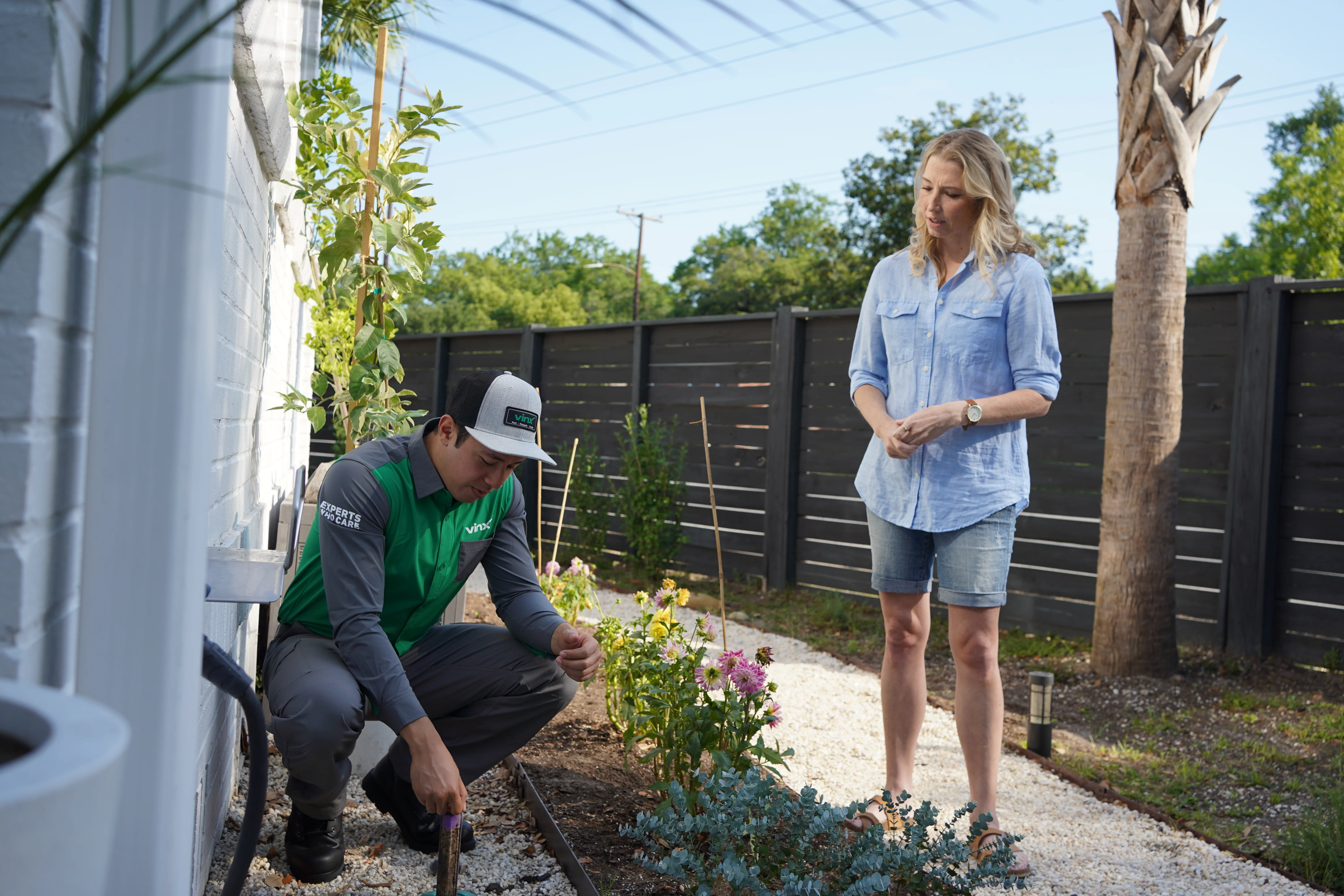
Pet resting and sleeping areas indoors, carpet and upholstery in the rooms pets use most, and pet bedding, which is where the environmental stages of a flea population concentrate. Outdoors: shaded ground cover, mulch beds, crawl space and under-deck spaces, fence lines, and the wooded or tidal edge margins where wildlife travel. Your technician also notes wildlife trails and harborage, because on a Lowcountry property that traffic is what keeps reintroducing both fleas and ticks.
Species-Specific Treatment
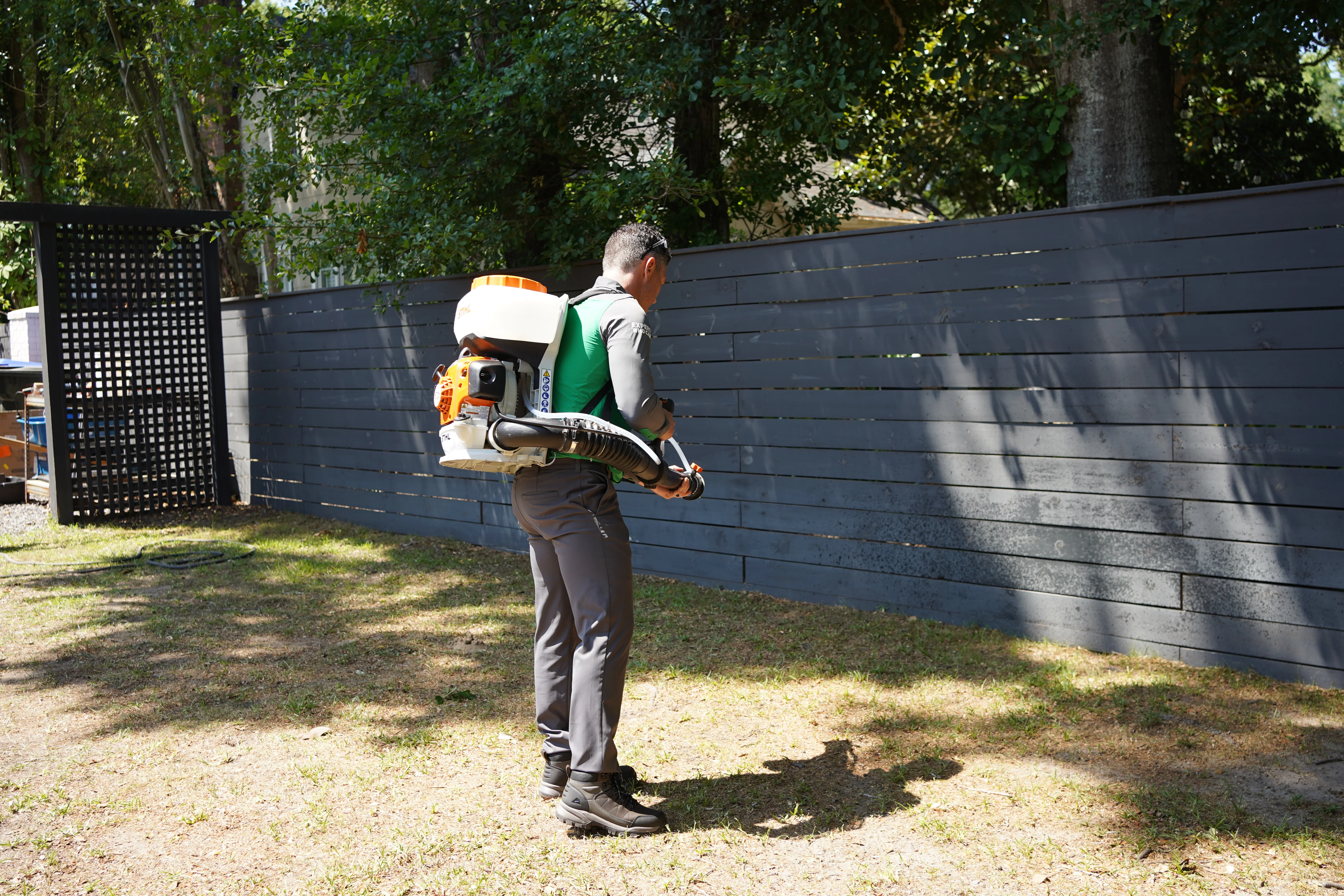
Exterior flea and tick yard treatment applied to all ground cover, mulch beds, vegetated areas, under-deck spaces, and tidal or wooded edge margins on every Plus and Platinum visit throughout the full Charleston season.
Interior Flea Treatment with IGR: Platinum Plan
Interior flea treatment with IGR (Platinum plan) addresses the environmental stages of the flea population in carpet fibres, pet bedding, and upholstered furniture that veterinary prevention cannot reach. Prevents larvae from developing into biting adults.
Free Return If Activity Persists
Free return visit if fleas or ticks return between scheduled service visits. Call (843) 920-8469 any time throughout the season. No service fees, no arguing about coverage, that's the Vinx guarantee.
Charleston’s Long Flea & Tick Season: Covered
Nine months of flea and tick pressure in one of South Carolina's most wildlife-dense coastal markets. If they return between visits, we come back at no charge. No service fees, no waiting, no fine print.
What Customers Say
Real Reviews from Charleston Homeowners
Austin did a fantastic job and was very quick and communicated very well. He made me feel a sense of security for my animals and that I was taken care of
Not only are their technicians thorough and friendly. Their product really works. Great prices as well. I highly recommend anyone to give them a shot and switch to Vinx Pest Control you will not regret the decision!
Austin was great, Punctual and very detail oriented with service!
John came to treat our place and he was the absolute best. He understood and sympathized with our situation and was very kind the whole time. We’re moving out and he even helped us move our dresser down a flight of stairs. He was so kind, professional, and fun to talk with. If we ever need a pest control service we will always choose Vinx. Thank you again John!
We had a great experience with Vinx pest control. Needed our rental house treated for fleas. They were able to fit me in quick and the service was great.
They were very personal, willing to give good advice. Heather and her partner came on time with smiles. Saw a great improvement with the first treatment looking forward to see with the second treatment done, how much more stress free l will become.
9-Month Season. 4 Species.
Why Flea & Tick Control in Charleston Is More Complex Than Most Cities
Charleston County's coastal ecology (a network of sea islands, tidal creeks, marsh edges, and wooded coastal plain) creates flea and tick pressure conditions that differ from every other Vinx market. Tidal marsh and creek systems sustain the white-tailed deer populations, raccoon concentrations, and wildlife density that drive tick and flea introduction into residential properties at a frequency that inland markets don't experience.
Johns Island and James Island carry some of the highest deer densities in South Carolina. The combination of extensive agricultural land, dense maritime forest, and tidal marsh habitat sustains deer populations visible throughout residential areas on a daily basis. Each deer carries tick populations deposited wherever it rests or browses through vegetation adjacent to residential lawns.
Charleston's season starts earlier and runs later than the Upstate, though we won't put a month count on the gap. Flea populations become active in late February and early March, sustained by the mild Lowcountry winter that never fully collapses outdoor flea breeding. The practical winter break in Charleston is December and January only, two months, compared to four or five months in Upstate SC markets.
Charleston Flea & Tick Species
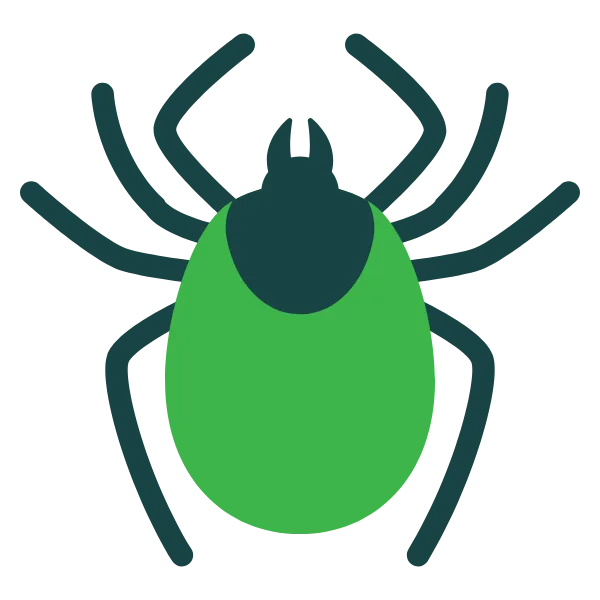
Black-Legged Tick / Deer Tick
Present in Charleston County but, per Clemson, in low volume across South Carolina generally. Properties on James Island, Johns Island, West Ashley, and the Folly Beach corridor with yard access to tidal vegetation margins or wooded edges are in continuous tick introduction territory from March through November. Nymphs are poppy-seed sized and active from February through May. Worth keeping in proportion, though: this is the Lyme vector, and Lyme is rare in South Carolina. Earlier than any other Vinx market.
Lone Star Tick
The most commonly encountered tick in Charleston County residential yards. Lone star ticks actively quest for hosts, extending their front legs toward passing animals, making them most likely to contact humans and pets during routine outdoor activity near brushy or tall grass vegetation. “Seed tick” larval clusters on James Island and Johns Island properties are an extremely common summer encounter. A pet or child walking through a seed tick cluster can acquire hundreds of larvae in seconds.
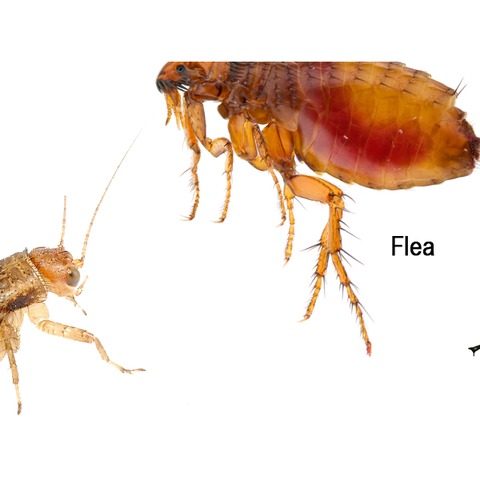
Cat Flea
The primary flea species on dogs, cats, and wildlife throughout Charleston County. Nine months of active season means nine months of outdoor flea population activity in yard vegetation. Only about 5% of the total flea population in an infested environment are the biting adults visible on the pet, the remaining 95% are eggs, larvae, and pupae in yard vegetation, carpet fibers, and pet bedding. Treating the yard, interior IGR (Platinum), and veterinary prevention together deliver complete control.
American Dog Tick
Found on dogs after outdoor activity in open-habitat vegetation along tidal marsh margins, beach grass edges on the Folly Beach corridor, and unmowed field borders throughout Charleston County. Most active April through August. A vector for Rocky Mountain spotted fever, seek prompt medical care for any fever following a tick bite. The extended Charleston season means American dog tick activity continues later into fall than in Upstate SC markets.
What to Look For
Signs of a Flea or Tick Problem at Your Charleston Property
Pets Scratching Constantly
Excessive scratching, biting, or licking (especially around the head, neck, and base of the tail) is the most common first sign of a flea infestation on pets
Flea Dirt on Pets
Tiny dark specks in your pet's coat that turn red when wet, flea excrement, confirming active flea infestation on the pet
Jumping Insects on Socks
Tiny jumping insects visible on white socks after walking through yard vegetation or carpet, adult fleas seeking a host
Tick Found on Pet or Person
A tick attached or crawling on skin or pet fur after outdoor activity near wooded margins, tidal vegetation, or tall grass, immediate removal required
Wildlife Trails in Yard
Worn paths through yard vegetation indicating deer, raccoon, or opossum regular movement, these trails are the primary tick and flea introduction corridors on Charleston County properties
Red Bites in Clusters
Small red itchy bites in clusters on ankles and lower legs, flea bites concentrated where exposed skin contacts infested carpet or yard vegetation
By Neighborhood
Flea & Tick Pressure Across Charleston & Charleston County
The Historic Peninsula carries ambient flea pressure from the dense urban wildlife population, raccoons and opossums using the Peninsula's tree canopy, walled gardens, and undisturbed spaces year-round. Outdoor cats are abundant throughout the Peninsula's mixed residential and commercial areas. The Peninsula's urban ecology means flea pressure from wildlife is consistent through most of the year. Black-legged tick pressure on the Peninsula is lower than on the sea islands but not absent, deer do move through urban green spaces and parks.
West Ashley's tidal creek system (the Stono River, Ashley River, and their creek tributaries running through West Ashley's residential neighborhoods) creates wildlife movement corridors that bring deer and raccoons into regular contact with residential yard margins throughout the active season. Tidal creek corridor vegetation is the primary deer tick introduction zone throughout West Ashley's residential neighborhoods bordering these waterways.
James Island carries some of the highest flea and tick pressure in Charleston County. The combination of tidal marsh adjacency, maritime forest habitat, and the white-tailed deer density means tick introduction into residential yard vegetation is a daily occurrence during the active season. The tidal vegetation border (whether a fence line, naturalized ground cover strip, or grassy margin between maintained lawn and marsh edge) is the primary treatment emphasis zone for every James Island property.
Daniel Island's managed natural areas and tidal creek corridors carry consistent deer tick and lone star tick pressure from wildlife using these natural areas. The managed greenspace and naturalized buffer zones throughout Daniel Island create wildlife corridor adjacency that brings tick introduction into residential yards from deer using the managed natural areas throughout the active season.
Johns Island carries the highest flea and tick pressure of any Charleston metro area. The combination of extensive agricultural land, dense maritime forest, tidal creek and marsh margins, and some of the highest white-tailed deer densities in South Carolina means tick and flea introduction into residential yard vegetation is a daily occurrence. Properties bordering naturalized vegetation, tidal marsh margins, or wooded edges should treat the boundary between maintained lawn and natural vegetation as the primary intervention zone.
The established residential neighborhoods of the upper Peninsula carry consistent flea pressure from the dense urban wildlife population. Raccoon and opossum movement through the neighborhood's mature tree canopy and walled garden spaces maintains outdoor flea harborage year-round in mild Charleston winters. Lone star tick pressure is lower than on the sea islands but present in any naturalized vegetation near parks or green spaces.
The Evidence on Tick Disease
Lyme Is the Wrong Thing to Worry About in Charleston
Almost every tick page in the country leads with Lyme disease, because that is what people have heard of. In South Carolina that is the wrong emphasis, and getting it wrong can send someone to the doctor asking about the wrong illness.
Lyme Is Rare Here
South Carolina is not on the CDC’s list of high-incidence Lyme states, and Clemson’s own tick page describes the blacklegged tick, the Lyme vector, as present across South Carolina but in low volume. SC DPH puts the confirmed Lowcountry rate at roughly 4.6 cases per 100,000; Maine runs above 200. The CDC also counts cases by county of residence rather than place of infection, so a Charleston case is not evidence of local transmission.
Spotted Fever Is the Real One
South Carolina reported 20 to 95 spotted fever rickettsiosis cases a year between 2006 and 2018, carried by the American dog tick and the Gulf Coast tick, both genuinely common here. Rocky Mountain spotted fever is the deadliest rickettsial illness in the country and needs doxycycline within the first few days, and roughly one in ten patients never develops the rash everyone watches for. Ehrlichiosis, carried by the lone star tick, is the other one that matters in the Southeast.
Our Most Common Tick Is Not a Lyme Vector
The lone star tick is the most-collected tick in South Carolina and an aggressive human biter, and it does not transmit Lyme disease at all. It is associated with ehrlichiosis, tularemia, Heartland and Bourbon viruses, and STARI, a rash illness whose cause the CDC still lists as unknown with no diagnostic test available. So “I was bitten, do I have Lyme” is usually the wrong question in the Lowcountry.
There Is No Safe Attachment Window
You will read that a tick needs 36 to 48 hours to transmit anything. The CDC’s current wording for Lyme is more than 24 hours, and for spotted fever bacteria it is much faster: CDC research found unfed ticks needed over ten hours, but ticks that had fed previously transmitted in as little as ten minutes. The CDC’s own guidance skips the table entirely and says to remove any tick as soon as you find it. That is the version worth remembering.
What Works, Honestly
Removal, Fleas, and the Limit of Yard Treatment
Two of these are things you can do yourself today. The third is the honest limit of what a yard treatment, ours included, has been shown to achieve.
How to Remove a Tick
Fine-tipped tweezers, grasp as close to the skin as you can, and pull upward with steady even pressure. Do not twist or jerk, which can snap the mouthparts off in the skin. Clean the bite and your hands afterwards. The CDC explicitly warns against nail polish, petroleum jelly and heat, because those can make the tick force infected fluid into the bite. If mouthparts do break off, leave them; picking at the site is what causes infection.
Why Fleas Come Back After You Treat
Pupae inside their cocoons are shielded from insecticide, and UC IPM documents fully formed adults waiting inside them for up to twelve months. What triggers them to emerge is warmth and mechanical pressure, which is to say people walking on the carpet. That is why an empty house does not starve fleas out and why a wave of them greets you when you come home, and it is also why vacuuming helps rather than hurts: it brings them out into a treated room.
Yard Spraying Cuts Ticks, Not Illness
This is the uncomfortable one and we would rather you heard it from us. A randomized, placebo-controlled trial across 2,727 households found a single spring barrier application reduced questing ticks by 63%, and yet produced no measurable difference in tick encounters or in tick-borne illness between treated and untreated homes. So we will tell you treatment reduces ticks in the treated area. We will not tell you it prevents disease, and Clemson leads with habitat work over spraying for the same reason.
Where They Actually Are
Ticks do not drop out of trees. They wait on the tips of low vegetation, latch onto shoes and ankles, and climb, which is why bites turn up on the scalp and get blamed on branches. Fleas follow moisture and shade: research in north Florida found larvae surviving outdoors year-round in shaded ground, which is much closer to Charleston’s climate than the California guidance most flea advice is based on. Treat shade, mulch, under-deck space and pet resting spots, not open sunlit lawn.
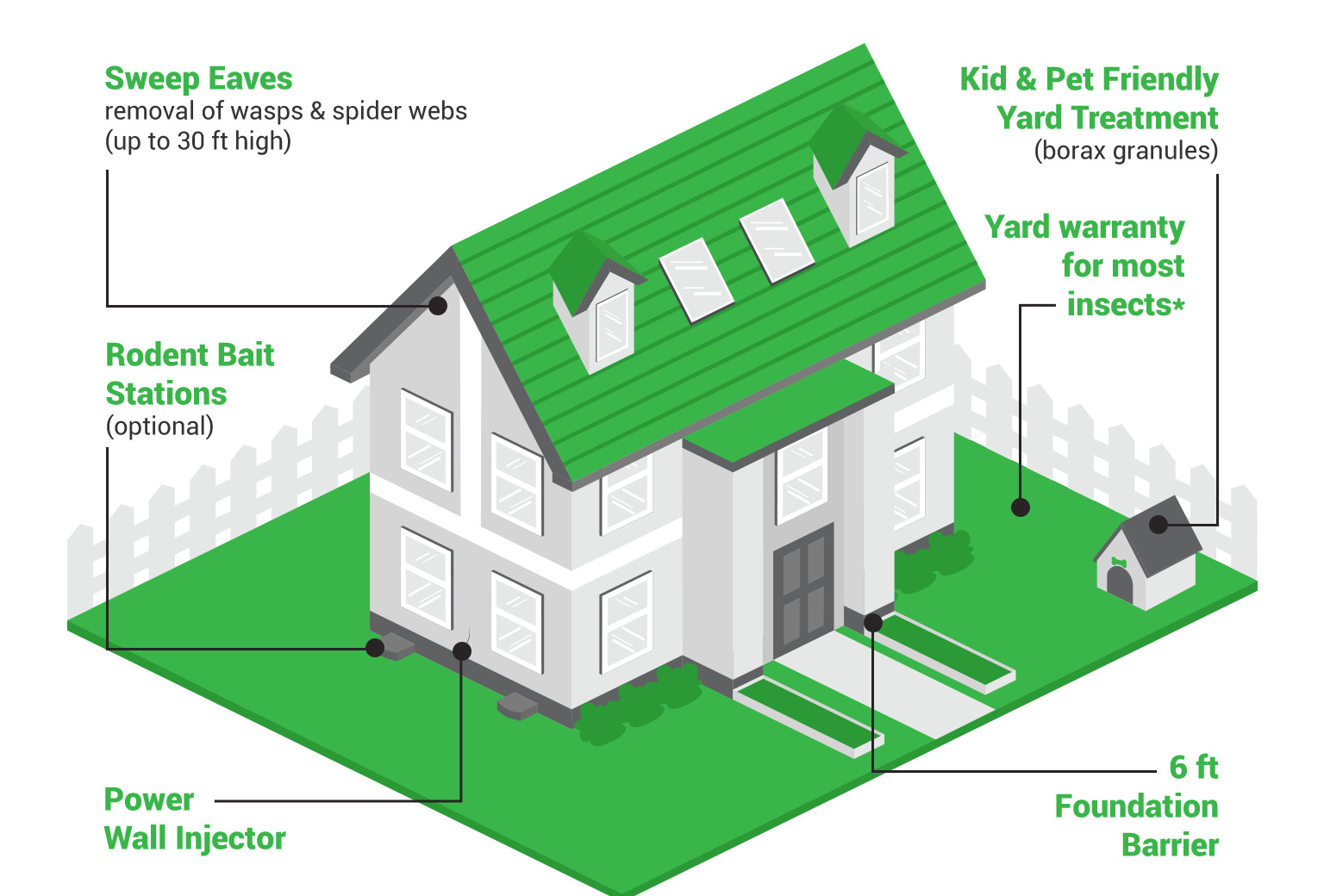
Vinx HomeGuard Plan
What Happens at Every Visit
Our technicians don't just spray and leave. Every quarterly service covers your full exterior and interior, done right, backed by a written guarantee.
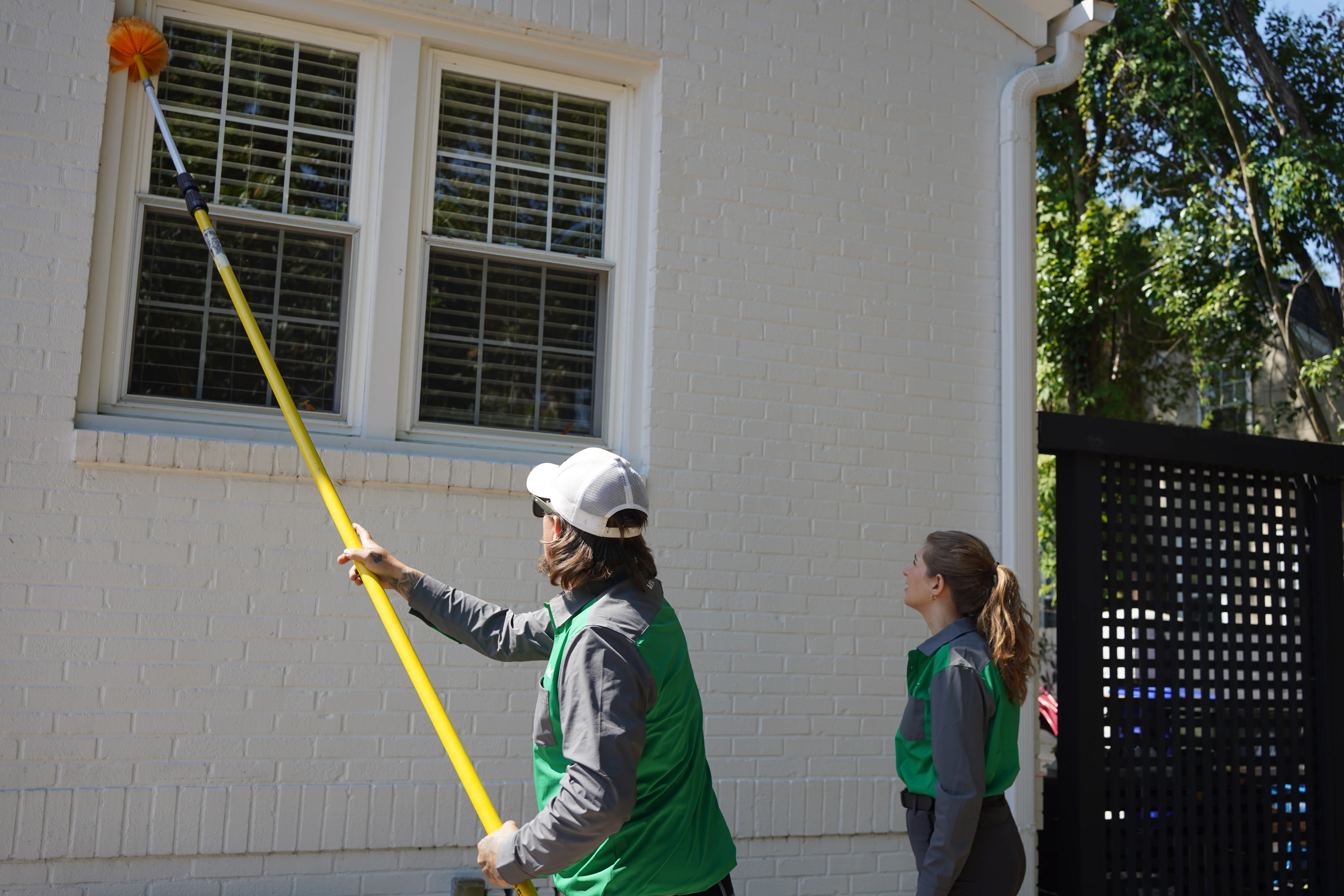
- Yard & Eave Treatment: Flea & tick yard treatment plus cobweb removal up to 30 ft
- Power Wall Injector: Treats wall voids where pests hide
- 6 ft Foundation Barrier: Full perimeter treatment every visit
- Yard Warranty: Free retreatment for most insects
- Kid & Pet Safe Yard Treatment: Borax granules, safe after dry
Homeowner Tips
6 Ways to Reduce Flea & Tick Pressure Around Your Charleston Property
Kid & Pet Safe
Our Treatments Are Safe for Your Whole Family: Including the Furry Members
Every product we use is EPA-registered and applied strictly at labeled rates by licensed technicians. We take the guesswork out of safety so you can feel confident letting kids and pets back into treated areas quickly.
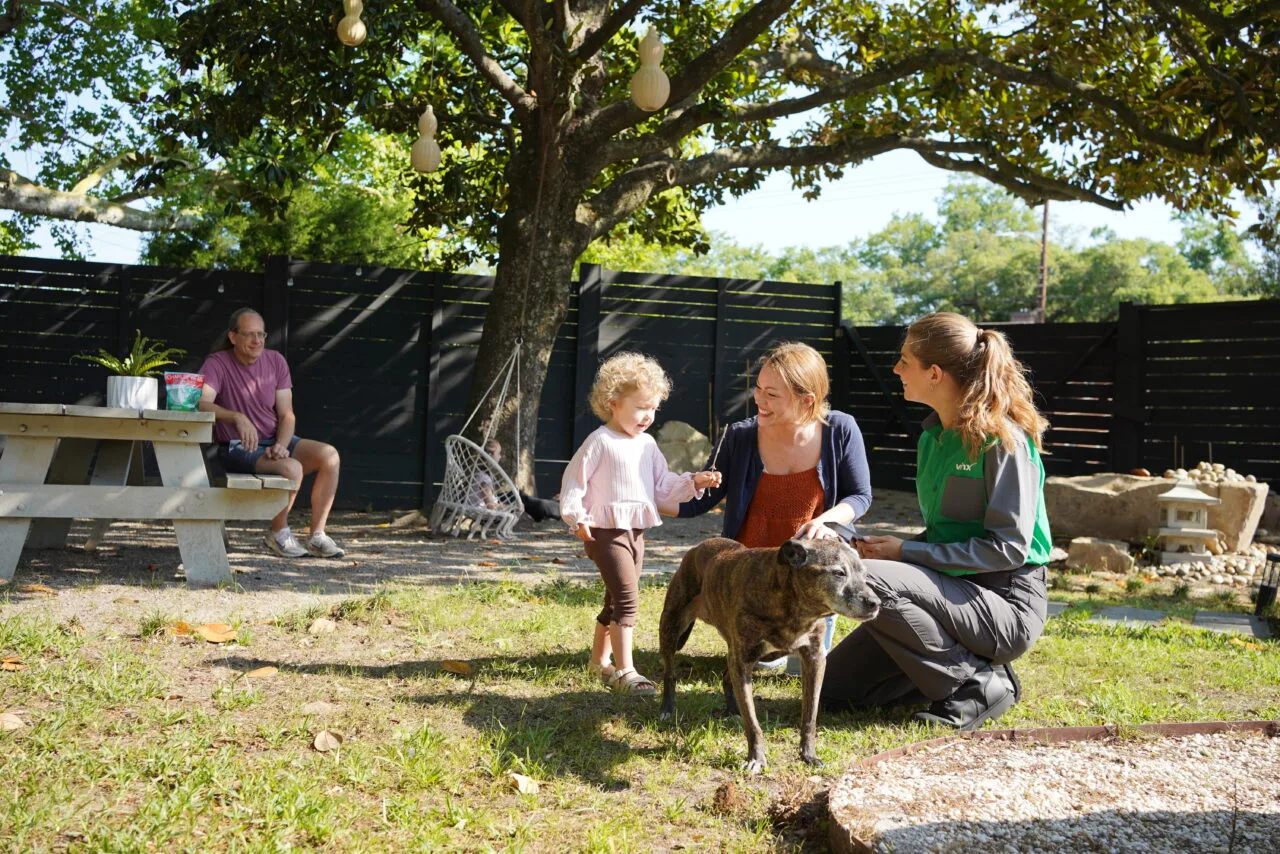
EPA-Registered Products Only
All products we apply are EPA-registered and used strictly per label requirements. Our licensed technicians are trained to apply the right product in the right place at the right rate, every time.
Dry Time Before Re-Entry
Exterior spray treatments dry in 30–60 minutes. Once dry, treated surfaces are safe for children and pets to contact. Your technician will confirm the all-clear before leaving your property.
Interior Treatment On Request
We treat only what’s needed, where it’s needed. Gel baits in cabinets and crack-and-crevice applications keep products away from areas pets and children frequent most.
Botanical Options Available
Have specific sensitivities? Ask your technician about our plant-derived treatment options. We offer botanical alternatives for households that prefer a more natural approach.
Have a concern about products used near your pets or children? Call (843) 920-8469 and we’ll walk you through exactly what we use and why it’s safe.
Explore More
More Pest Control Services in Charleston

Pest Control Charleston
General pest protection
Bed Bug Control Charleston
Heat & liquid treatments
Cockroach Control Charleston
Palmetto bug & roach removal
Mosquito Control Charleston
Monthly barrier treatments

Rodent Control Charleston
All rodents covered
Spider Control Charleston
All spider species covered
Termite Control Charleston
Bait systems & liquid treatment
Exterminator Charleston
Same-day local exterminators
Ant Control Charleston
Household ants & others
Wasp Control Charleston
Nest removal & prevention
FAQ
Flea & Tick Control in Charleston, Your Questions Answered
No, and we would rather say so than sell against a risk that is not really here. South Carolina is not on the CDC's list of high-incidence Lyme states, and Clemson's own tick page describes the blacklegged tick, the Lyme vector, as found across South Carolina but in low volume. SC DPH puts the confirmed Lyme rate in the Lowcountry at about 4.6 cases per 100,000 people; Maine runs above 200. Because the CDC counts cases by county of residence rather than where someone was infected, a Charleston case does not necessarily mean local transmission. The tick-borne illnesses that genuinely matter here are spotted fever rickettsiosis, which South Carolina reported at 20 to 95 cases a year between 2006 and 2018, and ehrlichiosis, both carried by ticks that are actually common in the Lowcountry. Daily tick checks from February onward after outdoor activity near wooded or marsh-edge vegetation are the most important personal protective step for Charleston County homeowners.
Charleston's coastal climate gives milder winters than the SC interior, so flea and tick activity here runs later into the autumn and restarts earlier in the spring than it does Upstate. We describe it as a long season rather than counting months against other cities, because no published data compares South Carolina cities that way. The practical winter break in Charleston is December and January only. Additionally, Charleston's sea island ecology, tidal marsh and creek systems sustaining dense deer and wildlife populations, creates higher tick introduction frequency than most Upstate SC residential settings. Properties on James Island, Johns Island, and West Ashley's tidal creek corridors face daily deer-driven tick introduction throughout the season.
James Island carries some of the highest flea and tick pressure in Charleston County due to the combination of tidal marsh adjacency, maritime forest habitat, and the white-tailed deer density. The tidal vegetation border (whether a fence line, naturalized ground cover strip, or grassy margin between maintained lawn and marsh edge) is the primary treatment emphasis zone for every James Island property on Plus or Platinum plan service. Call (843) 920-8469.
Exterior flea and tick yard treatment is included in the Plus plan at $75 per month and the Platinum plan at $109 per month for homes up to 3,000 sq ft. Interior flea treatment with IGR is available in the Platinum plan. Both plans also cover full pest control, fire ant treatment, and, for Platinum, monthly mosquito service during the active season. Call (843) 920-8469 for a free quote.
Veterinary flea prevention kills adult fleas on your pet, it does not address the great majority of the flea population, which at any moment is eggs, larvae and pupae developing off the pet in carpet, pet bedding and shaded yard vegetation. In Charleston County's long outdoor flea season, wildlife continuously replenish the outdoor flea population in your yard regardless of your pet's prevention status. Yard treatment (Plus or Platinum) eliminates the outdoor source. Interior IGR treatment (Platinum) breaks the indoor breeding cycle. All three together deliver lasting control.
Vinx serves all of Charleston County, the Historic Peninsula, West Ashley, James Island, Johns Island, Folly Beach corridor, Daniel Island, North Charleston, Summerville, and surrounding communities. Call (843) 920-8469 to confirm scheduling for your specific address.
Service Coverage
Flea & Tick Control Across Charleston & the Lowcountry
Serving every neighborhood in the Charleston metro area
Serving the Greater Charleston Area