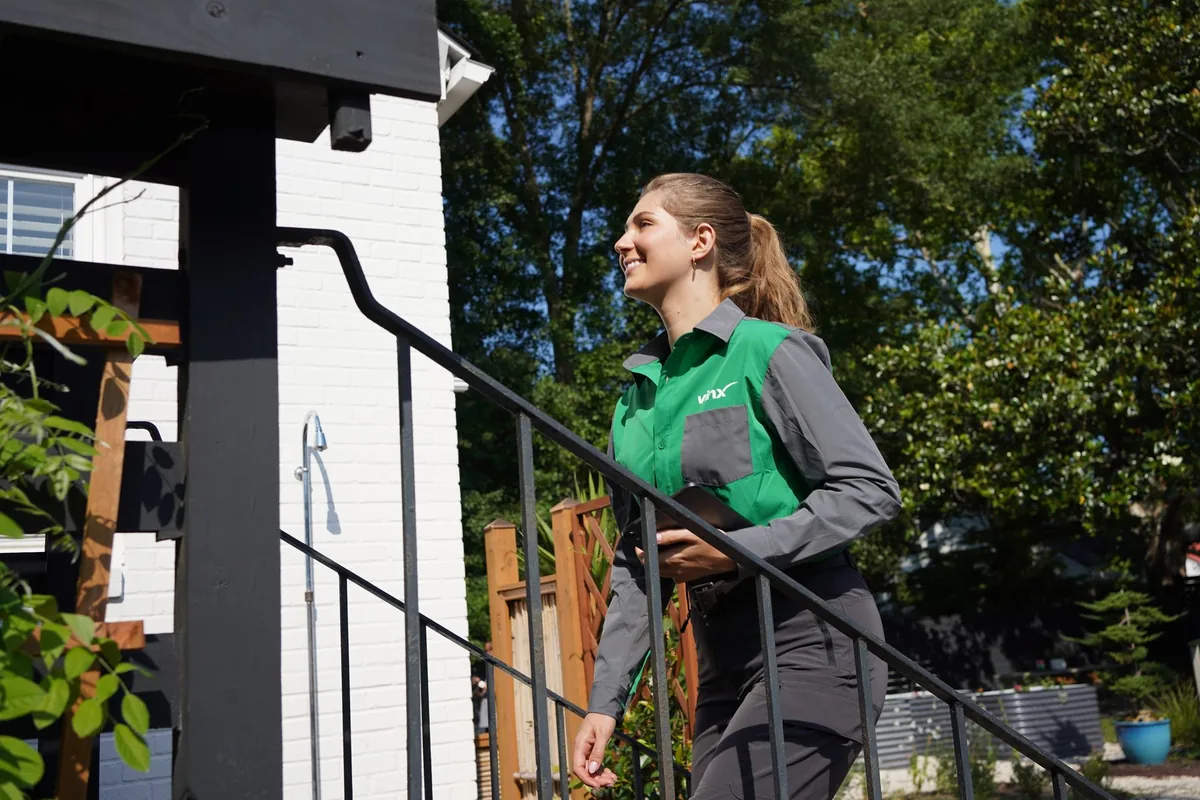
Mosquito Control in Charleston, SC
Barrier Spray + In2Care Trap System — Seasonal & One-Time Treatments Available
Mosquito control in Charleston works best as a two-system approach: barrier spray eliminates resting adults, and In2Care traps stop larvae before they hatch. Vinx treats the full yard — not just the edges. Free re-treatment guarantee.
Get Started in 60 Seconds
Choose what’s easiest for you
Request a Quote
We usually respond in 2 minutes
Call 855-800-8469
Get a Live Person (no AI agents here!)
Sign Up Online
Get pricing and schedule now





Welcome to Vinx Pest Control
A Company That Actually Backs What It Says
At Vinx, we combine professional-grade treatments with a level of service most pest control companies don't offer. Local technicians, fast response times, and a guarantee that actually means something.
Get a Free Quote"I'm not passionate about killing bugs. I'm passionate about customer service. At Vinx, you get experts who show up, do the job right, and stand behind every visit. No runaround, no fine print."
WELCOME TO VINX PEST CONTROL
Protection Plans for Charleston Homeowners

Standard Residential Protection
- 4 Seasonal Treatments Per Year
- 50+ Covered Pests
- Interior, Exterior & Yard Treatment
- Unlimited Free Re-Services
- 100% Money-Back Guarantee

Upgraded Yard Protection
- 6 Home & Yard Treatments Per Year
- 50+ Covered Pests
- Yard Ant Elimination Guarantee
- Flea & Tick Elimination Guarantee
- 100% Money-Back Guarantee

Most Comprehensive Protection
- 9 Treatments Per Year
- 50+ Covered Pests
- 8 Mosquito Treatments (Mar–Nov)
- Flea, Tick & Ant Coverage
- Free Bed Bug Treatments if Needed*
*Starting rates vary by home size and area. All plans billed monthly.
Request Your Free Mosquito Control Quote
Fill out the form below and a Vinx team member will reach out within 2 minutes during business hours.
Prefer to talk? Call 855-800-8469 for a live person — no AI agents.
Our Approach
How Vinx Controls Mosquitoes in Your Charleston Yard

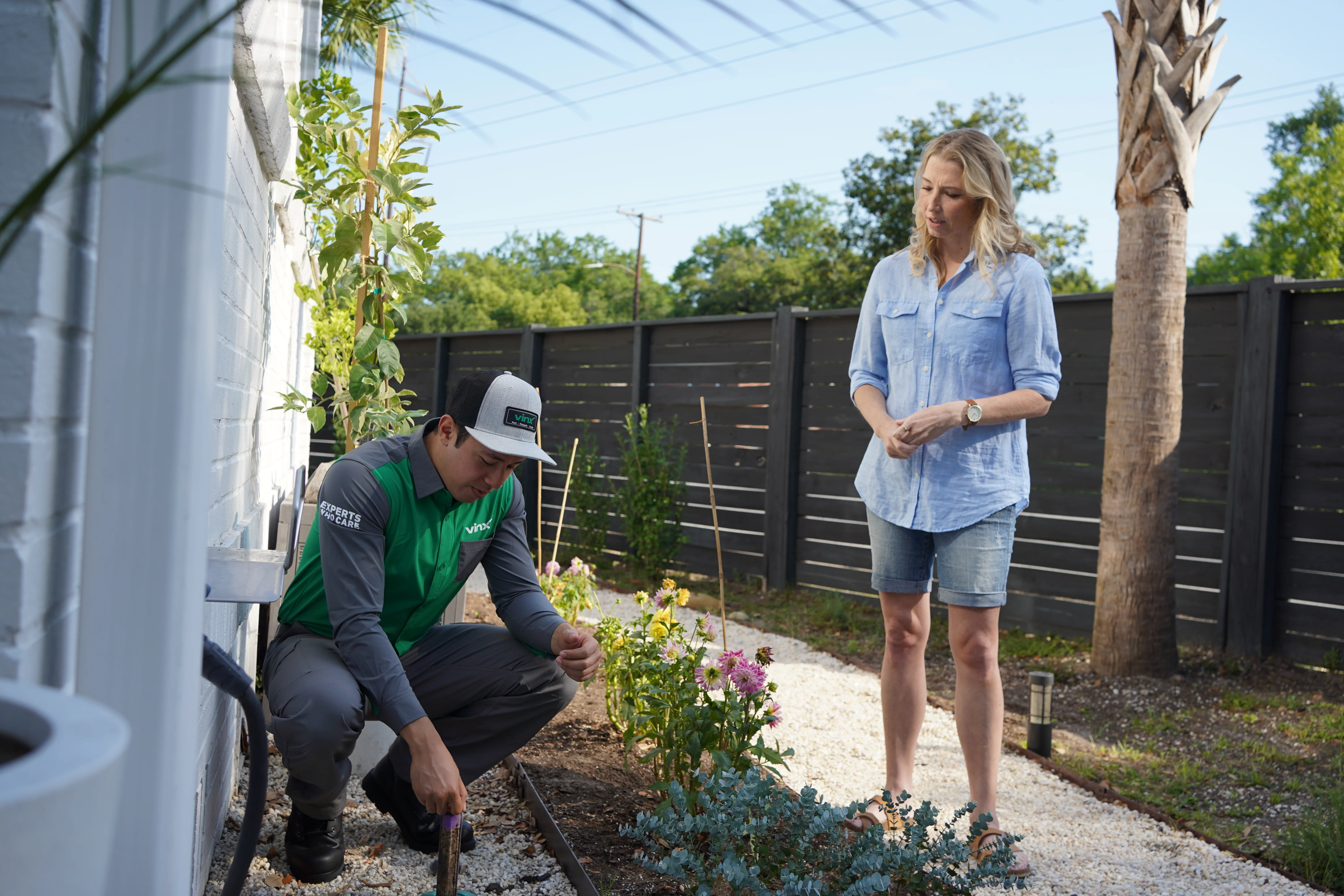
Property Inspection & Breeding Site Assessment
Your technician walks the full property to identify mosquito resting areas — dense vegetation, shaded shrubs, wood piles — and standing water breeding sites such as gutters, low spots, ornamental pots, and tarps. A targeted treatment plan is built around what is actually driving mosquito pressure on your property.
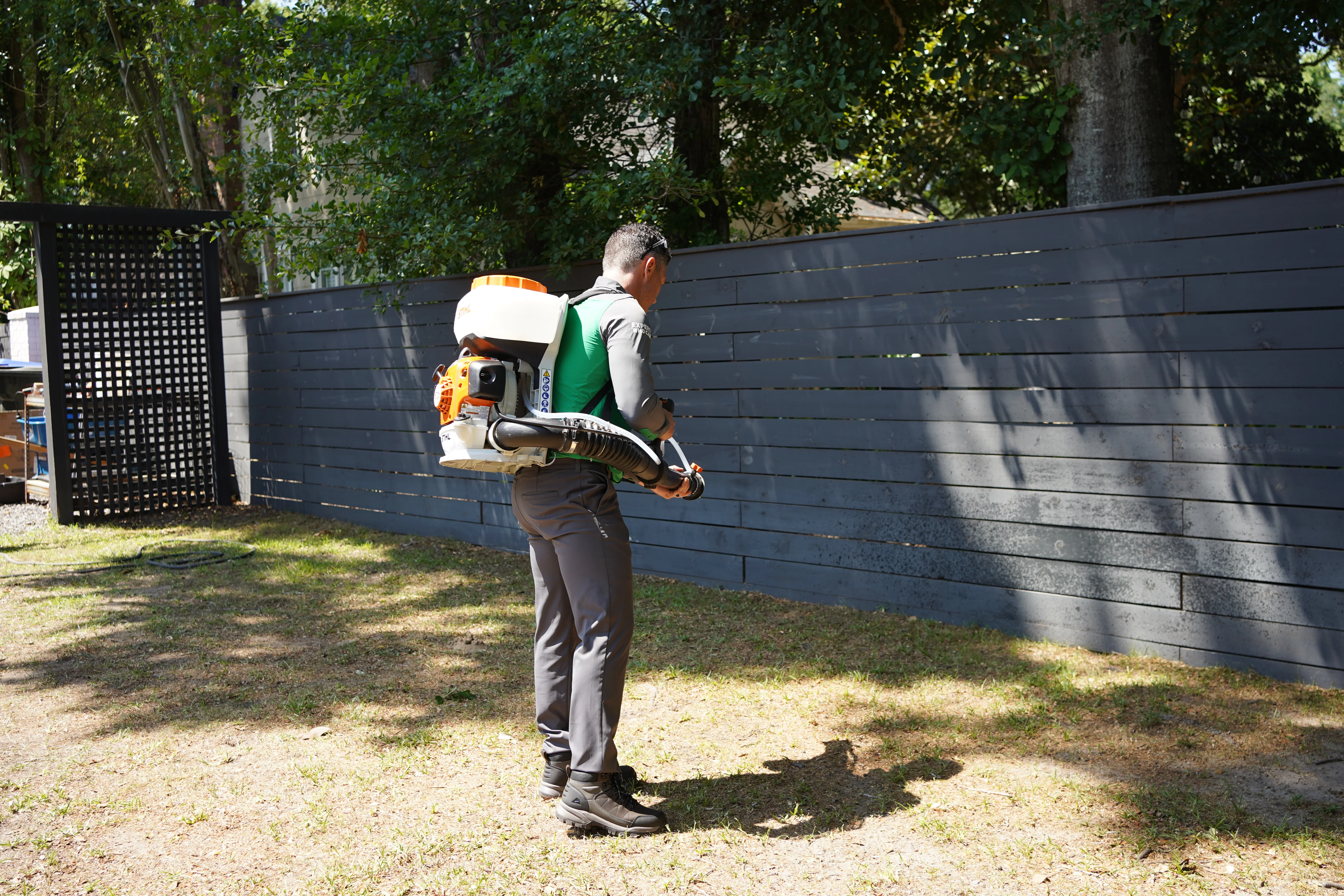
Yard Treatment
A fine-mist application of residual insecticide is applied to the underside of shrubs, lower tree canopies, tall grass, fence lines, and other resting areas. The treatment kills active mosquitoes on contact and provides a residual effect that continues working for 3–4 weeks between monthly service visits.
Larvicide Application
Larvicide tablets or liquid is applied to any standing water that cannot be eliminated — retention areas, drainage ditches, decorative ponds. Larvicide prevents mosquito larvae from maturing into biting adults and continues working for 30 days, breaking the breeding cycle between visits.
Monthly Service & Free Re-Treatments
Monthly visits maintain continuous pressure on the mosquito population throughout the season. If mosquito activity returns within the service period, we come back and re-treat at no additional charge. Your technician also recommends property modifications — drainage corrections, vegetation management — that reduce long-term mosquito pressure.
What Our Customers Say
What Charleston Homeowners Say About Vinx Mosquito Control
Tony's inspection highlighted several issues. With a good explanation of solutions, he's getting my house back on track.
Tony was great. He came and inspected our house, took his time and told us what our next steps were. Very thorough.
I called at 1pm on a Friday and they squeezed me in the same day — amazing. Mike and Jonathan did a fantastic job explaining the treatment plan.
I was skeptical about year-round treatment but Vinx explained why Charleston mosquitoes don't stop in winter. They were right. We started in November and spring was much better…”
Tidal flooding kept bringing mosquitoes back even after other companies treated. Vinx understands the Lowcountry environment — they address the tidal connection with larvicide and…”
Vinx has been treating our yard for two seasons now. The difference is incredible — we actually enjoy our evenings outside again. Their technicians are always on time and thorough.
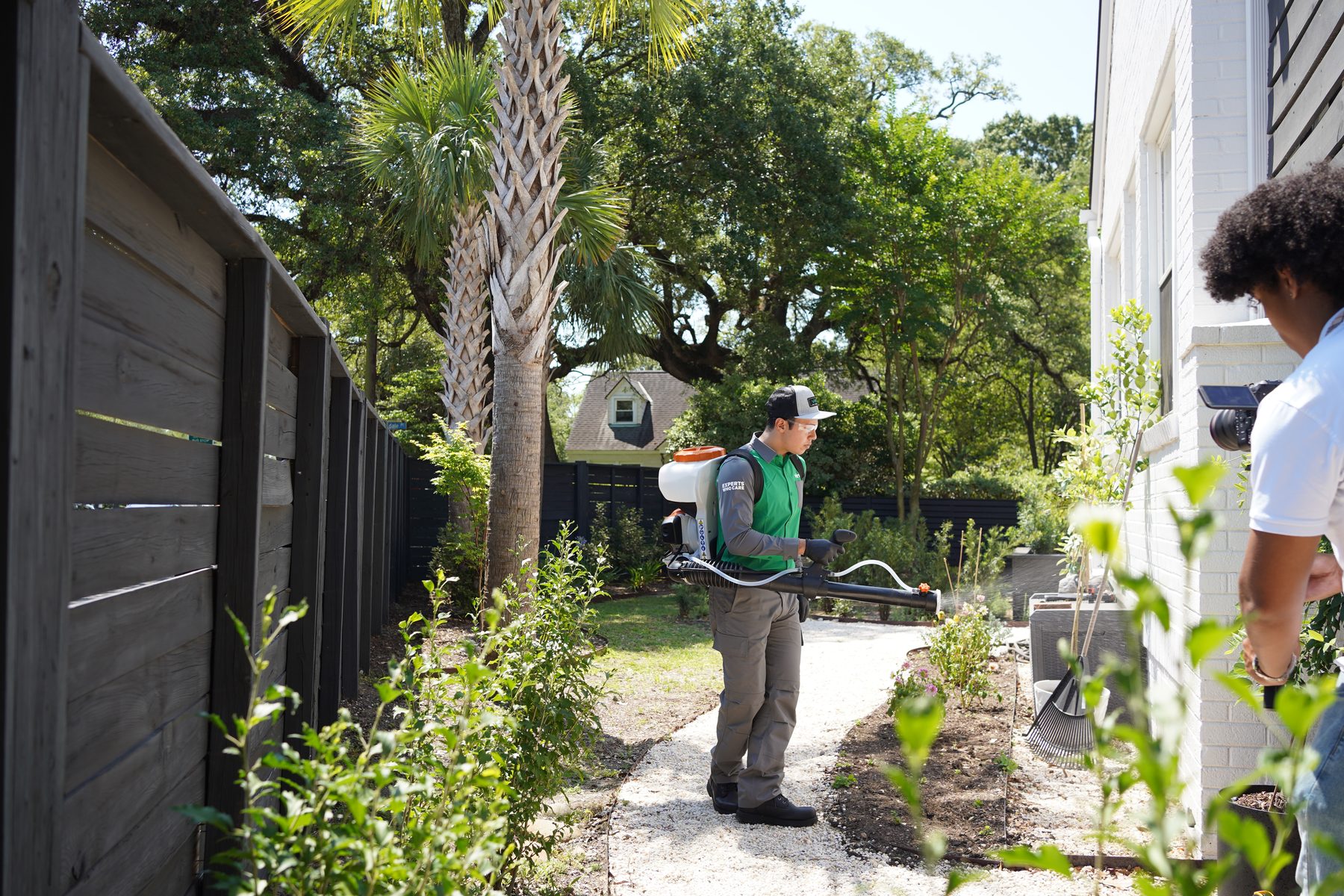
Ready to Take Back Your Yard?
Late April is when populations in Charleston's tidal neighbourhoods start building fast. Start treatment before the population peaks — not after. Free inspection, same-day availability.
The Local Threat
Why Charleston Needs Year-Round Mosquito Control
Most companies treat May–October and call it done. In Charleston that leaves a gap that costs you every spring. Average winter low rarely below 35°F. Culex slow below 50° but that window is short. Warm January day brings them back immediately.
Aedes eggs survive winter in diapause and hatch the moment temps rise above 50° — as early as late February in Charleston. Homeowners who stop in October and restart in May leave 3–4 months where eggs are hatching and populations build with no barrier in place.
Charleston sits in one of the most mosquito-active regions on the East Coast. The tidal marsh system running through West Ashley, James Island, and Johns Island creates thousands of acres of shallow, warm, slow-moving water that never fully drains. Mosquitoes breed constantly.
Neighbourhoods along the Stono River, the Folly Creek corridor, and the tidal flats behind Johns Island carry significantly higher mosquito pressure than anywhere else in the Lowcountry. No part of the Charleston metro is low-risk at any time of year.
Mosquito Species in Charleston
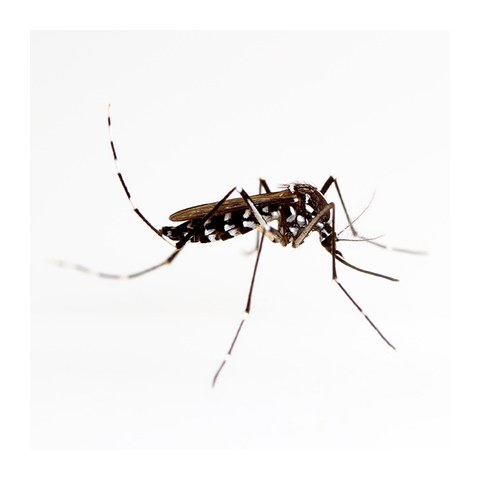
Aedes (Tiger) Mosquito
- Bite during the day — active while you're outdoors.
- Breed in small containers: gutters, plant saucers, birdbaths, outdoor furniture.
- Both Aedes aegypti and Aedes albopictus present in the Lowcountry — both transmit Zika virus.
- Eggs survive winter in diapause and hatch when temps exceed 50°F — as early as late February.
- Female lays up to 300 eggs per batch. Larvae develop to biting adults in as little as 7 days in peak summer.
- Waiting until you notice a problem is already too late.
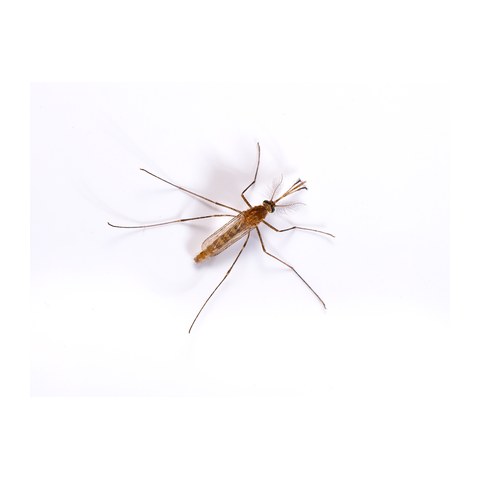
Culex (Common) Mosquito
- Bite at night — most active from dusk through dawn.
- Breed in larger water: drainage ditches, retention ponds, tidal marsh edges in nearly every Charleston neighbourhood.
- Culex pipiens and Culex quinquefasciatus carry West Nile virus and Eastern Equine Encephalitis in South Carolina.
- Slow down below 50°F but never fully stop in Charleston's mild winters — active on warm winter days year-round.
- Properties east of the Ravenel Bridge near the Wando River and Intracoastal Waterway face major Culex breeding zones.
- Also transmit heartworm to dogs and cats through a single bite.
Mosquito Pressure by Area
Mosquito Risk Across Charleston Neighbourhoods
West Ashley, James Island & Johns Island — Highest Pressure
- West Ashley, James Island, Johns Island — highest mosquito pressure in the metro.
- Stono River, Folly Creek, tidal flats behind Johns Island: thousands of acres of shallow breeding water that never fully drains.
- Tidal activity replenishes breeding sites even after dry spells — mosquitoes from marsh edges repopulate a treated yard within days without larvicide.
- Year-round treatment with monthly larvicide is essential for these properties.
Charleston Peninsula & Historic District
- Tidal water on three sides of the Charleston peninsula means no relief from the breeding habitat.
- Dense mature tree canopy in French Quarter, Harleston Village, and South of Broad creates extensive daytime resting zones for adult Aedes mosquitoes.
- Historic gutters and drainage infrastructure hold standing water longer than modern systems.
- Monthly barrier spray targeting foliage and larvicide for any standing water is the minimum effective approach.
Mount Pleasant, Summerville & Greater Charleston
- Properties east of the Arthur Ravenel Jr. Bridge near the Wando River and Intracoastal Waterway face major Culex breeding zones.
- Summerville, Goose Creek, and North Charleston: flat topography means water pools and sits for days after significant rainfall.
- New residential developments in Daniel Island sit adjacent to tidal waterways with continuous Culex pressure.
- Year-round monthly treatment recommended. Seasonal-only leaves a significant spring buildup gap.
Warning Signs
Signs Mosquito Pressure Needs Professional Attention
Daytime Biters Present
Aedes active on your property — a sign of established breeding nearby.
Biting Pressure Before and After Dusk
Culex active in your yard — indicating population beyond tolerable level.
Standing Water Persisting 4+ Days
Active breeding sites on or adjacent to your property.
Mosquitoes Entering Home
Getting inside despite closed windows and screens — outdoor pressure is high.
Multiple Bites in Single Evening
Population exceeds any tolerable level — professional treatment needed.
Children/Pets Can't Use Outdoor Spaces
Quality-of-life impact signaling population is completely out of control.
Your Local Team
The Technicians Behind Your Mosquito Control
Ryan Garcia
Charleston Peninsula & James Island
Ryan handles mosquito treatments across the peninsula and James Island — two of the highest-pressure zones in the metro. He understands that tidal properties need larvicide year-round, not just adulticide. Customers consistently note that he identifies breeding sources others miss, including tidal edge transition zones and roof gutter buildup that feeds Aedes populations.
Leon Givens
Summerville, Goose Creek & Greater Lowcountry
Leon covers Summerville and the inland portions of the service area where flat topography means standing water persists for days after rain. He tracks treatment history by property and proactively increases larvicide application after heavy rainfall events. Customers in suburban neighbourhoods note that his approach addresses the spring build-up gap that seasonal-only customers experience every year.
Homeowner Tips
6 Ways to Reduce Mosquito Pressure Right Now
Kid & Pet Safe
Our Treatments Are Safe for Your Whole Family — Including the Furry Members
Every product we use is EPA-registered and applied strictly at labeled rates by licensed technicians. We take the guesswork out of safety so you can feel confident letting kids and pets back into treated areas quickly.

EPA-Registered Products Only
All products we apply are EPA-registered and used strictly per label requirements. Our licensed technicians are trained to apply the right product in the right place at the right rate — every time.
Dry Time Before Re-Entry
Exterior spray treatments dry in 30–60 minutes. Once dry, treated surfaces are safe for children and pets to contact. Your technician will confirm the all-clear before leaving your property.
Interior Treatment On Request
We treat only what’s needed, where it’s needed. Gel baits in cabinets and crack-and-crevice applications keep products away from areas pets and children frequent most.
Botanical Options Available
Have specific sensitivities? Ask your technician about our plant-derived treatment options. We offer botanical alternatives for households that prefer a more natural approach.
Have a concern about products used near your pets or children? Call 855-800-8469 and we’ll walk you through exactly what we use and why it’s safe.
Explore More
More Pest Control Services in Charleston




Frequently Asked Questions
Mosquito Control FAQ for Charleston Homeowners
Year-round mosquito treatment included in Vinx Platinum at $109/mo — covers monthly treatments during mosquito season plus one winter service. Mosquito-only service also available outside the plan, call 855-800-8469 for property-specific pricing.
Most effective approach combines monthly barrier spray targeting adult mosquitoes in foliage with larvicide treatment of standing water breeding sites. DIY sprays and citronella candles reduce biting pressure temporarily but don't eliminate breeding populations. Professional monthly treatment with adulticide and larvicide is the only method proven to sustain 80–90% population reduction through the full Charleston mosquito season.
Yes. All EPA-registered products applied per strict label requirements. Pets and children can return to treated areas once products dry — typically 2–4 hours. We never apply treatments while children or pets are present.
Yes. Charleston's mild winters mean populations never fully collapse. A warm January or February day brings Culex out of semi-dormancy. Aedes eggs survive winter in diapause and hatch when temps rise above 50°F — as early as late February. Stopping in October and restarting in May leaves a 3–4 month gap where eggs are hatching and populations build with no barrier. Year-round treatment closes that gap.
Vinx treatments eliminate up to 90% of the mosquito population per application. Properties near tidal marshes typically see 80%+ reduction after the first two monthly treatments. Year-round monthly treatment maintains consistent knockdown and prevents the spring population surge that seasonal-only customers face every year.
Each barrier spray lasts approximately three weeks. Monthly visits ensure consistent year-round coverage with minimal gaps between applications.
In Charleston, mosquito season never fully ends. Peak pressure May–October. Aedes eggs hatch as early as late February when temps rise above 50°F. Culex emerge during warm winter days throughout the year. Year-round monthly treatment is the most effective approach for Lowcountry properties.
Yes. Every treatment includes adulticide barrier spray targeting resting adults in foliage AND larvicide for standing water that can't be eliminated. Treating both breaks the breeding cycle rather than just reducing the existing adult population. On tidal-adjacent properties, larvicide of persistent water matters year-round.
Yes. Vinx provides targeted pre-event treatments for outdoor gatherings. Call 855-800-8469 with your event date and we advise on timing and coverage to ensure mosquito-free conditions for your guests.
Primary mosquito-borne diseases in South Carolina: West Nile virus, Eastern Equine Encephalitis, and Zika virus. Culex carry West Nile and EEE. Aedes transmit Zika. SC reports West Nile annually with highest activity in coastal counties including Charleston County. Mosquitoes also transmit heartworm to dogs and cats — a risk monthly barrier spray directly reduces.
Tidal marsh systems create thousands of acres of shallow, warm, slow-moving water that never fully drains — constant breeding habitat. Neighbourhoods along the Stono River, Folly Creek, and tidal flats behind Johns Island carry significantly higher pressure than inland areas. Monthly barrier spray creates a treated buffer zone between your outdoor living areas and marsh breeding habitat. Without it, adults repopulate a treated yard within days.
Most Charleston mosquito appointments same-day or next-day. Call 855-800-8469. If we cannot service your home the next business day, your initial service is free.
We apply barrier spray to foliage where mosquitoes rest — primarily shaded areas and undersides of leaves. We do not treat flowering plants where pollinators feed. We recommend scheduling in early morning or evening when bee activity is lowest. If you have an established garden or pollinator plantings, tell your technician and we adjust accordingly.
Service Coverage
Mosquito Control Across Charleston & the Lowcountry
Serving every neighbourhood in the Charleston metro area