Mosquito Control in Duncan, SC
Asian Tiger, Common Malaria, Eastern Treehole & Southern House Mosquito Experts
Duncan runs more public water and green space than a town of 4,000 usually does — Shipwreck Cove Water Park, Stone Ledge Park and Linear Park, with the Middle Tyger River along the northern edge toward the Lyman line. River corridor aside, the mosquito problem in a town adding housing this fast is often man-made: new impervious surface upstream changes where runoff collects, and the low spot that now holds water for a week did not hold it five years ago. Vinx treats the species actually breeding, not a generic fog.
Get Started in 60 Seconds
Choose what’s easiest for you
Request a Quote
We usually respond in 2 minutes
Call 855-800-8469
Get a Live Person (no AI agents here!)
Sign Up Online
Get pricing and schedule now





Welcome to Vinx Pest Control
A Company That Actually Backs What It Says
At Vinx, we pair professional-grade treatment with a level of follow-through most pest control companies skip. Local technicians, fast response, and a guarantee that holds up after the invoice is paid.
Get a Free Quote“I’m not passionate about killing bugs. I’m passionate about customer service. At Vinx, you get experts who show up, do the job right, and stand behind every visit. No runaround, no fine print.”
PROTECTION PLANS
Mosquito Control Plans for Duncan Homeowners
100% money-back guarantee on every plan.

Standard Residential Protection
- 4 Seasonal Treatments Per Year
- 50+ Covered Pests
- Interior, Exterior & Yard Treatment
- Unlimited Free Re-Services
- 100% Money-Back Guarantee
- Fire Ant Yard Guarantee
- Flea & Tick Coverage
- Mosquito Treatments

Upgraded Yard Protection
- 6 Home & Yard Treatments Per Year
- 50+ Covered Pests
- Interior, Exterior & Yard Treatment
- Unlimited Free Re-Services
- 100% Money-Back Guarantee
- Fire Ant Yard Elimination Guarantee
- Flea & Tick Elimination Guarantee
- Mosquito Treatments

Most Comprehensive Protection
- 9 Treatments Per Year
- 50+ Covered Pests
- Interior, Exterior & Yard Treatment
- Unlimited Free Re-Services
- 100% Money-Back Guarantee
- Fire Ant Yard Elimination Guarantee
- Interior Flea & Tick Coverage
- 8 Mosquito Treatments (Mar–Nov)
- Free Bed Bug Treatments if Needed*
All plans include a $329 initial treatment and a 12-month agreement. Monthly mosquito treatments run March through October to match the region’s active mosquito season, tapering to a single dormant-season service in winter. Hosting an outdoor event or managing a property near the Middle Tyger River or the rural Spartanburg County fringe? Ask about a one-time event mosquito treatment. *Starting rates vary by home size and area. All plans billed monthly.
Get Started
Get Your Free Duncan Mosquito Inspection
Tell us about your property and we'll respond in minutes, (855) 800-8469 · 24/7
How It Works
How Vinx Eliminates Mosquitoes in Your Duncan Yard

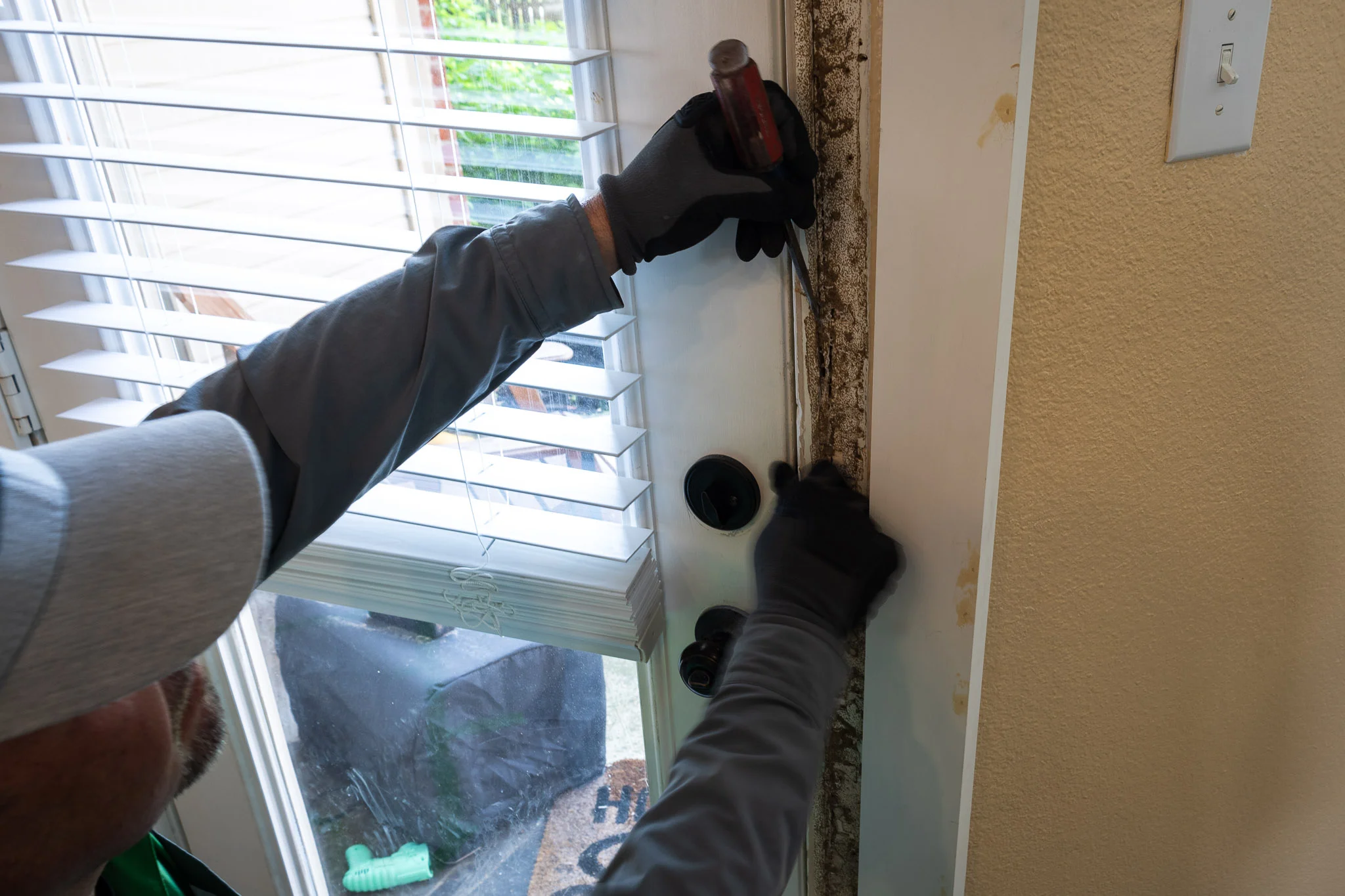
Inspection & Breeding Site Identification
Your technician walks the property looking for standing water — mature shade trees near the historic crossroads, the vegetated banks of the Middle Tyger River, farm ponds out on the rural Spartanburg County fringe, storm drain and loading-dock infrastructure along the I-85 industrial corridor, and containers and construction runoff in the US-29 growth corridor — and identifies which mosquito species is actually breeding.
Larvicide Treatment
Standing water that can’t be eliminated is treated with larvicide to stop mosquitoes before they reach adulthood, particularly important for the Middle Tyger River, farm ponds on the rural fringe, and tree cavities near the historic crossroads.

Barrier Treatment for Adult Mosquitoes
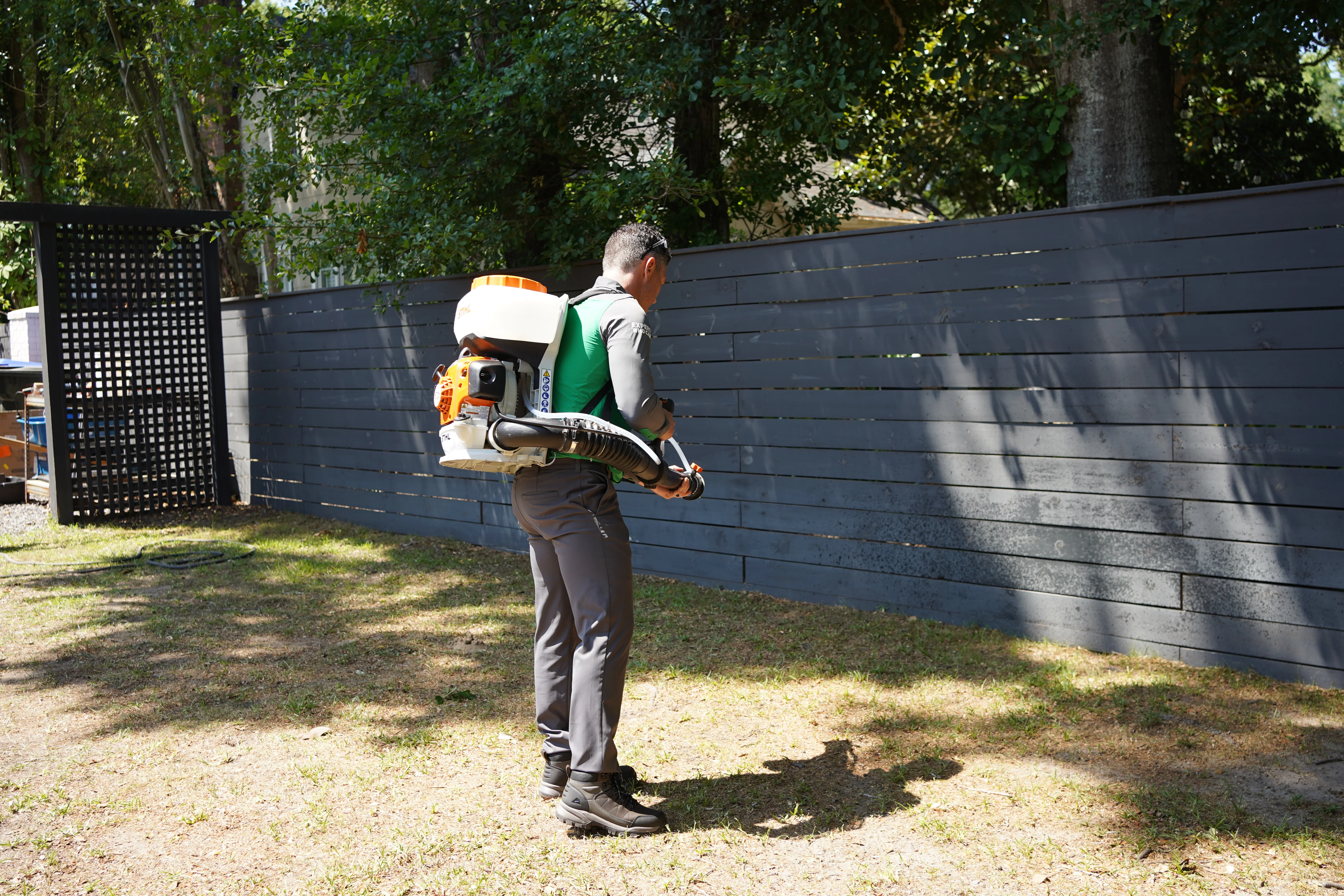
Vegetation, shaded resting areas, and property perimeters are treated to knock down adult mosquito populations, targeting the day-biting Asian tiger mosquito around containers and construction sites in the US-29 growth corridor.
Ongoing Monitoring & Retreatment
Follow-up visits maintain protection through the Upstate’s long, humid mosquito season, with free re-service between visits if activity returns.
What Customers Say
Real Reviews from Duncan Customers
Jonathan was polite and thorough. He was knowledgeable and ensured he used only organic products.for my health and veggie gardens. Sweet Daddy of 3 young ones!
Verified Google ReviewJonathan provided excellent pest control service. He was thorough and took the time needed to walk around my property after he administered the pest control liquid. Sending a video of what was done is a nice touch.
Verified Google ReviewKyngstyn did a great job taking care of my pest control needs
Verified Google ReviewThe guys who service me are always polite, professional and very adept at their jobs. I have not noticed a single Palmetto Bug since you took control of it. Thanks again to my guy..
Verified Google ReviewMy kitchen became infested with flies and Vinx took care of me right away. Kyngston the technician is such a good representative for Vinx, I really appreciate him.
Verified Google ReviewAlex is polite and courteous. He takes care with my animals, when treating my home and property. Provides detailed information regarding other problem areas. Is available to answer questions. Good job.
Verified Google ReviewDuncan Mosquito Pressure
Why Mosquito Control in Duncan Isn’t One-Size-Fits-All
A lot of pest control companies run the same generic fogging treatment everywhere, regardless of what’s actually breeding or why. That’s a mistake in a town like Duncan, which mixes a historic railroad crossroads, an industrial corridor home to international manufacturers, two river corridors, a growing residential edge, and a rural fringe.
It also matters more here than in much of South Carolina, because in Duncan there is no public program behind you. The South Carolina Department of Public Health publishes a list of local mosquito control agencies county by county, and Spartanburg County does not appear on it — no county district, and no municipal program in Duncan, Lyman, Wellford or the city of Spartanburg. The closest listed programs are in Gaffney and, over in Greenville County, the cities of Fountain Inn and Mauldin, none of which treat this side of the county line. Clemson’s guidance is blunt about what that costs a homeowner: area-wide efforts are likely to be more successful than the efforts of a single property owner. Duncan does not have one, so the property line is the program, and getting the species and the breeding source right is the whole job.
4 Mosquito Species Common to Duncan
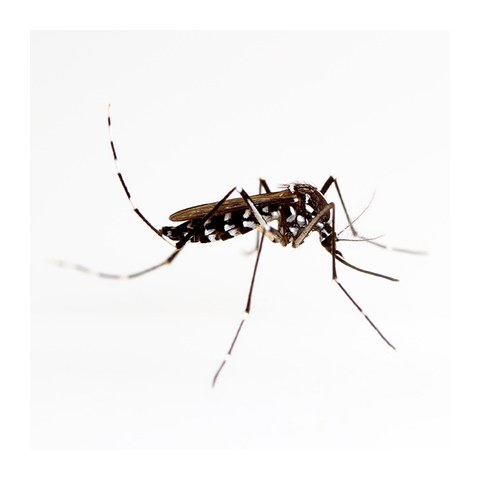
Asian Tiger Mosquito (Aedes albopictus)
An aggressive, day-biting mosquito with distinctive black-and-white striped legs. Clemson HGIC confirms it breeds in almost any small container that holds water — buckets, tires, clogged gutters, planters — making it a genuine concern around the newer residential development and construction activity in the US-29 growth corridor.
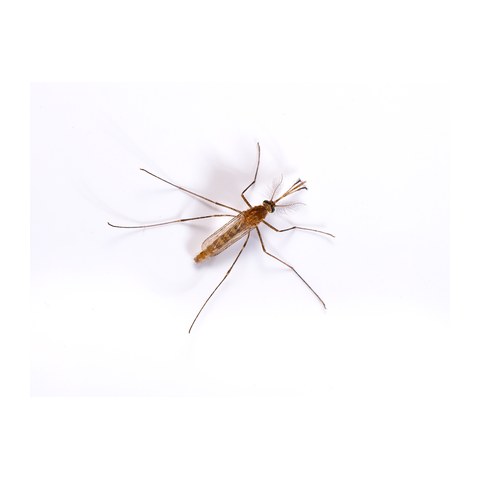
Southern House Mosquito (Culex quinquefasciatus)
A night-biting species that breeds readily in polluted or stagnant water, including storm drains and catch basins. Common around the manufacturers and warehouse facilities of the I-85 industrial corridor.

Common Malaria Mosquito (Anopheles quadrimaculatus)
A species that prefers fresh, slow-moving water with dense aquatic vegetation, per USDA research. This makes both the vegetated banks of the Middle Tyger River and the farm ponds and drainage ditches out on the rural Spartanburg County fringe a close and direct fit for this species.
Eastern Treehole Mosquito (Aedes triseriatus)
A species native to the eastern United States that favors hardwood habitats and breeds in natural tree holes, occasionally biting during the day in shaded areas. This is a genuine fit for the mature shade trees common near Duncan’s historic crossroads.
Throughout the older, established construction near the historic SC-290 & SC-292 crossroads, the eastern treehole mosquito, a species native to the eastern United States that favors hardwood habitats, breeds in natural tree holes found in mature shade trees common to this part of Duncan. Duncan sits between two rivers — the town describes itself as flanked to the north by the Middle Tyger and to the south by the South Tyger — so a great many properties here are within reach of a vegetated bank on one side or the other. Along those banks and out on the rural Spartanburg County fringe, where farm ponds and drainage ditches hold similar fresh, slow-moving water, the common malaria mosquito finds exactly the conditions it prefers. Along the I-85 industrial corridor, the southern house mosquito, a species that breeds readily in polluted, stagnant water, takes advantage of the storm drain and loading-dock catch basin infrastructure common to manufacturing and warehouse development. And around the newer residential development filling in the US-29 growth corridor, the Asian tiger mosquito is a genuine concern given the construction runoff, discarded containers, and new landscaping typical of a growing residential edge.
By Neighborhood
Mosquito Pressure Across Duncan
Historic Duncan Crossroads — SC-290 & SC-292: Eastern Treehole Mosquito Risk
Mature shade trees common to this older, established part of Duncan give the eastern treehole mosquito the natural tree-hole habitat it needs.
I-85 Industrial Corridor: Southern House Mosquito Risk
Storm drain and loading-dock catch basin infrastructure along Duncan’s I-85 boundary gives the southern house mosquito the stagnant water it needs.
Middle Tyger River & Lyman Border: Common Malaria Mosquito Risk
Vegetated riverbank along Duncan’s northern edge gives the common malaria mosquito the fresh, vegetated water it prefers — and the South Tyger along the town’s southern flank does the same thing, so river-driven pressure is not confined to the Lyman side.
US-29 Growth Corridor: Asian Tiger Mosquito Risk
Construction runoff, discarded containers, and new landscaping typical of this growing residential edge give the Asian tiger mosquito the small container habitat it favors.
Rural Spartanburg County Fringe: Common Malaria Mosquito Risk
Farm ponds and drainage ditches on this side of town give the common malaria mosquito the same fresh, slow-moving water found along the Middle Tyger River.
Complete Coverage
What Vinx Treats in Your Duncan Home
Every common Duncan pest covered under one quarterly service plan

Ants
Ants, Argentine ants, carpenter ants, and odorous house ants. Perimeter bait, mound treatment, crack and crevice application.
All Plans
Cockroaches
American, Asian, and German cockroaches. Gel bait in harborage areas, exterior perimeter spray, drain treatment.
All Plans
Spiders
Web removal from eaves, exterior perimeter targeting harborage. Black widow identification and targeted treatment.
All Plans
Wasps & Hornets
Nest removal from eaves, soffits, structural voids. Preventative treatment of common nesting sites on each quarterly visit.
All Plans
Fleas & Ticks
Yard treatment targeting grassy and shaded areas. Interior treatment of active infestation areas.
Plus & Platinum
Bed Bugs
Inspection, heat treatment assessment, and targeted chemical treatment.
Platinum (12mo)
Rodents
Exterior bait station monitoring included in Plus and Platinum. Active infestation and full exclusion quoted separately after inspection.
Plus & Platinum
Mosquitoes
Monthly barrier spray and larvicide. Year-round service adjusted seasonally. Up to 90% population reduction per visit.
Platinum Only
Occasional Invaders
Silverfish, earwigs, centipedes, stink bugs, ladybugs, pillbugs. Crack and crevice treatment, perimeter spray, entry point ID.
All PlansWarning Signs
Signs You Need Professional Mosquito Control
Bites During the Day
A hallmark of the Asian tiger mosquito, common around new construction and containers in the US-29 growth corridor.
Mosquitoes Concentrated Near the Middle Tyger River or Farm Ponds
Consistent with common malaria mosquito activity along the river and out on the rural Spartanburg County fringe.
Mosquitoes Emerging From Mature Trees Even Without Standing Water in Your Yard
Often treehole mosquitoes breeding in tree cavities near the historic crossroads.
Evening and Nighttime Bites Near Storm Drains or Loading Docks
Often southern house mosquito activity along the I-85 industrial corridor.
Standing Water in Containers, Tarps, or Birdbaths
A breeding site for multiple species regardless of neighborhood.
Because treehole mosquitoes breed in natural cavities you can’t easily drain, properties with mature trees near the historic crossroads often need targeted larvicide treatment rather than simple yard cleanup.
Homeowner Tips
6 Ways to Reduce Mosquito Activity Around Your Duncan Home or Business
Common Questions
Mosquito Control FAQ for Duncan Homeowners & Businesses
Mosquito reduction treatment is included in Vinx’s Platinum plan at $109/mo, with a $329 initial treatment and 12-month agreement. Standalone and event treatments are also available. Call 855-800-8469 for a free quote.
Eastern treehole mosquitoes breed in natural tree holes rather than obvious standing water, which is why properties with mature shade trees near Duncan’s historic crossroads can have mosquito pressure even with a well-maintained yard.
The common malaria mosquito prefers fresh, slow-moving water with dense aquatic vegetation, which the vegetated riverbank provides naturally.
No, and it is worth knowing that before you plan your summer around it. The South Carolina Department of Public Health maintains a list of local mosquito control agencies for the state, organized by county and city, and Spartanburg County is not on it — there is no county mosquito abatement district, and no municipal program in Duncan, Lyman, Wellford or the city of Spartanburg. The nearest listed programs are the City of Gaffney in Cherokee County and, across the line in Greenville County, the cities of Fountain Inn and Mauldin; none of them treat Duncan. That is a real difference from the Lowcountry, where Beaufort, Charleston, Berkeley and Horry counties all run abatement programs. Clemson is direct about the consequence: area-wide mosquito efforts are likely to be more successful than what one property owner can do alone. Duncan has no area-wide effort, so on a Duncan property the treatment you arrange is the only treatment happening.
Yes. The I-85 industrial corridor sees more southern house mosquito activity tied to storm drains and loading-dock catch basins, while the Middle Tyger River and the rural Spartanburg County fringe see more common malaria mosquito activity tied to natural standing water.
That’s a hallmark of the Asian tiger mosquito, a container-breeding species common around construction runoff and discarded containers typical of the growing residential edge along US-29.
Yes, we treat both. Larvicide treatment addresses farm ponds and tree holes common on the rural Spartanburg County fringe and near the historic crossroads, while barrier treatment addresses residential yards and vegetation.
Yes. We offer one-time barrier treatments ahead of outdoor events, which is popular with property owners hosting gatherings near the Middle Tyger River and on the rural Spartanburg County fringe throughout the season.
Yes. We use EPA-registered products applied at labeled rates by licensed South Carolina technicians, with an exterior-focused approach that keeps treatment away from where your family and guests spend time.
Yes. We work with manufacturers and business operators along the I-85 industrial corridor on recurring commercial mosquito treatment schedules.
Yes. Vinx Pest Control is licensed and insured to operate in South Carolina, with technicians trained to identify and treat the specific mosquito species found throughout Duncan and the greater Spartanburg County area.
It can, and Duncan’s collection schedule is part of why. Town crews pick up yard debris year round but have no set schedule for it — they drive most of the streets each week, note where debris is sitting and schedule a pickup, once a week at most — so a pile can stand at the roadside for a while. Clemson lists trash, tree stumps and knot holes among the ideal breeding places alongside the obvious ponds and tires, and the timing works against you: a female lays batches of fifty to two hundred eggs, most hatch in two or three days, larvae pupate in about a week and the pupal stage lasts about two days. Some species’ eggs also need a drying period first and can lie dormant for months, which is exactly what happens on debris that dries out between storms and then gets rained on. Practical version: keep limbs under the six-foot limit and clippings and leaves bagged as the town requires, set the pile out close to when crews are working rather than weeks early, and do not let a tarp or a sagging bag sit over it holding water. If a pile has already been out a long time, the town asks that you call Town Hall.
Where We Serve
Mosquito Control Across Duncan & the Greater Spartanburg County Area
Serving the Greater Spartanburg County Area