Pest Control for Restaurants & Food Service
Protect your reputation, your rating, and your customers




Restaurant Pest Control Built for Health Code Compliance
A single pest sighting reported on a review site can cost a restaurant more business than a bad week of service. A health department citation shuts you down. Pest pressure in food service is not a minor inconvenience, it is an operational and reputational risk that requires a different level of response than residential pest control.
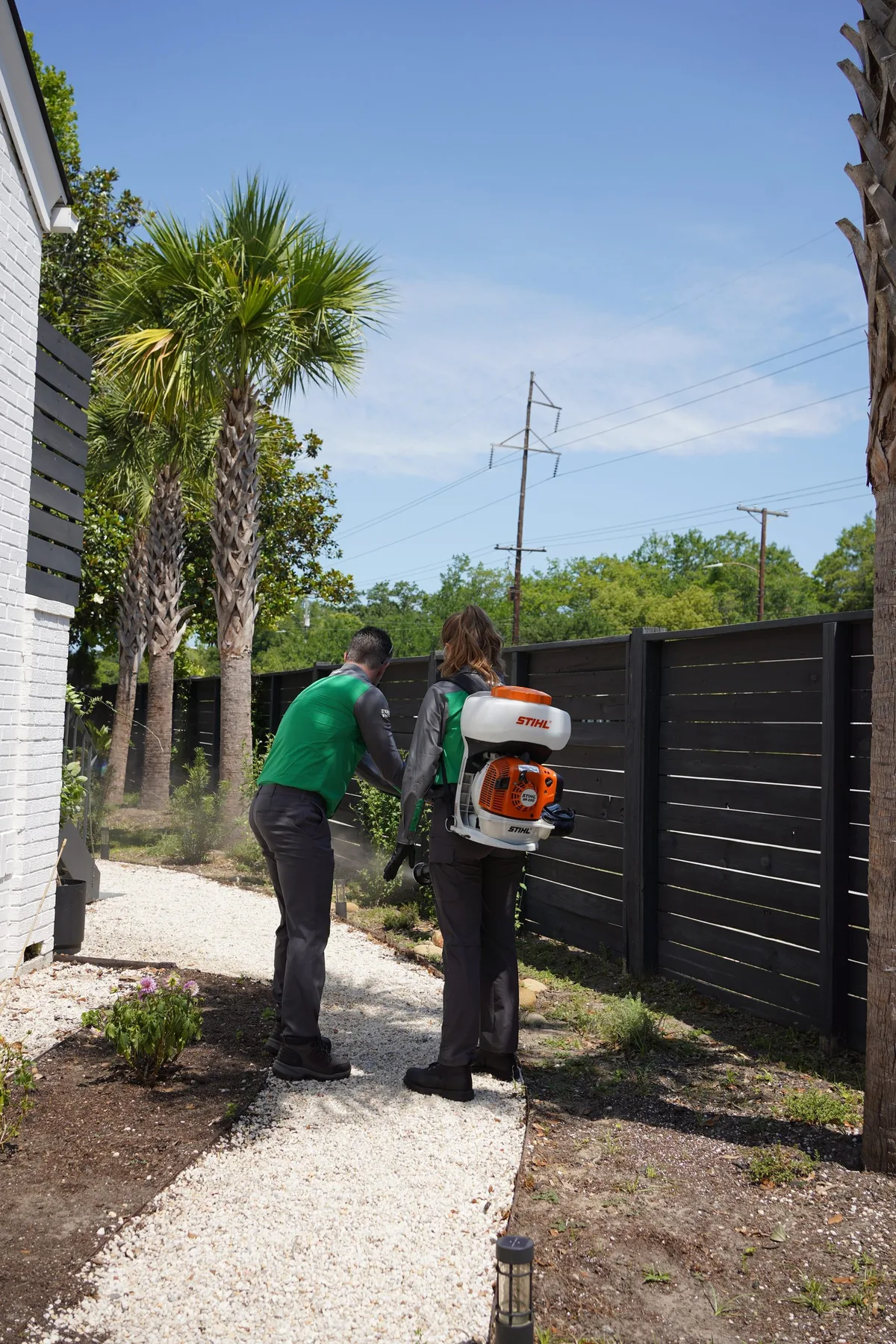
Vinx Pest Control specializes in food-service environments. We understand DHEC inspection protocols, FDA Food Code requirements, and the practical reality of treating active kitchens without contaminating prep surfaces or disrupting service. Our programs are built around documentation from day one.
Why Restaurant Kitchens Are High-Risk
- German Cockroaches: The #1 restaurant pest. They travel through plumbing chases between units and survive on the thinnest food film in a motor housing or behind a prep table.
- Rodents: Deliveries are the primary introduction vector. Every receiving door is an entry point, and mice can compress through a 1/4-inch gap.
- Drain Flies & Fruit Flies: Floor drains with organic buildup are year-round breeding sites independent of season or sanitation practices.
- Stored Product Pests: Indian meal moths, weevils, and grain beetles enter in deliveries and spread through dry storage to adjacent units.
- Shared-Wall Contamination: Strip centers and food halls share plumbing infrastructure. Excellent sanitation in your unit does not protect you from neighboring activity.
Our Restaurant Pest Control Process
Facility Walkthrough
Full inspection of kitchen, dry storage, receiving area, dumpster pad, and any shared wall zones.
Crack & Crevice Treatment
Gel baits in motor housings, under equipment, and at plumbing penetrations, never broadcast on food contact surfaces.
Perimeter Barrier
Exterior foundation treatment and door/dock gap sealing to stop entry before it starts.
Monitoring Installation
Glue boards in key harborage zones provide ongoing population data between service visits.
Written Service Report
Every visit produces a report with products applied (EPA reg numbers), areas treated, and recommendations, ready for your inspector.
Scheduled Follow-Up
Monthly or bi-monthly service keeps documentation current and pressure in check throughout the year.
Why Food Service Operators Choose Vinx
After-Hours Service
We treat when you're closed. No disruption to service, no visible technician during open hours.
Inspection-Ready Records
DHEC and FDA-formatted documentation maintained digitally and available on request.
24-Hour Citation Response
Health inspection citation? We treat within 24 hours and provide written corrective action documentation.
100% Guarantee
If pests return between scheduled services, we come back at no charge.
Restaurant Pest Pressure Across Our Service Area
The historic restaurant district in downtown Charleston (King Street, East Bay, Market Street) presents pest challenges specific to 18th and 19th century construction. Party walls between buildings share original brick foundations with no vapor barrier. Drainage under these blocks predates modern infrastructure. German cockroaches move between units through original plumbing chases that cannot be fully sealed without structural work. Our approach in historic Charleston accounts for this by concentrating on gel bait programs in shared-wall zones and monitoring at drain lines rather than relying on perimeter sprays that stop at the property line.
Raleigh's rapid growth in food halls, ghost kitchens, and strip center dining has created a different set of challenges, new construction with modern envelopes but incomplete utility penetration sealing behind equipment installed during buildout. We see consistent rodent pressure at receiving doors in strip centers where dock levelers and door sweeps are never the right size for the rough opening. The Columbia and Greenville markets have dense restaurant corridors near university campuses where high dumpster turnover and frequent new tenant openings create chronic pest pressure regardless of individual operator sanitation standards.
Frequently Asked Questions
Our kitchen treatments rely on gel baits placed in crack-and-crevice locations (inside motor housings, under equipment, inside electrical conduit openings) that food preparation activity never contacts. Perimeter and void treatments use products labeled for food-handling environments. We do not broadcast-spray food contact surfaces. Every product applied is documented by name and EPA registration number in the service report.
Citations tied to pest activity require documented corrective action. We treat these as urgent and can typically schedule an inspection within 24 hours for businesses in our active service territory. After treatment we provide written documentation of corrective actions taken that you can submit to the health department as evidence of remediation.
Every service visit generates a written report including date and time of service, areas inspected and treated, products applied with EPA registration numbers, pest activity observed, and recommendations for sanitation or structural corrections. We maintain a digital service log per account so records are accessible at any time. For food service clients subject to DHEC or FDA oversight, our documentation is formatted to satisfy standard audit requirements.
Yes, after-hours service is standard for our restaurant accounts. We schedule visits during your closing window, coordinate access and alarm protocols with your manager in advance, and provide the service record the following morning. There is no surcharge for after-hours commercial service within our territory.

Keep Your Kitchen Clean and Your Inspection Record Clear
Customized pest management for restaurants across SC, NC & VA.
Request a ConsultationCustomer Reviews
What Our Customers Are Saying
"Tony's inspection highlighted several issues. With a good explanation of solutions, he's getting my house back on track."
Verified Google Review"I called at 1pm on a Friday and they squeezed me in the same day, amazing. Mike and Jonathan did a fantastic job explaining the treatment plan."
Verified Google Review"Jonathan is very thorough, friendly and professional. He kept me informed about finding the termites, showing pictures and video."
Verified Google Review