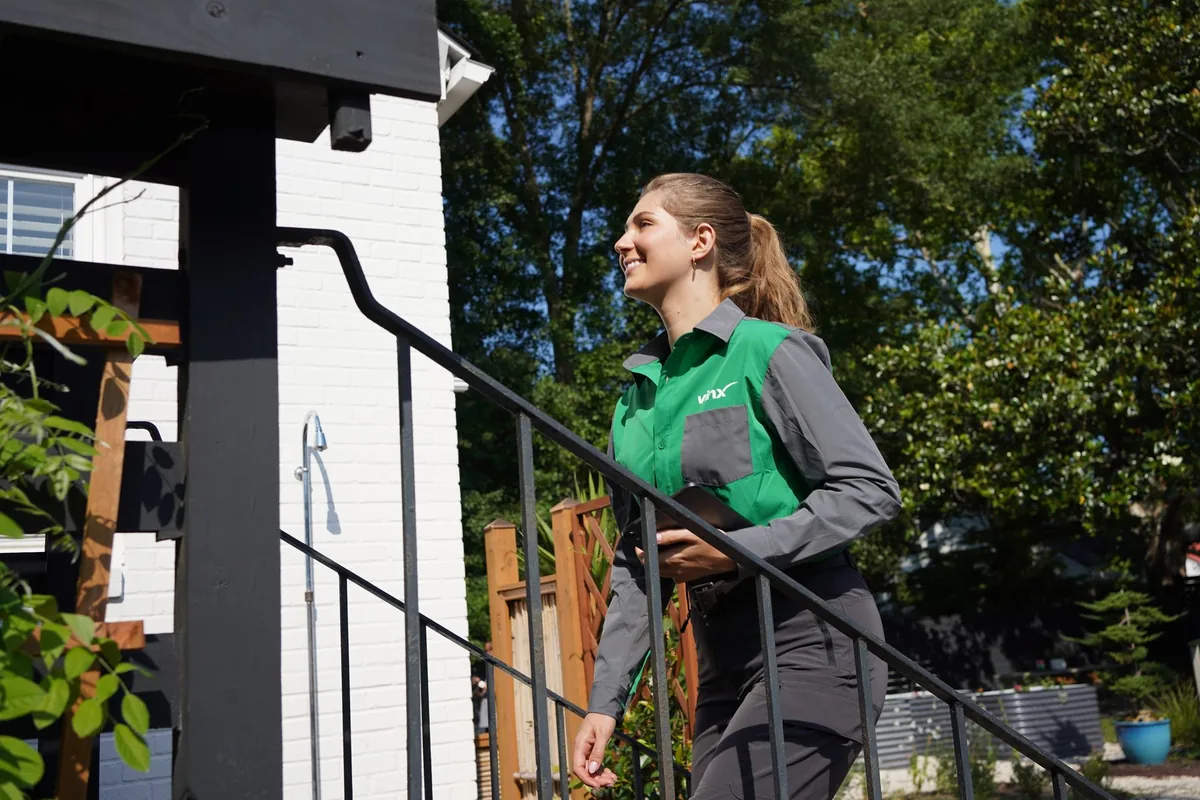
Rodent Control in Virginia Beach, VA
Rats & Mice, Exclusion + Trapping + Sanitization, Same-Day Appointments
Rodent control in Virginia Beach requires more than traps. Entry points are inspected, gaps sealed, interior and attic traps set, and contaminated areas sanitized. House mice and Norway rats are the species you actually get here, and we identify which before setting anything. Free re-treatment guarantee.
Get Rid of Rodents Fast
Choose what’s easiest for you
Request a Free Quote
We usually respond in 2 minutes
Call 757-900-8469
24/7 Emergency Rodent Service
Sign Up Online
Get pricing and schedule now





Welcome to Vinx Pest Control
A Company That Actually Backs What It Says
At Vinx, we combine professional-grade treatments with a level of service most pest control companies don't offer. Local technicians, fast response times, and a guarantee that actually means something.
Get a Free Quote"I'm not passionate about killing bugs. I'm passionate about customer service. At Vinx, you get experts who show up, do the job right, and stand behind every visit. No runaround, no fine print."
WELCOME TO VINX PEST CONTROL
Protection Plans for Virginia Beach Homeowners

Standard Residential Protection
- 4 Seasonal Treatments Per Year
- 50+ Covered Pests
- Interior, Exterior & Yard Treatment
- Unlimited Free Re-Services
- 100% Money-Back Guarantee

Upgraded Yard Protection
- 6 Home & Yard Treatments Per Year
- 50+ Covered Pests
- Yard Ant Elimination Guarantee
- Flea & Tick Elimination Guarantee
- 100% Money-Back Guarantee

Most Comprehensive Protection
- 9 Treatments Per Year
- 50+ Covered Pests
- 8 Mosquito Treatments (Mar–Nov)
- Flea, Tick & Ant Coverage
- Free Bed Bug Treatments if Needed*
*Starting rates vary by home size and area. All plans billed monthly.
Request Your Free Rodent Control Quote
Fill out the form below and a Vinx team member will reach out within 2 minutes during business hours.
Prefer to talk? Call 757-900-8469 for a live person, no AI agents.
Our Approach
How Vinx Eliminates Rodents in Your Virginia Beach Home

Rodent Inspection & Entry Point Identification
Your technician inspects the full structure (attic, crawlspace, basement, garage, and exterior) to locate active rodent runs, droppings, gnaw marks, and nesting sites. Gaps, cracks and utility penetrations above a quarter inch are all documented as potential mouse entry points, while a rat needs only a half-inch opening.
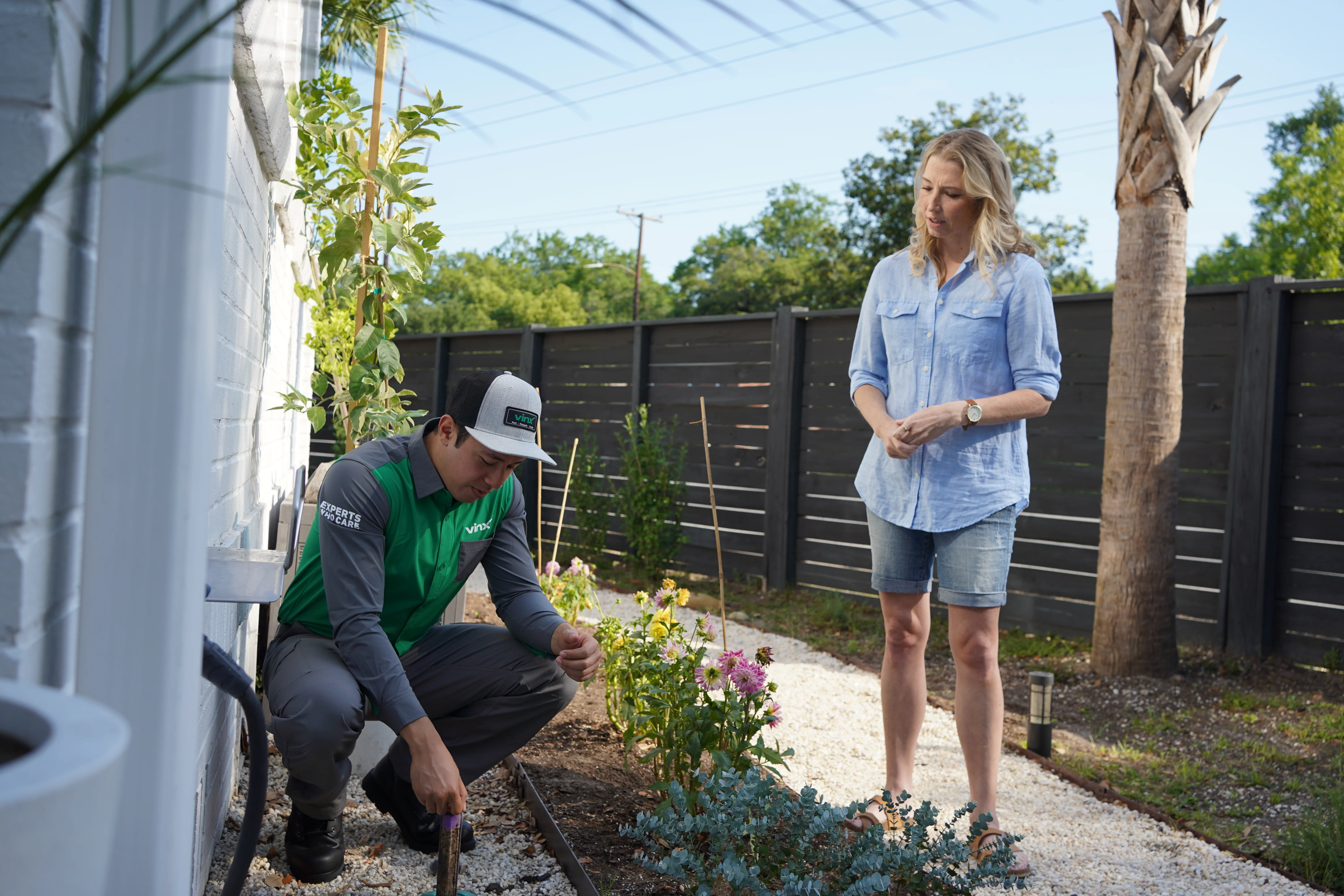
Exterior Bait Station Placement
Tamper-resistant bait stations are placed along the foundation perimeter, garage walls, and other exterior runways where rodent activity is highest. Every station is secured and labeled, safe around children and pets when properly deployed. The technician maps each station's location so follow-up visits can track it.
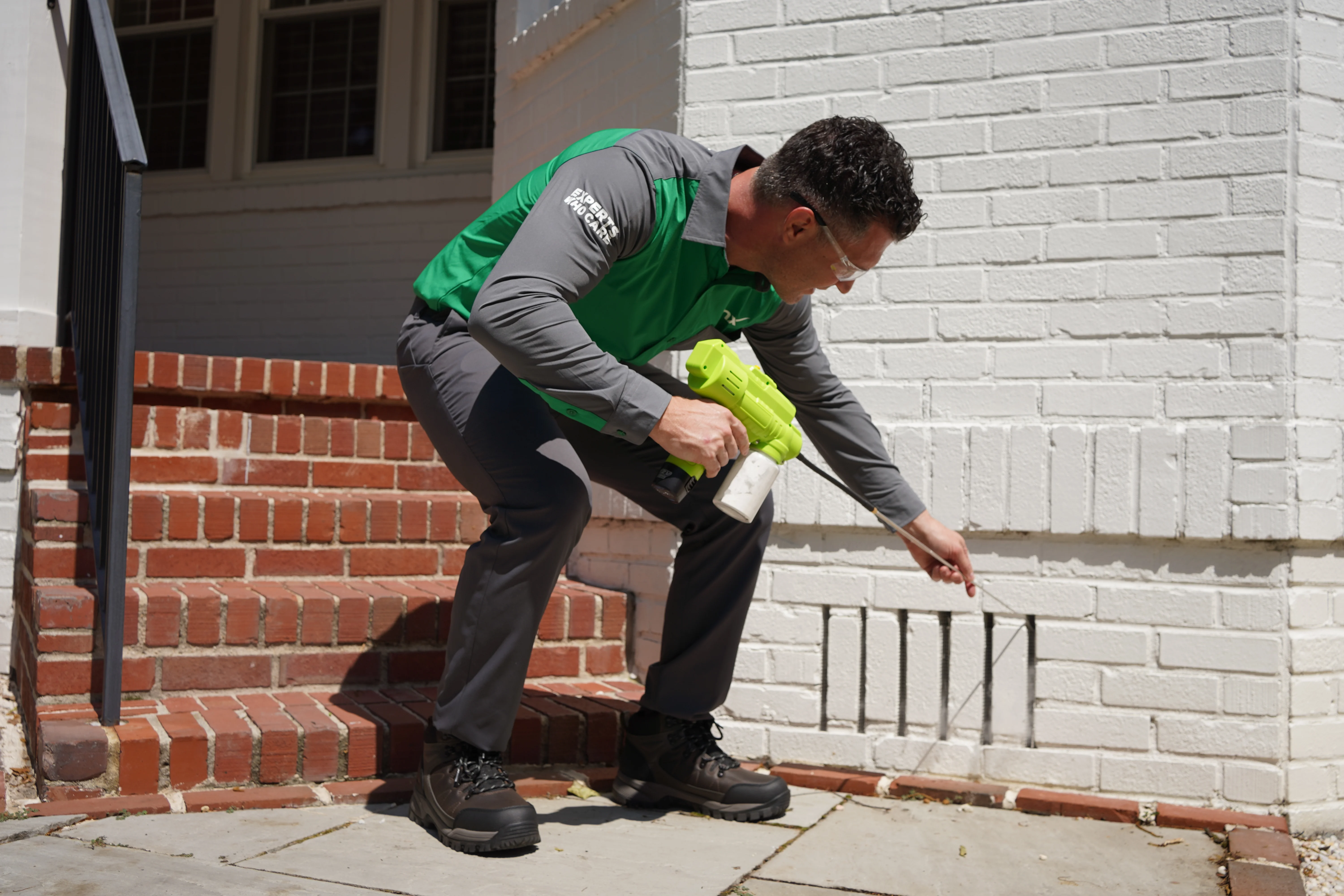
Interior Trapping
Snap traps and/or glue boards are placed along active interior runways, behind appliances, inside cabinets, along walls in the attic and crawlspace. Where traps go is decided by inspection evidence, not guesswork. Trap checks and resets happen at every service visit.
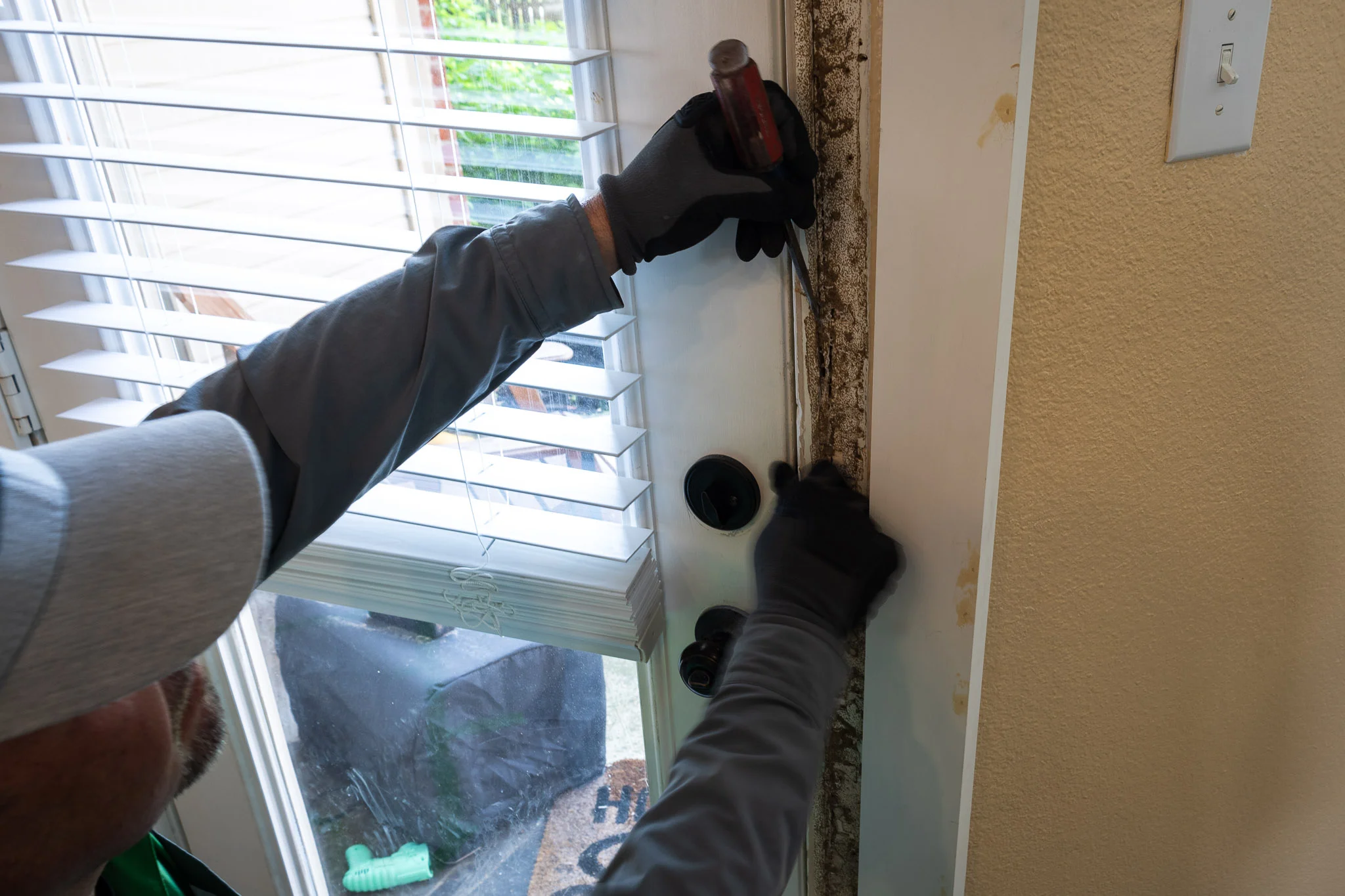
Exclusion & Follow-Up
Steel wool, hardware cloth, and sealant are used to close the entry points identified during inspection. It is exclusion that prevents re-infestation; skip it and new rodents move in as fast as existing ones leave. We confirm on follow-up visits that the infestation is resolved and the exclusion holds.
What Customers Say
What Virginia Beach Customers Say, 4.8 Stars on Google
Cameron was professional, and extremely expeditious. Thank you again, awesome as usual!
Always on time, always courteous, if we see critters (which we haven't yet, except for ants) they are prompt to come out.
Mitchell was very informative, professional and polite. He was very knowledgeable in his field and took his time explaining each service to us. 10/10
Jonathan was phenomenal with explaining the rodent control process that he was doing. He even taught me quite a bit as a first time homeowner. Thank you again for your help and advice!
Jeremiah from Vinx Pest Patrol was professional and courteous. He called me when he arrived on my property to let me know he was at my home and ready to start the job. He arrived early and he did a great job.
He went above and beyond on every aspect of work. He resolved issues and if he didn’t have an answer he found one . Honestly he truly is one of a kind when it comes to a worker who goes the extra mile.
Year-Round Rodent Pressure
Why Rodents Are a Growing Problem in Virginia Beach, VA
Virginia Beach is not a boomtown, whatever you may have read. The city has actually lost population since the 2020 Census, more than any other locality in Virginia, and only about 1% of its housing has gone up since 2020. What it has instead is a housing stock that all reached middle age at once: nearly 27% of every home in the city, 51,708 units, was built in the 1980s, and the median local home dates to 1984 (U.S. Census, ACS 2024). Forty-year-old weather stripping, settled foundation seals, and original crawl space vent screening are exactly how mice get in, and a whole cohort of houses hit that stage together.
The climate removes the other brake. The median last spring freeze is March 20 and the first fall freeze November 25, a 248-day freeze-free season, so Hampton Roads rarely delivers the hard cold snaps that knock rodent populations back. Mice and rats are a 12-month problem here, not a seasonal one.
Water is the third factor, and it is getting worse rather than better. Rodents move ahead of rising water, and tidal flooding has gone from about one day a year in the 1950s to roughly sixteen a year in the 2020s at the Sewells Point gauge, with a record twenty days in 2024. When water pushes into low-lying storm drainage, Norway rats move up and inland, and the calls cluster in the days afterward.
4 Rodent Species in Virginia Beach
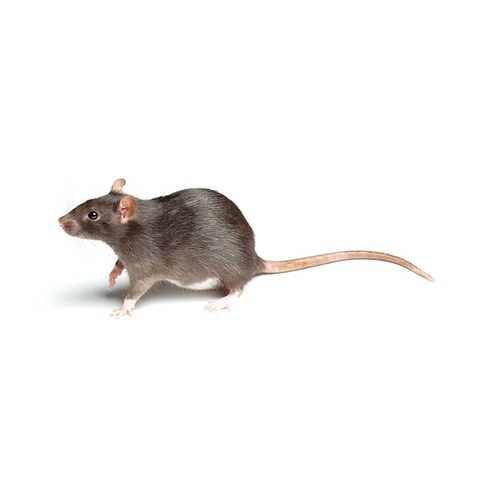
Norway Rat
This is the rat you have in Hampton Roads. Heavy-bodied ground dwellers that burrow along foundations, under decks, and in crawl spaces, and work sewers and drainage lines rather than the roofline. Concentrated along Lynnhaven Inlet marina infrastructure and the Bay-adjacent drainage network, and they move inland when tidal flooding pushes them out of low-lying lines. They can gnaw through plastic pipe, soft mortar, and electrical insulation, which is why an active infestation is a fire and water-damage question as well as a hygiene one.
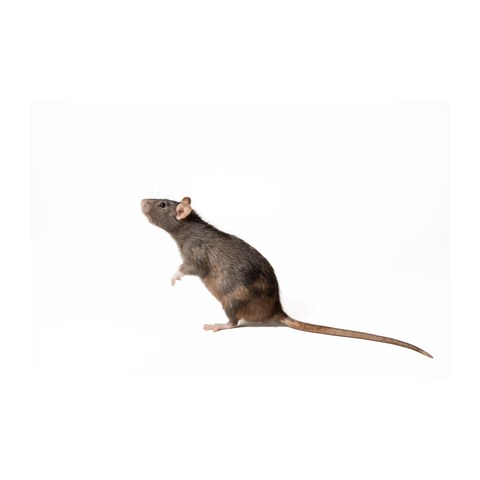
Roof Rat
Virginia Cooperative Extension recognizes two pest rat species in Virginia, the Norway rat and the roof rat, and roof rats are the climbers: rooflines, attic vents, overhanging branches. We list the species because correct identification changes the treatment, but we will not tell you it is your problem. A 2022 review of Virginia specimen records found roof rats have declined in the state’s coastal cities and now persist mainly in scattered rural populations, displaced by the Norway rat. In Hampton Roads the rat you almost certainly have is the Norway rat. Our technician identifies which before setting anything, because the two nest in completely different places.

House Mouse
The most widespread rodent in Virginia Beach residential areas. Can squeeze through a gap the size of a dime. A single pair produces 6–8 litters per year with 4–6 pups each, infestations escalate quickly.
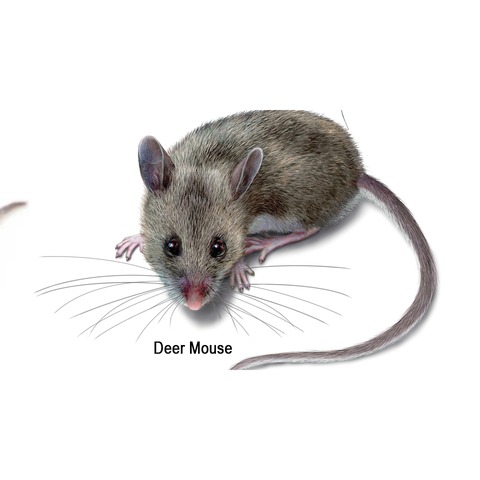
White-Footed Mouse
The mouse you actually meet in the Pungo and Sandbridge coastal plain, brown above, white below, with white feet. Worth naming precisely, because it is routinely confused with the deer mouse, and the deer mouse lives in the western half of Virginia, roughly 300 miles from here. That matters: the hantavirus warnings you will find on other pest control sites attach to the western species, and US hantavirus is overwhelmingly a western-states disease that Virginia’s own health department describes as rarely reported here. The real local reason to keep this mouse out is different and better established: in the mid-Atlantic the white-footed mouse is a key host for the ticks that spread Lyme disease.
Breeding season begins, populations expand from winter colonies. Good season to close entry points before the fall pressure arrives.
Rodents favor outdoor food sources. Activity lower indoors but Norway rats concentrate around commercial food waste zones.
Temperature drops trigger mass movement indoors. Highest call volume period. House mice and Norway rats target building entry at the same time, which is why autumn exclusion work pays for itself.
Established colonies shelter and breed inside. Once rodents are in for the winter, only professional treatment moves them.
Pest Pressure by Neighborhood
Know Your Neighborhood’s Risk
Shore Drive & Lynnhaven: Norway Rats
The most rodent-intensive corridor in the city. Norway rats work the Lynnhaven Inlet marina infrastructure and the Bay-adjacent drainage channels, then burrow toward residential foundations. This is not a waterfront niche: the Lynnhaven watershed covers 64 square miles and holds roughly half of everyone in Virginia Beach. Tidal flooding is the aggravating factor, pushing rats out of low-lying storm lines and inland toward crawl spaces and foundations, which is why activity spikes in the days after a high-water event rather than steadily through the season.
Kempsville & Centerville: House Mice
The most intense house mouse pressure in Virginia Beach, driven by active construction displacement across both communities. Construction disturbs outdoor mouse populations from previously undeveloped land, pushing them into adjacent subdivisions exactly as fall temperatures drive migration into heated structures. September through November is the peak call window for these two communities.
Great Neck & Bayside: Attic Noise & Tree Contact
Scratching and scurrying overhead after dark is the most consistent complaint in these neighborhoods, and mature oaks and pines with branches touching the roofline are how anything gets up there. Worth setting expectations honestly: plenty of companies will tell you attic noise in Virginia Beach means roof rats, but published Virginia specimen records show roof rats have declined in the state’s coastal cities. In practice attic activity here is usually house mice, squirrels, or Norway rats that have found a route up. Identification comes first, because trimming branches back off the roof solves a genuine tree-access problem and does nothing at all for a mouse coming through a foundation gap.
Oceanfront & Resort Area: House Mice
Food service density along Atlantic and Pacific Avenues sustains large outdoor house mouse populations that forage into adjacent residential properties. Vacation rental properties face the highest mouse introduction risk from continuous guest turnover, infested luggage and stored items are consistent transmission vectors. Norway rat activity along Rudee Inlet storm drainage adds secondary pressure.
Pungo & Sandbridge: Norway Rats & House Mice
Norway rats are present along drainage ditches and agricultural drainage features throughout the Pungo corridor, the same moist soil conditions adjacent to Back Bay NWR that sustain mosquito pressure also sustain Norway rat burrowing. House mice on larger Pungo lots enter through outbuildings, sheds, and garages common on rural-adjacent properties. Sandbridge vacation rental density adds transmission risk.
Military Corridor (NAS Oceana, Little Creek, Dam Neck): House Mice
Dense multi-unit military housing complexes allow house mouse populations introduced in one unit to spread through shared wall voids and utility chases to adjacent units before any resident identifies the problem. High resident turnover creates consistent introduction opportunities from infested moving boxes. Property managers benefit most from preventive ongoing coverage rather than reactive single-treatment responses.
Early Warning Signs
Signs You Have a Rodent Problem in Your Virginia Beach Home
Don’t wait until the damage is done, these are the signs to watch for
Droppings
Small dark pellets along baseboards, in cabinets, behind appliances, or in attic spaces. Mouse droppings are rice-sized; rat droppings are larger.
Gnaw Marks
On wood trim, food packaging, electrical wiring, insulation, and HVAC ducting. Rat gnaw marks are larger and rougher than mouse damage.
Scratching Sounds
Particularly at night, in walls, ceilings, or attic spaces; roof rats are most active after dark and tend to move in predictable paths.
Grease Marks
Dark smear marks along walls and baseboards where rodents repeatedly travel the same path. Particularly visible near entry points and along joists.
Nesting Material
Shredded insulation, paper, fabric, or plant material gathered in hidden areas, inside wall voids, attic corners, or beneath appliances.
Disturbed Food
Gnawed corners on boxes, bags, or pantry items. Rodents often target cereals, pet food, and cooking oils stored in lower cabinets or garages.
Pet Behavior Changes
Dogs and cats pawing at walls or showing unusual interest in specific areas like baseboards, under cabinets, or around the HVAC closet.
Tracks or Runways
Footprints or tail drag marks in dusty areas like the attic or basement. A flashlight held at a low angle often reveals runway trails in insulation.
Kid & Pet Safe
Our Treatments Are Safe for Your Whole Family: Including the Furry Members
Every product we use is EPA-registered and applied strictly at labeled rates by licensed technicians. We take the guesswork out of safety so you can feel confident letting kids and pets back into treated areas quickly.

EPA-Registered Products Only
All products we apply are EPA-registered and used strictly per label requirements. Our licensed Virginia technicians are trained to apply the right product in the right place at the right rate, every time.
Safe Re-Entry Times
Exterior spray treatments dry in 30–60 minutes. Once dry, treated surfaces are safe for children and pets to contact. Your technician will confirm the all-clear before leaving your property.
Targeted Interior Treatment
We treat only what’s needed, where it’s needed. Bait stations and traps are placed in areas inaccessible to pets and children, keeping your family safe throughout the process.
Botanical Options Available
Have specific sensitivities? Ask your technician about our plant-derived treatment options for households that prefer a more natural approach to rodent control.
Have a concern about products used near your pets or children? Call 757-900-8469 and we’ll walk you through exactly what we use and why it’s safe.
Explore More
More Pest Control Services in Virginia Beach
Pest Control Virginia Beach
Year-round protection plan
Termite Control Virginia Beach
Bait systems & liquid treatment
Mosquito Control Virginia Beach
Monthly barrier treatments
Bed Bug Control Virginia Beach
Heat & liquid treatments
Ant Control Virginia Beach
Household ants & others
Cockroach Control Virginia Beach
American & German roaches
Spider Control Virginia Beach
All spider species covered

Tick & Flea Control Virginia Beach
Yard & pet protection

Exterminator Virginia Beach
Same-day local exterminators

Wasp Control Virginia Beach
Nest removal & prevention
Frequently Asked Questions
Rodent Control Virginia Beach VA: Frequently Asked Questions
The two we treat constantly in Virginia Beach are the house mouse and the Norway rat. House mice are the most widespread across residential areas; Norway rats are prevalent along commercial food corridors, marina infrastructure, and the Bay-adjacent drainage network. Virginia Cooperative Extension also recognizes the roof rat as a Virginia pest species, but a 2022 review of state specimen records found roof rats have declined in Virginia’s coastal cities and now persist mainly in scattered rural populations, and the Virginia Department of Health’s Hampton and Peninsula rodent page names only the Norway rat and house mouse. We identify the species on site rather than assuming.
Droppings remain the most reliable indicator. Mouse droppings are rice-sized and small. Rat droppings are far larger, roughly small-jellybean sized. Roof rat gnaw damage is typically higher up (attic, rafters, eaves) while Norway rat activity is more at ground level (foundation, crawl space, under appliances).
House mice squeeze through openings as small as ¼ inch. Common entry points include gaps around utility pipes, deteriorated door sweeps, crawl space vents, weep holes in brick, and gaps where the foundation meets the sill plate. Roof rats, where present, enter through roofline gaps, damaged attic vents, or tree branches overhanging the structure.
Yes. Every Vinx recurring service plan carries rodent treatment, starting at $49/mo. Exterior rodent control is part of the plans; interior treatment is available on request.
On every service visit, active entry points are identified and documented and specific exclusion recommendations given. Contact us at 757-900-8469 to discuss exclusion options for your property.
Vinx offers 24/7 emergency service throughout Virginia Beach. If you need re-service between scheduled visits on an existing plan, we are generally back next day at no charge.
Yes. We serve all Virginia Beach zip codes including 23451, 23452, 23453, 23454, 23455, 23456, 23457, 23459, 23460, 23461, 23462, 23464, and 23466.
Probably not, despite what a lot of local pest control pages will tell you. A 2022 review of Virginia specimen records found roof rats have declined in the state's coastal cities and now persist mainly in scattered rural populations, displaced by the Norway rat. The Virginia Department of Health's own Hampton and Peninsula rodent page names only the Norway rat and the house mouse. Attic noise here is usually house mice, squirrels, or Norway rats that have found a way up. It matters because the fix is different: tree trimming and roofline sealing address a climbing rodent, while a house mouse is coming in far lower down. Our technician identifies the species before recommending anything.
No, and we would rather say so than use it to sell you a service. Hantavirus in the United States is overwhelmingly a western-states disease, with the large majority of cases recorded west of the Mississippi, and the Virginia Department of Health describes it as rarely reported in Virginia. There is also a species mix-up behind most of the scary versions of this claim: the main US reservoir is the deer mouse, which lives in the western half of Virginia, while the mouse in the Virginia Beach coastal plain is the white-footed mouse. The genuine local reason to keep white-footed mice out of your home is that they are a key host for the ticks that spread Lyme disease.
A significant reduction is common within the first 1–2 weeks after initial treatment. Complete resolution typically takes 2–4 weeks. Ongoing service stops new pressure from building back.
Based on rodent type, activity location and property conditions, your Vinx technician recommends the most appropriate approach. We will talk through what is used and why during your inspection.
No. Generally speaking, treatment is safe for the household. No one has to be home for an exterior service visit. Should interior treatment involve specific areas, your technician will set out any brief precautions.
Because rodents move ahead of rising water. Norway rats nest at or below ground level in burrows, sewers, and storm drainage, and when water fills those spaces they move up and inland toward foundations, crawl spaces, and garages. That is a growing pattern here rather than a one-off: tidal flooding at the Sewells Point gauge has gone from about one day a year in the 1950s to roughly sixteen a year in the 2020s, with a record twenty days in 2024. If your activity started within a few days of a high-water event, this is almost certainly what happened, and sealing the ground-level entry points matters more than anything you do indoors.
Because the whole neighborhood is reaching the same age at once. Nearly 27% of Virginia Beach homes, 51,708 of them, were built in the 1980s, and the median local home dates to 1984. Weather stripping, garage door sweeps, foundation seals, and crawl space vent screening all have a service life, and a cohort of houses built within a few years of each other reaches the end of it together. Mice do not need much: a gap the width of a pencil is enough. Nothing has changed about the mice, the building has just opened up.
Service Coverage
Serving All of Virginia Beach
Rodent control available in every zip code across Virginia Beach
Serving the Greater Virginia Beach Area