Rodent Control in Spartanburg, SC
Inspection • Trapping • Exclusion • Sanitation • Follow-Up Service
Almost four-fifths of Spartanburg’s housing predates 1980, and the largest single slice of it went up in the 1960s. For rodents, that specific era matters: sewer laterals, service entries and crawl-space access built fifty to seventy years ago have had time to crack, settle and be patched around, and a rat needs a gap no wider than your thumb. The city is also 46% renter-occupied, the highest share in the county, so exclusion is the work most likely to fall between a tenant and a landlord. Vinx seals the structure rather than only baiting inside it.
Get Started in 60 Seconds
Choose what’s easiest for you
Request a Quote
We usually respond in 2 minutes
Call 855-800-8469
Get a Live Person (no AI agents here!)
Sign Up Online
Get pricing and schedule now





Welcome to Vinx Pest Control
A Company That Actually Backs What It Says
At Vinx, we don’t just set traps and leave. Our rodent protocol covers all three stages (active removal, entry point exclusion, and sanitation) so Spartanburg homes stay rodent-free long after our first visit. Free inspection, 100% satisfaction guarantee.
“I’m not passionate about killing bugs. I’m passionate about customer service. At Vinx, you get experts who show up, do the job right, and stand behind every visit. No runaround, no fine print.”

Founder & Owner, Vinx Pest Control
PROTECTION PLANS
Rodent Control Plans for Spartanburg Homes

Standard Residential Protection
- 4 Seasonal Treatments Per Year
- 50+ Covered Pests
- Interior, Exterior & Yard Treatment
- Unlimited Free Re-Services
- 100% Money-Back Guarantee

Upgraded Yard Protection
- 6 Home & Yard Treatments Per Year
- 50+ Covered Pests
- Yard Ant Elimination Guarantee
- Flea & Tick Elimination Guarantee
- 100% Money-Back Guarantee

Most Comprehensive Protection
- 9 Treatments Per Year
- 50+ Covered Pests
- 8 Mosquito Treatments (Mar–Nov)
- Flea, Tick & Ant Coverage
- Free Bed Bug Treatments if Needed*
- 100% Money-Back Guarantee
Rodent exclusion and one-time treatment pricing is determined by home size and infestation severity. Call (855) 800-8469 for a same-day quote.
Request Rodent Control in Spartanburg
Fill out the form and a Vinx specialist will contact you same day to schedule your inspection and first treatment visit.
Our Approach
How Vinx Eliminates Rodents in Your Spartanburg Home

Thorough Rodent Inspection
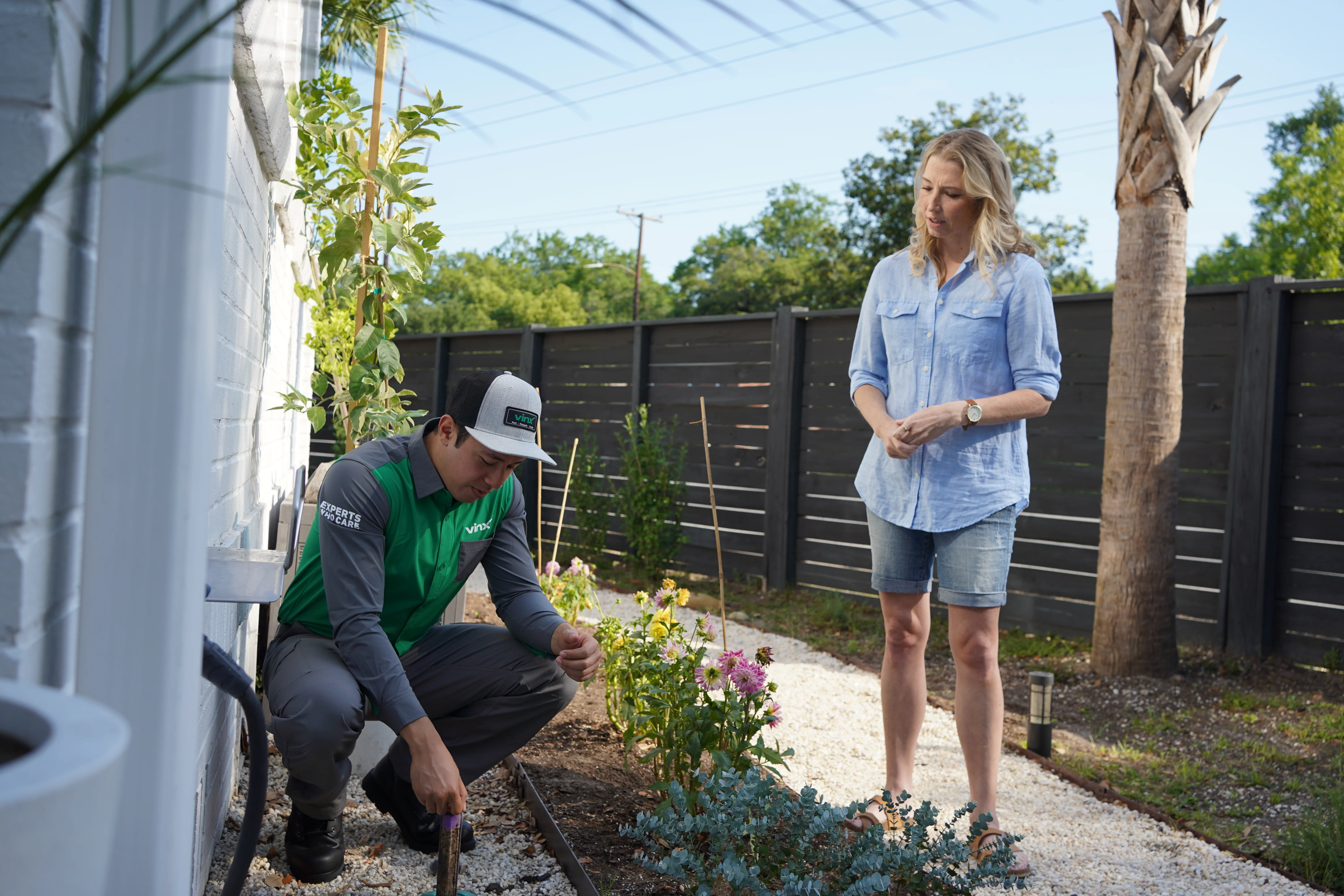
Your licensed Vinx technician inspects every area of the home and property where rodent activity is likely, attic, crawlspace, garage, basement, kitchen, and exterior foundation. We identify active entry points (gaps at pipe penetrations, roofline voids, foundation cracks, door sweeps), evidence of activity (droppings, gnaw marks, grease runs, nesting material), and conditions that attract rodents (food sources, harborage, standing water). The inspection forms the basis of a targeted treatment plan specific to your home.
Strategic Trapping & Active Removal
Snap traps and tamper-resistant bait stations are placed along active rodent runways, in attic spaces, along interior walls, and at entry points identified during inspection. Trap placement is based on rodent behavioral patterns (rodents travel along walls and edges, rarely crossing open spaces) so correct placement is critical to efficient removal. Your technician documents trap locations and checks them on follow-up visits. Interior trapping is always preferred over exterior bait in homes with children or pets.
Exclusion: Seal Every Entry Point
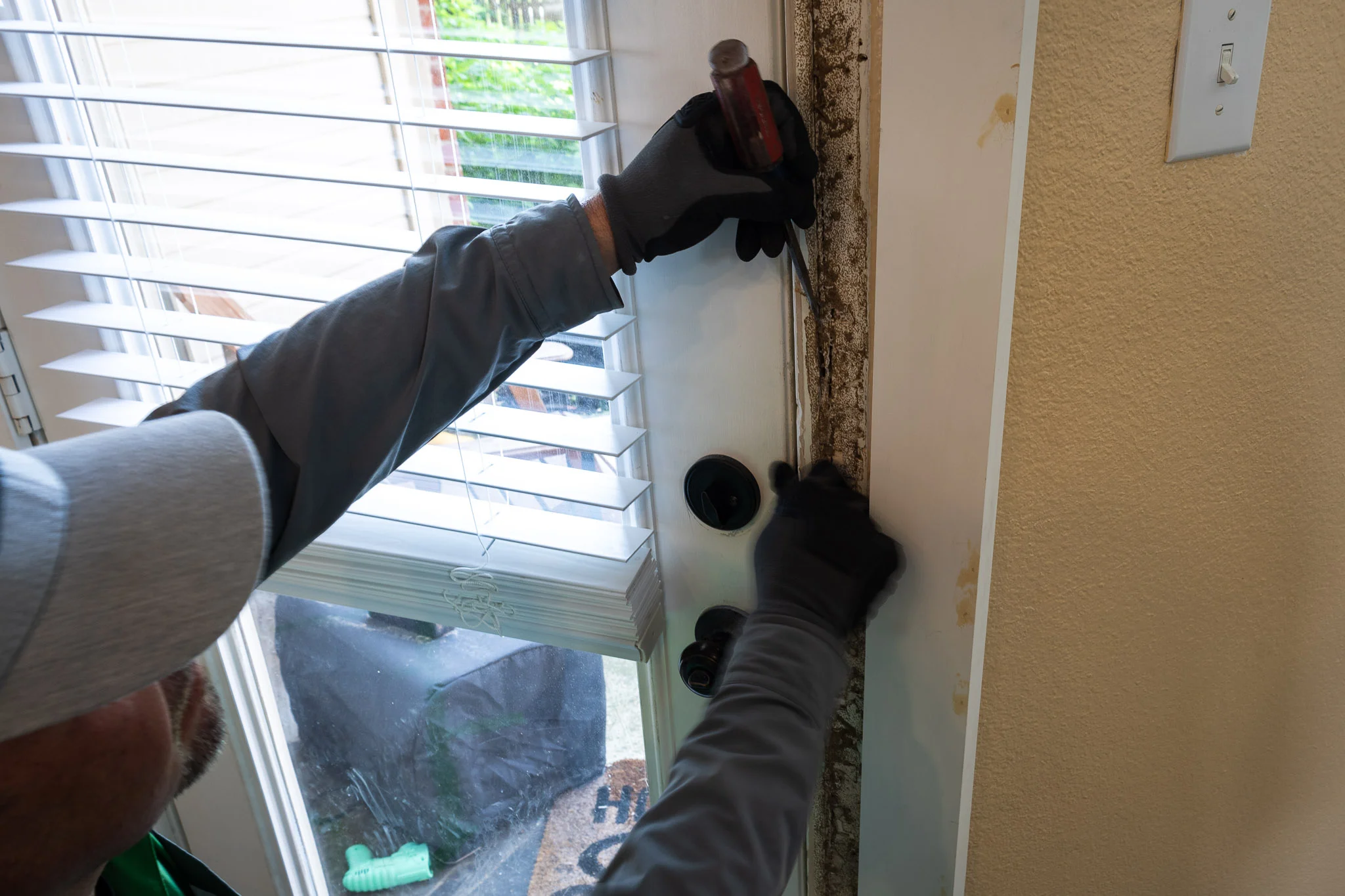
Exclusion is the most important long-term step. We seal all identified entry points using steel wool, hardware cloth, and caulk appropriate for each gap type. Common exclusion points in Spartanburg homes include pipe penetrations at the foundation, gaps at the roofline and soffit, unsealed dryer vents, torn door sweeps, and crawlspace vent screens. A mouse can squeeze through a gap the size of a dime; a rat through a quarter. No exclusion detail is too small. Without sealing, any home will be re-invaded regardless of how many rodents are removed.
Sanitation & Ongoing Monitoring
After active rodents are removed and entry points are sealed, we address harborage conditions and leave monitoring devices in place for follow-up visits. Rodent droppings, urine and nesting material harbor pathogens — salmonella above all, with leptospirosis and murine typhus associated with rats — so we provide guidance on safe cleanup and, where needed, sanitation services. Monitoring stations in the attic and crawlspace allow us to detect any new rodent pressure before it becomes a re-infestation. If activity is detected on a follow-up visit, we return and treat at no additional charge under the satisfaction guarantee.
100% Satisfaction Guarantee
If rodents return between scheduled visits, Vinx returns and re-treats at no additional charge. Our rodent protocol is designed to eliminate active infestations and prevent re-entry, and we stand behind that result with a guarantee that doesn’t expire between visits.
Customer Reviews
What Spartanburg Customers Are Saying
Our tech Mike from Vinx is amazing. He I s very knowledgeable, friendly, helpful, and professional. He is really an asset to your company. Our bug problem is always taken care of.
Thank you John for always being so polite and on time every time! Also, thanks for taking care of our litany of problems.
Did a really good job. However, I have gas station in my house and they saw a small mouse in the house Can someone come back to take care of this? Thank you.
Tony came out to assess a rodent (squirrel) issue for us on behalf of our property management company. He was personable, thorough, and very knowledgeable. I would definitely recommend him in the future.
Tony from Vinx Pest Control came out and identified our rodent problem and explained the process to correct the situation...an excellent technician!
Rodent Pressure in Spartanburg
Why Rodents Are a Year-Round Problem in Spartanburg
Spartanburg’s mild winters keep rodents active longer than in colder climates, but the biggest pressure period is fall, September through November, when dropping temperatures drive mice and rats to seek warmth inside structures. Older homes with crawlspaces, aging foundation seals, and rooflines with vegetation contact are the highest-risk properties in the Spartanburg area.
House mice and Norway rats are the two dominant species in Spartanburg. House mice are the most common indoor rodent, small enough to enter through a gap the size of a dime, and can establish colonies in wall voids, attics, and under appliances within weeks of introduction. Norway rats burrow along foundations and are more common in properties adjacent to creeks, drainage ditches, and wooded lots.
Rodents present serious health and structural risks. Mice and rats gnaw the insulation off electrical wiring, which can create arc faults. You will see a figure claiming rodents cause a fifth or a quarter of fires of unknown cause; it is not an NFPA statistic and fire-cause coding has no rodent category, so we will not repeat it. On disease, the accurate split matters: rats are associated with leptospirosis, salmonellosis, murine typhus and rat-bite fever, and house mice with salmonellosis and lymphocytic choriomeningitis virus. Hantavirus is carried by deer mice, not by house mice or rats, and about 94% of US cases have occurred west of the Mississippi. Early detection and a complete exclusion protocol are the only way to prevent re-infestation once a property is cleared.
Rodent Identification
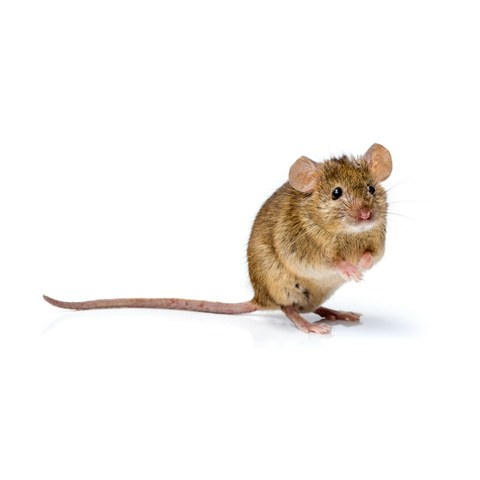
House Mouse (Mus musculus)
House mice are 2.5–4 inches long with dusty gray or brown fur, large ears, and a long thin tail. They enter through gaps as small as ¼ inch, the size of a dime, making complete exclusion critical. Signs of activity include small black droppings (1⁄4 inch), gnaw marks on food packaging, grease runs along baseboards, and scratching sounds in walls at night. A single female can produce 5–10 litters per year with 5–6 pups each, meaning a small introduction can become a significant infestation within weeks.
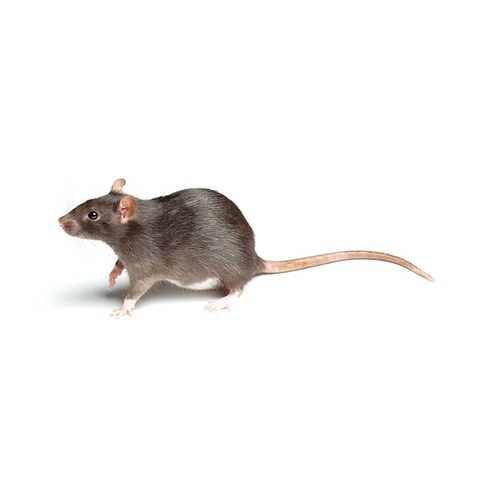
Norway Rat (Rattus norvegicus)
Norway rats are large, 7–10 inches body length, with a blunt nose, small ears, and a shorter tail than the roof rat. They are ground-level burrowers that nest along foundation walls, under concrete slabs, in crawlspaces, and along drainage ditches. Norway rats enter structures through foundation gaps, broken crawlspace screens, and pipe penetrations at grade. They are more common in Spartanburg properties near water features, wooded lots, and older construction with compromised foundations. Droppings are large (3⁄4 inch) and capsule-shaped.
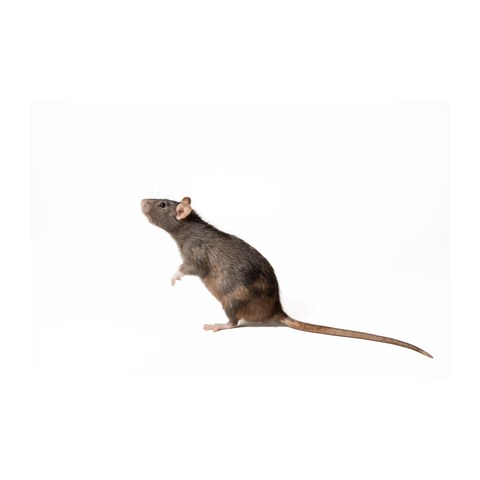
Roof Rat (Rattus rattus)
Roof rats are slender with a pointed nose, large ears, and a tail longer than their body (6–8 inches). Unlike Norway rats, roof rats are agile climbers and enter structures from the roofline, via overhanging tree branches, utility lines, and roofline gaps at the soffit and fascia. They nest in attics, upper wall voids, and in dense vegetation. Roof rats are less common than Norway rats in the Spartanburg area but are present in properties with tree canopy close to the roofline. Signs include droppings in the attic and gnaw damage to attic insulation and wiring.
Rodent Risk by Neighborhood
Rodent Pressure Across Spartanburg Neighborhoods
Downtown & Northside: ELEVATED RODENT RISK
Downtown Spartanburg’s older housing stock, multi-family buildings, alley access, and commercial district proximity create elevated rodent risk. Norway rats are common in this area, particularly along the drainage infrastructure and older sewer lines that run through older downtown blocks. Older homes with crawlspaces and aging foundation seals are the most common source of entry. House mice are prevalent in older apartment buildings and commercial-adjacent residential properties. Vinx treats multiple downtown Spartanburg properties annually and is familiar with the entry point patterns common to this neighborhood type.
Eastside: MODERATE RODENT RISK
Eastside Spartanburg’s mix of older and mid-century single-family homes with wooded lots and creek proximity creates moderate rodent risk. Properties adjacent to Lawson’s Fork Creek and its tributaries see higher Norway rat pressure. Roof rats are occasionally active in Eastside properties with large tree canopy close to the roofline. Fall entry, September through November, is the primary pressure period. Eastside homeowners should inspect foundation seals, pipe penetrations, and attic access points at the start of each fall season as a preventive measure.
Reidville Road Corridor: MODERATE RODENT RISK
Reidville Road’s rapid residential development has brought new construction into areas adjacent to woodland edges and agricultural fields, classic habitat for field mice that transition to house mice as temperatures drop in fall. New construction often has better foundation seals, but utility penetrations, garage door gaps, and crawlspace vents are common entry points on properties of any age. Reidville Road corridor residents in homes backing to wooded or open lots should inspect and seal these entry points before the fall pressure season each year.
Boiling Springs: MODERATE RODENT RISK
Boiling Springs has a mix of newer suburban developments and older rural properties, creating varied rodent risk depending on property type. Older homes with crawlspaces and wooded lot boundaries see the most pressure. Newer homes are lower risk but not immune, garage gaps and utility penetrations are the most common entry points in newer construction. Boiling Springs sits along the Pacolet River watershed and properties near creek and detention pond areas experience elevated Norway rat pressure. Annual inspections are the best preventive approach for Boiling Springs homeowners.
Inman & Lyman: MODERATE RODENT RISK
Inman and Lyman’s rural character, open fields, and agricultural edge habitats create moderate-to-elevated rodent pressure for properties at the edge of developed and undeveloped land. Field mice and deer mice are abundant in the surrounding landscape and move into structures in fall. Properties with detached garages, barns, or outbuildings face higher pressure, outbuildings are often the first structure entered and the source of mice that later move into the main home. Sealing outbuilding gaps and eliminating rodent harborage (wood piles, junk piles, overgrown vegetation) reduces pressure significantly.
Chesnee & Cowpens: MODERATE RODENT RISK
Chesnee and Cowpens have substantial agricultural activity and open land adjacent to residential properties, supporting large wild rodent populations that transition into structures each fall. Older farmhouses and rural properties with crawlspaces, barns, and outbuildings face the highest risk. Norway rats are common in agricultural settings and will establish colonies under outbuilding slabs and along foundation walls when food and harborage are available. Chesnee and Cowpens homeowners with livestock or poultry should be especially vigilant, grain and feed storage is a primary attractant for Norway rats year-round.
Kid & Pet Safe
Our Rodent Treatments Are Safe for Your Whole Family
Vinx uses snap traps and tamper-resistant bait stations as the primary rodent removal method, not open-access poison bait, so children and pets are protected throughout the treatment process. Always tell your technician about pets and children before we begin.

Tamper-Resistant Bait Stations
All exterior bait stations used by Vinx are tamper-resistant, locked, and anchored, inaccessible to children and pets. Station locations are documented and reviewed at every follow-up visit to confirm no displacement. We use station designs that meet EPA child and pet safety requirements.
Interior Snap Traps: No Open Poison Indoors
Vinx does not place open rodenticide bait indoors in residential homes with children or pets. Interior treatment uses snap traps placed in enclosed areas (inside wall voids, under appliances, in attic spaces) out of reach. We never place bait in accessible interior locations.
EPA-Registered Products Only
All rodenticides and treatment products used by Vinx are EPA-registered and applied strictly at labeled rates by licensed technicians. We select products appropriate to the specific situation and always brief you on what is being applied and where before we begin.
Pet-Aware Trap Placement
Tell your technician about dogs, cats, or other pets before we begin. Trap and station placement is adjusted based on pet access patterns in your home. Interior snap traps are placed in locations inaccessible to pets, inside cabinets, behind appliances, in attic and crawlspace access areas.
Questions about product safety for your family? Call (855) 800-8469 and we’ll walk you through our rodent protocol before booking your appointment.
Explore More
More Pest Control Services in Spartanburg

Pest Control Spartanburg
Year-round protection plan

Ant Control Spartanburg
6 species treated

Bed Bug Control Spartanburg
Steam + power dusting

Mosquito Control Spartanburg
Monthly barrier treatment

Termite Control Spartanburg
Bait systems & liquid treatment

Cockroach Control Spartanburg
American & German roaches

Spider Control Spartanburg
Black & brown widows, wolf spiders

Wasp Control Spartanburg
Nest removal & prevention

Tick & Flea Control Spartanburg
Yard & pet protection
Exterminator Spartanburg
Same-day local exterminators
Frequently Asked Questions
Rodent Control in Spartanburg: Your Questions Answered
Worth handling droppings properly, but the specific fear is usually misplaced. Hantavirus pulmonary syndrome in the United States is carried by the deer mouse, not by the house mice and rats that get into Spartanburg homes, and about 94% of US cases have occurred west of the Mississippi. What house mice and rats actually carry is salmonella, leptospirosis, murine typhus and rat-bite fever, along with lymphocytic choriomeningitis virus in mice. The safe-handling advice is the same either way and worth following: do not sweep or vacuum dry droppings, which puts particles into the air. Ventilate the space, wet the material down with a disinfectant, wipe rather than sweep, bag it, and wear gloves and a mask. Deer mice do occur in rural and wooded fringes of the county, so if you are on an outbuilding or barn rather than a suburban attic, mention it and we will treat the cleanup accordingly.
Prune, do not remove, and check the rules first. UC IPM recommends clearing overhanging limbs to within 6 feet of the roofline and keeping shrubs at least 2 feet off the structure, which takes away the bridge without taking away the canopy. On permissions, it depends where you are. Spartanburg County has no general tree ordinance; its felling limit applies only inside conservation subdivisions, where "no more than 25 percent of all trees over 12 inches DBH shall be felled, excluding pine trees," and its bufferyard rules ask that existing vegetation be retained with "special attention given to existing trees 18 inches in diameter or larger at DBH." Those apply in the unincorporated county, which includes Boiling Springs. Inside the City of Spartanburg it is different again: in the Hampton Heights historic district, removing a tree of 12 inches DBH or more goes to review, since only smaller trees count as normal maintenance.
No, and an empty trap in week one is close to expected. Rats are neophobic, wary of anything new in a familiar space, and this is more pronounced in roof rats than in Norway rats, so they will often avoid a trap or bait station for days and sometimes weeks after it appears. The professional fix is counter-intuitive: bait the traps and leave them unset until the rodents are feeding freely, then set them all at once. Mice behave the opposite way, investigating new objects readily, which is why a week of nothing points more toward rats than mice. It is also why we leave monitoring devices in place after the catch stops rather than calling it finished on a quiet week.
Rodent control pricing depends on home size, infestation severity, and the scope of exclusion work required. Plan members receive rodent services as part of their plan. Call (855) 800-8469 for a same-day free inspection and quote.
The most reliable indicators are droppings (mouse droppings are ¼ inch and pointed; rat droppings are ¾ inch and capsule-shaped), gnaw marks on food packaging or structural materials, grease runs along baseboards and walls, and audible scratching in walls or the attic, most active at night. If you’re unsure, request a free inspection and our technician will confirm the species and extent of activity.
Yes. A mouse can squeeze through a gap the size of a dime (¼ inch). Common entry points that appear sealed but are not include gaps at pipe penetrations behind appliances, the gap at the bottom of garage doors, crawlspace vent screens that have corroded, roofline voids where soffit meets fascia, and gaps around utility lines entering the attic. Professional inspection is the only reliable way to identify all active entry points.
Trapping typically removes active rodents within 1–2 weeks of the initial service. Exclusion stops new rodents from entering on the day it is completed. You may continue to hear some activity for a few days after traps are set as remaining rodents find and interact with traps. Follow-up visits confirm that all active rodents have been removed.
Yes, when handled correctly. Vinx uses tamper-resistant exterior bait stations and interior snap traps placed in locations inaccessible to pets. We do not place open rodenticide indoors in homes with children or pets. Always tell your technician about pets before treatment begins so placement is adjusted appropriately.
Before your appointment: store all food in sealed containers or the refrigerator; clear clutter from under sinks, behind appliances, and along garage walls; remove items stored against exterior foundation walls; and ensure the technician has access to the attic, crawlspace, and garage. Your technician will provide a specific checklist when you schedule.
Annual re-infestation means the entry points have not been fully sealed. Trapping without exclusion removes current rodents but leaves open the same gaps through which new rodents enter next season. Vinx’s protocol addresses both, active removal and complete exclusion, to break the annual cycle. If exclusion was performed previously by another provider, Vinx will inspect and identify any points that were missed or have reopened.
Yes. Vinx backs every rodent service with a 100% satisfaction guarantee. If rodents return between scheduled visits, we return and re-treat at no additional charge. The guarantee applies to the full scope of service, trapping, exclusion, and follow-up monitoring.
Service Coverage
Spartanburg County Service Area
Serving Spartanburg and surrounding Spartanburg County communities for rodent control and general pest management.
Serving the Greater Spartanburg Area