
Flea & Tick Control in Virginia Beach, VA
Deer Tick, Lone Star Tick & Flea Treatment for Hampton Roads Homeowners: Chesapeake Bay Watershed & Coastal Plain Pressure
Virginia Beach’s position in the Chesapeake Bay watershed (bordered by the Lynnhaven River estuary, Back Bay National Wildlife Refuge, and the eastern edge of the Great Dismal Swamp corridor in Chesapeake and Suffolk) creates wildlife ecology that drives flea and tick pressure well above what a comparable population density would experience in a landlocked inland market. White-tailed deer populations throughout Virginia Beach’s residential areas are dense and increasing, sustained by the abundant water-edge vegetation, the managed natural areas of Back Bay, and the forested corridors connecting Virginia Beach to the broader Hampton Roads wildlife network. Deer browsing the transitional vegetation between these natural areas and residential lawns deposit black-legged tick populations in those zones throughout the seven to eight month active season. Call (757) 900-8469 for a free quote.
Get Started in 60 Seconds
Choose what’s easiest for you
Request a Quote
We usually respond in 2 minutes
Call 855-800-8469
Get a Live Person (no AI agents here!)
Sign Up Online
Get pricing and schedule now





Welcome to Vinx Pest Control
A Company That Actually Backs What It Says
At Vinx, we combine professional-grade treatments with a level of service most pest control companies don't offer. Local technicians, fast response times, and a guarantee that actually means something.
Get a Free Quote"I'm not passionate about killing bugs. I'm passionate about customer service. At Vinx, you get experts who show up, do the job right, and stand behind every visit. No runaround, no fine print."
WELCOME TO VINX PEST CONTROL
Protection Plans for Virginia Beach Homeowners

Standard Residential Protection
- 4 Seasonal Treatments Per Year
- 50+ Covered Pests
- Interior, Exterior & Yard Treatment
- Unlimited Free Re-Services
- 100% Money-Back Guarantee

Upgraded Yard Protection
- 6 Home & Yard Treatments Per Year
- 50+ Covered Pests
- Stinging Insect Elimination Guarantee
- Flea & Tick Elimination Guarantee
- 100% Money-Back Guarantee

Most Comprehensive Protection
- 9 Treatments Per Year
- 50+ Covered Pests
- 8 Mosquito Treatments (Mar–Nov)
- Flea, Tick & Ant Coverage
- Free Bed Bug Treatments if Needed*
*Starting rates vary by home size and area. All plans billed monthly.
Request Your Free Flea & Tick Quote
Fill out the form below and a Vinx team member will reach out within 2 minutes during business hours.
Prefer to talk? Call (757) 900-8469 for a live person, no AI agents.
Our Approach
How Vinx Treats Fleas & Ticks in Virginia Beach
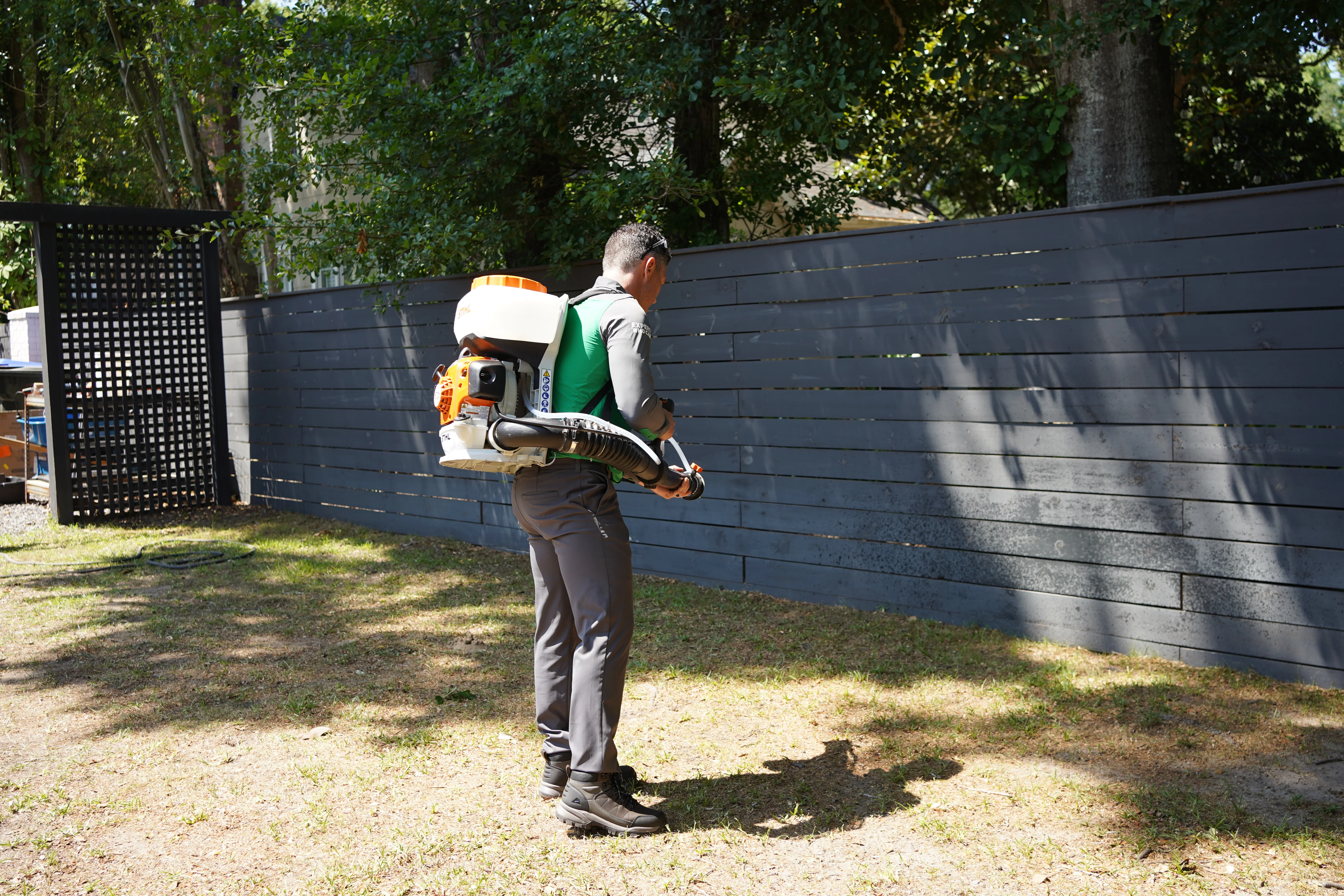
Yard & Ground Cover Treatment
Flea and tick treatment covers all ground cover, mulch beds, and vegetated areas on every Plus and Platinum visit. The sandy coastal soil of Virginia Beach residential properties retains warmth longer than clay-heavy inland soils, sustaining flea larval development and tick activity through a longer portion of the active season. Shaded microhabitats under decking, along fence lines bordering tidal creek vegetation or naturalized margins, and in dense ornamental planting are the primary outdoor flea and tick population zones.
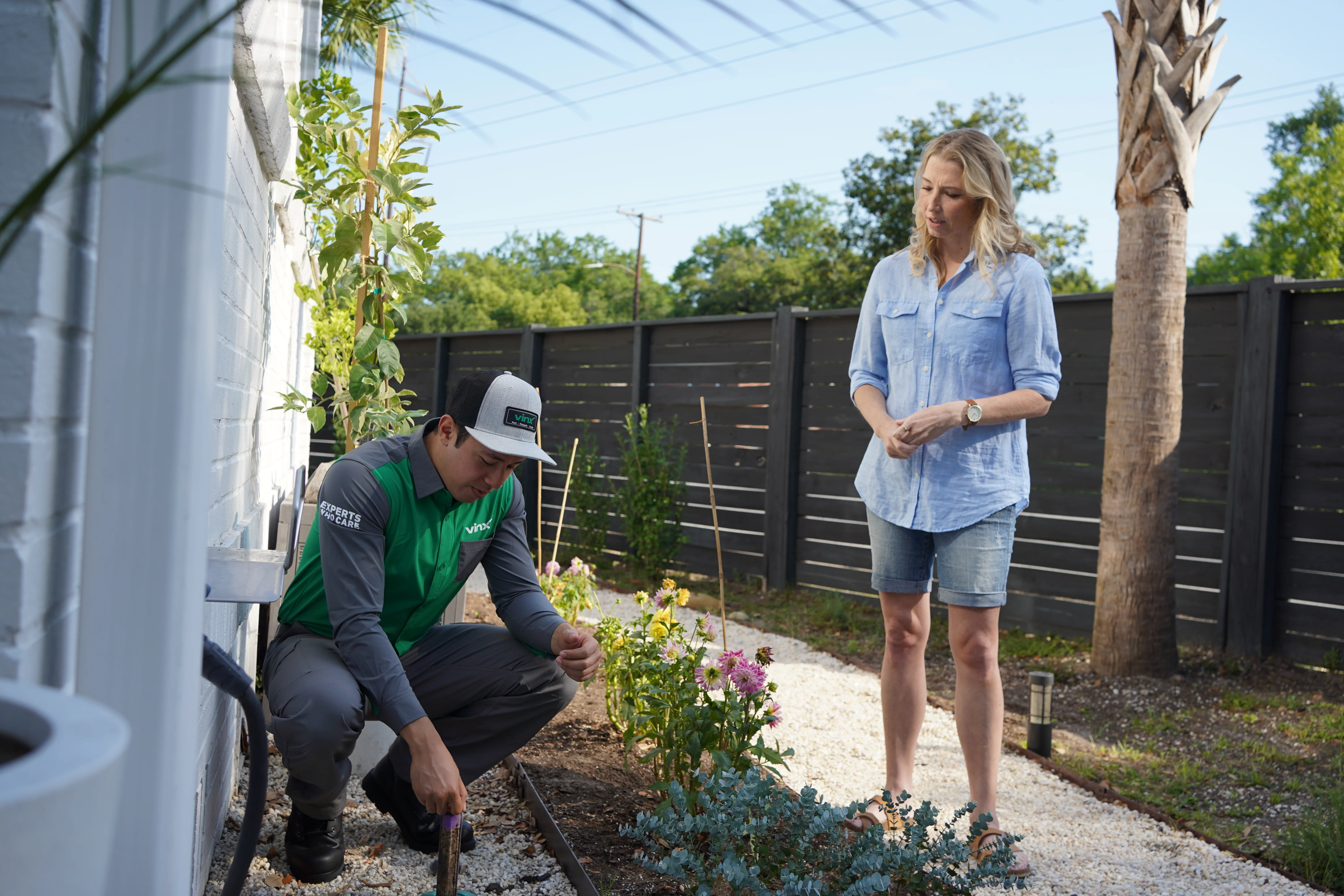
Tidal Creek & Wildlife Corridor Margin Treatment
For Virginia Beach properties adjacent to the Lynnhaven River tidal creek system, Back Bay National Wildlife Refuge margins, or the Princess Anne Wildlife Management Area, the vegetation transition zone between these natural areas and the residential lawn is the primary tick introduction corridor. Deer and wildlife depositing tick populations in this transition zone as they move between natural habitat and residential yards is a daily occurrence throughout the active season for properties in these corridors. Treatment of this specific margin zone is the highest-priority step for any Hampton Roads property with tidal or managed natural area adjacency.
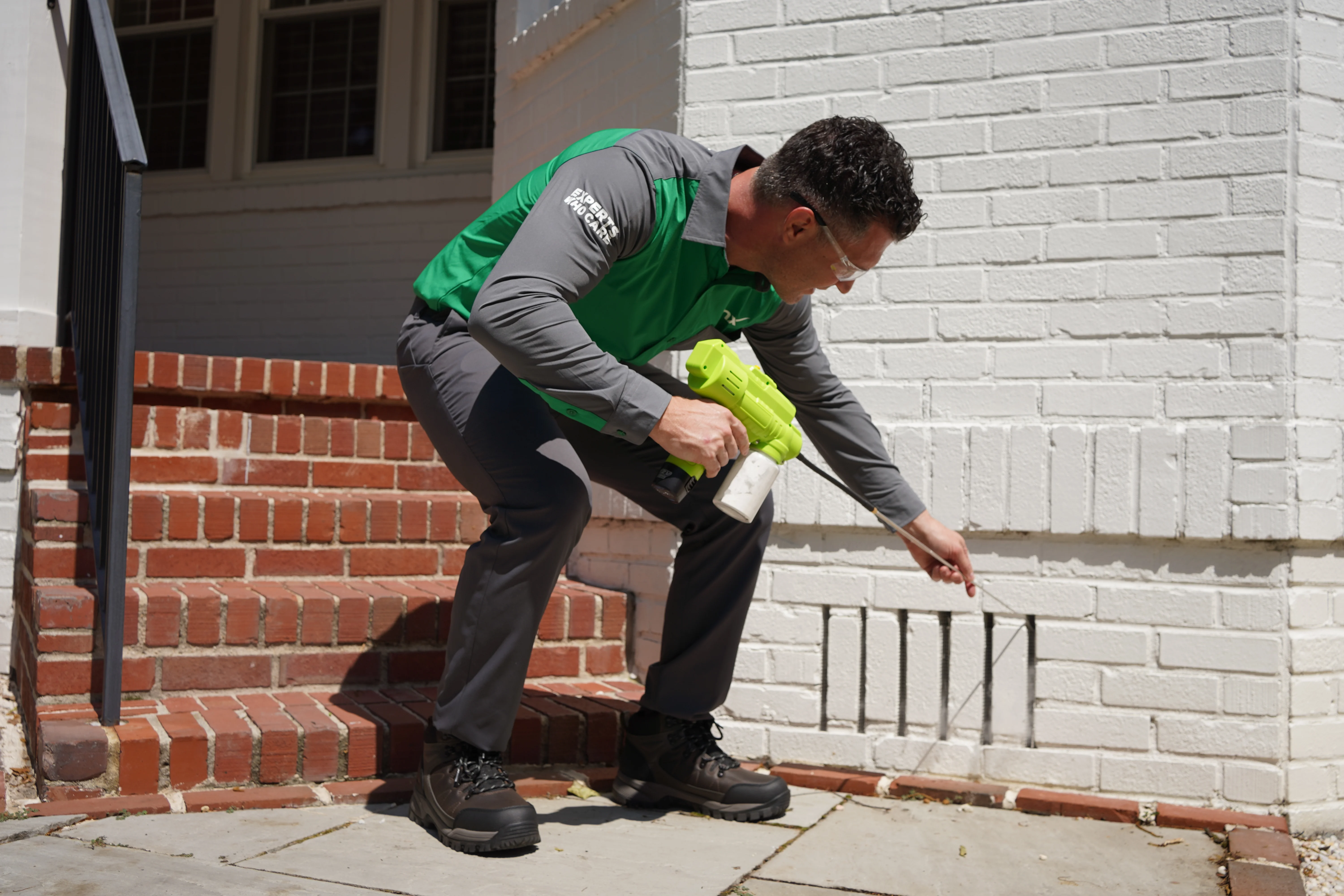
Wildlife Rest Area Treatment
Raccoons, opossums, and wildlife establish rest areas in shaded vegetation throughout Virginia Beach’s residential neighborhoods, particularly along the Lynnhaven River corridor and in the naturalized vegetation of Great Neck and Alanton. These rest areas are the outdoor flea egg concentration zones that continuously re-seed indoor infestations through pets picking up adults during yard time. Treatment of these specific harborage locations addresses the outdoor flea reservoir that veterinary prevention alone cannot eliminate.
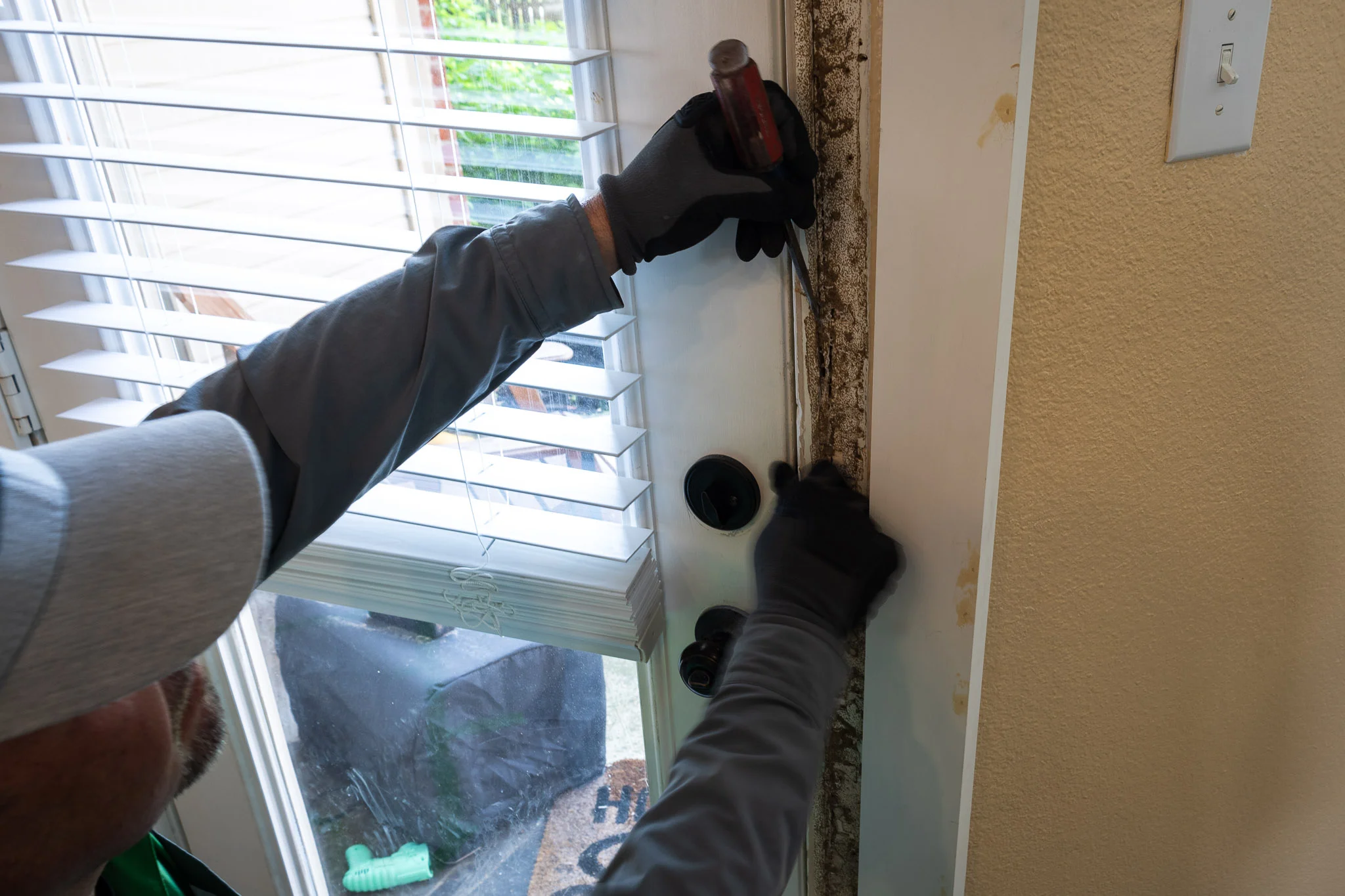
Interior Flea Treatment with IGR: Platinum Plan
When fleas have been introduced indoors from Virginia Beach’s outdoor flea season, interior treatment with insect growth regulator (IGR) addresses the developing population in carpet, pet bedding, and upholstered furniture, the 95% of the flea population not on the pet. IGR prevents larvae from reaching the biting adult stage. Interior flea treatment is included in the Platinum plan. Veterinary prevention on all pets must be current simultaneously for complete control.

Conducive Condition Documentation
After every visit your technician documents outdoor conditions sustaining flea and tick pressure, dense ground cover along deer travel routes from Back Bay or Lynnhaven corridor, wood debris providing wildlife harborage, unmaintained vegetation adjacent to tidal margins, and conditions creating outdoor flea breeding habitat. Written report provided after every service visit.
What Customers Say
What Virginia Beach Customers Say About Vinx: 4.8 Stars on Google
Brandon did a great job on our indoor/outdoor service today. Very friendly and professional!
2nd spraying of the house. Brandon was very helpful and detailed. Great video of what was done.
Bradley was great and did everything I needed!! Service was fast! Thank you
Daniel did a great job. Friendly, accommodating, and fast!
Vinx is a great company. After our first treatment for ticks and fleas on the property, it rained buckets. I brought this to their attention and without hesitation they redid the application. Micah, their tech, did an excellent job. Highly recommend this company
I was a little hesitant to use this company at first. I had never heard of them before. A few of our neighbors have started using them, so we gave them a try. So far so good, and all of the staff are very nice and respectful of our pets.
By Neighborhood
Flea & Tick Pressure Across Virginia Beach. One Number to Call.
Back Bay, Princess Anne & Rural Southern Virginia Beach
Highest Pressure: Back Bay & Princess Anne Properties adjacent to Back Bay National Wildlife Refuge and the Princess Anne Wildlife Management Area carry the highest deer tick and lone star tick pressure in Virginia Beach. The managed wildlife populations of these refuges, including significant white-tailed deer numbers, move through adjacent residential corridors on established routes, depositing tick populations in the transition vegetation zones bordering residential properties. Properties with naturalized lot margins or fence lines adjacent to managed natural area vegetation should treat those boundaries as the primary tick intervention zone on every service visit.
Great Neck, Alanton & Lynnhaven
Highest Pressure: Wooded Lots Virginia Beach’s established historic neighborhoods with mature hardwood canopy (water oaks, hickories, and mixed hardwoods) provide deer travel routes and shaded understory habitat that concentrates black-legged tick populations at the highest densities in urban Virginia Beach. Properties with wooded backyard margins carry consistent deer tick pressure through the full active season. Wooded lot margins in these neighborhoods should receive specific treatment emphasis as the primary tick pressure zone.
Chesapeake, Suffolk & Great Dismal Swamp Adjacent
Elevated: Great Dismal Swamp Corridor Chesapeake and Suffolk carry elevated flea and tick pressure from the Great Dismal Swamp’s wildlife population, the Swamp sustains significant deer, raccoon, and wildlife populations that range into the suburban residential areas of Chesapeake and Suffolk along established travel corridors. Lyme disease and RMSF are both documented in Chesapeake annually. Properties adjacent to the Swamp’s naturalized margin or the wooded corridors connecting it to residential development carry the highest tick pressure in these communities.
Oceanfront & Resort Corridor
Elevated: Coastal Dune Margin Virginia Beach’s oceanfront residential and resort corridor carries elevated lone star tick pressure from the dune grass and naturalized coastal vegetation adjacent to developed areas: American dog ticks are also present in the sandy-soil beach-adjacent habitat. Outdoor-living-oriented resort properties with significant yard vegetation adjacent to naturalized coastal zones should include the coastal vegetation border in their tick treatment emphasis zones throughout the active season.
Town Center & Pembroke
Moderate Pressure Urban Virginia Beach neighborhoods with managed landscaping carry moderate flea and tick pressure from the ambient urban wildlife population, raccoons, opossums, and the deer that move through urban green spaces and parks. Flea pressure from wildlife rest areas in shaded yard vegetation is the primary concern. Plus plan bi-monthly treatment through the active season manages this baseline pressure effectively for most urban Virginia Beach properties.
7-Month Season. 4 Species.
Why Flea & Tick Control in Virginia Beach Requires Professional Yard Treatment
Virginia Beach’s position in the Chesapeake Bay watershed (bordered by Back Bay National Wildlife Refuge, the Lynnhaven River estuary, and the eastern edge of the Great Dismal Swamp corridor) creates wildlife ecology that drives flea and tick pressure well above what a comparable inland population density would experience. Virginia is a Lyme disease-endemic state, though the tick you are statistically most likely to be bitten by here is the lone star, not the blacklegged tick.
Veterinary tick and flea prevention protects your pet during outdoor exposure. It does not eliminate the outdoor tick and flea population in your yard vegetation that your pet deposits ticks and fleas from on every return home from tidal creek access or a wooded yard margin adjacent to the Lynnhaven corridor. Yard treatment addresses the environmental source.
Professional yard treatment covers the ground cover, mulch beds, wildlife rest areas, and tidal margin vegetation where flea eggs accumulate and ticks wait for hosts, the outdoor reservoir that veterinary prevention alone cannot reach. Call (757) 900-8469 for a free quote.
Virginia Beach Flea & Tick Species

Black-Legged Tick / Deer Tick (Ixodes scapularis)
In Virginia Beach: Present throughout Hampton Roads in wooded residential lot margins, the tidal creek corridors of the Lynnhaven River system, naturalized buffers adjacent to the Back Bay and Princess Anne managed natural areas, and the Great Dismal Swamp adjacent habitat in Chesapeake and Suffolk. Virginia is a Lyme disease-endemic state, the black-legged tick is well-established throughout the Hampton Roads region, and Lyme disease cases are documented in Virginia Beach and surrounding cities annually.
Nymph season, the missed window: Black-legged tick nymphs are active in Virginia Beach from March through June, and this spring window is the highest Lyme disease transmission risk period. Nymphs are the size of a poppy seed. Most Virginia Beach homeowners don’t begin thinking about tick season until summer, by which time the highest-risk nymph period has already passed.
- Lyme disease vector, documented in Virginia Beach annually
- Nymph season: March–June (highest risk)
- Highest pressure: Lynnhaven River corridor & Back Bay margins
Lone Star Tick (Amblyomma americanum)
In Virginia Beach: The Virginia Department of Health identifies the lone star tick as the most common tick to bite people in Virginia, not the blacklegged tick, which surprises most people. It is also the tick most often found on dogs after outdoor activity here, and far more abundant in brushy open habitat than the black-legged tick. Found in the open brushy vegetation along greenway edges, field margins adjacent to new suburban development, and the tall grass and scrub bordering subdivisions throughout Hampton Roads’s active growth corridors. They actively quest for hosts and are the tick most likely to create “seed tick” larval cluster encounters for children and dogs in summer.
Disease risk per the Virginia Department of Health: alpha-gal syndrome, ehrlichiosis and Heartland virus. Note this tick is not the Rocky Mountain spotted fever vector, which is the American dog tick; plenty of pages attach RMSF to the lone star and it is the wrong tick. VDH estimates roughly 1 in 20 lone star ticks may carry ehrlichiosis. Alpha-gal, the red meat allergy triggered by a lone star bite, is real in Virginia and CDC data place Virginia among the highest-burden states in the country, though the documented peaks are in Piedmont and Southside counties rather than here.
- Alpha-gal syndrome documented in Virginia residents
- Active quester, larval “seed tick” clusters in summer
- Highest pressure: Princess Anne & Pungo field margins and greenway brush edges
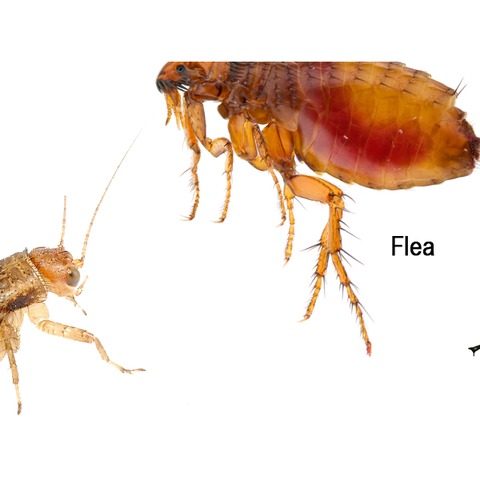
Cat Flea (Ctenocephalides felis)
In Virginia Beach: The primary flea species on dogs and cats throughout Hampton Roads. Raccoons, opossums, feral cats, and wildlife moving through Virginia Beach’s residential neighborhoods along the Lynnhaven River corridor, Back Bay wildlife margin, and the naturalized vegetation of Great Neck and Princess Anne areas sustain outdoor flea populations in the shaded vegetation rest areas adjacent to residential properties throughout the active season. Virginia Beach’s mild coastal winter means outdoor flea populations remain active through a shorter break period than inland Virginia markets, extending the effective active season on both ends and requiring earlier spring service startup and later fall continuation than Richmond-area programs. Flea season runs approximately March through October.
- Primary flea species on dogs and cats in Hampton Roads
- Outdoor reservoir: wildlife rest areas in shaded yard vegetation
- Interior IGR treatment: Platinum plan
American Dog Tick (Dermacentor variabilis)
In Virginia Beach: Found on dogs after walks through open grassy areas throughout Hampton Roads, particularly in the open-habitat vegetation along Virginia Beach’s oceanfront dune margins, the field edges adjacent to Back Bay and Princess Anne managed lands, and the grass-dominated sections of the Lynnhaven River corridor. Most active April through August. A vector for Rocky Mountain spotted fever, seek prompt medical care for any fever following a tick bite. Virginia Beach’s coastal sandy-soil habitat supports American dog tick populations in beach-adjacent residential areas at higher density than clay-soil inland zones.
- Rocky Mountain spotted fever vector
- Peak season: April–August
- Habitat: oceanfront dunes, Back Bay field edges, Lynnhaven grass margins
What to Look For
Signs of Flea & Tick Pressure at Your Virginia Beach Property
Ticks on Pets After Yard Time
Finding ticks on dogs or cats after routine yard or trail activity, the primary indicator of active tick pressure in your yard vegetation
Ground Entry Holes
Dome-shaped mounds in lawn or garden areas, can reach 18 inches in height
Deer Trails Through Yard Margins
Visible deer travel routes through wooded lot edges or naturalized borders, primary tick deposition corridors adjacent to Lynnhaven River corridor and Back Bay margin properties
Excessive Scratching in Pets
Pets scratching, biting, or restless despite current veterinary prevention, may indicate an established outdoor environmental flea population reintroducing fleas on every yard outing
Wildlife Rest Areas in Yard
Shaded, sheltered vegetation areas under decking, along fence lines, or in dense ground cover, raccoon and opossum rest areas are primary outdoor flea egg concentration zones
Seed Tick Clusters on Children
Clusters of tiny tan dots on ankles and legs after playing in brush-adjacent areas, lone star tick larvae, common along Lynnhaven corridor brush edges and Back Bay margin vegetation in summer
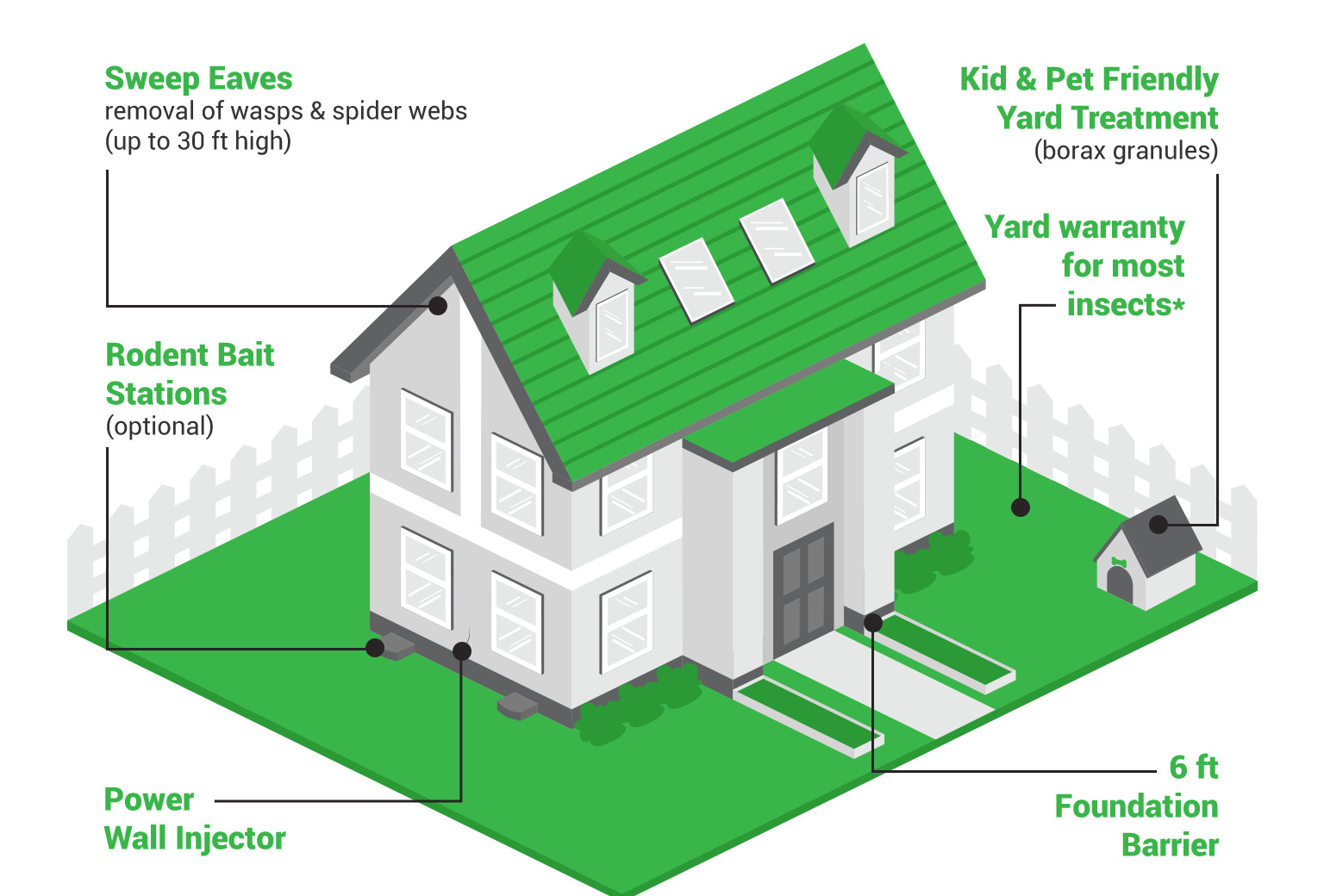
Vinx HomeGuard Plan
What Happens at Every Visit
Our technicians don’t just spray and leave. Every quarterly service covers your full exterior and interior, done right, backed by a written guarantee.
- Yard & Margin Treatment: Ground cover, mulch beds, and vegetation borders treated every visit
- Power Wall Injector: Treats wall voids where pests hide
- 6 ft Foundation Barrier: Full perimeter treatment every visit
- Yard Warranty: Free retreatment for most insects
- Kid & Pet Safe Yard Treatment: Borax granules, safe after dry
Homeowner Tips
6 Ways to Reduce Flea & Tick Pressure Around Your Virginia Beach Property
Kid & Pet Safe
Our Treatments Are Safe for Your Whole Family: Including the Furry Members
Every product we use is EPA-registered and applied strictly at labeled rates by licensed technicians. We take the guesswork out of safety so you can feel confident letting kids and pets back into treated areas quickly.

EPA-Registered Products Only
All products we apply are EPA-registered and used strictly per label requirements. Our licensed technicians are trained to apply the right product in the right place at the right rate, every time.
Dry Time Before Re-Entry
Exterior spray treatments dry in 30–60 minutes. Once dry, treated surfaces are safe for children and pets to contact. Your technician will confirm the all-clear before leaving your property.
Interior Treatment On Request
We treat only what’s needed, where it’s needed. Gel baits in cabinets and crack-and-crevice applications keep products away from areas pets and children frequent most.
Botanical Options Available
Have specific sensitivities? Ask your technician about our plant-derived treatment options. We offer botanical alternatives for households that prefer a more natural approach.
Have a concern about products used near your pets or children? Call 855-800-8469 and we’ll walk you through exactly what we use and why it’s safe.
Explore More
More Pest Control Services in Virginia Beach

Pest Control Virginia Beach
Year-round protection plan

Mosquito Control Virginia Beach
Monthly barrier treatments
Termite Control Virginia Beach
Bait systems & liquid treatment

Rodent Control Virginia Beach
All rodents covered
Cockroach Control Virginia Beach
American & German roaches

Bed Bug Control Virginia Beach
Heat & liquid treatments

Spider Control Virginia Beach
All spider species covered

Exterminator Virginia Beach
Same-day local exterminators
Ant Control Virginia Beach
Household ants & others

Wasp Control Virginia Beach
Nest removal & prevention
Frequently Asked Questions
Flea & Tick Control FAQ for Virginia Beach Homeowners
Yes, Virginia is a Lyme disease-endemic state and cases are reported across the Commonwealth. Two honest caveats though. VDH does not publish a breakdown that would let anyone tell you how Lyme risk in Hampton Roads compares with northern or western Virginia, so treat any company quoting you a local Lyme figure with suspicion. And since January 2022 every Virginia health district has classified Lyme cases on laboratory results alone, which means current counts are not comparable with pre-2022 ones. The black-legged tick is well-established throughout the Chesapeake Bay watershed, and Virginia Beach’s deer population in the Lynnhaven corridor, Back Bay margin, and Princess Anne areas sustains this tick population in residential areas throughout the active season. The spring nymph season (March through June) is the highest Lyme transmission risk window. Nymphs are poppy-seed sized and easy to miss without deliberate full-body tick checks after outdoor activity near wooded or tidal creek vegetation.
Properties adjacent to the Lynnhaven River tidal creek system carry among the highest deer tick pressure in Virginia Beach residential areas. Deer using the tidal creek corridor as a travel and foraging route browse the transition vegetation between the creek margin and maintained lawns, depositing black-legged tick populations in those zones daily throughout the March through October active season. The fence line or vegetation border between your maintained lawn and the tidal creek vegetation is the primary treatment emphasis zone for every Lynnhaven-adjacent property on Plus or Platinum plan service. Daily tick checks for family members and pets accessing any portion of the creek-adjacent vegetation from March onward are strongly recommended.
No, and this is one of the most important misconceptions for Hampton Roads homeowners. Black-legged tick nymphs are most active from March through June, the spring window before most people think of tick season as having started. These nymphs are the primary Lyme disease transmission stage in Virginia, and they’re poppy-seed sized, easily missed without a deliberate, careful full-body tick check. The active season runs March through October in Virginia Beach. Beginning tick checks and yard treatment in March, not June, is the correct approach.
The lone star tick. The Virginia Department of Health identifies it as the most common tick to bite people in Virginia, which surprises most people who assume it is the deer tick. It is an aggressive host-seeker that actively quests rather than waiting to be brushed past, it is abundant in brushy open habitat, greenway edges and field margins, and it is behind the summer seed tick encounters where children and dogs pick up dozens of larval ticks at once. It carries alpha-gal syndrome, ehrlichiosis and Heartland virus. It does not carry Rocky Mountain spotted fever.
The American dog tick, not the lone star tick. This gets stated wrongly on a lot of pest control pages, including this one until recently, and it matters because the two ticks live in different habitat and peak at different times. The American dog tick is the one you pick up in open grassy areas, dune margins and field edges, mostly April through August. RMSF is treatable but can become serious quickly, so any fever following a tick bite deserves prompt medical attention regardless of which tick you think it was.
Both are necessary, they address different parts of the flea and tick lifecycle. Yard treatment reduces the flea and tick population in the outdoor environment your pet is exposed to. Veterinary prevention kills parasites that reach your pet despite outdoor treatment. Neither fully substitutes for the other: yard-only without vet prevention leaves your pet unprotected on contact; vet-only without yard treatment leaves the outdoor source population untreated and your pet continuously re-exposed through every visit to the treated areas.
The clearest indicators: your pet scratching more than usual; small dark specks (“flea dirt”) on pet bedding or light-colored carpet near pet rest areas (flea dirt turns red when wet because it is digested blood); small bites on human ankles near carpet edges or on lower legs in the morning. Flea populations in carpet are almost entirely in the egg, larva, and pupa stages, the 95% not on the pet. If you see these signs, call for interior IGR treatment included in the Platinum plan.
Virginia Beach’s coastal position gives it a longer active season than Richmond, Charlottesville, or Northern Virginia, approximately March through October, with the practical inactive window compressed to December through February. Virginia Beach’s mild coastal winters mean flea-carrying wildlife remain active through a shorter cold-season break, and sandy coastal soil supports flea larval development and tick activity longer than clay-heavy inland soils. The season is closer to Columbia, SC’s eight-month Midlands profile than to inland Virginia’s shorter window. Beginning yard treatment in March, not waiting until May or June, is the correct approach for Hampton Roads homeowners.
Veterinary tick prevention kills ticks that attach to your pet, it doesn’t prevent ticks from reaching the pet during a walk or being carried into the home before they fully attach. In Virginia Beach’s wildlife-dense environment near Back Bay, Princess Anne, and the Lynnhaven corridor, the outdoor tick population is continuously replenished by deer and wildlife. Your pet encounters new ticks on every outing in tick-pressure vegetation zones. Yard treatment of your property’s vegetation margins, particularly any fence line or border adjacent to naturalized vegetation, reduces the tick population your pet encounters during outdoor time at home and reduces what they carry back inside from yard activity. Combined with veterinary prevention and daily tick checks, this three-part approach provides the most complete protection available.
Vinx serves Virginia Beach, Chesapeake, Suffolk, Norfolk, and the broader Hampton Roads area: Great Neck, Alanton, Princess Anne, Back Bay corridor, Town Center, Pembroke, Oceanfront, and all surrounding communities. Call (757) 900-8469 to confirm scheduling for your specific address.
No, treatment is not necessary or effective during the low-activity winter months. The active season covered by Plus plan bi-monthly treatment runs approximately March through November in coastal Virginia, which is longer than inland markets get: the median last spring freeze here is March 20 and the first fall freeze November 25, a 248-day freeze-free season. Vinx visits are scheduled within the active season window. There is no benefit to treating in January or February when tick populations are dormant and flea outdoor reproduction has stopped.
It is an allergy to red meat that can develop after a lone star tick bite, and Virginia is genuinely one of the higher-burden states in CDC's national data. We want to be precise about the local picture though: the documented peaks are in Piedmont and Southside counties, Bedford and Charlotte in particular, not Tidewater. So the honest statement is that Virginia has a real alpha-gal problem and Virginia Beach has the tick that causes it, not that Virginia Beach is a hotspot. Symptoms typically appear some hours after eating red meat rather than immediately, which is why it often goes unrecognized.
Ticks slow down but do not vanish, and fleas indoors do not slow at all. The freeze-free season here runs about 248 days, March 20 to November 25 on the long-term average, which is a good deal longer than inland Virginia gets. Adult blacklegged ticks are actually active in cool weather and will quest on mild winter days. Indoors is a different question entirely, because a heated house keeps a flea population cycling year-round regardless of the weather. That is why the yard program is seasonal and the interior treatment is not.
Service Coverage
Flea & Tick Control Across Virginia Beach & Hampton Roads
Serving every neighborhood in the Hampton Roads area