Ant Control in Virginia Beach, VA
Fire Ants, Odorous House Ants, Pharaoh Ants & Carpenter Ants: Hampton Roads' Coastal Sandy Soil Creates Unique Ant Pressure
Fire ant mounds appearing overnight across the open sunny lawns of a Kempsville or Centerville subdivision after spring construction disturbs the sandy coastal soil on an adjacent lot. Odorous house ants pouring into a Shore Drive kitchen after a coastal storm saturates the sandy foundation soil and floods the established colony inward. Carpenter ants tunneling through moisture-softened crawlspace beams in an older Great Neck home.
Get Started in 60 Seconds
Choose what’s easiest for you
Request a Quote
We usually respond in 2 minutes
Call (757) 900-8469
Get a Live Person (no AI agents here!)
Sign Up Online
Get pricing and schedule now





Welcome to Vinx Pest Control
A Company That Actually Backs What It Says
At Vinx, we combine professional-grade treatments with a level of service most pest control companies don't offer. Local technicians, fast response times, and a guarantee that actually means something.
Get a Free Quote"I'm not passionate about killing bugs. I'm passionate about customer service. At Vinx, you get experts who show up, do the job right, and stand behind every visit. No runaround, no fine print."
WELCOME TO VINX PEST CONTROL
Ant Control Plans for Virginia Beach Homeowners
Standard Residential Protection
- 4 Seasonal Treatments Per Year
- 50+ Covered Pests
- Interior, Exterior & Yard Treatment
- Unlimited Free Re-Services
- 100% Money-Back Guarantee

Upgraded Yard Protection
- 6 Home & Yard Treatments Per Year
- 50+ Covered Pests
- Yard Ant Elimination Guarantee
- Flea & Tick Elimination Guarantee
- 100% Money-Back Guarantee

Most Comprehensive Protection
- 9 Treatments Per Year
- 50+ Covered Pests
- 8 Mosquito Treatments (Mar–Nov)
- Flea, Tick & Ant Coverage
- Free Bed Bug Treatments if Needed*
*Starting rates vary by home size and area. All plans billed monthly.
Request Your Free Ant Control Quote
Tell us about your property and we'll respond in minutes, (757) 900-8469 · 24/7
Our Approach
How Vinx Eliminates Ants in Your Virginia Beach Home

Full Property Inspection: Interior & Exterior
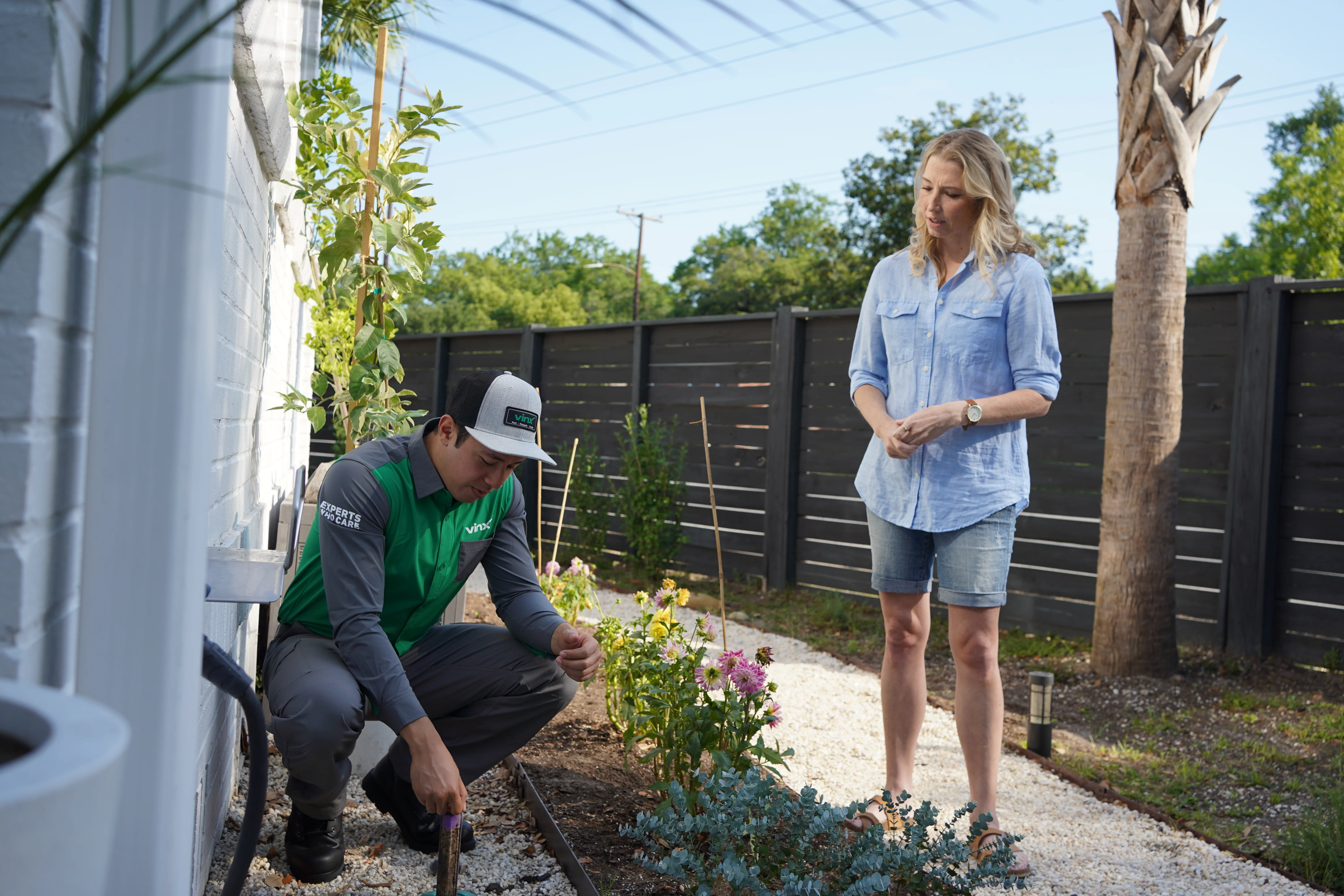
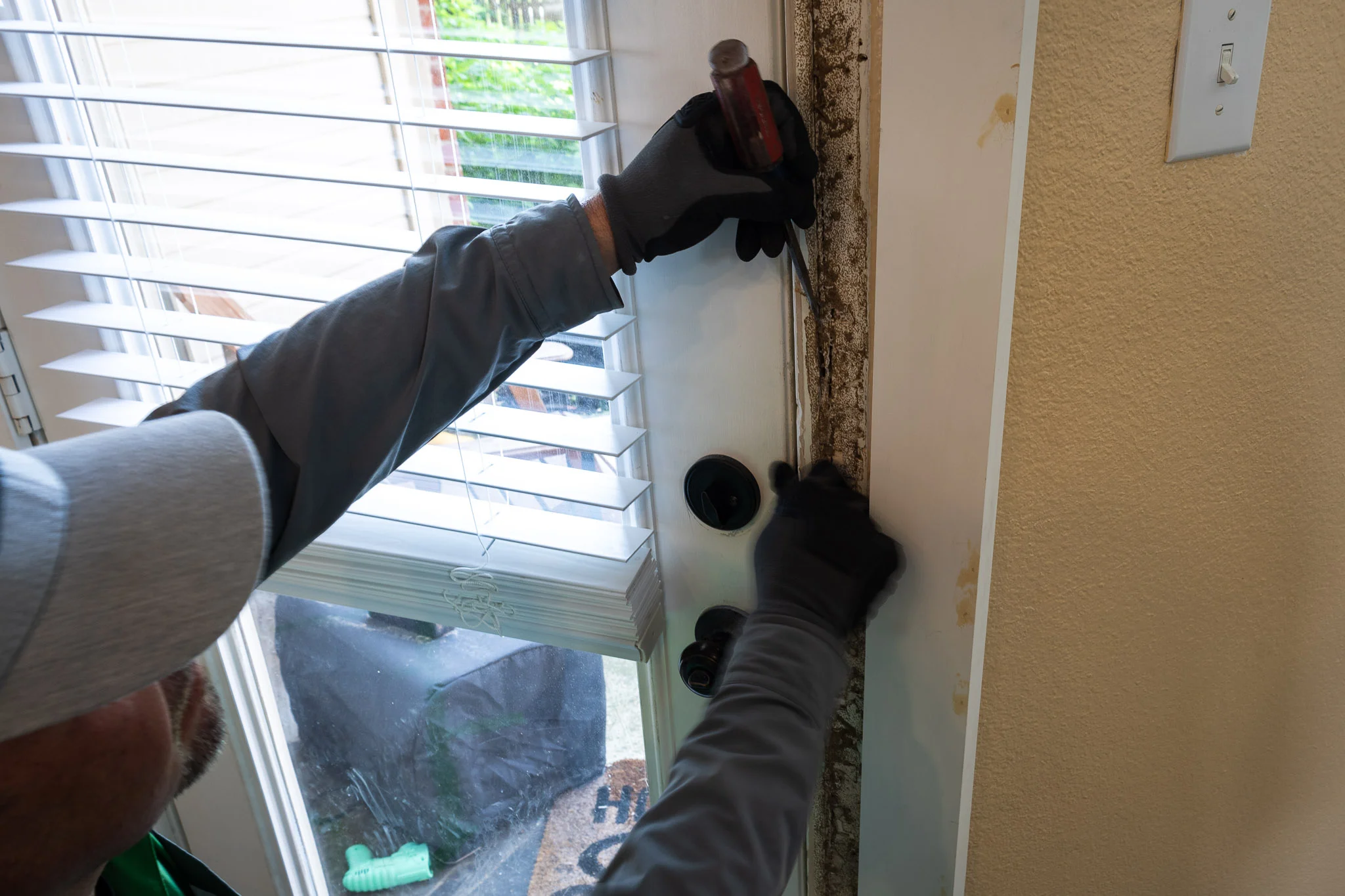
Your Vinx technician walks the full property, interior and exterior. They identify the ant species present, locate active trails and entry points, assess outdoor colony locations including fire ant mounds, and document conducive conditions: moisture intrusion points, foundation gaps, excessive mulch depth, tree branches touching the roofline, vegetation against the foundation. Correct species identification before treatment is what determines the protocol, odorous house ants and pharaoh ants require bait-only approaches, not spray.
Interior Treatment: Targeted Bait, Not Broadcast Spray
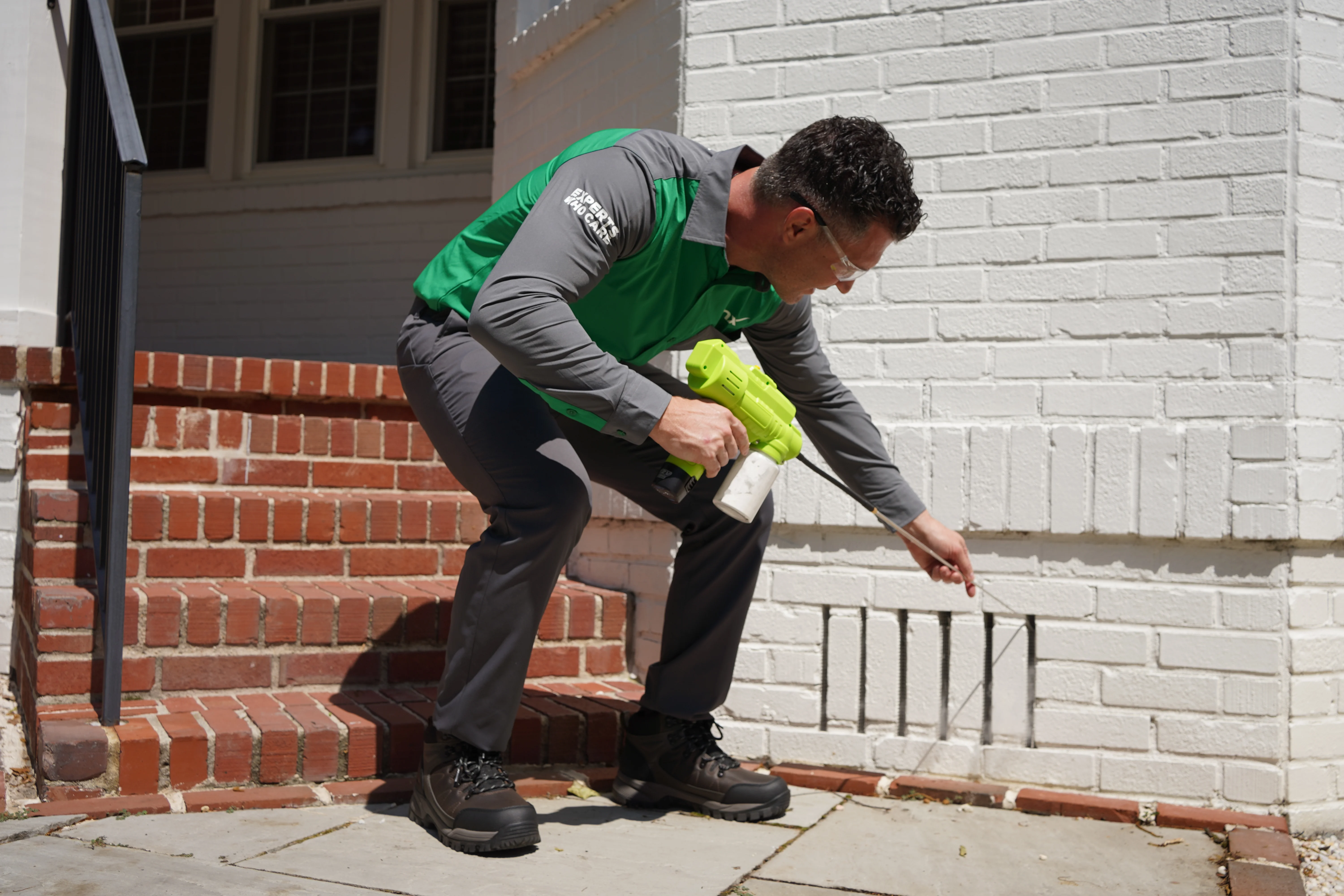
Targeted gel bait and granular bait placement along active interior trails and in protected harborage locations away from children and pets. No broadcast spraying indoors that would trigger budding in odorous house ants or pharaoh ants. Bait formulations are carried back to the colony by worker ants and fed to the queen, the queen dies, and the colony collapses.
Exterior Perimeter Treatment
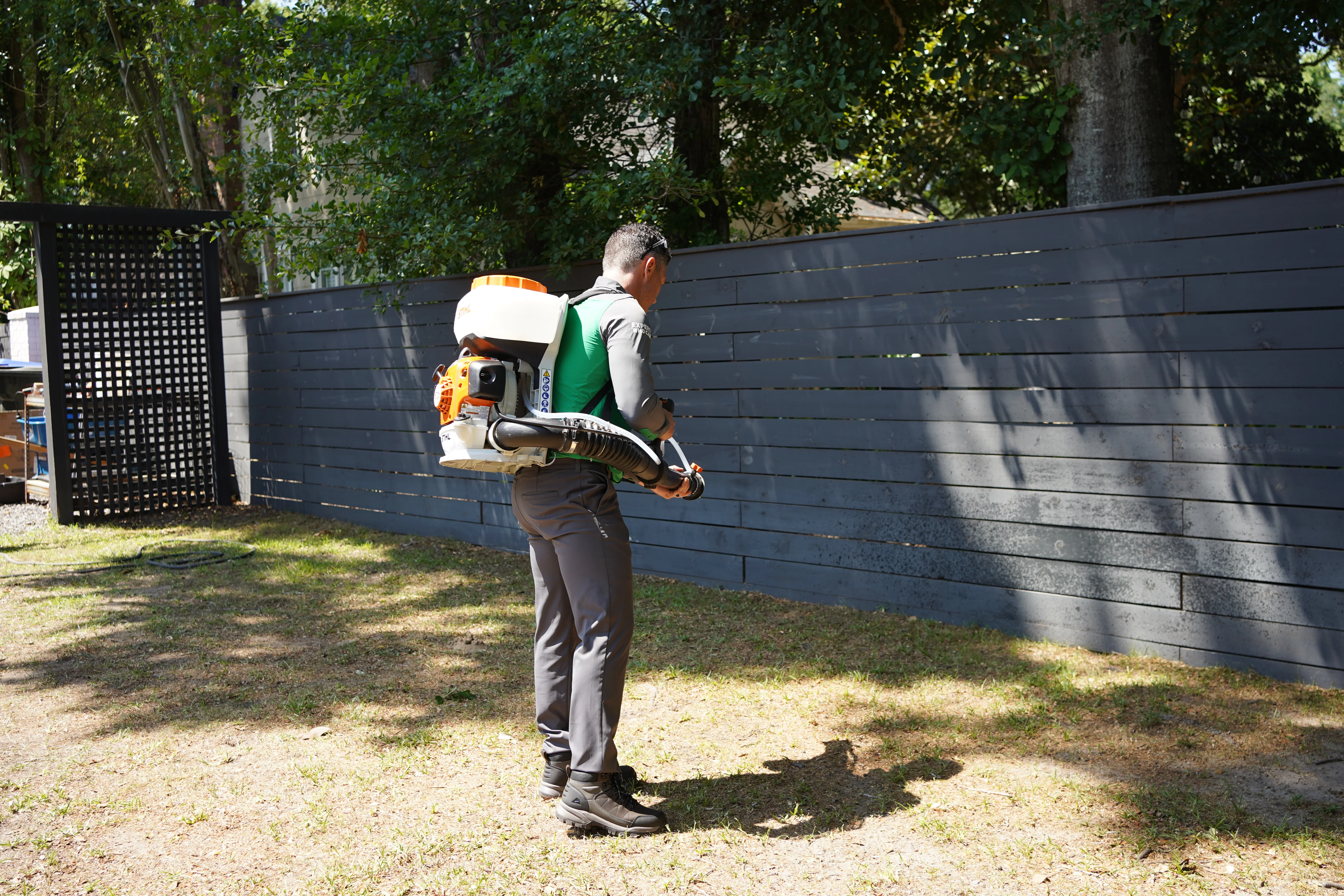
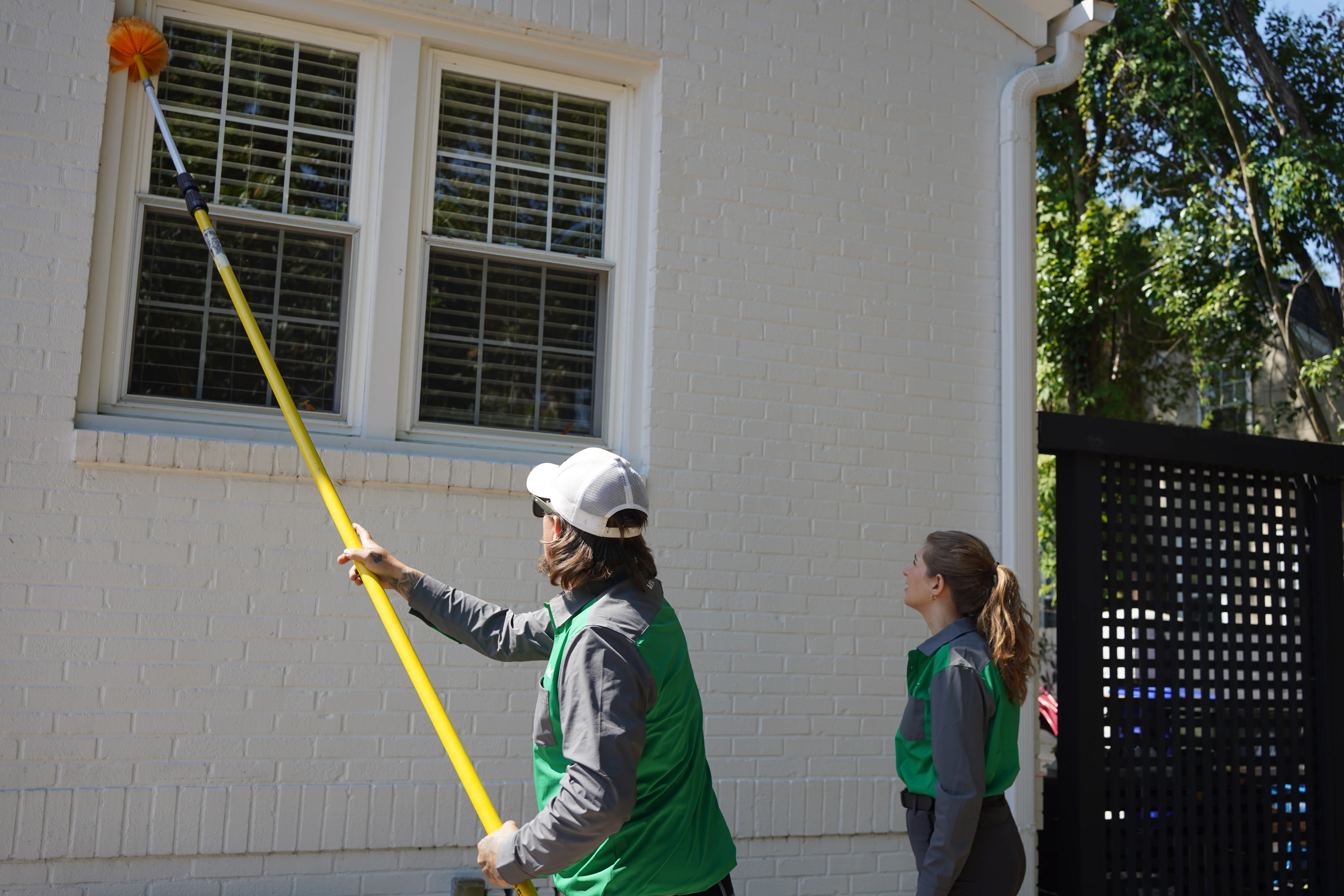
Liquid barrier treatment applied to the foundation perimeter, eaves, window frames, door frames, and all identified entry points. This stops foraging workers from entering and disrupts outdoor trailing patterns. For odorous house ant flooding events triggered by coastal storms, the perimeter barrier is the critical intervention that prevents the next rain event from sending the colony indoors again.
Fire Ant Mound Treatment: Plus & Platinum Plans
Individual fire ant mounds treated directly with fast-acting granular or liquid formulations. Outdoor broadcast granular treatment applied to the full lawn area to eliminate unseen satellite mounds before they mature.
Conducive Condition Report
After every visit your technician provides a written report of conditions increasing ant pressure, moisture intrusion points, foundation gaps, mulch depth against the foundation, tree branches touching the roofline, vegetation contact with the structure.
Guaranteed Follow-Up
If ants return between your scheduled visits, call (757) 900-8469. We return at no charge. No service fees, no waiting until your next quarterly visit.
What Customers Say
Real Reviews from Virginia Beach Homeowners
Bradley was very professional and completed the job as discussed. Great Service
Cameron was professional, and extremely expeditious. Thank you again, awesome as usual!
Always on time, always courteous, if we see critters (which we haven't yet, except for ants) they are prompt to come out.
Mitchell did an amazing job and I loved the video showing what he did.
The tech, Mitch, is a true professional. Patiently answers all my questions, friendly & polite. If you have a pest problem, mine are ants & termites, this is an invaluable investment!!
This is my first time utilizing Vinx Pest control and Mackensey did a great job. She was very professional with explaining the process and answering all my questions. She identified the areas where ants were entering my home and treated to prevent any further invasions. As a whole the entire Vinx team are amazing.
6 Species. One City.
Why Virginia Beach Has an Ant Problem Unlike Any Other City
Virginia Beach’s coastal sandy soil, high water table, warm temperatures, and active construction create ant pressure that is fundamentally different from inland cities. Understanding which species you are dealing with and where they are coming from determines how they get treated.
Six ant species cause problems in Virginia Beach homes. Each one behaves differently, hides in different areas, and responds to different treatment methods. Spray the wrong species and you can make the infestation significantly worse.
Start with the fact most companies here leave out: Virginia Beach sits inside the Virginia Imported Fire Ant Quarantine, administered by the Virginia Department of Agriculture and Consumer Services. So do Norfolk, Chesapeake, Hampton, Newport News, Portsmouth, Suffolk, and Poquoson. The quarantine covers 18 counties and 15 independent cities, was established in 2009, and was last expanded in May 2025. Under the federal rule that backs it, soil, sod, potted and balled nursery stock, baled hay, and soil-moving equipment cannot leave the quarantined area without certification. Fire ants are not a Deep South problem borrowed for marketing copy here. This region is the quarantine.
Virginia Beach Ant Species
Fire Ant
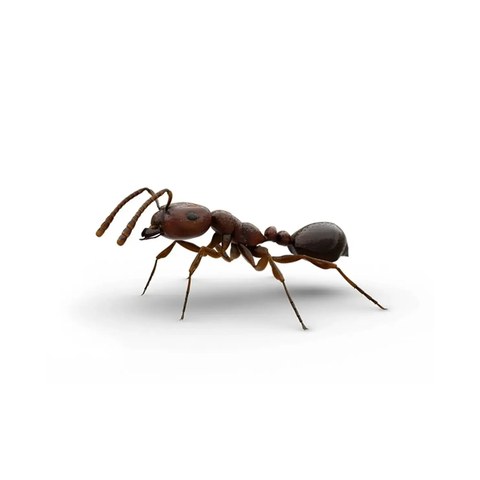
Virginia Beach’s sandy coastal soil is ideal fire ant habitat, and the whole city sits inside the VDACS Imported Fire Ant Quarantine. Newly mated queens specifically target freshly disturbed, open, sunny ground, so grading, re-sodding, and utility work reliably produce new mounds nearby. Stings are painful, and a small share of people stung develop a systemic allergic reaction, which is a real concern for households with young children or pets using the lawn. Plus or Platinum plan required for mound treatment.
Odorous House Ant
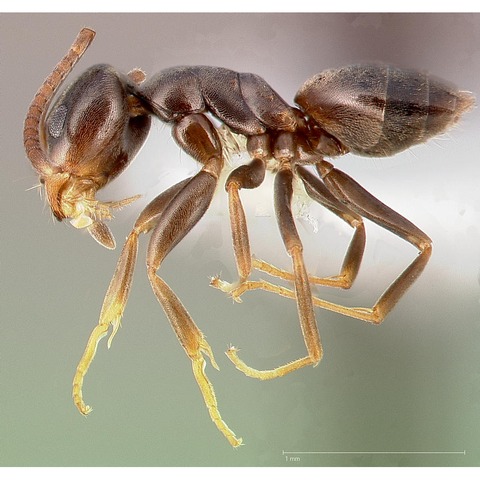
Named for the rotten coconut smell when crushed. These colonies move indoors on heavy coastal rain, when saturated soil pushes them out and their outdoor honeydew supply drops off at the same time. That is why the calls cluster in the day or two after a storm rather than during dry heat. Do NOT spray: contact insecticide triggers budding, and the colony answers by splitting into satellites that multiply the infestation. Professional bait treatment required.
Carpenter Ant
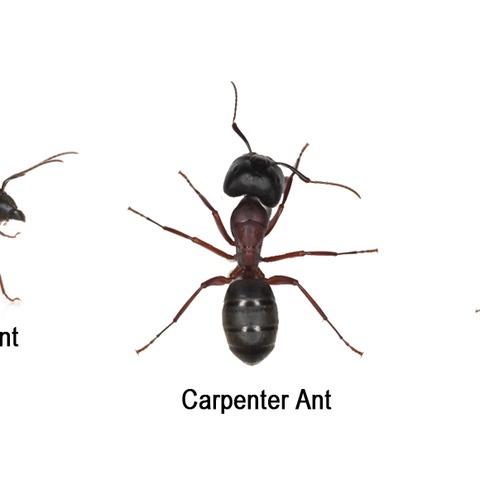
Carpenter ants excavate wood to nest in it, they do not eat it, and the decay comes first: they move into wood already softened by a leak or by crawl space humidity. Most active in older Great Neck and Lynnhaven homes with a moisture history. They also nest in dead or storm-damaged wood inside otherwise healthy mature hardwoods and trail in along limbs touching the roof, then set up a satellite nest in a nearby wall void. Fix the moisture and the tree contact or the colony simply comes back.
Pharaoh Ant
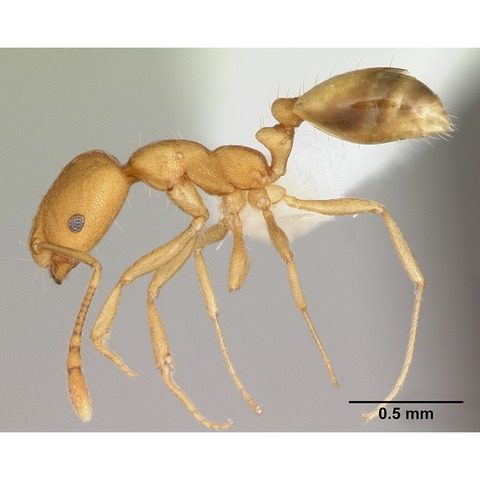
Tiny pale-yellow ants, common in military housing near NAS Oceana and in vacation rentals. In multi-unit buildings they spread through shared wall voids and plumbing chases, so a single treated unit rarely stays clear while its neighbors go untreated. Do NOT spray: pharaoh ants detect contact insecticide and the queens scatter into satellite colonies across the building. Bait-only protocol, and ideally building-wide rather than unit-by-unit.
Pavement Ant
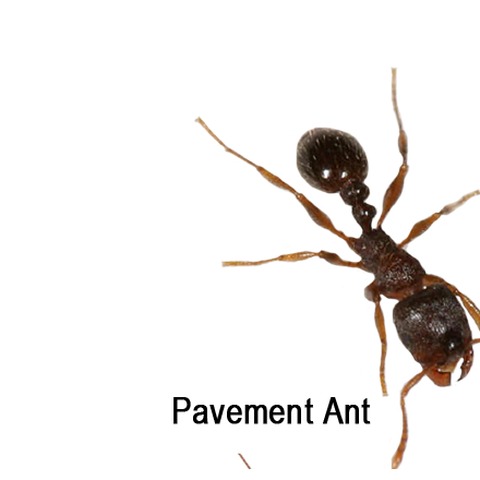
Common under driveways, garage slabs, and pavers, where they push out the small soil craters you see along expansion joints. A nuisance species rather than a structural or medical one, but they trail into kitchens persistently. Unlike odorous house and pharaoh ants they do not bud in response to treatment, so a perimeter barrier stops the trailing cleanly.
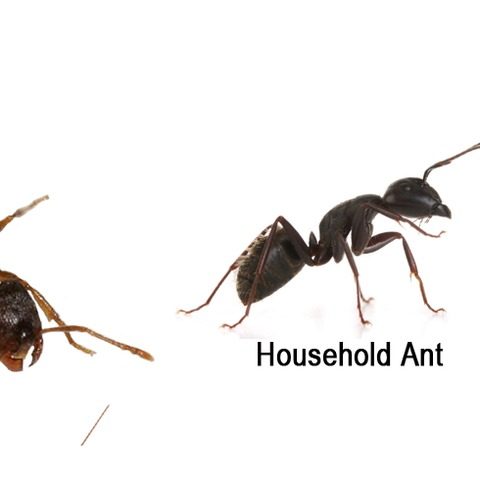
Little Black Ant
Opportunistic kitchen foragers, small enough that people usually notice the trail before the ant. They nest in soil, under stones, and in wall voids, and they are drawn to the same sweet and greasy residues as the odorous house ant, so the two get confused constantly. Perimeter barrier plus targeted bait resolves most infestations within 1–2 service cycles.
Why they do so well in this specific city comes down to disturbed ground. Research on fire ant colony founding shows newly mated queens actively select freshly disturbed, open, sunny soil, which is exactly what a graded lot, a re-sodded lawn, a utility trench, or a stripped construction pad provides. That is the mechanism behind the mounds that seem to appear in a Kempsville or Centerville subdivision within a season of the excavators leaving. It is the disturbance and the sun that matter, more than irrigation.
The other three species run on moisture rather than sun. NOAA’s long-term record for this area puts morning relative humidity at 80% in July, 83% in August, and 82% in September, and afternoons only ease to around 60%. Inland Virginia dries out between the two; the coast does not. That narrow daily swing is what keeps crawl space framing, sill plates, and deck posts damp enough for carpenter ants to excavate, and it is why a carpenter ant call in Great Neck is usually a moisture problem wearing an insect costume.
And there is no off-season to wait out. The median last spring freeze here is March 20 and the first fall freeze November 25, a 248-day freeze-free season. Fire ant mounds stay workable into November, odorous house ants keep moving indoors on every wet spell, and pharaoh ants in heated multi-unit buildings never slow down at all.
Pest Pressure by Neighborhood
Know Your Neighborhood’s Ant Risk
Kempsville & Centerville: Fire Ant Capital of Virginia Beach
The heaviest fire ant mound pressure in the city, and the mechanism is well documented: newly mated queens actively select freshly disturbed, open, sunny soil, which is precisely what an active grading site provides. Every new phase of construction creates prime founding habitat, and the colonies that establish there spread into the finished lawns next door. Broadcast granular treatment across the full lawn is essential here, not just mound-by-mound work, because treating only what you can see leaves the newly founded colonies you cannot.
Shore Drive & Chic’s Beach: Odorous House Ant Flooding
Odorous house ant flooding after every coastal storm. Virginia Beach’s sandy coastal soil saturates rapidly, and established odorous house ant colonies flood indoors through foundation gaps every time the ground becomes waterlogged. A consistent exterior perimeter barrier prevents the next storm from sending the colony inside.
Great Neck & Lynnhaven: Carpenter Ant Risk
Carpenter ant risk in older crawlspace homes. Great Neck and Lynnhaven have a concentration of older homes with crawlspace moisture history. Moisture-softened wood beams provide ideal carpenter ant excavation sites. Correct the moisture problem and eliminate the colony, addressing only one without the other produces temporary results.
NAS Oceana Corridor: Pharaoh Ant Risk
Pharaoh ant risk in military and multi-family housing. Do not spray. Pharaoh ants detect contact insecticide and the queens relocate, creating multiple satellite colonies throughout the building. Bait-only protocol is mandatory. Military housing tenant turnover accelerates pharaoh ant spread between units.
Resort Area & Oceanfront: Multi-Species Pressure
Multi-species pressure from tourism and vacation rental density. Pavement ants, odorous house ants, and pharaoh ants all active. Vacation rental properties see constant re-introduction risk from guests. Consistent perimeter treatment and bait maintenance required to prevent population build-up between high-occupancy periods.
Princess Anne Rd: Fire Ant Establishment Zone
Fire ant establishment across the semi-rural transition zone. The agricultural and open-field interface along Princess Anne Road offers exactly what founding queens select for: open, sunny, regularly disturbed ground, on a scale a suburban lot never provides. Mowed field edges, turned soil, and pasture margins all qualify, and a property backing onto them is re-colonized from outside no matter how thoroughly the lawn itself is treated. Broadcast treatment across the full lawn, repeated on schedule, beats mound-by-mound work here.
Complete Coverage
6 Ant Species in Virginia Beach
All six ant species treated under one plan, correct species identification drives correct treatment protocol

Fire Ant
Sandy coastal soil ideal for colony establishment. Mounds appear overnight after construction. Painful stings; anaphylaxis risk. Mound treatment on Plus & Platinum.
Plus & PlatinumOdorous House Ant
Floods indoors after every coastal storm. Do not spray, triggers budding. Bait-only protocol required to eliminate queens.
All PlansCarpenter Ant
Excavates moisture-damaged wood in crawlspace homes. Structural damage risk if untreated. Moisture remediation + colony elimination required.
All PlansPharaoh Ant
Tiny pale-yellow ants. Common in military housing and vacation rentals. Bait-only protocol mandatory, spray causes budding and multi-colony spread.
All PlansPavement Ant
Common in driveways and garage slabs. Trails into kitchens. Perimeter barrier treatment resolves most infestations without budding risk.
All PlansLittle Black Ant
Opportunistic kitchen foragers. Perimeter barrier plus targeted bait resolves most infestations within 1–2 service cycles.
All PlansKid & Pet Safe
Our Treatments Are Safe for Your Whole Family: Including the Furry Members
Every product we use is EPA-registered and applied strictly at labeled rates by licensed Virginia technicians. We take the guesswork out of safety so you can feel confident letting kids and pets back into treated areas quickly.

EPA-Registered Products Only
All products are EPA-registered and applied per strict label requirements by our licensed Virginia technicians on every visit.
Safe Re-Entry After Drying
Exterior spray treatments dry in 30–60 minutes. Your technician confirms the all-clear before leaving your property.
Interior Treatment On Request
We treat only what’s needed, where it’s needed. Products placed away from areas pets and children frequent most.
Botanical Options Available
Ask your technician about plant-derived treatment options for households that prefer a more natural approach.
Questions about product safety near your family? Call (757) 900-8469 and we’ll walk you through exactly what we use and why it’s safe.
Explore More
More Pest Control Services in Virginia Beach

Pest Control Virginia Beach
Year-round protection plan

Cockroach Control Virginia Beach
German & American cockroaches

Bed Bug Control Virginia Beach
Heat & liquid treatments

Mosquito Control Virginia Beach
Monthly barrier treatments

Rodent Control Virginia Beach
All rodents covered

Spider Control Virginia Beach
All spider species covered

Termite Control Virginia Beach
Bait systems & liquid treatment

Tick & Flea Control Virginia Beach
Yard & pet protection
Exterminator Virginia Beach
Same-day local exterminators

Wasp Control Virginia Beach
Nest removal & prevention
Homeowner Tips
6 Ways to Reduce Ant Pressure Right Now
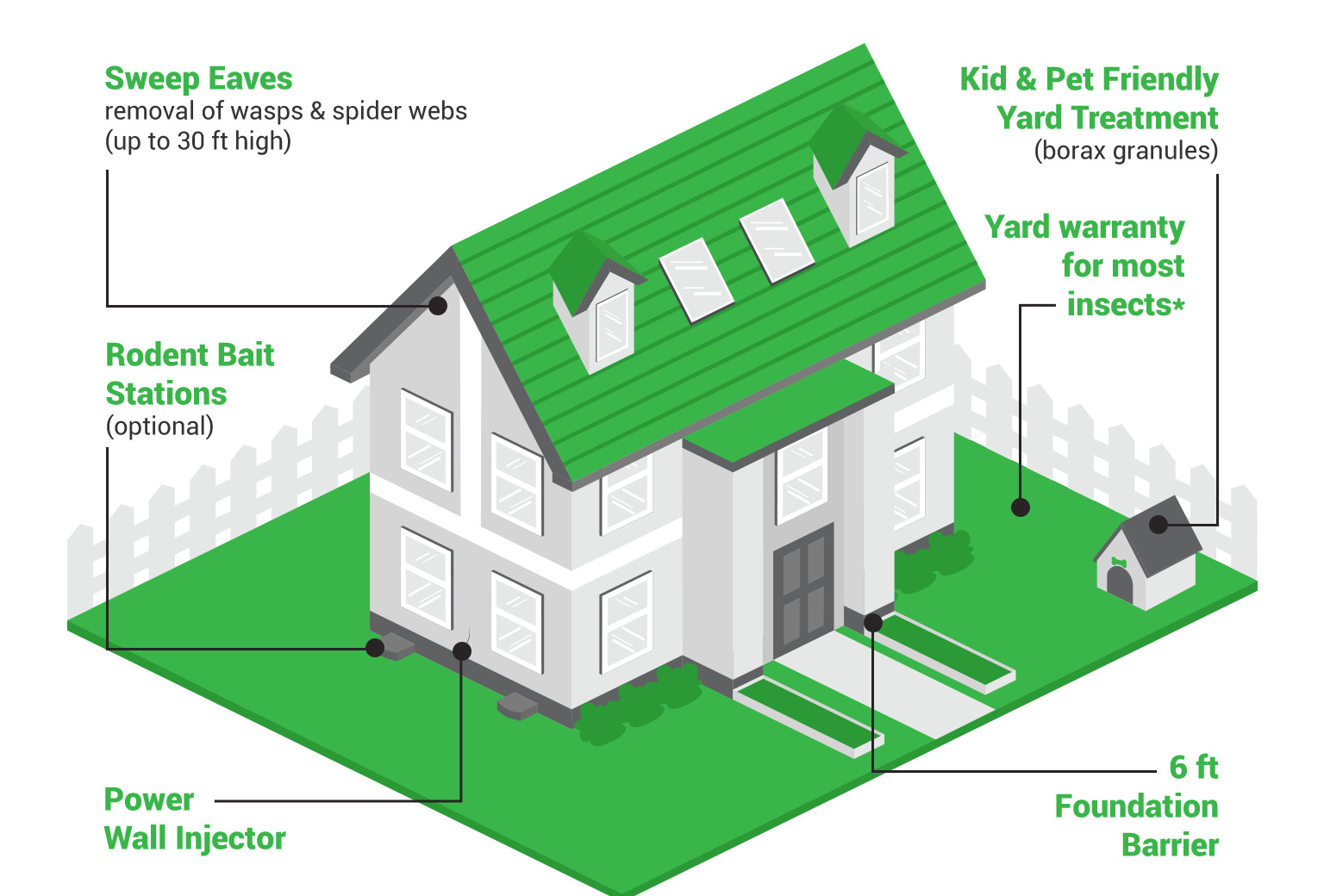
Vinx HomeGuard Plan
What Happens at Every Visit
Our technicians don't just spray and leave. Every quarterly service covers your full exterior and interior, done right, backed by a written guarantee.
- Sweep Eaves: Wasp nests & spider webs removed up to 30 ft
- Power Wall Injector: Treats wall voids where pests hide
- 6 ft Foundation Barrier: Full perimeter treatment every visit
- Yard Warranty: Free retreatment for most insects
- Kid & Pet Safe Yard Treatment: Borax granules, safe after dry
What to Look For
Signs of an Ant Infestation
Visible Ant Trails
Consistent lines of ants moving along baseboards, window sills, or kitchen counters
Fire Ant Mounds
Dome-shaped mounds in sunny lawn areas. Worth knowing: rain does not create colonies, it collapses tunnels and the ants push soil back out rebuilding, so mounds become visible rather than newly populated
Rotten Coconut Smell
Distinctive odor when ants are crushed, indicator of odorous house ant infestation
Wood Shavings / Frass
Fine sawdust-like debris near wood structures indicates carpenter ant excavation
Post-Storm Indoor Surge
Ants appearing indoors immediately after coastal rain events, classic odorous house ant flooding
Tiny Yellow Ants Everywhere
Pale-yellow ants in kitchens or bathrooms of multi-unit housing, likely pharaoh ants; do not spray
Health & Property Impact
Why Ant Infestations Are More Than a Nuisance
Fire Ant Sting Risk
Fire ant stings cause painful, raised welts and can trigger anaphylactic reactions in sensitive individuals. Children and pets playing in infested lawns are at highest risk. An untreated Kempsville lawn can contain tens of thousands of fire ants across multiple mounds.
Carpenter Ant Structural Damage
Carpenter ants do not eat wood, they excavate it. In older Great Neck and Lynnhaven homes with crawlspace moisture history, untreated carpenter ant colonies can cause real structural damage to floor joists and support beams over several seasons.
Flooding Moves Colonies, It Does Not Drown Them
Flooded out, a fire ant colony links into a floating raft that carries the queen and brood to dry ground, and researchers have measured those rafts holding together from twelve hours to around twelve days. It matters here because tidal flooding is rising: the Sewells Point gauge recorded about one flood day a year in the 1950s and averages roughly sixteen in the 2020s. A colony you thought was washed away has usually just relocated, often closer to the house.
Food Contamination
Odorous house ants and pharaoh ants trailing through kitchens contaminate food preparation surfaces. Pharaoh ants in particular are associated with pathogen transmission in healthcare and multi-family housing settings.
Frequently Asked Questions
Ant Control FAQ for Virginia Beach Homeowners
HomeGuard plan starts at $49/mo covering indoor ants. Plus at $75/mo adds fire ant mound treatment. Platinum at $109/mo adds monthly mosquito service. Call (757) 900-8469 for an exact quote.
If you have visible fire ant mounds in your lawn, you need Plus or Platinum. HomeGuard covers interior perimeter barrier and bait for odorous house ants, pharaoh ants, pavement ants, and little black ants, but NOT fire ant mound treatment.
Virginia Beach's sandy coastal soil saturates quickly. When the ground around your foundation floods, established odorous house ant colonies flood indoors through gaps in your foundation. A consistent exterior perimeter barrier treatment prevents this flood-driven entry before the next storm.
Yes. Virginia Beach is inside the Virginia Imported Fire Ant Quarantine administered by VDACS, along with Norfolk, Chesapeake, Hampton, Newport News, Portsmouth, Suffolk, and Poquoson. It covers 18 counties and 15 independent cities, was established in 2009, and was last expanded in May 2025. Practically, it means regulated articles such as soil, sod, potted or balled nursery stock, baled hay, and soil-moving equipment cannot be moved out of the area without certification. For a homeowner the useful takeaway is simpler: fire ants are established here, and a lawn that backs onto open or disturbed ground will be re-colonized from outside.
The colony was already there. Rain collapses the tunnel network, and the ants rebuild by pushing soil back to the surface, so what changes is visibility rather than population. It is a common misreading, and it matters because people often treat only the mounds that appeared after a storm and assume the rest of the lawn is clear. Broadcast treatment addresses the colonies you cannot see yet, which is why we recommend it over mound-by-mound work on any property with recurring activity.
Yes, and this is worth understanding on a coast that floods more each decade. When water rises, workers link together into a buoyant raft that carries the queen and the brood until they reach dry ground. Researchers have measured those rafts staying intact anywhere from about twelve hours to roughly twelve days. Tidal flooding here has gone from about one day a year in the 1950s to an average near sixteen in the 2020s at the Sewells Point gauge, with a record twenty days in 2024. So a colony that seems to have washed out of your yard has usually relocated, frequently to higher ground closer to the foundation.
You triggered colony budding. Odorous house ants and pharaoh ants detect contact insecticide and the queens relocate, creating multiple satellite colonies. Call (757) 900-8469 for bait-only treatment that eliminates the queens rather than scattering them.
Fire ant mounds show kill within 24–72 hours. Odorous house ant infestations resolve within 1–2 weeks. Pharaoh ant elimination via bait takes 2–6 weeks by design.
Yes. All products are EPA-registered. Interior bait stations are placed in protected locations. Exterior treatments are safe within 30–60 minutes of application.
Usually, yes. Carpenter ants excavate wood rather than eating it, and they move into wood that has already been softened by a leak or by sustained humidity. Finding them means something is staying wet. In this market that is often a crawl space: morning humidity here averages 80 to 83% through late summer and afternoons only fall to around 60%, so unlike inland Virginia the framing never gets a proper chance to dry. Treating the ants without correcting the moisture, the grading, or the tree limbs touching the roof gets you a repeat visit next season.
The season is long enough that quarterly is the sensible floor. The median last spring freeze is March 20 and the first fall freeze is November 25, a 248-day freeze-free stretch, so fire ant mounds stay active into November and odorous house ants keep pushing indoors on every wet spell. Pharaoh ants in heated multi-unit buildings do not have a season at all. Quarterly service keeps a barrier in place through the whole active period rather than resetting from zero each spring.
No. The City does run a Mosquito Control Bureau that will inspect your yard and provide one free mosquito treatment between May and October, which confuses a lot of people, but that program is mosquitoes only. There is no municipal fire ant treatment for private lawns. Ant control on your property is yours to arrange, and because fire ants re-invade from adjacent open or disturbed ground, one-off treatment tends not to hold.
Service Coverage
Ant Control Across Virginia Beach & Hampton Roads
Serving every neighborhood in Virginia Beach and Hampton Roads
Serving the Greater Virginia Beach Area