Ant Control in Mount Pleasant, SC
Fire Ants, Argentine Ants, Carpenter Ants, Ghost Ants & More: Species-Specific Treatment
Not all ants are the same, and treating them all the same way is exactly why most DIY ant control in Mount Pleasant fails. Spraying a trail of Argentine ants doesn’t eliminate the colony. It splits it. Ghost ants respond the same way. The approach that works is species-specific: identify what you’re dealing with, apply the correct treatment protocol, and address the outdoor colony source. Vinx identifies the species first, every time.
Get Started in 60 Seconds
Choose what’s easiest for you
Request a Quote
We usually respond in 2 minutes
Call (843) 305-4029
Get a Live Person (no AI agents here!)
Sign Up Online
Get pricing and schedule now





Welcome to Vinx Pest Control
A Company That Actually Backs What It Says
At Vinx, we combine professional-grade treatments with a level of service most pest control companies don’t offer. Local technicians, fast response times, and a guarantee that actually means something.
“I’m not passionate about killing bugs. I’m passionate about customer service. At Vinx, you get experts who show up, do the job right, and stand behind every visit. No runaround, no fine print.”

Founder & Owner, Vinx Pest Control
WELCOME TO VINX PEST CONTROL
Protection Plans for Mount Pleasant Homeowners
Standard Residential Protection
- 4 Seasonal Treatments Per Year
- All household ant species covered
- Interior bait + exterior perimeter barrier
- Species identification every visit
- Unlimited Free Re-Services
- Fire ant mound treatment not included

Fire Ant Treatment Included
- 6 Home & Yard Treatments Per Year
- All household ant species covered
- Fire ant mound direct treatment
- Full-lawn broadcast granular
- Exterior Flea & Tick Warranty
- Guaranteed Coverage for Common Household Pests

Most Comprehensive Protection
- 9 Treatments Per Year
- All ant species + fire ant treatment
- Monthly Mosquito (Apr–Nov)
- Flea, Tick & Fire Ant Coverage
- Free Bed Bug Treatment After 12 Months on Platinum
*All household ant species on all plans. Fire ant mound treatment in Plus & Platinum. Starting rates vary by home size.
Stop Guessing: Get the Right Ant Treatment
The wrong treatment doesn’t just fail, for several common ant species in Mount Pleasant, it makes the problem worse. Call (843) 305-4029 or fill out the form below.
Our Process
How Vinx Treats Ants in Mount Pleasant
Species Identification First
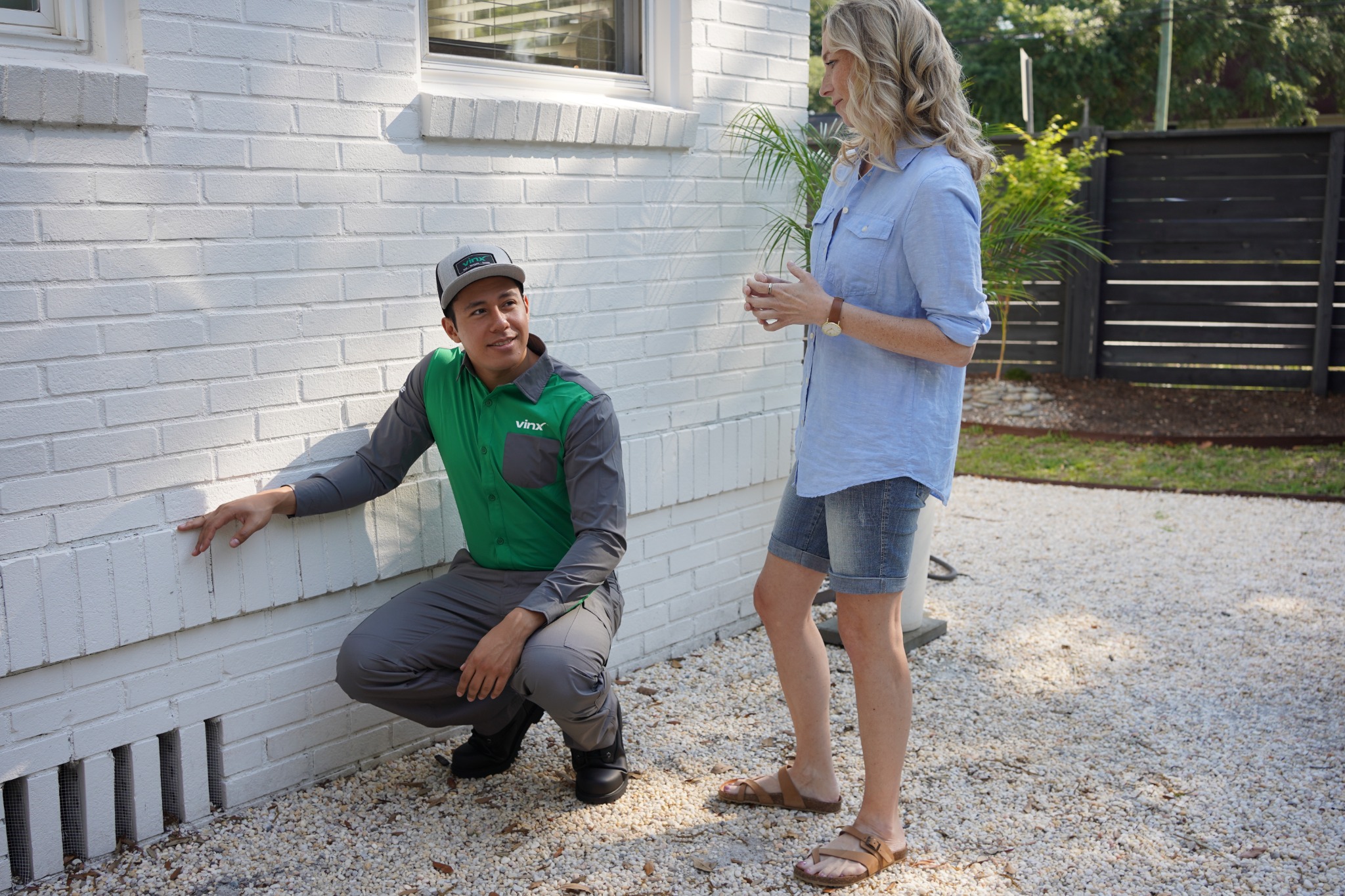
Before any product is applied, your Vinx technician identifies the ant species present, indoors and outdoors. Applying the wrong protocol, particularly using a contact spray on a budding species, makes the infestation worse. We look at ant size, color, foraging behavior, trail location, and outdoor colony evidence to confirm species before treatment begins. This step is what most DIY attempts skip, and why most DIY ant control in Mount Pleasant fails.
Interior Bait Placement
Slow-acting gel or granular bait is placed along active trails and in protected locations near foraging activity. Worker ants carry the bait back to the colony and share it with nestmates including the queen. The colony collapses from within over 1–2 weeks. Bait placements are made in protected locations away from children and pets, behind appliances, under cabinet toe-kicks, around plumbing penetrations.
Exterior Perimeter Barrier Treatment
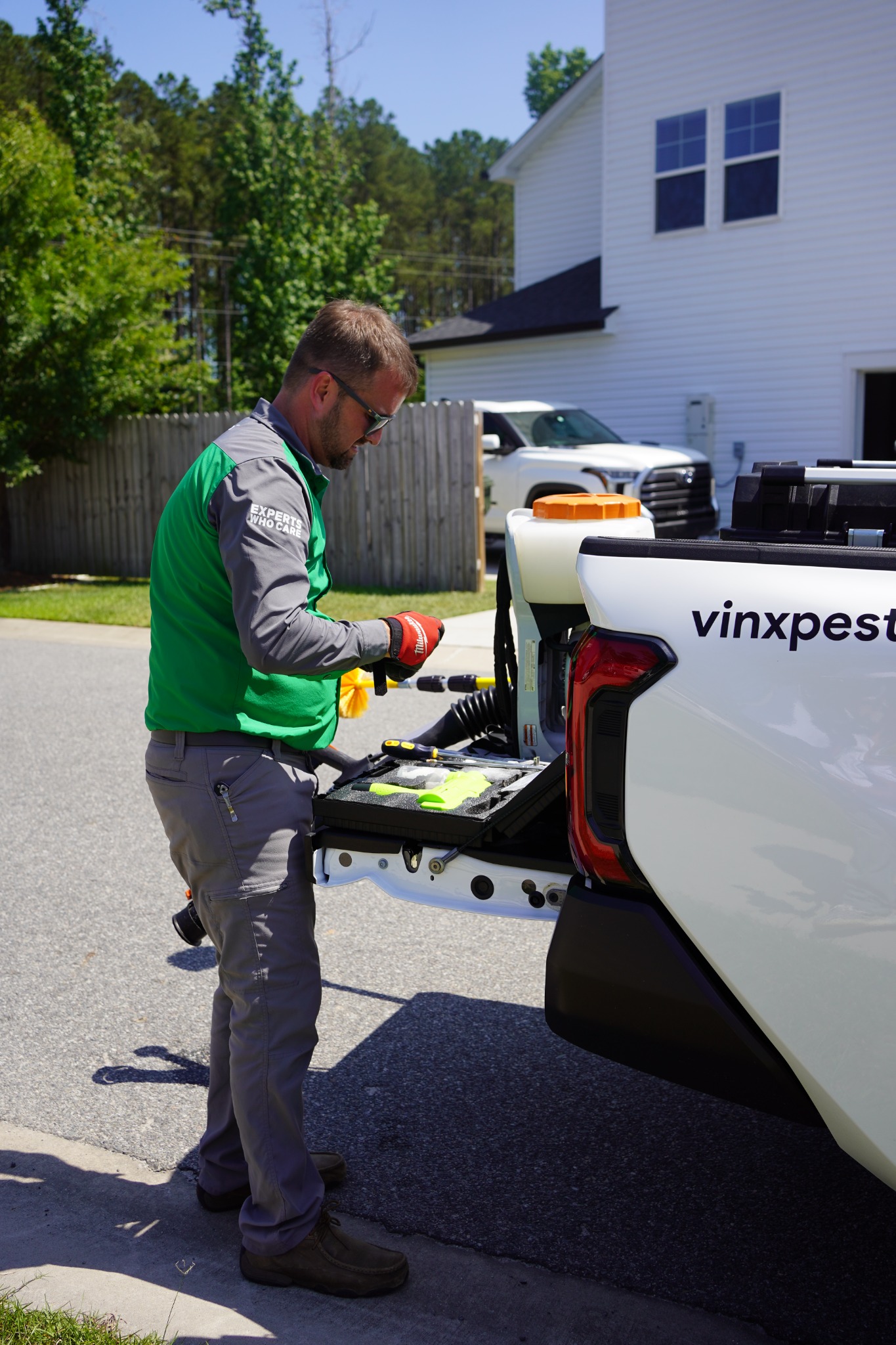
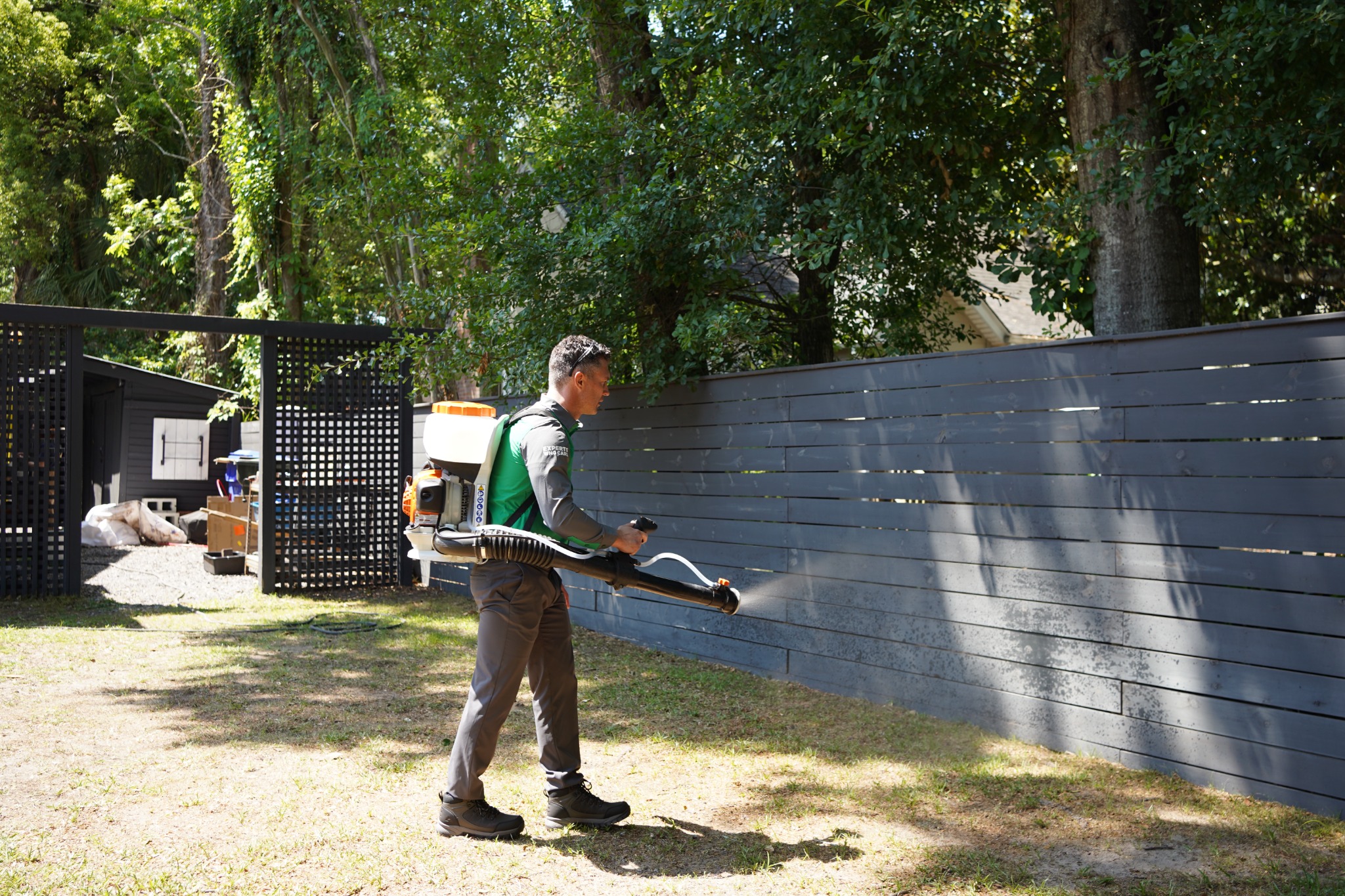
A liquid barrier treatment is applied to the full foundation perimeter: 3 feet up the foundation wall and 3 feet out from the base. Entry points around utility penetrations, door frames, and window frames are treated specifically. This barrier stops outdoor ant colonies from sending foragers into the structure and is reapplied on every service visit. The primary defense against rain-driven ant invasions in coastal Mount Pleasant.
Fire Ant Mound Treatment & Broadcast Granular (Plus & Platinum)
Individual fire ant mounds are treated directly with fast-acting drench or granular treatment. Full-lawn broadcast granular application follows, covering the entire lawn area to eliminate unseen satellite mounds before they mature. Highest priority for Carolina Park, Oyster Point, and any yard next to an active construction lot.
Conducive Condition Report & Free Re-Treatment
After every service visit, your technician documents conditions increasing ant pressure, mulch too heavily against the foundation, vegetation touching the structure, moisture intrusion attracting carpenter ants. Free re-treatment is included if ants return between scheduled visits.
Customer Reviews
Trusted by Mount Pleasant Families: 4.8 Stars on Google
Anthony was as friendly as he was thorough. Vinx has been an absolute wonderful company. Have been serviced by them for about half a decade and hopefully many more years to come!!!!!
My tech was Jack he was very polite and personable. He was quick and thorough with his service and was very open and concerned about any issues i might be having regarding pest.
Leon was great! He arrived early and was very professional throughout the visit. He actually listened to my specific concerns and walked me through exactly how he was going to handle them. Very thorough service
Austin is the best tech: excellenr, professional ant just very nice and considerate!!!
It’s that time of year for pests in the Low Country and along with all the bugs comes termite swarms. Austin made time at the end of his busy 90 degree day to get us taken care of. He explained the swarming and type of termite, along with spiders, fire ant hills and general extermination. We really appreciate his professional hard work!!! Thank you Austin and Vinx for getting us scheduled asap!
Vinx comes whenever I call…in addition to the quarterly service schedule. This time it was ants - treated and getting them outta here!
Ant Pressure in Mount Pleasant
Why Mount Pleasant Homeowners Deal With Ants Year-Round
There is barely a winter to slow them down. Around Charleston the first frost usually holds off until December and the last one is gone by February, leaving only a short stretch when cold suppresses colony activity at all. Odorous house ants and Argentine ants forage through most of it.
Fire ants follow the bulldozers, not the soil type. Founding fire ant queens actively select freshly disturbed, open, sunny ground, which is exactly what a graded lot is. Mount Pleasant supplies it continuously: 77.5% of the town’s housing has been built since 1980, and the Town’s own permit records put the busiest construction in Carolina Park, Park West and Dunes West, and Oyster Point. Every lot that gets scraped sends colonies into the established yards beside it. Worth knowing if you are landscaping: all 46 South Carolina counties sit inside the USDA imported fire ant quarantine, which restricts moving soil, sod, and balled or potted nursery stock out of the zone, so new sod and nursery plants are a routine way mounds arrive in a yard that never had them.
6 Ant Species in Mount Pleasant
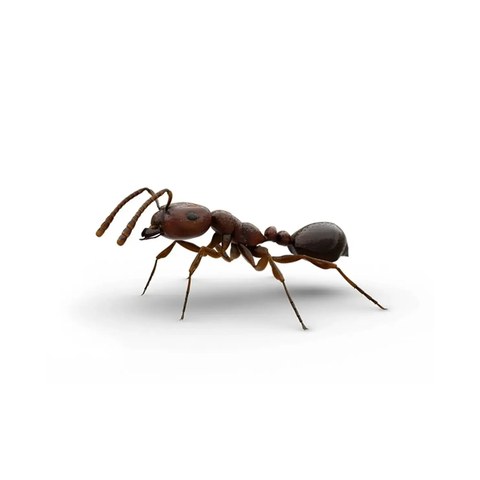
Fire Ant (Solenopsis invicta)
Open lawn areas, disturbed soil, sandy ground near construction. Highest mound density in Carolina Park and Oyster Point. Aggressive stinging, multiple stings in seconds. Roughly 0.5% to 2% of people who are stung develop a systemic allergic reaction. Children and pets at highest risk. Direct mound treatment plus full-lawn broadcast granular. Plus and Platinum only.
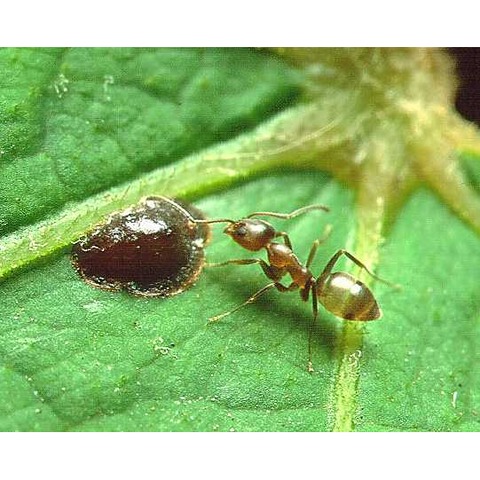
Argentine Ant (Linepithema humile)
Long trailing lines across kitchen counters and baseboards. Belle Hall, Park West, and Seaside Farms most active. Multi-queen colony networks that can extend across several adjoining properties. Irrigation is the driver here: three months of dry-season watering has been shown to raise nest counts by 54%. CRITICAL: Do not spray, budding will worsen the infestation. Slow-acting bait only. All plans.
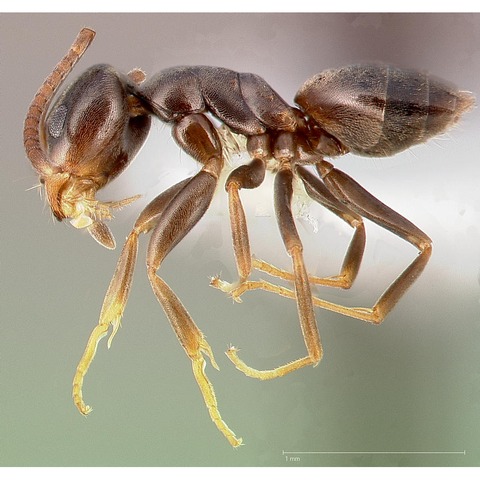
Odorous House Ant (Tapinoma sessile)
Indoors after rain events, flooding into kitchens and bathrooms when heavy coastal rain saturates the soil. Named for the rotten coconut smell when crushed. Colonies of up to 100,000 workers. CRITICAL: Do not spray, budding. Bait treatment only.
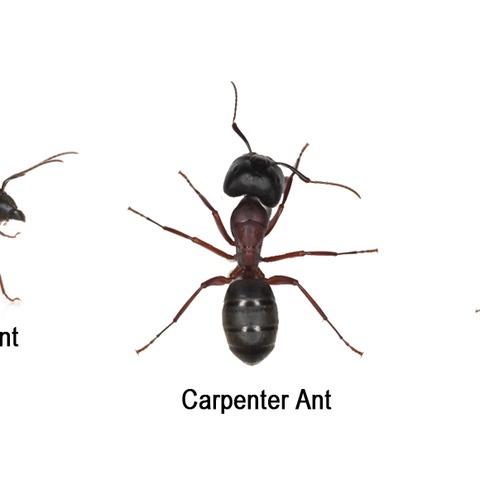
Carpenter Ant (Camponotus spp.)
Moisture-damaged wood, crawlspace framing, subfloor joists, window frames with water intrusion. Old Village homes at highest risk. Structural damage, excavate wood to create nesting galleries. Large black ants (0.5–1 inch) seen indoors in spring are often carpenter ants. Interior targeted treatment to wall voids plus exterior perimeter.
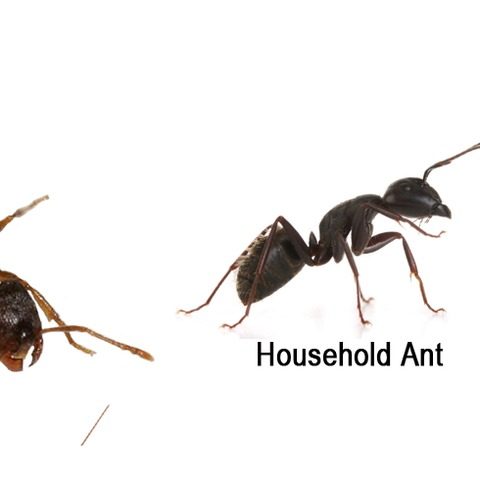
Ghost Ant (Tapinoma melanocephalum)
Kitchen surfaces, bathrooms, around plumbing. Nearly transparent body with dark head, very difficult to see. Common in coastal SC but rarely seen in inland areas, many pest companies have limited ghost ant experience. CRITICAL: Ghost ants bud aggressively when sprayed. Bait only. Our technicians are specifically trained on coastal SC ghost ant protocols.
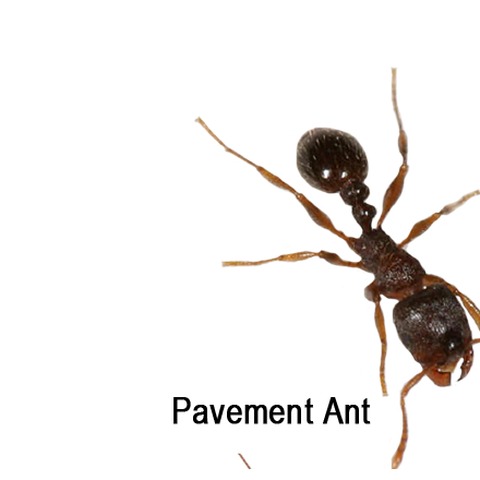
Pavement Ant (Tetramorium caespitum)
Cracks in driveways, sidewalks, garage slabs, and patio pavers. Nests under slabs. Trailing into kitchens and garage areas from floor-level entry points. Crack and crevice treatment around slab edges plus perimeter barrier. All plans.
Heavy rain drives ants indoors, and Mount Pleasant drains badly. The Charleston area takes just over 51 inches of rain across about 119 wet days a year, and in the older neighborhoods it has nowhere to go. The Town has documented storm drainage installed 60-plus years ago in Old Village, roadside swales that no longer exist because residents park on them, rear-yard swales it calls non-functional, and pockets with no outfall at all. When that saturated ground floods an outdoor nest, odorous house ants move inside through the smallest foundation gaps. It is not a sign of a dirty home. It is a coastal home without perimeter protection.
Fire ants survive the flood by floating. When water rises, workers link into a living raft that carries the queen and brood until it reaches dry ground, surviving anywhere from about 12 hours to roughly 12 days depending on the colony. Rafts were photographed across South Carolina during the October 2015 floods, when a four-day rainfall of 15 to 20 inches, locally averaging 25, hit the tri-county area. A flood does not remove a fire ant problem from your yard. It relocates it, often to the highest dry ground nearby, which is usually the strip of lawn against your foundation.
Ant Activity by Season
Spring (Mar–May)
Fire ant mound emergence peaks. Carpenter ants emerge from wall voids. Argentine ant foraging increases.
Summer (Jun–Aug)
Peak foraging for Argentine and odorous house ants. Ghost ant activity highest. Thunderstorms trigger flooding events.
Fall (Sep–Nov)
Second fire ant peak in Sep–Oct. Carpenter ants seek overwinter sites. Odorous house ants continue flooding.
Winter (Dec–Feb)
Ant activity never fully stops in Mount Pleasant. Odorous house ants and Argentine ants remain active indoors year-round.
Ant Risk by Neighborhood
Ant Risk Across Mount Pleasant Neighborhoods
Carolina Park & Oyster Point: HIGHEST FIRE ANT PRESSURE
The highest fire ant mound density in Mount Pleasant, and the Town’s permit data explains why: this is where its busiest construction sits, alongside Park West and Dunes West. Founding fire ant queens specifically seek out freshly disturbed, open, sunny ground, so every graded lot becomes prime real estate and every finished lot pushes colonies into the yards next door. New sod and nursery stock bring more in. Plus or Platinum with fire ant treatment is essential for any home here, particularly one adjacent to an active construction lot.
Old Village: HIGHEST CARPENTER & ODOROUS HOUSE ANT PRESSURE
Odorous house ant flooding after rain is extremely common here, and the drainage record explains it. Most Old Village lots were platted in the 1770s, and the Town’s 2017 study found storm infrastructure installed 60-plus years ago, original roadside swales lost to resident parking, and some areas with no outfall at all. Water sits, nests flood, and ants come inside through foundation gaps. Carpenter ants are the second concern: aged timber framing plus decades of crawlspace moisture produces exactly the decayed wood they excavate. Annual carpenter ant inspection and perimeter barrier maintenance are strongly recommended.
Snee Farm & Hobcaw Point: RAIN-DRIVEN INDOOR TRAILING
Both sit on Mount Pleasant’s own list of drainage problem areas. The Town describes Snee Farm’s entrance road as flooding during rain events with several homes repeatedly taking water damage, and calls Hobcaw Point an older neighborhood with substandard drainage containing repetitive-loss homes. The Groves, Shemwood, and Brookgreen are on the same list. Where yards hold water after every storm, odorous house ants move indoors and fire ants raft to the nearest dry ground, which is usually the lawn against your foundation. Perimeter barrier plus interior bait is the right combination here.
Belle Hall & Park West: ELEVATED ARGENTINE ANT PRESSURE
Argentine ant trailing in kitchens is the most common ant complaint from Belle Hall and Park West. Heavy irrigation keeps outdoor soil moisture elevated, sustaining multi-queen Argentine colony networks in landscaped areas adjacent to foundations, and research on this species puts the increase from three months of dry-season irrigation at 54% more nests. Bait treatment for interior trailing plus exterior barrier is the appropriate approach, spraying makes it worse in both neighborhoods.
I'On & Seaside Farms: ELEVATED GHOST ANT PRESSURE
Ghost ants are most active in the highest-humidity zones of Mount Pleasant, exactly the tidal-adjacent microclimate of I'On and Seaside Farms. Ghost ant reports in kitchens and bathrooms are disproportionately common from these neighborhoods. If you’ve tried spraying and the ants came back worse or appeared in more locations, ghost ant budding is the likely explanation. Bait-only treatment is essential.
Rivertowne & Seaside Farms: ELEVATED MULTI-SPECIES PRESSURE
Marsh-adjacent properties deal with ant pressure from multiple species simultaneously, odorous house ants flooding indoors after rain events, fire ants in open lawn areas, and Argentine ant trailing from landscaped areas. A comprehensive treatment approach covering interior bait, exterior barrier, and fire ant broadcast (Plus or Platinum) delivers the most consistent control.
Wando & Cainhoy: ELEVATED FIRE ANT PRESSURE
Open sunny lots and undeveloped adjacent land create ideal fire ant establishment conditions. Fire ant mounds are common throughout Wando and Cainhoy properties with open lawn areas. Carpenter ants from adjacent wooded areas are also a recurring issue. Plus plan fire ant coverage is strongly recommended for properties with open lawn exposure.
Kid & Pet Safe
Our Treatments Are Safe for Your Whole Family: Including the Furry Members
Every product we use is EPA-registered and applied strictly at labeled rates by licensed technicians. We take the guesswork out of safety so you can feel confident letting kids and pets back into treated areas quickly.

EPA-Registered Products Only
All products we apply are EPA-registered and used strictly per label requirements. Our licensed technicians are trained to apply the right product in the right place at the right rate, every time.
Dry Time Before Re-Entry
Exterior spray treatments dry in 30–60 minutes. Once dry, treated surfaces are safe for children and pets to contact. Your technician will confirm the all-clear before leaving your property.
Interior Treatment On Request
We treat only what’s needed, where it’s needed. Gel baits in cabinets and crack-and-crevice applications keep products away from areas pets and children frequent most.
Botanical Options Available
Have specific sensitivities? Ask your technician about our plant-derived treatment options. We offer botanical alternatives for households that prefer a more natural approach.
Have a concern about products used near your pets or children? Call 855-800-8469 and we’ll walk you through exactly what we use and why it’s safe.
Explore More
More Pest Control Services in Mount Pleasant

Pest Control Mount Pleasant
Year-round protection plan

Mosquito Control Mount Pleasant
Monthly barrier treatments

Rodent Control Mount Pleasant
All rodents covered

Termite Control Mount Pleasant
Bait systems & liquid treatment

Spider Control Mount Pleasant
All spider species covered

Bed Bug Treatment Mount Pleasant
Heat & liquid treatments

Wasp Control Mount Pleasant
Nest removal & prevention

Tick & Flea Control Mount Pleasant
Yard & pet protection

Exterminator Mount Pleasant
Same-day local exterminators

Cockroach Control Mount Pleasant
Roach removal & prevention
Frequently Asked Questions
Ant Control in Mount Pleasant: Your Questions Answered
Ant control for all household species is included on every Vinx plan starting at $49/month for the HomeGuard quarterly plan. Fire ant mound treatment and full-lawn broadcast granular are included in Plus ($75/mo) and Platinum ($109/mo). We publish all pricing online.
If you’re dealing with Argentine ants, odorous house ants, or ghost ants, the three most common indoor ant species in Mount Pleasant, spraying with a contact insecticide triggers budding. The queen detects the chemical threat and relocates with a portion of the colony to a new area deeper inside your structure. One colony becomes multiple satellite colonies. The fix is slow-acting bait, not spray. Call Vinx at (843) 305-4029 before spraying again.
Almost certainly ghost ants, a coastal SC species that is nearly transparent with a dark head and extremely small (about 1.5mm). Very common in Mount Pleasant’s humid coastal climate but rarely encountered in inland SC. Ghost ants bud aggressively when sprayed. Bait-only treatment is the correct approach. Vinx technicians are specifically trained on ghost ant protocols for coastal SC.
Yes, fire ant treatment is included in the Plus plan ($75/month) and Platinum plan ($109/month). Treatment includes direct mound treatment for visible mounds plus full-lawn broadcast granular application to address unseen satellite mounds throughout the lawn.
This is the odorous house ant flooding pattern, one of the most common indoor ant complaints in Mount Pleasant. When heavy rain saturates the soil around your foundation, established odorous house ant colonies flood indoors through gaps in the foundation and utility penetrations. They’re escaping flooded ground nests. A perimeter barrier treatment applied to the foundation creates a chemical boundary that stops this flooding pattern. All Vinx plans include exterior perimeter barrier treatment.
Large (half-inch to inch) black ants seen indoors in spring, particularly in Old Village homes and other older properties, are most likely carpenter ants emerging from established colonies in wall voids or moisture-damaged structural wood. Carpenter ants don’t eat wood, they excavate it to build nesting galleries, causing structural damage over time.
The most effective approach combines direct mound treatment with full-lawn broadcast granular application. Treating only visible mounds leaves the surrounding population intact. In Mount Pleasant’s active development zones, repeated broadcast treatment on a bi-monthly or quarterly schedule is necessary to maintain control as displaced colonies from adjacent construction sites continuously re-colonize treated lawns.
Almost certainly the sod, or nursery stock planted at the same time. All 46 South Carolina counties fall inside the USDA imported fire ant quarantine, which exists precisely because soil, sod, and balled or potted plants move colonies around. A quarantine does not mean treated and clean, it means regulated, and a mound can establish in freshly laid turf within days because founding queens target open, disturbed, sunny ground. If you are landscaping, tell your technician so we can schedule a broadcast granular application over the new turf rather than waiting for mounds to appear.
No, it moves them. When water rises, fire ant workers link together into a living raft that carries the queen and brood until it reaches dry ground, and colonies have been documented surviving this way from roughly 12 hours up to about 12 days. Rafts were photographed across South Carolina during the October 2015 floods, when the tri-county area took 15 to 20 inches of rain in four days. The practical problem is where they land: the highest dry ground on a flooded lot is often the strip of lawn right against your foundation. After any significant flooding in Mount Pleasant, a yard inspection is worth doing.
Vinx services all of Mount Pleasant including Old Village, Snee Farm, Hobcaw Point, Carolina Park, Oyster Point, Belle Hall, Park West, I’On, Seaside Farms, Rivertowne, Wando, and Cainhoy. Also Isle of Palms, Sullivan’s Island, Awendaw, and McClellanville.
Service Coverage
Ant Control Across Mount Pleasant & the Lowcountry
Species-specific ant treatment across all of Mount Pleasant, included on every Vinx plan from $49/mo.
Serving the Greater Mount Pleasant Area