Wasp & Hornet Control in Mount Pleasant, SC
Yellow Jacket, Paper Wasp, Bald-Faced Hornet & Mud Dauber Removal: East Cooper’s Coastal Stinging Insect Season
Paper wasps on every eave line from the Old Village to Park West, yellow jackets in the tidal vegetation margins along Shem Creek and Hobcaw Creek, bald-faced hornets in the live oak and palmetto canopy of East Cooper’s established neighborhoods, nine months of stinging insect pressure across Mount Pleasant. Same-day service available. Call (843) 305-4029.
Get Started in 60 Seconds
Choose what’s easiest for you
Request a Quote
We usually respond in 2 minutes
Call (843) 305-4029
Get a Live Person (no AI agents here!)
Sign Up Online
Get pricing and schedule now





Welcome to Vinx Pest Control
A Company That Actually Backs What It Says
At Vinx, we combine professional-grade treatments with a level of service most pest control companies don't offer. Local technicians, fast response times, and a guarantee that actually means something.
Get a Free Quote"I'm not passionate about killing bugs. I'm passionate about customer service. At Vinx, you get experts who show up, do the job right, and stand behind every visit. No runaround, no fine print."
WELCOME TO VINX PEST CONTROL
Protection Plans for Mount Pleasant Homeowners

Standard Residential Protection
- 4 Seasonal Treatments Per Year
- 50+ Covered Pests
- Interior, Exterior & Yard Treatment
- Unlimited Free Re-Services
- 100% Money-Back Guarantee

Upgraded Yard Protection
- 6 Home & Yard Treatments Per Year
- 50+ Covered Pests
- Stinging Insect Elimination Guarantee
- Flea & Tick Elimination Guarantee
- 100% Money-Back Guarantee

Most Comprehensive Protection
- 9 Treatments Per Year
- 50+ Covered Pests
- 8 Mosquito Treatments (Mar–Nov)
- Flea, Tick & Ant Coverage
- Free Bed Bug Treatments if Needed*
*Starting rates vary by home size and area. All plans billed monthly.
Request Your Free Wasp & Hornet Quote
Fill out the form below and a Vinx team member will reach out within 2 minutes during business hours.
Prefer to talk? Call (843) 305-4029 for a live person, no AI agents.
Our Approach
How Vinx Removes Wasp & Hornet Nests in Mount Pleasant

Full Property Inspection
All eave lines including second-story, outdoor living structures, dock and waterfront areas, screen porch frames, under-deck spaces, and any reported activity zones inspected for active nests and developing nest starts. Waterfront-adjacent turf inspected for ground yellow jacket activity indicators.
Species Identification & Treatment
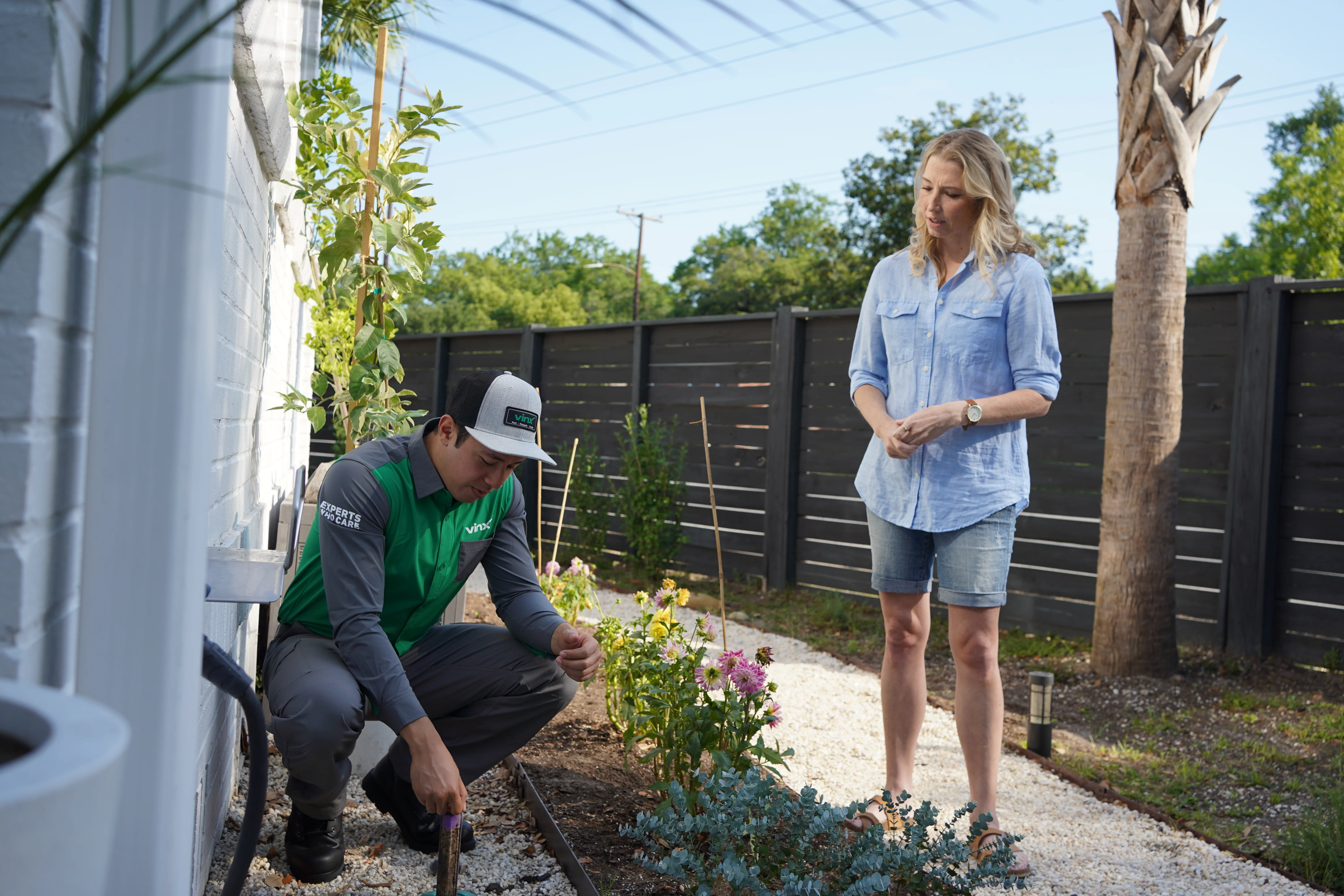
Yellow jacket ground nests treated at dusk with direct application. Paper wasp nests removed and treated at accessible eave and structure locations. Bald-faced hornet nests treated and removed by technician with appropriate protective equipment. Mud dauber tubes removed mechanically. All product applications documented.
Eave Removal: Every Plus & Platinum Visit
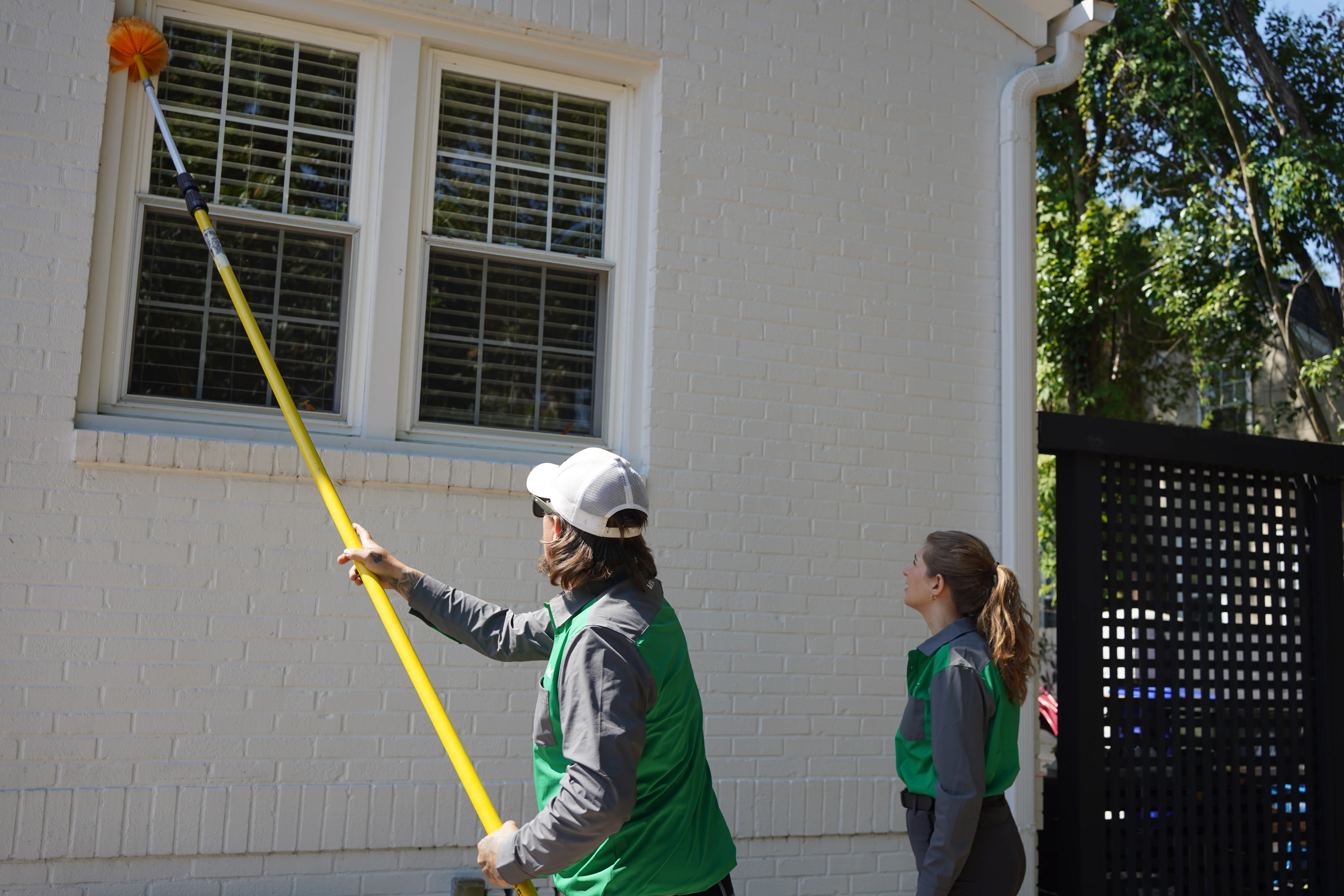
Wasp nest removal from all accessible eave lines and structure surfaces is included on every Plus and Platinum service visit throughout Mount Pleasant’s nine-month season. Cobweb removal included simultaneously. No separate call needed, it happens at every scheduled visit.
Free Return If Needed
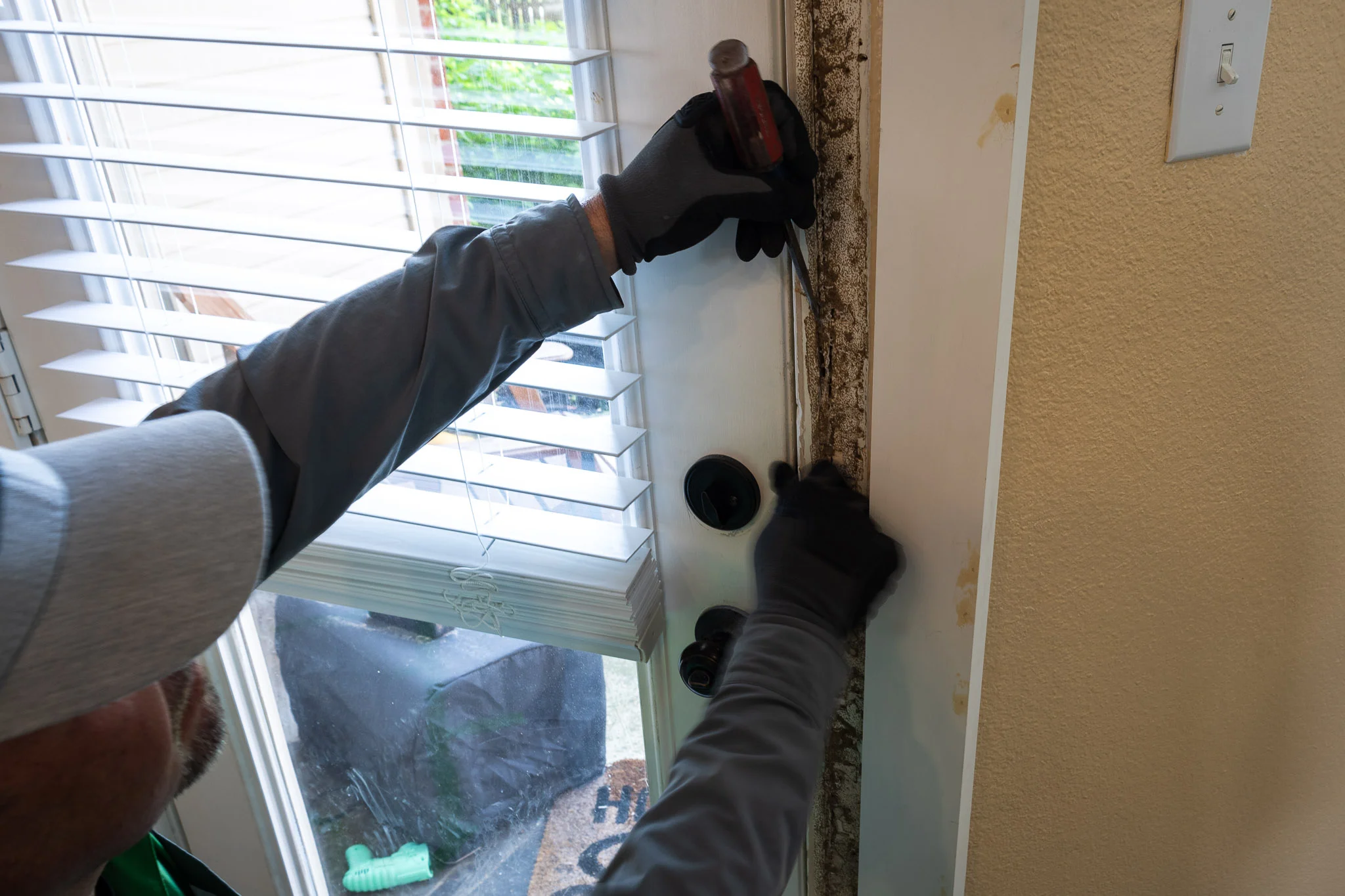
Free return visit within 72 hours if yellow jacket activity continues at a treated ground nest. If wasps return between scheduled service visits at any point during the season, call (843) 305-4029, we return at no charge.
What Customers Say
What Mount Pleasant Customers Say About Vinx: 4.8 Stars on Google
Always pleasant, helpful, and provides a good service. I feel satisfied after Austin has left my house and I watch his video of the service.
Vinx pest control is fantastic. The techs are friendly, polite, and knowledgeable, especially Clint! The annual plans are affordable and I’m really happy with their customer service
Jack did a great job today. He even addressed my concern with a wasp nest. Thanks again
Anthony came out today to handle our monthly pest treatments, but also knocked down several wasp nests for me. He was awesome! He goes avice and beyond and is very friendly and kind and professional. Highly recommend!! Lisa D
Austin came and he assessed the bee situation. I thought they were hornets but they turned out to be yellow jackets. After putting on the bee suit Austin got to work. He sprayed the hive and then destroyed it with a pole. The worker bees kept flying around but since the queen did not survive the dissipated. Austin cleaned up the mess and I do not have a hive anymore.
Anthony was as friendly as he was thorough. Vinx has been an absolute wonderful company. Have been serviced by them for about half a decade and hopefully many more years to come!!!!!
Local Record
Not Every Nest Here Dies Over Winter
The standard rule is that a yellowjacket colony lasts one season. Clemson states it plainly: “Yellowjacket colonies do not normally survive the winter,” and a typical nest “may reach several hundred workers by August.”
Then there is what happened here. Clemson’s own factsheet records it: “A huge southern yellowjacket colony was discovered in Charleston County in August, 1991. It contained an estimated 250,000 workers. The nest was thought to have been used for more than one year.”
That is roughly a thousand times a normal August colony, in this county, in a nest that did not die back. Perennial nests are the rare exception rather than the rule, and they happen in warm-winter regions like the Lowcountry because new queens are adopted into an existing colony instead of it shutting down. The practical lesson is narrower than the headline: a nest that has been “there for years” is not automatically harmless or empty, and a large ground nest near a deck or play area is not a DIY job. If you think a nest has overwintered, tell us when you call.
By Neighborhood
Wasp & Hornet Pressure Across Mount Pleasant & East Cooper
Old Village & Hobcaw Creek
Elevated: Mature Canopy & Creek Margins Mature live oak canopy, established ornamental plantings, and the tidal creek margins create significant bald-faced hornet aerial nest habitat and ground yellow jacket nesting conditions in the root systems along the creek edges. The historic character of the Old Village with its covered porches and eave-heavy architecture provides extensive paper wasp nesting surface throughout the season. One of the highest bald-faced hornet pressure zones in East Cooper from June through October.
Shem Creek Area
Elevated: Waterfront Food Activity The marsh-adjacent land along Shem Creek produces elevated insect prey populations that sustain larger wasp colonies near the waterfront. Restaurant outdoor dining areas and the public boat landing create high-traffic zones where late-summer yellow jacket foraging produces the most frequent visitor-visible encounters during the peak season months. Properties backing onto the Shem Creek marsh corridor carry above-average ground yellow jacket pressure from the undisturbed tidal vegetation margins.
Park West & Lieben Park
Moderate: Community Amenity Zones The community pavilions, pool areas, and green spaces throughout Park West’s amenity zones are consistent paper wasp and yellow jacket encounter areas during late summer. Pergola and pavilion structures accumulate paper wasp nests through the season that become problematic during community event use in late summer and fall. Recurring eave and structure nest removal on a consistent service schedule prevents small founding nests from reaching established size.
Riverbend & Waterfront Communities
Elevated: Deck & Dock Structures Elevated waterfront decks, dock structures, and the undisturbed vegetation along tidal margins create both ground-level yellow jacket habitat beneath deck framing and elevated paper wasp and bald-faced hornet nest sites. Boat shed and dock house interiors throughout these communities are consistent mud dauber territory throughout the season. Properties with dock access should include dock structure and boat shed inspection on every service visit.
Coleman Boulevard Corridor
Moderate: Mixed Residential & Retail The mix of established residential neighborhoods and active retail and restaurant uses along the Coleman corridor creates high-traffic zones where outdoor seating and food-adjacent activity during late summer attracts yellow jacket foragers. Properties backing onto natural drainage features along this corridor have elevated ground yellow jacket pressure in undisturbed vegetation margins adjacent to stormwater features.
Towne Center & Highway 17 Corridor
Moderate: Standard Season Pressure The commercial and retail concentration near Towne Center creates food source attractants for late-summer yellow jacket foragers from surrounding residential areas. Newer residential developments along the Highway 17 corridor carry the paper wasp and ground yellow jacket pressure typical of new construction with recently installed landscape plantings and undisturbed turf margins. Plus plan bi-monthly treatment with recurring eave removal manages the standard season pressure effectively.
9-Month Season. 4 Species.
Wasp & Hornet Pressure Across Mount Pleasant. One Number to Call.
Mount Pleasant faces stinging insect pressure from four species simultaneously, not one. Different species nest differently, need different treatments and call for different service approaches. Misidentify the species and the DIY attempt fails there.
Most wasp sprays sold in hardware stores are contact killers. They kill what you spray but do nothing for the colony. The colony sends new foragers the next morning and the problem goes on.
Professional wasp and hornet control targets the nest structure and colony directly, using treatments that eliminate the colony, remove the nest, and prevent re-establishment. Call (843) 305-4029 for same-day service.
Mount Pleasant Stinging Insect Species
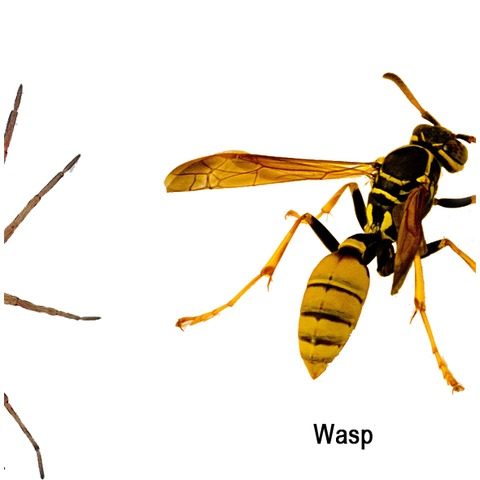
Yellow Jackets
Yellow Jackets (Vespula & Dolichovespula spp.)
Mount Pleasant specifics: Ground nesters throughout the community, in turf, beneath deck structures, in root voids near tidal vegetation margins. The elevated waterfront decks throughout Hobcaw Creek, Riverbend, and the Old Village provide sheltered ground-level nesting conditions beneath the deck framing. At peak population in late summer, ground nest colonies near Shem Creek outdoor dining areas and community pool decks create the highest encounter frequency of any period during the season.
Key danger: Ground nests invisible until disturbed. Lawn mowing, deck maintenance, and children playing in yards without nest awareness create the most common sting mass incidents. Nests in the root systems of tidal vegetation margins and in the soil beneath elevated waterfront decks are encountered without warning during routine waterfront maintenance. Never approach a hole in the ground with emerging/entering yellow jackets.
- Ground nesters in turf, beneath deck structures & tidal vegetation margins
- Peak aggression: August–September at full colony population
- Same-day treatment available, call (843) 305-4029
Paper Wasps
Paper Wasps (Polistes spp.)
Mount Pleasant specifics: The most universally present stinging insect in Mount Pleasant, on every block, under every roofline. Coastal-facing eaves on properties in the Shem Creek area and along the Wando River corridor accumulate paper wasp nests through the season. Outdoor living structures (pergolas, pavilions, screened porch frames in Park West, Lieben Park, and Del Webb communities) provide sheltered surfaces that paper wasps favor for secondary nest sites. Nests established in screened porch frames are a specific Mount Pleasant concern because homeowners often don’t check screen frame corners until a family member is stung from indoors.
- Every eave line and outdoor structure from March–November
- Screen porch frames: common secondary nest site in Mount Pleasant
- Eave removal included on every Plus and Platinum visit

Bald-Faced Hornets
Bald-Faced Hornets (Dolichovespula maculata)
Mount Pleasant specifics: The mature live oaks, palmetto trees, and ornamental shrub plantings throughout the Old Village and established Coleman Boulevard corridor neighborhoods provide ideal aerial nest sites. Bald-faced hornet nests in palmetto tree crowns and in the interior of large camellias and hollies are particularly concerning, these nest sites are close to ground level and within proximity of foot traffic without the visual warning that a nest in an open deciduous shrub would provide. Nests become visible in late October after surrounding deciduous vegetation drops, at that point the colony is dying off naturally and is safe to observe from a distance.
- Aerial nests in live oaks, palmettos & ornamental shrubs, do not approach
- Old Village & Coleman Boulevard corridor: consistent nest habitat
- Professional removal required, most aggressive defender of any local species
Mud Daubers
Mud Daubers (Sceliphron & Chalybion spp.)
Mount Pleasant specifics: Boat sheds, outdoor storage structures along tidal areas, porch ceilings throughout waterfront communities, and the sheltered interiors of outdoor shower structures in beach and waterfront homes. Mount Pleasant’s year-round mild climate means mud daubers begin activity earlier than inland markets: March is the first month of sustained mud dauber construction in East Cooper. Mud tubes inside boat sheds and on the ceilings of waterfront dock houses are a consistent seasonal maintenance item for properties with water access.
- Solitary, non-aggressive, no colony defense behavior
- Boat sheds, dock houses & waterfront porch ceilings: primary surfaces
- Tube removal on every Plus and Platinum service visit
What to Look For
Signs of a Wasp or Hornet Problem at Your Mount Pleasant Property
Nest Under Eaves
Paper or comb-style nests on eave undersides, porch ceilings, and awning frames, paper wasp activity
Ground Entry Holes
Dome-shaped mounds in lawn or garden areas, can reach 18 inches in height
Large Gray Aerial Nest
Football-sized enclosed gray papery nest in tree canopy or shrubs, bald-faced hornet colony, do not approach
Wall Void Activity
Wasps entering and exiting through siding gaps or mortar joints, yellow jacket wall void nesting common in older Mount Pleasant housing
Mud Tubes on Surfaces
Clay cylinder tubes on porch ceilings or outbuilding walls, mud dauber activity, nuisance but low sting risk
Increased Aggression
Stinging incidents near outdoor dining or yard work, yellow jacket forager activity peaks in August and September
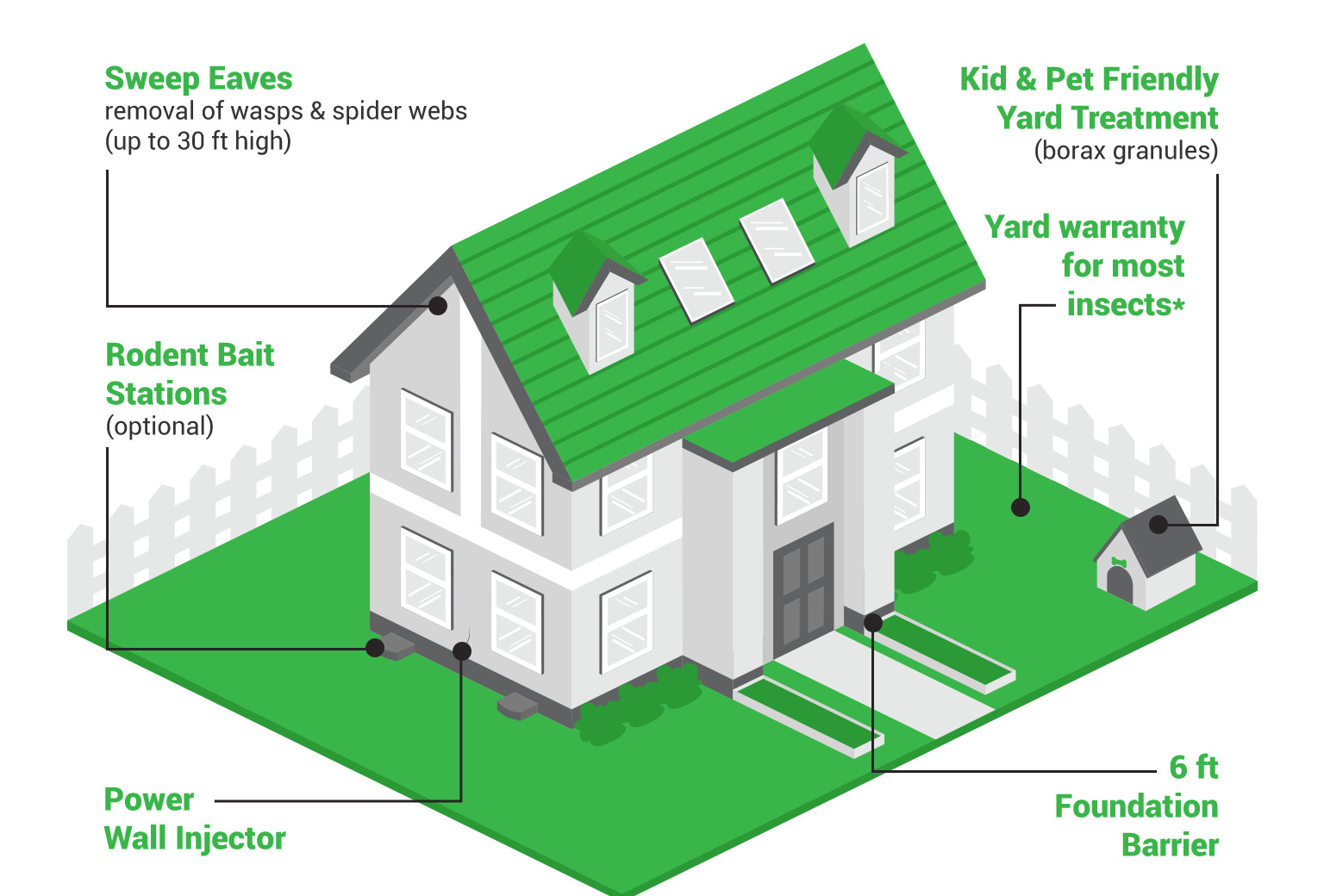
Vinx HomeGuard Plan
What Happens at Every Visit
Our technicians don’t just spray and leave. Every quarterly service covers your full exterior and interior, done right, backed by a written guarantee.
- Sweep Eaves: Wasp nests & spider webs removed up to 30 ft
- Power Wall Injector: Treats wall voids where pests hide
- 6 ft Foundation Barrier: Full perimeter treatment every visit
- Yard Warranty: Free retreatment for most insects
- Kid & Pet Safe Yard Treatment: Borax granules, safe after dry
Homeowner Tips
6 Ways to Reduce Wasp & Hornet Pressure Around Your Mount Pleasant Property
Kid & Pet Safe
Our Treatments Are Safe for Your Whole Family: Including the Furry Members
Every product we use is EPA-registered and applied strictly at labeled rates by licensed technicians. We take the guesswork out of safety so you can feel confident letting kids and pets back into treated areas quickly.

EPA-Registered Products Only
All products we apply are EPA-registered and used strictly per label requirements. Our licensed technicians are trained to apply the right product in the right place at the right rate, every time.
Dry Time Before Re-Entry
Exterior spray treatments dry in 30–60 minutes. Once dry, treated surfaces are safe for children and pets to contact. Your technician will confirm the all-clear before leaving your property.
Interior Treatment On Request
We treat only what’s needed, where it’s needed. Gel baits in cabinets and crack-and-crevice applications keep products away from areas pets and children frequent most.
Botanical Options Available
Have specific sensitivities? Ask your technician about our plant-derived treatment options. We offer botanical alternatives for households that prefer a more natural approach.
Have a concern about products used near your pets or children? Call (843) 305-4029 and we’ll walk you through exactly what we use and why it’s safe.
Explore More
More Pest Control Services in Mount Pleasant

Pest Control Mount Pleasant
Year-round protection plan

Mosquito Control Mount Pleasant
Monthly barrier treatments

Termite Control Mount Pleasant
Bait systems & liquid treatment

Rodent Control Mount Pleasant
All rodents covered
Cockroach Control Mount Pleasant
American & German roaches

Bed Bug Control Mount Pleasant
Heat & liquid treatments

Spider Control Mount Pleasant
All spider species covered

Tick & Flea Control Mount Pleasant
Yard & pet protection

Exterminator Mount Pleasant
Same-day local exterminators
Ant Control Mount Pleasant
Household ants & others
Frequently Asked Questions
Wasp & Hornet Control FAQ for Mount Pleasant Homeowners
That’s almost certainly a bald-faced hornet nest. Gray, papery, fully enclosed, ranging from softball size in summer to football-to-basketball size by late summer. Yes, it is dangerous. Bald-faced hornets are the most aggressively defensive stinging insect in Mount Pleasant, they post guards around the nest perimeter and attack without direct provocation if you come within several feet. Do not approach, spray, or attempt removal. Call (843) 305-4029 for same-day professional treatment.
Paper wasps are attracted to sites where previous nests existed, they sense the paper pheromone residue from prior nests. The most reliable prevention for chronic re-nesting sites is regular eave-line treatment early in spring when queens are establishing founding nests, before workers emerge. The Plus and Platinum plan eave removal on every service visit throughout Mount Pleasant’s nine-month season catches paper wasp queens before they establish the season’s nest at your recurring problem location.
Each Plus and Platinum service visit covers eave and structure wasp nest removal. For standalone one-time nest removal, call (843) 305-4029 for same-day service and pricing. Active nest emergency service is available regardless of plan status.
Keep the spot blocked off and children at a distance. Avoid approaching, spraying or sealing the nest entrance. For yellow jacket ground nests particularly, any disturbance (vibration, shadow, or proximity) can trigger a coordinated defensive response from hundreds of workers within seconds. Call for same-day service. After the nest is treated and cleared, the play area is safe to resume the following day.
Consumer aerosol wasp sprays can be effective on small, accessible, early-season paper wasp nests with fewer than 15–20 workers, sprayed at night when workers are clustered on the nest. They should not be used on yellow jacket ground nests, bald-faced hornet nests, or any nest within a structural void or wall gap. A DIY treatment that fails on a large colony can end badly. If you are in doubt, call, and same-day service is available.
Treat the nest, not the tree, and in Mount Pleasant that is not only the better answer but usually the only legal one. Any tree 16 inches in diameter or more is protected here and needs Town approval to remove, and at 24 inches or more it is a historic tree, and removal requires an arborist report and/or a variance from the Board of Zoning Appeals. Pruning is allowed but capped at 25% of the live crown in a year, and topping a tree is not an acceptable practice. Measure diameter at 4.5 feet up the trunk before anyone quotes you for removal. A bald-faced hornet nest is a one-season structure in any case: treat and remove it and the tree keeps its canopy.
Because that strip is usually the part of the property you are least able to change. Ground yellowjackets favor undisturbed soil and root voids in vegetated margins, and Mount Pleasant protects a lot of those margins on purpose: natural roadside buffers allow only select clearing of trees under 3 inches in diameter, and landscape buffer plantings have their own retention rules. So the habitat stays put, which means the answer is a recurring service schedule that finds founding nests early rather than a one-off clearing project. We inspect turf and buffer margins on every visit and treat ground nests at dusk, when the foragers are back in the nest.
Paper wasp: golf ball-sized nest and a dozen workers by May from the founding queen; 50–80 workers by July; up to 200 by peak August. Yellow jacket: a spring colony is invisible and little risk; the same colony has 2,000–4,000 workers at maximum aggression by late August. With eave removal on every Plus and Platinum visit, small founding nests go in spring rather than reaching dangerous summer populations. In April a nest comes out in minutes; in August the same nest needs full protective equipment and professional treatment.
Service Coverage
Wasp & Hornet Control Across Mount Pleasant & East Cooper
Serving every neighborhood in Mount Pleasant and East Cooper