Cockroach Control in Ladson, SC
Treating American (Palmetto Bug), German, Smoky Brown and Oriental Cockroaches, Same-Day Service
Four species drive nearly every call in Ladson: American (palmetto bug) roaches from the ventilated crawl spaces of the older College Park and Ladson Road houses and the skirted underfloor voids of manufactured homes, German roaches hitchhiking in through the I-26 and Route 78 logistics corridor and the food service around the Coastal Carolina Fairgrounds, smoky brown roaches from the mulch beds and woodpiles of established streets, and Oriental roaches along the damp ground near the Fairgrounds lakefront. Gel bait, growth regulator and an exterior barrier spray from Vinx. Free re-treatment guarantee.
Get Started in 60 Seconds
Choose what’s easiest for you
Request a Quote
We usually respond in 2 minutes
Call (855) 800-8469
Get a Live Person (no AI agents here!)
Sign Up Online
Get pricing and schedule now





Welcome to Vinx Pest Control
A Company That Actually Backs What It Says
At Vinx, we combine professional-grade treatments with a level of service most pest control companies don't offer. Local technicians, fast response times, and a guarantee that actually means something.
Get a Free Quote"I'm not passionate about killing bugs. I'm passionate about customer service. At Vinx, you get experts who show up, do the job right, and stand behind every visit. No runaround, no fine print."
WELCOME TO VINX PEST CONTROL
Cockroach Control Plans for Ladson Homeowners

Standard Residential Protection
- 4 Seasonal Treatments Per Year
- 50+ Covered Pests
- Interior, Exterior & Yard Treatment
- Unlimited Free Re-Services
- 100% Money-Back Guarantee

Upgraded Yard Protection
- 6 Home & Yard Treatments Per Year
- 50+ Covered Pests
- Yard Ant Elimination Guarantee
- Flea & Tick Elimination Guarantee
- 100% Money-Back Guarantee

Most Comprehensive Protection
- 9 Treatments Per Year
- 50+ Covered Pests
- 8 Mosquito Treatments (Mar–Nov)
- Flea, Tick & Ant Coverage
- Free Bed Bug Treatments if Needed*
*Starting rates vary by home size and area. All plans billed monthly.
Request Your Free Pest Control Quote
Fill out the form below and a Vinx team member will reach out within 2 minutes during business hours.
Prefer to talk? Call (855) 800-8469 for a live person, no AI agents.
Our Approach
How Vinx Eliminates Cockroaches in Your Ladson Home

Inspection & Species Identification
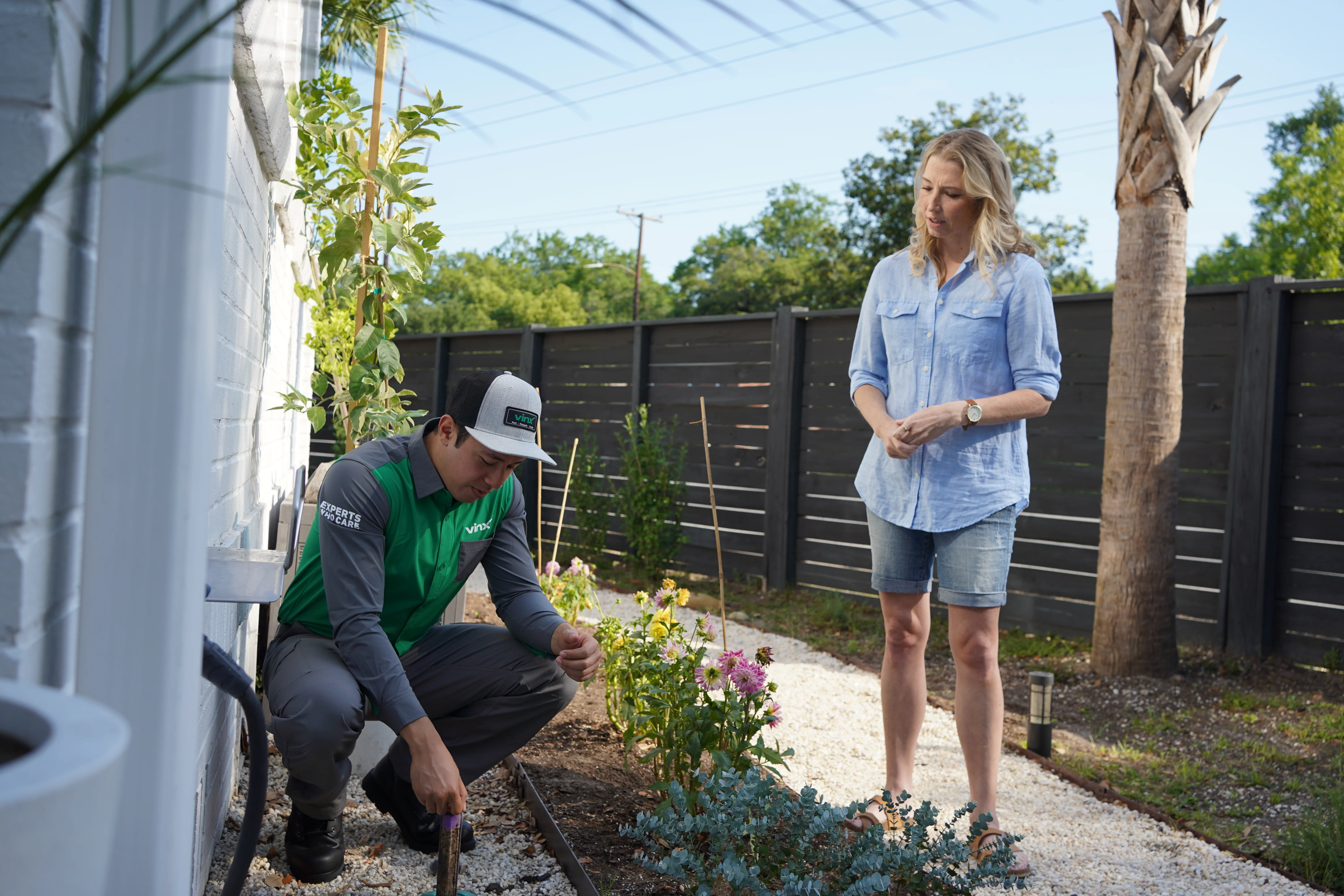
The check runs across kitchen, bathrooms, utility areas and exterior entry points to identify the species and find the harborage. In Ladson that includes the crawl space or the skirting of a manufactured home, because a palmetto bug population under the floor and a German roach that arrived in a shipping carton need opposite plans.
Gel Bait Placement
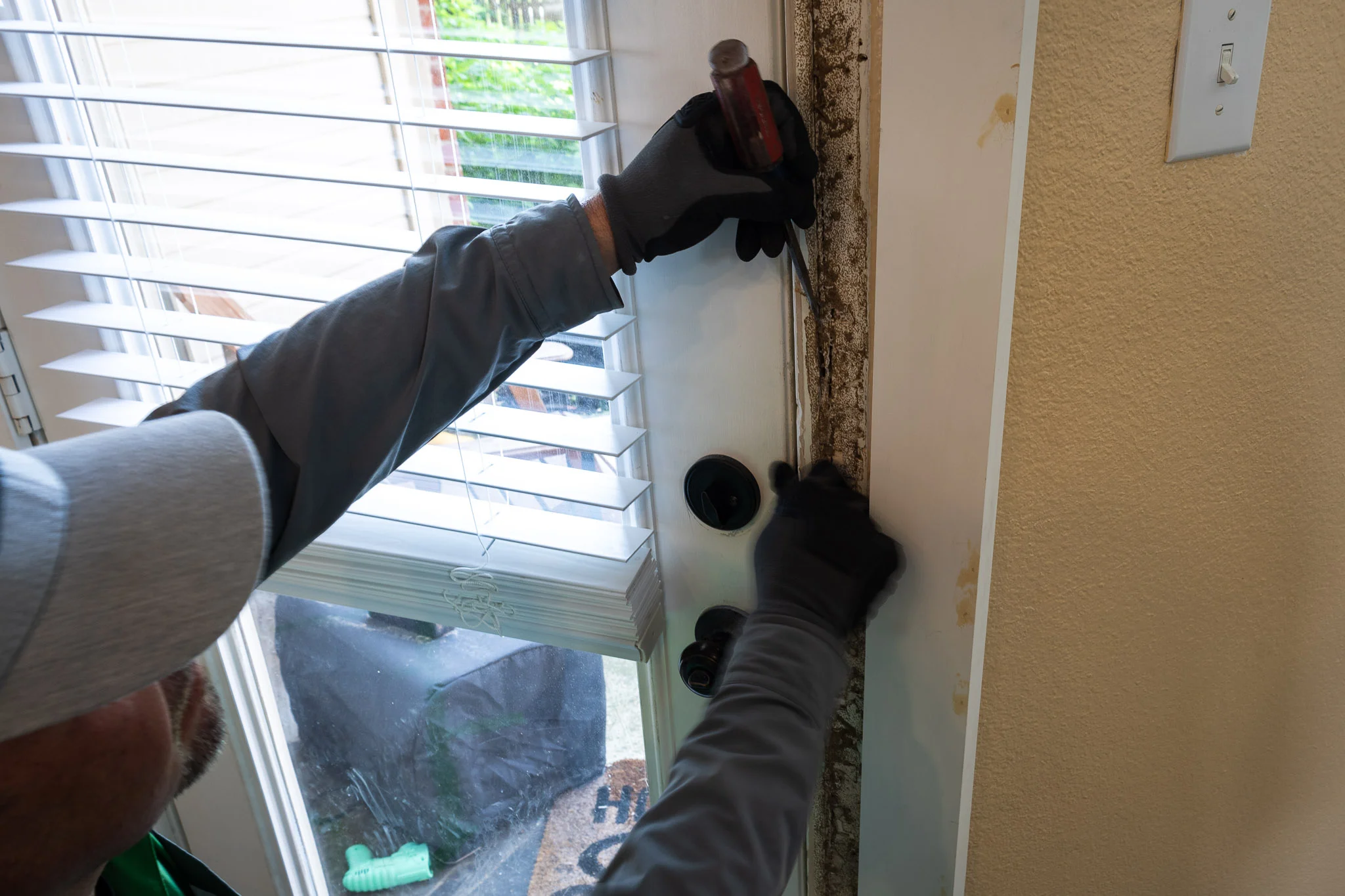
Gel bait is placed into cracks, behind appliances, under sinks and in cabinet voids, the paths roaches actually take. They feed, carry it into the harborage, and the colony fails from within. Targeted, small placements are far more effective than broadcast product.
Residual Perimeter Treatment
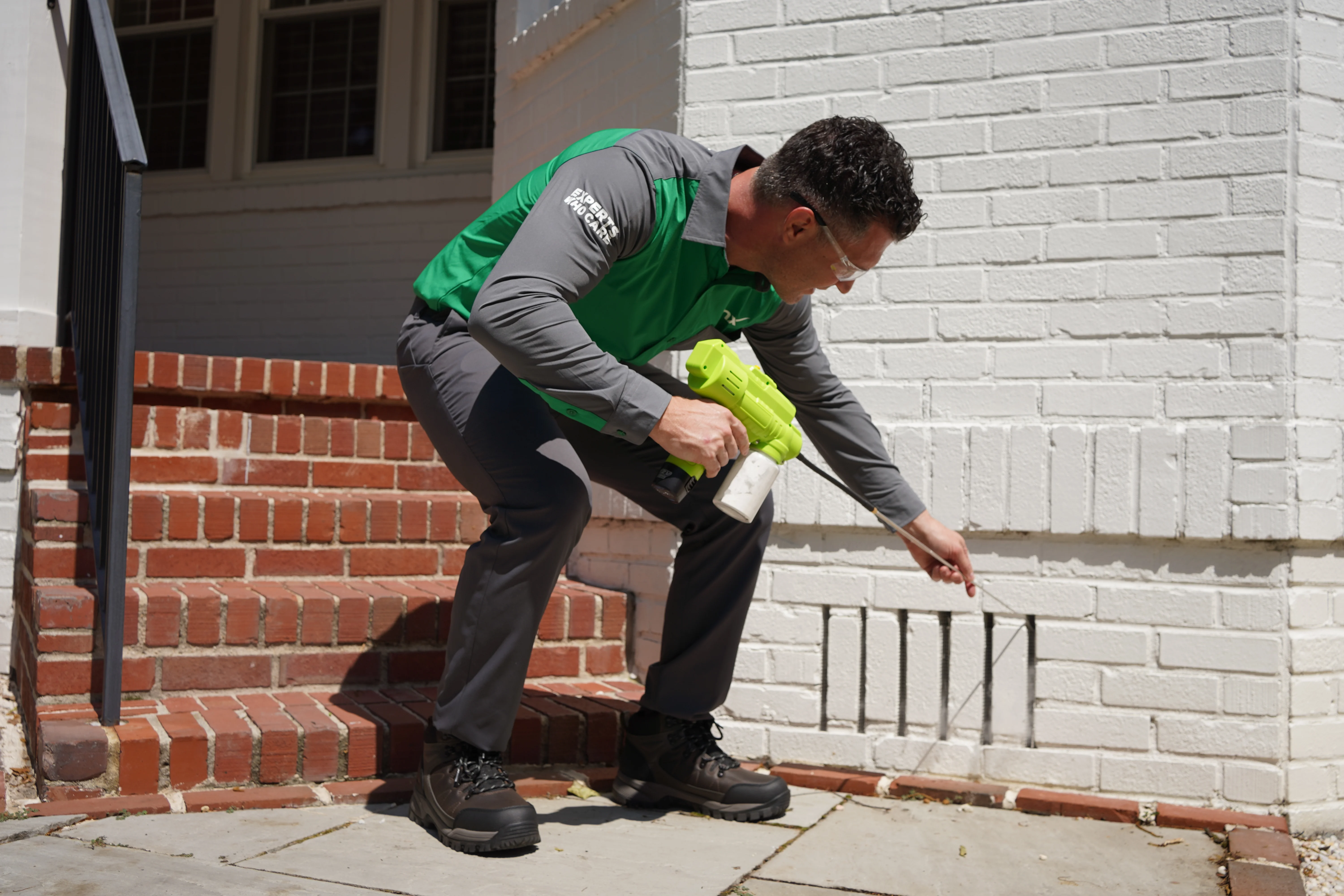
Residual insecticide is applied around the exterior foundation or skirting, the garage perimeter and entry points so roaches cannot migrate in from woodpiles, ditches and flooded ground. Baseboards and interior harborage receive treatment for any established population.
Follow-Up & Ongoing Prevention
The return visit confirms the colony has ended and refreshes bait and residual where required. If cockroaches return between services we re-treat at no charge, and your technician advises on skirting repair, drainage and drain covers, the steps that matter most on Ladson’s wet soils.
What Customers Say
Real Reviews from Ladson Homeowners
So far I'm happy with Vinx. We were using a different company before, and they didn't deliver so we switched to Vinx. I had some concerns about German roaches, so I called them on a Friday to see if they could come spray again, John came here Monday morning, he was very polite and patiently answered all my questions. I haven't see any roaches in my house since he last visited.
We had some renters move out of our house and left a horrifying cockroach infestation. Vinx took care of the problem. They were always on time and very professional. I would definitely recommend them to anyone who finds themself needing pest help.
Not only are their technicians thorough and friendly. Their product really works. Great prices as well. I highly recommend anyone to give them a shot and switch to Vinx Pest Control you will not regret the decision!
I am a Very satisfied customer of Vinx pest control. I have received top customer care and service since 2020. The technicians are always polite, friendly and accommodating. The technicians have been servicing my home so long that they are mindful not to show up too early as they are familiar with my work from home schedule. I appreciate the flexibility and consideration. I am a happy customer. 😊
Referred by a friend. Ryan and Jack have always been great! Upgraded to Vinx Plus for the extra coverage :-) we will be going with them when our termite bond is up also! They price matched for a great deal!
We have used Vinx for a few years now and have never had a problem. Our tech today was Jack and he was great!
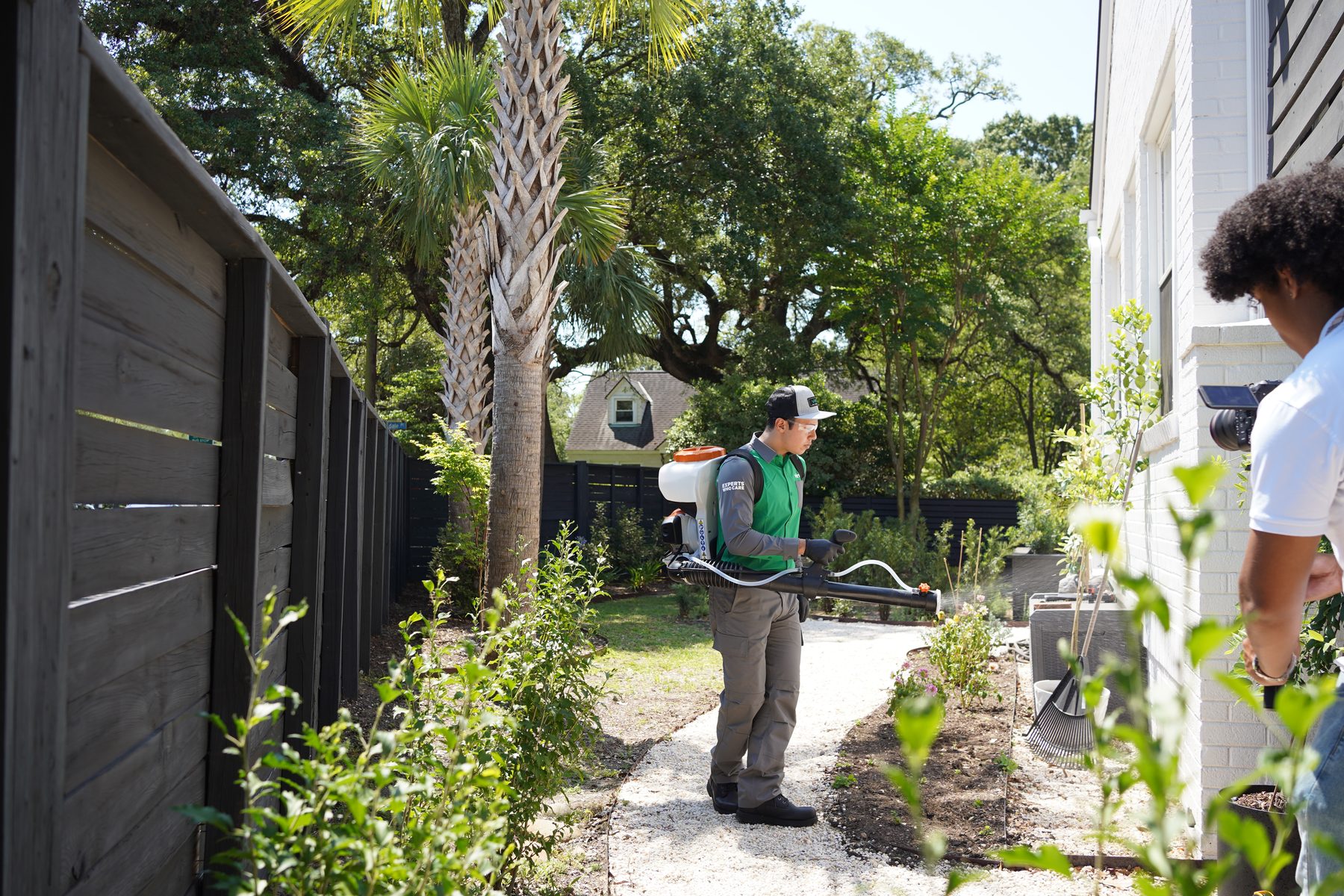
Cockroaches After Rain? German Cockroaches in Your Kitchen? Call Vinx.
Free inspection. Same-day appointments available. Backed by our re-treatment guarantee.
Call (855) 800-8469Cockroach Risk by Neighborhood
Cockroach Risk Across Ladson Neighborhoods
College Park Corridor: AMERICAN & SMOKY BROWN COCKROACHES
Established residential streets around College Park Road with decades of settled landscaping, mature trees and older frame houses on ventilated crawl spaces. Both species live outdoors permanently — in mulch, leaf litter, tree holes, woodpiles and the crawl space — and come inside accidentally or seasonally, so the productive work is harborage and moisture, not surface spray.
Exchange Park & Coastal Carolina Fairgrounds Corridor: ORIENTAL & GERMAN COCKROACHES
The Fairgrounds’ lakefront grounds and large seasonal event footprint hold standing water and draw heavy foot traffic and food service. Oriental cockroaches favor decaying organic material and damp ground; German cockroaches arrive with boxes, crates and equipment. Gel bait and targeted interior treatment, not perimeter spray, is what works.
Ladson Road Corridor: AMERICAN COCKROACHES
Older residential streets seeing the steady baseline pressure typical of established Lowcountry neighborhoods. Large brown roaches appearing singly in the evening travel through drain lines, sewer connections and utility penetrations — heavy rainfall on a high water table pushes them upward through the sewer system.
I-26 & Route 78 Industrial-Logistics Corridor: GERMAN COCKROACHES
Warehousing and logistics facilities clustered near Exit 203, tied to the Port of Charleston, bring commercial-scale pressure through shipping, storage and freight traffic. German cockroaches do not travel through drains — they hitchhike in cartons and pallets, and a single female produces up to 400 offspring in her lifetime with egg-to-adult in as little as 60 days.
Tri-County Border Corridor: BLENDED NEIGHBOR PRESSURE
Ladson genuinely straddles the Berkeley, Charleston and Dorchester county lines, so its border neighborhoods blend into Ladson, Goose Creek and North Charleston, each bringing its own adjacent pattern across the property line. Ladson also has an unusually wide range of housing for its size — manufactured homes with skirted voids, older frame houses on crawl spaces, and newer slab subdivisions with poorer drainage — and roaches respond to structure more than to ZIP code.
4 Species. One Town.
Why Ladson Has a Cockroach Problem Unlike Most Nearby Towns
Some of Ladson is mapped as ground that floods on a schedule. Within the community the USDA records Brookman clay loam as frequently flooded and very poorly drained, Elloree loamy fine sand as occasionally flooded and poorly drained, and Daleville silt loam as poorly drained. Ground like that keeps crawl spaces and the skirted voids under manufactured homes damp for weeks, and damp, dark and warm is the whole cockroach recipe. Treatment is set by which of the four species you actually have.
Four cockroach species cause nearly every problem in Ladson homes: palmetto bugs from the ventilated crawl spaces of the older College Park and Ladson Road houses and the skirted voids under manufactured homes, German roaches hitchhiking in through the I-26 and Route 78 logistics corridor and fair-season food service at Exchange Park, smoky browns in the mulch and woodpiles of established yards, and Oriental roaches on the frequently flooded soils.
Some of this community is mapped as ground that floods on a schedule. Within Ladson the USDA maps Brookman clay loam as frequently flooded and very poorly drained, Elloree loamy fine sand as occasionally flooded and poorly drained, and Daleville silt loam as poorly drained — and it records well over seventy separate map units inside about seven square miles. Ground that takes water repeatedly and lets it go slowly is where American and smoky brown cockroaches work, so on a lot backing one of those units the perimeter is doing more of the job than anything applied indoors.
Ladson Cockroach Species
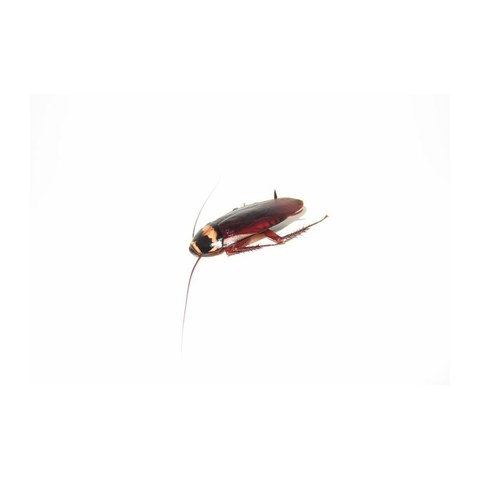
American Cockroach (Palmetto Bug)
Palmetto bug is the Lowcountry's gentler name for the American cockroach. Adults measure 1.5 to 2 inches in length and are reddish-brown with a tan or light yellow band around the shield behind the head. Despite having wings they rarely fly indoors.
Travel happens along drain lines, sewer connections and utility penetrations. When a big brown roach shows up in the kitchen or bathroom, it nearly always came through the drain. Ladson’s high water table means heavy rainfall pushes these cockroaches upward through the sewer system, and the aging crawl spaces and drain infrastructure of the older College Park and Ladson Road houses give them especially easy access.
American cockroaches can survive two months without food and a full month without water, which makes eliminating them without professional treatment extremely difficult.
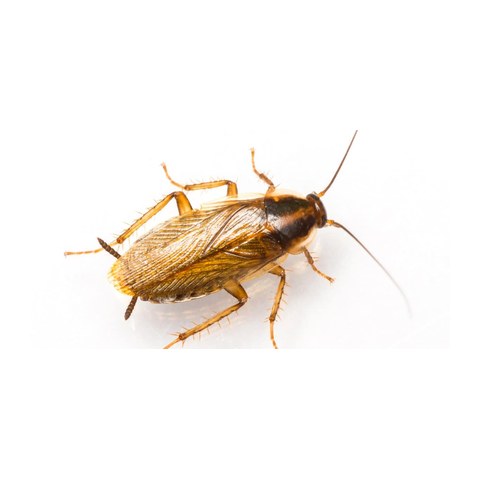
German Cockroach
The German cockroach is smaller, under half an inch, and is identified by two dark horizontal stripes behind its head. Despite its name it is the most common indoor cockroach species in the United States and far more of an infestation threat than the palmetto bug.
A single female German cockroach produces up to 400 offspring in her lifetime. The life cycle from egg to adult takes as little as 60 days, a small infestation can become severe within two to three months of introduction. Drains play no part in how German cockroaches travel. They hitchhike inside luggage, moving boxes, and secondhand furniture, exactly the turnover that moves through the I-26 and Route 78 logistics corridor and the steady stream of freight, cartons and pallets moving through it. They settle once inside into kitchen cabinets, under appliances and inside electronics where warmth and residue accumulate.
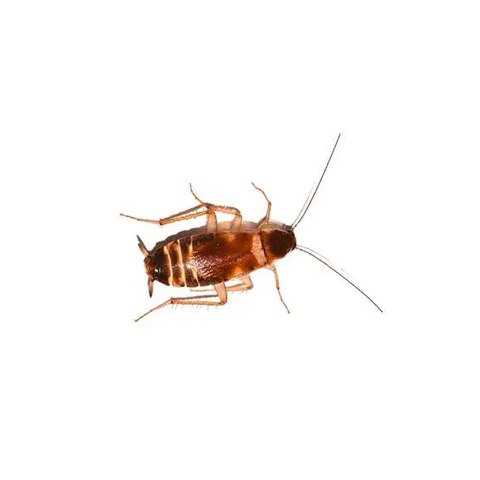
Smoky-Brown Cockroach
The smoky-brown cockroach is the species Ladson homeowners most commonly see flying toward porch lights at night. They are slightly smaller than the American cockroach and distinctly dark mahogany brown. They live primarily outdoors in tree holes, woodpiles, and dense vegetation, common under the mature tree canopy, mulch beds and woodpiles of the established streets around College Park.
Entry is through gaps in the roofline, attic vents and around windows. Light and moisture are strong draws for smoky-brown cockroaches.
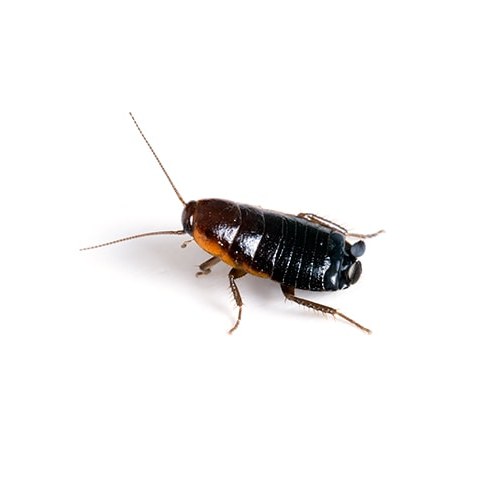
Oriental Cockroach
The oriental cockroach is dark brown to shiny black and approximately one inch long. Unlike every other species, oriental cockroaches cannot climb smooth surfaces. They stay low as a result, most often in basements, crawl spaces, beneath mulch and in sewers.
Spring and summer bring them out, and they favor decaying organic material. They are strongly associated with outdoor compost, mulch beds, and debris piles close to the foundation, a common find along the damp ground near the Coastal Carolina Fairgrounds lakefront, where standing water keeps the nearby ground moist.
What to Look For
Signs of a Cockroach Infestation
Coffee-Ground Droppings
Near baseboards, beneath sinks and inside cabinets, the first reliable sign.
Egg Cases Behind Appliances
Brown capsule-shaped casings behind the fridge or dishwasher, or inside cabinet corners.
Musty, Oily Odor
Cockroach pheromones create a distinctive smell in an infested pantry, crawl space or skirted underfloor.
Smear Marks in Damp Corners
Dark marks on walls and baseboards along the moist routes roaches use repeatedly.
Daytime Sightings
They are night insects; one seen by day means a population well past what is visible.
Roaches After the Ground Floods
A wave of palmetto bugs indoors after a week of standing water means the drains and underfloor void filled and emptied them upward.
Health Impact
Why Cockroaches Are a Health Risk
Food Contamination
Cockroaches carry E. coli and Salmonella on their bodies and in their droppings, contaminating food prep surfaces with no visible evidence. Mechanical vectors: carriage has been documented, a definitive cause-and-effect link to infections has not.
Asthma & Allergens
Allergens are present in cockroach droppings, shed skins and saliva, and can trigger asthma in those sensitized. Across 831 nationally representative homes, the NSLAH survey found detectable cockroach allergen in an estimated 63% of U.S. homes, and 53.1% of the living-room floors in large metro areas. In the NCICAS study of inner-city asthmatic children, the children who were both allergic to cockroach allergen and exposed to high bedroom levels averaged 0.37 hospitalizations a year against 0.11 for the rest — both conditions were required to produce the effect.
Year-Round Exposure
In Ladson’s year-round humid climate, cockroach allergen exposure is a persistent health concern rather than a seasonal one.
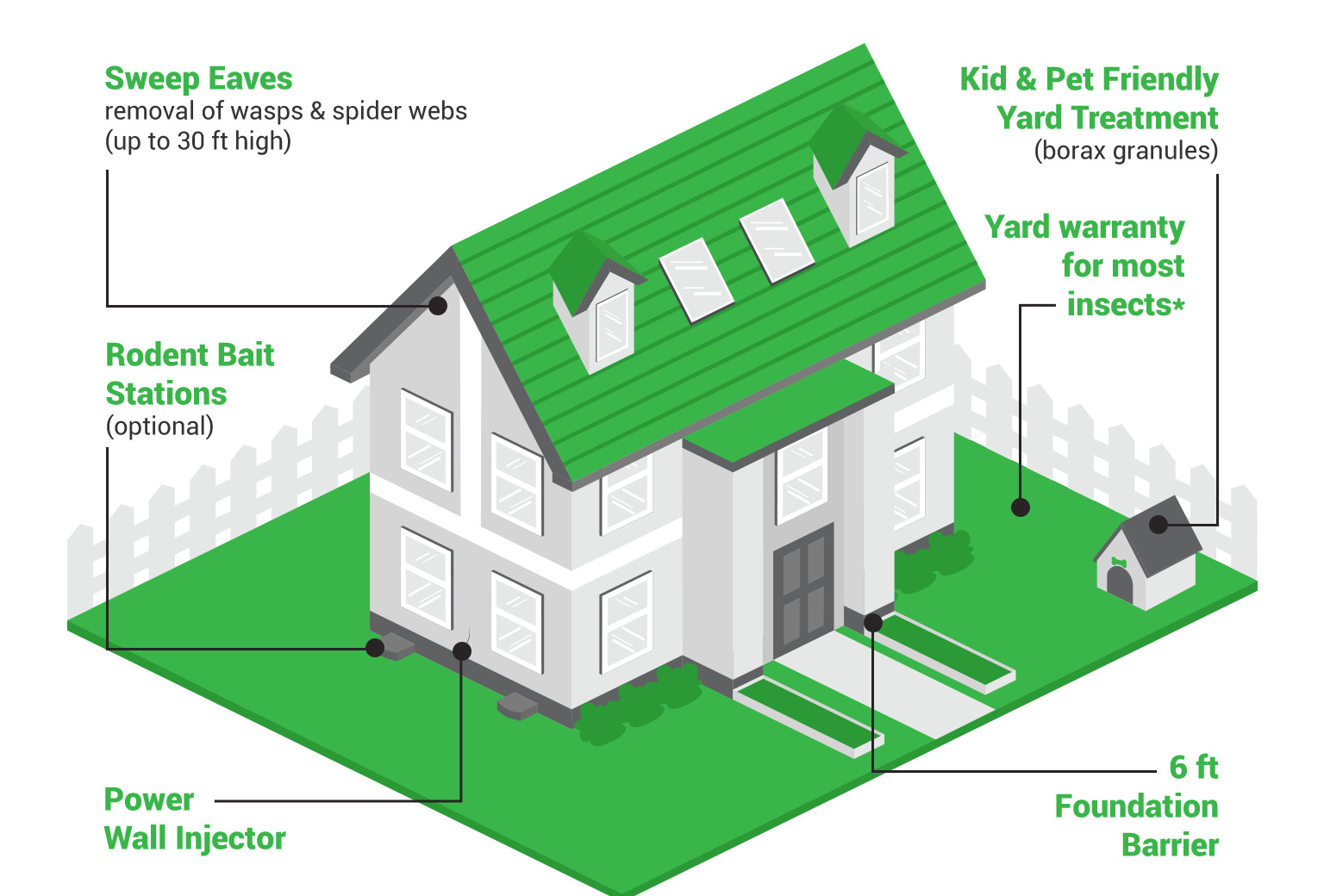
Vinx HomeGuard Plan
What Happens at Every Visit
Our technicians don't just spray and leave. Every quarterly service covers your full exterior and interior, done right, backed by a written guarantee.
- Sweep Eaves: Wasp nests & spider webs removed up to 30 ft
- Power Wall Injector: Treats wall voids where pests hide
- 6 ft Foundation Barrier: Full perimeter treatment every visit
- Yard Warranty: Free retreatment for most insects
- Kid & Pet Safe Yard Treatment: Borax granules, safe after dry
Homeowner Tips
6 Ways to Reduce Cockroach Pressure Right Now
Kid & Pet Safe
Our Treatments Are Safe for Your Whole Family: Including the Furry Members
Every product we use is EPA-registered and applied strictly at labeled rates by licensed technicians. We take the guesswork out of safety so you can feel confident letting kids and pets back into treated areas quickly.

EPA-Registered Products Only
All products we apply are EPA-registered and used strictly per label requirements. Our licensed technicians are trained to apply the right product in the right place at the right rate, every time.
Dry Time Before Re-Entry
Exterior spray treatments dry in 30–60 minutes. Once dry, treated surfaces are safe for children and pets to contact. Your technician will confirm the all-clear before leaving your property.
Interior Treatment On Request
We treat only what’s needed, where it’s needed. Gel baits in cabinets and crack-and-crevice applications keep products away from areas pets and children frequent most.
Botanical Options Available
Have specific sensitivities? Ask your technician about our plant-derived treatment options. We offer botanical alternatives for households that prefer a more natural approach.
Have a concern about products used near your pets or children? Call (855) 800-8469 and we’ll walk you through exactly what we use and why it’s safe.
Explore More
More Pest Control Services in Ladson

Pest Control Ladson
General pest protection

Termite Control Ladson
Sentricon bait system

Mosquito Control Ladson
Monthly barrier treatments

Ant Control Ladson
Household ants & others

Spider Control Ladson
All spider species covered

Rodent Control Ladson
All rodents covered

Bed Bug Treatment Ladson
Heat & liquid treatments

Tick & Flea Control Ladson
Yard & pet protection
Exterminator Ladson
Same-day local exterminators
Frequently Asked Questions
Cockroach Control FAQ for Ladson Homeowners
American, smoky brown and Oriental cockroach pressure is covered quarterly under HomeGuard at $49 per month. German cockroach jobs are outside the recurring plans, quoted separately once the free inspection is complete. Call (855) 800-8469 for a same-day assessment in Ladson.
Yes. A palmetto bug is Periplaneta americana, the American cockroach, with the Lowcountry favoring the softer name. Adults are reddish-brown at 1.5 to 2 inches, living mainly in sewers, drains and damp crawl spaces and entering via drain lines and utility penetrations. Finding one does not mean an unclean house.
Because parts of Ladson sit on soils the USDA maps as frequently flooded, so heavy rain floods the drains, ditches and underfloor voids that American cockroaches live in and they climb the drain lines into kitchens and bathrooms to escape the water. Drain covers, intact skirting and drain treatment on quarterly service are the effective prevention.
Size, route and speed. The American cockroach is large, reddish-brown, and comes in through drains and exterior gaps. The German cockroach is small and tan with two dark stripes behind the head, arriving in bags, boxes and furniture. Germans multiply far faster, a single female yielding up to 400 offspring, and require gel bait with growth regulator rather than a perimeter spray.
For palmetto bugs, same-day exterior perimeter, skirting and drain treatment gives immediate knockdown. For German cockroaches that arrived in a shipping carton, professional gel bait and growth regulator start working within 24 to 48 hours and clear the colony in two to three weeks. Sprays off the shelf push them deeper into the walls. Call (855) 800-8469.
Yes. Gel bait is placed inside cabinet hinges and hidden harborage pets and children cannot reach, growth regulator goes only into non-living spaces, and the exterior spray is safe when dry, usually one to two hours. Food preparation surfaces are left entirely untreated.
Inspection and the first treatment usually take 60 to 90 minutes. German cockroach jobs usually need two or three follow-ups two to three weeks apart before elimination is confirmed. Palmetto bug pressure from wet ground and crawl spaces is managed through quarterly perimeter treatment.
A palmetto bug up the drain now and then after heavy rain is normal here. Repeated sightings, daylight roaches, coffee-ground droppings in cabinet corners, egg cases behind appliances or a musty oily smell all indicate an infestation. A roach in daylight means the population is much bigger than it looks.
Yes. Cockroaches carry E. coli and Salmonella on their bodies and in their droppings, and can contaminate food surfaces leaving no sign; they are mechanical carriers rather than direct transmitters. Their allergens can trigger asthma in sensitized people, and in Ladson’s year-round humidity that exposure never pauses.
Yes. Most Ladson cockroach appointments are same-day or next-day. Call (855) 800-8469, and if we cannot service your home the next business day your initial service is free.
Because store-bought sprays repel rather than eliminate anything. They push roaches into deeper wall voids while the colony and egg cases survive, and a German population especially only ends with gel bait and a growth regulator breaking the breeding cycle. Call (855) 800-8469 for a professional inspection.
The skirted underfloor void, almost always. It is dark, humid and rarely opened, which makes it ideal harborage, and the service penetrations above it are the route indoors. Treating the kitchen while that void is untouched is the most common wasted spend we see in Ladson.
No, and Clemson says so directly — roaches can be found anywhere, not only in unclean places. They want warmth, water and food, and moisture is the bigger driver of the three. Embarrassment is the main reason people wait, and waiting is what lets a population establish.
Usually because the species lives outdoors. Clemson HGIC 2449 notes over fifteen cockroach species in South Carolina but only a few that live in homes. If yours are coming in from mulch, a woodpile, a crawl space or a skirted void, indoor spraying treats the symptom every month and never the source — and a repellent spray pushes the rest deeper into wall voids where they carry on breeding.
Service Coverage
Cockroach Control Across Ladson & the Lowcountry
Serving every neighborhood in and around Ladson
Serving the Greater Charleston Area