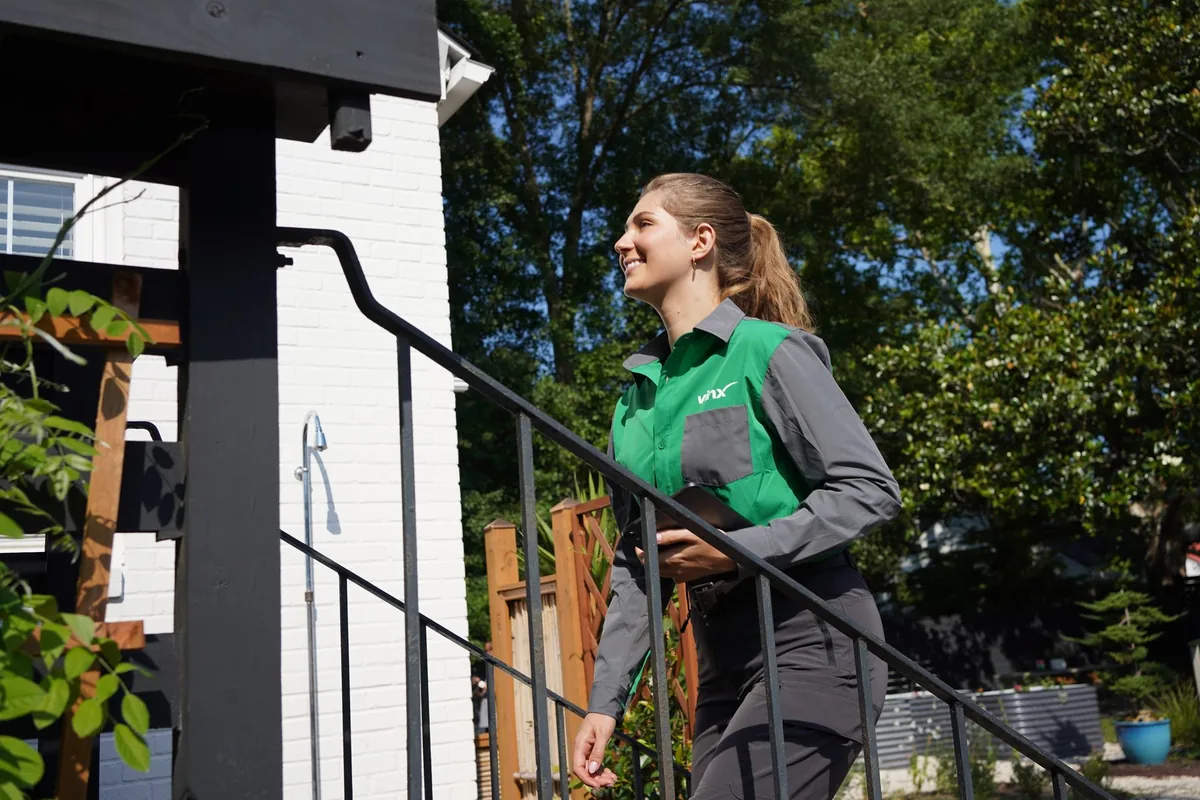
Spider Control in Simpsonville, SC
De-Webbing • Perimeter Spray • Interior Treatment • Venomous Spider Removal
Vinx treats black widows, brown widows, wolf spiders and orb weavers with targeted de-webbing, a residual perimeter barrier and interior treatment. And if you think you have found a brown recluse, read on, because in South Carolina it is almost certainly something else.
Get Started in 60 Seconds
Choose what’s easiest for you
Request a Quote
We usually respond in 2 minutes
Call 855-800-8469
Get a Live Person (no AI agents here!)
Sign Up Online
Get pricing and schedule now




Welcome to Vinx Pest Control
A Company That Actually Backs What It Says
At Vinx, we combine professional-grade spider treatments with a level of service most pest control companies don’t offer. Local technicians, fast response times, and a guarantee that actually means something.
“I’m not passionate about killing bugs. I’m passionate about customer service. At Vinx, you get experts who show up, do the job right, and stand behind every visit. No runaround, no fine print.”
Founder & Owner, Vinx Pest Control
PROTECTION PLANS
Spider Control Plans for Simpsonville Homes
Standard Residential Protection
- 4 Seasonal Treatments Per Year
- Exterior perimeter spider spray
- De-webbing on every visit
- Unlimited Free Re-Services
- 100% Satisfaction Guarantee

Interior & Exterior Spider Coverage
- 6 Home & Yard Treatments Per Year
- Interior & Exterior Spider Treatment
- Full exterior de-webbing every visit
- Targeted venomous spider treatment
- Free Re-Treatments Between Visits
- Fire Ant Broadcast Treatment
- 100% Money-Back Guarantee

Full-Coverage Premium Plan
- 9 Treatments Per Year
- Complete Spider & Pest Coverage
- Crawlspace & attic spider treatment
- Monthly Mosquito Barrier (Mar–Nov)
- Fire Ant, Flea, Tick & Bed Bug Coverage
- Free Bed Bug Treatments if Needed
- 100% Money-Back Guarantee
Spider control is included in all Vinx protection plans. Standalone one-time treatments are quoted based on property size and infestation severity.
Request Spider Control Service in Simpsonville
Fill out the form below and a Vinx specialist will contact you same day to schedule your inspection and first treatment.
Our Approach
How Vinx Eliminates Spiders in Your Simpsonville Home
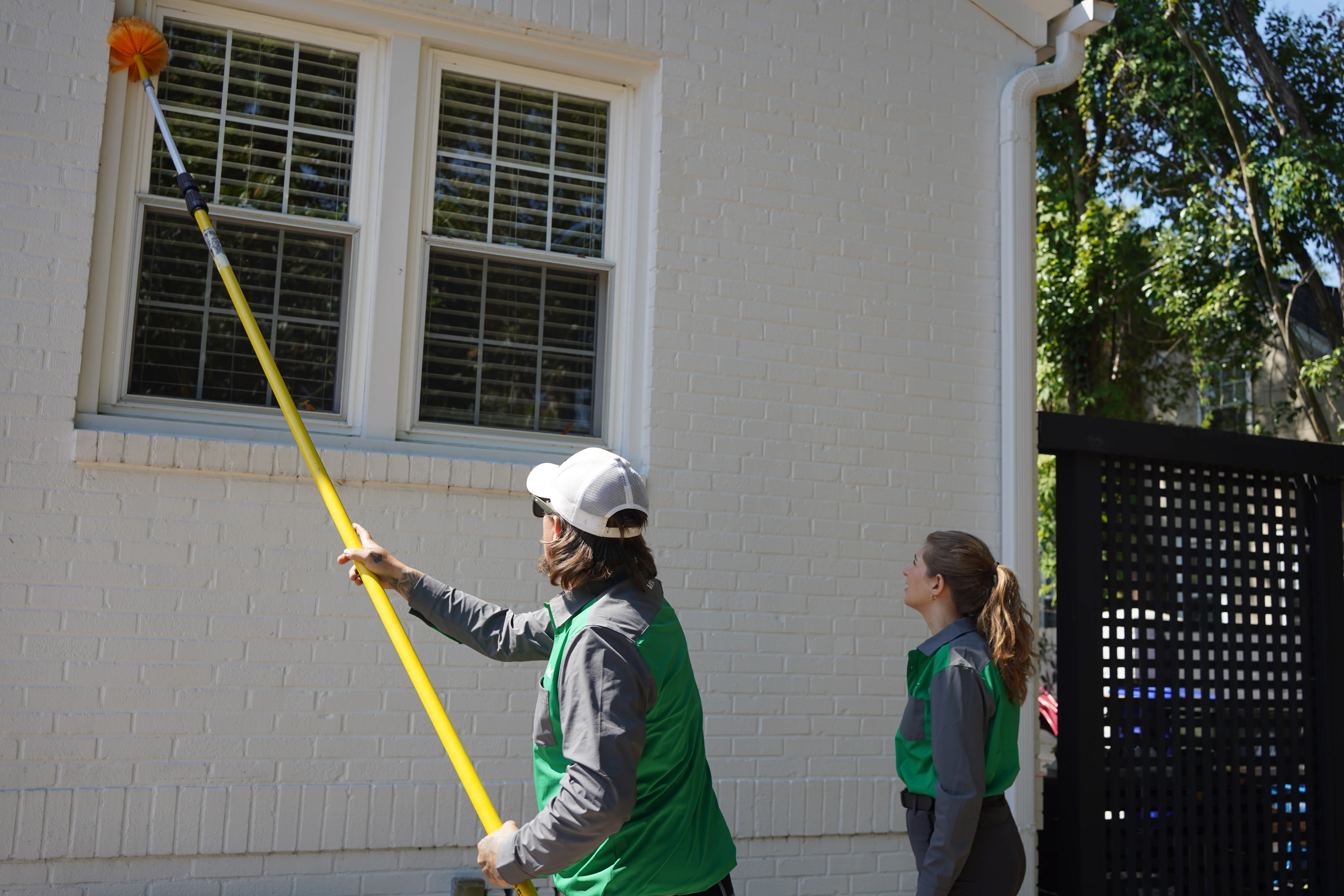
De-Webbing
Complete exterior de-webbing of eaves, window frames, corners, light fixtures, and foundation areas on every service visit. Removing active webs and egg sacs eliminates harborage sites and takes out the next generation before it hatches, a single egg sac can contain hundreds of spiderlings. Consistent quarterly de-webbing prevents the buildup between visits.
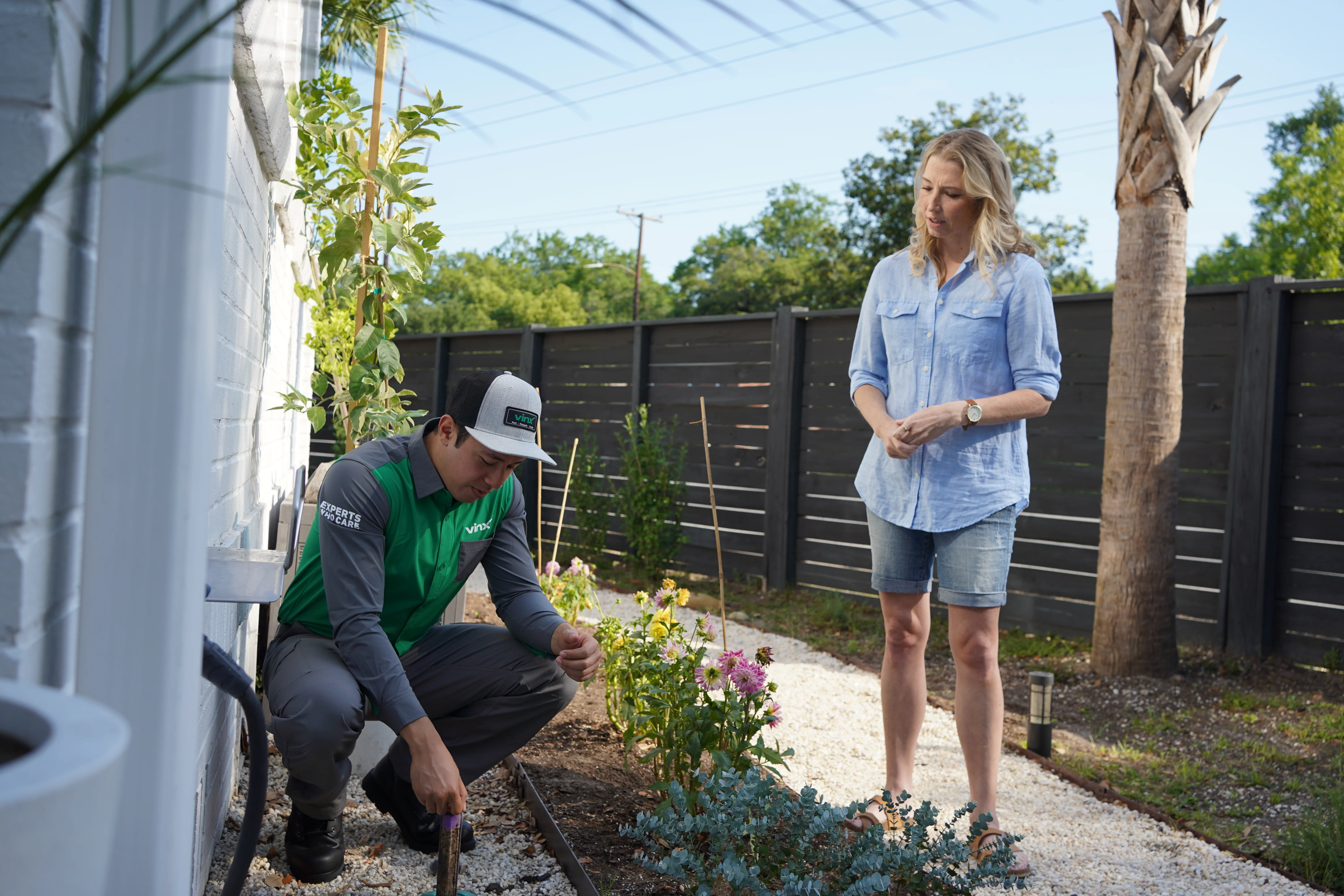
Residual Perimeter Spray
Micro-encapsulated residual insecticide is applied around the full foundation band, window and door frames, garage perimeter, and crawlspace openings. Spiders crossing the treated zone are eliminated on contact. The time-release formulation continues working between quarterly visits, maintaining a barrier against spider populations moving in from wooded lot edges.
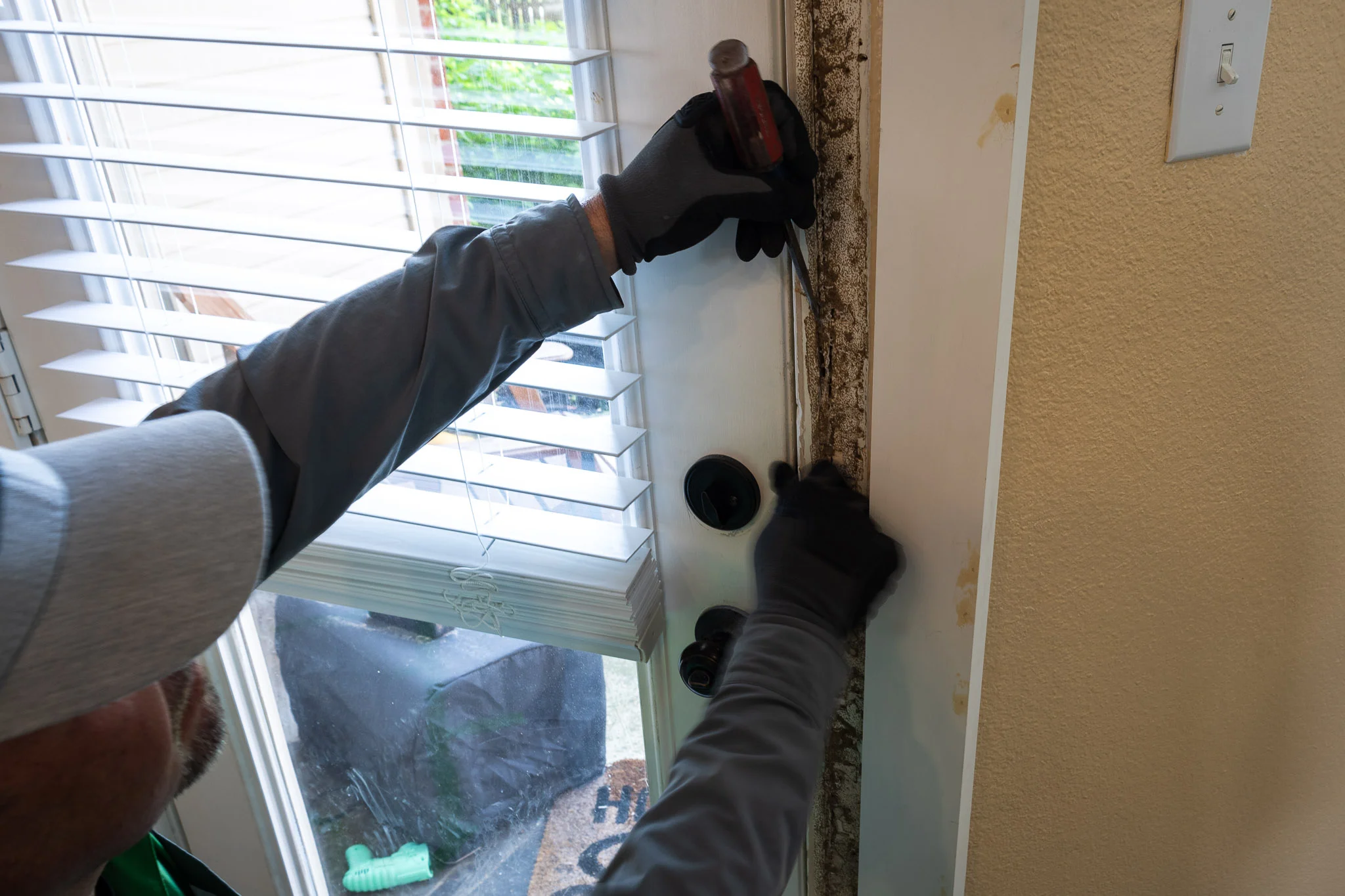
Interior Treatment
For confirmed interior infestations (widow spiders in the garage, or established house and wolf spider populations in basements and crawlspaces) targeted residual dust or liquid is applied to void spaces, wall junctions, and harborage areas. Interior treatment is available on every service visit at no additional charge.

Harborage Reduction Assessment
At the end of every visit your technician identifies conditions increasing spider pressure, woodpile locations near the structure, excessive mulch depth against the foundation, debris piles, dense ground cover adjacent to entry points, and exterior lighting that attracts the insects spiders feed on. Recommendations are provided in writing after every inspection.
Spider-Free Guarantee
If spiders return between scheduled visits, we come back and re-treat at no charge. Your Plus or Platinum plan includes unlimited re-treatments. We stand behind every service, no fine print, no runaround.
Customer Reviews
What Simpsonville Customers Are Saying
Alex was great, very understanding, working around this morning chaos with the grands showing up the dog, not to mention the house upside-down 🙄 Thank you! The outside looks great. Maybe I'll sit on the porch today 😊
Johnathan was friendly and listened to my concerns took care of the issues promptly and professionally. Great work
Very nice and efficient. Highly recommend. This was my quarterly service , sprayed outside.
Alex was an excellent technician. He was very thorough and knowledgeable. He was extremely professional and friendly . Our family is very pleased with all of the services at Vinx .
Alex, and all of the Techs I've met, have been very professional and accommodating.
Spider Pressure in Simpsonville
Why Spiders Are Hard to Control Without Professional Treatment
Simpsonville’s wooded lots, warm summers, and abundant insect populations create ideal conditions for spider activity year-round. Spiders follow their prey, wherever flying insects gather around exterior lights, wherever crickets and silverfish live under mulch and debris, spiders establish webs and harborage sites. Neighborhoods bordering wooded buffers, drainage corridors, and retention pond areas see the heaviest pressure.
Over-the-counter sprays don’t work well on spiders. Unlike insects, spiders hold their bodies above treated surfaces when walking, so their tarsal pads rarely contact residual insecticide applied to flat surfaces. Professional micro-encapsulated formulations bind to web material and harborage surfaces and are picked up as spiders move through treated areas. Professional de-webbing removes egg sacs that homeowner products cannot address.
Widow spiders are the medically significant spiders here. Clemson lists three widow species in South Carolina: the southern black widow, the northern black widow and the brown widow. Widow venom is a neurotoxin that can cause severe muscle pain and cramping, and it matters most for children and the elderly. A confirmed widow in a garage, crawlspace or woodpile warrants treatment. The brown recluse, despite its reputation, is not established in South Carolina — see below.
4 Spider Species in Simpsonville
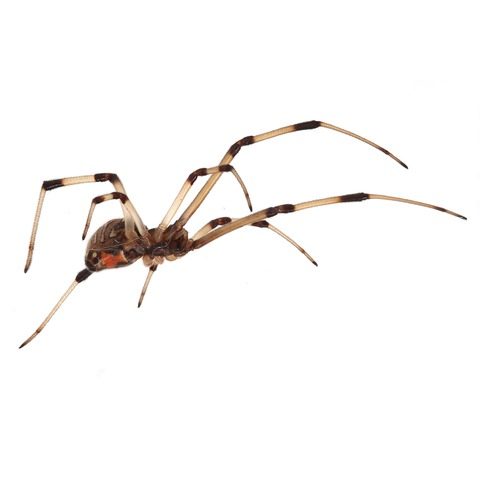
Brown Widow (Latrodectus geometricus)
Tan to gray-brown with a mottled, geometric pattern and an orange-to-yellow hourglass underneath. The giveaway is the egg sac: spiky and tufted, unmistakable once you have seen one. Clemson lists three widow species in South Carolina and this is one of them; it was first reported around Charleston and Beaufort in the late 1990s and has since been recorded in numerous areas of the state. It uses the same places as the black widow but favors more exposed spots — under patio furniture, inside mailboxes, under railings, in the lip of a planter, under a grill rim. Venom is neurotoxic like the black widow’s but bites are generally milder and stay more localized. Egg sac removal on every visit.
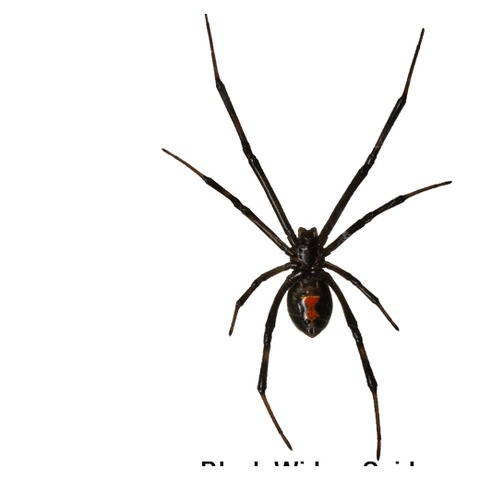
Black Widow (Latrodectus mactans)
Shiny black with a red hourglass marking on the underside of the abdomen. Commonly found in garages, under decks, in woodpiles, under outdoor furniture, and in undisturbed crawlspace corners. Black widow venom is a potent neurotoxin, bites cause severe muscle cramps, pain, and in rare cases serious systemic symptoms. Female black widows are more dangerous than males. Exterior de-webbing and targeted perimeter treatment are the primary control methods. Any confirmed sighting in living areas warrants immediate professional treatment.
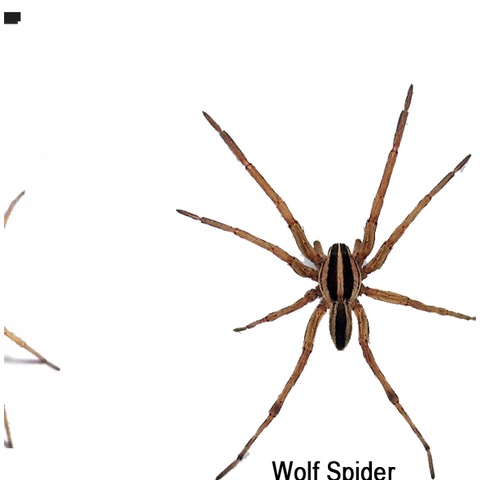
Wolf Spider (Family Lycosidae)
Large, hairy, brown to gray with stripe patterns, often mistaken for brown recluse but significantly larger. Wolf spiders are ground hunters rather than web builders, moving rapidly across floors, patios, and garage surfaces. Commonly enter homes in fall as temperatures drop, seeking shelter. Bite can cause localized pain and swelling but is not medically significant for healthy adults. Perimeter residual spray is the most effective control, wolf spiders cross treated zones when hunting along foundation edges and exterior walls.
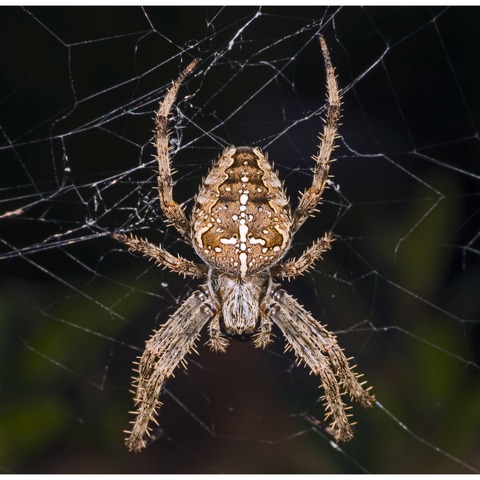
Orb Weaver (Family Araneidae)
Large, colorful spiders that build the classic circular spiral webs, often spanning eaves, porch corners, and garden areas. Orb weavers are harmless and actually beneficial (they consume large numbers of flying insects), but their large webs in high-traffic areas around entryways and garage doors are a nuisance and a common homeowner complaint. Quarterly de-webbing removes established webs and reduces reinfestation pressure. Reducing exterior lighting attracts fewer flying insects, which reduces the food supply driving orb weaver activity.
Spider Risk by Neighborhood
Spider Pressure Across Simpsonville Neighborhoods
Five Forks: ELEVATED SPIDER PRESSURE
Five Forks homes built adjacent to wooded buffer areas and retention ponds see some of the highest spider pressure in the Simpsonville area. Mature tree canopy at lot edges provides ideal orb weaver habitat and maintains the humidity that spiders prefer. New construction disturbs ground cover and pushes wolf spiders toward adjacent completed homes. Homes with large eave overhangs and covered porches accumulate webs rapidly between visits. Quarterly de-webbing and perimeter treatment are strongly recommended for Five Forks homes bordering wooded lots or open-space buffers.
Rocky Creek, West of the Tracks: ELEVATED SPIDER PRESSURE
Rocky Creek collects water from most of Simpsonville, and the buffer the City requires along it keeps every tree, shrub and patch of ground cover in place. That protected strip breeds the flying insects orb weavers feed on, so homes backing onto it collect large webs along back fences, decks and eaves, and wolf spiders hunt in the retained ground cover before moving indoors in fall. The buffer stays, so the fix is quarterly de-webbing and a perimeter treatment along the edge where it meets your lawn.
Durbin & Horsepen Creeks, East of the Tracks: ELEVATED WIDOW PRESSURE
The subdivisions built against the Durbin and Horsepen Creek woodland since 2000 have exactly the outdoor structure widow spiders favor: deck railings, outdoor furniture, grill covers, mailboxes and stacked firewood against a wooded edge. Brown widows favor exactly these man-made structures, and black widows occupy the undisturbed corners of sheds and garages. Wear gloves when moving firewood or stored items, and pair quarterly perimeter treatment with de-webbing of decks and outdoor furniture.
Woodruff Road Corridor: MODERATE TO ELEVATED SPIDER PRESSURE
The Woodruff Road commercial corridor generates high flying insect pressure (outdoor restaurant dining, food waste, and lighting) that supports large spider populations along the commercial-residential interface. Orb weavers build webs in exterior fixtures and eave areas of homes adjacent to commercial properties. Wolf spiders are active in the landscaped areas along the commercial perimeter. Homeowners within a few blocks of the Woodruff Road strip will benefit most from consistent quarterly de-webbing and perimeter treatment to prevent the commercial-side insect pressure from supporting ongoing spider populations around their home.
Heritage Park & Fairview Road: MODERATE TO ELEVATED SPIDER PRESSURE
Around Heritage Park and the commercial stretches of Fairview Road, lighting on parking areas, storefronts and porches draws flying insects every night, and orb weavers follow them to eave lines, light fixtures and entryways. Wolf spiders work the landscaped beds and park edges. Switching porch and entry lighting to yellow or sodium vapor bulbs reduces the insect draw, and consistent quarterly de-webbing plus perimeter treatment stops the webs from rebuilding between visits.
Downtown & Main Street: ELEVATED BLACK WIDOW PRESSURE
The older streets around the Clock Tower and Main Street include Simpsonville’s oldest housing, including a small pocket of pre-war homes on brick piers over open crawl spaces, plus detached garages and sheds that have stood for decades. Black widows settle in exactly those undisturbed spaces: crawlspace corners, under porches, in woodpiles and stored clutter. Widows are the medically significant spider here; the brown recluse is not established in South Carolina. Treat the crawlspace and outbuildings along with the main house.
Kid & Pet Safe
Our Treatments Are Safe for Your Whole Family: Including the Furry Members
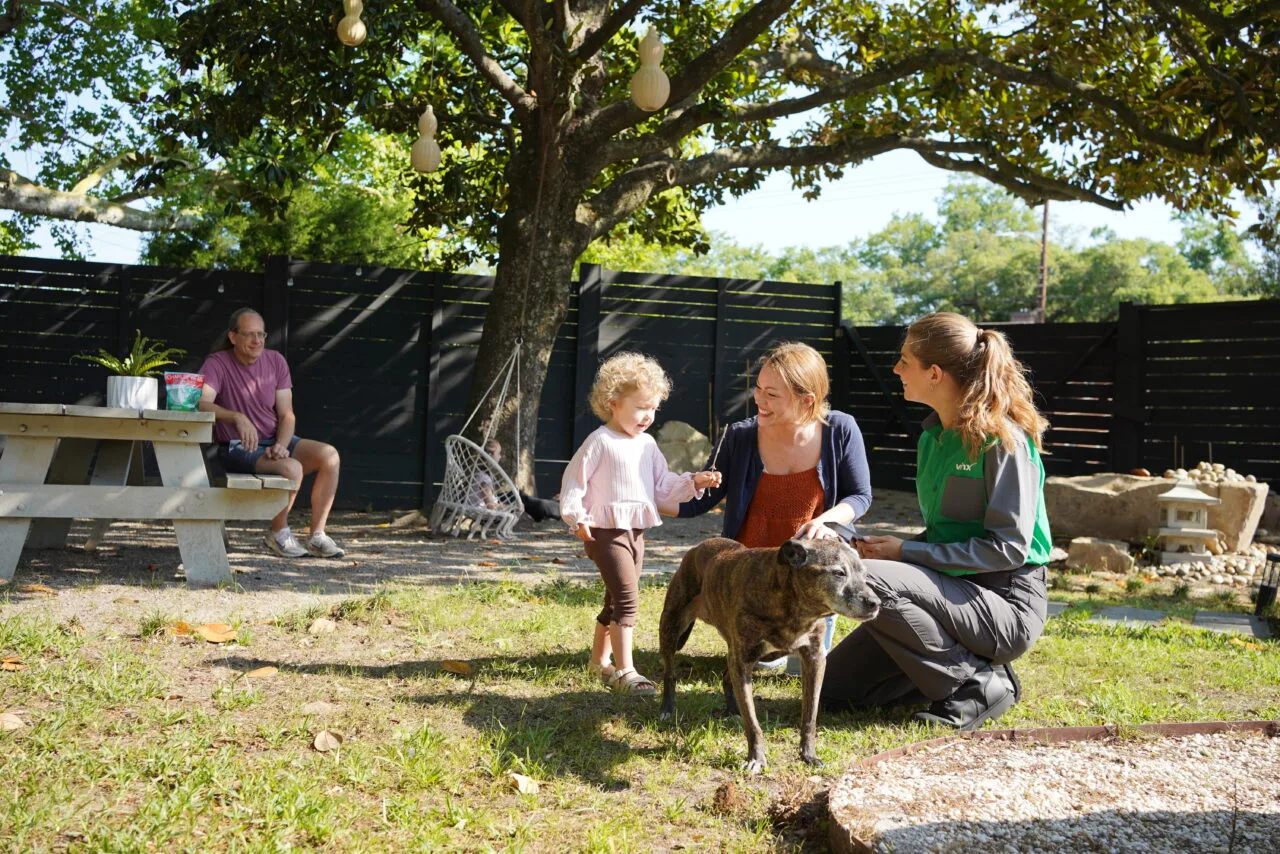
Every product we use is EPA-registered and applied strictly at labeled rates by licensed technicians. We take the guesswork out of safety so you can feel confident letting kids and pets back into treated areas quickly.
EPA-Registered Products Only
All products we apply are EPA-registered and used strictly per label requirements. Our licensed technicians are trained to apply the right product in the right place at the right rate, every time.
Short Re-Entry Interval
Exterior perimeter spray treatments dry in approximately 30–60 minutes. Once dry, treated surfaces are safe for children and pets to contact. Your technician will confirm the all-clear before leaving your property.
Interior Products Are Targeted
Interior treatments use residual dust or micro-encapsulated liquids applied directly to void spaces, cracks, and harborage areas, not broadcast sprayed across living surfaces. Product remains confined to application zones and is not accessible to children or pets in normal use.
Botanical Options Available
Have specific sensitivities or prefer a more natural approach? Ask your technician about our plant-derived treatment options. We offer botanical alternatives without sacrificing effectiveness on common spider species.
Have a concern about products used near your pets or children? Call (855) 800-8469 and we’ll walk you through exactly what we use and why it’s safe.
Explore More
More Pest Control Services in Simpsonville

Pest Control Simpsonville
Year-round protection plan
Ant Control Simpsonville
6 species treated

Bed Bug Control Simpsonville
Chemical + follow-up protocol
Cockroach Control Simpsonville
American & German roaches

Mosquito Control Simpsonville
Monthly barrier treatment
Termite Control Simpsonville
Bait systems & liquid treatment

Rodent Control Simpsonville
Trapping & exclusion

Wasp Control Simpsonville
Nest removal & prevention

Tick & Flea Control Simpsonville
Yard & pet protection
Exterminator Simpsonville
Same-day local exterminators
Straight Answer
What About the Brown Recluse?
Almost every “brown recluse” we get called out for in the Upstate turns out to be something else. The spider’s range runs from Nebraska and Texas east to southern Ohio and stops around north-central Georgia. Its very edge brushes South Carolina’s far north-western corner, which makes the Upstate the closest part of the state to it — and still leaves us outside any established population.
This has been studied here specifically. Physicians at MUSC, working with a Clemson entomologist and the leading recluse researcher in the country, went through every museum and state-agency record for South Carolina and found 44 verified specimens in the entire recorded history of the state, across six counties, every one collected inside a building rather than in natural habitat. That is the signature of spiders arriving in shipped furniture and boxes, not of a resident population. In the same state, physicians reported 738 brown recluse bite diagnoses in 2004 alone.
The usual mistaken identities here are the wolf spider and the southern house spider, whose males Clemson notes are routinely taken for recluses. The reliable tell is the eyes: a recluse has six in three pairs, nearly every look-alike has eight. The violin marking is not diagnostic on its own.
Why this matters more than a spider ID. A skin lesion blamed on a recluse is more often a bacterial infection, most commonly MRSA; one study found 29% of MRSA patients arrived reporting a spider bite. And even where recluses are common, most bites self-heal without the dramatic tissue loss the internet promises. If you have a painful, spreading wound, ask your doctor about infection rather than assuming a spider caused it.
Frequently Asked Questions
Spider Control in Simpsonville: Your Questions Answered
Spider control is included in all Vinx protection plans starting at $49/mo. Standalone one-time treatments are quoted based on property size and infestation severity. Call (855) 800-8469 or fill out the quote form for a same-day estimate.
Start from the base rate: the brown recluse is not established in South Carolina, so the odds are strongly against it. The identification test that actually works is the eyes — a recluse has six eyes in three pairs, while nearly every look-alike has eight. The violin marking is unreliable, since several harmless species carry something similar. What people actually bring us is almost always a wolf spider or a southern house spider, whose males Clemson notes are routinely mistaken for recluses. If you have caught it, keep it and show your technician, or take it to Clemson’s Plant Problem Clinic for a real identification.
Yes. Wolf spiders and house spiders are most commonly noticed indoors in fall as temperatures drop and they seek shelter. Widow spiders are present year-round but indoor sightings increase in fall when heating systems stir up settled dust and disturb harborage areas. Fall is a good time to schedule a comprehensive spider inspection and interior treatment before the colder months drive them deeper into living spaces.
Yes. All products we use are EPA-registered and applied at labeled rates. Exterior treatments are safe for pets once dry (30–60 minutes). Interior dust treatments are applied in void spaces, cracks, and crawlspace areas that pets do not normally access. Let your technician know if you have pets that access crawlspace or attic areas and we will adjust our placement accordingly.
Exterior lights attract flying insects (moths, gnats, and flies) which are the primary food source for web-building spiders like orb weavers. Switching to yellow or sodium vapor bulbs reduces insect attraction and naturally reduces spider pressure around entryways. Vinx de-webbing and perimeter treatment addresses existing populations while lighting changes prevent reinfestation over time.
Standard spider control is performed on a quarterly basis, four visits per year under the HomeGuard plan, six visits under Plus, and nine under Platinum. Between scheduled visits, if spiders return, we come back and re-treat at no additional charge. For homes with severe venomous spider pressure, we may recommend more frequent initial visits to reduce the established population before transitioning to quarterly maintenance.
Reduce clutter in storage areas, garages, and crawlspaces where widow spiders harbor. Move woodpiles away from the structure. Clear debris from foundation beds and reduce mulch depth to less than three inches. Switch exterior lights to yellow bulbs. Seal gaps around windows, doors, and utility penetrations to reduce entry points. These measures combined with professional quarterly treatment deliver the best long-term results.
No treatment eliminates spiders permanently, new spiders move in continuously from the exterior environment. What professional quarterly treatment achieves is sustained population reduction, keeping spider pressure low enough that you rarely encounter spiders indoors and the exterior of your home stays web-free between visits. Homes that maintain quarterly service see dramatically lower spider pressure than homes receiving one-time treatments.
Service Coverage
Simpsonville & Greenville County Service Area
Serving Simpsonville and surrounding Greenville County communities for spider control.