Exterminator in Daniel Island, SC
Daniel Island is a 4,000-acre master-planned island in Berkeley County, tucked between the Cooper and Wando Rivers and bounded by the tidal Beresford Creek watershed. Its mix of irrigated golf-course turf around Daniel Island Park, deepwater docks and salt marsh along Beresford Creek in Codner’s Ferry Park, and a walkable, restaurant-heavy downtown near Seven Farms each create their own pest pressure, coastal Lowcountry conditions that push termite, roach, and mosquito activity well past what inland homeowners see. Vinx treats by what this particular master-planned island actually demands. 100% satisfaction guarantee.
Get Started in 60 Seconds
Choose what’s easiest for you
Request a Quote
We usually respond in 2 minutes
Call (855) 800-8469
Get a Live Person (no AI agents here!)
Sign Up Online
Get pricing and schedule now





Welcome to Vinx Pest Control
A Company That Actually Backs What It Says
At Vinx, we combine professional-grade treatments with a level of service most pest control companies don’t offer. Local technicians, fast response times, and a guarantee that actually means something.
“I’m not passionate about killing bugs. I’m passionate about customer service. At Vinx, you get experts who show up, do the job right, and stand behind every visit. No runaround, no fine print.”

Founder & Owner, Vinx Pest Control
PROTECTION PLANS
Daniel Island Exterminator Pricing
100% money-back guarantee on every plan.
Standard Residential Protection
- 4 Seasonal Treatments Per Year
- 50+ Covered Pests
- Interior, Exterior & Yard Treatment
- Unlimited Free Re-Services
- 100% Money-Back Guarantee
- Fire Ant Yard Guarantee
- Flea & Tick Coverage
- Mosquito Treatments

Upgraded Yard Protection
- 6 Home & Yard Treatments Per Year
- 50+ Covered Pests
- Interior, Exterior & Yard Treatment
- Unlimited Free Re-Services
- 100% Money-Back Guarantee
- Fire Ant Yard Elimination Guarantee
- Flea & Tick Elimination Guarantee
- Mosquito Treatments

Most Comprehensive Protection
- 9 Treatments Per Year
- 50+ Covered Pests
- Interior, Exterior & Yard Treatment
- Unlimited Free Re-Services
- 100% Money-Back Guarantee
- Fire Ant Yard Elimination Guarantee
- Interior Flea & Tick Coverage
- 8 Mosquito Treatments (Mar–Nov)
- Free Bed Bug Treatments if Needed*
*Starting rates vary by home size and area. All plans billed monthly.
Request Your Free Pest Control Quote
Fill out the form below and a Vinx team member will reach out within 2 minutes during business hours.
Prefer to talk? Call (855) 800-8469 for a live person, no AI agents.
Our Process
How Vinx Exterminators Work a Daniel Island Property: Step by Step

Inspection & Reporting
An extermination visit on Daniel Island starts at the soil line, because in a Charleston study ninety-four percent of infested buildings were entered from ground-based colonies rather than aerial ones. A technician checks the slab edge, expansion joints and irrigation zones nearest the foundation, identifies what is actually present, and gives you a firm price before any work begins.
Exterior Foundation Treatment
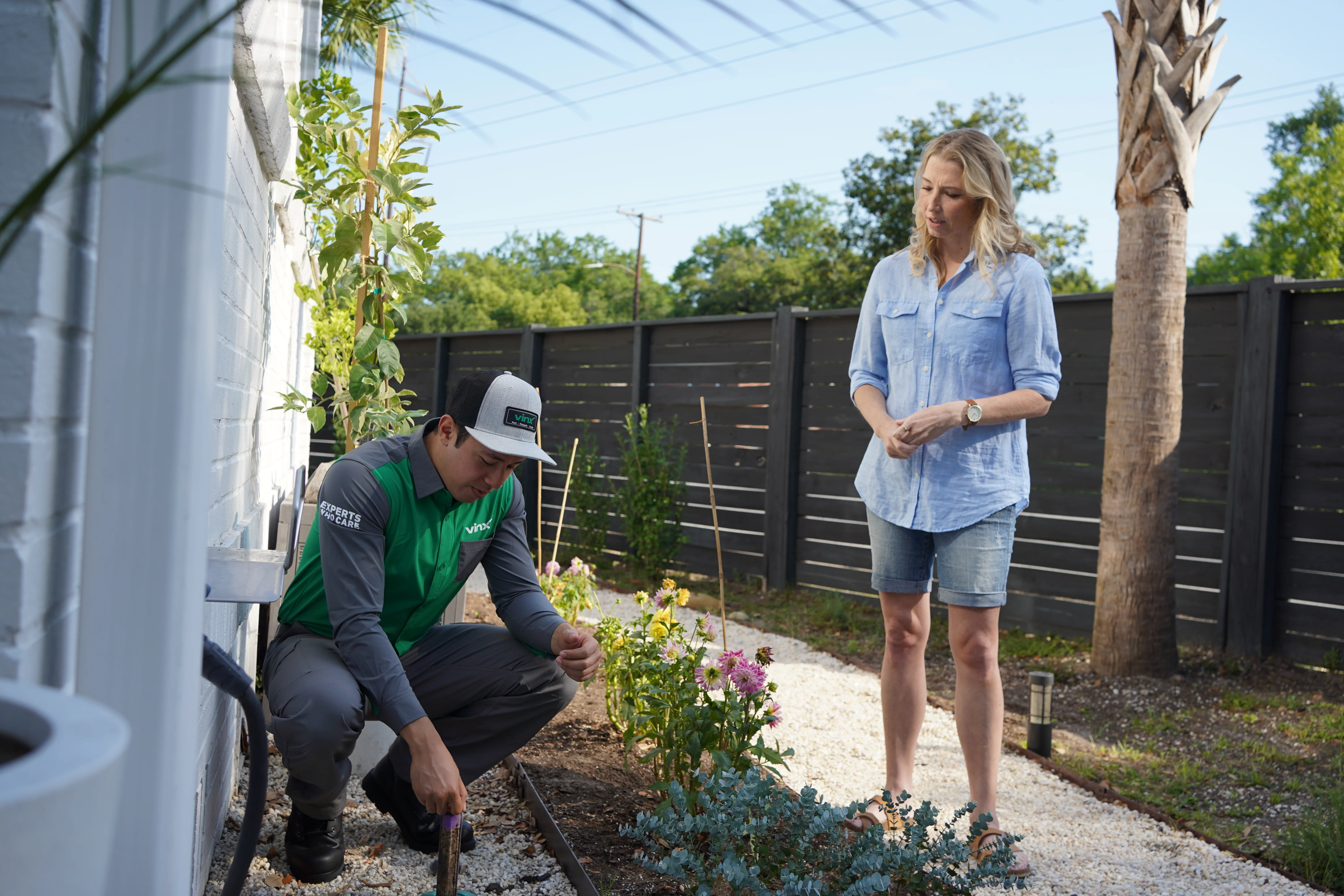
The exterior gets a micro-encapsulated barrier three feet up and three feet out, intercepting insects at the slab gaps and thresholds they actually use to get in. On the 1996 to 2005 phases, where the original pre-construction termite treatment is decades past its service life, this perimeter line matters more than the age of the house would suggest.
Yard Treatment
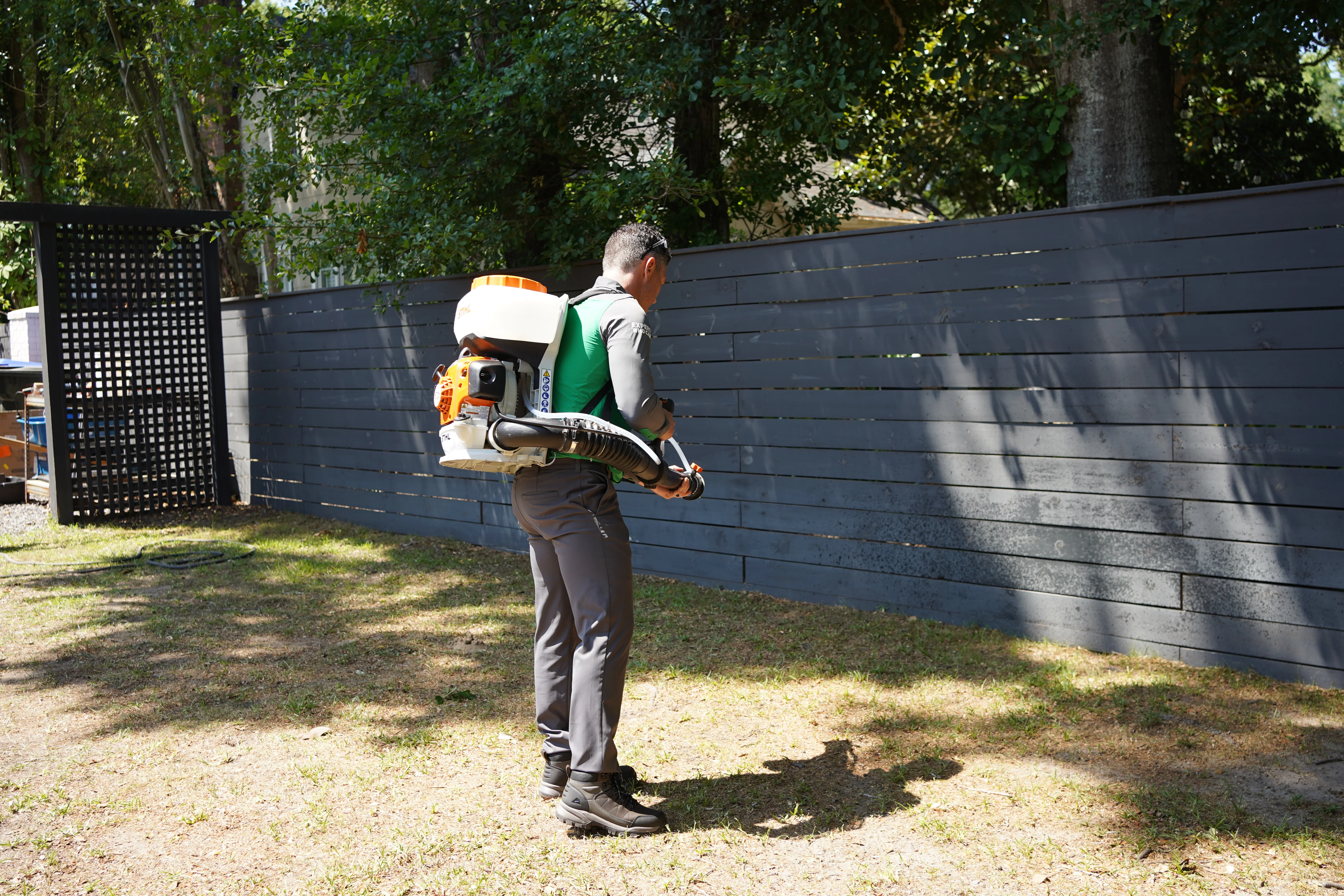
We treat the yard up to 30 feet out, because imported fire ants were already established on this former pasture and ranch land before the first house went up. Mounds along sidewalk edges and irrigated turf get direct treatment paired with a yard-wide bait program, since scattering one mound rarely ends the colony.
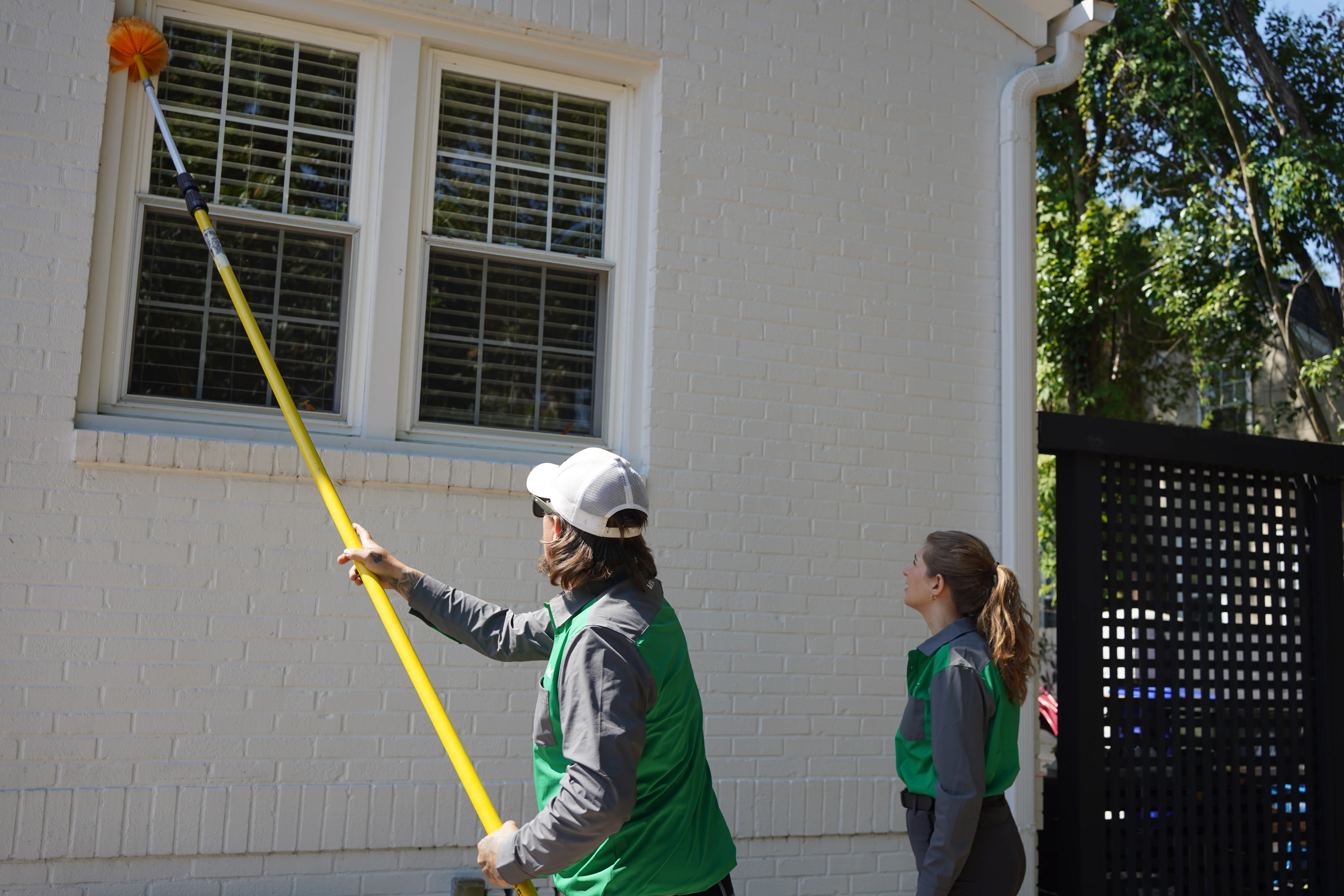
Sweep & Treat Eaves
Rooflines are swept clear of webs and early wasp nests on every visit, then spot-treated with a residual product. On marsh-front lots, where Clemson's coastal guidance calls for a buffer free of fertilizer and pesticide, the eaves pass is one of the places we can still work aggressively without touching protected ground.
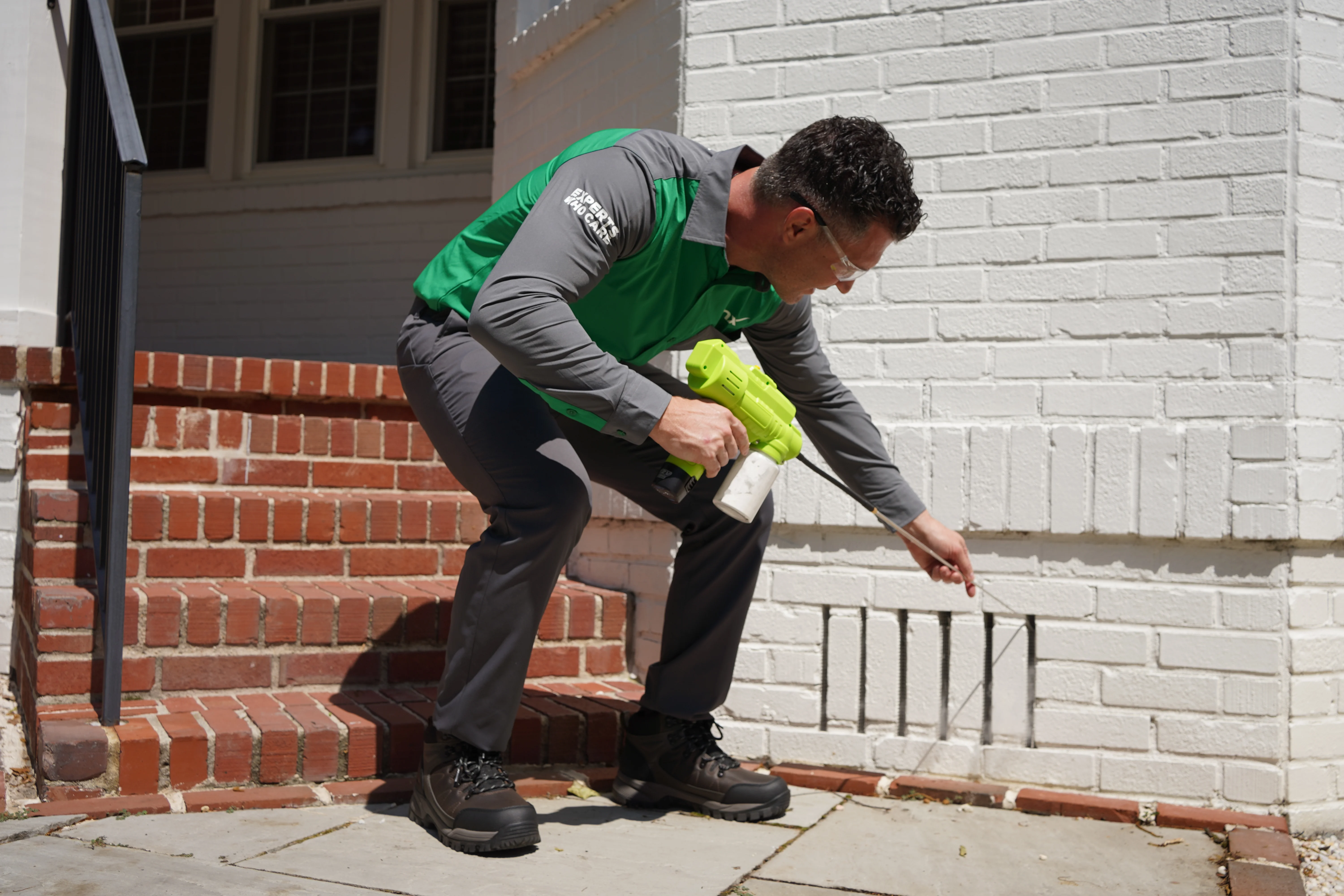
Power Dust Injection
Cracks, weep holes and expansion joints get a dust product driven in with a compressor tip, reaching wall voids a surface spray never touches. On a marsh-front lot this is often the primary structural treatment we apply, since the buffer rules limit broadcast work closer to the property line.
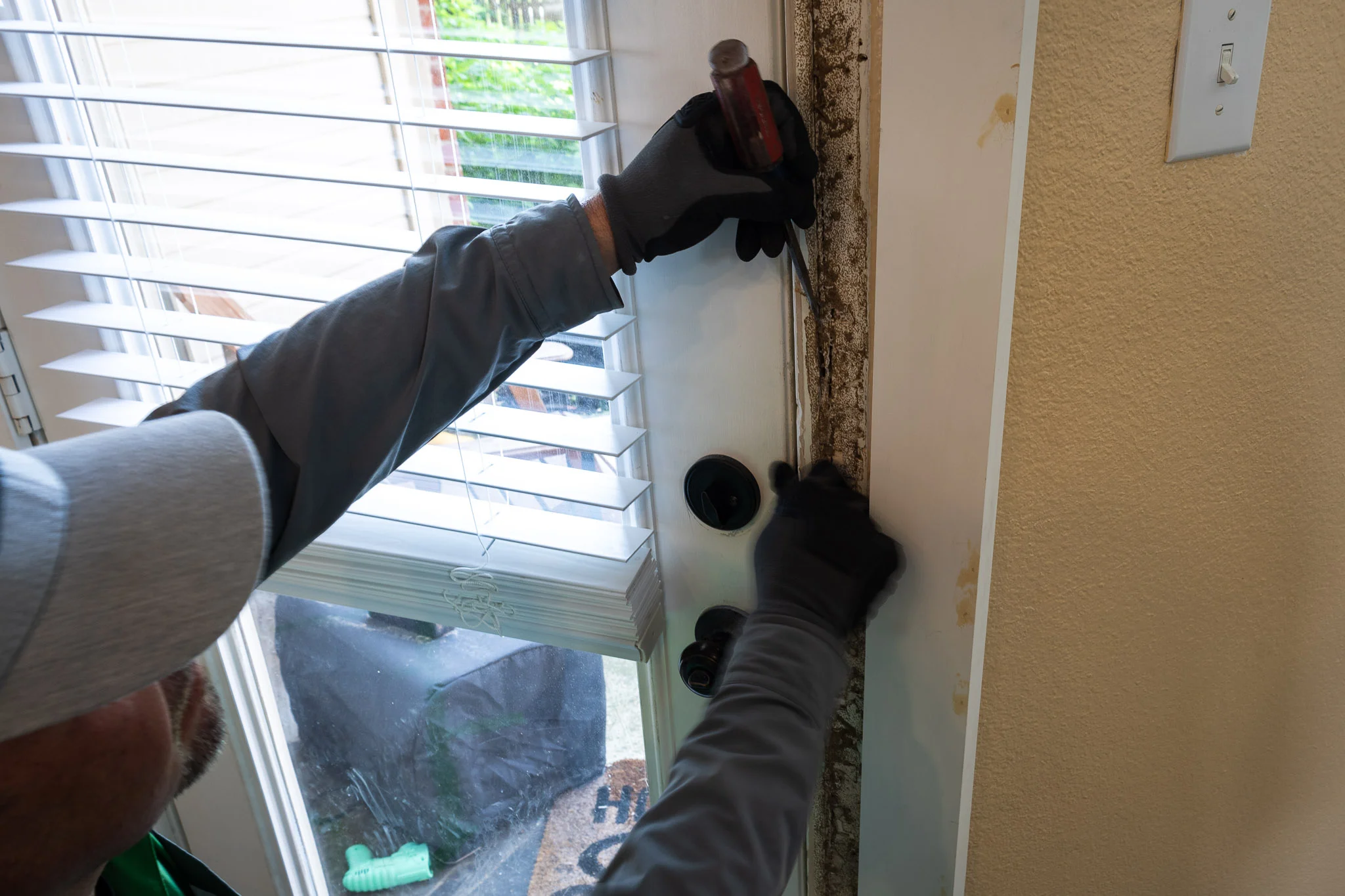
Interior Treatment (If Needed)
Where fire ants, roaches or rodents are already established indoors, we treat the harborage directly with bait and growth regulators rather than misting a room and hoping. Interior work and unlimited free re-services between visits are covered on every plan, with the marsh buffer respected throughout.
Conducive Condition Report
At the end of every visit, your technician documents any conditions increasing pest pressure, moisture entry points, foundation gaps, vegetation contact, clogged gutters, standing water near the foundation. Daniel Island's coastal environment creates specific conducive conditions that most companies never flag. We do, every single time.
Customer Reviews
Trusted by Daniel Island Families: 4.8 Stars on Google
Austin has been taking care of our house pretty much since we signed up with Vinx. He always checks with us about problem areas making sure we’re not going to have any problems. He’s an awesome young man that takes his job seriously, he takes excellent care of my house and property and I hope Vinx is taking care of him!!!
Not only are their technicians thorough and friendly. Their product really works. Great prices as well. I highly recommend anyone to give them a shot and switch to Vinx Pest Control you will not regret the decision!
Jack was very professional yet personable. He was thorough, took time to listen to my concerns. Jack also explained what he was doing so I’d understand the benefits of the services that I purchased.
Vinx, is an excellent company the man that I deal with by the name of Jack is professional polite gets the job done and it's always helpful. I've had a couple issues in the past that his company has dealt with quickly efficiently and to the best of their ability. I highly recommend this company
Jack was amazing came out quick and gave a great inspection. He gave honest and good recommendations on what to do. Will definitely be using Vinx Pest Control again and recommend you give them a shot.
Leon always does a great job! He is kind and helpful. He goes above and beyond to keep our home bug free.
New Island, Old Pressure
Why Pest Control in Daniel Island Is a Year-Round Commitment
Last updated: September 5, 2026
Daniel Island has the youngest housing stock of anywhere Vinx serves in the Charleston market — almost nothing here predates 1996. For most of the twentieth century this was not a neighborhood at all: the Harry Frank Guggenheim Foundation held the island from 1971 until 1997 and used it as a hunting retreat, on land that had previously been farmed and ranched, with some ranching continuing right up until development began. The City of Charleston adopted the master plan in 1993, construction started in 1996, and the community opened in 1997 on new urbanist principles.
6 Reasons Daniel Island Calls an Exterminator

Palmetto Bugs
American cockroaches — palmetto bugs — turn up in garages, mulch beds and irrigation boxes across the island, especially near the marsh edge where humidity stays high. Because a marsh-adjacent buffer limits broadcast treatment on frontage lots, we lean on crack-and-crevice work at the structure and bait placement in harborage rather than a perimeter spray that runs toward the buffer.
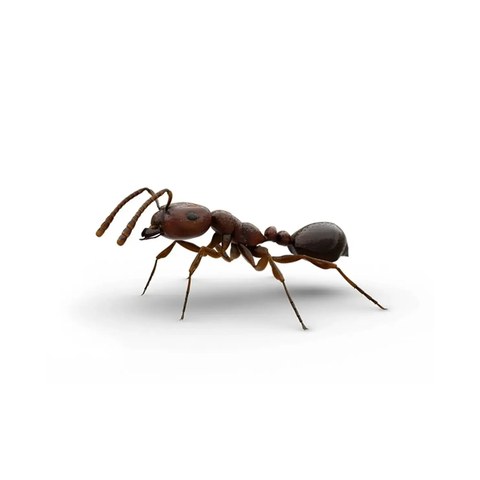
Fire & Argentine Ants
Imported fire ants are the island’s signature yard problem: the ground was pasture and ranch land for decades before it was landscaped, so the seed population was already present when the irrigation and turf went in. Mounds turn up along sidewalks, parkway strips and sunny park margins, and treating a single mound rarely ends it — we pair direct mound treatment with a yard-wide bait program.

Termites
New construction does not mean no termites. Daniel Island sits in Berkeley County, on Clemson’s list of sixteen counties with documented Formosan colonies, and the original pre-construction soil treatment on the 1996 to 2005 phases is long past its service life. We identify Formosan against native eastern subterranean termites first, since Formosan work is a different, larger job, and inspect at the soil line where ninety-four percent of entries begin.

Mosquitoes
The marsh buffer means we cannot broadcast-treat frontage lots, so mosquito control here concentrates on standing water — irrigation trays, plant saucers, boat covers, clogged two-story gutters and downspout extensions — because Clemson HGIC notes water standing five days or more will breed mosquitoes, with some species needing no more than a tablespoon. Roughly half the year’s rain falls June through September, which is when the pressure peaks.

Rodents
Field-edge rodents did not leave when the pasture became a lawn, and they show up in garages, sheds and crawl spaces, particularly on the newer phases backing onto managed woodland. Exclusion — sealing the routes in — comes first, then trapping and secured bait, since bait alone in an open structure just feeds the next arrivals.

Spiders
Spiders on Daniel Island are mostly a prey problem: where insect activity runs high near the marsh and irrigated turf, spiders follow. We treat the insect population and clear webbing at the eaves on every visit rather than escalating chemical treatment indoors for a problem that starts outside.
New construction is an advantage here, not immunity. South Carolina requires a pre-construction termite treatment on new builds, and that treatment is real protection — but it was applied to the soil once, before the slab went down, and it has a service life; on the 1996 to 2005 phases that life is long gone. Daniel Island sits in Berkeley County, one of the sixteen South Carolina counties Clemson lists with documented Formosan subterranean termite colonies, and Clemson HGIC dates the species’ introduction in Charleston to the mid-1950s — so the pressure predates every house here by roughly forty years. One number worth holding onto: in a Charleston study, ninety-four percent of infested buildings were entered from ground-based colonies and only six percent from aerial ones, which is why our inspection lives at the soil line and the slab edge rather than the attic.
The ground under these houses spent decades as pasture, field and managed woodland before it was landscaped, and imported fire ants — which thrive in open, sunny, disturbed turf — were already here waiting for the irrigation and manicured lawns that came with development. A large share of Daniel Island property also backs onto tidal marsh or a creek, where Clemson’s coastal water-quality guidance calls for a buffer of roughly ten to thirty feet free of fertilizer and pesticide; on those lots we work the structure and the hard edge instead of broadcasting to the property line. Vinx works Daniel Island as a licensed exterminator, with the wood-destroying organism license needed to inspect and issue a CL-100, on next-day appointments and a guarantee behind the work.
One clause in the local design rules matters more for pest work than anything else in them. Daniel Island Park’s guidelines require houses to sit on a raised crawl space or an elevated slab, with brick, genuine stucco or authentic oyster-shell tabby as the preferred foundation materials and, in some flood zones, a wood louver and pier system — and they state that the finish grade under the house must be no lower than the exterior grade at the foundation wall. That last line is a drainage rule in everything but name: it exists so water cannot sit under the building. When an inspection here finds standing damp in a crawl space, something has usually departed from how the house was specified.
Pest Pressure by Neighborhood
Where Daniel Island Exterminator Calls Come From
The Original Phases: Termites & Fire Ants
The original pre-construction soil treatment on these first phases is now decades old and well past the period you should rely on. We inspect the slab edge, expansion joints and any plumbing penetration first, then the irrigation zones nearest the foundation, since that is where fire ant activity and moisture both concentrate on the island’s oldest streets.
Newer Construction: Ants & Mosquitoes First
On the more recent phases the pre-treatment is still comparatively fresh and the envelope is tight, so ants and mosquitoes matter more than termites in year one. We check entry points around new utility penetrations and standing water in irrigation and downspout runs, which is where the earliest calls originate.
Marsh Frontage: The Buffer Sets the Plan
Whatever the build year, a marsh or creek-front lot has treatment options limited by Clemson’s recommended ten-to-thirty-foot buffer free of fertilizer and pesticide. We work the structure and the hard edges on these lots rather than broadcasting to the property line.
Commercial Corridor: Documented Schedules
The restaurants and offices around Seven Farms Drive run on a documented commercial schedule with service records, which is what a health inspection asks to see. Palmetto bugs and rodents are the steadiest calls in this denser, mixed-use stretch of the island.
Across the Bridge: Woodland Edge Pressure
Properties toward Cainhoy and Clements Ferry sit closer to managed woodland, which brings a steadier supply of rodents and ticks into the yard than the island interior sees. A treated boundary on the woodland side outperforms a heavier dose at the back door.
Complete Coverage
What Our Daniel Island Exterminators Treat
Every common Lowcountry pest covered under one recurring service plan
Palmetto Bugs
Year-round pressure. Drain lines, crawlspace vents, plumbing penetrations.
All Plans
Fire & Argentine Ants
Sandy coastal soil & new construction displacement. Requires Plus or Platinum.
Plus & PlatinumSpiders
Black widow, wolf spider. Cobweb removal included every visit.
All Plans
Wasps & Hornets
Nest removal from soffits and eaves. Persistent in warm coastal climate.
All Plans
Fleas & Ticks
Exterior flea/tick treatment. Interior flea covered in Platinum.
Plus & PlatinumMosquitoes
Monthly treatment Mar–Oct. Tidal proximity demands this level.
Platinum OnlyRodents
Roof rats, fence lines, power lines, roofline gaps. Exterior bait stations.
All PlansTermites
Formosan termite core range. Sentricon TotalDefense from $35/mo+.
Add-On
Bed Bugs
Covered after 12 months of Platinum service.
Platinum 12moKid & Pet Safe
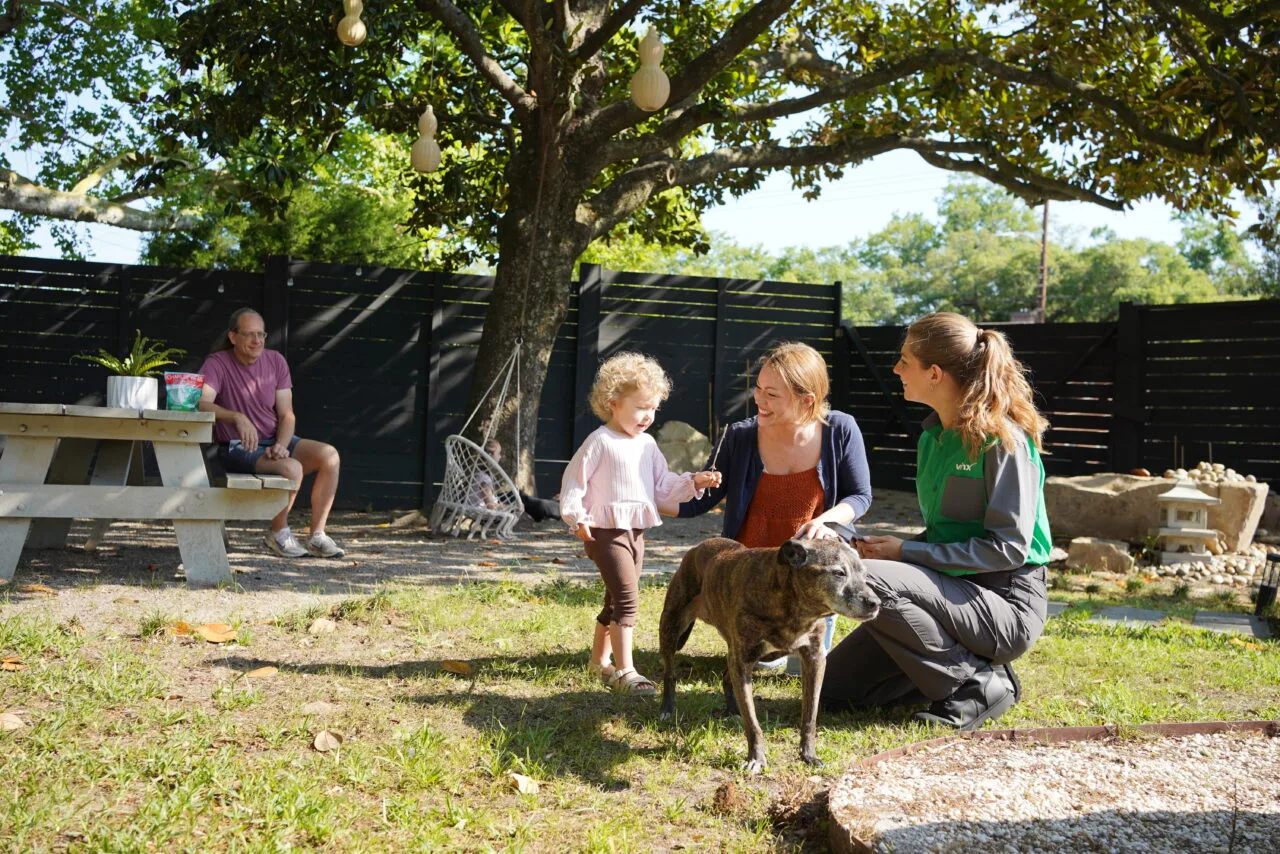
Our Treatments Are Safe for Your Whole Family: Including the Furry Members
Every product we use is EPA-registered and applied strictly at labeled rates by licensed South Carolina technicians. We take the guesswork out of safety so you can feel confident letting kids and pets back into treated areas quickly.
EPA-Registered Products Only
All products we apply are EPA-registered and used strictly per label requirements. Our licensed technicians are trained to apply the right product in the right place at the right rate, every time.
Dry Time Before Re-Entry
Exterior spray treatments dry in 30–60 minutes. Once dry, treated surfaces are safe for children and pets to contact. Your technician will confirm the all-clear before leaving your property.
Interior Treatment On Request
We treat only what’s needed, where it’s needed. Gel baits and crack-and-crevice applications keep products away from areas pets and children frequent most.
Botanical Options Available
Have specific sensitivities? Ask your technician about our plant-derived treatment options. We offer botanical alternatives for households that prefer a more natural approach.
Have a concern about products used near your pets or children? Call (855) 800-8469 and we’ll walk you through exactly what we use and why it’s safe.
Explore More
More Pest Control Services in Daniel Island
Termite Control Daniel Island
Sentricon bait system
Mosquito Control Daniel Island
Monthly barrier treatments
Ant Control Daniel Island
Household ants & others
Spider Control Daniel Island
All spider species covered
Cockroach Control Daniel Island
Palmetto bugs & German roaches
Rodent Control Daniel Island
All rodents covered
Bed Bug Treatment Daniel Island
Heat & liquid treatments

Tick & Flea Control Daniel Island
Yard & pet protection

Pest Control Daniel Island
Year-round protection plans
Frequently Asked Questions
Exterminator Daniel Island SC: Frequently Asked Questions
Recurring plans start at $49 a month; a one-off treatment is priced by pest and property, so a single-pest callout and a whole-home plan on a marsh-front lot are not the same number. The inspection is free and the price is firm before any work starts. Call 855-800-8469.
New is an advantage, not immunity. The pre-construction soil treatment was applied once, before the slab, and it has a service life — on the 1996 to 2005 phases that life is long gone. Berkeley County is on Clemson’s county tracking, and Clemson dates Formosan arrival in Charleston to the mid-1950s, so the pressure is older than the island’s houses.
Because the conditions suit them exactly. Imported fire ants prefer open sun, irrigated turf and disturbed soil, and this was pasture and field before it was landscaping, so the population was already here. Treating a single mound scatters it; the yard needs treating as a system.
No, and you should be wary of anyone who says yes. Clemson’s coastal water-quality guidance advises a ten-to-thirty-foot buffer free of fertilizer and pesticide on marsh-adjacent property. We work the structure and the hard edges and target standing water instead, which is where the larvae actually are.
Quarterly suits most Daniel Island properties. Roughly half the year’s rain falls between June and September, and ant, mosquito and roach pressure peak together in that window, so the schedule is weighted toward it rather than spread flat across twelve months.
Clemson HGIC puts Formosan swarms from mid-May into July, in the evening, heading for lights. Termite swarmers have four wings of equal length and a straight-sided waist; ants have a pinched waist and a longer front pair. Shed wings on a windowsill after a warm May evening are worth a call that week.
Yes, residential and commercial both, including the restaurants and offices around Seven Farms Drive. Commercial work runs on a documented schedule with service records, which is what a health inspection asks to see.
We cover the whole island plus Cainhoy, Clements Ferry and Mount Pleasant across the bridge. Most calls get a next-day appointment and an active infestation gets moved up. Call 855-800-8469.
More than fifty pests — ants, cockroaches, spiders, silverfish, millipedes, wasps and rodents — with interior, exterior and yard treatment and unlimited free re-services. Termites, mosquitoes and flea-and-tick are quoted separately because they need different products and visit schedules.
Service Coverage
Pest Control Across Daniel Island & the Lowcountry
Serving every neighborhood in and around Daniel Island