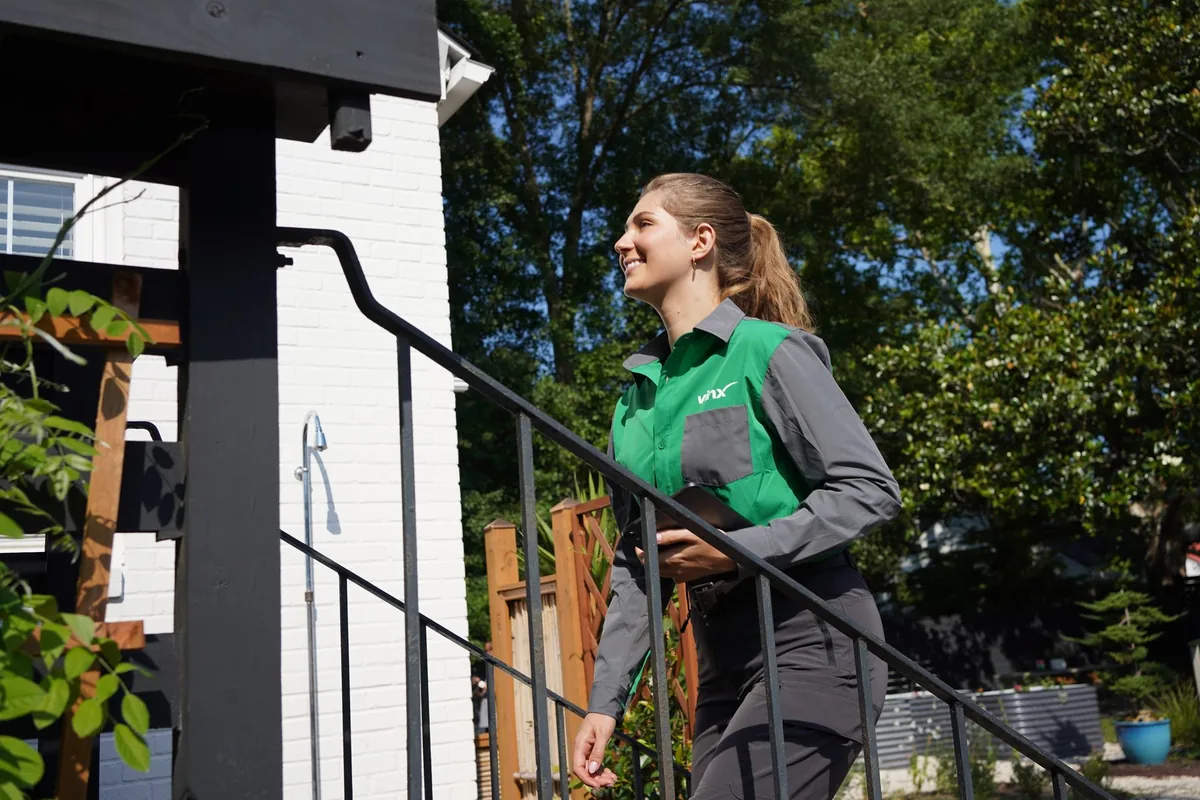
Exterminator in Hanahan, SC
Hanahan is a Berkeley County city of just over 20,000 people at the county’s southern tip, with tidal access to the Cooper River and Charleston Harbor along its waterfront neighborhoods. Its mix of tidal riverfront, the freshwater Goose Creek Reservoir at its center, the historic Yeamans Hall and Otranto grounds, fast-growing Tanner Plantation, and port-tied warehousing packs a genuinely wide range of pest pressure into about eleven square miles, coastal Lowcountry conditions that push termite, roach, and mosquito activity well past what inland homeowners see. Vinx treats by what each of these settings actually demands. 100% satisfaction guarantee.
Get Started in 60 Seconds
Choose what’s easiest for you
Request a Quote
We usually respond in 2 minutes
Call (855) 800-8469
Get a Live Person (no AI agents here!)
Sign Up Online
Get pricing and schedule now





Welcome to Vinx Pest Control
A Company That Actually Backs What It Says
At Vinx, we combine professional-grade treatments with a level of service most pest control companies don’t offer. Local technicians, fast response times, and a guarantee that actually means something.
“I’m not passionate about killing bugs. I’m passionate about customer service. At Vinx, you get experts who show up, do the job right, and stand behind every visit. No runaround, no fine print.”

Founder & Owner, Vinx Pest Control
PROTECTION PLANS
Hanahan Exterminator Pricing
100% money-back guarantee on every plan.

Standard Residential Protection
- 4 Seasonal Treatments Per Year
- 50+ Covered Pests
- Interior, Exterior & Yard Treatment
- Unlimited Free Re-Services
- 100% Money-Back Guarantee
- Fire Ant Yard Guarantee
- Flea & Tick Coverage
- Mosquito Treatments

Upgraded Yard Protection
- 6 Home & Yard Treatments Per Year
- 50+ Covered Pests
- Interior, Exterior & Yard Treatment
- Unlimited Free Re-Services
- 100% Money-Back Guarantee
- Fire Ant Yard Elimination Guarantee
- Flea & Tick Elimination Guarantee
- Mosquito Treatments

Most Comprehensive Protection
- 9 Treatments Per Year
- 50+ Covered Pests
- Interior, Exterior & Yard Treatment
- Unlimited Free Re-Services
- 100% Money-Back Guarantee
- Fire Ant Yard Elimination Guarantee
- Interior Flea & Tick Coverage
- 8 Mosquito Treatments (Mar–Nov)
- Free Bed Bug Treatments if Needed*
*Starting rates vary by home size and area. All plans billed monthly.
Request Your Free Pest Control Quote
Fill out the form below and a Vinx team member will reach out within 2 minutes during business hours.
Prefer to talk? Call (855) 800-8469 for a live person, no AI agents.
Our Process
How Vinx Exterminators Work a Hanahan Property: Step by Step

Inspection & Reporting
An extermination visit in Hanahan starts with water, not a checklist. A technician walks the property for where water sits and where it goes, because on former rice ground that map explains most of the pest pressure. Identification comes next, and you get a firm price before any work begins.
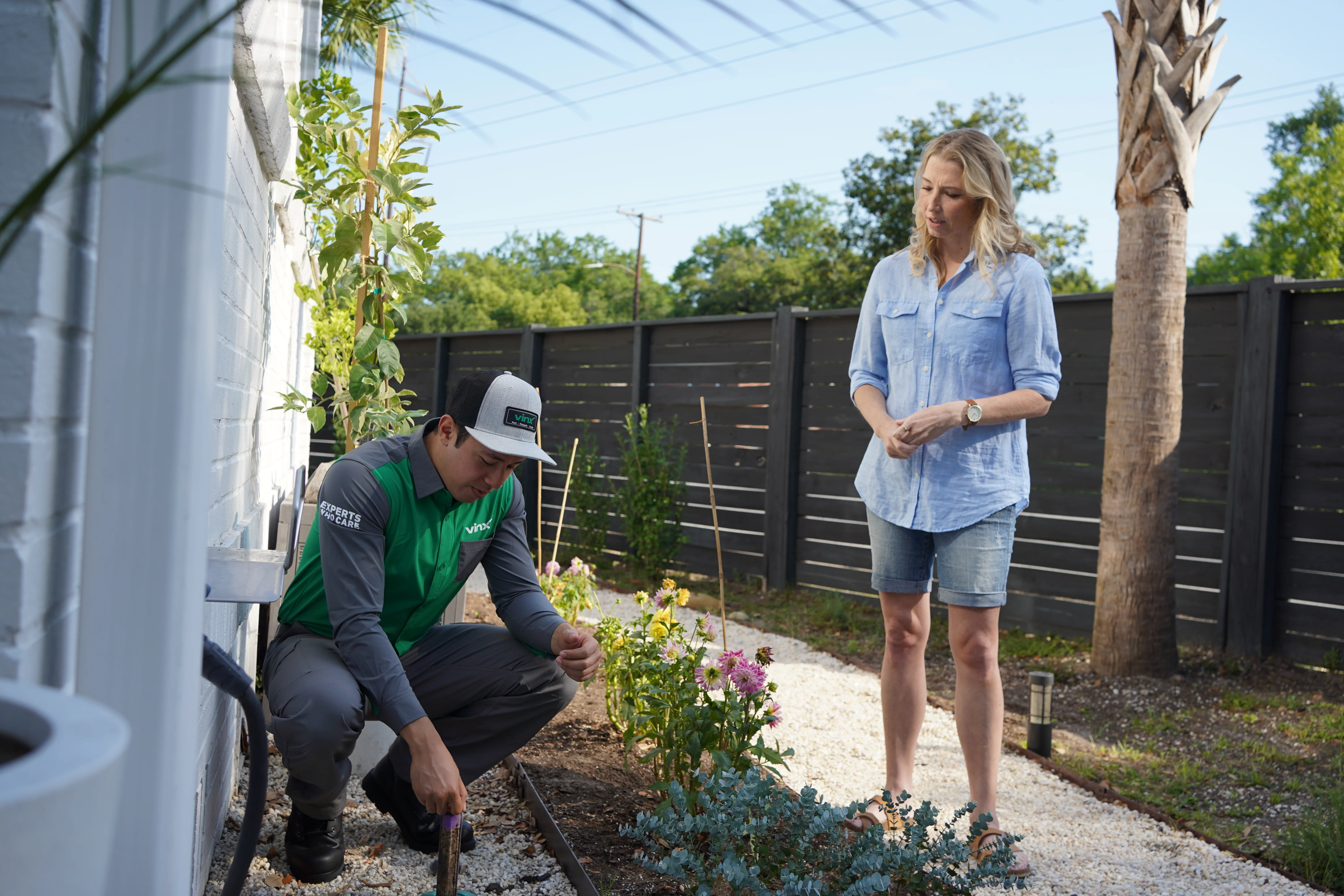
Exterior Foundation Treatment
The exterior gets a micro-encapsulated barrier three feet up and three feet out, matched to how close the lot sits to the reservoir, a feeder ditch, or a storm drain. Where runoff toward source water is plausible, application shifts to baits and structural work rather than conventional broadcast treatment.
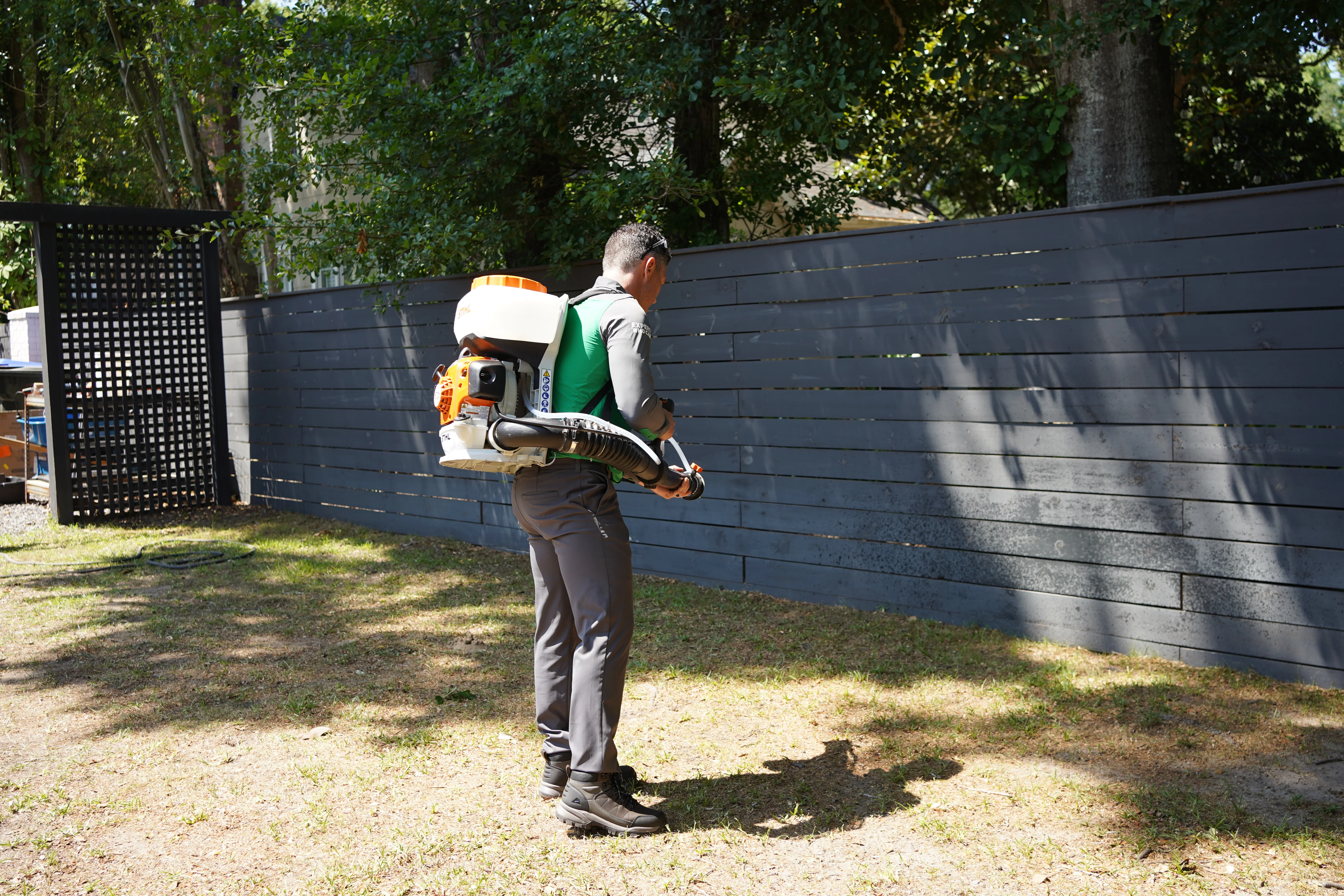
Yard Treatment
We treat the yard up to 30 feet out, correcting the swales, gutters and low corners that hold water past five days on ground still governed by rice-field drainage lines dug two centuries ago. This is where most of the mosquito pressure actually originates, not the open water people expect.
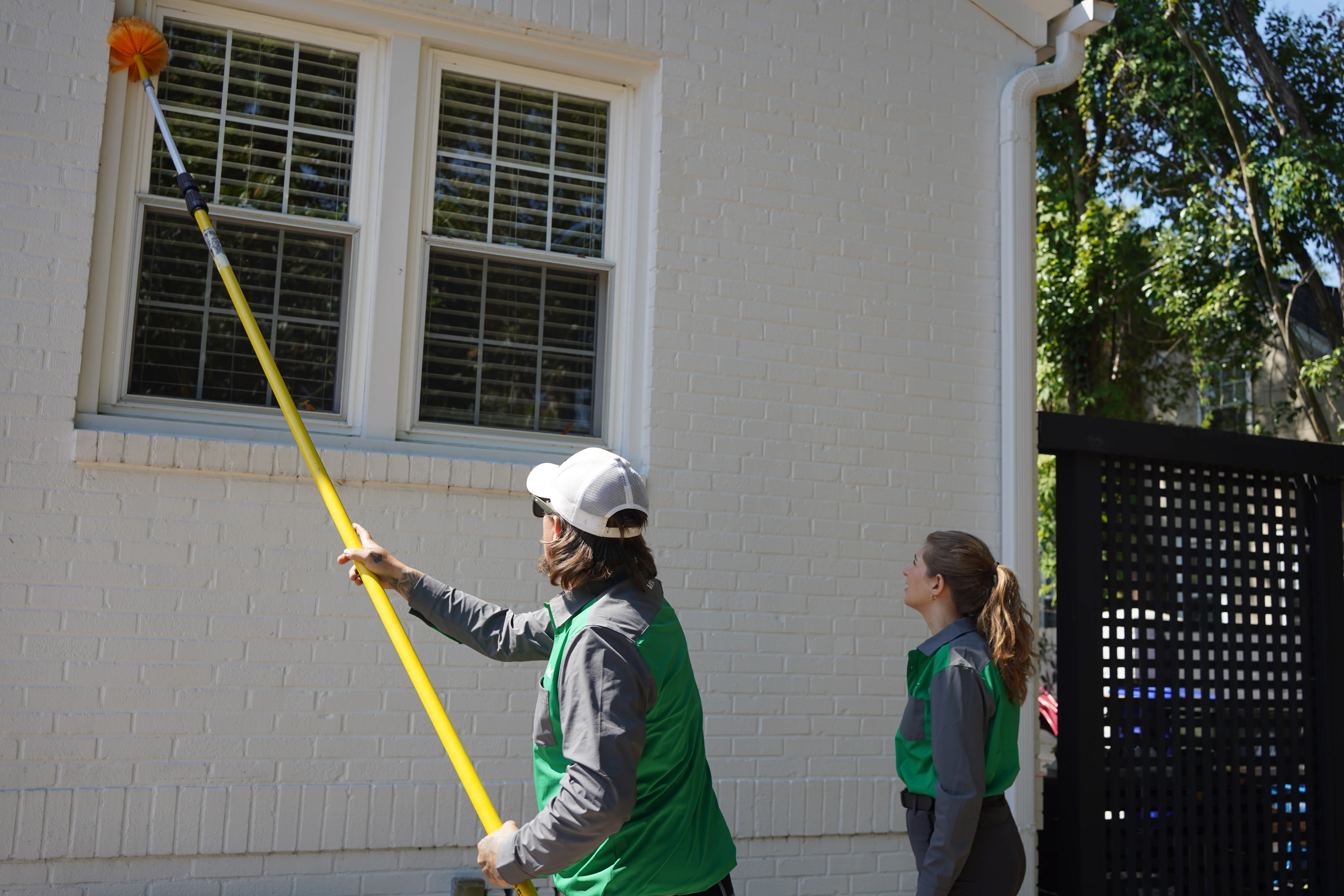
Sweep & Treat Eaves
Rooflines are swept clear of webs and early wasp nests on every visit, then spot-treated with a residual product. On properties backing onto the reservoir park, this pass also checks the boundary line where a hundred acres of managed green space keeps pushing rodents and ticks toward the structure.
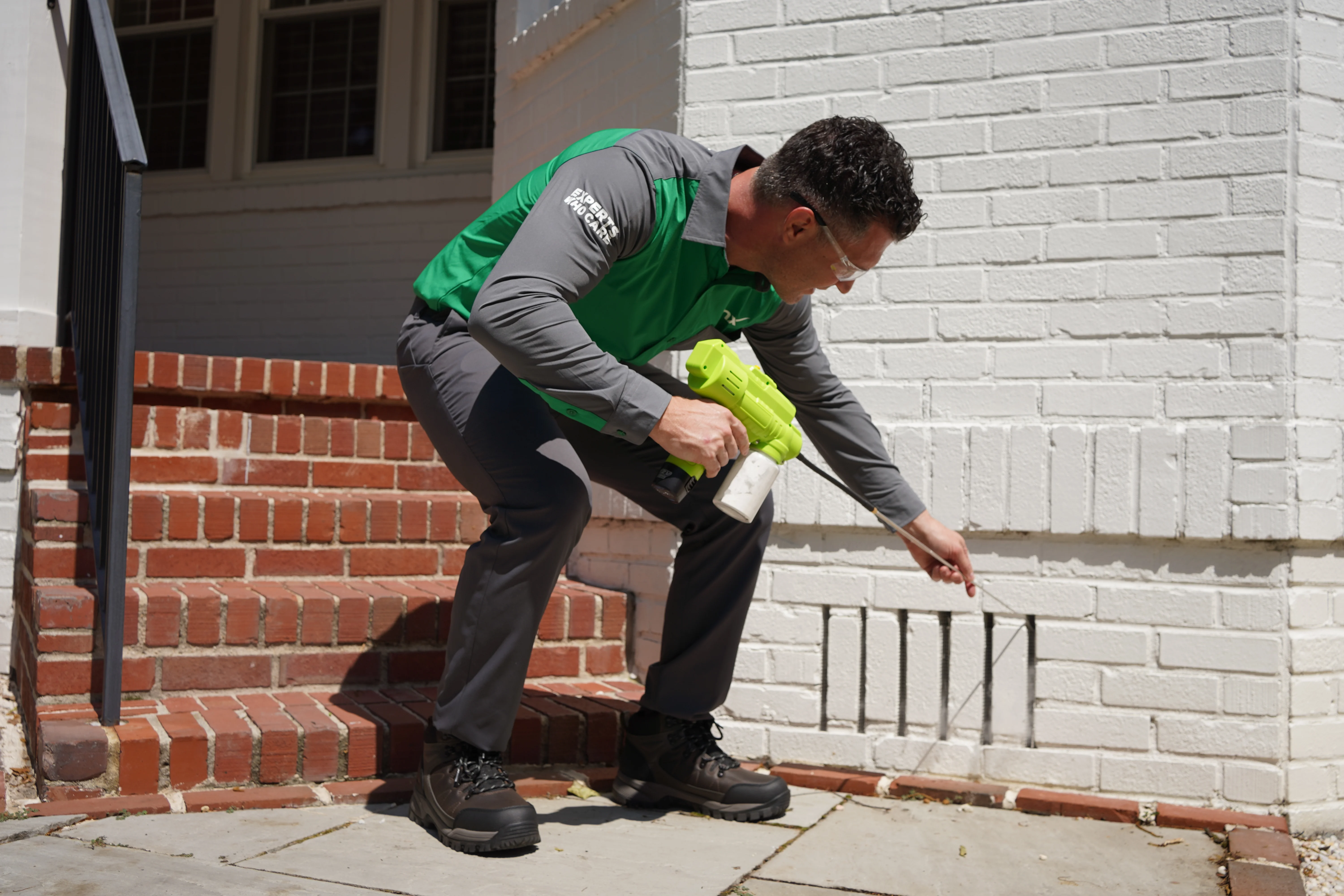
Power Dust Injection
Cracks, weep holes and expansion joints get a dust product driven in with a compressor tip, reaching wall voids a surface spray never touches. On reclaimed field ground where a crawl space dries slowly, this treatment holds up better than a product exposed to persistent moisture.
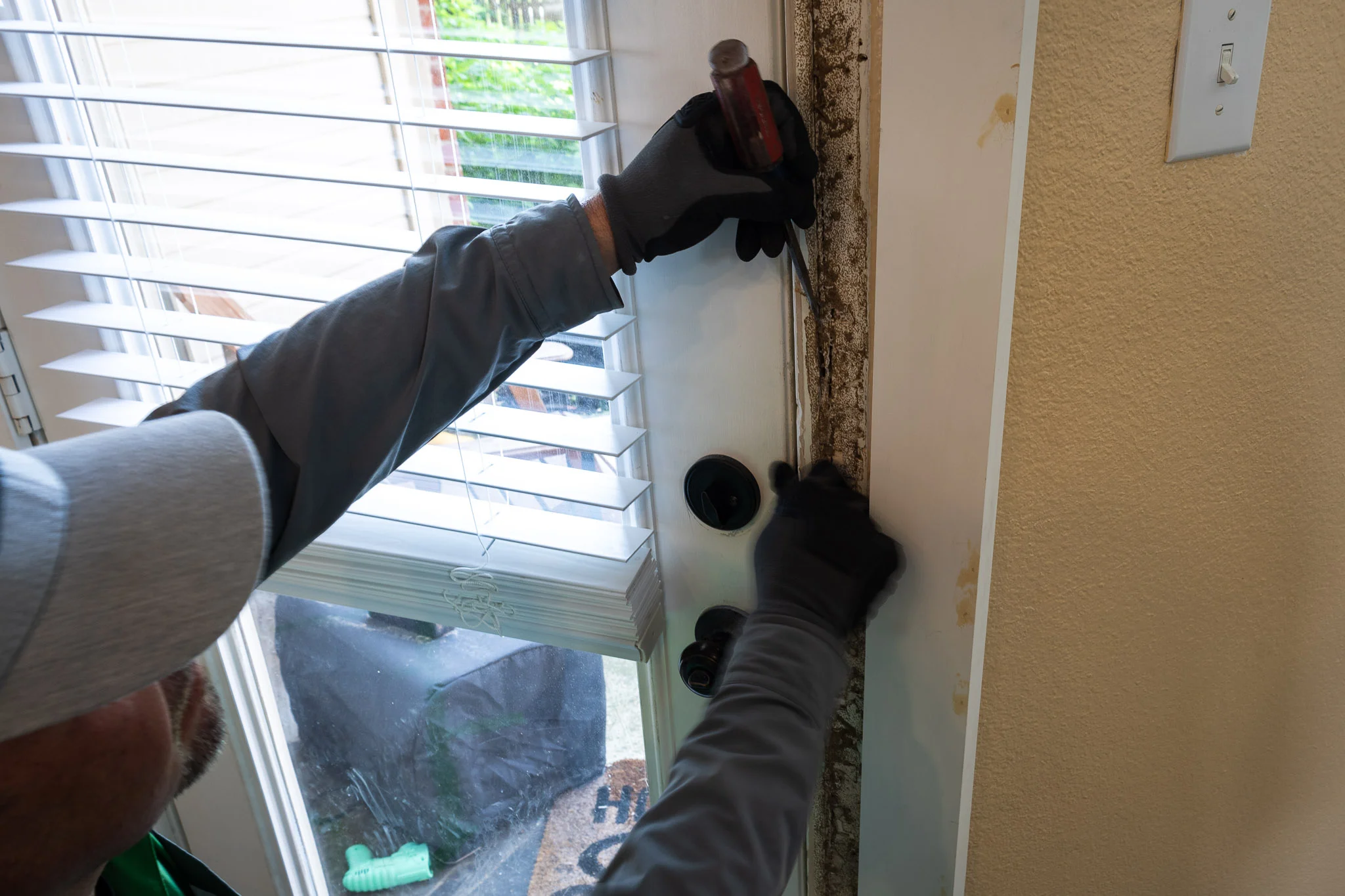
Interior Treatment (If Needed)
Where roaches, millipedes or rodents are already established indoors, we treat the harborage directly rather than misting a room and hoping. Interior work and unlimited free re-services between visits are covered on every plan, kept consistent with what can safely be applied near the water supply.
Conducive Condition Report
At the end of every visit, your technician documents any conditions increasing pest pressure, moisture entry points, foundation gaps, vegetation contact, clogged gutters, standing water near the foundation. Hanahan's coastal environment creates specific conducive conditions that most companies never flag. We do, every single time.
Customer Reviews
Trusted by Hanahan Families: 4.8 Stars on Google
John came out today, On time and was ready to provide the requested services, he explained the process and and answered all my questions. John was extremely polite and friendly. I look forward to continuing my service with Vinx.
Zavon from Vinx Pest Control did a great job! He communicated very clearly the service that he was providing as well as the results of inspection. Vinx is a great company with great technicians.
Nicholas did a great job with the rat exclusion. He knew the information and explained it well. He had a good work ethic & a pleasant attitude. It was a pleasure to work with Nicholas.
Vinx was actually early for our appointment ( that never happens in the South) and the technician, Mark, was very professional and explained in detail what needed to be done.
Vinx has been great to work with. Leon specifically has been responsive and has answered all of my questions. He's courteous and communicative. Great company to work with!
Leon Givens is a great technician he always goes above and beyond to ensure that our home is taken care of and addresses any concerns we may have. Great Job!
Rice Field, Reservoir, Reality
Why Pest Control in Hanahan Is a Year-Round Commitment
Last updated: September 5, 2026
According to the South Carolina Encyclopedia, the land that became Hanahan was prime rice-growing acreage through the eighteenth and nineteenth centuries, fronting the waters of Goose Creek. Rice culture meant banks, ditches, trunks and gates built to flood and drain fields on a tidal cycle, deliberately holding shallow water across large areas — and those earthworks do not disappear when houses arrive on top of them. Two centuries later the ground still drains along lines someone dug for a rice crop, and low ground still holds water where a field was once meant to. That is the practical origin of the mosquito pressure here, because Clemson HGIC notes that water standing five days or more will produce mosquitoes and that some species need no more than a tablespoon — and on former rice ground the standing water is rarely obvious, just a shallow swale that looks like lawn until two days after a storm.
6 Reasons Hanahan Calls an Exterminator

Palmetto Bugs
American cockroaches — palmetto bugs — and their German cousins favor the slow-drying crawl spaces and utility areas that sit over reclaimed rice-field ground. High water tables keep these spaces from drying out fully, which is exactly the harborage roaches need year-round.
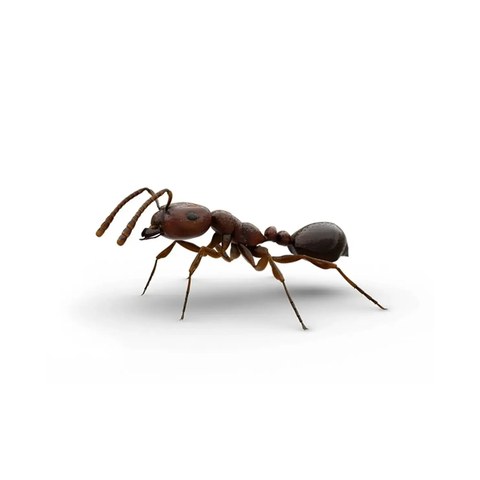
Fire & Argentine Ants
Fire ants find open, irrigated turf across Hanahan's subdivisions, and treating a single mound rarely holds since the colony simply scatters. We pair direct mound treatment with a yard-wide bait program rather than chasing individual mounds across the lawn.

Termites
Hanahan sits mostly in Berkeley County with a portion in Charleston County, both on Clemson's list of sixteen counties with documented Formosan colonies. Damp soil held against foundations by two-century-old rice-field drainage lines is precisely the condition subterranean termites exploit, so our inspection starts at the soil line.

Mosquitoes
Old rice-field swales look like lawn but hold water for days after rain, which is the real source of Hanahan's mosquito pressure — not the visible reservoir. Near the water supply we use larval treatment and baits rather than broadcast spraying, since runoff toward source water is a genuine constraint.

Rodents
The reservoir park puts a hundred acres of managed green space and water inside the city, and any property backing onto that boundary sits against a permanent reservoir of rodents. Hard exclusion on the structure plus a treated perimeter on the park side is what actually controls the pressure.

Spiders
Cellar spiders and other humidity-loving species turn up in crawl spaces slow to dry on reclaimed field ground. Correcting ventilation and drainage does more for spider pressure here than any direct chemical treatment.
The South Carolina Encyclopedia also records that the Goose Creek Reservoir later became a hundred-acre park, and that the city contains the main water plant of the Charleston Public Works Commission. That is a genuine constraint on treatment rather than a point of local trivia: product applied near a reservoir edge, a feeder ditch, or a storm drain that runs toward one is a water-quality question, not just a pest question. Our approach on properties close to that water is to work the structure and the hard edges, target larval habitat directly, and use baits rather than broadcast application where runoff is plausible.
Hanahan sits mostly in Berkeley County with a portion in Charleston County, and Clemson’s county tracking lists both among the sixteen South Carolina counties with documented Formosan subterranean termite colonies, with Clemson HGIC dating the species’ introduction in Charleston to the mid-1950s. Ninety-four percent of infested buildings in a Charleston study were entered from ground-based colonies rather than aerial ones, and on former rice ground the moisture question compounds this — consistently damp soil against a foundation is exactly the condition subterranean termites are looking for, which is why our inspection starts at the soil line rather than the kitchen.
One story from the city’s founding still describes its main practical problem. The South Carolina Encyclopedia records that when the waterworks was established here, access to the plant was hampered because Charleston County refused to pave the road — it was used only by waterworks employees — while Berkeley County would not pave it either, on the grounds that it lay in Charleston County. It took James Ross Hanahan, the utility’s first chairman, to work the two counties into agreement. The city still straddles that line today, so which county a Hanahan property actually sits in remains a live question rather than a trivial one.
Pest Pressure by Neighborhood
Where Hanahan Exterminator Calls Come From
Reservoir Frontage: No Broadcast Treatment
Directly on reservoir or park frontage, runoff reaches source water, so broadcast application is not appropriate at any dilution. We work the structure and hard edges only, targeting larval habitat directly rather than spraying over it.
Old Field Swales: The Hidden Mosquito Source
A shallow swale crossing the lot that looks like lawn is often an old rice-field ditch, and it holds shallow water for days after rain — exactly where mosquitoes actually breed. Larval treatment and drainage correction fix this permanently, rather than repeat adult fogging.
Commercial Corridor: Documented Schedules
Businesses along Remount Road run on a documented commercial schedule with service records, which is what a health inspection expects to see. Rodent and cockroach pressure here tracks with the density of food service and retail buildings.
The Old Rail Line: A Rodent Source
The rail corridor that once made this area Saxon still carries light-industrial parcels with bulk storage and intermittent occupancy, which support rodent populations that spill into adjacent residential streets. Exclusion plus a treated boundary on that side works better than more indoor bait.
The Park Edge: Ticks on the Transition Line
Tick pressure concentrates specifically where mown lawn meets the unmanaged vegetation along the reservoir park boundary. Treatment belongs on that transition line, paired with keeping the boundary strip cut back.
Complete Coverage
What Our Hanahan Exterminators Treat
Every common Lowcountry pest covered under one recurring service plan
Palmetto Bugs
Year-round pressure. Drain lines, crawlspace vents, plumbing penetrations.
All Plans
Fire & Argentine Ants
Sandy coastal soil & new construction displacement. Requires Plus or Platinum.
Plus & PlatinumSpiders
Black widow, wolf spider. Cobweb removal included every visit.
All Plans
Wasps & Hornets
Nest removal from soffits and eaves. Persistent in warm coastal climate.
All Plans
Fleas & Ticks
Exterior flea/tick treatment. Interior flea covered in Platinum.
Plus & PlatinumMosquitoes
Monthly treatment Mar–Oct. Tidal proximity demands this level.
Platinum OnlyRodents
Roof rats, fence lines, power lines, roofline gaps. Exterior bait stations.
All PlansTermites
Formosan termite core range. Sentricon TotalDefense from $35/mo+.
Add-On
Bed Bugs
Covered after 12 months of Platinum service.
Platinum 12moKid & Pet Safe
Our Treatments Are Safe for Your Whole Family: Including the Furry Members
Every product we use is EPA-registered and applied strictly at labeled rates by licensed South Carolina technicians. We take the guesswork out of safety so you can feel confident letting kids and pets back into treated areas quickly.
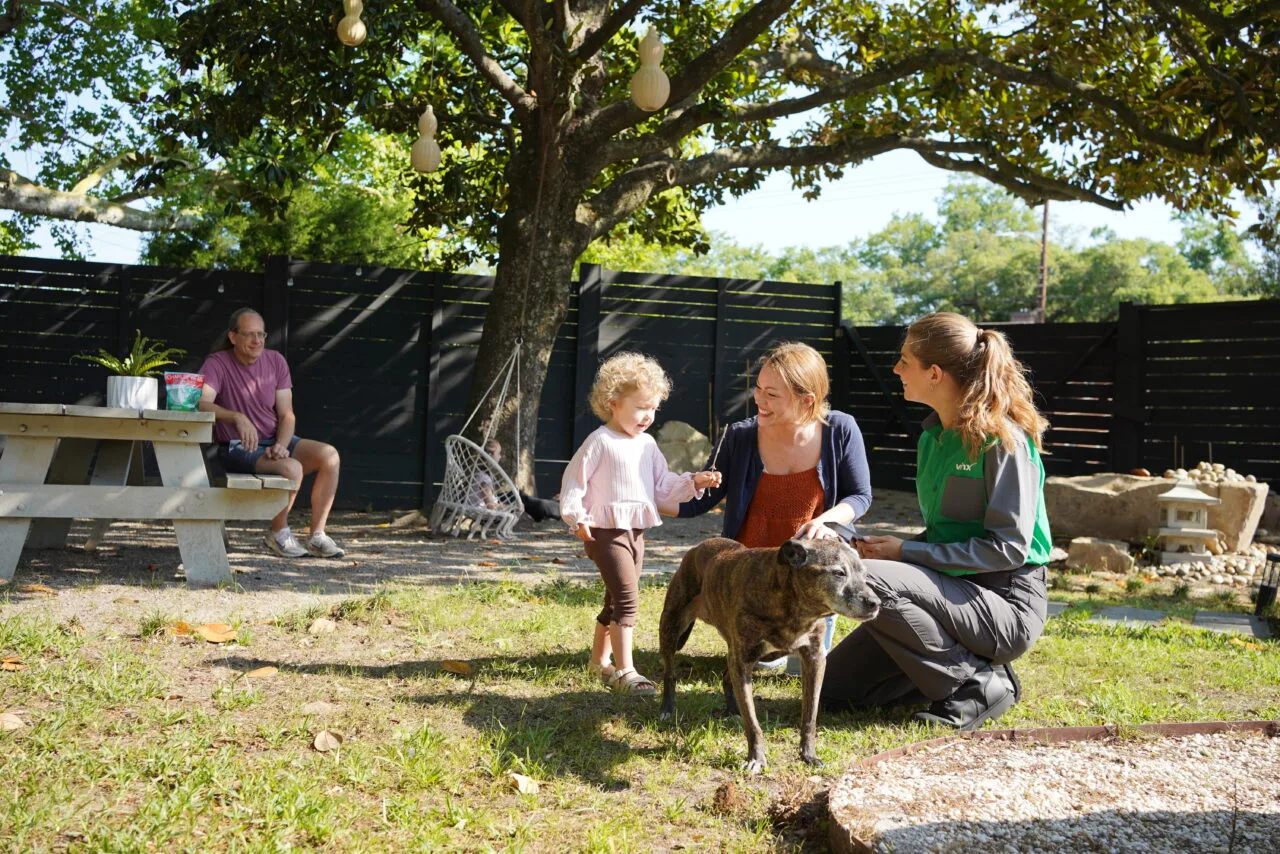
EPA-Registered Products Only
All products we apply are EPA-registered and used strictly per label requirements. Our licensed technicians are trained to apply the right product in the right place at the right rate, every time.
Dry Time Before Re-Entry
Exterior spray treatments dry in 30–60 minutes. Once dry, treated surfaces are safe for children and pets to contact. Your technician will confirm the all-clear before leaving your property.
Interior Treatment On Request
We treat only what’s needed, where it’s needed. Gel baits and crack-and-crevice applications keep products away from areas pets and children frequent most.
Botanical Options Available
Have specific sensitivities? Ask your technician about our plant-derived treatment options. We offer botanical alternatives for households that prefer a more natural approach.
Have a concern about products used near your pets or children? Call (855) 800-8469 and we’ll walk you through exactly what we use and why it’s safe.
Explore More
More Pest Control Services in Hanahan
Termite Control Hanahan
Sentricon bait system
Mosquito Control Hanahan
Monthly barrier treatments
Ant Control Hanahan
Household ants & others
Spider Control Hanahan
All spider species covered
Cockroach Control Hanahan
Palmetto bugs & German roaches
Rodent Control Hanahan
All rodents covered
Bed Bug Treatment Hanahan
Heat & liquid treatments

Tick & Flea Control Hanahan
Yard & pet protection

Pest Control Hanahan
Year-round protection plans
Frequently Asked Questions
Exterminator Hanahan SC: Frequently Asked Questions
Recurring plans start at $49 a month, and one-off treatment is priced by pest and property. On reservoir-adjacent lots the plan is shaped by what can be applied where, so the inspection matters more than usual. It is free and the price is firm before work starts. Call 855-800-8469.
Because you probably have an old rice-field swale. the South Carolina Encyclopedia records this as prime rice-growing land through the eighteenth and nineteenth centuries, and that drainage still governs where water goes. A shallow low line that looks like lawn can hold water for days, and Clemson HGIC notes five days is enough — some species need a tablespoon.
Not by broadcast, no. The reservoir and the Charleston water plant are here, so runoff is a source-water question. We work the building envelope and hard edges, target larval habitat directly and use baits where runoff is plausible. Anyone offering to fog that frontage is not treating it as drinking water.
Yes. The city sits mostly in Berkeley County with a portion in Charleston County, and Clemson’s county tracking lists both among the sixteen with documented colonies. Clemson dates the Charleston introduction to the mid-1950s. Clemson also notes a listed county does not mean uniform presence, so it is a risk to inspect for rather than a certainty.
It usually does. On reclaimed field ground a crawl space dries slowly, and slow drying brings fungal decay in the sill plus roaches and millipedes using the space as harborage. Correcting ventilation and drainage does more here than any product.
Quarterly, weighted to the wet half of the year. Roughly half the annual rainfall arrives between June and September, and on ground that holds water that is when the pressure lands.
Yes, residential and commercial both. Commercial work runs on a documented schedule with service records, which is what a health inspection expects to see.
We cover the whole city plus Goose Creek, North Charleston and Ladson next door. Most calls get a next-day appointment and an active infestation gets moved up. Call 855-800-8469.
It can be controlled, and it cannot be eliminated — a hundred acres of managed green space and water is a permanent reservoir. What works is hard exclusion on the structure itself, a treated perimeter on the park side, and removing what draws them across: bird feed, pet food and unsecured refuse. Anyone promising to clear the park side is overselling.
Yes, and it is worth doing on that edge specifically. Tick pressure concentrates where mown lawn meets unmanaged vegetation, so the treatment belongs on that transition line rather than across the whole lawn, along with keeping the boundary strip cut back.
Service Coverage
Pest Control Across Hanahan & the Lowcountry
Serving every neighborhood in and around Hanahan