
Exterminator in Cayce, SC
Licensed exterminators for Cayce homes, rentals and businesses — next-day appointments, moisture-first inspections on riverfront ground, and a guarantee behind the work.
An exterminator in Cayce is working a moisture map rather than a checklist. The city holds the Lexington County bank just below the point where the Broad and the Saluda join to form the Congaree, and that river frontage is the single biggest variable on a service call here — ants, roaches, rodents and termites all follow the water. Recurring residential service with a free re-treatment guarantee.
Get Started in 60 Seconds
Choose what’s easiest for you
Request a Quote
We usually respond in 2 minutes
Call (803) 925-8469
Get a live person (no AI agents here!)
Sign Up Online
Get pricing and schedule now





Welcome to Vinx Pest Control
A Company That Actually Backs What It Says
At Vinx, we combine professional-grade treatments with a level of service most pest control companies don't offer. Local technicians, fast response times, and a guarantee that actually means something.
Get a Free Quote"I'm not passionate about killing bugs. I'm passionate about customer service. At Vinx, you get experts who show up, do the job right, and stand behind every visit. No runaround, no fine print."
PROTECTION PLANS
Cayce Exterminator Pricing
100% money-back guarantee on every plan.

Standard Residential Protection
- 4 Seasonal Treatments Per Year
- 50+ Covered Pests
- Interior, Exterior & Yard Treatment
- Unlimited Free Re-Services
- 100% Money-Back Guarantee
- Fire Ant Yard Guarantee
- Flea & Tick Coverage
- Mosquito Treatments

Upgraded Yard Protection
- 6 Home & Yard Treatments Per Year
- 50+ Covered Pests
- Interior, Exterior & Yard Treatment
- Unlimited Free Re-Services
- 100% Money-Back Guarantee
- Fire Ant Yard Elimination Guarantee
- Flea & Tick Elimination Guarantee
- Mosquito Treatments

Most Comprehensive Protection
- 9 Treatments Per Year
- 50+ Covered Pests
- Interior, Exterior & Yard Treatment
- Unlimited Free Re-Services
- 100% Money-Back Guarantee
- Fire Ant Yard Elimination Guarantee
- Interior Flea & Tick Coverage
- 8 Mosquito Treatments (Mar–Nov)
- Free Bed Bug Treatments if Needed*
*Starting rates vary by home size and area. All plans billed monthly.
Request Your Free Pest Control Quote
Fill out the form below and a Vinx team member will reach out within 2 minutes during business hours.
Prefer to talk? Call (803) 925-8469 for a live person, no AI agents.
Our Process
How Vinx Exterminators Work a Cayce Property: Step by Step

Inspection & Reporting
On a Cayce property the inspection starts with where water is sitting or failing to drain, because on riverside ground the pest is usually a symptom rather than the whole story. In the 2015 flood the Congaree crested near 31.8 feet, one of the highest levels on record, and the city has issued voluntary evacuations for its low-lying neighborhoods on high water since. A technician traces the roach, the termite or the mosquito problem back to its source before anything is applied, and you get a plain explanation and a firm price first.
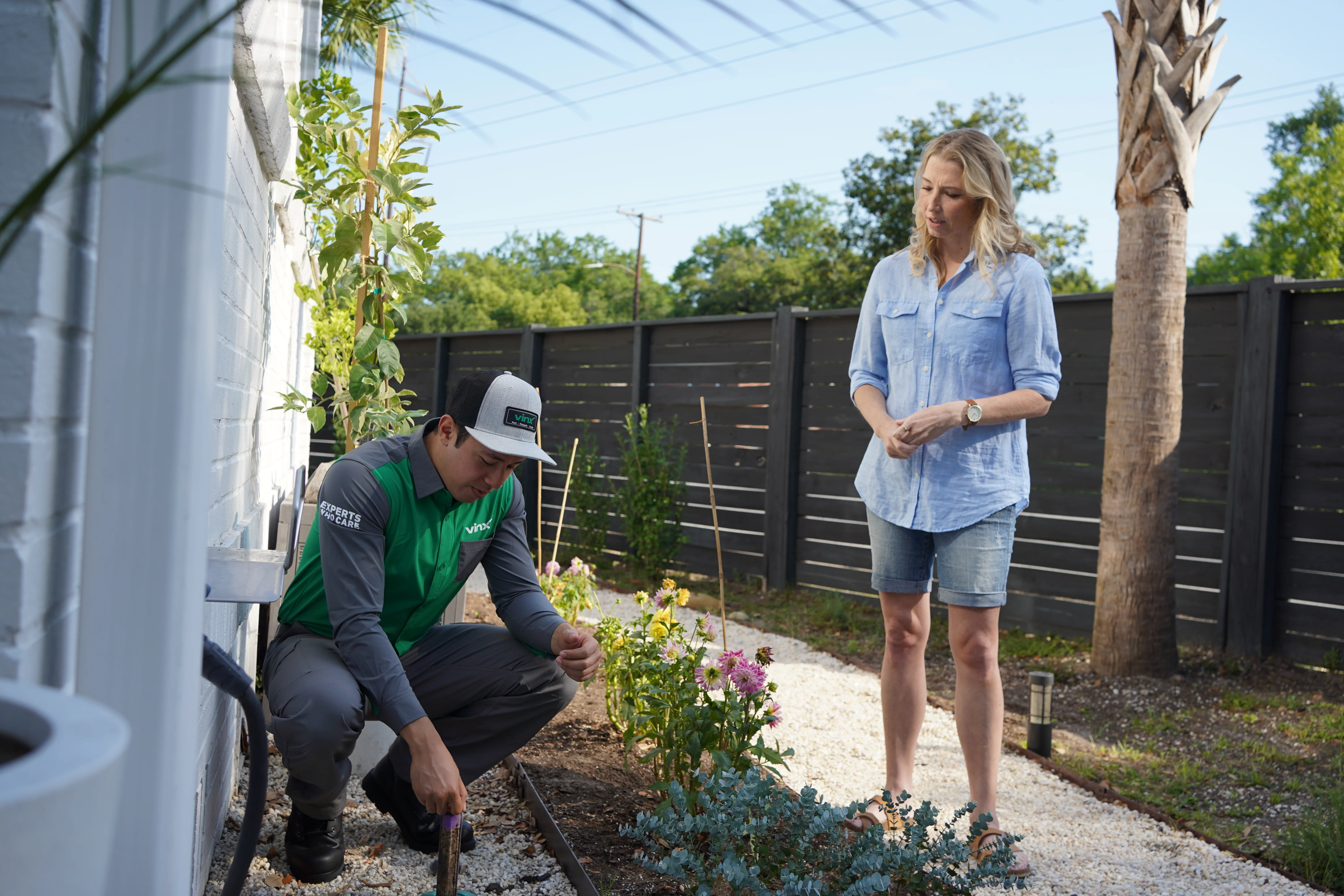
Exterior Foundation Treatment
The foundation gets a micro-encapsulated barrier three feet up and three feet out, closing the same slab gaps, weep holes and thresholds that eighty-year-old framing in The Avenues has been settling around since the Blossom Street bridge first brought this side of the river to life. On ground this close to the Congaree, that perimeter line does more work than it would on higher, drier soil.
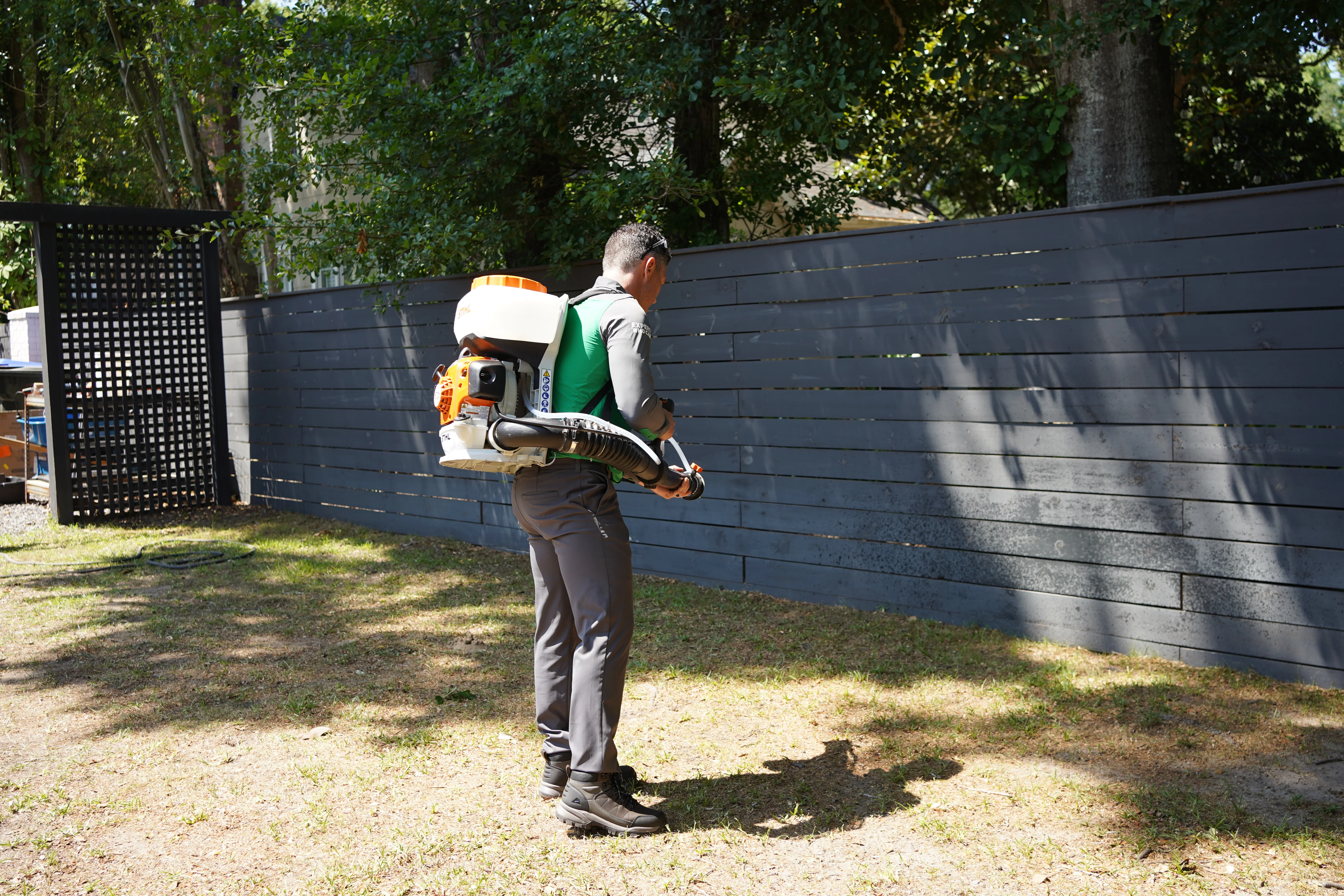
Yard Treatment
Standing water in the low corner that only shows up after a storm gets treated the same visit as the yard itself, up to 30 feet out. In the newer subdivisions of south Cayce that is mostly fire ants on open turf; along the Riverwalk corridor it is mosquito production in pockets you cannot see from the road. Flooding does not wash pests away, it relocates them: saturated soil drives ground-nesting species up and outward, rodents abandon flooded burrows for the nearest dry structure, and wet sill plates and crawl spaces become the conducive conditions a termite inspector writes up months later.
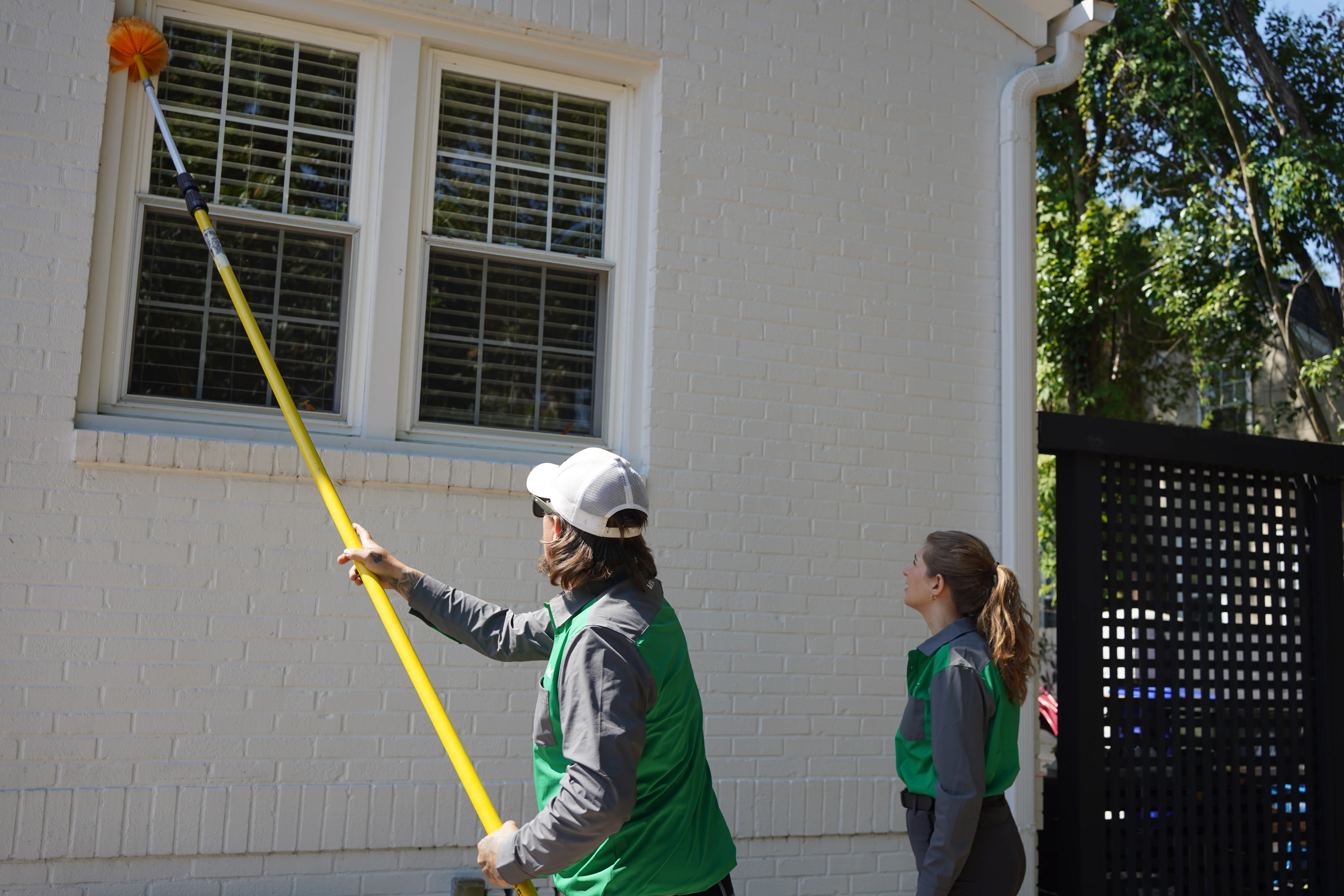
Sweep & Treat Eaves
Rooflines get swept clear of webs and early wasp activity on every visit, then spot-treated with a residual product. In the mature tree cover of Brookland-Cayce, that pass also covers the limb routes rodents use to reach a roofline, catching early activity before it becomes an attic problem.
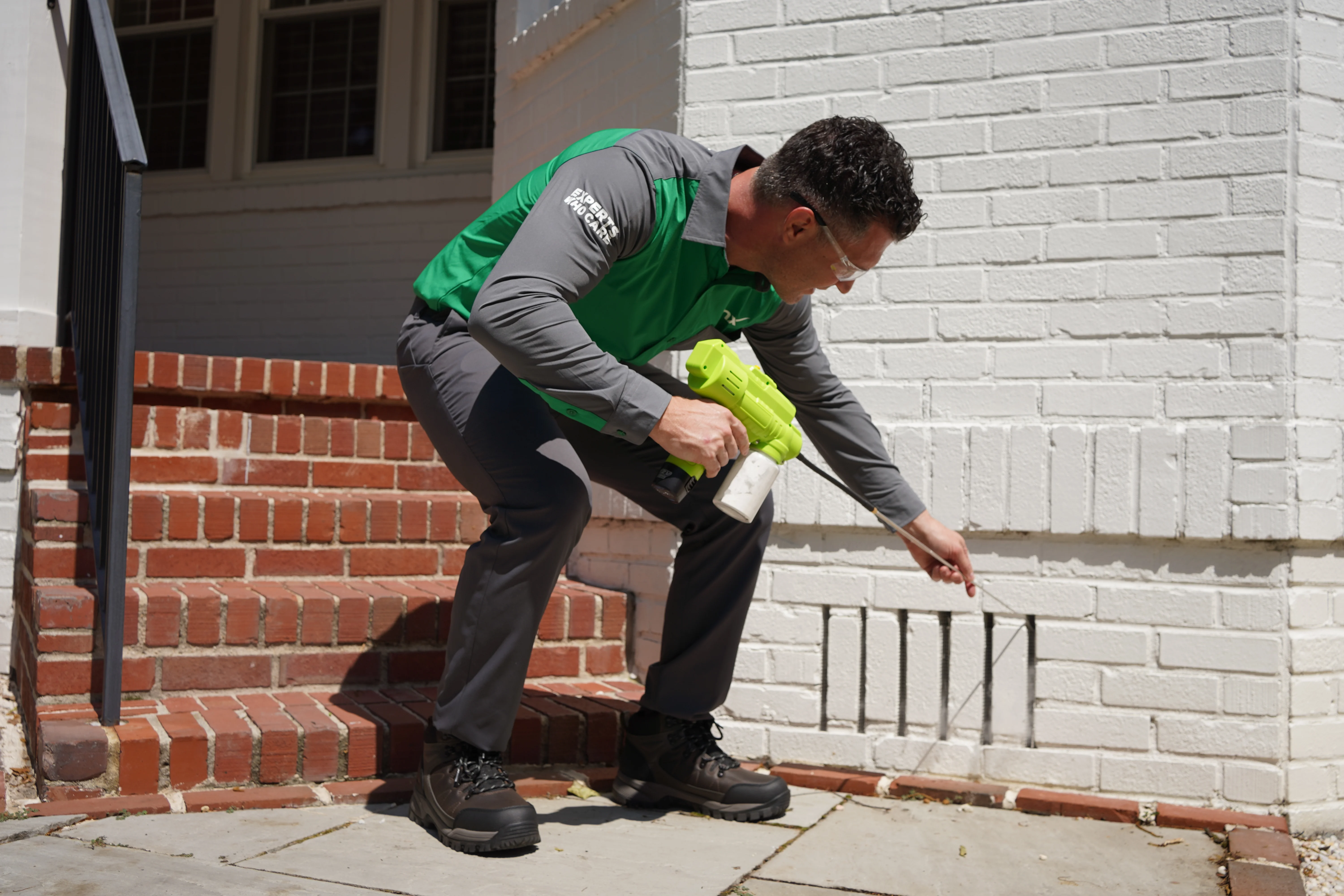
Power Dust Injection
Old cast-iron and clay drain runs, common throughout Cayce’s older housing stock, get attention here — a dust product driven into cracks, weep holes and pipe penetrations reaches the wall voids that a surface spray never touches, which matters where decades of humidity have opened more routes than any single treatment can cover at once.
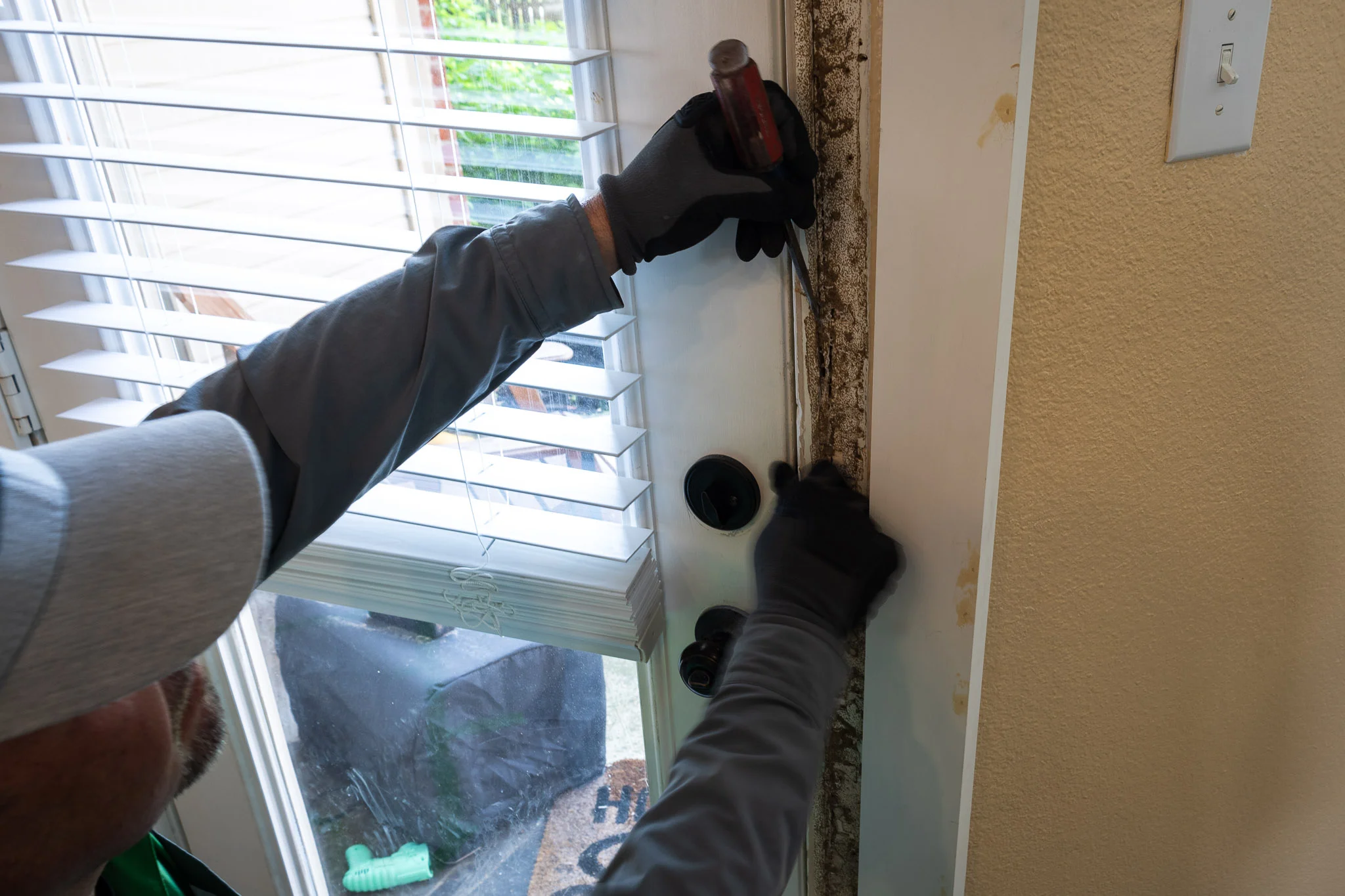
Interior Treatment (If Needed)
Where American roaches are already using the drain and sewer network as a road into the house, a pattern the whole Congaree floodplain shares, we seal the entry and treat the harborage directly rather than misting a room and hoping. For termites, that means a soil barrier paired with drainage correction, because the crawlspace has to actually dry out for the fix to hold.
Customer Reviews
Real Reviews from Cayce Homeowners
Vinx has been the best pest service I have ever had! Thank you!!
You were very helpful and answered my questions and explained what you were going to do I love that some people just show up and leave without you getting to ask questions Keep up the Great work
Wonderful service! Great customer service! Thank you for a great job!!!!👏🏾
Exemplified Professionalism and high standards!
Jonathan was the best. He went above and beyond
Have been using Vinx for a while, their service is always amazing.
Local Knowledge
Why Moisture Comes Before the Pest in Cayce
Last updated: September 5, 2026
Cayce sits right on the Congaree, with the Riverwalk running along the water and a good deal of housing close enough to the floodplain to feel it. River-adjacent ground stays damp, and damp ground is the common denominator behind most of the pest calls we take here, from mosquitoes breeding in pockets you cannot see from the road to American roaches using old drain lines to get indoors. Most of The Avenues went up in the 1940s and 50s once the Blossom Street bridge connected this side of the river to Columbia, so that dampness meets eighty-year-old framing.
6 Reasons Cayce Calls an Exterminator
Cockroaches
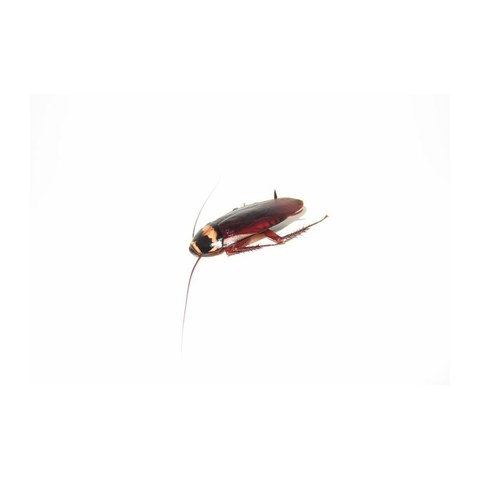
American cockroaches, the palmetto bugs, use Cayce’s old cast-iron and clay drain lines as a route indoors, especially after rain, which makes this one of the more drain-driven roach problems in the Midlands. We seal the entry points we can find and treat the harborage rather than the visible insect, working the drain-adjacent areas of The Avenues and the State Street corridor first.
Fire & Argentine Ants
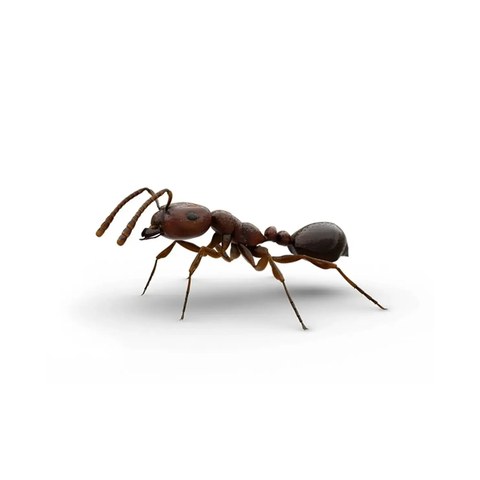
Fire ants are mostly a newer south Cayce problem, showing up on open turf in the subdivisions built since the older river neighborhoods filled in, and mound treatment paired with a yard-wide bait program is what holds them. High water does not solve it either: Texas A&M AgriLife Extension is blunt that floodwaters will not drown fire ants, because the colony leaves the soil, balls up and floats until it reaches dry ground, and a 2023 study of flood-related rafting confirmed those rafts are a real stinging hazard to anyone wading through one. After a Congaree high-water event, expect mound locations to have moved rather than gone. Argentine ants form multi-queen colony networks that can extend across several adjoining properties and need a different approach entirely, so identification comes first. Clemson's standard fire ant approach is worth knowing as the benchmark: broadcast a bait while the ants are actively foraging, then treat the stubborn mounds individually seven to ten days later.
Termites
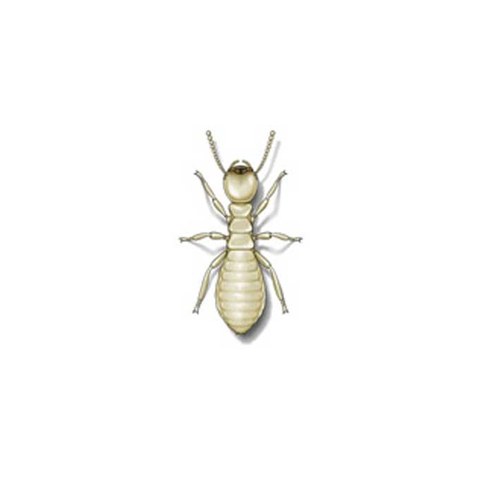
Eighty years of humidity have done real work on the sill plates and floor joists throughout The Avenues, and the eastern subterranean termite is still active in crawlspaces that never fully dry out along the river. A soil barrier plus drainage correction is the standard fix, since treating the termite without fixing the moisture just invites the next colony. Cayce is also one of the places where the Formosan question is a real one rather than a sales line: Clemson documents established Formosan colonies in sixteen South Carolina counties, and Cayce straddles two of them, Lexington and Richland. That changes the inspection rather than the product — Formosan colonies run far larger than native ones and are likelier to build aerial nests, so a suspected Formosan job gets looked at from the foundation to the roof instead of at ground level only.
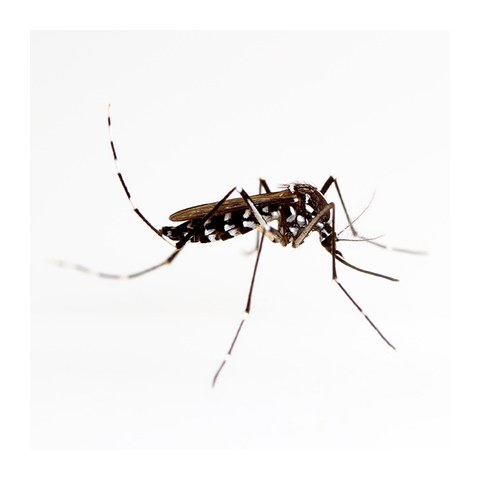
Mosquitoes
Standing water in floodplain low spots along the Riverwalk corridor is the main mosquito driver in Cayce, and it is a documented pattern — South Carolina’s health department has published specific post-flood mosquito guidance because of it. We larvicide the water we can identify and put a barrier treatment on the shaded cover where adults rest through the day.

Rodents
Mice and rats work the river-edge cover and older outbuildings, and in Brookland-Cayce’s mature tree canopy they also use overhanging limbs as a route toward the roofline. Closing the gaps comes first, then trapping and monitoring, since bait alone in an area this close to cover just draws in the next wave.
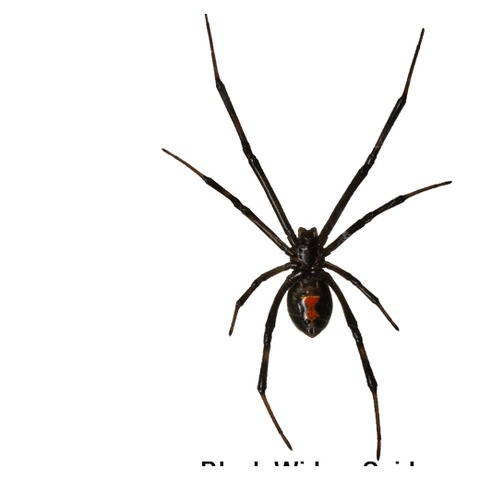
Spiders
Black widows turn up in Cayce garages, sheds and storage areas close to the river, and wolf spiders wander in from the shaded, mature landscaping around Brookland-Cayce. A spider call is generally a sign the insects they hunt are already established, so we treat the prey population and clear webbing at the eaves on every visit.
It is worth remembering that the mill village of Granby, which stood on what is now Cayce, took severe flood damage as far back as 1790; the river has always behaved this way, and every high-water event leaves standing water behind it, including the flooding the Midlands saw again in October 2015. The city's own recent history makes the same point: in December 2007 Cayce annexed roughly 3,100 acres of Richland County floodplain intending to develop it, then abandoned the plan once the evaluations came back, having concluded the ground was too flood-prone to build on. That left a large, sparsely populated wetland inside the city limits, and from a pest standpoint an untended floodplain that size is a permanent source rather than a seasonal one. South Carolina’s health department publishes specific guidance on mosquito control after flooding for exactly this reason.
On a riverside lot the pest is usually a symptom. We inspect for where water is sitting or failing to drain, deal with the active infestation, then treat and seal so the next wet spell does not simply restart it, which often means the crawlspace and the grading get as much attention as the treatment itself.
One local constraint is worth knowing before anyone promises to seal a house. In Cayce’s flood hazard areas the ordinance requires openings below the base flood elevation in enclosed areas, designed to automatically equalize hydrostatic pressure by letting floodwater both enter and leave. Those openings are not a defect and they cannot simply be closed up — blocking them defeats the flood design and can affect insurance. So on a floodplain property exclusion means screening and managing those openings rather than sealing them, and putting the effort into the rest of the envelope instead.
Pest Pressure by Neighborhood
Where Cayce Exterminator Calls Come From
The Avenues: Termites & Old Drain Lines
Most of these lettered streets went up in the 1940s and 50s once the Blossom Street bridge connected this side of the river to Columbia, leaving eighty-year-old framing on ground that sits close to the Congaree. That combination means crawlspace damp, subterranean termites, and roaches finding their way in through old drain lines.
Riverwalk Corridor: Mosquitoes After Every Rain
This floodplain stretch holds water in pockets you cannot see from the road after any significant rain, and mosquito pressure spikes accordingly. Monthly treatment timed to the wet season is what actually keeps pace with a corridor this close to the Congaree.
Brookland-Cayce: Rodents on the Limb Routes
Established, walkable and shaded by mature trees, this area sees rodents using overhanging limbs as a bridge toward the roofline, and the same shade keeps moisture pests active longer than they would be on open ground.
State Street Corridor: Cockroaches & Ants
Cayce’s historic downtown core mixes older commercial buildings with the same riverside humidity found along the Riverwalk, and cockroach pressure tied to food service, plus ant activity from established landscaping, are the most common calls along this stretch.
South Cayce: Fire Ants on Open Turf
The newer subdivisions here run a more familiar perimeter program, since open, sunlit turf is exactly the ground imported fire ants take first. Routine mound treatment and a yard-wide bait program are what hold them back.
Prevention Tips
6 Ways to Reduce Pest Pressure Around Your Cayce Home
Complete Coverage
What Our Cayce Exterminators Treat
Every common Columbia pest covered under one quarterly service plan

Ants
Ants, Argentine ants, carpenter ants, and odorous house ants. Perimeter bait, mound treatment, crack and crevice application.
All Plans
Cockroaches & Palmetto Bugs
American, Asian, and German cockroaches. Gel bait in harborage areas, exterior perimeter spray, drain treatment.
All Plans
Spiders
Web removal from eaves, exterior perimeter targeting harborage. Black widow identification and targeted treatment.
All Plans
Wasps & Hornets
Nest removal from eaves, soffits, structural voids. Preventative treatment of common nesting sites on each quarterly visit.
All Plans
Fleas & Ticks
Yard treatment targeting grassy and shaded areas. Interior treatment of active infestation areas.
Plus & Platinum
Bed Bugs
Inspection, heat treatment assessment, and targeted chemical treatment. Cayce’s university population creates consistent exposure risk.
Platinum (12mo)
Rodents
Exterior bait station monitoring included in Plus and Platinum. Active infestation and full exclusion quoted separately after inspection.
Plus & Platinum
Mosquitoes
Monthly barrier spray and larvicide. Year-round service adjusted seasonally. Up to 90% population reduction per visit.
Platinum Only
Occasional Invaders
Silverfish, earwigs, centipedes, stink bugs, ladybugs, pillbugs. Crack and crevice treatment, perimeter spray, entry point ID.
All PlansWhat to Expect
Cayce Pest Activity by Season
Most pest companies in Columbia treat when you call. Vinx’s recurring plans keep your home protected through every seasonal shift, before the pressure peaks.
| Season | Active Pests | What to Watch For |
|---|---|---|
| Spring (Mar–May) | Termite swarmers, ants, mosquitoes, spiders | Termite swarmer wings on windowsills; ant mounds appearing after rain |
| Summer (Jun–Aug) | Mosquitoes, cockroaches, ants, stinging insects | Palmetto bug activity through drains; mosquito pressure near standing water |
| Fall (Sep–Nov) | Rodents, spiders, cockroaches, stink bugs | Brown recluse spiders moving indoors; mice entering through foundation gaps |
| Winter (Dec–Feb) | Rodents, German cockroaches, cockroaches | Rodent droppings in attics; roaches active near HVAC and water heaters |
Kid & Pet Safe
Our Treatments Are Safe for Your Whole Family: Including the Furry Members
Every product we use is EPA-registered and applied strictly at labeled rates by licensed SC technicians. We take the guesswork out of safety so you can feel confident letting kids and pets back into treated areas quickly.

EPA-Registered Products Only
All products are EPA-registered and applied per strict label requirements by our licensed South Carolina technicians on every visit.
Safe Re-Entry After Drying
Exterior spray treatments dry in 30–60 minutes. Once dry, treated surfaces are safe for children and pets. Your technician confirms before leaving.
Interior Treatment On Request
We treat only what’s needed, where it’s needed. Gel baits placed in areas inaccessible to pets and children for maximum safety.
Botanical Options Available
Ask your technician about our plant-derived treatment options for households that prefer a more natural approach to pest control.
Have a concern about products near your pets or children? Call (803) 925-8469 and we’ll walk you through exactly what we use and why it’s safe.
Explore More
More Pest Control Services in Cayce
Ant Control Cayce
Household ants & others
Bed Bug Treatment Cayce
Heat & liquid treatments
Mosquito Control Cayce
Monthly barrier treatments
Rodent Control Cayce
All rodents covered
Spider Control Cayce
All spider species covered
Wasp Control Cayce
Nest removal & prevention

Tick & Flea Control Cayce
Yard & pet protection

Pest Control Cayce
Year-round protection plans
Cockroach Control Cayce
Roach removal & prevention

Termite Control Cayce
Bait systems & liquid treatment
Frequently Asked Questions
Exterminator Cayce SC: Frequently Asked Questions
Usually the next day, and faster for anything actively spreading.
Because floodplain ground holds water in places you cannot see from the driveway, and every one of those pockets is a nursery. It is a well enough known pattern in South Carolina that the state health department publishes post-flood mosquito guidance for it.
One-off work is priced by the pest and the property; plans begin at $49 a month behind a $329 first treatment. Call 855-800-8469.
Frequently, yes. The large roach people call a palmetto bug is the American cockroach, and near the river it uses drain and sewer lines to get in, particularly after rain.
Here, yes — which is not true of most of the state, and it is worth being precise about. Clemson's Home & Garden Information Center documents established Formosan colonies in sixteen South Carolina counties: Aiken, Bamberg, Beaufort, Berkeley, Charleston, Colleton, Dorchester, Georgetown, Horry, Jasper, Lexington, Orangeburg, Pickens, Richland, Sumter and York. Cayce sits across Lexington and Richland, so unlike an Upstate town it is inside the documented range on both sides of its own city limits. Clemson is equally clear that being on the list does not mean the species is spread evenly through a county, and that Formosans are not the super termites they get called — workers are indistinguishable from native ones side by side, they eat wood at about the same rate, and the same termiticides and baits kill both. The two differences that matter are colony size, which can run to a million or more workers against roughly 100,000 for a native colony, and a greater tendency to build aerial nests. That is why a suspected Formosan inspection covers the structure from the foundation to the roof rather than stopping at the first floor.
Yes. Most South Carolina lenders want the CL-100 wood infestation report before closing, and on damp riverside ground it is worth having done properly.
Yes, EPA-registered and applied by a licensed technician, safe once dry.
Because the ground near the Congaree holds water and the humidity has nowhere to go. Clearing the vents, correcting the downspouts and grading away from the wall usually does more for the pest problem than any spray.
Yes. Granby, on the site of modern Cayce, was badly flooded as far back as 1790, and the Midlands saw it again in October 2015. Every event leaves pockets of standing water, and mosquito numbers follow within days.
Work through it in order, because a flood changes what is on the property rather than simply wetting it. Standing water left in low spots is the immediate problem: container-breeding mosquitoes go from egg to biting adult in seven to ten days, so anything still holding water a week later is already producing. Fire ants are the hazard people do not expect — floodwater does not drown a colony, it floats it, so a mat of ants on the surface or newly stranded on high ground will swarm if disturbed, and mound positions will have shifted from where they were before. Rodents move too, pushed out of the floodplain cover toward whatever is dry, which usually means outbuildings and crawlspaces. And the slower damage is moisture: a crawlspace that took water and never fully dried is what invites the next subterranean termite colony, which is why we look at grading and drainage alongside the treatment rather than after it. South Carolina's health department publishes post-flood mosquito guidance for the Midlands for exactly these reasons.
Service Coverage
Pest Control Across Cayce & the Greater Columbia Area
Vinx technicians cover every neighborhood in Cayce and the surrounding Columbia metro area.