Exterminator in Hopkins, SC
Licensed exterminators for Hopkins homes near Congaree National Park — next-day appointments, floodplain-focused mosquito service, and a guarantee behind the work.
Hopkins is a genuinely rural stretch of Lower Richland County, and its pest pressure reflects that. Bluff Road carries residents toward Congaree National Park’s old-growth floodplain forest just a few miles south, the unincorporated community of Horrell Hill sits near Fort Jackson along Garner’s Ferry Road, and the neighborhoods around Hopkins’ own schools see a steadier residential mix than the swampy, low-lying land nearby. Vinx treats each part of Hopkins according to what it actually needs.
Get Started in 60 Seconds
Choose what’s easiest for you
Request a Quote
We usually respond in 2 minutes
Call (855) 800-8469
Get a live person (no AI agents here!)
Sign Up Online
Get pricing and schedule now





Welcome to Vinx Pest Control
A Company That Actually Backs What It Says
At Vinx, we pair professional-grade treatment with a level of follow-through most pest control companies skip. Local technicians, fast response, and a guarantee that holds up after the invoice is paid.
Get a Free Quote"I'm not passionate about killing bugs. I'm passionate about customer service. At Vinx, you get experts who show up, do the job right, and stand behind every visit. No runaround, no fine print."
PROTECTION PLANS
Hopkins Exterminator Pricing
100% money-back guarantee on every plan.

Standard Residential Protection
- 4 Seasonal Treatments Per Year
- 50+ Covered Pests
- Interior, Exterior & Yard Treatment
- Unlimited Free Re-Services
- 100% Money-Back Guarantee
- Fire Ant Yard Guarantee
- Flea & Tick Coverage
- Mosquito Treatments

Upgraded Yard Protection
- 6 Home & Yard Treatments Per Year
- 50+ Covered Pests
- Interior, Exterior & Yard Treatment
- Unlimited Free Re-Services
- 100% Money-Back Guarantee
- Fire Ant Yard Elimination Guarantee
- Flea & Tick Elimination Guarantee
- Mosquito Treatments

Most Comprehensive Protection
- 9 Treatments Per Year
- 50+ Covered Pests
- Interior, Exterior & Yard Treatment
- Unlimited Free Re-Services
- 100% Money-Back Guarantee
- Fire Ant Yard Elimination Guarantee
- Interior Flea & Tick Coverage
- 8 Mosquito Treatments (Mar–Nov)
- Free Bed Bug Treatments if Needed*
All plans include a $329 initial treatment and a 12-month agreement. Termite protection (Termite TotalDefense, starting at $35/mo standalone) is quoted separately after a free inspection — Hopkins’ proximity to the Congaree floodplain means some properties may warrant a closer look assessed on-site. *Starting rates vary by home size and area. All plans billed monthly.
Get Your Free Hopkins Pest Inspection
Fill out the form below and a Vinx team member will reach out within 2 minutes during business hours.
Prefer to talk? Call (855) 800-8469 for a live person, no AI agents.
Our Process
How Vinx Exterminators Work a Hopkins Property: Step by Step

Inspection & Reporting
Hopkins sits beside 26,000 acres of floodplain forest, and nobody is going to larvicide Congaree National Park, so an inspection here starts with what is actually controllable on your own property. A technician identifies every container, tarp and low spot holding water, checks the crawlspace for the bottomland damp that also feeds subterranean termites, and gives you a firm price before starting.
Exterior Foundation Treatment
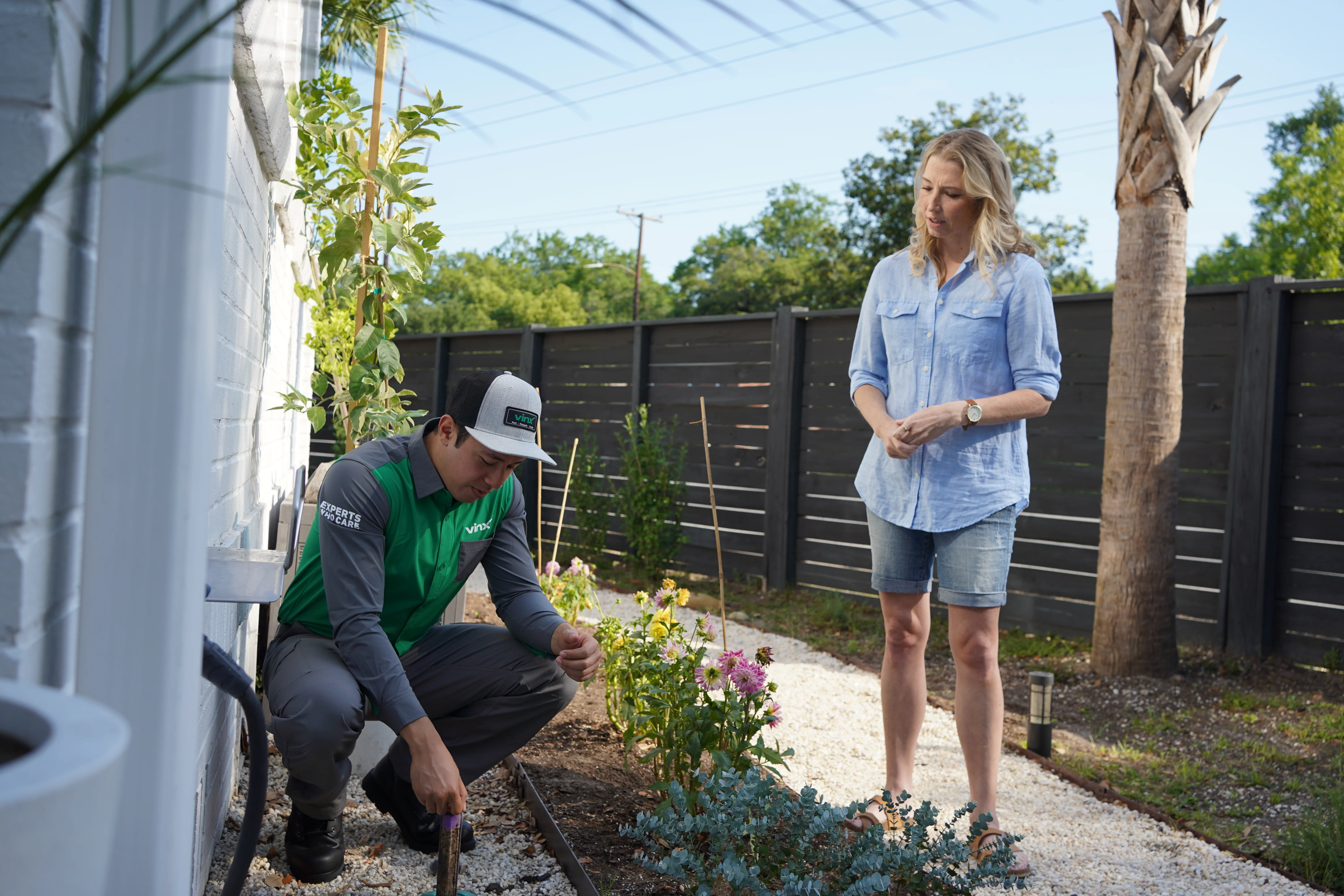
The foundation gets a micro-encapsulated barrier three feet up and three feet out, which matters more here than on higher ground, since bottomland soil that never really dries keeps subterranean termites working the slab gaps and thresholds year-round rather than seasonally.
Yard Treatment
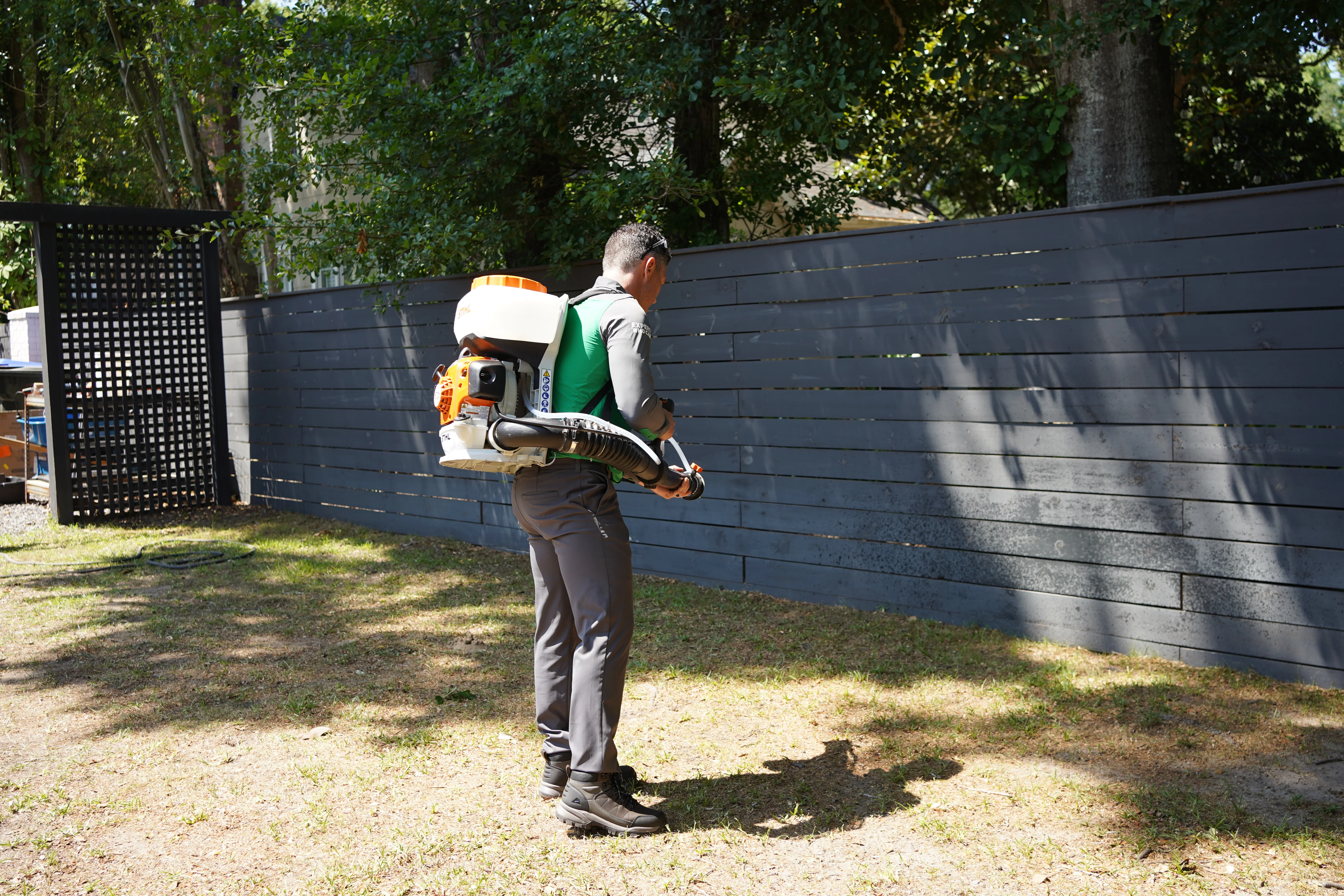
We treat up to 30 feet out, eliminating every container and low spot you control and putting a barrier on the shaded foliage where adult mosquitoes rest through the day. Since floodwaters spread and recede on the river’s schedule rather than yours, the treatment gets renewed through the season so each incoming wave meets a live barrier instead of a fresh one.
Sweep & Treat Eaves
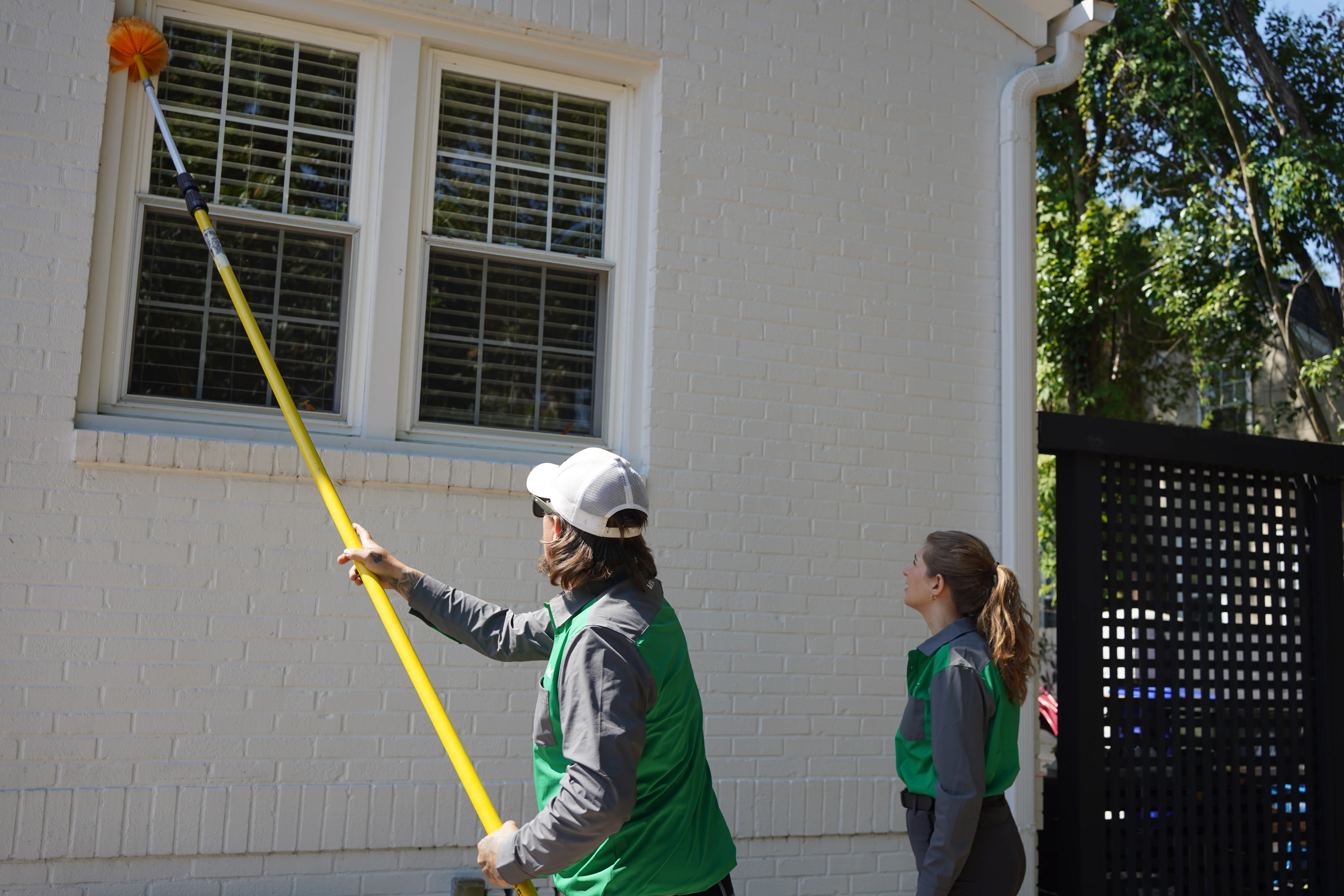
Rooflines get swept clear of webs and early wasp activity on every visit, then spot-treated with a residual product, keeping pace with a property this close to standing water and dense canopy shade.
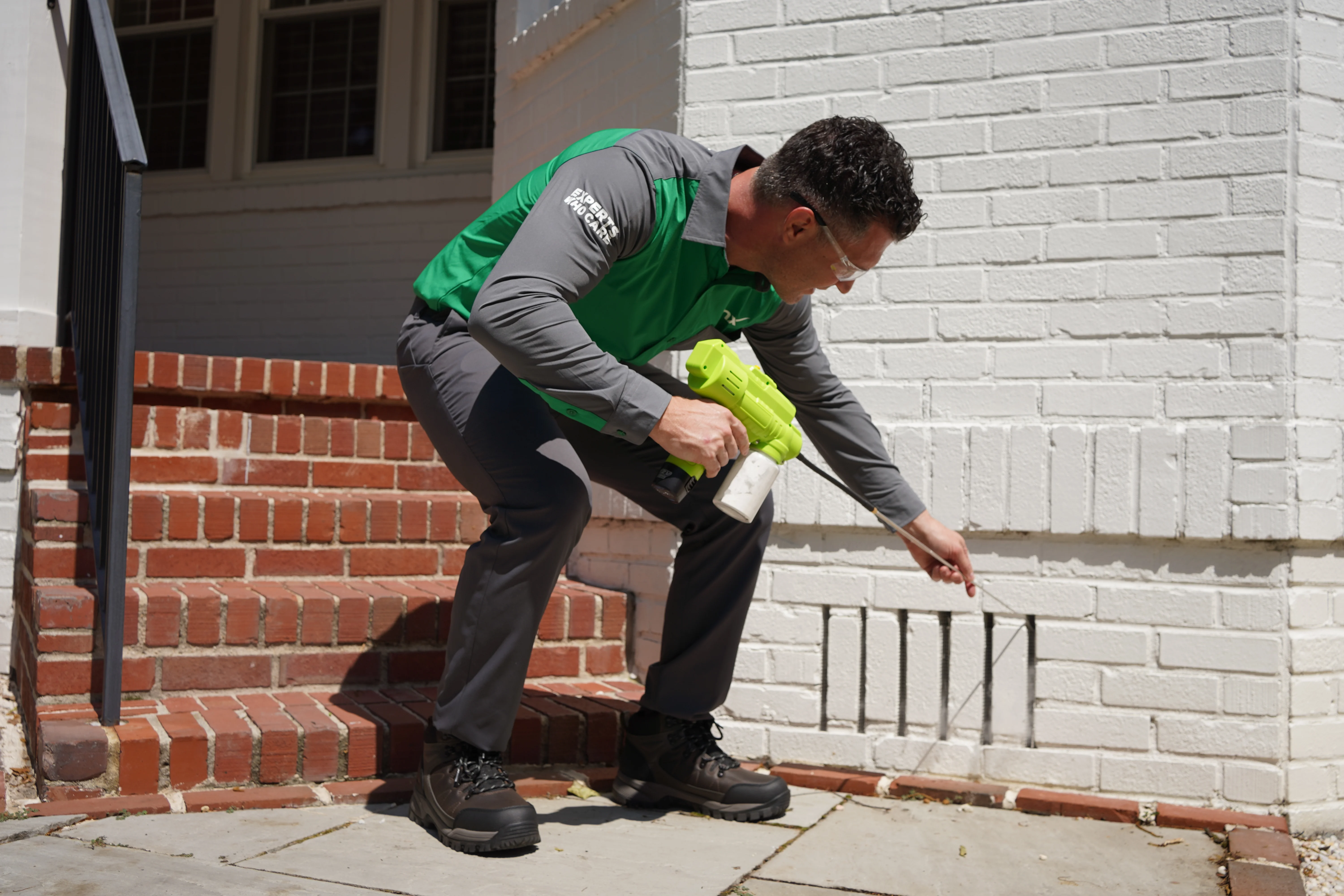
Power Dust Injection
Cracks, weep holes and pipe penetrations get a dust product driven in with a compressor tip, reaching the wall voids that matter on bottomland ground where the crawlspace rarely gets a chance to fully dry between rises.
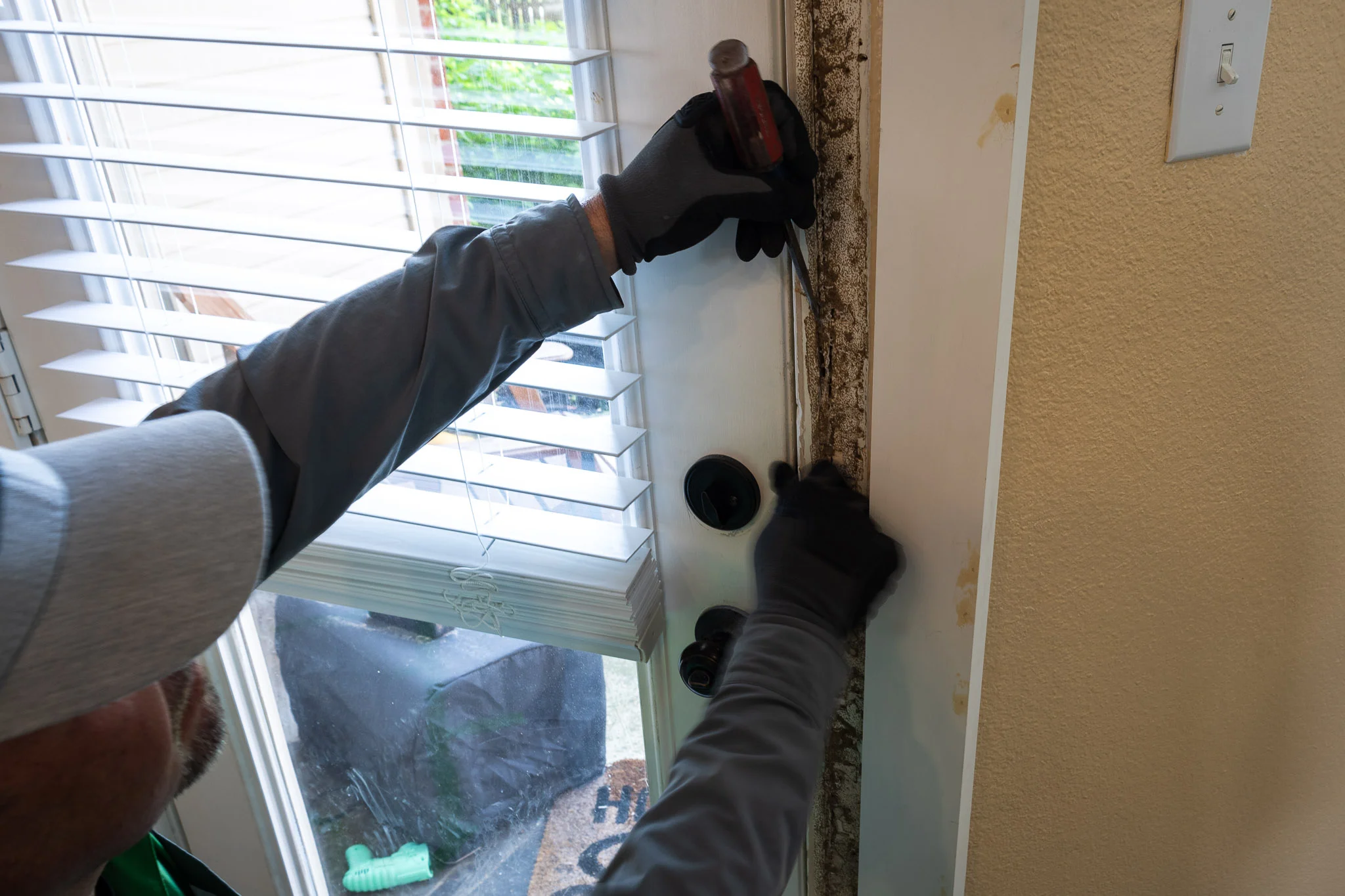
Interior Treatment (If Needed)
Where woodland-edge rodents have moved in as autumn cools, or termites have already reached the interior on ground this permanently damp, we treat the harborage directly. Exclusion comes first for rodents, then trapping and monitoring, since the reservoir next door means the pressure never really stops.
What Customers Say
Real Reviews from Hopkins Homeowners
We have used Vinx Pest for a couple of years now. They are great. Their technicians are on time and very personable. Special shout out to Johnathan! He asks questions , listens to your answers and takes care of everything. Extremely happy with the service from this company.
We started with Vinx a few months ago and have bern extremely pleased with their services. Adrian has bern wonderful to work with. His professionalism and work ethic are beyond compare.
Adrian did a great job with our treatment. We were notified that he was on his way, he sent a text and video confirming treatment was done, and gave us a helpful reminder to keep pets out of the yard for two hours.
Adrian was fantastic. He always provides great service by breaking down the packages and how I can benefit from each. He answers my questions and I feel well informed. Thanks Adrian!
Spencer did a great job explaining what he would be spraying and what to expect afterwards. He was on time and efficient. I would highly recommend their service.
Zachary was out at my house yesterday and did a great job. As usual, my Vinx technician went above and beyond to make sure my house was taken care of inside and out. There’s really not much more I can say, besides they always do a great job. Unlike many other companies they actually listen to their customers and like I said earlier go out of their way to make sure my family is happy, and most importantly, BUG FREE!!!
Local Knowledge
Living Next to a Floodplain Forest Changes Pest Control in Hopkins
Last updated: September 5, 2026
Hopkins is the gateway to Congaree National Park, 26,000 acres of the largest intact old-growth bottomland hardwood forest left in the United States. It is a remarkable thing to live beside, and it also means the mosquito situation here is in a different category from the rest of the Midlands — the damp bottomland affects far more than mosquitoes.
The mechanism is simple: floodwaters spread across the bottomland, then recede, and what they leave behind is thousands of separate pockets of still water in shade. Every one is a nursery, and none of them are on your property, so treatment here is about protecting the yard you occupy rather than pretending anyone can larvicide 26,000 acres of national park.
The same permanently damp soil that produces that mosquito pattern is ideal for subterranean termites, and deep leaf litter along the property line is prime tick habitat right up to the boundary. Vinx works Hopkins as a licensed exterminator, with a free inspection and guaranteed treatment.
One practical point about jurisdiction, because it catches people out. Hopkins is not a town in the legal sense — it is an unincorporated census-designated place, with no town hall, no mayor and no municipal code of its own. Richland County is the governing authority for permits, codes and county services here, and the park’s own enabling legislation places it squarely in Richland County too. So when a question turns on an ordinance, an inspection requirement or a county program, the answer sits at the county rather than with a local town office, which is the opposite of how it works in Blythewood or Elgin.
6 Reasons Hopkins Calls an Exterminator
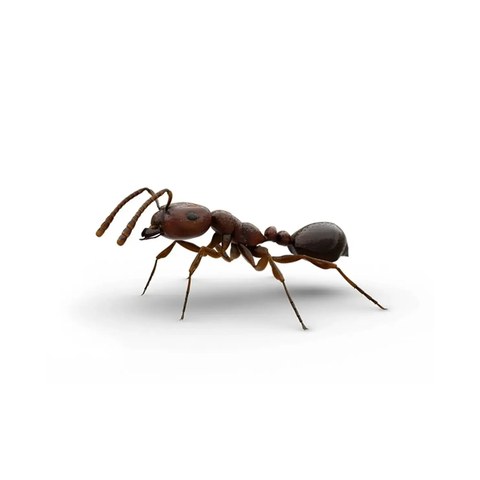
Ants
Fire ants take to the open, sunlit ground on Hopkins’ outskirts where clearing has disturbed the soil, while carpenter ants favor the damp, settling timber more common in older construction near Horrell Hill. Either way, mound treatment paired with a yard-wide bait program is the standard fix for the outdoor colonies.
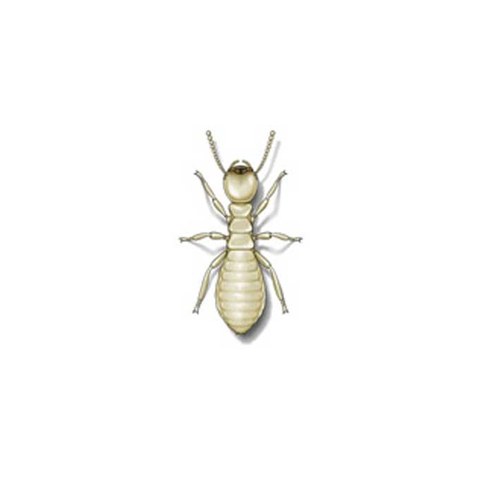
Termites
The permanently damp soil that defines bottomland living is exactly what the eastern subterranean termite wants, and crawlspace drying matters as much here as the treatment itself. A soil termiticide barrier goes in at the footings, but on ground this close to Congaree’s floodplain, fixing the moisture problem is what keeps the colony from simply coming back.
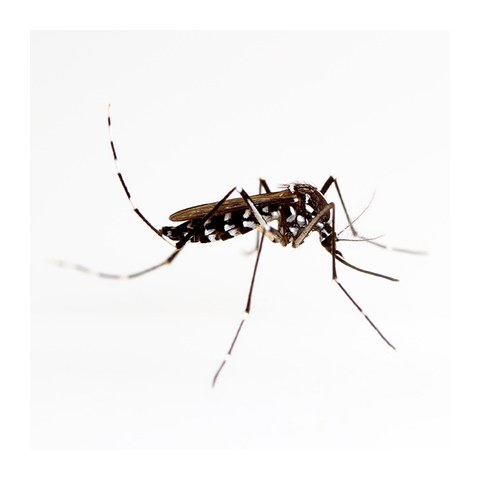
Mosquitoes
Nobody is larviciding 26,000 acres of national park, so mosquito control in Hopkins is about making your own property a poor place to breed. We eliminate the containers and low spots you control, treat the shaded foliage where adults rest, and keep the barrier renewed through the season so each wave off the floodplain meets something.

Rodents
Rodents move indoors as autumn cools, working the woodland edge the same way they do throughout the Midlands, but the deep leaf litter and permanent dampness near Congaree give them more cover to build up in before anyone notices. Exclusion first, then trapping and monitoring, holds the line better than bait alone.
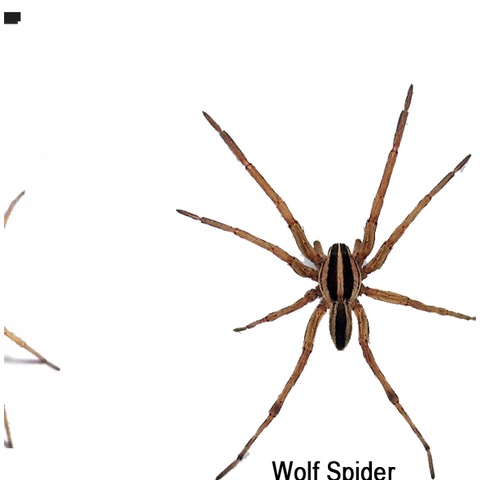
Spiders
Black widows and wolf spiders both turn up around Hopkins’ garages, sheds and wooded lot edges, following the same insect populations the bottomland forest sustains. Treating the prey and clearing webbing at the eaves on every visit does more than a one-time spray aimed at the spiders themselves.
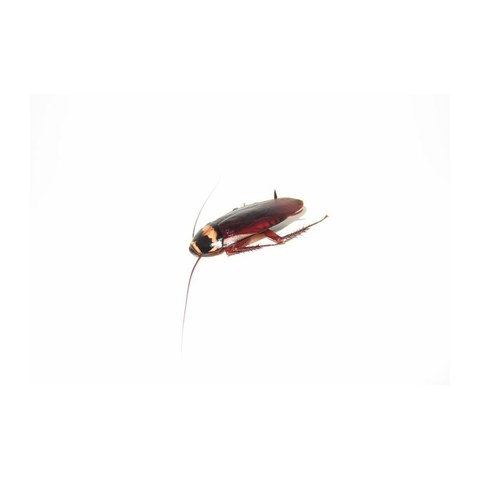
Cockroaches
American cockroaches thrive in the damp, low-lying areas along the Bluff Road corridor, where the floodplain’s moisture gives them ideal conditions, and German cockroaches turn up in kitchens throughout the school district neighborhoods. Sealing entry points and treating the harborage directly is what actually holds against a moisture source this close by.
Pest Pressure by Neighborhood
Where Hopkins Exterminator Calls Come From
Bluff Road: Damp, Low-Lying Ground
The main route toward Congaree National Park runs through low-lying land that stays consistently damp given its proximity to the park’s floodplain forest, feeding both mosquito and cockroach pressure along the way.
Congaree Floodplain: The Source of the Mosquito Waves
This part of Hopkins sits within the Congaree River’s floodplain complex, muck, peat and seasonal flooding that leaves thousands of pockets of still water behind after every rise.
Horrell Hill: Older Construction, Steady Pest Calls
This unincorporated community near Fort Jackson carries a mix of older and newer construction, and the aging entry points in its older buildings give carpenter ants and termites a way in.
School District Neighborhoods: Family Homes, Fall Rodents
Neighborhoods around Hopkins’ own schools see the steadier residential pest pressure typical of established, family-oriented areas, mostly fall rodents and routine seasonal ants.
Rural Richland Outskirts: Wooded and Agricultural
Reflecting Hopkins’ genuinely low population density, this wooded and agricultural outskirts area sees rodent and tick pressure that behaves differently than any in-town lot closer to the park.
Prevention Tips
6 Ways to Reduce Pest Pressure Around Your Hopkins Home
Complete Coverage
What Our Hopkins Exterminators Treat
Every common Hopkins pest covered under one quarterly service plan
Ants
Ants, Argentine ants, carpenter ants, and odorous house ants. Perimeter bait, mound treatment, crack and crevice application.
All Plans
Cockroaches & Palmetto Bugs
American, Asian, and German cockroaches. Gel bait in harborage areas, exterior perimeter spray, drain treatment.
All Plans
Spiders
Web removal from eaves, exterior perimeter targeting harborage. Black widow identification and targeted treatment.
All Plans
Wasps & Hornets
Nest removal from eaves, soffits, structural voids. Preventative treatment of common nesting sites on each quarterly visit.
All Plans
Fleas & Ticks
Yard treatment targeting grassy and shaded areas. Interior treatment of active infestation areas.
Plus & Platinum
Bed Bugs
Inspection, heat treatment assessment, and targeted chemical treatment. Travel and guest stays create consistent exposure risk.
Platinum (12mo)
Rodents
Exterior bait station monitoring included in Plus and Platinum. Active infestation and full exclusion quoted separately after inspection.
Plus & Platinum
Mosquitoes
Monthly barrier spray and larvicide. Year-round service adjusted seasonally. Up to 90% population reduction per visit.
Platinum Only
Occasional Invaders
Silverfish, earwigs, centipedes, stink bugs, ladybugs, pillbugs. Crack and crevice treatment, perimeter spray, entry point ID.
All PlansWhat to Expect
Hopkins Pest Activity by Season
Most pest companies in Hopkins treat when you call. Vinx’s recurring plans keep your home protected through every seasonal shift, before the pressure peaks.
| Season | Active Pests | What to Watch For |
|---|---|---|
| Spring (Mar–May) | Termite swarmers, ants, mosquitoes, spiders | Termite swarmer wings on windowsills; ant mounds appearing after rain |
| Summer (Jun–Aug) | Mosquitoes, cockroaches, ants, stinging insects | Palmetto bug activity through drains; mosquito pressure near standing water |
| Fall (Sep–Nov) | Rodents, spiders, cockroaches, stink bugs | Brown recluse spiders moving indoors; mice entering through foundation gaps |
| Winter (Dec–Feb) | Rodents, German cockroaches, cockroaches | Rodent droppings in attics; roaches active near HVAC and water heaters |
Kid & Pet Safe
Our Treatments Are Safe for Your Whole Family: Including the Furry Members
Every product we use is EPA-registered and applied strictly at labeled rates by licensed SC technicians. We take the guesswork out of safety so you can feel confident letting kids and pets back into treated areas quickly.

EPA-Registered Products Only
All products are EPA-registered and applied per strict label requirements by our licensed South Carolina technicians on every visit.
Safe Re-Entry After Drying
Exterior spray treatments dry in 30–60 minutes. Once dry, treated surfaces are safe for children and pets. Your technician confirms before leaving.
Interior Treatment On Request
We treat only what’s needed, where it’s needed. Gel baits placed in areas inaccessible to pets and children for maximum safety.
Botanical Options Available
Ask your technician about our plant-derived treatment options for households that prefer a more natural approach to pest control.
Have a concern about products near your pets or children? Call (855) 800-8469 and we’ll walk you through exactly what we use and why it’s safe.
Explore More
More Pest Control Services in Hopkins
Termite Control Hopkins
Bait systems & liquid treatment
Ant Control Hopkins
Fire ants & all ant species
Mosquito Control Hopkins
Monthly barrier treatments
Tick & Flea Control Hopkins
Yard & interior treatments
Rodent Control Hopkins
All rodents covered
Cockroach Control Hopkins
American & German roaches
Bed Bug Control Hopkins
Heat & liquid treatments
Spider Control Hopkins
All spider species covered

Pest Control Hopkins
Year-round protection plans
Frequently Asked Questions
Exterminator Hopkins SC: Frequently Asked Questions
Next-day for most calls, and sooner when something is actively spreading.
Around the park, yes, and honestly so. Congaree is a seasonally flooded bottomland forest, so every rise and fall of the water leaves behind pockets of still water. Treatment here is about protecting the yard you occupy, not clearing the floodplain.
A one-off visit is priced by the pest and the property; plans begin at $49 a month with a $329 first treatment. Call 855-800-8469.
It contributes. Subterranean termites need damp soil and constant moisture, and bottomland ground supplies both, which is why crawlspace drying and drainage are usually part of the work here.
Yes. Most lenders require the CL-100 before a South Carolina closing, and on damp bottomland ground it is worth a careful inspection.
Yes. EPA-registered products, licensed technician, safe once dry.
Not the park, and we would not claim otherwise. What works is making your own ground unproductive and the resting cover around the house unpleasant, then keeping that barrier live through the season so each wave off the floodplain meets something.
Yes. Bottomland soil stays wet, and subterranean termites need exactly that. On a property this close to the floodplain, drying the crawlspace and fixing drainage is part of termite control rather than an optional extra.
Service Coverage
Pest Control Across Hopkins & the Greater Columbia Area
Serving every neighborhood in and around Hopkins.