
Flea & Tick Control in Mauldin, SC
Experts in the Lone Star Tick, American Dog Tick and Cat Flea
Almost nothing in Mauldin is old. Just 0.4% of its 11,907 homes predate 1940 — the lowest share of any town in this part of the county — and the median house dates from 1995. That removes most of the classic flea harborage a century-old crawl space provides, and it concentrates the real pressure on one boundary: the wooded preserve land along the town’s edge. Vinx works the yard, the home and the species that is really there.
Get Started in 60 Seconds
Choose what’s easiest for you
Request a Quote
We usually respond in 2 minutes
Call 855-800-8469
Get a live person (no AI agents here!)
Sign Up Online
Get pricing and schedule now





Welcome to Vinx Pest Control
A Company That Actually Backs What It Says
At Vinx, we pair professional-grade treatment with a level of follow-through most pest control companies skip. Local technicians, fast response, and a guarantee that holds up after the invoice is paid.
Get a Free Quote"I'm not passionate about killing bugs. I'm passionate about customer service. At Vinx, you get experts who show up, do the job right, and stand behind every visit. No runaround, no fine print."
WELCOME TO VINX PEST CONTROL
Tick & Flea Control Plans for Mauldin Homeowners

Standard Residential Protection
- 4 Seasonal Treatments Per Year
- Yard & Perimeter Tick Treatment
- 50+ Covered Pests
- Unlimited Free Re-Services
- $329 Initial Treatment · 12-Month Agreement

Upgraded Yard Protection
- Everything in HomeGuard
- 6 Home & Yard Treatments Per Year
- Flea & Tick Elimination Guarantee
- Expanded Perimeter Treatment
- $329 Initial Treatment · 12-Month Agreement

Most Comprehensive Protection
- Everything in Plus
- 9 Treatments Per Year
- Interior AND Exterior Flea Treatment
- Priority Scheduling
- $329 Initial Treatment · 12-Month Agreement
Active indoor flea infestations may require an additional targeted interior treatment beyond the standard plan, assessed at inspection. Starting rates vary by home size and area. All plans billed monthly.
Get Your Free Mauldin Flea & Tick Inspection
Fill out the form below and a Vinx team member will reach out within 2 minutes during business hours.
Prefer to talk? Call 855-800-8469 for a live person, no AI agents.
Our Approach
How Vinx Eliminates Fleas & Ticks in Your Mauldin Yard and Home

Inspection & Species Identification
Shaded yard perimeters, wood lines, pet resting areas, carpet and bedding are all checked to find whether ticks, fleas or both are present and which species is behind it.
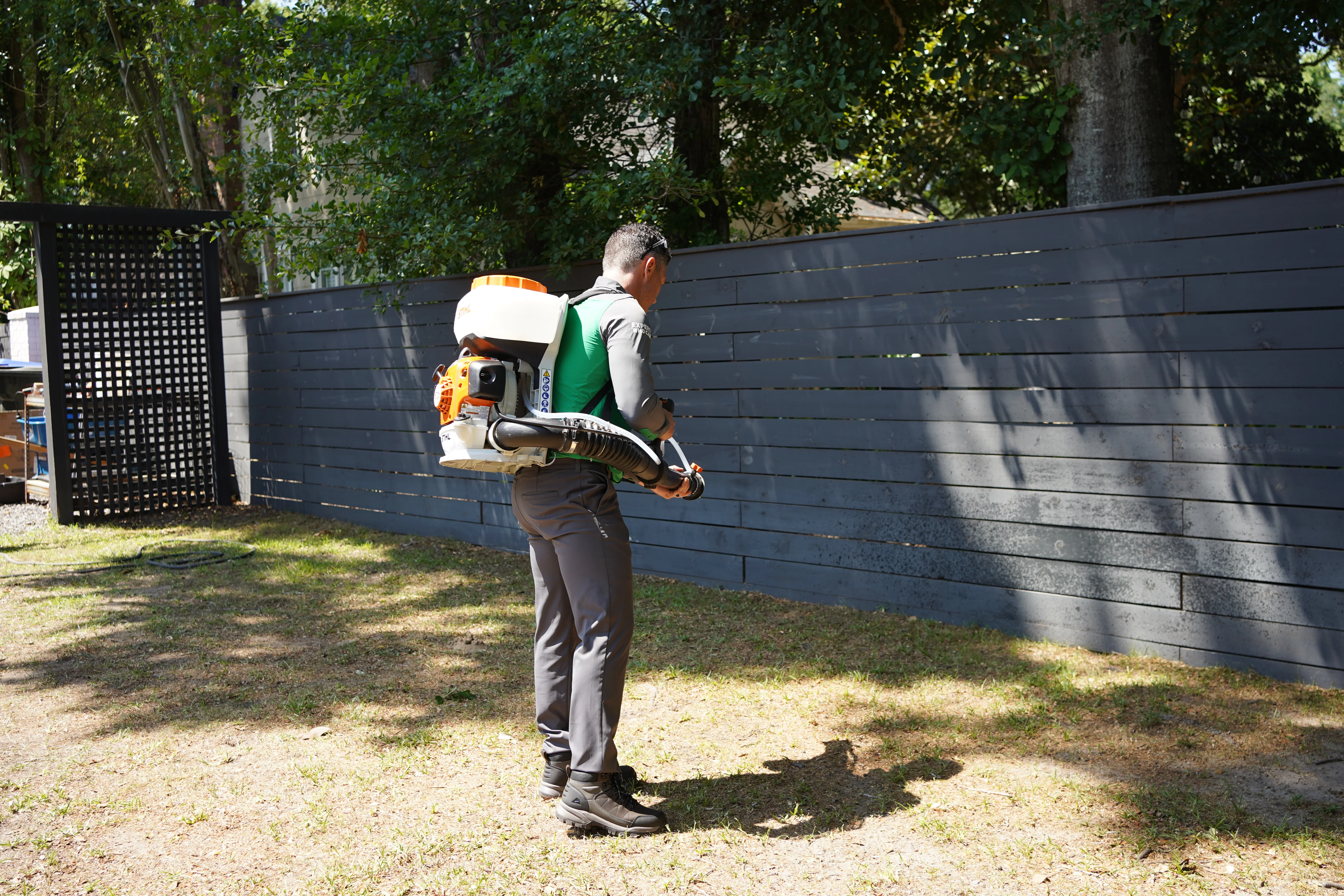
Yard Barrier Treatment
The residual runs the yard perimeter, the wood line and any shaded vegetation where ticks wait and fleas develop outdoors, which is what a one-time treatment leaves out.
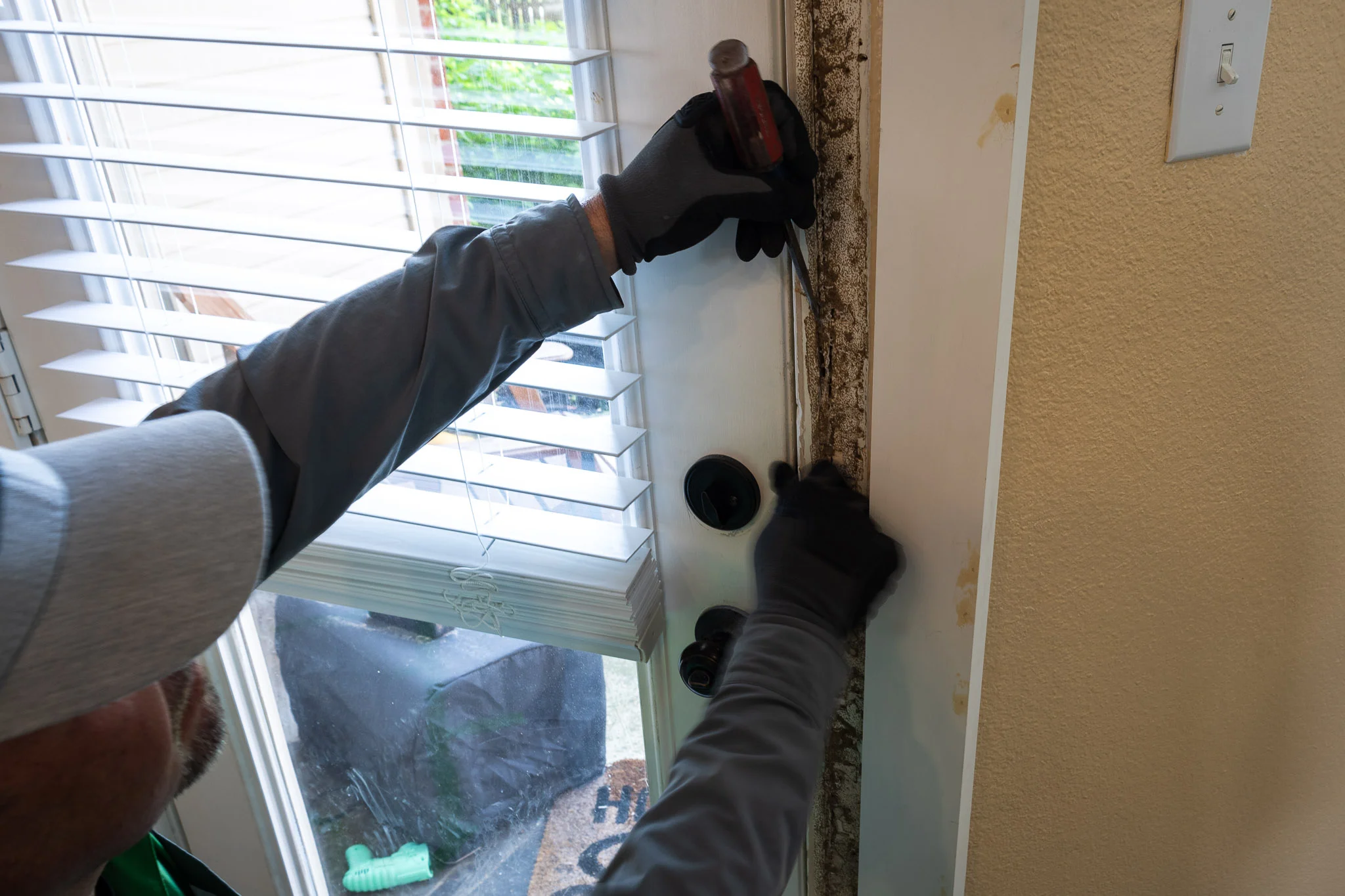
Interior Treatment for Active Flea Infestations
With an active infestation confirmed, carpet, bedding and upholstered furniture are treated for eggs and larvae in addition to adults.

Ongoing Monitoring & Prevention
The yard keeps being treated on a recurring schedule through the season. If activity reappears between visits, the return visit costs nothing.
What Customers Say
Real Reviews from Mauldin Customers
This was the first time using Vinx. They were early which is a big plus in my book. Shavon exceptionally nice. He was very professional and did great work. We are very pleased with everything. Thank you
Love my service, best prices ive ever seen, uses all natural, herbal non toxic sprays as far as I know of, great for kids and pets. Couldn't be happier.
Efficient and courteous. Removed spiders webs and received excellent service for outside areas. Definitely would recommend.
Everyone I have met so far at Vinx has been super kind and friendly and also very informative. The servicing was quick and Chris even added in flea and tick spray to the outdoor portion (as we have pets) without having to say anything. I look forward to future servicing from Vinx Pest Control. Highly recommend them.
Your representative Todd came by for our quarterly check up just wanted to add few comments. Todd did amazing job he listened to our concerns and handled them I believe this is first time we have an employee from your company seemed interested in doing a fine job! He took his time didn’t rush through!!! I would like Todd to take care of our yard in the future!! Sincerely, Terry @ Mary Gentry.
Amazing technician. Extremely thorough. Friendly and very professional would recommend this service to everybody. cannot beat the price.
Tick & Flea Risk by Neighborhood
Tick & Flea Risk Across Mauldin Neighborhoods
Downtown Mauldin & Main Street: CAT FLEA RISK
Downtown Mauldin and Main Street hold the town’s oldest and most pet-dense housing, which in Mauldin still means mid-century rather than historic. Cat fleas arrive on an animal and complete their cycle indoors, so the target is the floor, not the lawn.
Golden Strip Residential Neighborhoods: CAT FLEA RISK
Golden Strip residential streets are dense, fenced and pet-heavy, and fence tops are a wildlife route as much as a boundary. Recurring flea activity on these streets is usually ongoing introduction by cats, opossums and raccoons rather than a surviving indoor population.
Conestee Nature Preserve & the Reedy River Corridor: LONE STAR TICK RISK
The 400-acre hardwood and wetland preserve along three miles of the Reedy River bordering Mauldin is the town’s one genuine wildlife corridor. Deer traffic through that terrain is what sustains lone star ticks, and it is why the preserve side of a property matters more than the street side.
Gilder Creek & the Wooded Creek Strips: LONE STAR TICK RISK
Gilder Creek and the wooded strips along it thread through Mauldin as narrow, shaded, undisturbed cover. They are too small to notice on a map and exactly the right size to move deer and hold questing ticks between one subdivision and the next.
I-385 & I-185 Interstate Corridor: AMERICAN DOG TICK RISK
Where I-385 and I-185 pass the town the ground is mown, open and sunlit, which suits American dog ticks rather than lone star. Landscaped commercial frontage keeps that habitat in place year-round.
Mauldin Flea & Tick Pressure
Why Flea & Tick Control in Mauldin Isn’t One-Size-Fits-All
Fleas and ticks aren’t the same pest with different names — they behave completely differently, and Mauldin’s mix of a historic downtown, a booming interstate commercial corridor, older established neighborhoods, newer suburban growth, and a rural agricultural fringe creates distinct pressure from each.
Waiting in vegetation for a passing host is how ticks work, not jumping or flying, and habitat splits by species: lone star ticks in wooded, brushy ground frequented by deer, American dog ticks in grassy, sunnier areas. Fleas come in on a pet almost every time, then reproduce indoors fast enough to make a real infestation in days.
Mauldin has no river of its own — Gilder Creek carries its water to the Enoree, and the Reedy only borders the town at Conestee. In a place this new, that single wooded boundary does most of the work: lone star ticks come off the preserve and the creek strips, American dog ticks off the mown interstate frontage and the newer subdivisions, and cat fleas off a pet in the older Golden Strip housing, carried in over a fence line rather than walked in from the woods.
Flea & Tick Species Common to Mauldin, SC

Lone Star Tick (Amblyomma americanum)
Lone star ticks are recognized by the single white dot on adult females, and they are notably more aggressive than other regional species, seeking hosts out rather than waiting. It’s most common in wooded, brushy areas frequented by deer, like the hardwood and wetland margins of the Conestee Nature Preserve and Reedy River corridor, and bites have been linked by researchers to Alpha-gal syndrome, a delayed allergic reaction to red meat.
American Dog Tick (Dermacentor variabilis)
The American dog tick is larger than the lone star tick, with mottled white markings on a brown body, and prefers grassy, sunnier open areas rather than dense woods — a good match for the fresh lawns of the newer suburban subdivisions and the landscaped grounds along the I-385 Golden Strip Commercial Corridor. A known Rocky Mountain spotted fever vector, which is reason enough to remove any tick promptly.
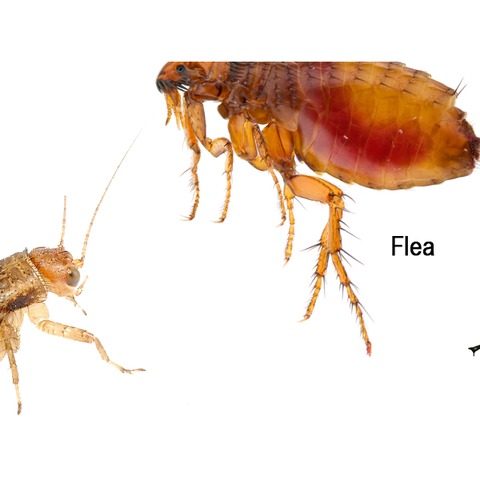
Cat Flea (Ctenocephalides felis)
For all its name, the cat flea causes most flea infestations on both cats and dogs. It typically enters a home on a pet, then lays eggs in carpet, bedding, and upholstery, where a small population can become a full infestation within about two weeks if left untreated — a common issue in the pet-dense households throughout historic downtown Main Street as well as the older established residential neighborhoods citywide.
What to Look For
Signs of a Flea or Tick Problem in Your Mauldin Home
Pets Scratching Excessively
Typically the first sign of a flea problem, before anything is visible
Ticks Attached After Outdoor Activity
Especially after time spent near farmland, fencerows, or tall grass in the Greenville County fringe
Small Dark Specks in Pet Bedding
Flea dirt, their feces, is a frequent early sign
Bites Around the Ankles
The typical pattern from fleas leaping off carpet or yard vegetation
Visible Fleas on Light-Colored Flooring
Adult fleas are small yet visible against light flooring or carpet
A tick bite may transmit disease within hours, and alpha-gal syndrome is associated specifically with lone star bites, which is why both the yard and any attached tick warrant serious treatment rather than waiting.
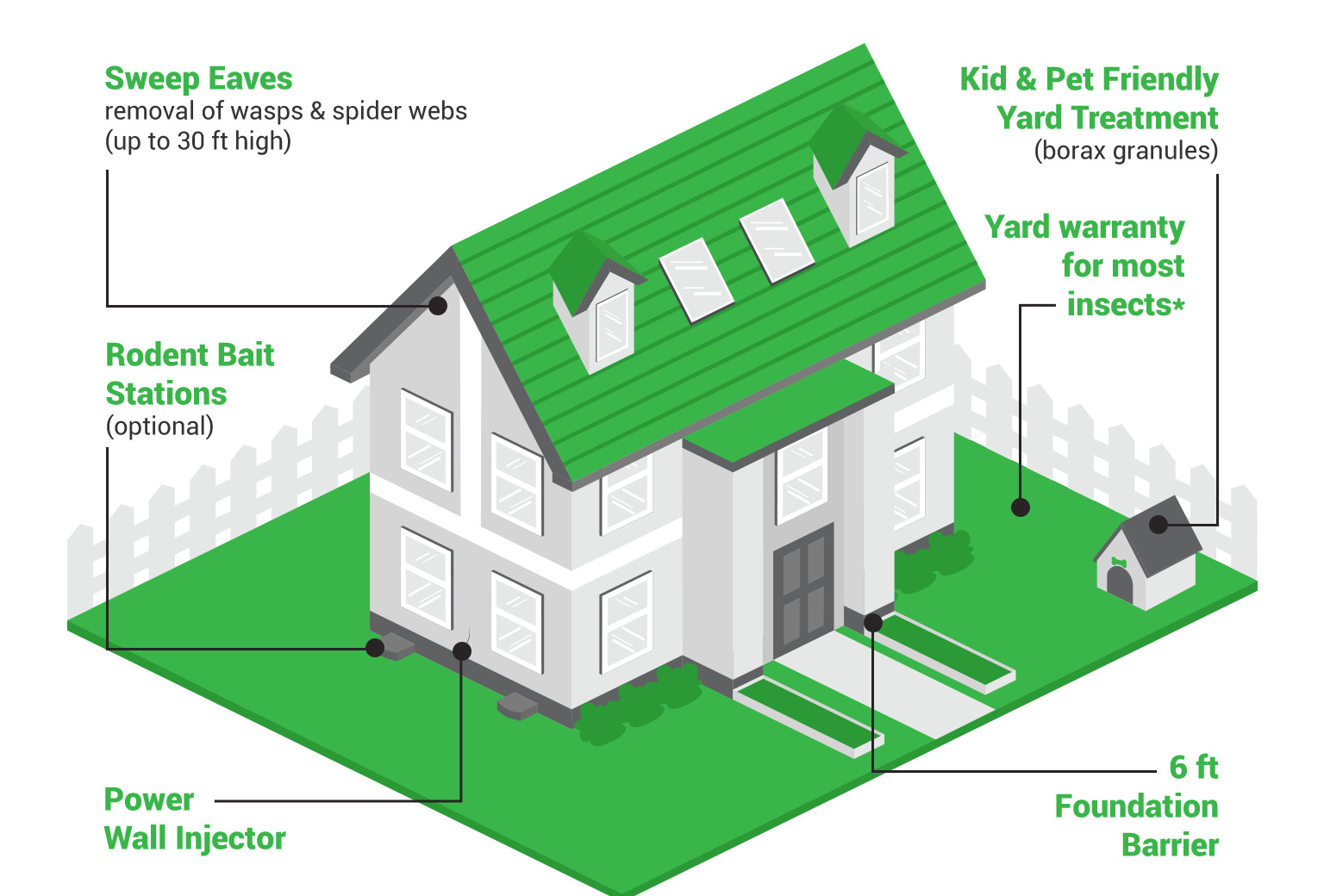
Vinx HomeGuard Plan
What Happens at Every Visit
Our technicians don’t just spray and leave. Every quarterly service covers your full exterior and interior, done right, backed by a written guarantee.
- Yard & Margin Treatment: Ground cover, mulch beds, and vegetation borders treated every visit
- Power Wall Injector: Treats wall voids where pests hide
- 6 ft Foundation Barrier: Full perimeter treatment every visit
- Yard Warranty: Free retreatment for most insects
- Kid & Pet Safe Yard Treatment: Borax granules, safe after dry
Homeowner Tips
6 Ways to Reduce Flea & Tick Pressure Around Your Mauldin Home or Business
Kid & Pet Safe
Our Treatments Are Safe for Your Whole Family: Including the Furry Members
Every product we use is EPA-registered and applied strictly at labeled rates by licensed technicians. We take the guesswork out of safety so you can feel confident letting kids and pets back into treated areas quickly.

EPA-Registered Products Only
All products we apply are EPA-registered and used strictly per label requirements. Our licensed technicians are trained to apply the right product in the right place at the right rate, every time.
Dry Time Before Re-Entry
Exterior spray treatments dry in 30–60 minutes. Once dry, treated surfaces are safe for children and pets to contact. Your technician will confirm the all-clear before leaving your property.
Interior Treatment On Request
We treat only what’s needed, where it’s needed. Gel baits in cabinets and crack-and-crevice applications keep products away from areas pets and children frequent most.
Botanical Options Available
Have specific sensitivities? Ask your technician about our plant-derived treatment options. We offer botanical alternatives for households that prefer a more natural approach.
Have a concern about products used near your pets or children? Call 855-800-8469 and we’ll walk you through exactly what we use and why it’s safe.
Explore More
More Pest Control Services in Mauldin

Pest Control Mauldin
Year-round protection plan

Ant Control Mauldin
Fire ants & all ant species

Mosquito Control Mauldin
Monthly barrier treatments
Termite Control Mauldin
Bait systems & liquid treatment

Rodent Control Mauldin
All rodents covered
Cockroach Control Mauldin
American & German roaches

Bed Bug Control Mauldin
Heat & liquid treatments

Spider Control Mauldin
All spider species covered
Exterminator Mauldin
Same-day local exterminators
Frequently Asked Questions
Flea & Tick Control FAQ for Mauldin Homeowners & Businesses
Vinx Plus at $75/mo includes exterior flea and tick treatment; Vinx Platinum at $109/mo brings interior flea treatment as well. For a free quote based on your property and pets, call 855-800-8469.
Lone star ticks are aggressive, actively seek out hosts, favor wooded areas near wildlife corridors like the Greenville County agricultural fringe, and have been linked to Alpha-gal syndrome. American dog ticks are larger, prefer grassy open areas like the newer suburban subdivisions and the I-385 corridor, and are a known vector for Rocky Mountain spotted fever.
Alpha-gal syndrome is a delayed red meat allergy triggered by certain tick bites, most often the lone star tick. The hardwood and wetland terrain of the Conestee Nature Preserve and Reedy River corridor make lone star tick exposure a genuine local consideration.
Prevention on the pet reduces risk but rarely eliminates it outright, especially with fleas already established outdoors or introduced by a new pet or wildlife visitor. A yard barrier plus pet prevention is the most effective combination available.
Within roughly two weeks a small flea population becomes a full infestation, because females start laying 24 to 48 hours after feeding. Early action makes a marked difference in how much treatment is required.
Yes. We apply EPA-registered products at labeled rates, and treated areas are safe to re-enter once dry, 30 to 60 minutes.
Most appointments are available next-day. For a free quote and a booking, call 855-800-8469.
Remove it straight away with fine-tipped tweezers, grasping close to the skin and pulling directly out, then clean the area and monitor for any rash. Concerns about alpha-gal syndrome or another tick-borne illness should go to a healthcare provider.
Wooded fencerows and farmland support regular deer and wildlife traffic, which sustains lone star tick populations at a level not typically seen in the more open, mowed landscaping around the newer subdivisions or the I-385 corridor.
Yes. Vinx Pest Control is licensed and insured to operate in South Carolina, with technicians trained to identify and treat the specific flea and tick species found throughout Mauldin and the greater Greenville and Greenville County area.
Very possibly, and it is a different problem from a failed treatment. Mauldin is dense suburban housing on modest lots, so your yard is not a closed system — it shares fence lines with several others, and fleas arrive on whatever crosses them: neighboring cats, opossums, raccoons and squirrels using the fence tops as a route. If there is an ongoing introduction, our follow-up asks what changed outside rather than immediately re-treating indoors.
Because open sunlit turf is nearly hostile to flea larvae — they dry out and die — so treating it is largely wasted product. The outdoor half of the work concentrates on the shaded side of the house, under the deck, along the fence line, beneath shrubs, and wherever the dog actually lies down. For ticks it is narrower still: a band along the vegetated boundary, kept cut back so it stops holding humidity.
Because of the eggs. Clemson HGIC 2423 records that a female lays four to eight eggs after each blood meal and more than four hundred over her lifetime, and those eggs fall wherever the animal walks, sits and sleeps — into carpet fibres, along baseboards, into the sofa, and outdoors into shaded soil. Your vet’s product kills the adults riding the host; it does nothing about the several hundred eggs already distributed around the room. Treat pet and property inside the same window, then treat again while the next cohort is emerging.
Service Coverage
Tick & Flea Control Across Mauldin & Greenville County
Serving every neighborhood in and around Mauldin