


Getting squirrels out of an attic comes down to doing a few things in the right order: confirm what's up there, make sure there are no babies, give the adults a one-way exit (or trap them where your state allows it), then seal every opening with metal. Sealing the hole first, using mothballs or leaving lights on doesn't solve it, and sealing at the wrong time can trap a mother's babies inside. This guide walks through the signs, the step-by-step removal, the rules in South Carolina, North Carolina and Virginia, what it costs, and how to keep squirrels off the roof for good.
How do you get squirrels out of the attic? Find every entry hole, make sure no young are inside (they can be present from February through August), install a one-way exclusion door or set live traps on the main hole, and once they're out, seal all openings with 1/2-inch hardware cloth or metal flashing. Trim branches 6 to 8 feet back from the roof so they can't jump back on.
What does it cost? HomeGuide's 2026 survey puts squirrel removal at $300 to $600 on average, and $500 to $1,500 or more for an attic job that includes cleanup and sealing.

Signs You Have Squirrels in the Attic
- Noises in the morning and late afternoon: scurrying, scratching, rolling sounds and chewing. Gray squirrels are active by day.
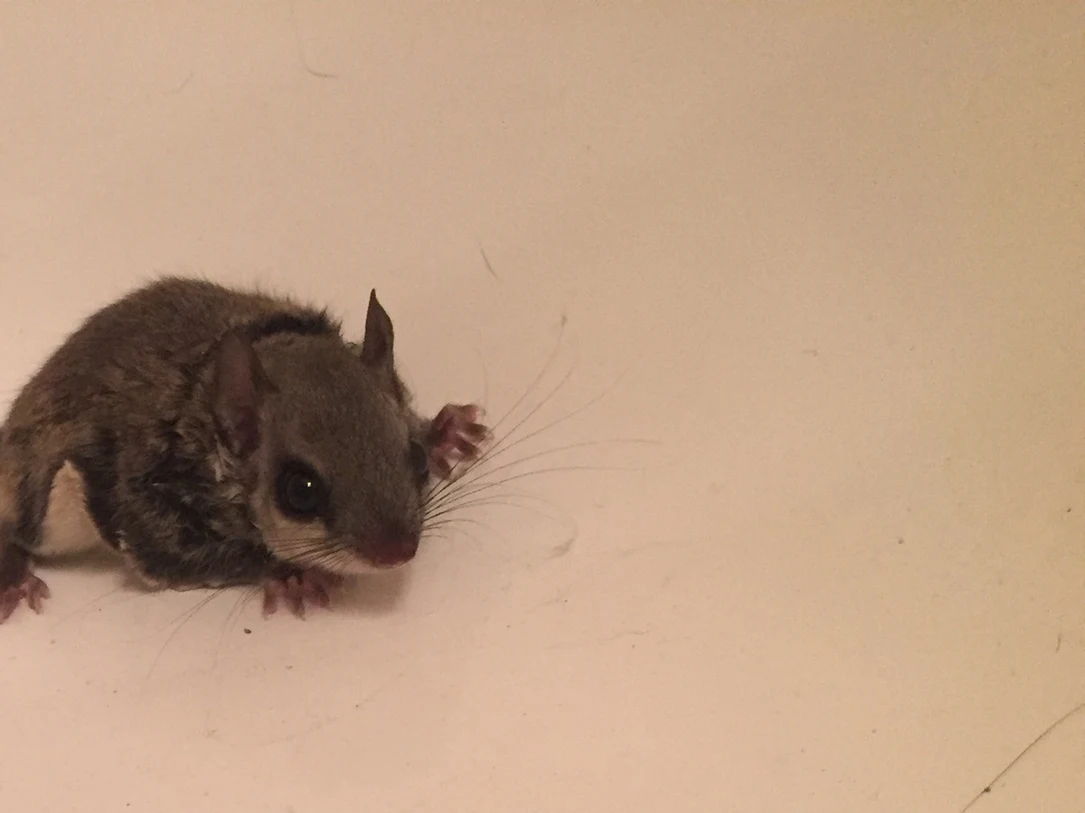
- Noises at night instead: likely a southern flying squirrel, or a rat. The Wildlife Damage Management center (ICWDM) notes flying squirrels are active at night while other squirrels are active during the day.
- Holes at the roofline: chewed gaps at soffits, fascia, gable vents, roof returns and where the roof meets a wall.
- Nests and debris: piles of leaves, shredded insulation or nut shells near the eaves.
- Droppings and stains: flying squirrels in particular leave urine and dropping stains below vents they use.
Hole size helps. According to ICWDM, gray and fox squirrels use holes about the size of a baseball, while flying squirrels can use a hole the size of a quarter.
Why You Shouldn't Just Seal the Hole
It's tempting to wait until a squirrel leaves and patch the hole. ICWDM warns against it: close openings "but make sure not to trap squirrels inside. They may cause a great deal of damage in their efforts to chew out." A trapped squirrel can chew through the roof, soffit or even into the living space, or die in the wall and leave a smell for weeks.
Babies make it worse. Gray squirrels breed in mid-December to early January, and some breed again in June. After a 42- to 45-day pregnancy, they have about three young, which don't leave the nest until they're weaned at 10 to 12 weeks. ICWDM says young can be present from February through August. If you seal the mother out during that window, she'll tear into the house to reach them. On Reddit (via Google search excerpts), one homeowner described sealing the hole while the squirrel was outside, and it "started freaking out and trying to make a new hole."
How to Get Squirrels Out of the Attic, Step by Step
- Inspect the whole roofline. Find every gap, not just the obvious hole: soffits, fascia, roof vents, gable vents, chimney, plumbing vents and where branches touch the roof.
- Confirm the hole is active. ICWDM suggests stuffing newspaper loosely into the hole. If it's pushed out within a day or two, squirrels are using it.
- Check for babies. Between February and August, look and listen for young before you exclude the adults. If you find a nest, wait until the young are moving around on their own, or have a professional remove the litter.
- Close the other openings first. Seal secondary gaps, vents and the chimney, and leave the main hole open. ICWDM says one-way doors work best when the rest of the structure is sound.
- Install a one-way door or set traps. A spring-loaded one-way exclusion door over the main hole lets squirrels out but not back in. ICWDM recommends a large metal apron (at least 1 foot square) around it, because squirrels may chew a new hole beside the door. Where state rules allow, live traps at the hole are another option. See the state rules below.
- Wait and watch. Leave the door in place for several days and listen for activity. Keep a trap set inside for a while after sealing in case one is still in there.
- Seal it permanently. Remove the door and close the hole with heavy 1/2-inch hardware cloth or aluminum flashing, fastened securely. Wood alone gets chewed through.
- Trim back trees. Cut limbs 6 to 8 feet from the roof, and trim back vines that reach the house.
One-way doors aren't foolproof. On Reddit's r/pestcontrol, a homeowner wrote that a squirrel "dug another hole around the excluder," and in the same thread a professional said they generally won't use one-way doors on squirrels other than flying squirrels. ICWDM agrees chew-ins happen, and notes some wildlife professionals pair one-way doors with traps to finish the job faster.
Squirrel Removal Rules in SC, NC and VA
Gray and fox squirrels are game animals, so trapping and relocating them is regulated. Here's what each state wildlife agency says:
| State | Trapping on your own property | Relocating squirrels |
|---|---|---|
| South Carolina (SCDNR) | No depredation permit needed for a squirrel causing damage within 100 yards of your home | SCDNR says routine relocation of wildlife is against state law |
| North Carolina (NCWRC) | Requires a depredation permit or a licensed Wildlife Control Agent (or hunting in season) | Allowed only onto private property with the landowner's permission |
| Virginia (DWR) | Homeowners and licensed nuisance trappers may trap nuisance wildlife | "It is illegal in the State of Virginia to trap and relocate an animal to another area" |
In practice, that's another reason exclusion with a one-way door is often the cleanest option: the squirrels leave on their own and stay on the property. SCDNR also notes there are no registered poisons for squirrels, and using one violates state and federal law. If you find injured or orphaned young in North Carolina, NCWRC says only licensed wildlife rehabilitators may keep them.
What Doesn't Work
- Mothballs. The National Pesticide Information Center says mothballs "are not meant to be used as animal repellents" and have little or no effect, and using a pesticide off-label is illegal. ICWDM adds that naphthalene in an occupied home can cause "severe distress to people." If you can smell mothballs, you're breathing the pesticide.
- Lights, radios and ultrasonic devices. ICWDM says "no frightening devices have been proven effective," and Virginia DWR notes animals get used to lights and noise.
- Peppermint oil and "repellent balls." Often suggested online, but we found no evidence they drive squirrels out of an attic.
- Poison. There are no registered squirrel poisons. A poisoned squirrel can also die in the wall.
- Sealing without checking. The most common mistake, for the reasons above.
Are Squirrels in the Attic Dangerous?
- Fire and damage. ICWDM notes squirrels chew electrical wires, which can lead to fires, and that long-term gnawing can weaken rafters. They also shred insulation and tear up vents and soffits.
- Rabies is very unlikely. The CDC says squirrels "are almost never found to be infected with rabies and have not been known to transmit rabies to humans" in the United States.
- Flying squirrels and typhus. CDC researchers have linked a rare form of typhus to southern flying squirrels nesting in attics and walls. In one investigation, 71% of the flying squirrels tested near the affected cabin were infected. It's uncommon, but it's a reason to clean up carefully.
Cleaning up: once the squirrels are out, wear gloves and a mask, don't sweep or vacuum dry droppings, wet them with a disinfectant or bleach solution first, and bag nesting material and soiled insulation. Heavily soiled insulation may need replacing. See how to clean up after a rodent infestation.
How Much Does Squirrel Removal Cost?
These are national figures from HomeGuide's 2026 cost guide, based on costs reported by its members. They aren't our prices.
| Service | Typical cost |
|---|---|
| Squirrel removal, average range | $300 to $600 (about $450 average) |
| One-way exclusion door | $225 to $400 |
| Attic removal with cleanup, minor repairs and sealing | $500 to $1,500+ |
| Chimney removal | $600 to $950 |
| Insulation, roof or wiring repairs | Extra |
Real quotes vary widely. On Reddit (via Google search excerpts), homeowners reported paying $735 total, getting a $600 quote, and getting a $3,200 quote that a relative in pest control called high, saying "more like $800." One $6,300 quote broke down as $389 for removal, $900 for cleanup and $5,010 for attic and insulation work. The lesson: ask for an itemized quote, and compare removal, sealing and insulation separately.
Squirrels in the Yard, Trees and Bird Feeders
Squirrels outdoors are mostly a nuisance, but the yard is where attic problems start. To make your property less inviting:
- Trim the "squirrel highway." Branches within 6 to 8 feet of the roof are the main way onto the house.
- Guard isolated trees and poles. NCWRC and ICWDM suggest a 2-foot-wide collar of smooth metal about 6 feet off the ground on trees that don't touch others. Check with your power company before putting anything on a utility pole.
- Squirrel-proof bird feeders. Use baffles and feeders designed to keep squirrels off, and clean up spilled seed.
- Protect bulbs and gardens with hardware cloth over beds, or a taste repellent labeled for squirrels.
When to Call a Professional
Call a pro if the holes are high on the roof, you can hear babies, squirrels keep chewing back in, or there's damage to wiring or insulation. A good company inspects the whole roofline, removes the squirrels in line with your state's rules, seals every opening with metal and comes back to confirm the job held. Our squirrel control service covers South Carolina, North Carolina and Virginia. For other attic noises, see signs you have rats in your walls.
Key Takeaways
- Don't seal the hole first; trapped squirrels chew out, and babies can be inside from February through August.
- Use a one-way door or traps, then seal every opening with 1/2-inch hardware cloth or metal flashing.
- Relocating squirrels is illegal in SC and VA, and limited to permitted private land in NC.
- Mothballs, lights and ultrasonic devices don't work.
- Removal typically costs $300 to $600; attic jobs with cleanup run $500 to $1,500 or more.
Frequently Asked Questions
Find every entry hole, check that no babies are inside, then install a one-way exclusion door on the main hole or set live traps where your state allows it. Once the squirrels are gone, seal all openings with 1/2-inch hardware cloth or metal flashing and trim branches 6 to 8 feet back from the roof.
Not without checking first. Young squirrels can be in the nest from February through August, and a mother sealed out of her nest will chew a new way in. Squirrels sealed inside can also chew through the roof or ceiling trying to get out.
HomeGuide's 2026 survey puts squirrel removal at $300 to $600 on average, about $450 nationally, and $500 to $1,500 or more for an attic job with cleanup, minor repairs and sealing. Insulation and roof repairs cost extra.
No. The National Pesticide Information Center says mothballs aren't meant to be used as animal repellents and have little or no effect, and using them off-label is illegal. The fumes can also make people in the home sick.
It depends on the state. South Carolina says routine relocation of wildlife is against state law, and Virginia says it's illegal to trap and relocate an animal to another area. North Carolina allows relocation only onto private property with the landowner's permission, and trapping requires a depredation permit or a licensed agent.
They can move in any time, but gray squirrels look for nest sites before their two breeding periods. They breed around December to January and again in June, so young can be in the attic from February through August.
Gray squirrels are active during the day, so noises in the morning and late afternoon usually mean squirrels. Noises at night point to flying squirrels or rats. Gray squirrels use holes about the size of a baseball; flying squirrels can fit through a hole the size of a quarter.
They can chew electrical wiring, which can lead to fires, and they damage insulation and roof materials. Rabies is very unlikely: the CDC says squirrels are almost never infected. Flying squirrels have been linked to a rare form of typhus, so clean up droppings carefully.
Rarely while they're nesting. An attic is warm, dry and safe, and squirrels often return to the same site. A one-way door plus sealing every other opening is the reliable way to make them leave.
Sources: Internet Center for Wildlife Damage Management, "Tree Squirrels" (identification, biology, damage and control); SC Department of Natural Resources, "Wildlife Control Operators"; NC Wildlife Resources Commission, "Gray Squirrel"; Virginia Department of Wildlife Resources, "Help with Human-Wildlife Conflicts"; National Pesticide Information Center, "Mothballs"; CDC, "Human Rabies Prevention" (ACIP, 2008); M. G. Reynolds et al., Emerging Infectious Diseases 9 (2003); A. S. Chapman et al., Emerging Infectious Diseases 15 (2009); HomeGuide, "How Much Does Squirrel Removal Cost? (2026)"; Reddit r/homeowners, r/pestcontrol (via Google search excerpts).
Photo credits: Charles J. Sharp, CC BY-SA 4.0; NCBioTeacher, CC0; via Wikimedia Commons.